
Quick Summary
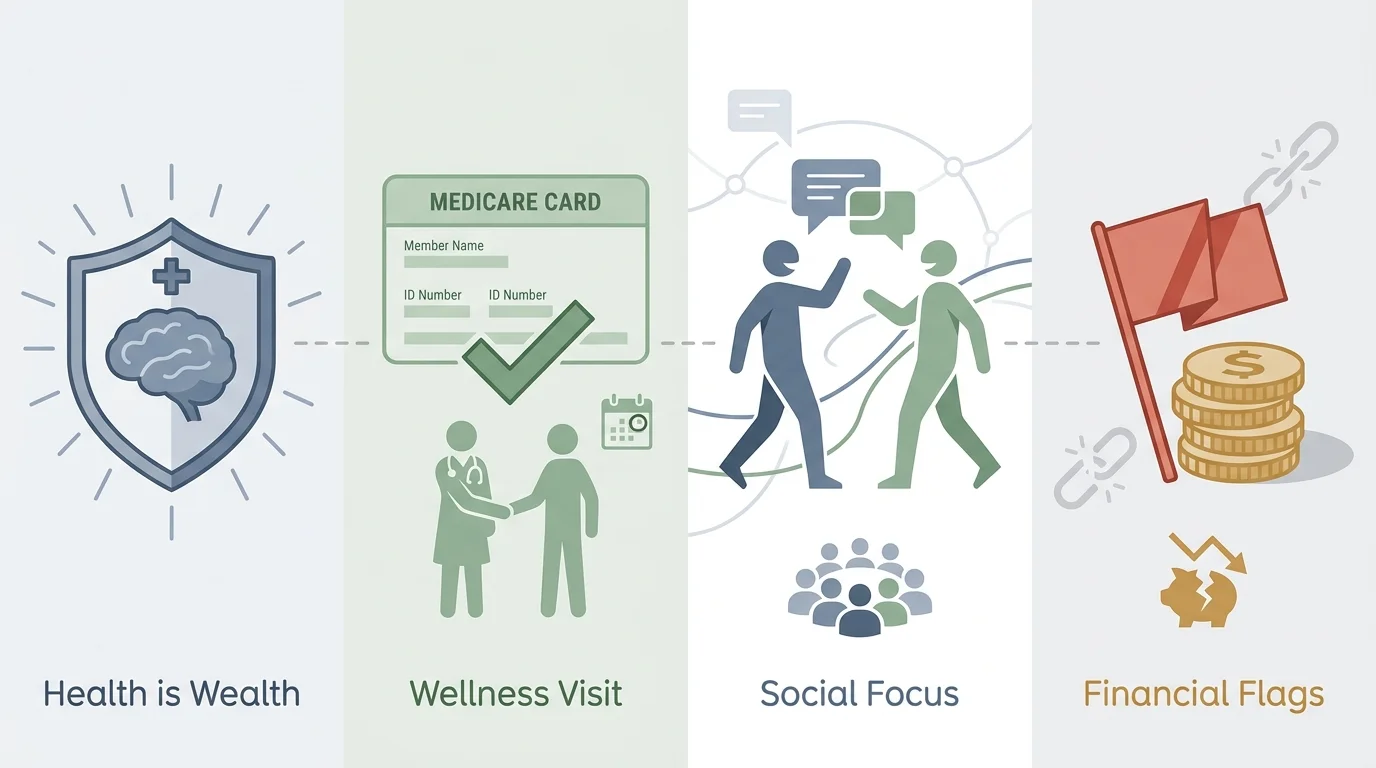
- Cognitive health is wealth: Maintaining your mental sharpness directly protects your retirement savings by helping you manage complex finances and avoid sophisticated scams.
- Medicare covers your baseline: Your free Annual Wellness Visit under Medicare Part B includes a mandatory cognitive assessment at no out-of-pocket cost.
- Everyday activities matter most: You do not need expensive subscriptions; combining physical movement, social interaction, and novel challenges provides the best cognitive return on investment.
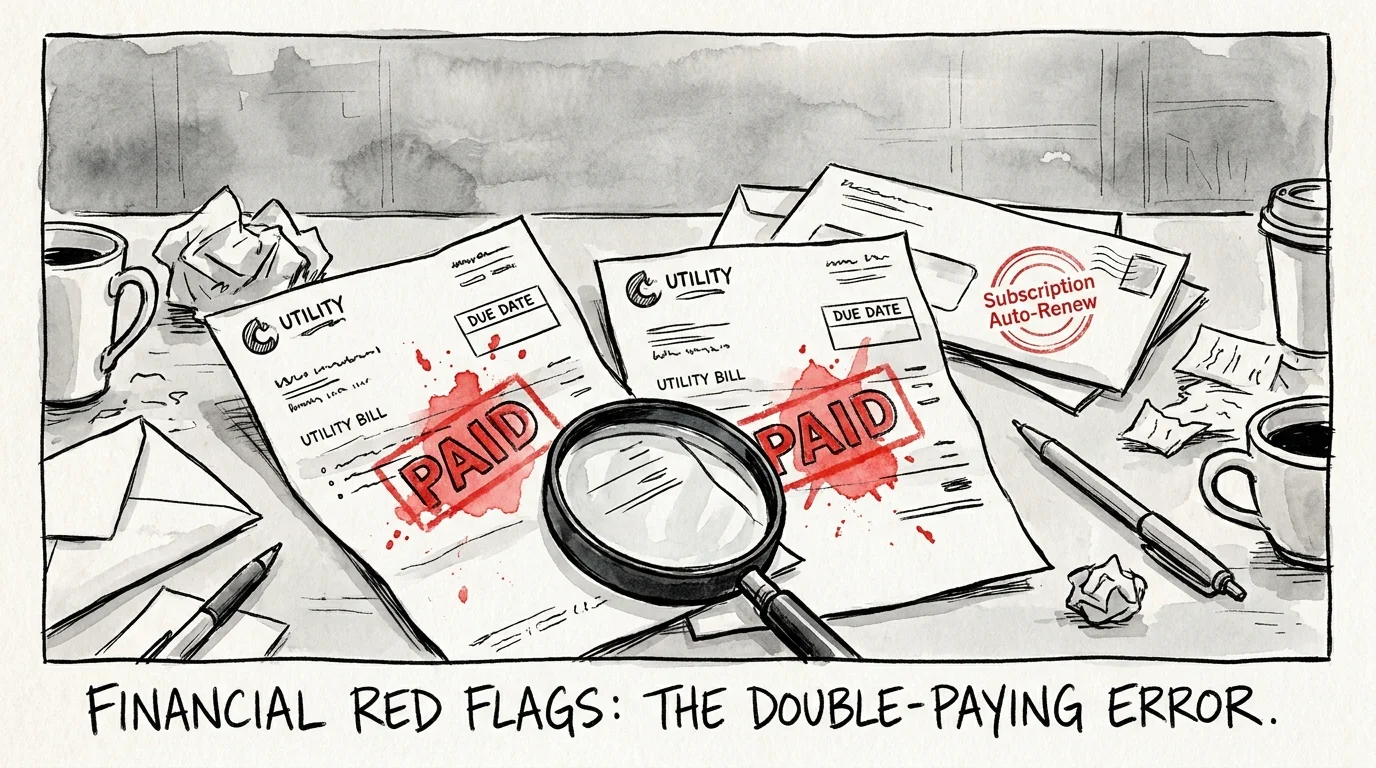
- Financial red flags exist: Early signs of cognitive decline often show up in your wallet first—such as double-paying bills or making uncharacteristically poor investment choices.
Your most valuable retirement asset isn’t your 401(k), your monthly Social Security benefit, or the equity in your home—it is your cognitive health. When we talk about planning for retirement, we spend countless hours crunching numbers, rebalancing portfolios, and optimizing tax strategies. Yet, we often neglect the one tool required to manage all of those assets: a sharp, functioning mind.
According to the Alzheimer’s Association, the health and long-term care costs for people living with dementia are projected to reach $409 billion in 2026. Cognitive decline isn’t just a health issue; it is a profound financial risk. Staying mentally agile helps you navigate a changing economy, optimize your budget, and protect your hard-earned wealth from fraudsters who aggressively target older adults.
“You will never get a better return on life than when you truly invest in yourself… Now, consider that you only have one mind and one body. Prepare them for life, care for them. You can enhance your mind over time. A person’s main asset is themselves, so preserve and enhance yourself.” — Warren Buffett, CEO of Berkshire Hathaway
You have the power to actively preserve and enhance your cognitive reserves. Just as you lift weights to maintain muscle mass or walk to keep your heart strong, you must regularly exercise your brain. The best part? The most effective brain exercises cost absolutely nothing.

The Financial Case for Cognitive Fitness in 2026
As a senior in 2026, you are navigating a financial landscape that demands constant attention and mental agility. The Social Security Administration implemented a 2.8% cost-of-living adjustment (COLA) for 2026, boosting the average retirement benefit by about $56 to roughly $2,064 per month. Simultaneously, the standard Medicare Part B premium rose to $202.90. Balancing these adjustments on a fixed income requires meticulous budgeting and sharp decision-making.
Furthermore, the tax code has introduced new complexities. For instance, the recent “One Big Beautiful Bill” implemented a temporary Enhanced Senior Deduction available through 2028. This allows qualifying taxpayers age 65 and older to claim an additional $6,000 deduction per person (phasing out for higher incomes) on top of the standard senior deduction. Keeping your brain active ensures you can track these intricate changes, optimize your annual tax filings, and recognize when you need to call in a professional.
When cognitive health slips, financial management is often the first casualty. Bills go unpaid, subscriptions auto-renew unnoticed, and vulnerability to financial exploitation skyrockets. By exercising your brain, you are actively building a fortress around your retirement nest egg.
9 Actionable Brain Exercises to Keep Your Mind Sharp
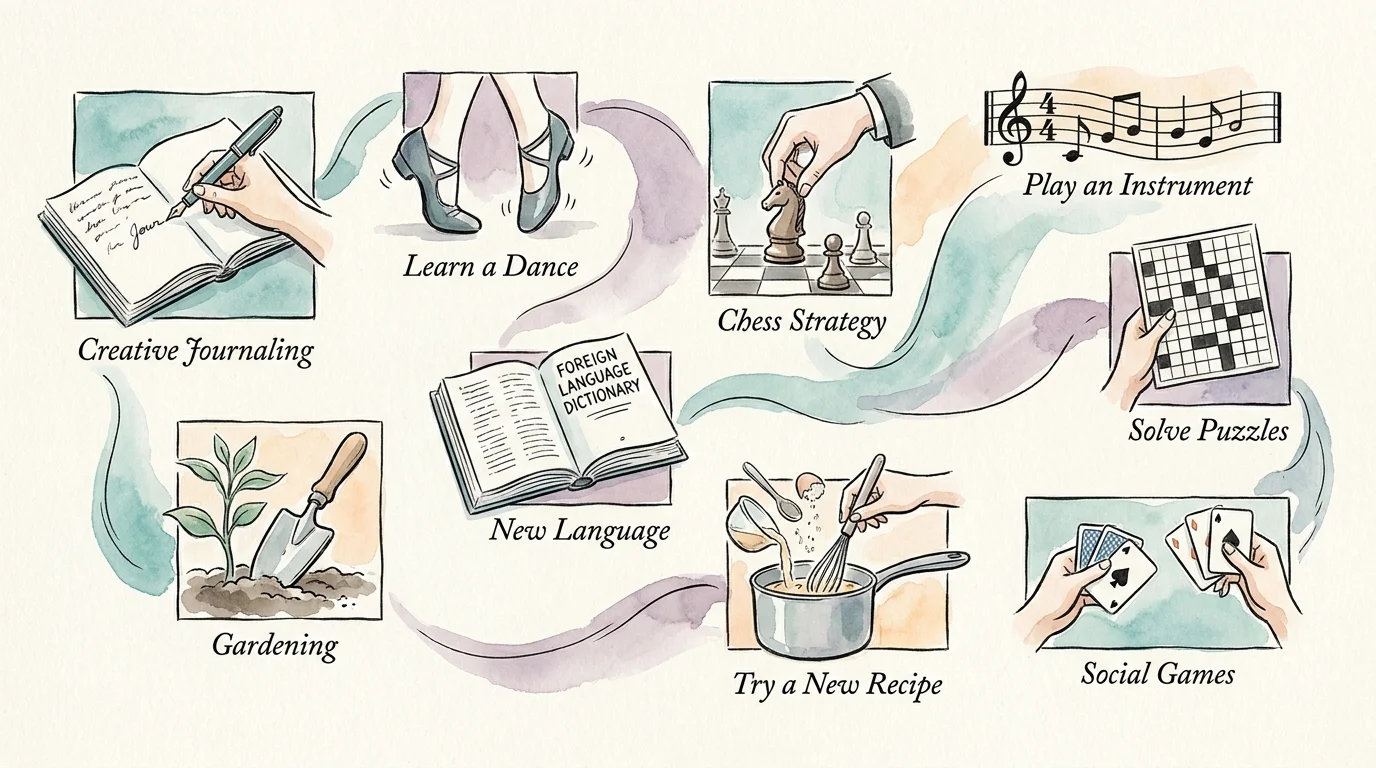
You do not need a degree in neuroscience or an expensive app subscription to build cognitive resilience. Integrating the following nine exercises into your daily routine will challenge different areas of your brain, build new neural pathways, and keep you mentally sharp.
- Learn a New Language (or Brush Up on an Old One)
Learning vocabulary and grammar forces your brain to build entirely new neural networks. It challenges your memory, improves your focus, and enhances your ability to multitask. You can bypass expensive software by using free apps like Duolingo or accessing premium programs like Rosetta Stone for free through your local public library’s digital portal. - Master a Musical Instrument
Playing music is the equivalent of a full-body workout for your brain. It engages your auditory, motor, and visual cortices simultaneously. If you have an old guitar in the attic or can find an inexpensive used keyboard, you can start today. YouTube offers thousands of free, high-quality beginner tutorials, allowing you to learn at your own pace without the cost of private lessons. - Engage in Daily Physical Exercise
Physical health and brain health are inextricably linked. Cardiovascular exercise increases blood flow to the brain, delivering the oxygen and nutrients necessary to encourage the growth of new brain cells—particularly in the hippocampus, which governs memory and learning. A brisk 30-minute daily walk costs nothing but pays massive cognitive dividends over time. - Play Strategic Board Games and Card Games
Games like chess, bridge, Mahjong, and even Scrabble require strategic planning, rapid memory retention, and adaptability. Beyond the cognitive workout, these games provide crucial social interaction, which is a known protective factor against dementia. Check with your local senior center or library; they frequently host free weekly game groups. - Solve Puzzles That Challenge Your Logic
Sudoku, crosswords, and logic grid puzzles force your brain to recognize complex patterns and quickly recall stored information. Instead of spending money on monthly puzzle book subscriptions, pick up your local free community newspaper or download free puzzle apps that offer daily challenges. - Take a Different Route
Routines are comfortable, but they put your brain on autopilot. Simply driving or walking a new route to the grocery store forces your brain to process new spatial information, calculate distances, and analyze new visual cues. This spatial navigation exercise directly strengthens the areas of the brain most vulnerable to age-related decline. - Teach a Skill to Someone Else
Teaching requires you to organize your thoughts logically, recall specific details, and communicate them clearly. Whether you are teaching a grandchild how to bake a family recipe, showing a neighbor how to knit, or volunteering to teach financial literacy at a community center, you are actively engaging your brain’s communication and memory centers. - Practice Mindfulness and Meditation
Chronic stress floods your system with cortisol, a hormone that can physically shrink the brain’s memory centers over time. Meditation reduces stress hormones, improves focus, and enhances emotional regulation. You can find free guided meditations through apps like Insight Timer or on YouTube, making this a zero-cost method to protect your cognitive reserves. - Read Books Outside Your Usual Genre
If you exclusively read historical fiction, try picking up a biography, a science book, or a complex mystery. Grappling with new concepts, unfamiliar vocabulary, and different narrative structures keeps your mind agile. A library card remains one of the greatest free resources for cognitive fitness in the country.
Free vs. Paid Brain Training: What’s the Better Investment?
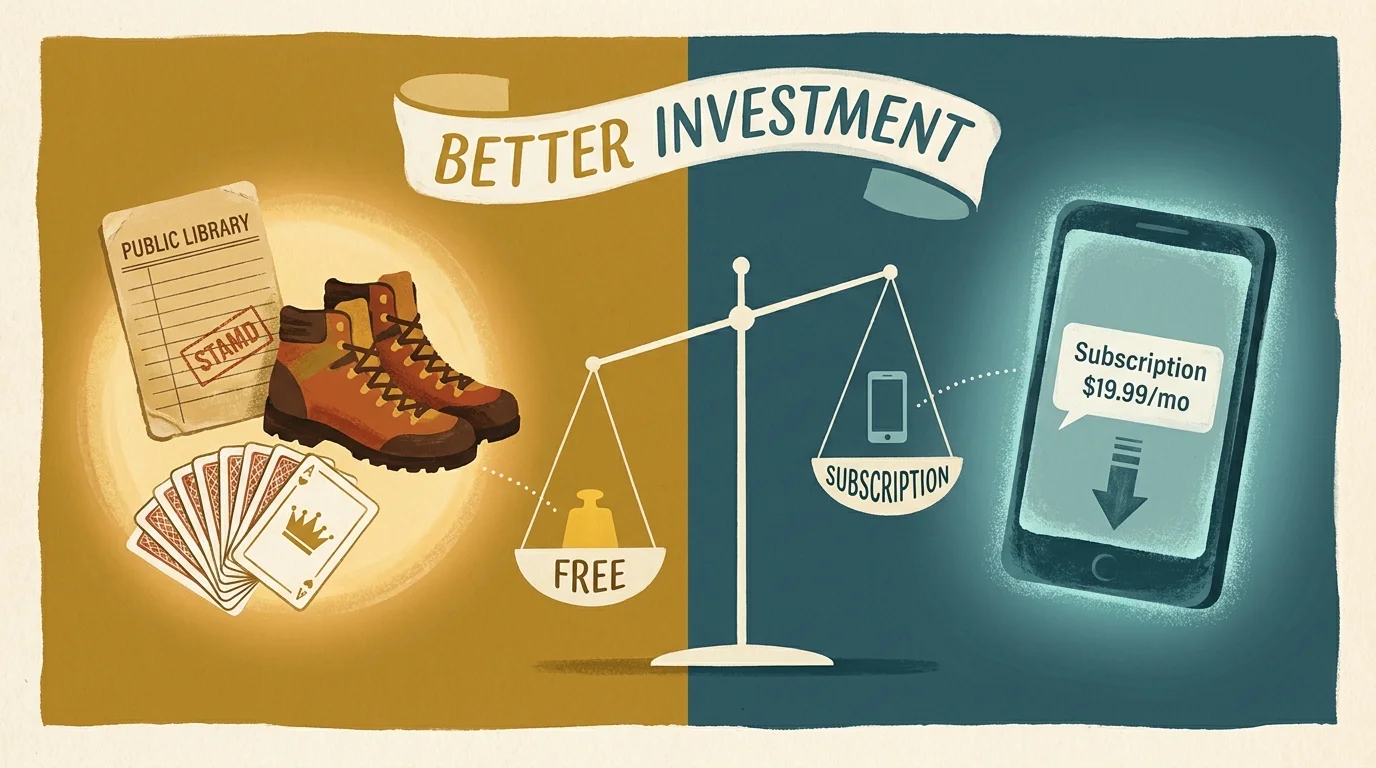
The market is flooded with digital brain-training programs claiming to prevent cognitive decline. But do you need to pay a premium to stay sharp? Let’s compare the options.
| Training Method | Estimated Cost | Key Cognitive Benefits | The Verdict |
|---|---|---|---|
| Paid Brain Apps (Lumosity, Elevate) | $40 – $80 per year | Targeted memory, speed, and problem-solving mini-games with progress tracking. | Entertaining, but studies show you mostly just get better at the games themselves rather than experiencing broad cognitive improvement. Not a necessary expense. |
| Language Apps (Duolingo) | Free (with ads) or ~$84/year | Deep neural pathway creation, improved working memory, and enhanced focus. | Excellent investment of time. Stick to the free version to protect your budget while reaping the cognitive rewards. |
| Library Resources (Books, Audiobooks, Rosetta Stone) | Free (with library card) | Sustained attention, vocabulary expansion, and complex narrative processing. | The absolute best value. Your tax dollars already pay for these resources, making them a cornerstone of your cognitive fitness plan. |
| Social Group Games (Bridge, Mahjong) | Free to low-cost (coffee/snacks) | Strategic thinking, pattern recognition, and vital social engagement. | Highly recommended. The combination of complex rules and social interaction provides a superior cognitive workout compared to playing solo on a screen. |
How Medicare Covers Your Brain Health in 2026
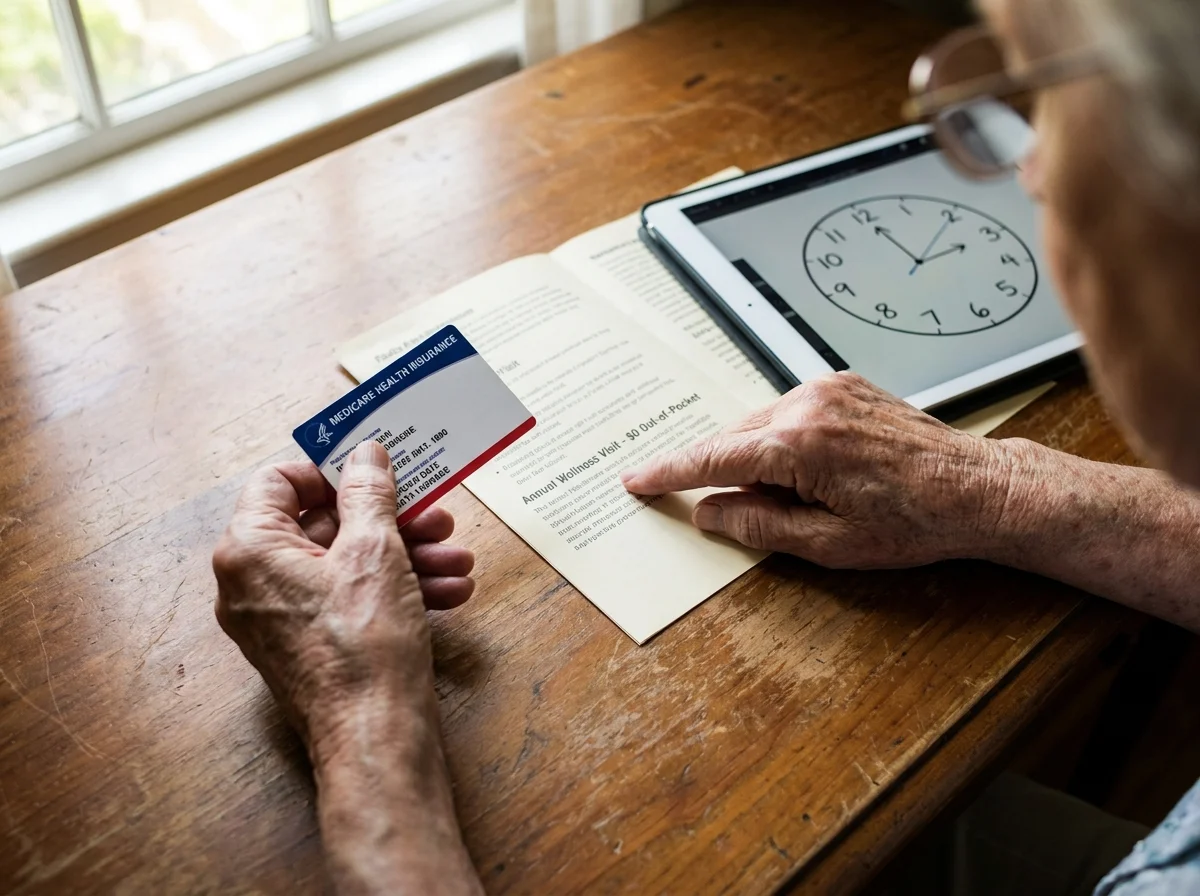
You already pay for your Medicare benefits—make sure you actually use them. Once you have been enrolled in Medicare Part B for 12 months, you are entitled to a free Annual Wellness Visit (AWV). According to Medicare.gov, your healthcare provider is required to perform a cognitive assessment during this visit to look for early signs of dementia or Alzheimer’s disease.
During the AWV cognitive check, your doctor will observe your behavior, ask about your memory, and assess your ability to make decisions. Because this is a preventive service, you pay $0 as long as your doctor accepts Medicare assignment. This free assessment creates a crucial medical baseline, allowing your doctor to track changes year over year.
If your provider detects signs of cognitive impairment during the wellness visit, they may recommend a more comprehensive evaluation and care planning visit. It is important to understand the financial mechanics of this follow-up: the separate, detailed assessment is covered under Medicare Part B, but the standard Part B deductible applies (which is $283 in 2026). Once you meet that deductible, you will generally pay a 20% coinsurance of the Medicare-approved amount. Catching cognitive changes early gives you the runway to explore treatment options, organize your estate, and implement a financial power of attorney before a crisis occurs.
Costly Errors to Sidestep
When prioritizing your brain health, avoid these common missteps that can drain both your wallet and your cognitive reserves:
- Falling for “Miracle” Brain Supplements: The dietary supplement industry aggressively markets unproven pills claiming to boost memory or cure dementia. These supplements are not strictly regulated by the FDA and can cost hundreds of dollars a year. Save your money; no pill replaces the benefits of a healthy diet, good sleep, and physical exercise.
- Skipping the Annual Wellness Visit: Far too many seniors skip their Medicare AWV because they feel healthy. Bypassing this free visit means missing out on your annual cognitive baseline check. It is a use-it-or-lose-it benefit that you are already paying for through your Part B premiums.
- Isolating Yourself: According to the National Council on Aging (NCOA), social isolation drastically increases the risk of cognitive decline and dementia. Retiring and staying home alone in front of the television is a recipe for rapid mental deterioration.
- Ignoring the Financial Warning Signs: Cognitive decline frequently manifests as financial disorganization. If you suddenly find yourself unable to balance your checkbook, forgetting to pay property taxes, or feeling unusually confused by your Medicare Summary Notices, do not brush it off as normal aging.

When DIY Isn’t Enough
While brain exercises are fantastic for maintaining a healthy mind, they are not a cure for underlying medical conditions. If you or a loved one experience any of the following scenarios, it is time to consult a medical professional:
- Routine Financial Confusion: You consistently miss standard bill payments, double-pay accounts, or cannot comprehend bank statements that you easily managed just a year ago.
- Spatial Disorientation: You get lost while driving or walking in highly familiar environments, such as your own neighborhood or the route to your preferred grocery store.
- Loss of Established Skills: You struggle to follow a recipe you have used for decades, or you forget how to operate household appliances you use daily.
- Extreme Vulnerability to Scams: You find yourself making uncharacteristically impulsive financial decisions or trusting unsolicited callers asking for money, gift cards, or personal information.
Frequently Asked Questions (FAQs)
Do crossword puzzles actually prevent dementia?
While crossword puzzles keep your brain active and improve vocabulary recall, they cannot definitively prevent dementia on their own. The best approach is a holistic one: combine mental puzzles with regular physical exercise, social interaction, and a heart-healthy diet to build cognitive resilience.
Does Medicare cover comprehensive cognitive testing?
Yes. While the brief cognitive screening during your Annual Wellness Visit is completely free, Medicare Part B also covers a more detailed cognitive assessment and care planning visit if impairment is detected. For this comprehensive visit, the 2026 Part B deductible ($283) and a 20% coinsurance apply.
Are paid brain-training apps worth the money?
For most seniors, paid brain-training apps are not a necessary financial investment. Studies indicate that while you may get better at the specific games on the app, those skills do not necessarily translate to improved real-world cognitive function. Free activities like learning a language, playing a musical instrument, and exercising provide far better overall benefits.
Is it normal to become more forgetful as I age?
Mild forgetfulness—like occasionally misplacing your keys or struggling to recall an acquaintance’s name—is a normal part of aging. However, if memory loss begins disrupting your daily life, your ability to manage your finances, or your personal safety, you should immediately speak with your healthcare provider.
Taking care of your mind is the ultimate act of financial self-defense. The decisions you make today—whether it’s taking a brisk walk, learning a few phrases of Spanish, or finally taking advantage of your free Medicare wellness visit—compound over time to protect your independence and your savings. Start small, pick one or two exercises from the list above, and commit to challenging your brain a little bit every day.
The information in this guide is meant for educational purposes. Your specific circumstances—including income, benefits, tax situation, and health needs—may require different approaches. When in doubt, consult a licensed financial advisor or medical professional.
Last updated: April 2026. Benefit amounts, tax rules, and program details change annually—verify current figures with official government sources.