
Protecting your physical mobility is one of the most effective ways to shield your retirement savings from unexpected medical debt. A daily routine of chair exercises strengthens your core and improves your balance without requiring expensive equipment or a risky gym commute. According to the National Council on Aging, falls cost Medicare roughly $80 billion annually, and out-of-pocket costs from a single injury can devastate a fixed income. You can significantly lower your risk of these costly medical emergencies by building strength right from your living room. The seven gentle, seated movements below will help you maintain your independence, boost your circulation, and protect your long-term financial health—all without ever standing up.
The Hidden Financial Return on Physical Fitness
When evaluating your retirement plan, you likely look at your investment accounts, your Social Security strategy, and your tax brackets. However, maintaining your physical strength is just as crucial to your financial security. A decline in mobility often triggers a cascade of medical expenses that can drain your accounts faster than market volatility.
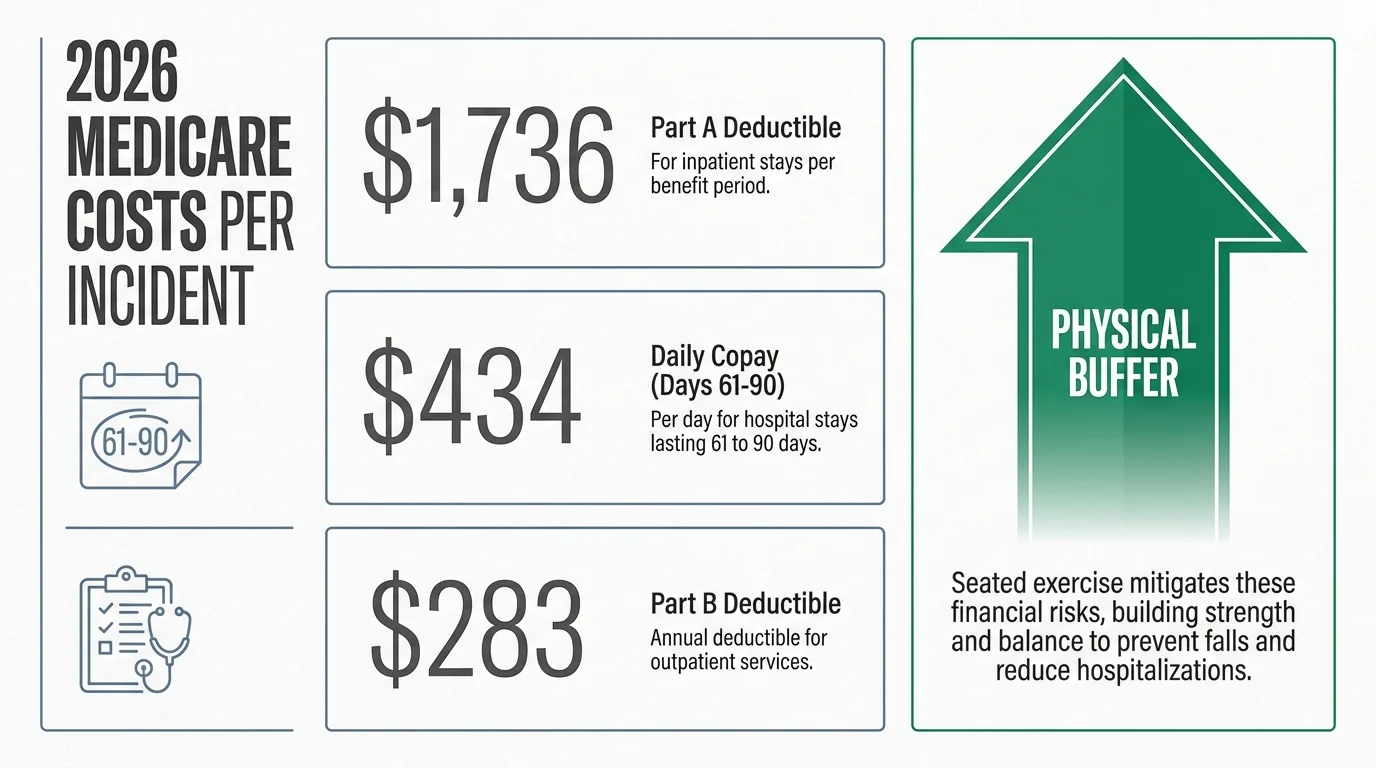
Original Medicare covers many hospital and outpatient services, but it still leaves you exposed to significant out-of-pocket costs. If a bad fall sends you to the hospital, the Centers for Medicare & Medicaid Services set the 2026 Medicare Part A inpatient deductible at $1,736—and that applies to each benefit period, not just once a year. If your recovery requires an extended stay, you will face daily copayments starting at $434 per day for days 61 through 90.
For outpatient care like physical therapy or durable medical equipment, you must meet the $283 Part B deductible for 2026, after which you are still responsible for a 20% coinsurance. Because Original Medicare has no annual out-of-pocket maximum, those 20% charges accumulate rapidly. Furthermore, Medicare does not cover custodial care; if an injury forces you to hire a home health aide for daily assistance, you will pay those costs entirely out of pocket. By investing a few minutes each day into physical maintenance, you build a physical buffer against these unexpected medical bills.
“You only get one mind and one body. And it’s got to last a lifetime. But if you don’t take care of that mind and that body, they’ll be a wreck 40 years later.” — Warren Buffett, Investor and CEO of Berkshire Hathaway
Preparing for Your Seated Workout
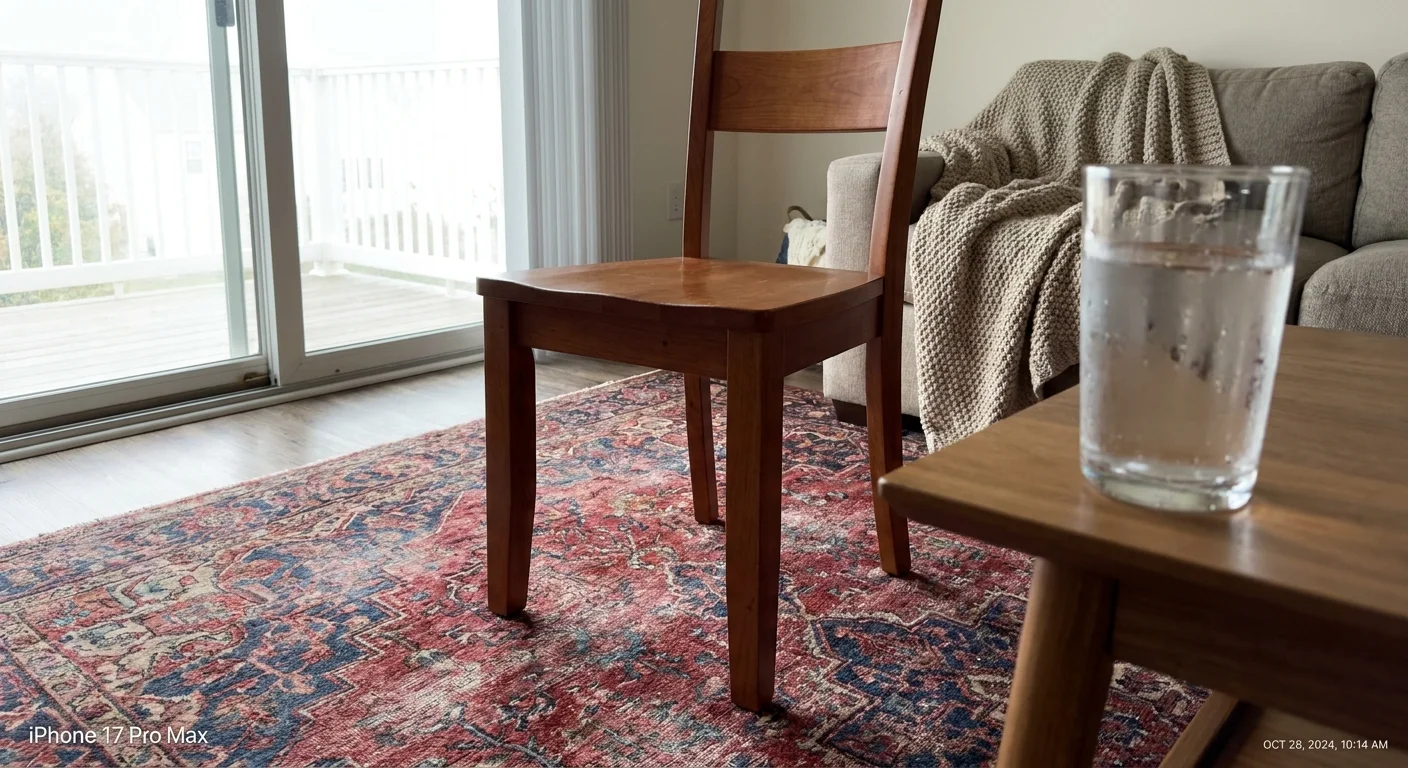
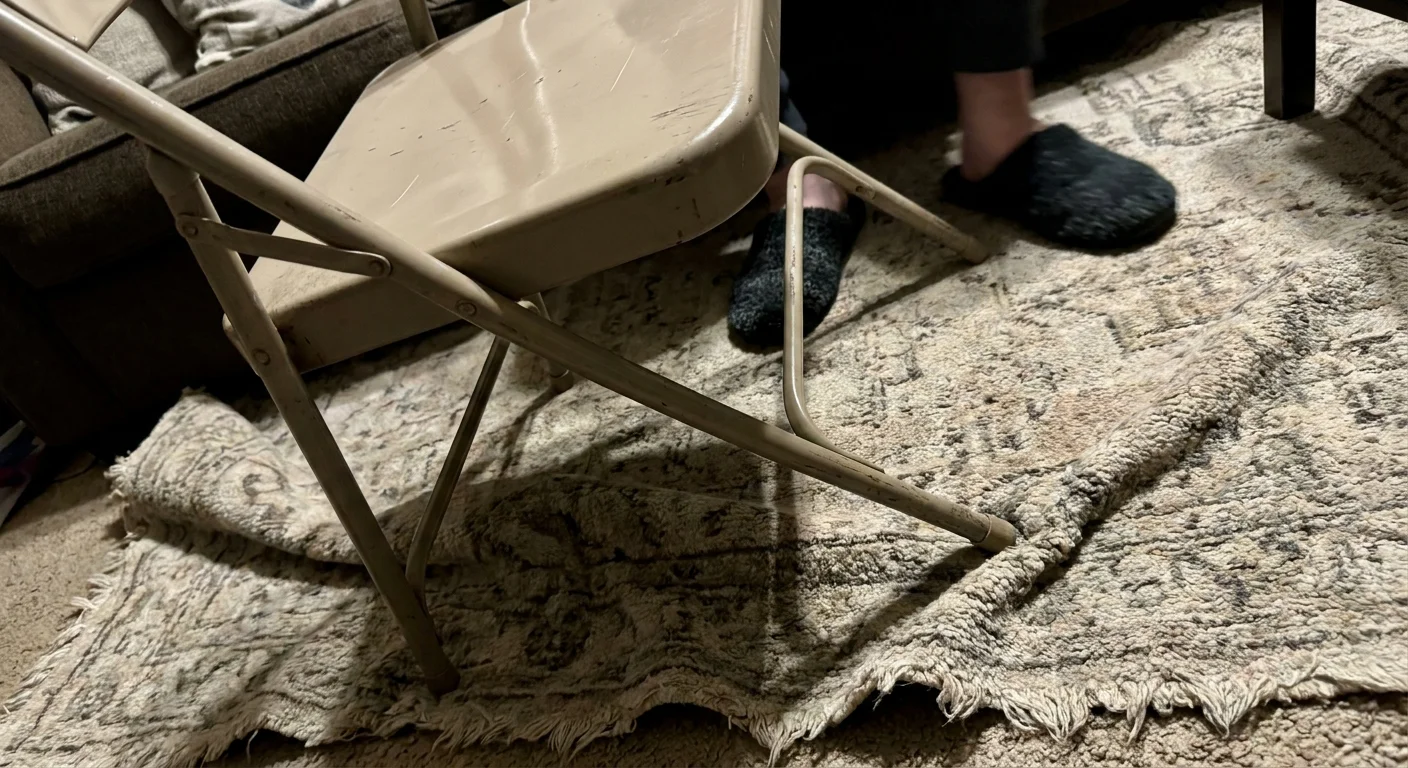
Before you begin the exercises, you need to create a safe environment. Never use a chair with wheels, a deep plush recliner, or a folding chair that lacks stability. A sturdy, armless dining room chair provides the best support and range of motion. Sit near the front half of the seat so your feet rest flat on the floor and your knees bend at a 90-degree angle. Keep a glass of water nearby to stay hydrated.
7 Chair Exercises You Can Do at Home
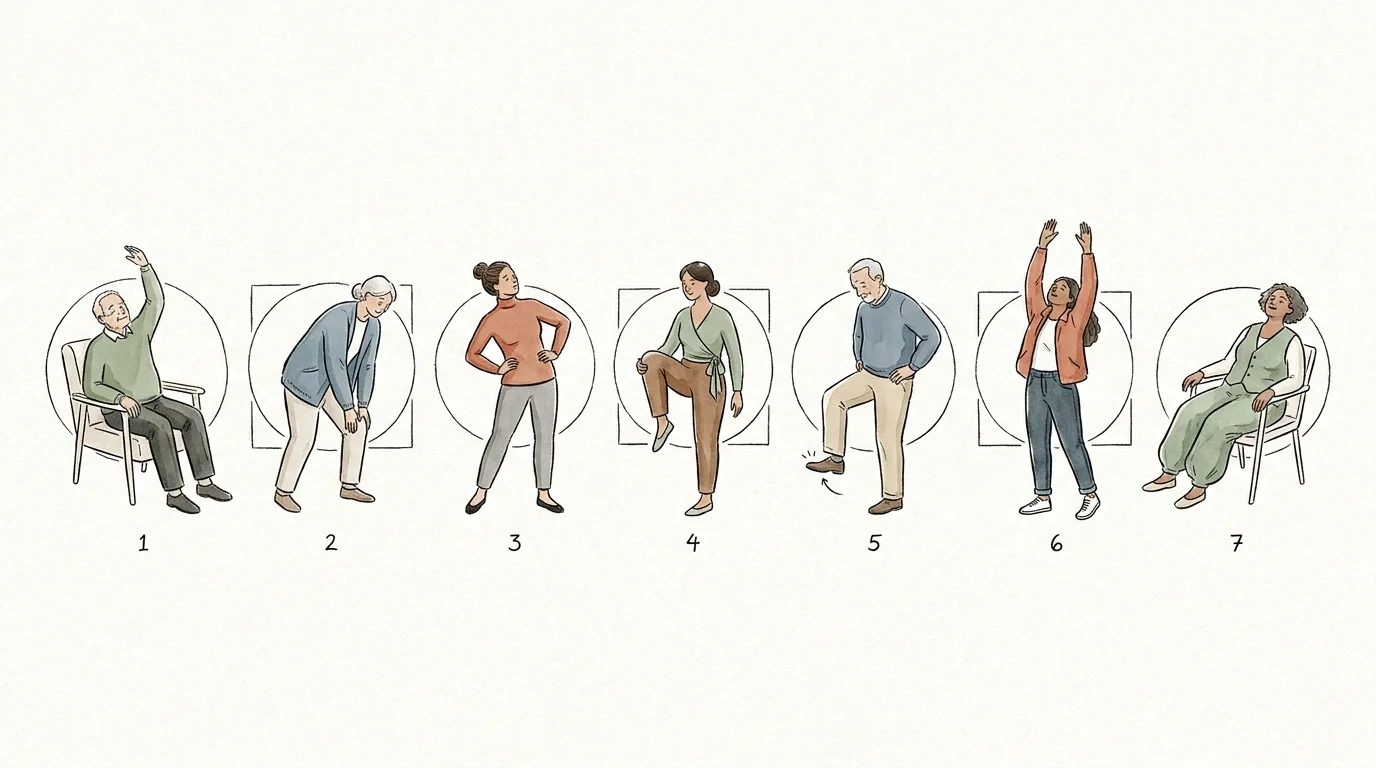
These seven movements target the exact muscle groups you need to navigate your home safely, maintain your balance, and preserve your independence. Move deliberately and focus on feeling the muscle engage rather than rushing through the repetitions.
1. Seated Leg Extensions
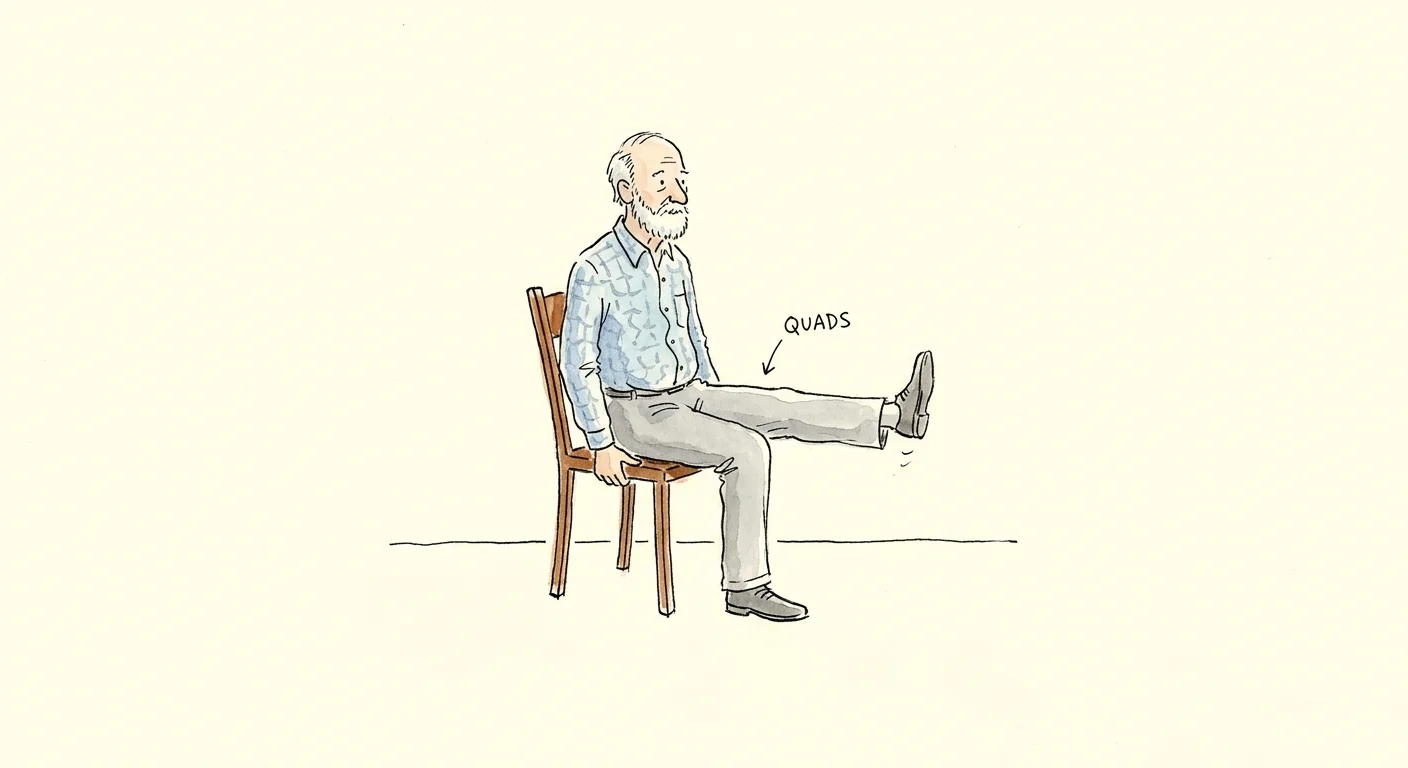
Muscles targeted: Quadriceps (front of the thighs).
Why it protects your independence: Your quadriceps act as the primary engines when you stand up from a seated position. If these muscles atrophy, you will find yourself relying heavily on your arms to push out of deep sofas, low car seats, or toilets. Weak quadriceps also lead to an unsteady gait, directly increasing your risk of a fall.
How to do it: Sit tall near the edge of your chair. Keep your left foot flat on the floor. Slowly straighten your right knee, extending your leg fully in front of you. Flex your foot so your toes point toward the ceiling. Hold this position for three seconds, feeling the muscle engage. Lower your foot slowly to the floor. Repeat 10 to 15 times on the right leg, then switch to the left.
2. Seated Marches
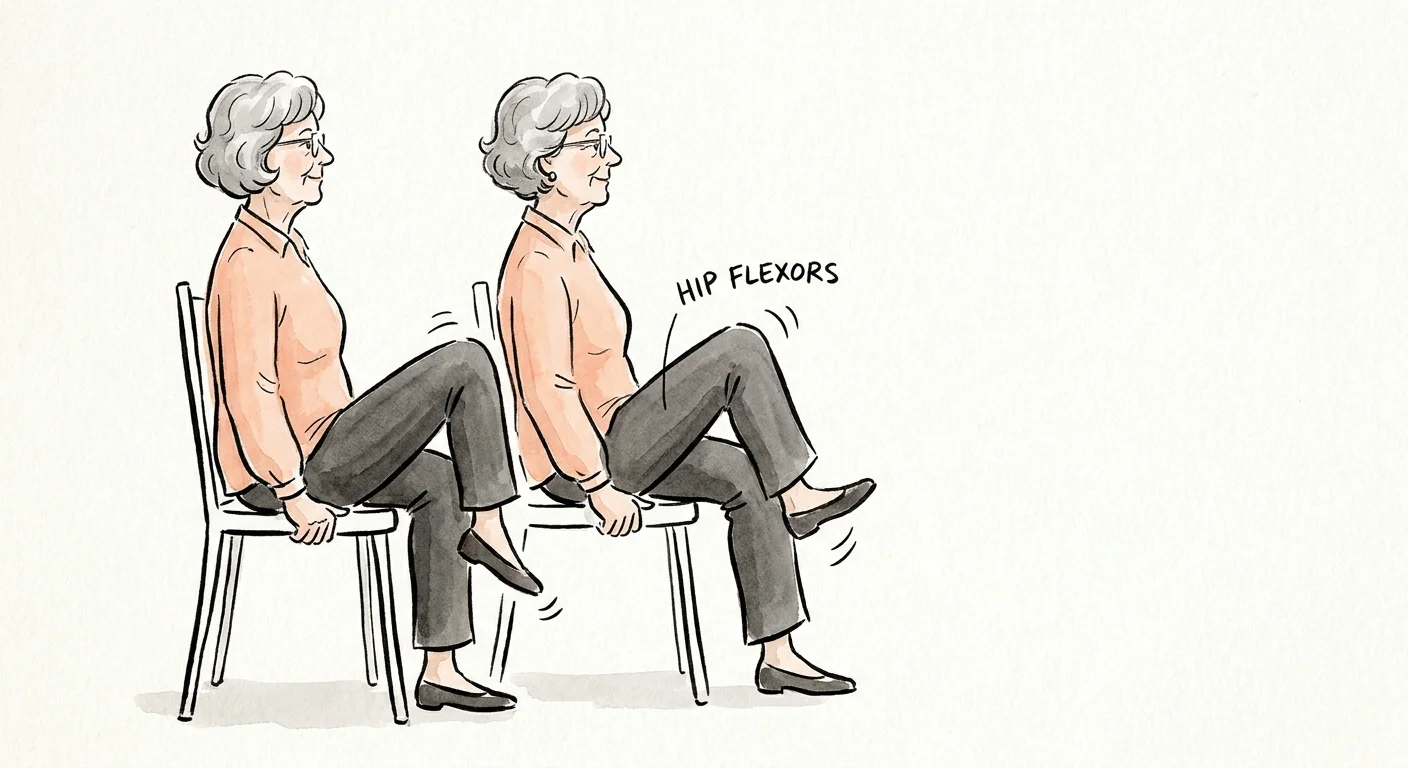
Muscles targeted: Hip flexors and lower core.
Why it protects your independence: Hip flexors lift your feet off the floor when you walk. Weak hip flexors lead to “shuffling,” which causes your shoes to catch on the edges of rugs or door thresholds. Strong hip flexors ensure you clear obstacles cleanly.
How to do it: Grip the sides of the chair for stability. Keep your spine perfectly straight; do not lean back against the chair. Lift your right knee toward your chest as high as is comfortable, then lower it gently with control. Immediately lift the left knee. Alternate back and forth in a rhythmic marching motion for one to two minutes.
3. Ankle Pumps and Circles
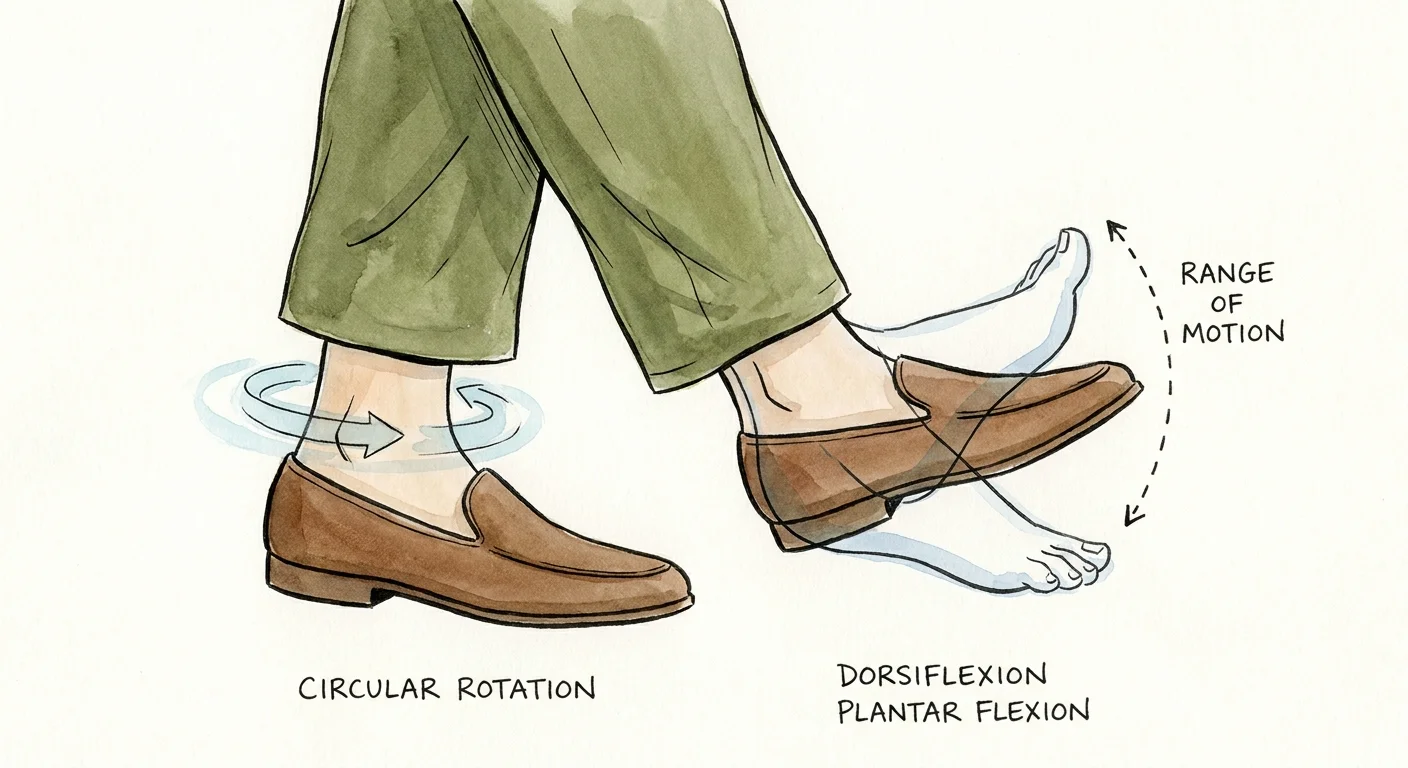
Muscles targeted: Calves and shin muscles.
Why it protects your independence: Poor lower body circulation often leads to swelling and neuropathy, which destroys your balance. Keeping blood flowing back to your heart prevents fluid buildup and keeps your ankle joints flexible enough to adapt to uneven sidewalks.
How to do it: Extend both legs slightly in front of you with your heels on the floor. Point your toes far away from you, then flex them back hard toward your shins. Pump back and forth 15 times. Next, lift your feet slightly and draw circles with your toes—10 times clockwise, then 10 times counterclockwise.
4. Seated Torso Twists
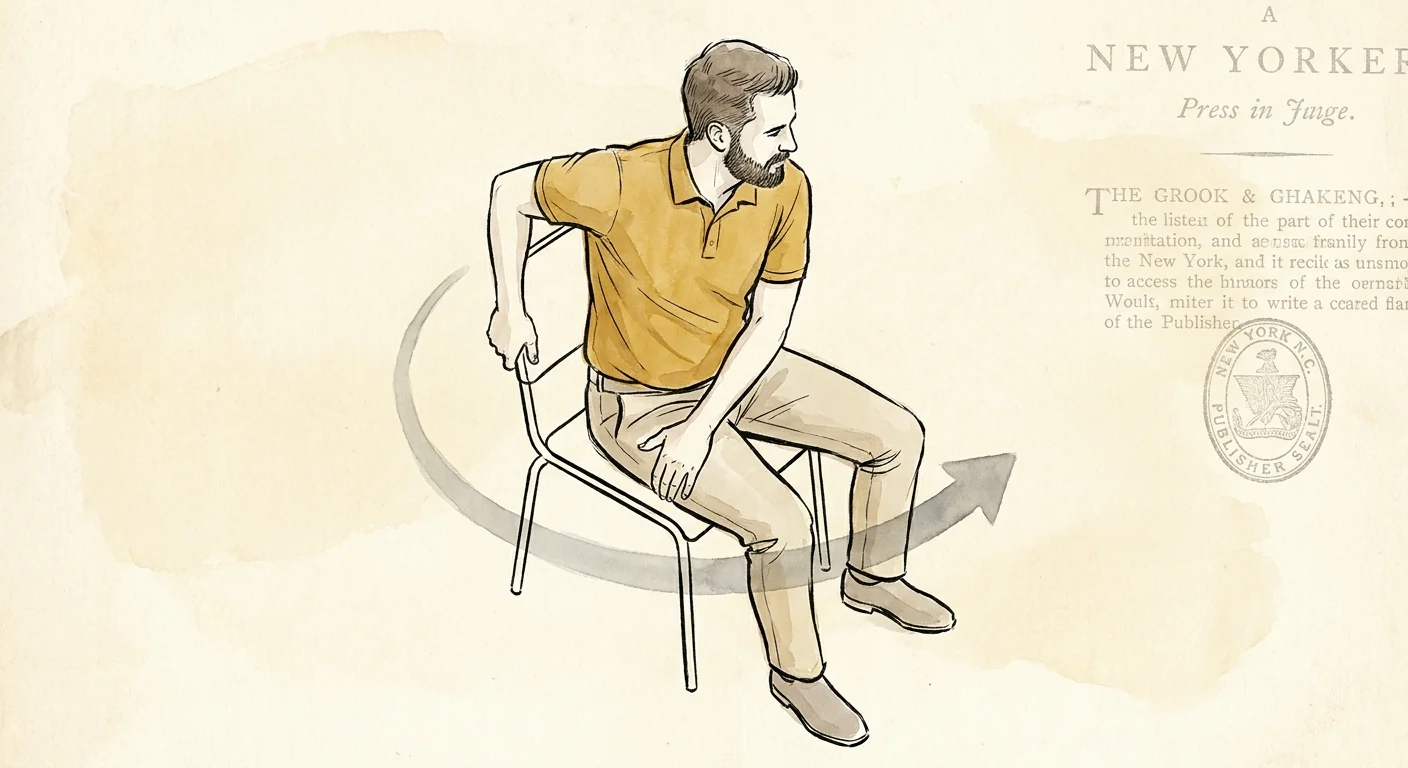
Muscles targeted: Obliques and core stabilizers.
Why it protects your independence: Core strength acts as your body’s built-in fall prevention system. When you lose your balance, a strong core snaps your center of gravity back to the middle before you hit the ground. Twisting also keeps your spine mobile so you can comfortably check your blind spot while driving.
How to do it: Cross your arms over your chest. Keep your feet firmly planted on the floor and your hips facing straight ahead. Exhale and slowly twist your upper body to the right, looking over your right shoulder. Hold the stretch for three seconds. Inhale as you return to the center. Twist to the left. Repeat eight times per side.
5. Overhead Arm Reaches
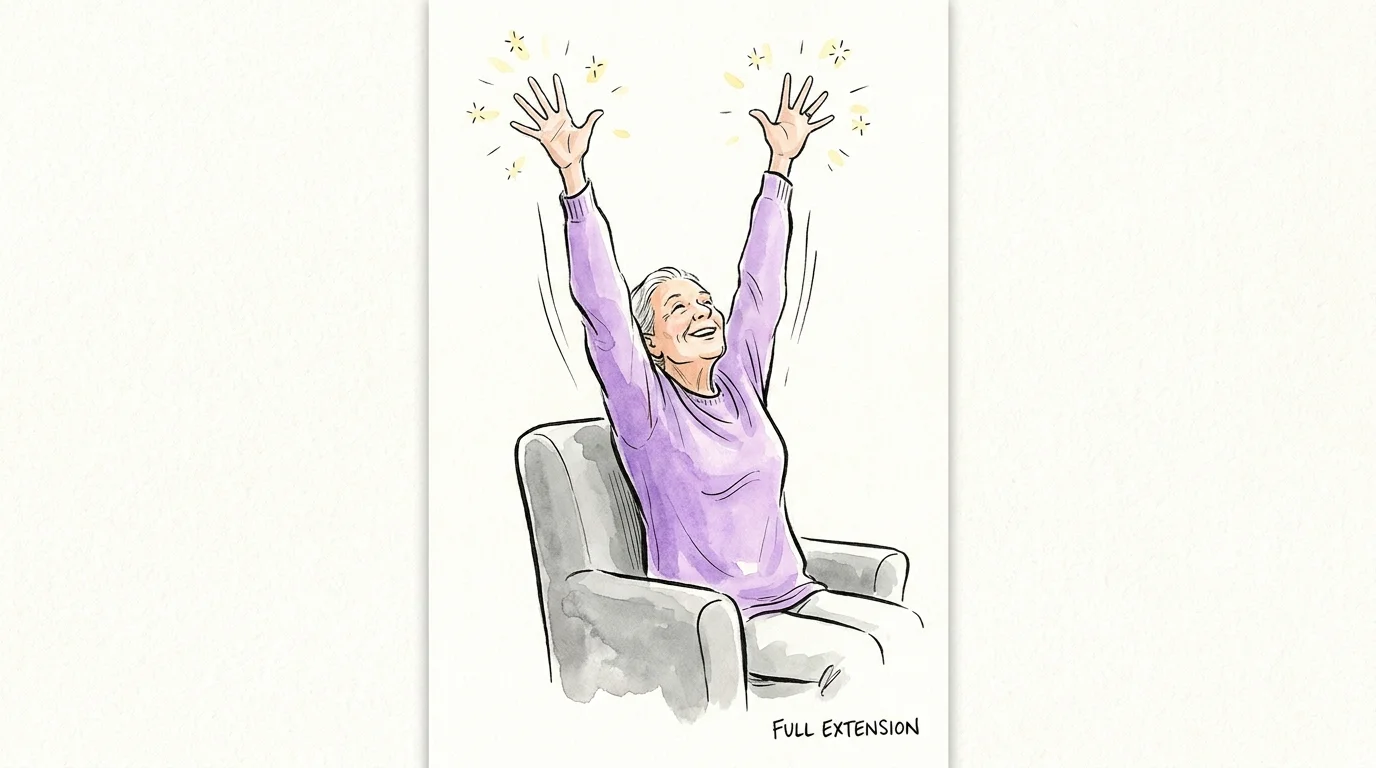
Muscles targeted: Deltoids and upper back.
Why it protects your independence: Rotator cuff injuries are notoriously slow to heal and frequently require costly physical therapy—eating into your Part B 20% coinsurance. Maintaining shoulder mobility ensures you can dress yourself, wash your hair, and reach high shelves without hiring assistance.
How to do it: Start with your hands resting on your lap. Keep your shoulders pressed down away from your ears. Inhale deeply and lift your arms straight up toward the ceiling. Reach as high as you comfortably can without arching your lower back. Exhale and slowly lower your arms back to your lap. Repeat 10 to 12 times.
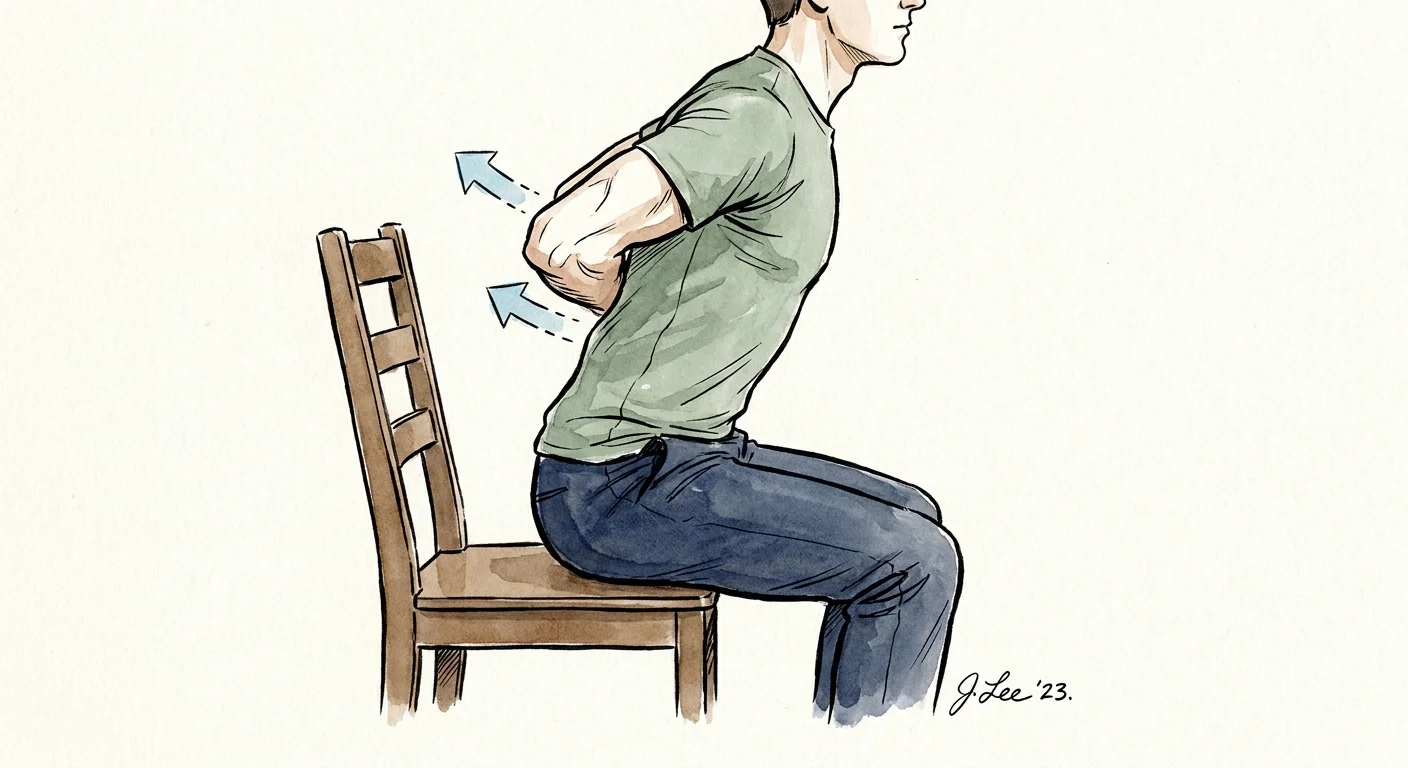
6. Seated Rows
Muscles targeted: Rhomboids and latissimus dorsi.
Why it protects your independence: A hunched posture shifts your center of gravity dangerously forward over your toes, making forward-pitching falls highly likely. Strengthening your upper back pulls your shoulders into proper alignment, improves your lung capacity, and shifts your weight safely back over your heels.
How to do it: Extend both arms straight out in front of you at chest height. Make loose fists. Pull your elbows straight back alongside your ribs, squeezing your shoulder blades tightly together as if pinching a pencil between them. Hold the squeeze for two full seconds. Release and reach forward. Repeat 15 times.
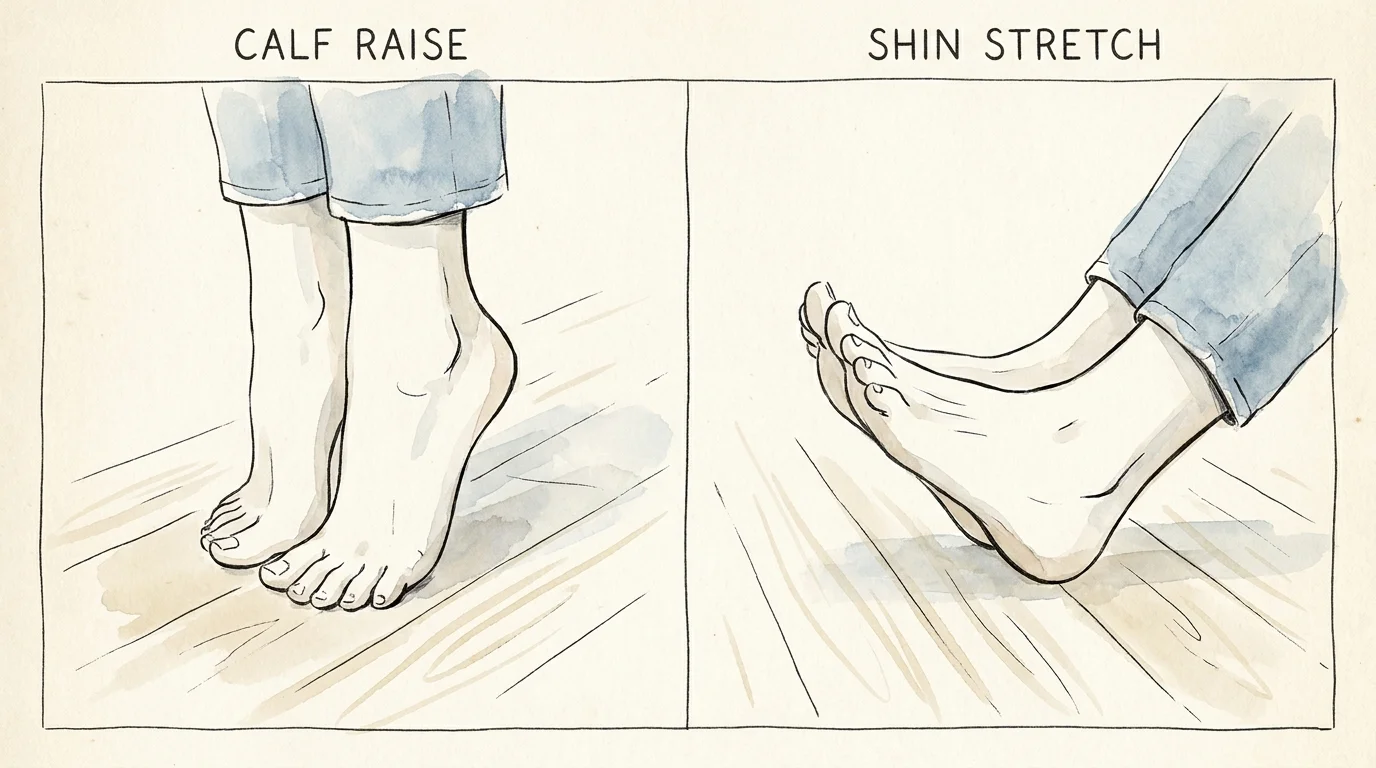
7. Seated Heel-to-Toe Lifts
Muscles targeted: Calves and anterior tibialis (shins).
Why it protects your independence: The shin muscle is responsible for lifting your toes when you step forward. If it weakens, you develop “drop foot,” a leading cause of face-forward falls over minor obstacles. Strong calves also assist in powering your body up stairs.
How to do it: Keep both feet flat on the floor. Lift your heels as high as possible, pushing your weight through the balls of your feet. Hold for two seconds. Lower your heels to the floor, then immediately lift your toes off the floor toward the ceiling, keeping your heels firmly planted. Alternate rocking from heels to toes 20 times.

Maximizing Your Medicare Fitness Benefits
While home exercises are a phenomenal starting point, you may eventually want to supplement your routine with professional fitness classes or gym access. This is where reviewing your health insurance perks becomes a smart financial strategy.
Original Medicare (Parts A and B) does not cover standard gym memberships or fitness programs. However, if you are enrolled in a Medicare Advantage (Part C) plan or certain Medicare Supplement (Medigap) policies, you likely have access to robust fitness benefits at no additional out-of-pocket cost. You already pay for these benefits through your monthly premiums, so leaving them unused is essentially leaving money on the table.
| Fitness Program | What It Includes | Common Availability |
|---|---|---|
| SilverSneakers | Access to thousands of gyms nationwide, plus on-demand online video workouts and live virtual classes. | Widely available on many Medicare Advantage and some Medigap plans. |
| Renew Active | Access to a national network of fitness locations, personalized fitness plans, and the AARP Staying Sharp brain health program. | Exclusive to UnitedHealthcare Medicare plans. |
| Silver&Fit | Choice of participating fitness centers, home fitness kits (such as resistance bands or wearable trackers), and digital workouts. | Offered through various regional and national Medicare Advantage plans. |
To find out what you qualify for, check your plan’s Evidence of Coverage (EOC) document or call the customer service number on the back of your insurance card. You can also visit the official Medicare website during the Annual Enrollment Period to compare plans that offer these specific fitness perks.
Common Mistakes to Avoid
When you begin a new physical routine, it is easy to fall into a few bad habits. Avoiding these errors ensures you get the maximum physical and financial benefit from your daily efforts.
- Holding your breath: Many people unknowingly hold their breath during physical exertion. This restricts oxygen flow and causes your blood pressure to spike rapidly. Always exhale during the most difficult part of the movement and inhale during the release.
- Ignoring sharp pain: There is a distinct difference between normal muscle fatigue and joint pain. A dull burning sensation in the muscle means it is working; sharp or shooting pain in your knees, hips, or shoulders is a warning sign. Stop the movement immediately if you feel acute pain to prevent an injury that could require costly medical imaging.
- Rushing the movements: Momentum is the enemy of strength building. Swinging your arms or legs quickly relies on gravity rather than muscle engagement. Move deliberately, taking at least two to three seconds for each phase of the exercise to maximize the time the muscle is under tension.
- Overlooking your daily consistency: Doing these exercises once a week will not yield significant results. Strength and balance improvements require consistent, daily repetition. Tie your routine to an existing habit, such as doing your leg extensions while watching the morning news or doing ankle pumps while drinking your coffee.

Make Your Health a Daily Habit
A daily chair exercise routine is a simple, zero-cost strategy that delivers immediate physical benefits and long-term financial security. By dedicating just 10 to 15 minutes a day to these gentle movements, you build the core strength and joint stability necessary to maintain your independence, avoid expensive hospital stays, and enjoy the retirement lifestyle you have worked so hard to build.
Take an inventory of your home today to find a sturdy chair, and commit to trying just three of these exercises tomorrow morning. Every step you take toward better physical health is a dollar saved for your future. This is educational content based on general financial principles for seniors. Individual results vary based on your situation. Always verify current benefit amounts, tax rules, and program eligibility with official government sources.
Last updated: May 2026. Benefit amounts, tax rules, and program details change annually—verify current figures with official government sources.