
Finding a workout that builds strength without causing joint pain is a major hurdle, but slipping into a pool instantly changes the equation. Water buoyancy supports up to ninety percent of your body weight, removing the harsh impact that traditional land exercises inflict on your knees and hips. This natural resistance environment allows you to improve cardiovascular health, boost flexibility, and maintain muscle mass with a significantly lower risk of injury. Whether you use Medicare fitness benefits for pool access or visit a community center, mastering a gentle swimming workout can completely transform your daily physical mobility. Here are eight specific water movements designed to protect your joints while delivering a powerful full-body workout.
The Hidden Financial and Physical Value of Water Workouts
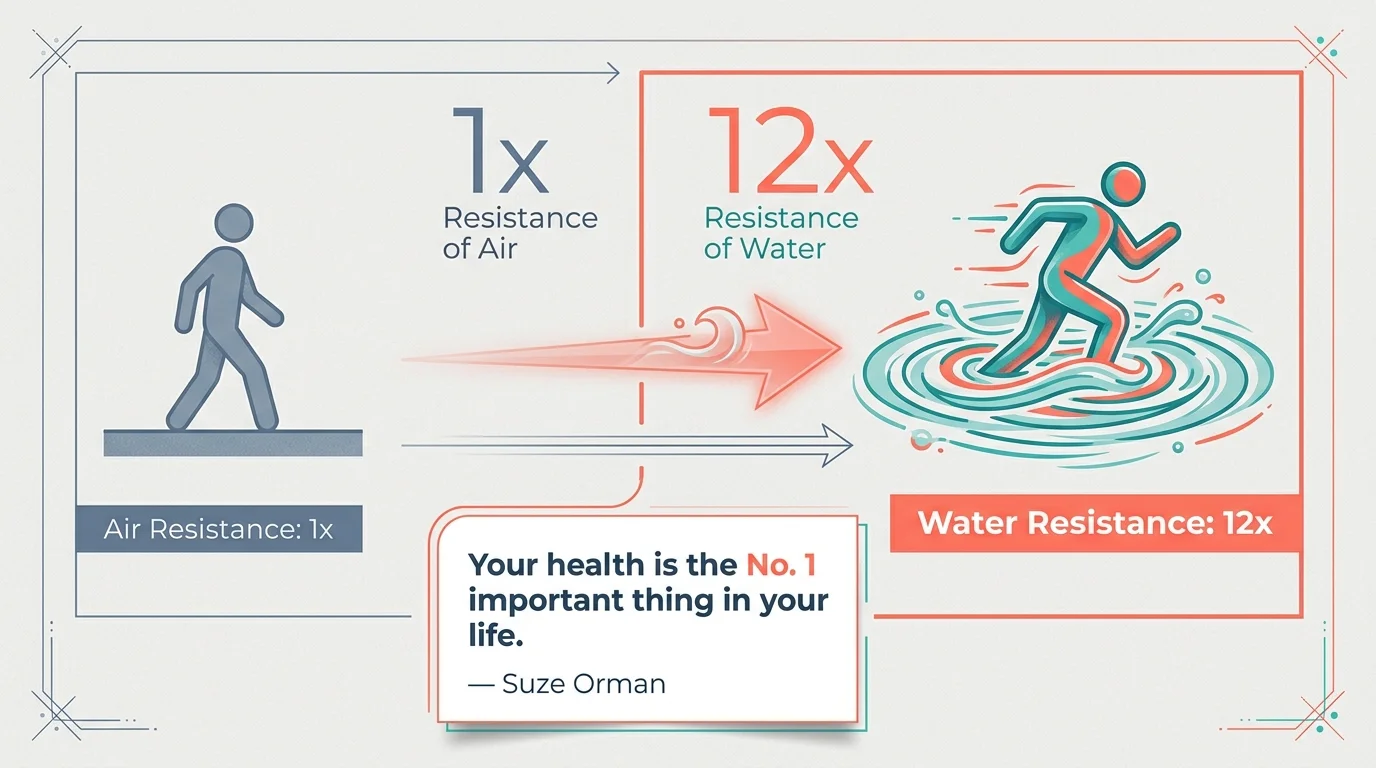
As you map out your retirement strategy, prioritizing your physical health provides one of the most reliable returns on investment imaginable. According to the Centers for Disease Control and Prevention (CDC), water-based exercises offer immense benefits for older adults, particularly those managing osteoarthritis and rheumatoid arthritis. Exercising in a warm pool allows you to maneuver stiff, achy joints through a wider range of motion without exacerbating the underlying pain. In fact, research indicates that the natural hydrostatic pressure of water helps reduce joint inflammation while providing twelve times the resistance of air—meaning every step you take in a pool forces your muscles to work harder without the agonizing wear and tear.
“You can have all the money in the world. You can be a multi-billionaire, but if you do not have your health it means nothing. Your health is the No. 1 important thing in your life.” — Suze Orman, Personal Finance Expert
Protecting your mobility ultimately protects your wallet. Seniors who maintain strong cardiovascular health and muscle tone often experience fewer costly hospital readmissions, lower prescription drug burdens, and a delayed need for expensive in-home care services or assisted living facilities. Embracing a gentle swimming workout routinely acts as a powerful preventative measure against physical decline.
How to Access Pools Using Your Medicare Benefits
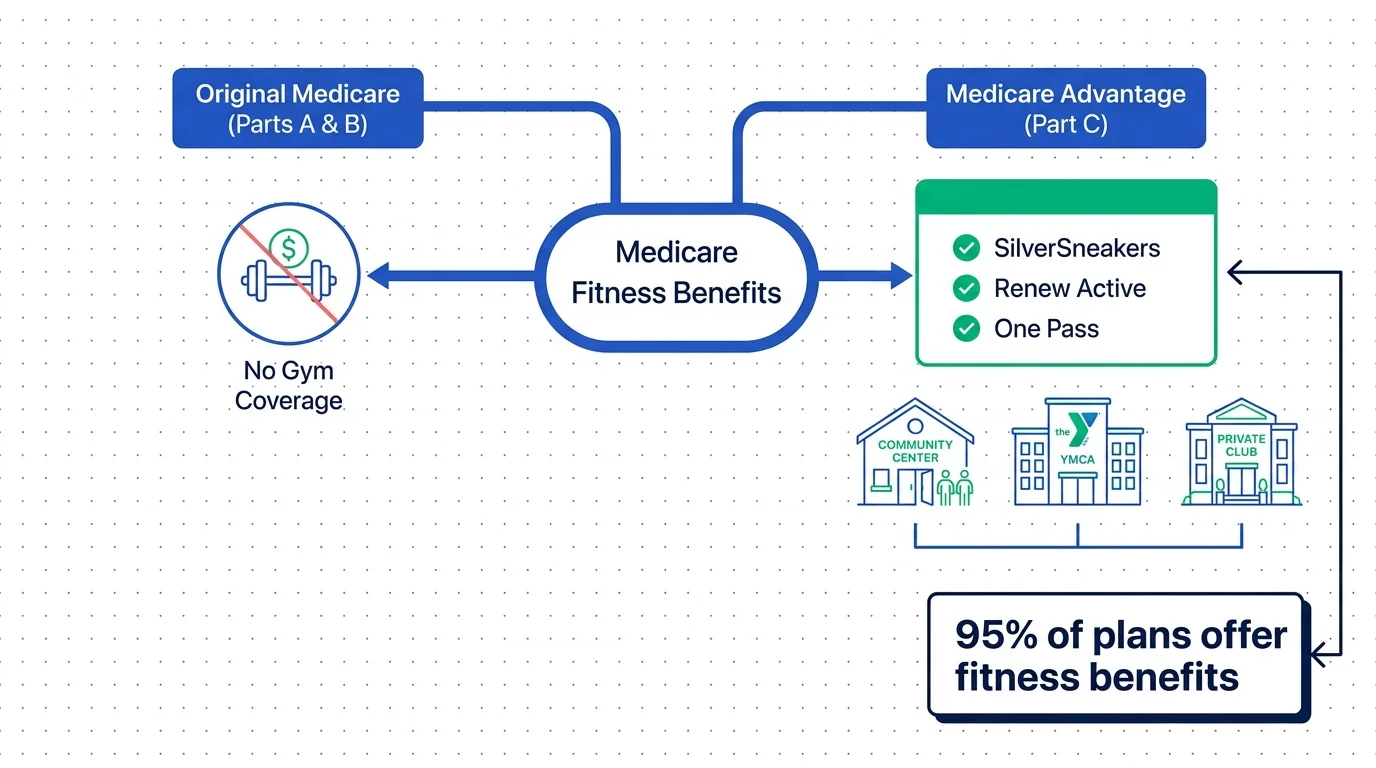
Before you commit to a $60-a-month private health club membership, you must investigate what your current insurance plan already covers. While Original Medicare (Parts A and B) does not currently pay for general gym memberships or aquatic facility access, the landscape shifts dramatically if you hold a Medicare Advantage (Part C) plan or a qualifying Medicare Supplement (Medigap) policy.
As of 2026, an estimated 95 percent of Medicare Advantage plans offer robust fitness benefits designed specifically to keep seniors out of the doctor’s office. Programs like SilverSneakers, Renew Active, and the One Pass network grant eligible beneficiaries free or deeply discounted access to thousands of participating community centers, YMCAs, and private health clubs nationwide. Utilizing these benefits completely offsets the financial burden of joining a facility equipped with a heated therapy pool. If you are unsure whether your current coverage includes these invaluable perks, logging into Medicare.gov or contacting your provider’s customer service department takes just a few minutes and could instantly unlock a world of aquatic fitness.
8 Gentle and Highly Effective Water Exercises for Seniors
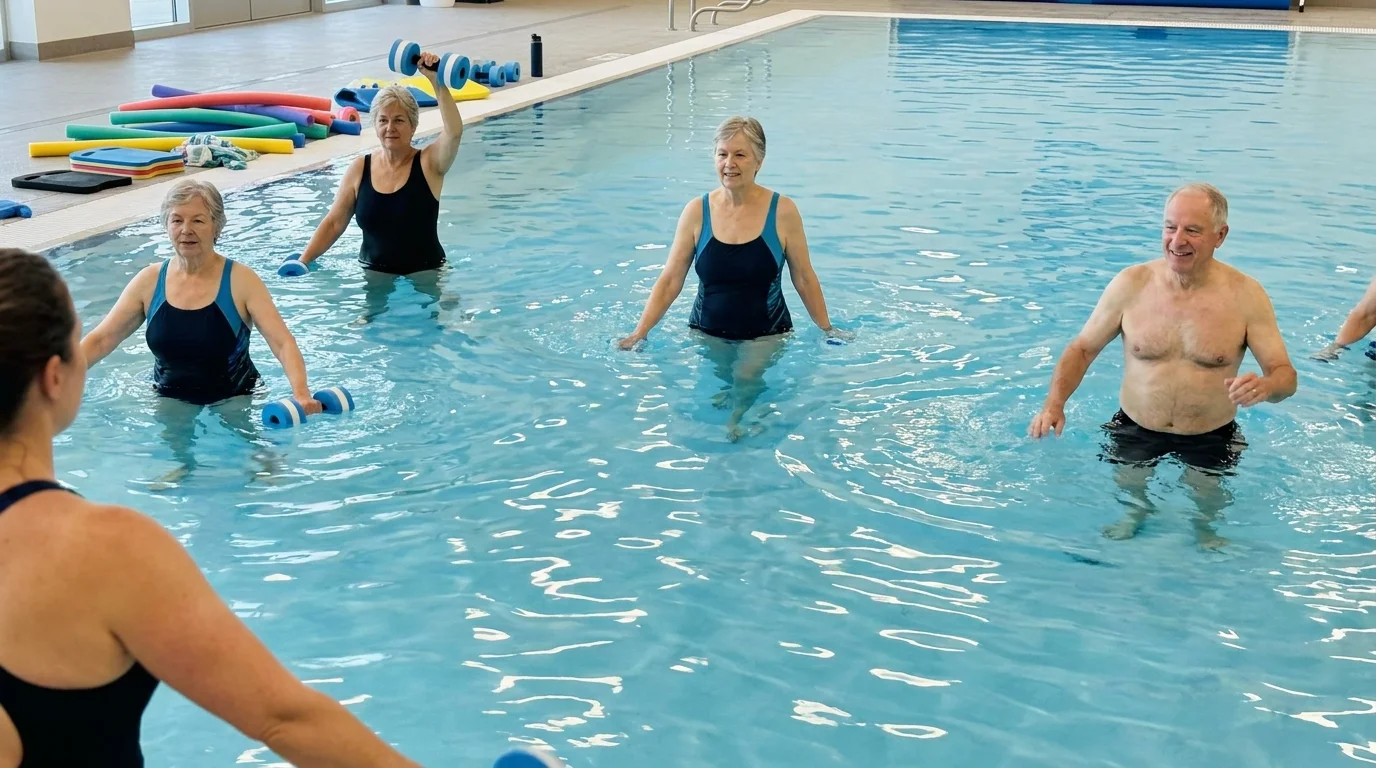
Once you step into the shallow end of the pool, your goal is to utilize the water’s resistance to challenge your muscles safely. Perform these eight exercises in chest-deep water to maximize buoyancy while keeping your feet firmly planted on the pool floor.

1. Water Walking and Jogging
This foundational exercise mimics your natural land-based gait but forces you to push against the heavy resistance of the water. Stand tall with your shoulders back and your core engaged; begin walking across the pool by striking with your heel first and rolling through to your toes. As you gain confidence, increase your pace to a gentle jog, pumping your arms vigorously by your sides. Just ten minutes of water walking elevates your heart rate beautifully while sparing your knees the harsh impact of asphalt.
2. Aquatic Leg Lifts
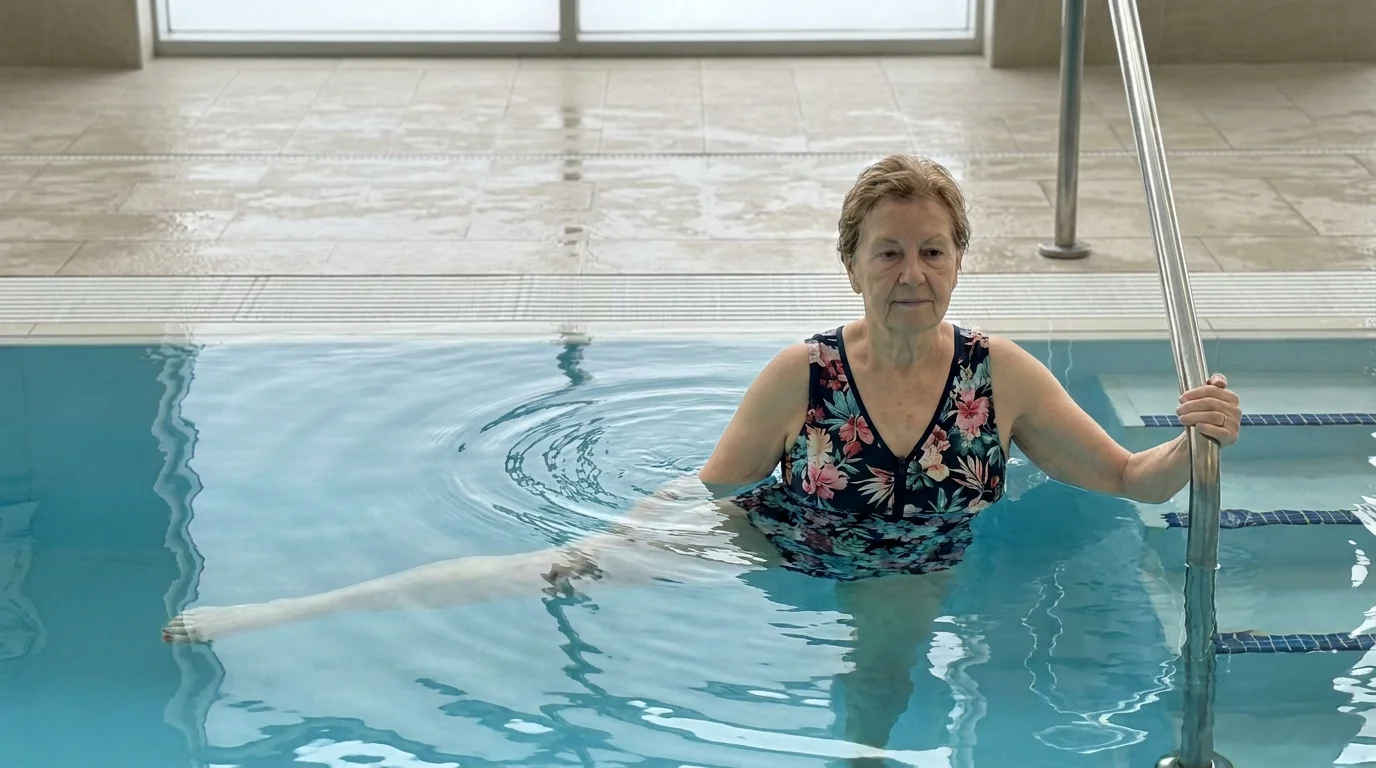
Strengthening the muscles surrounding your hips and upper thighs is critical for maintaining your balance and preventing catastrophic falls. Stand parallel to the pool wall, holding the edge lightly with one hand for stability. Keeping your posture perfectly upright, slowly lift your outside leg out to the side as high as comfortably possible, then steadily lower it back down against the water’s resistance. Perform fifteen repetitions before turning around and working the opposite leg.
3. Standing Water Push-Ups
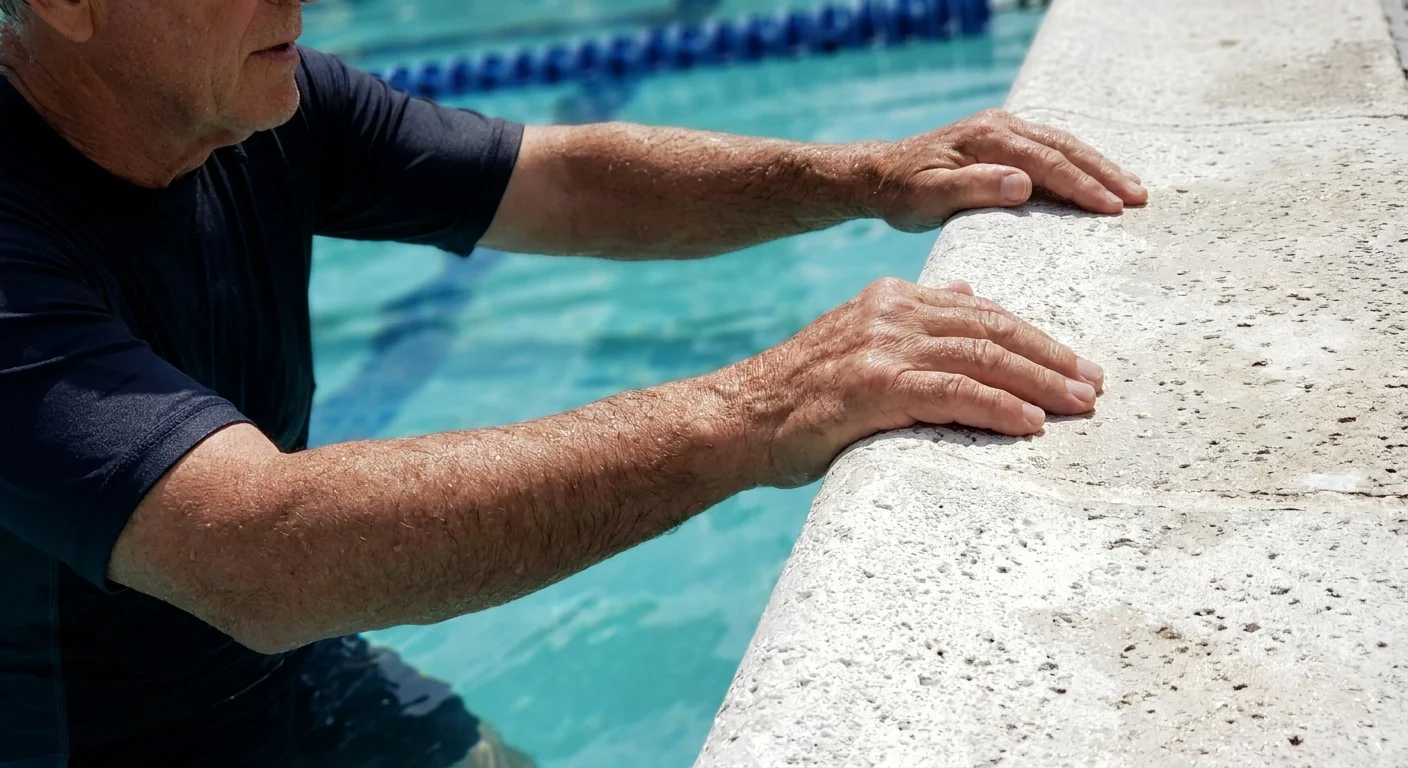
Traditional push-ups often inflict severe strain on aging wrists and shoulder joints, but the aquatic version provides a phenomenally safe alternative. Stand facing the pool wall and place your hands flat against the tiles, roughly shoulder-width apart. Slowly bend your elbows to bring your chest toward the wall, then push firmly back to your starting position. The water creates a gentle cushion that supports your upper body weight, allowing you to strengthen your chest, shoulders, and triceps without risking a rotator cuff injury.
4. Arm Curls with Water Weights
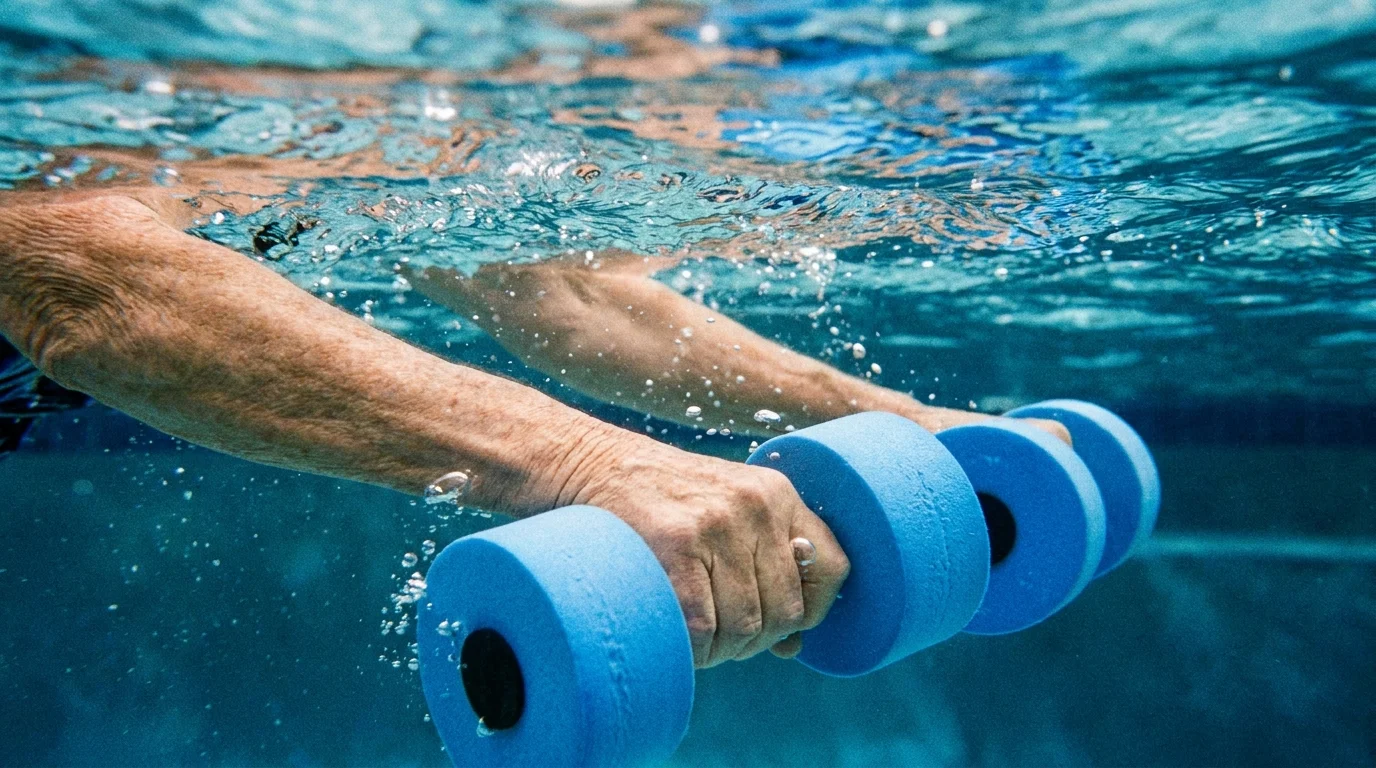
While you can simply cup your hands to catch the water’s resistance, incorporating foam aquatic dumbbells elevates this exercise significantly. Hold the water weights down by your sides with your palms facing forward; slowly curl the weights up toward your shoulders, resisting the natural urge of the foam to pop up to the surface. You must actively pull the weights back down to the starting position, which simultaneously works both your biceps and your triceps in a single, fluid motion.
5. Flutter Kicking with a Kickboard
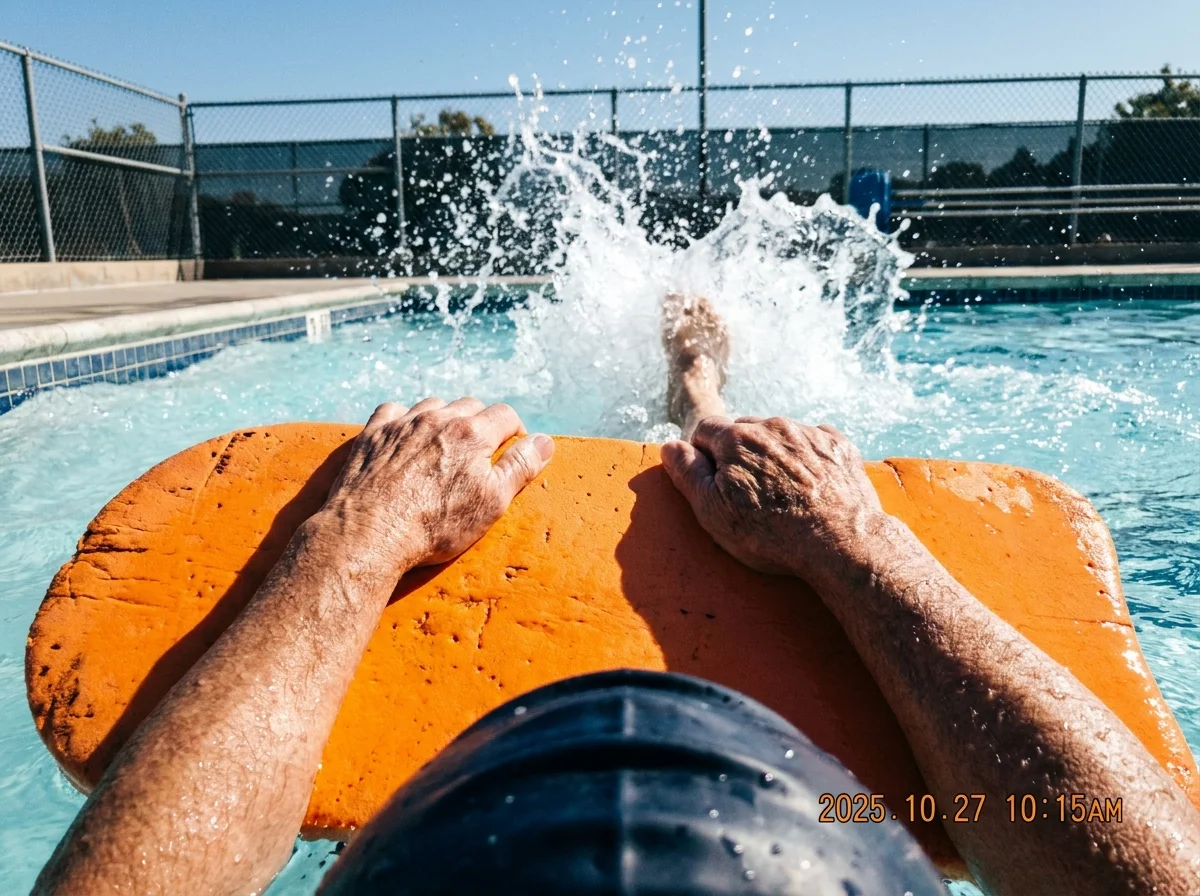
Targeting your core and lower body endurance, flutter kicking delivers a phenomenal cardiovascular burst. Hold a foam kickboard straight out in front of you with both hands and lean forward slightly so your body floats parallel to the pool floor. Keep your legs relatively straight—avoiding deep knee bends—and kick from your hips, creating a steady, splashing rhythm. This low-impact movement gently stretches the lower back while torching calories.
6. Heel-to-Calf Raises
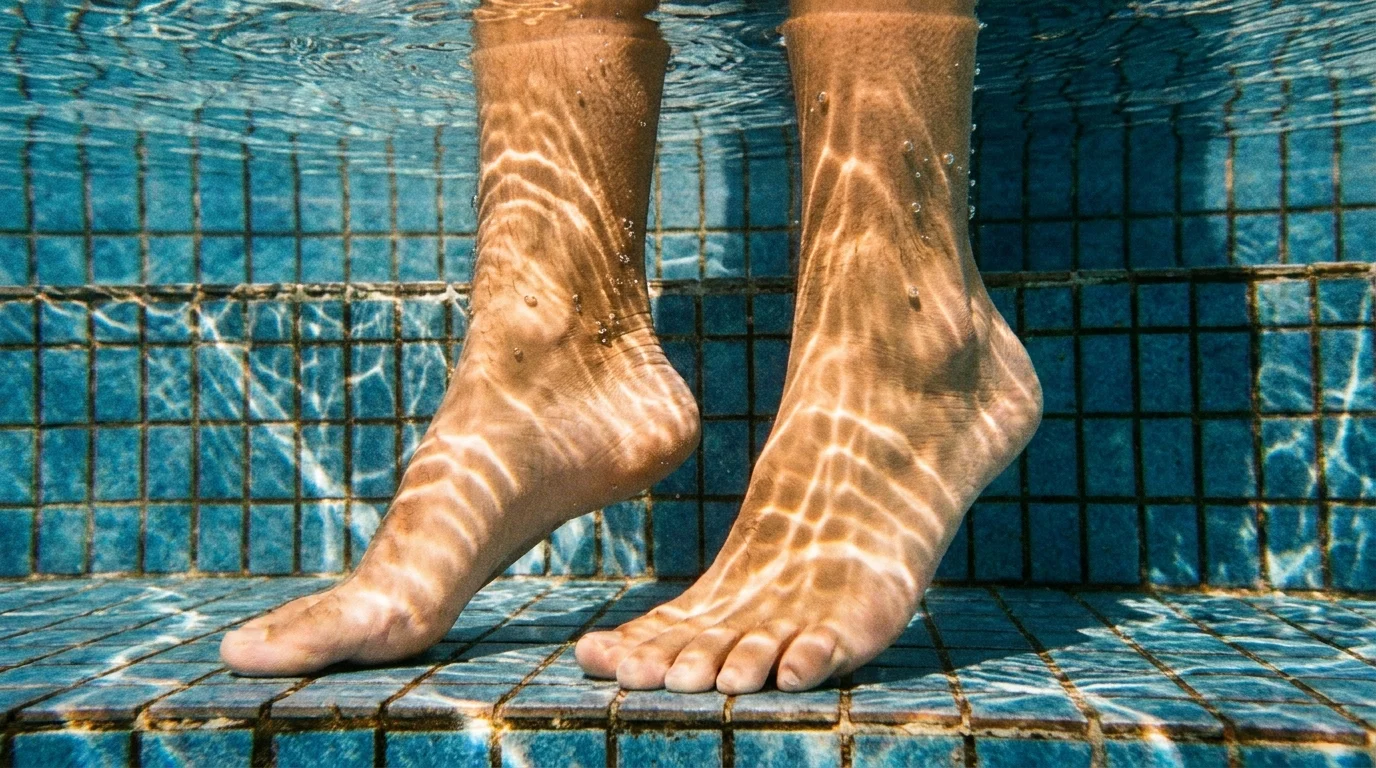
Ankle strength acts as your body’s first line of defense against tripping over uneven surfaces. Stand in waist-deep water near the pool wall for balance; slowly rise onto the balls of your feet, holding the contraction at the top for three full seconds before lowering your heels completely flat. The water pressure helps stabilize your ankles during the movement, making it much safer than performing the same exercise on a hard gymnasium floor.

7. The Torso Twist
Many seniors struggle with rotational flexibility, which makes looking over your shoulder while driving increasingly difficult. Stand in chest-deep water with your feet planted slightly wider than hip-width apart. Extend your arms straight out to your sides, skimming the surface of the water; slowly twist your entire upper body to the left, hold for a moment, and then smoothly sweep your arms through the water to twist to the right. The liquid resistance gently massages your oblique muscles and decompresses your lumbar spine.

8. Gentle Knee Tucks
Building core strength reduces lower back pain, but getting down on a mat to perform crunches is often out of the question for older adults. Move to the deeper end of the pool where your feet cannot touch the bottom and hold onto the edge with both hands, letting your legs dangle straight down. Using your abdominal muscles, slowly draw both knees up toward your chest simultaneously, then press them back down to the starting position. The water entirely supports your body weight, removing all strain from your neck and spine.

Comparing the Costs of Aquatic Exercise Options
When selecting where to perform your pool workout, you must weigh the facility amenities against your household budget. Use this breakdown to evaluate the most cost-effective path to the pool.
| Facility Type | Average Monthly Cost (2026) | Medicare Part C Coverage Potential | Best Suited For |
|---|---|---|---|
| Community Centers & YMCAs | $30 to $55 | Highly Likely (via SilverSneakers / Renew Active) | Seniors seeking group water aerobics classes and social engagement. |
| Private Premium Health Clubs | $75 to $150+ | Sometimes Covered (via premium network tiers) | Individuals requiring specialized saltwater pools, saunas, or extended hours. |
| Municipal City Pools | $15 to $30 (or pay-per-visit) | Rarely Covered directly | Budget-conscious swimmers who only want to swim laps a few times monthly. |
| Dedicated Aquatic Therapy Clinics | Billed to medical insurance per session | Covered by Medicare Part B (if prescribed for rehab) | Seniors recovering from joint replacement surgery or managing severe arthritis. |
“When it comes to health and financial security, it is impossible to pull the two apart, and I believe it isn’t enough to have one without the other.” — Jean Chatzky, Financial Expert
Pitfalls to Watch For During Your Aqua Aerobics Routine
While the pool environment drastically reduces your risk of acute injuries, seniors still encounter specific hazards when beginning an aquatic fitness regimen. Remaining vigilant about these common mistakes ensures you reap the physical benefits without enduring unnecessary setbacks.
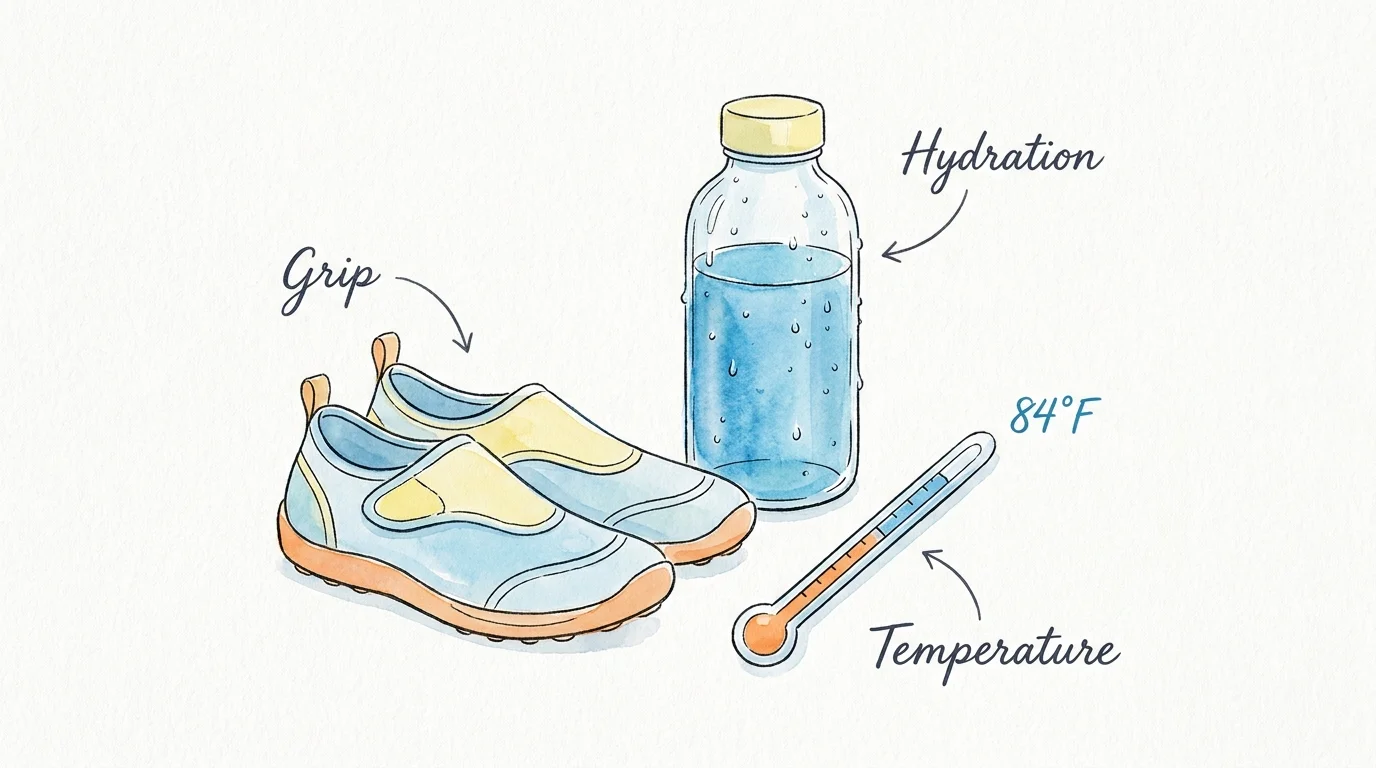
- Ignoring Dehydration Risks: Because you are submerged in cool water, you rarely notice yourself sweating during a vigorous water workout. Consequently, many seniors fail to drink enough water, leading to severe muscle cramps and dangerous drops in blood pressure upon exiting the pool. You must bring a water bottle to the pool deck and hydrate continuously.
- Overestimating Your Cardiovascular Stamina: The cooling effect of the water effectively masks how hard your heart and lungs are truly working. It is incredibly easy to push yourself too hard during the first fifteen minutes; always pace yourself carefully and utilize the “talk test”—you should be able to hold a brief conversation without gasping for breath.
- Exercising Barefoot on Slippery Tiles: The pool floor features abrasive textures that can scrape aging skin, while the surrounding pool deck poses a severe slip-and-fall hazard. Investing in a quality pair of rubber-soled water shoes protects your feet from micro-abrasions and provides the critical traction necessary to perform resistance exercises safely.
- Failing to Verify Medicare Network Changes: Medicare Advantage plans aggressively update their fitness network contracts annually. A gym that accepted your SilverSneakers benefit in 2025 might drop out of the network for 2026. Never assume your pool access remains guaranteed; always verify your specific facility’s participation status during the Medicare Open Enrollment Period (October 15 – December 7).
Getting Expert Help: When to Consult a Professional
Transitioning into a water-based exercise routine occasionally requires structured guidance. Seeking professional intervention proves incredibly valuable in several specific scenarios:
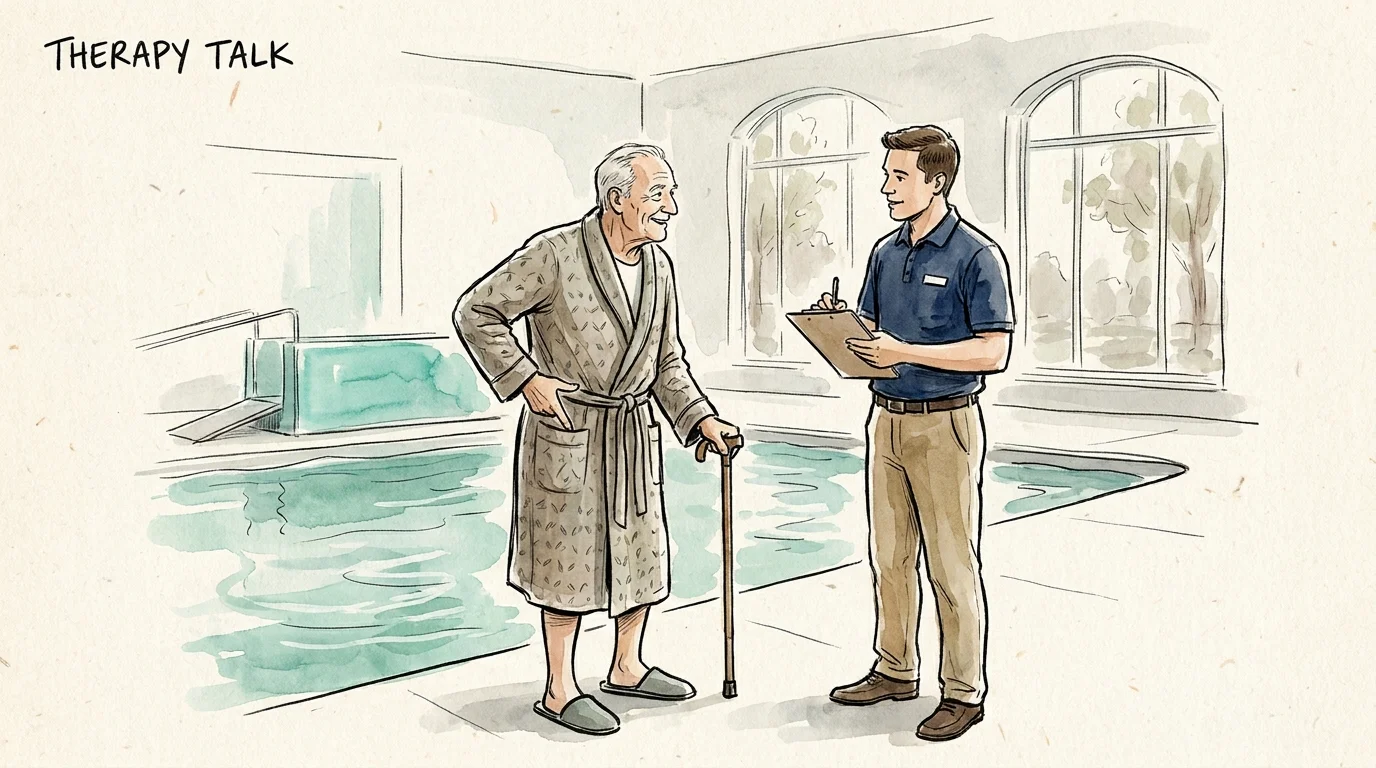
Post-Surgical Rehabilitation: If you recently underwent a knee, hip, or shoulder replacement, you should never design your own pool routine. Consult a licensed physical therapist who specializes in aquatic therapy; Medicare Part B generally covers these prescribed outpatient services, allowing a professional to guide you through precise movements that accelerate healing without compromising the surgical site.
Navigating Insurance Benefits: If you are overwhelmed by the process of finding a Medicare Advantage plan that includes robust fitness center access, do not navigate the system alone. Reach out to your local State Health Insurance Assistance Program (SHIP) or a licensed, independent Medicare broker. These professionals offer free, unbiased guidance to help you identify plans in your zip code that cover your preferred local swimming pool.
Learning Proper Form: When utilizing aquatic dumbbells or resistance bands, improper form completely negates the benefit of the exercise. Consider enrolling in a senior-specific water aerobics class led by an instructor certified by the Aquatic Exercise Association (AEA); they will correct your posture and teach you how to manipulate the water’s resistance safely.
Frequently Asked Questions
Does Original Medicare cover water aerobics classes?
No, Original Medicare (Parts A and B) explicitly excludes coverage for gym memberships, fitness classes, and general water aerobics. However, if your doctor prescribes aquatic physical therapy to treat a specific medical condition or injury, Part B may cover a portion of that clinical rehabilitation. For general fitness classes, you will need a Medicare Advantage plan that includes a fitness benefit program.
What is the best water temperature for senior joint health?
According to the Arthritis Foundation, warm water temperatures between 83 to 88 degrees Fahrenheit are ideal for senior exercise. This specific temperature range effectively soothes aching joints, increases blood circulation, and relaxes tight muscles without causing your body to overheat during cardiovascular exertion.
How many times a week should I do water exercises?
For optimal joint health and cardiovascular maintenance, health experts generally recommend engaging in aquatic exercise two to three times per week, allowing for rest days in between. Always consult your primary care physician before beginning a new exercise cadence, especially if you manage chronic cardiovascular conditions.
Are water shoes really necessary for pool workouts?
Yes, water shoes are highly recommended. Not only do they provide essential traction on wet, slippery pool decks, but they also protect the delicate skin on the soles of your feet from the abrasive concrete at the bottom of the pool. For diabetic seniors, preventing foot scrapes and blisters in public pools is an absolute medical necessity.
Implementing a routine that incorporates these joint-friendly water exercises offers a brilliant pathway to preserving your physical independence. By strategically leveraging your health insurance benefits to access local pools, you can protect your long-term mobility without draining your retirement savings. Take a few moments today to review your Medicare Advantage fitness perks, pack your swim gear, and discover the transformative relief of an aquatic workout.
This article provides general financial education and information only. Everyone’s financial situation is unique—what works for others may not work for you. For personalized advice tailored to your retirement needs, consider consulting a qualified financial professional such as a CFP or CPA.
Last updated: May 2026. Benefit amounts, tax rules, and program details change annually—verify current figures with official government sources.