
True vitality in your senior years isn’t just about drinking more water or taking a daily vitamin. Feeling younger is deeply tied to how you manage both your physical health and your financial stress. When you are constantly worried about affording health care or outliving your savings, that anxiety physically ages you. But adopting a few simple, daily routines can dramatically shift how you feel inside and out. From maximizing your 2026 Medicare preventive benefits to taking advantage of standard tax deductions that keep more money in your pocket, small shifts create lasting peace of mind. By blending physical movement with proactive financial management, you can unlock a lighter, more energetic chapter of your retirement.
1. Capitalize on Your Free Preventive Healthcare
You cannot feel your vibrant best if you are avoiding the doctor out of a lingering fear of medical bills. Health anxieties sit in the back of your mind, quietly draining your energy and causing unnecessary stress. Making a habit of scheduling and attending your preventive screenings is one of the easiest ways to secure your peace of mind. Catching a minor issue before it requires an expensive hospital stay protects both your physical body and your retirement savings.
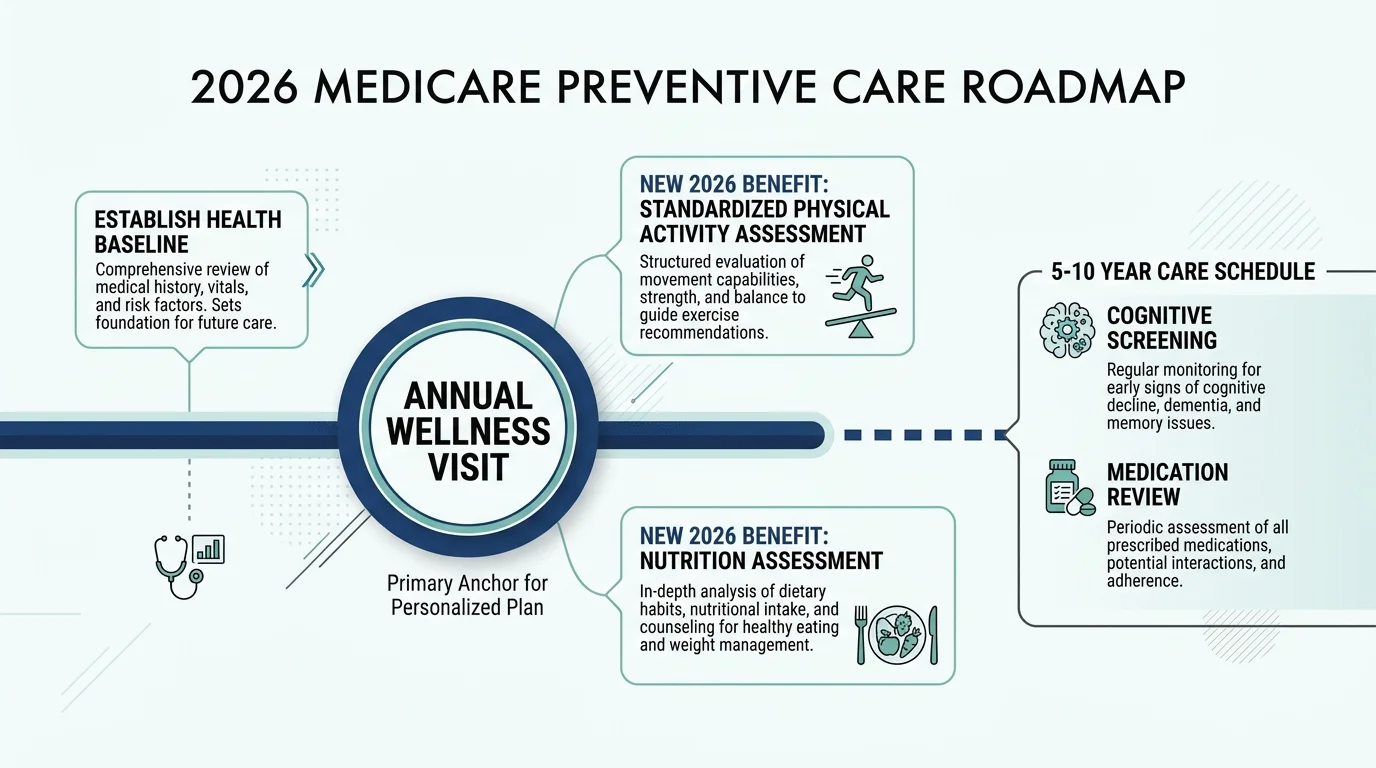
Original Medicare covers an Annual Wellness Visit at no cost to you, provided you have had Part B for longer than 12 months. This is not a traditional hands-on physical, but rather a planning session to establish your health baseline. Starting in 2026, Medicare officially expanded this benefit to include a standardized physical activity and nutrition assessment. Your doctor will review your medications, screen for cognitive decline, and help you map out a preventive care schedule for the next five to ten years.
Take Action Today: Visit Medicare.gov or call your primary care provider to verify the date of your last wellness visit. If it has been more than a year, schedule your free 2026 appointment immediately.

2. Review Your Finances for Five Minutes a Day
Financial anxiety ages you faster than almost anything else. If you avoid opening your mail or logging into your bank accounts, the fear of the unknown will constantly weigh on your shoulders. Building a daily habit of reviewing your financial accounts over your morning coffee takes the mystery out of your money. Just five minutes of scanning your balances and recent transactions eliminates surprises and puts you firmly in the driver’s seat.
“When it comes to health and financial security, it is impossible to pull the two apart, and I believe it isn’t enough to have one without the other. Millions of dollars won’t mean much if you’re not well enough to enjoy it, and great physical health will deteriorate if you’re stressed about paying the bills.” — Jean Chatzky, Personal Finance Expert
Take Action Today: Download your bank or credit union’s secure mobile application to your smartphone. Log in once a day just to look at your balance. The mere act of looking at your money builds confidence and reduces anxiety.
3. Leverage Subsidized Fitness Programs to Keep Moving
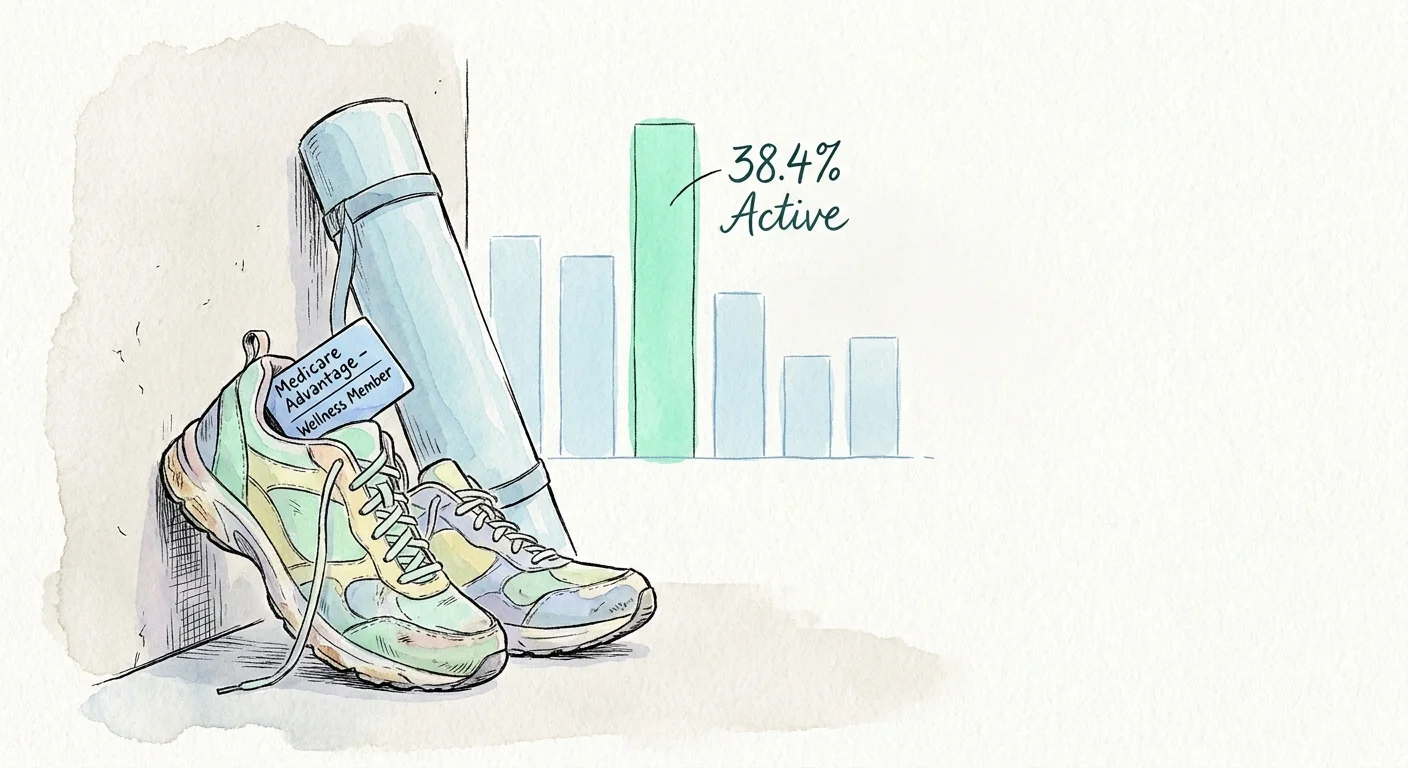
Moving your body daily is the most effective way to maintain your youthful energy and independence. Yet, many seniors skip the gym because they assume memberships are too expensive on a fixed income. According to the Centers for Disease Control and Prevention (2024 data), only about 38.4% of adults aged 65 and older meet federal guidelines for aerobic physical activity. Falling into the inactive majority accelerates muscle loss and increases your risk of expensive, debilitating falls.
You do not need to pay for a luxury country club to stay active. Many Medicare Advantage (Part C) plans and Medicare Supplement (Medigap) plans offer free or heavily subsidized fitness benefits like SilverSneakers or Renew Active. These programs grant you access to thousands of local gyms and community pools at absolutely no out-of-pocket cost.
Take Action Today: Call the customer service number on the back of your health insurance card and ask if you have a fitness benefit included in your 2026 coverage. If you do, locate a participating gym near you and commit to walking on the treadmill or swimming for 20 minutes a day.
4. Automate Your Savings and Bill Payments
Clutter—both physical paper on your kitchen counter and mental checklists in your head—drains your daily energy. Remembering due dates, writing checks, searching for stamps, and worrying about late fees are tedious tasks that belong in the past. Streamlining your financial life is a tiny habit that yields massive psychological relief.
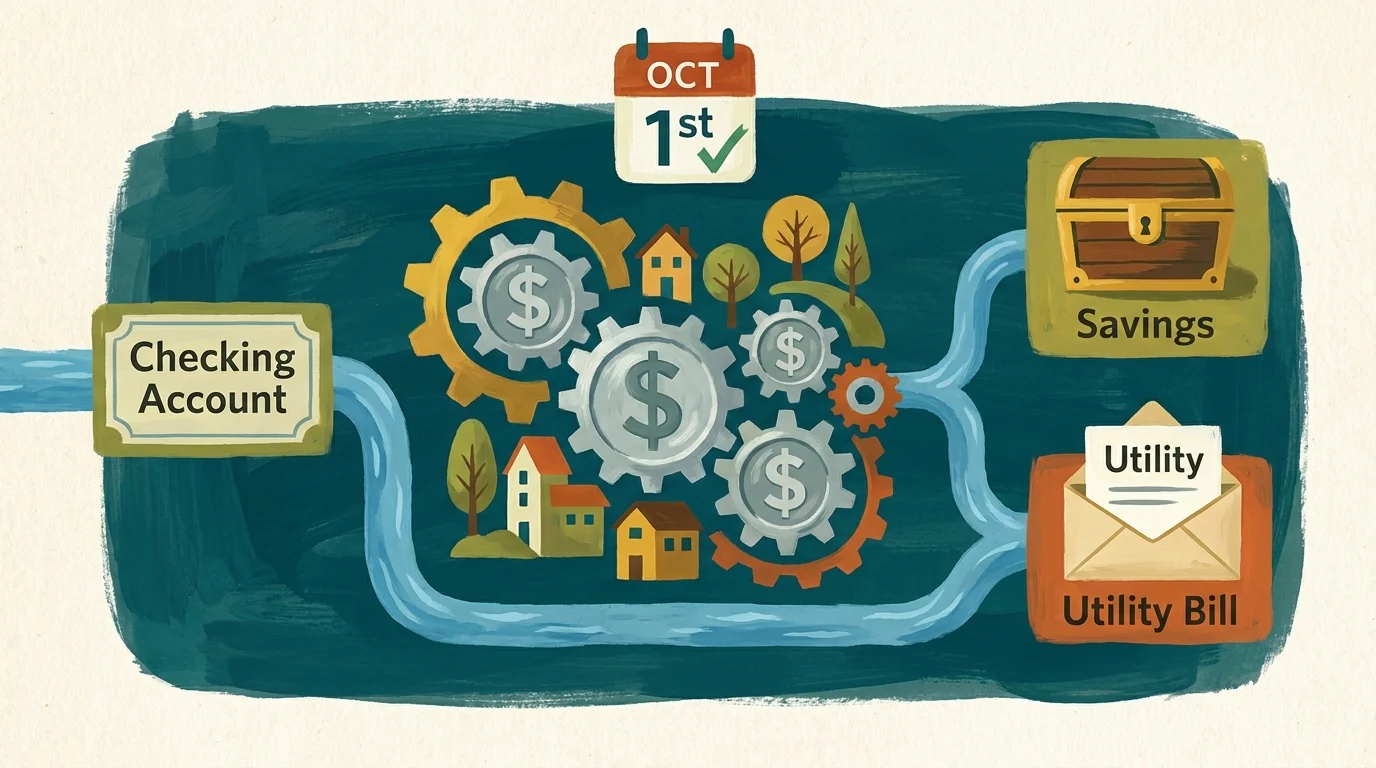
Setting your utility bills, credit cards, and insurance premiums to autopay guarantees you will never miss a deadline or incur a late fee again. When you remove the friction of paying bills, you free up mental space to focus on your hobbies, your grandchildren, and your health.
Take Action Today: Pick your two most consistent monthly bills—such as your internet service and your electricity bill—and log into the provider’s website to enable automatic payments from your checking account.
5. Maximize Your Tax Deductions to Keep More Cash
Taxes are rarely a favorite topic, but keeping more of your retirement income directly contributes to a younger, more carefree mindset. Dedicating a small amount of time to learning about current tax brackets and senior-specific deductions ensures you never leave money on the table. Every dollar saved on taxes is a dollar you can spend on a family vacation, a home upgrade, or better groceries.
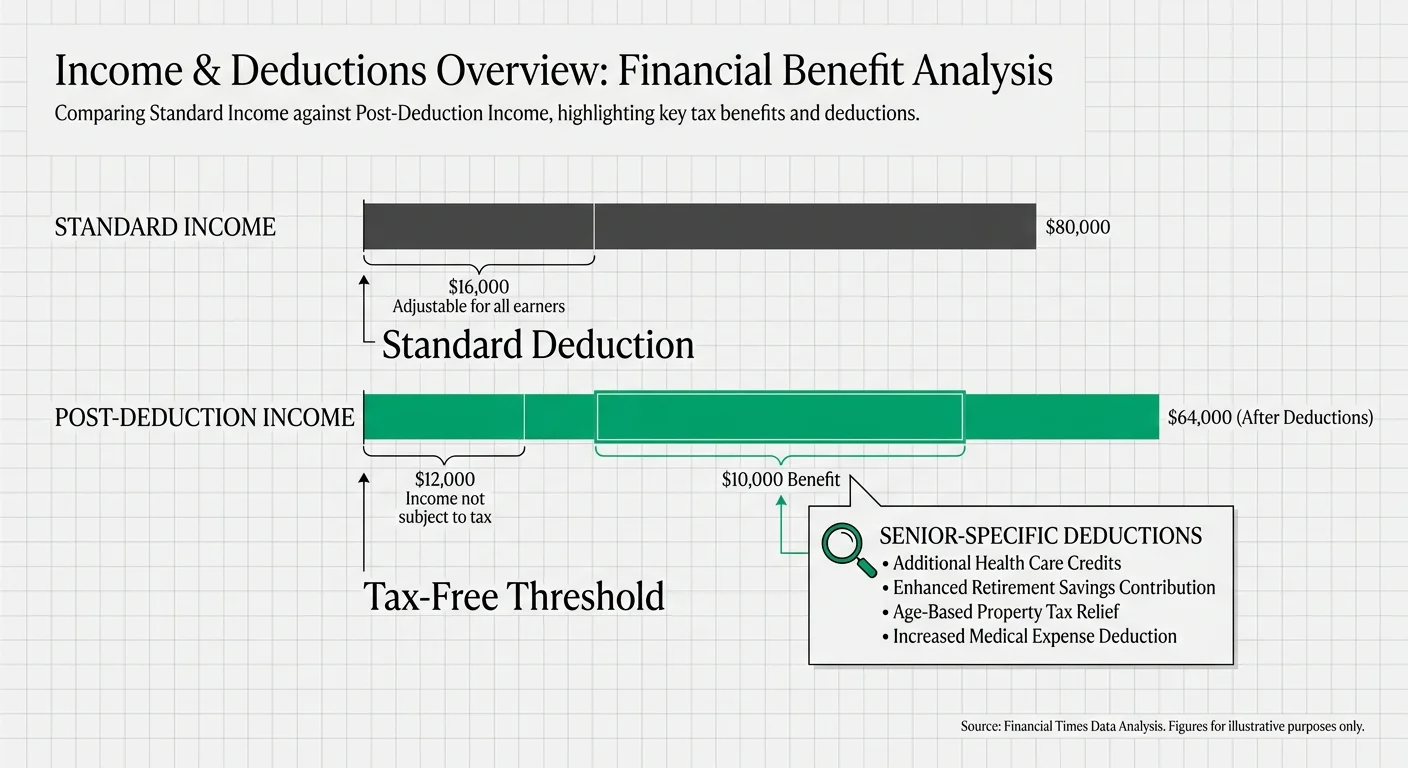
The Internal Revenue Service (IRS) set the 2026 standard deduction at $16,100 for single filers and $32,200 for married couples filing jointly. Furthermore, if you are 65 or older, you qualify for an additional standard deduction. Depending on your income and filing status, you may also benefit from the enhanced senior deduction introduced by recent tax legislation. Claiming these higher standard deductions protects thousands of dollars from federal income taxes without requiring you to itemize receipts.
Take Action Today: Pull out your previous year’s tax return and compare it against the 2026 standard deduction limits. If you handle your own taxes, verify that your software has checked the box confirming you are over age 65.

6. Exercise Your Brain With Financial Education
Cognitive decline is a major fear for many older adults, but your brain is a muscle that requires regular workouts to stay sharp. While crossword puzzles and Sudoku are wonderful, educating yourself on modern financial strategies provides a dual benefit: mental stimulation and increased wealth.
Spend ten minutes a day reading about personal finance, estate planning, or investment yields. Understanding how high-yield savings accounts work, how inflation impacts your purchasing power, or how to navigate the required minimum distributions (RMDs) from your IRA keeps your mind engaged. An active, learning brain is a younger brain.
Take Action Today: Bookmark a reputable financial education site, such as the National Council on Aging (NCOA) economic security page, and read one article each morning over breakfast.

7. Perform a Daily Scam Check to Protect Your Nest Egg
Nothing ages a person faster than the devastating stress of financial fraud. Scammers specifically target seniors, hoping to catch them off guard with aggressive phone calls or alarming text messages. A sense of security makes you feel empowered rather than vulnerable.
Make it a daily habit to scrutinize your digital communications with a healthy dose of skepticism. Never click on links from unknown numbers claiming your Medicare card is suspended, your Social Security number is compromised, or a package could not be delivered. A quick, daily routine of deleting suspicious messages and blocking unknown callers protects the savings you worked decades to build.
Take Action Today: Register your phone number on the National Do Not Call Registry and enable the spam-blocking feature provided by your cellular carrier.
8. Track Your Medication and Pharmacy Costs
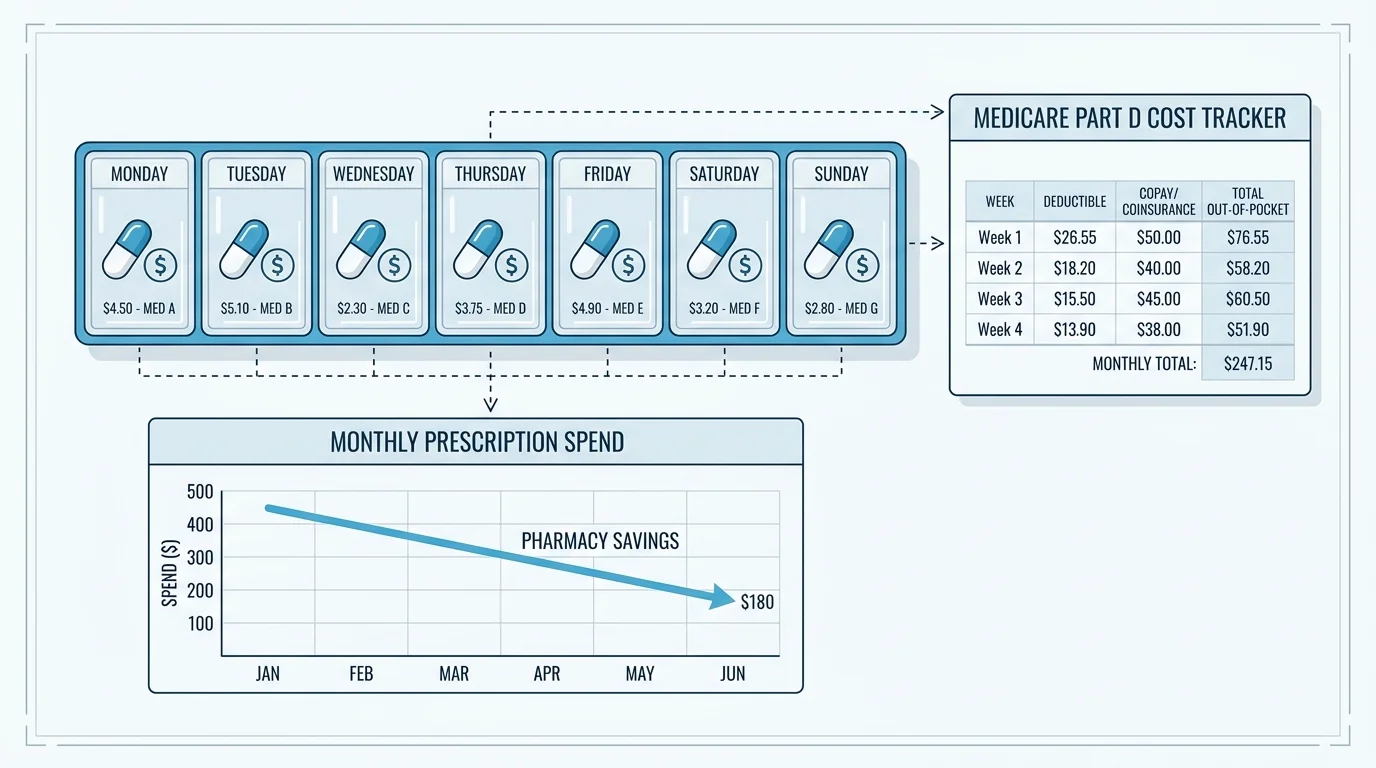
Managing your health means managing your prescriptions. If you take multiple medications, the costs can quickly induce anxiety. Making a habit of reviewing your pharmacy statements ensures you are utilizing your health benefits effectively and never paying more than the law requires.
Starting in 2026, Medicare Part D out-of-pocket prescription drug costs are strictly capped at $2,100 for the year. Once you reach this limit, you pay absolutely nothing for covered Part D drugs for the rest of the calendar year. Additionally, insulin costs remain capped at $35 for a month’s supply. Tracking your pharmacy receipts ensures your plan accurately records your spending toward this $2,100 cap.
Take Action Today: Create a simple folder—physical or digital—where you drop your pharmacy receipts. Review them at the end of the month to monitor how close you are to your out-of-pocket maximum.

9. Talk Openly About Your Estate and Financial Plans
Isolation and secrecy contribute significantly to both physical and cognitive decline. Engaging in regular, honest conversations with your family or a trusted advisor about your financial goals, your estate plan, and your healthcare directives keeps you socially connected and emotionally light.
While discussing end-of-life planning might seem stressful initially, having these documents in place actually removes a massive emotional burden. Knowing that your family understands your wishes regarding your assets and your medical care allows you to stop worrying about the future and start enjoying the present moment.
Take Action Today: Tell your adult children or your designated executor exactly where they can find your will, your life insurance policies, and your advance healthcare directive.
Common Mistakes to Avoid With Senior Health and Wealth
Even with the best daily habits, seniors often fall into a few traps that drain their energy and their bank accounts. Avoid these common missteps to ensure your retirement remains smooth and stress-free.
- Confusing a Wellness Visit with a Routine Physical: Many seniors schedule a Medicare Annual Wellness Visit expecting a full physical, only to receive an unexpected bill because the doctor performed hands-on diagnostic exams or ordered specific bloodwork. The Wellness Visit is a preventive planning tool, not a diagnostic physical.
- Ignoring the Medicare Prescription Payment Plan: If you face high upfront costs for medications early in the year, you might be tempted to skip doses to save money—which directly impacts your health and vitality. The Medicare Prescription Payment Plan allows you to spread out your out-of-pocket pharmacy costs over the year into manageable monthly payments rather than paying a lump sum at the counter.
- Letting Pride Prevent You From Claiming Benefits: Countless seniors struggle financially because they refuse to use programs they earned, viewing them as charity. Programs like the Supplemental Nutrition Assistance Program (SNAP) or Medicare Savings Programs are funded by the taxes you paid throughout your working years. Claiming them reduces your financial burden so you can afford high-quality food and medical care.
To help clarify the differences in Medicare coverage, review the comparison below before scheduling your next doctor’s appointment.
| Feature | Medicare Annual Wellness Visit | Routine Physical Exam |
|---|---|---|
| Primary Goal | Create a long-term preventive care plan and screen for cognitive health risks. | Diagnose and treat active illnesses or evaluate specific physical symptoms. |
| Cost to You | $0 (Covered fully by Original Medicare Part B). | Subject to Part B deductibles and 20% coinsurance. |
| Physical Touch | No hands-on exams; includes height, weight, and blood pressure checks only. | Hands-on exam of organs, reflexes, and body systems. |
Vitality in your later years does not require drastic life overhauls or winning the lottery. It simply requires you to be proactive with the tools, deductions, and healthcare benefits already available to you. By taking small, deliberate steps each day—whether that means automating a bill, taking a brisk walk utilizing a free gym membership, or scheduling a preventive screening—you reclaim control over your time and your peace of mind. This is educational content based on general financial principles for seniors. Individual results vary based on your situation. Always verify current benefit amounts, tax rules, and program eligibility with official government sources.
Last updated: May 2026. Benefit amounts, tax rules, and program details change annually—verify current figures with official government sources.