
Returning an unwanted purchase seems straightforward until store clerks quote rules you never knew existed. A standard sales receipt does not always guarantee the same refund terms from one zip code to another.
Retailers frequently alter return windows, restocking fees, and refund eligibility based on local ordinances and state statutes. Knowing these geographic exceptions protects your wallet and prevents stressful surprises at the customer service counter.
Here are nine retail return policies that shift dramatically depending on where you shop, along with key consumer protections every shopper should know.
1. Best Buy: The Eight-State Restocking Fee Exemption
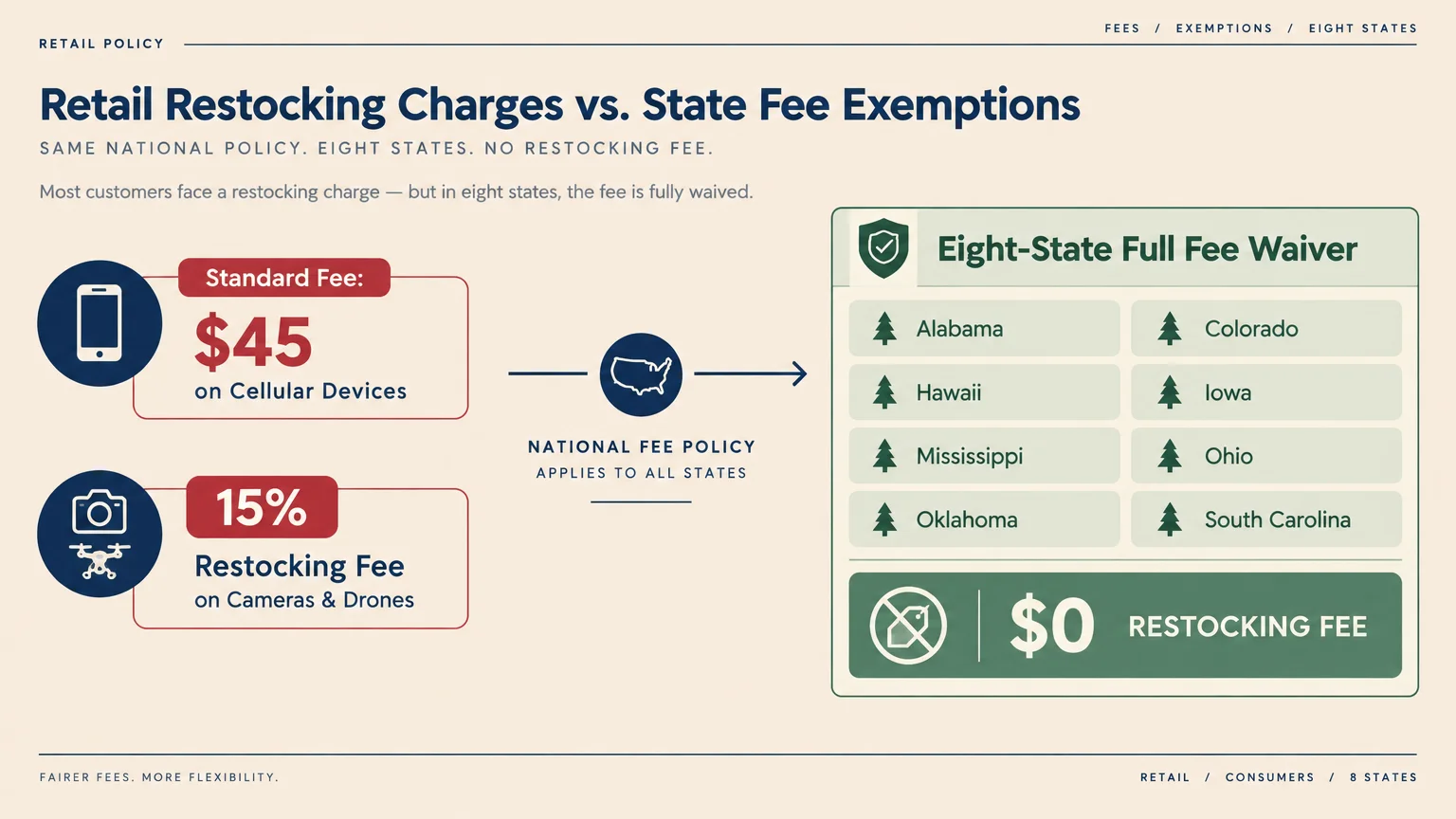
Best Buy charges a standard $45 restocking fee on opened cellular devices and activatable smartwatches. The electronics chain also levies a 15% restocking fee on high-end items like digital cameras, drones, and projectors.
Those restocking fees disappear completely depending on where you complete your return. State consumer protection statutes prevent retailers from passing open-box restocking costs onto shoppers in select jurisdictions.
Best Buy corporate policy explicitly waives all restocking fees in eight states: Alabama, Colorado, Hawaii, Iowa, Mississippi, Ohio, Oklahoma, and South Carolina.
If you purchase a mirrorless camera in Florida and return it in Colorado, the store cannot deduct the 15% fee. Understanding this geographic carve-out can easily keep $100 to $300 in your pocket on major electronics.
2. Costco: State Liquor Laws Dictate Alcohol Refunds
Costco is famous for its generous 100% satisfaction guarantee on almost every product in the warehouse. You can return open groceries, well-worn clothing, and decade-old luggage without friction.
Alcohol purchases are the major exception to this rule. State Alcoholic Beverage Control (ABC) regulations determine whether a warehouse manager can touch returned beer, wine, or spirits.
In states like California, Georgia, Michigan, and Ohio, alcohol returns are illegal under state law. State regulators classify consumer refunds as purchasing alcohol from an unlicensed individual, except in cases of factory contamination or manufacturer recall.
Warehouses in Texas and Washington, D.C. permit returns of unopened alcohol with proof of purchase. Always check your state’s ABC rules before purchasing cases of wine for major family celebrations.
3. Mattress Retailers: State Disposal Mandates and Non-Refundable Fees
Buying a mattress comes with extended home sleep trials, but location dictates your actual refund balance. Several states enforce Extended Producer Responsibility programs managed by the Mattress Recycling Council.
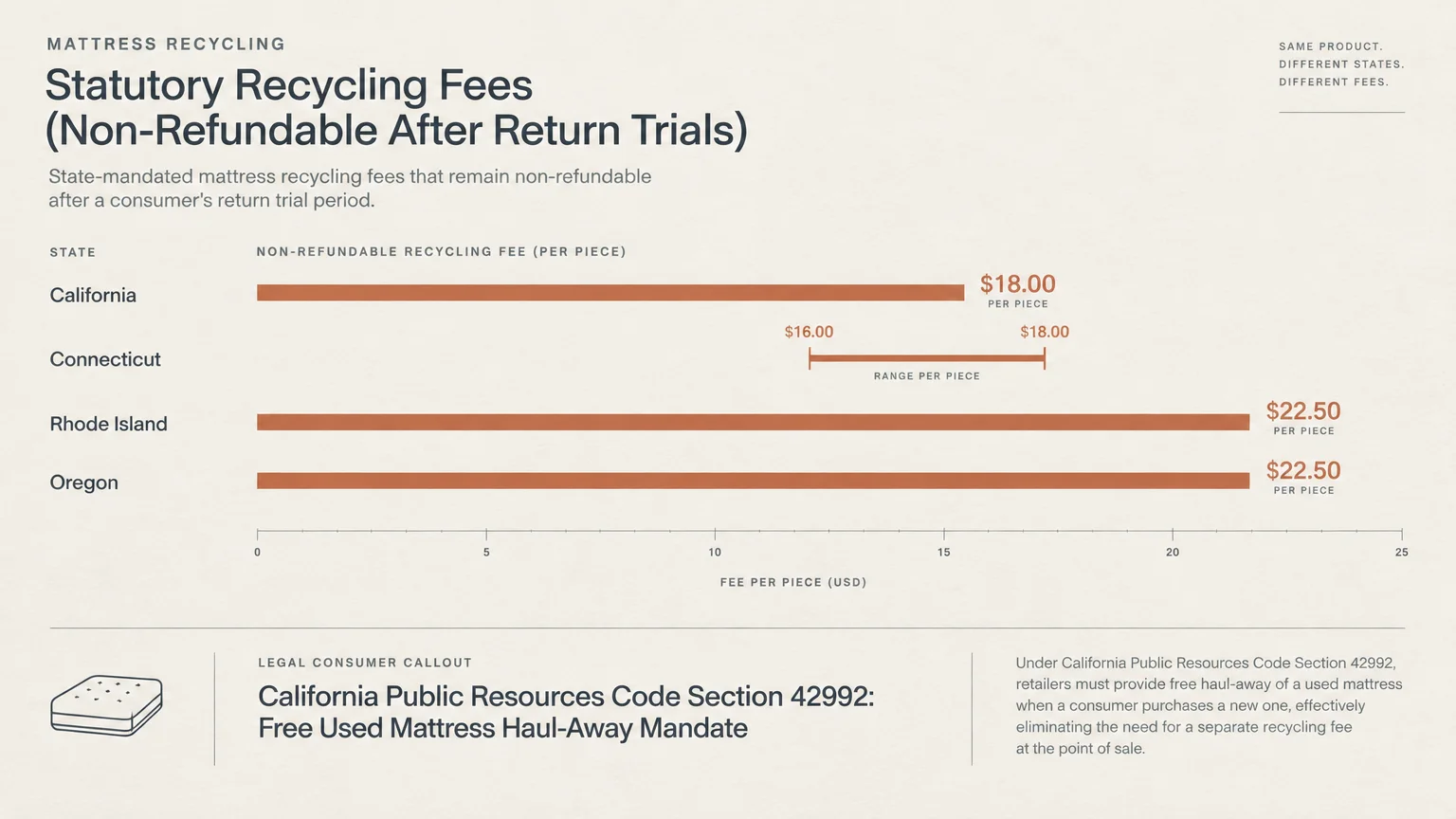
Retailers in California must collect a mandatory recycling fee of $18.00 per piece at checkout. Connecticut charges between $16.00 and $18.00, while Rhode Island and Oregon collect $22.50 per piece.
Mattress recycling fees are non-refundable by law even if you return the bed during a 100-night trial. Retailers deduct these environmental disposal charges before issuing your refund check.
California provides an offsetting consumer benefit under California Public Resources Code Section 42992. Retailers delivering a new mattress to your home must offer to haul away your used mattress at no added charge.
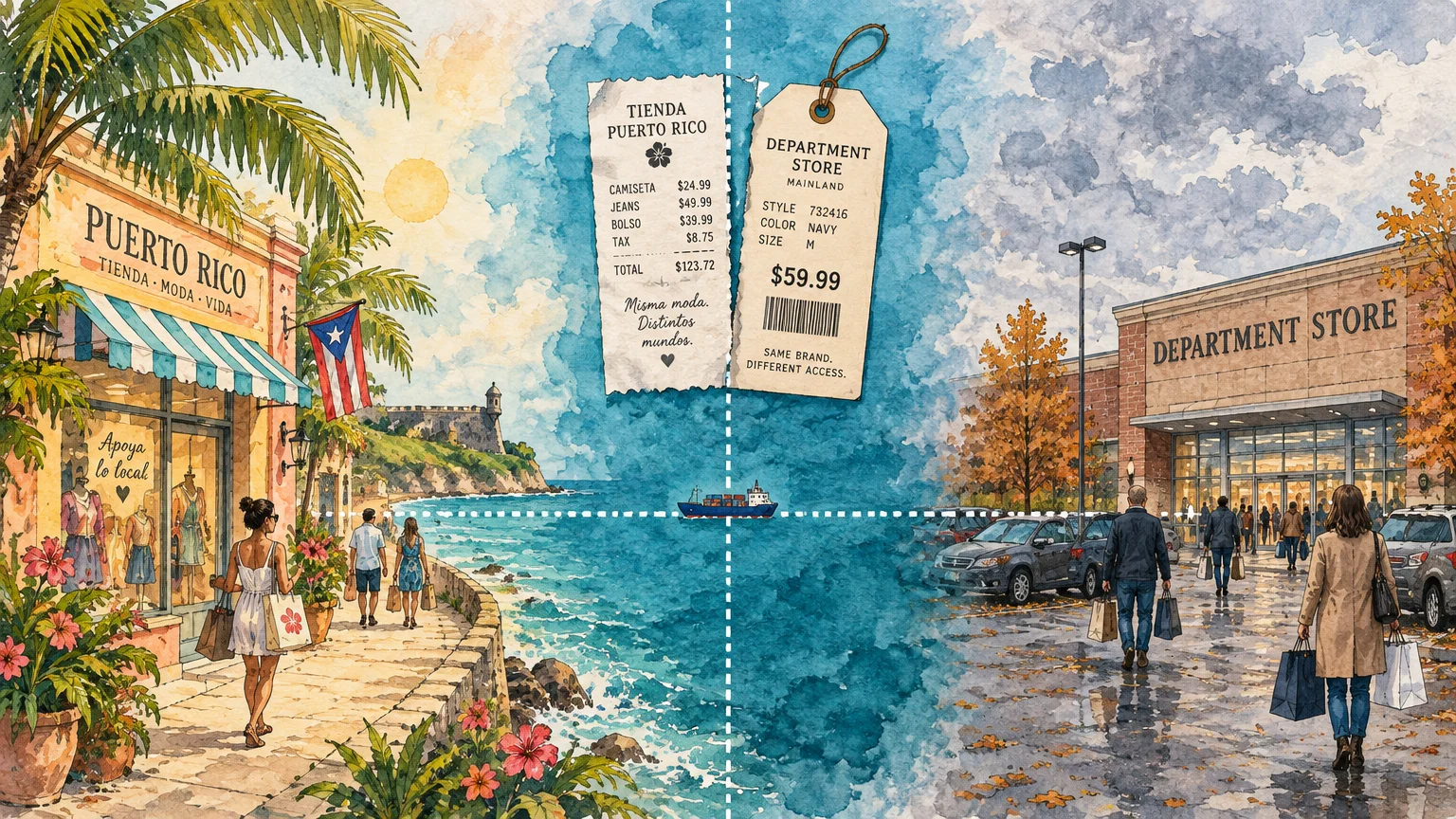
4. TJX Companies: The Island-to-Mainland Return Lockout
The TJX Companies operates thousands of popular discount department stores, including T.J. Maxx, Marshalls, and HomeGoods. Shoppers often assume store credits and receipts work uniformly across all company doors.
Merchandise purchased at T.J. Maxx or Marshalls locations in Puerto Rico cannot be returned on the U.S. mainland. The retail chain enforces a strict geographic quarantine on island receipts.
Mainland stores cannot scan or process Puerto Rico transactions into their registers. Shoppers visiting Puerto Rico who buy home décor or clothing must return items before flying home.
Similar restrictions apply to international stores. Items purchased at Winners or HomeSense in Canada cannot be refunded at American sister stores due to currency and tax calculations.
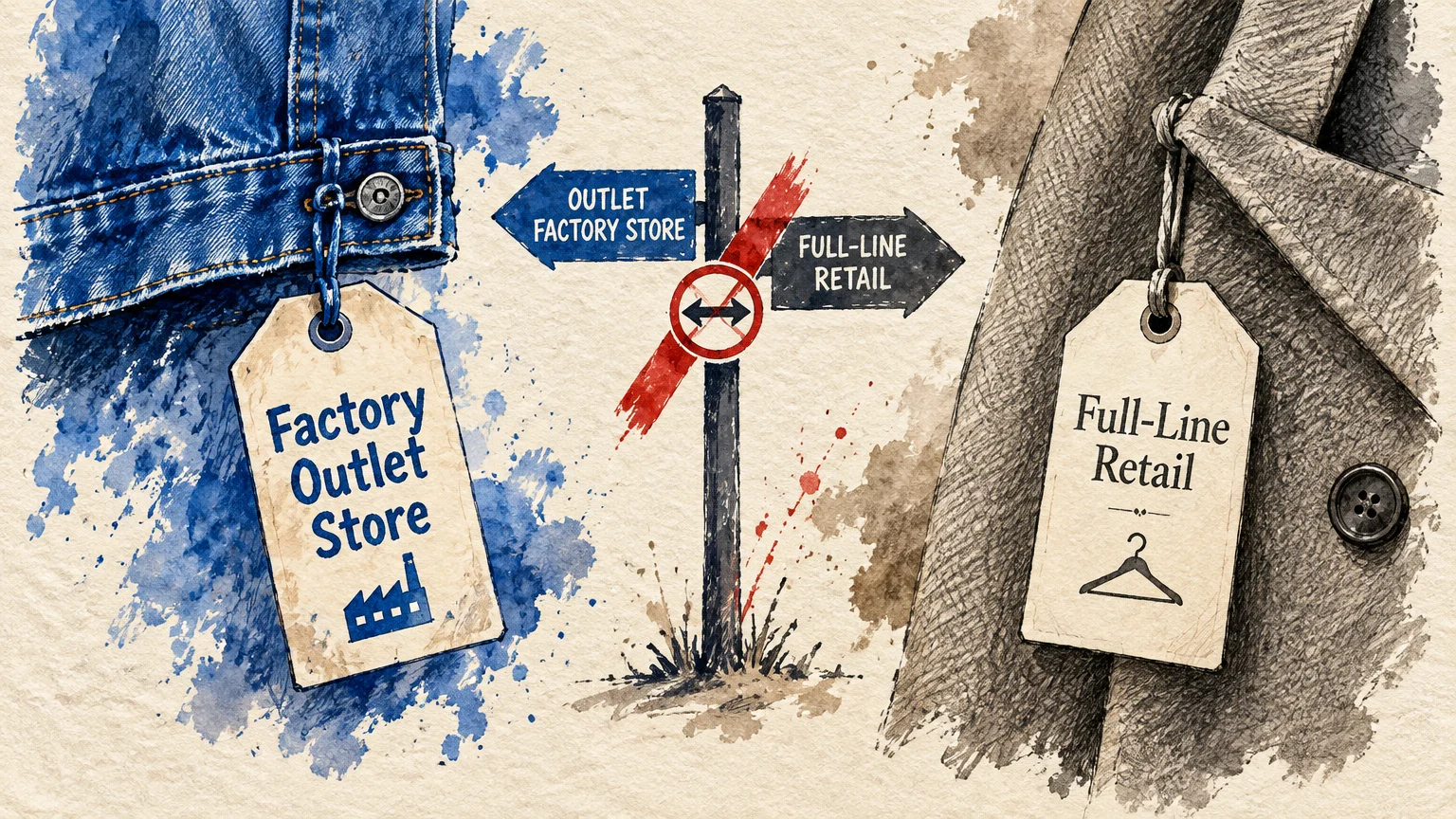
5. Gap Inc.: The Factory Outlet vs. Full-Line Boundary
Many shoppers assume that Gap, Old Navy, and Banana Republic share unified inventory across their various storefronts. Many retirees travel to outlet centers seeking affordable basics, only to encounter return roadblocks later.
Items purchased at Gap Factory or Banana Republic Factory stores cannot be returned to regular, full-line retail locations. Traditional stores reject outlet merchandise because inventory tracking numbers do not match.
Full-line Gap stores will direct you back to a factory outlet to secure your refund. If you live hours away from an outlet mall, you could end up stuck with clothes that do not fit.
You can return factory items by mail using prepaid postal labels. Keep original shipping envelopes and packaging slip documentation handy whenever you shop at outlet branches.

6. IKEA: Large Warehouses vs. Urban Planning Studios
IKEA maintains a customer-friendly return timeline across North America. The retailer offers 365 days for unopened items and 180 days for opened products accompanied by an original receipt.
The company recently rolled out smaller urban storefronts known as “Plan & Order Points” and “Planning Studios.” These neighborhood studios help customers design kitchens and order modular furniture.
These small-format IKEA locations do not accept physical merchandise returns under any circumstances. They lack warehouse stockrooms, material handlers, and loading docks to handle dropped-off furniture.
Bringing a flat-packed desk or box of accessories to a planning studio results in immediate rejection. Shoppers must transport all returns directly to full-size, traditional IKEA suburban warehouse buildings.
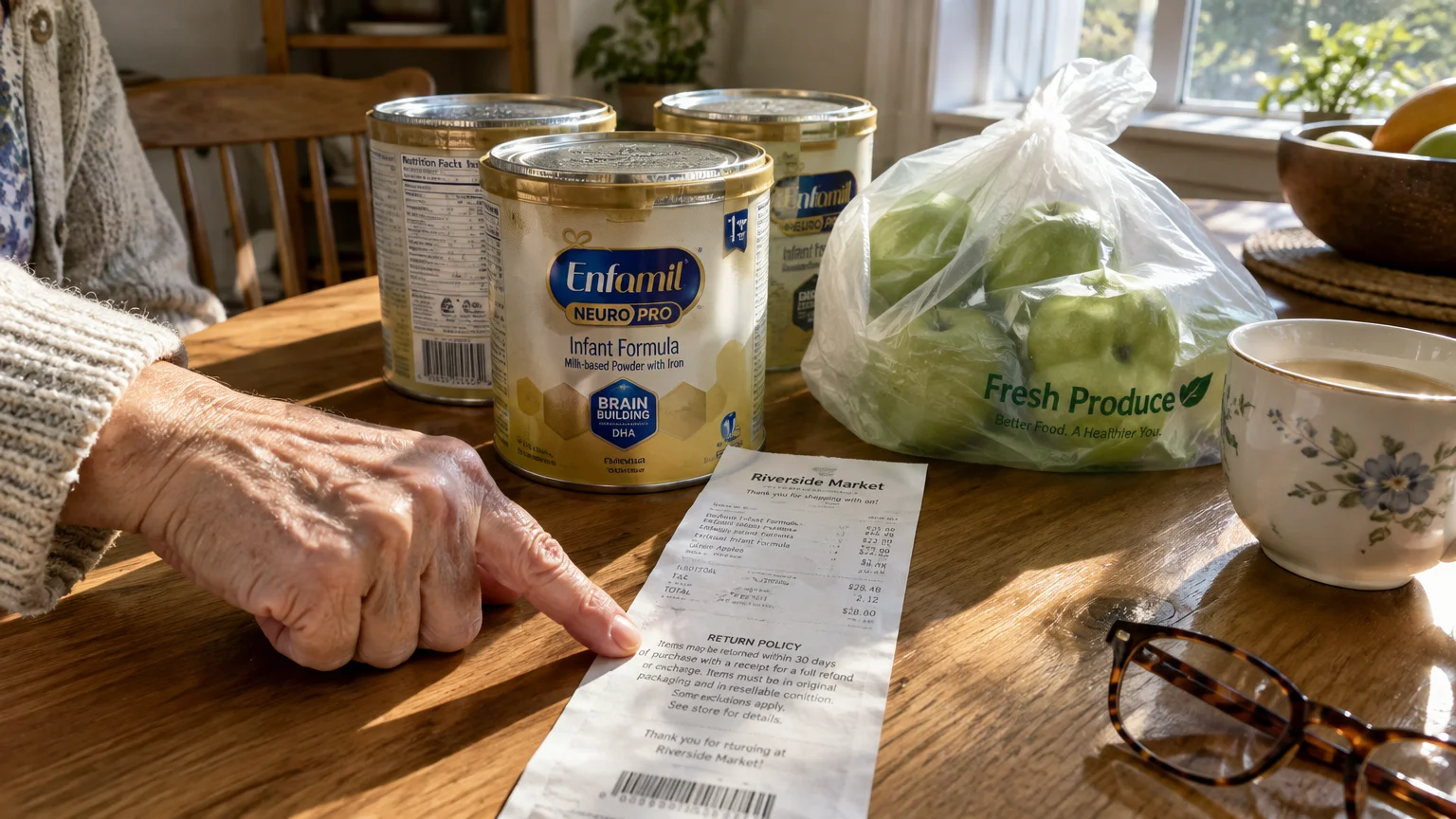
7. Walmart and Supermarkets: State Perishable and Baby Formula Rules
Walmart, Target, and national supermarket chains maintain uniform corporate policies that allow customer service discretion. However, local county and municipal health boards override corporate goodwill when dealing with perishables.
Local health codes in numerous jurisdictions strictly prohibit grocery stores from accepting returns on refrigerated dairy, raw meats, or frozen foods once items leave the property.
Baby formula represents another heavily restricted category following national supply disruptions and safety alerts. Several states instruct retailers to treat returned baby formula as immediate biohazard waste.
Some grocery stores issue refunds for damaged formula but refuse to take the physical container back. Store managers must follow county health ordinances regardless of what the general corporate website states.
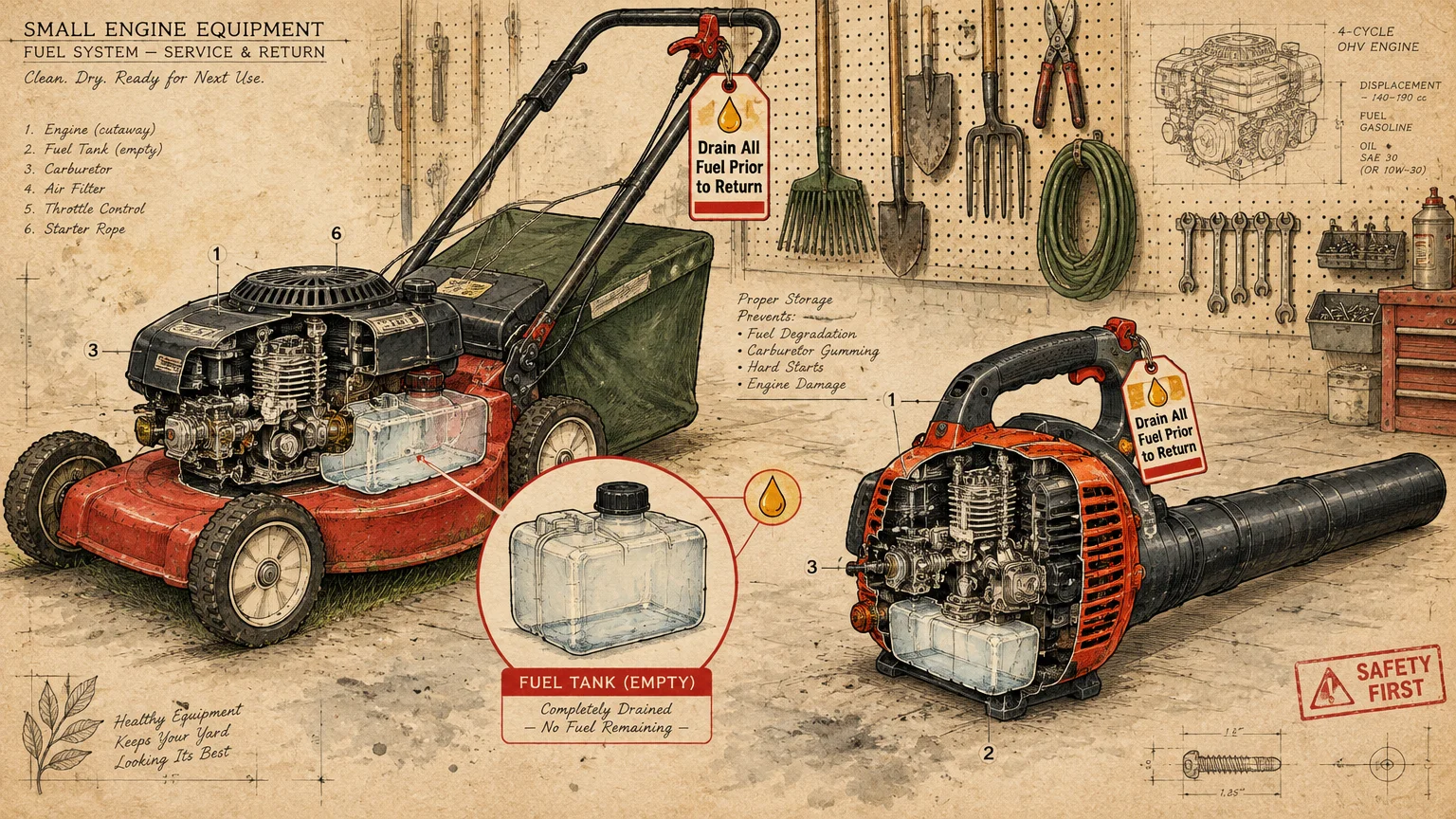
8. Home Depot and Lowe’s: Gas-Powered Equipment Regulations
Home improvement retailers provide standard 90-day return windows on power tools and gardening accessories. Purchasing gas-powered equipment like lawn mowers, leaf blowers, or chainsaws introduces strict location-specific hurdles.
Federal hazardous material transport rules and municipal fire codes prohibit stores from accepting equipment filled with flammable fuel. You must completely drain all gasoline and oil before entering the building.
Municipal environmental regulations in select urban counties prohibit outdoor power tool returns if equipment shows signs of ground fuel residue. Store associates must inspect tanks and fuel lines before approving refunds.
Certain regions require customers to route returned outdoor equipment directly to certified third-party service centers. Review local hazardous materials guidelines before transporting fuel-powered machinery in your vehicle.
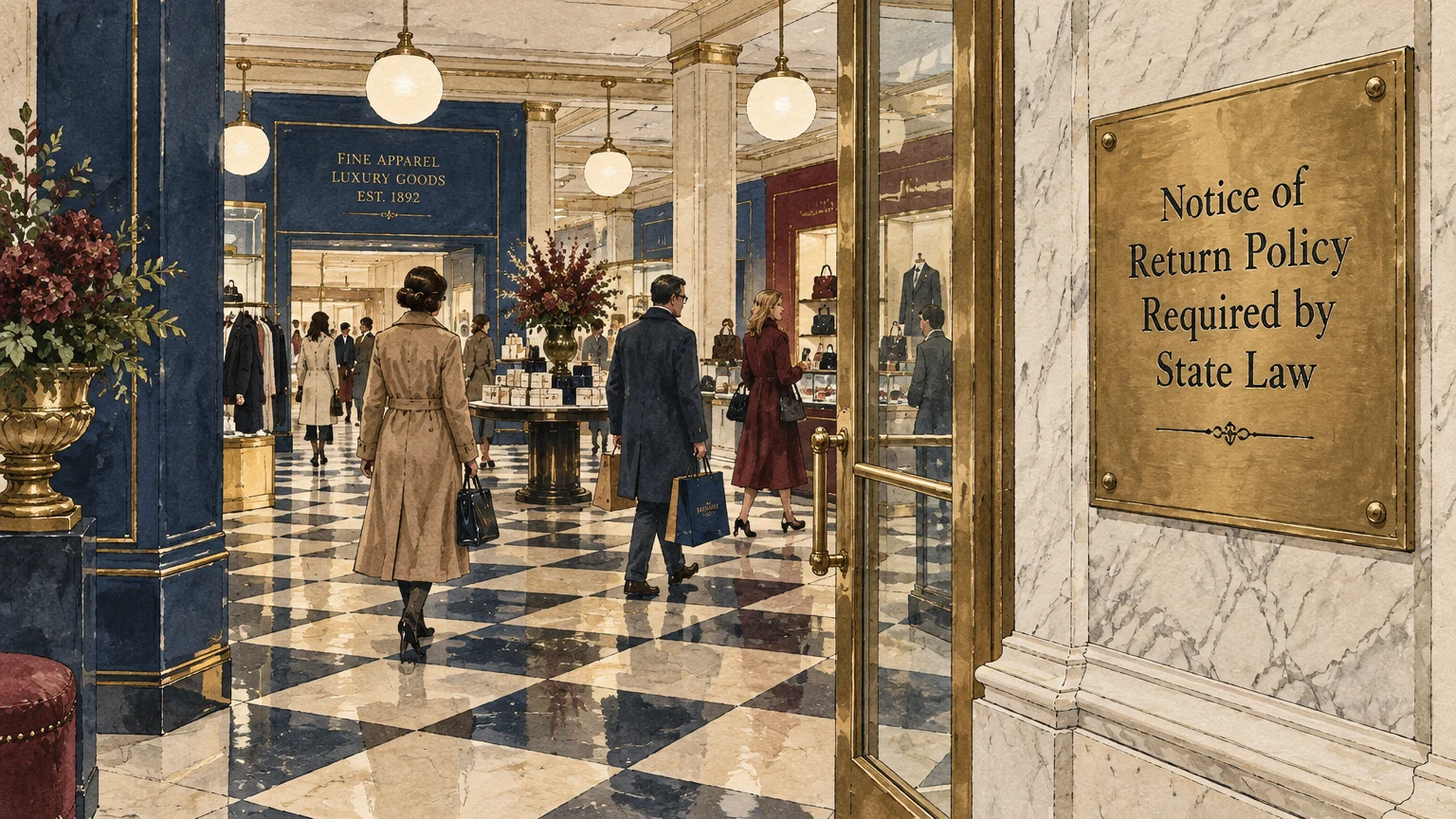
9. Department Stores Under State Disclosure Laws
Major department stores like Macy’s and Kohl’s adapt their return desk procedures to satisfy state consumer disclosure statutes. State laws often grant consumers automatic refund rights if stores fail to post clear signs.
California Civil Code Section 1723 requires merchants to clearly post their refund policy if they do not offer a full cash or credit refund within seven days. Retailers that fail to post must grant 30-day refunds by default.
New York General Business Law Section 218-a mandates similar point-of-sale disclosures at cash registers and store entrances. A New York merchant that hides its return rules must provide full refunds for 30 days.
Florida Statute Section 501.142 requires retailers with “no refund” policies to post visible signs at checkout registers. Without that sign, Florida law allows buyers to return unused goods within seven days for full refunds.
“A return policy is part of the price tag; if you don’t know the policy, you don’t know what you’re paying.” — Jean Chatzky, Financial Journalist and Author
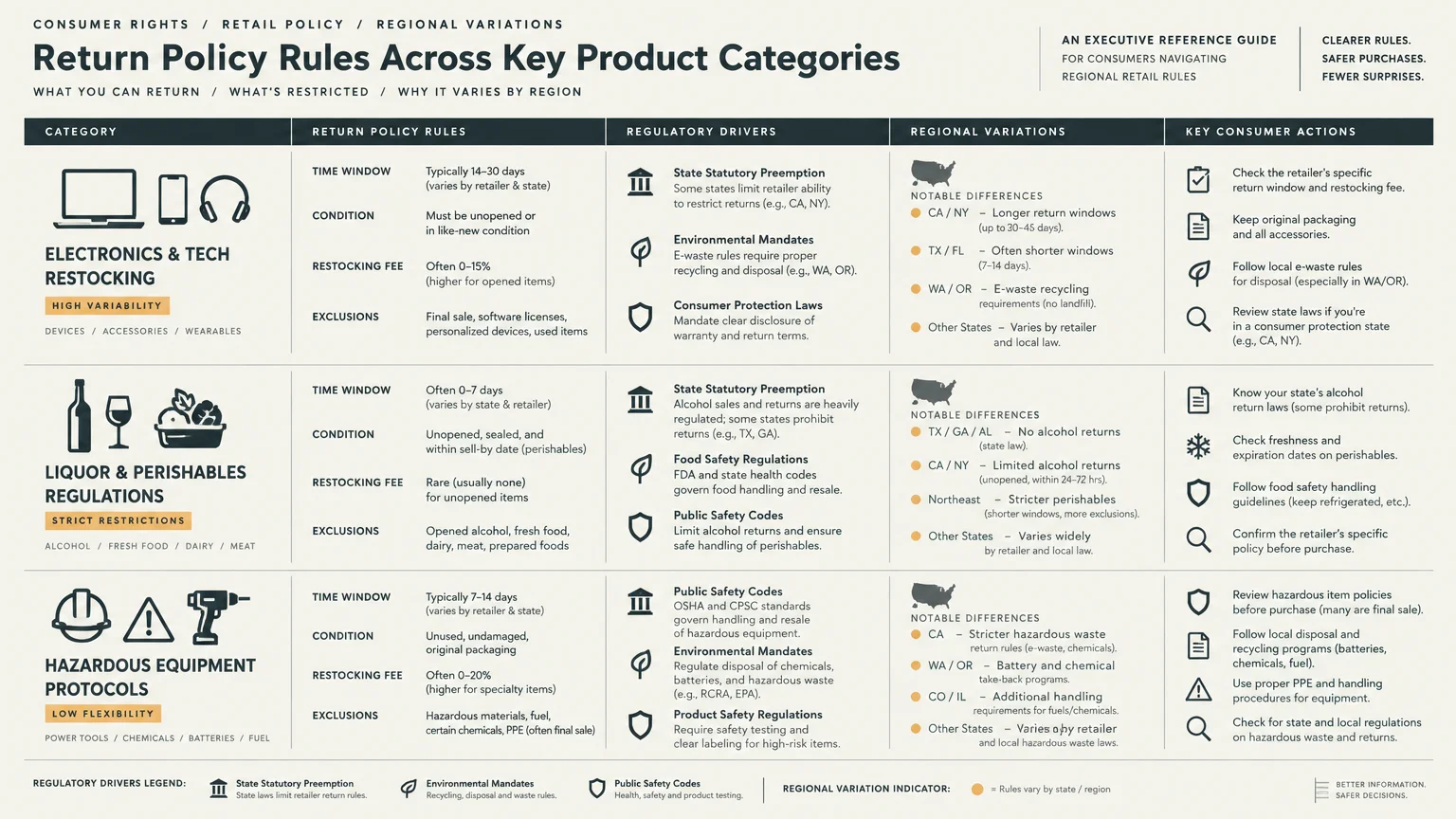
Return Policy Differences by Location
The following table illustrates how select retailers alter their standard return policies based on state statutes, store format, or geographic territory.
| Retailer / Product | Standard Policy | Location Exception | Governing Rule |
|---|---|---|---|
| Best Buy | $45 phone fee; 15% on electronics | Fee waived in 8 states (AL, CO, HI, IA, MS, OH, OK, SC) | State consumer protection laws |
| Costco | 100% satisfaction guarantee | Alcohol returns banned in CA, GA, MI, OH | State ABC liquor statutes |
| Mattress Retailers | Full refund during home trial | Non-refundable recycling fees ($16 to $22.50) | State EPR stewardship laws |
| T.J. Maxx & Marshalls | 30-day receipted return window | Puerto Rico purchases cannot be returned in mainland U.S. | Territorial inventory systems |
| Gap Inc. | 30-day return on unworn goods | Outlet items barred from full-line retail stores | Brand format division |
| IKEA | 365-day return window | Planning Studios refuse all physical product drop-offs | Small-format urban zoning |
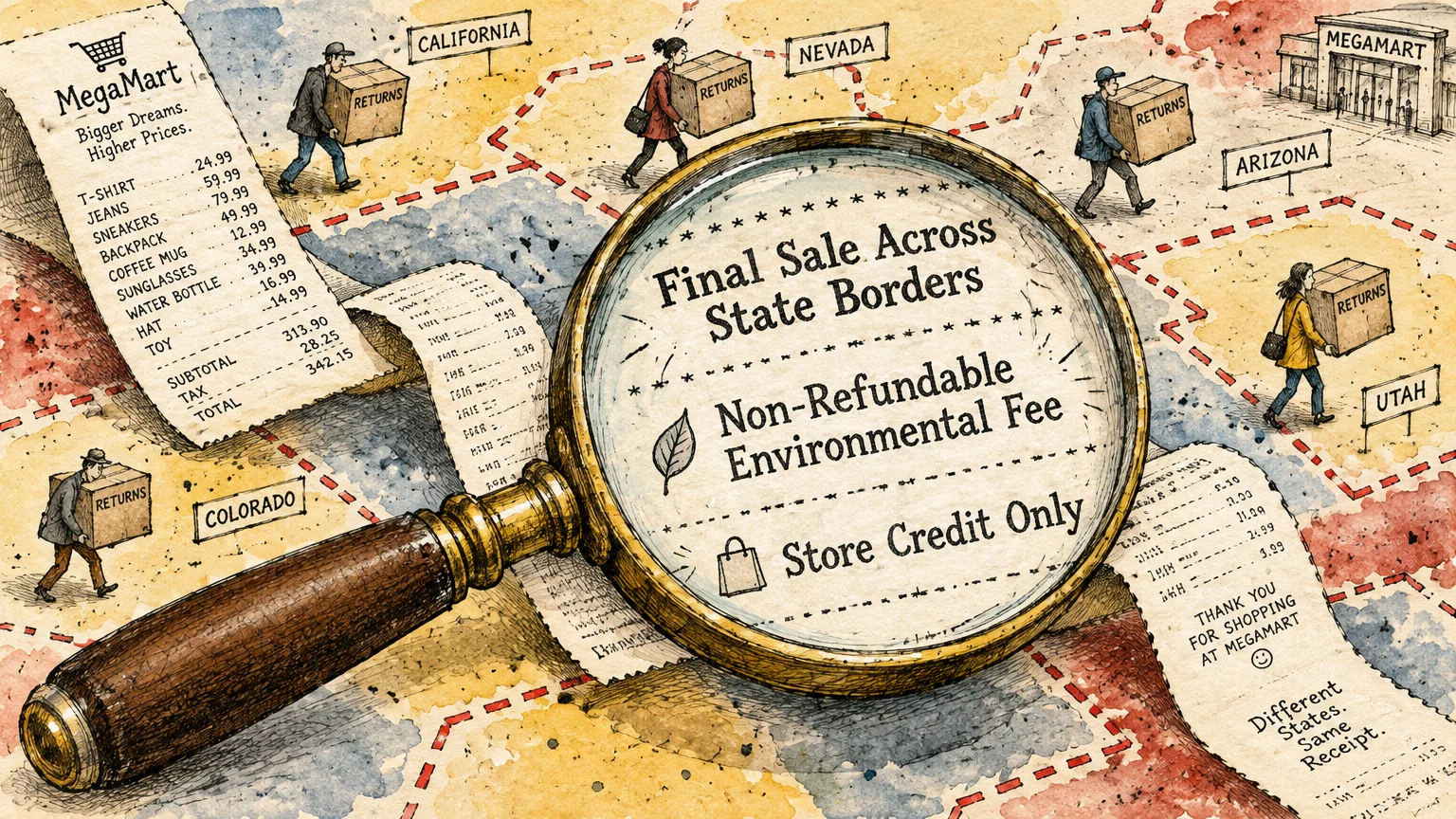
Pitfalls to Watch For
Shopping across state lines or ordering online can create expensive confusion if you need to reverse a sale. Avoid these frequent missteps when managing retail returns.
- Assuming Outlet Stores Mirror Flagship Brands: Buying items at an outlet mall often traps your purchase within that discount division. Keep outlet items separate from standard shopping hauls.
- Discarding Receipts on Out-of-State Road Trips: Customer service agents cannot easily look up out-of-state transactions without original paper receipts or loyalty barcode scans.
- Overlooking Local Recycling and Bottle Fees: State eco-fees on electronics, mattresses, and beverage containers are generally non-refundable even when products are returned promptly.
- Ignoring Restocking Fee Carve-Outs: Cashiers sometimes automatically apply restocking fees on open electronics without realizing that local state laws prohibit those exact charges.
If you encounter an improper restocking fee or deceptive return practice, review your rights with the Consumer Financial Protection Bureau (CFPB). You can also research regional retail consumer protections through the AARP consumer protection network.
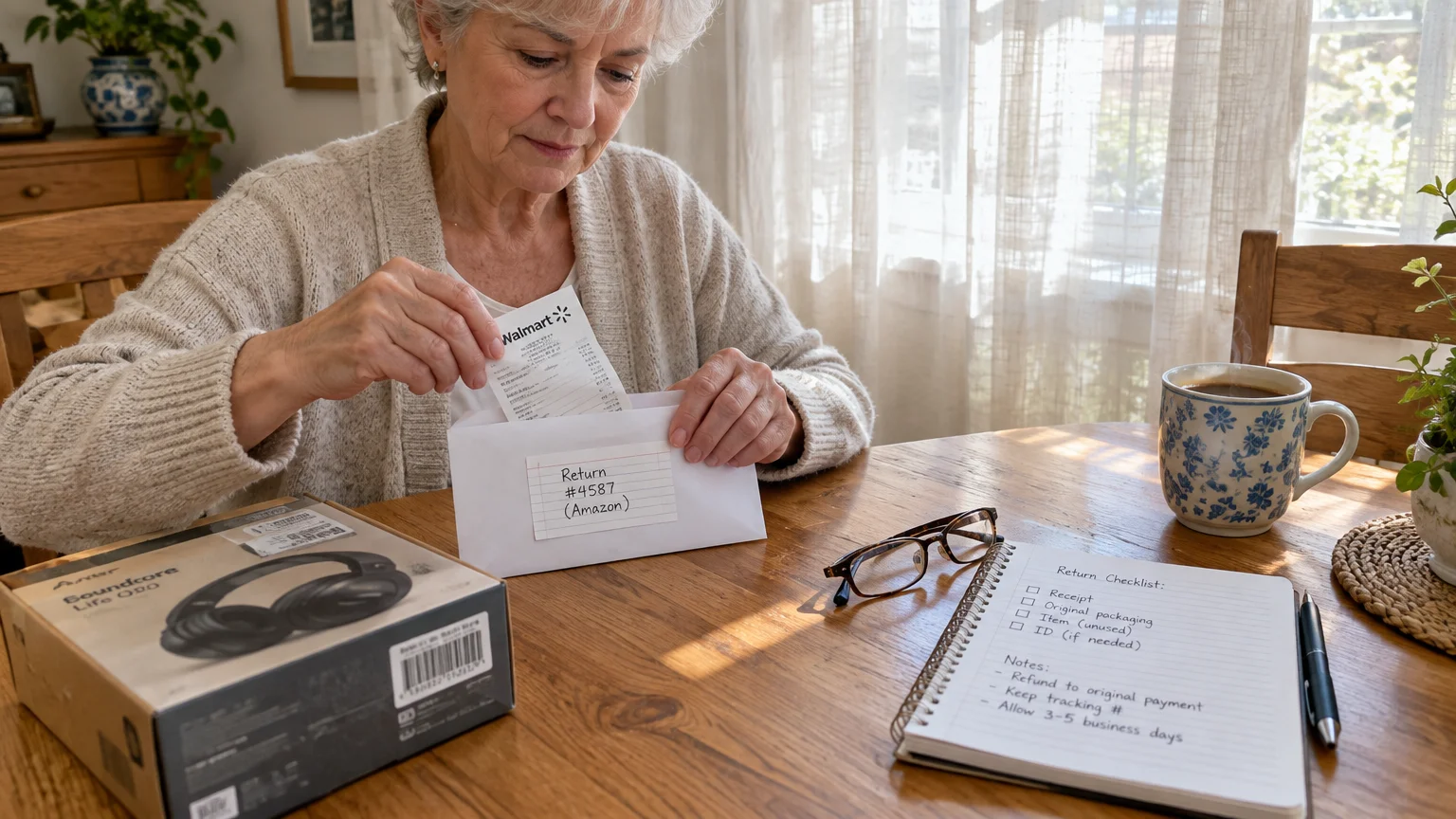
How to Return Items Successfully
Taking organized steps before walking into a store ensures a smooth transaction and prevents unnecessary customer service arguments. Follow this practical checklist for stress-free returns.
- Check Store Formats First: Verify whether your local branch is a full-service warehouse, an outlet shop, or a limited planning boutique before packing items into your car.
- Inspect Package Seals: Avoid breaking factory seals on electronic boxes or health items until you are completely certain you intend to keep them.
- Know Your State Statutes: If you reside in one of the eight states exempt from electronics restocking fees, cite the exemption politely if a fee appears on screen.
- Keep Digital Photo Backups: Take photos of receipts and serial number barcodes on your smartphone in case paper register slips fade over time.
Frequently Asked Questions
Can a store refuse a return even if I have my original receipt?
Yes, stores can refuse returns if items violate posted exclusions, local health codes, or return deadlines. Private retailers have wide latitude to set refund terms unless restricted by state statute.
Are stores required by federal law to provide refunds?
Federal law does not require merchants to provide refunds or exchanges unless an item is defective or mislabeled. Return rights are governed primarily by individual store contracts and state disclosure laws.
Why do retail stores in Puerto Rico have separate return systems?
Puerto Rico operates under separate territorial tax structures, logistics corridors, and customs accounting methods. Retailers separate mainland and island databases to prevent tax accounting discrepancies.
What should I do if a cashier improperly charges a restocking fee?
Ask for a store manager and show the written corporate policy listing state fee exemptions. You can also file a consumer complaint with your state attorney general’s office if the charge violates state code.
Managing your household budget requires keeping track of where your dollars go, especially when goods fail to meet your expectations. Knowing these geographic policies helps you shop with confidence and protect your savings.
This article provides general financial education and information only. Everyone’s financial situation is unique—what works for others may not work for you. For personalized advice tailored to your retirement needs, consider consulting a qualified financial professional such as a CFP or CPA.
Last updated: February 2026. Benefit amounts, tax rules, and program details change annually—verify current figures with official government sources.









Leave a Reply