

Leaving a 40-year career suddenly hands you over 2,000 free hours each year. Without a deliberate plan, those newly liberated mornings can quickly blur into passive screen time and restlessness.
You spent decades managing tight deadlines, daily commutes, and demanding schedules. Replacing that professional rhythm requires intentional purpose rather than complete idleness.
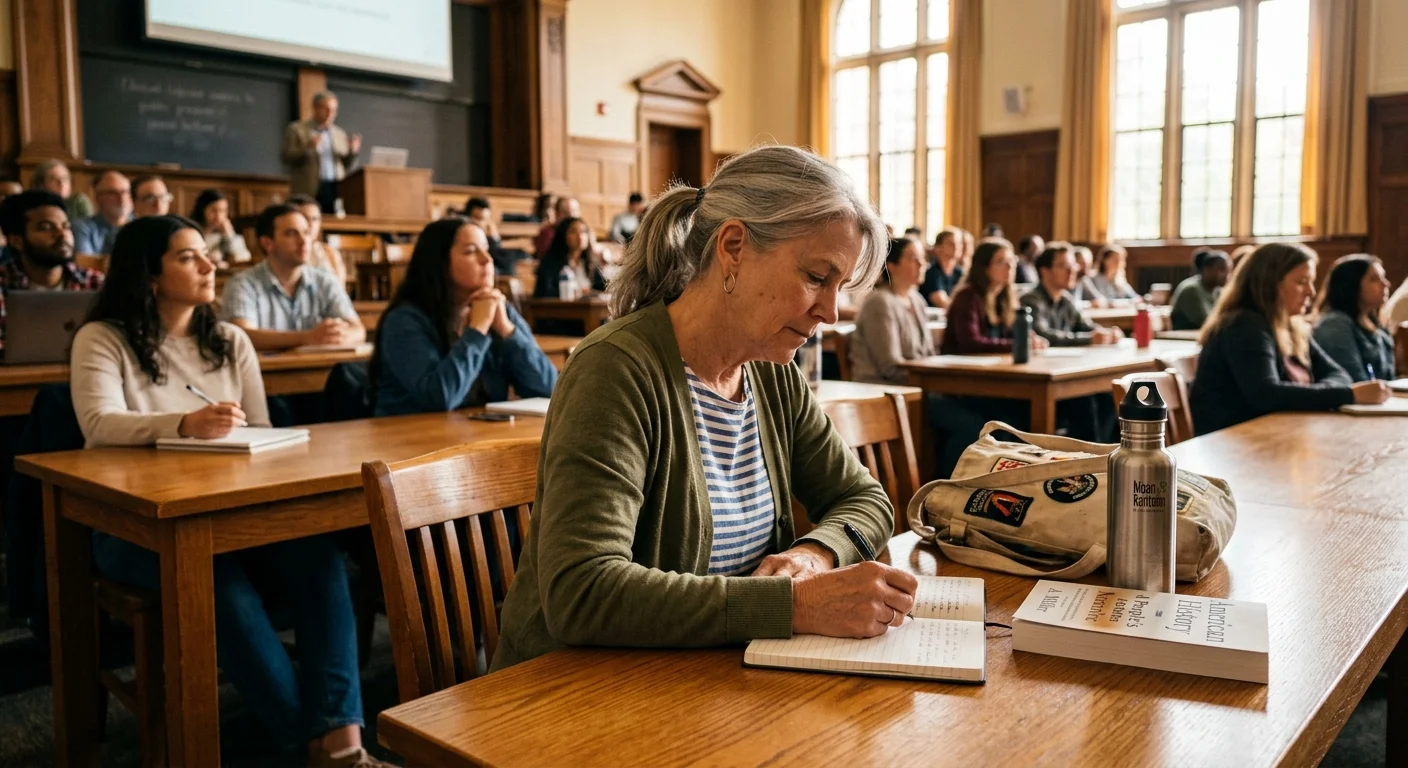
Building a structured retirement schedule keeps your mind sharp, protects your financial health, and restores vitality to everyday living. Here are fifteen meaningful ways to take control of your time.

Understanding the Retirement Time Shock
The transition from full-time employment can feel surprisingly jarring. Many recent retirees experience sudden disorientation once daily work commitments vanish.
According to the Bureau of Labor Statistics American Time Use Survey, adults aged 65 and older average 7.1 hours of daily leisure time.
Unfortunately, retirees spend an average of 4.3 hours of that daily free time watching television. In contrast, physical exercise accounts for only 19 to 30 minutes each day.
Trading structured deadlines for endless unstructured hours often leads to isolation and listlessness. Replacing your old career routine with purposeful, energizing pursuits protects both your cognitive health and your wallet.
“Retirement is not the end of the road. It is the beginning of an open highway where you choose the speed and the destination.” — Jean Chatzky, Financial Journalist and Author
15 Purpose-Driven Ways to Fill Your Days
1. Establish an Anchor Routine with Morning Intent
Wake up at the same hour each morning to anchor your circadian rhythm. Use your first hour for coffee, gentle stretching, and reflective reading before looking at any digital screens.
Consistent morning habits establish personal momentum that carries through the rest of your day.
2. Audit University Courses for Free
More than 30 states provide tuition waivers or deep discounts for residents aged 60 and older to attend state college classes. You can study art history, economics, or literature without taking exams or paying high fees.
Inquire with local community colleges or explore the Osher Lifelong Learning Institute (OLLI), which operates academic programs across 125 university campuses nationwide.
3. Volunteer Through AmeriCorps Seniors
Community service restores social interaction while providing structured weekly accountability. According to AmeriCorps, older adults contribute over half of all volunteer hours nationwide, representing more than $90 billion in annual economic value.
Explore established programs like RSVP or Foster Grandparents to find local volunteer roles matched to your professional background.
4. Launch a Low-Stress Bridge Job
A part-time job provides predictable weekly structure, casual conversation, and supplemental pocket cash. Working fifteen hours a week at a bookstore, plant nursery, or golf course keeps you engaged without corporate stress.
If you claim benefits before Full Retirement Age, monitor the Social Security Administration earnings limit. The exempt limit is $23,400 in 2025 and $24,480 in 2026.
5. Build a Structured Weekly Fitness Regimen
Daily physical activity protects your mobility and lowers long-term healthcare costs. The CDC recommends that adults aged 65 and older complete at least 150 minutes of moderate aerobic exercise weekly, plus two days of strength training.
Schedule water aerobics, brisk trail walks, or pickleball matches with friends to make exercise a regular social habit.
6. Explore Public Lands with a Senior Pass
Spending time in nature lowers stress and encourages sustained physical movement. U.S. citizens aged 62 and older can purchase an America the Beautiful Senior Lifetime Pass for $80 or an Annual Pass for $20.
Managed by the National Park Service, this pass grants entrance for your vehicle companions across more than 2,000 federal recreation sites nationwide.
7. Mentor Budding Professionals and Entrepreneurs
Your career knowledge remains an invaluable asset after you retire. You can guide early-career professionals, edit resumes, or mentor aspiring founders through local SCORE chapters.
Mentoring allows you to share decades of business insights on your own flexible schedule.
8. Master a Complex Creative Craft
Immersing yourself in fine woodworking, oil painting, or pottery sharpens manual dexterity. Creative challenges trigger continuous learning and produce tangible results you can display or gift.
Check your local arts guild or community center for affordable open-studio access and beginner workshops.
9. Cultivate a Productive Kitchen Garden
Gardening combines functional physical exercise with the daily satisfaction of nurturing living plants. Tending raised beds or a patio container garden gives you a clear outdoor purpose every morning.
You can freeze fresh herbs, can homegrown tomatoes, or donate extra organic produce to local food pantries.
10. Secure Regular Social Third Places
Leaving work removes accidental social interaction, making deliberate gathering spaces essential. Join a weekly chess club, join an active walking group, or meet friends for Thursday morning breakfast.
The National Council on Aging highlights regular social engagement as a cornerstone of emotional health and memory preservation.
11. Complete Methodical Home Downsizing Projects
Treat home organization as a series of manageable, scheduled milestones rather than an exhausting marathon. Dedicate two hours every Tuesday and Thursday to sorting closets, tool sheds, or paperwork.
Methodically simplifying your living space reduces household maintenance expenses and removes future burdens from loved ones.
12. Learn a Musical Instrument or Language
Acquiring complex new patterns activates fresh neural pathways and exercises working memory. Spend thirty minutes every afternoon practicing acoustic guitar chords or completing interactive language lessons.
Steady, incremental mastery provides genuine personal satisfaction without external performance pressure.
13. Curate and Digitize Family Archival History
Old photo albums, wartime letters, and handwritten family recipes deserve careful preservation. Scan delicate photographs into cloud storage and record audio interviews with elderly relatives about family traditions.
Creating a clean digital archive safeguards your ancestral legacy for grandchildren and future generations.
14. Participate in Citizen Science Initiatives
Contribute real data to professional researchers right from your backyard or local nature preserve. Use verified apps like eBird or iNaturalist to catalog migratory birds, monarch butterflies, and seasonal tree blossoms.
Citizen science pairs meaningful environmental contribution with invigorating outdoor exploration.
15. Plan Thematic Midweek Day Trips
Revisit regional museums, historical monuments, and botanical gardens on quiet weekdays. Traveling on Tuesdays or Wednesdays avoids heavy weekend crowds and lets you take advantage of senior admission rates.
Planning themed regional excursions satisfies curiosity while keeping your total travel expenses modest.

Comparing Meaningful Retirement Activities
Selecting the right mix of activities depends on your budget, energy level, and social goals. The table below outlines how common pursuits compare across weekly time commitments and overall costs.
| Activity Category | Weekly Time Commitment | Estimated Cost Level | Primary Benefit |
|---|---|---|---|
| Lifelong Learning (Auditing & OLLI) | 4 to 8 hours | Very Low ($0 to $150/term) | Cognitive sharpness and mental stimulation |
| Formal Community Volunteering | 6 to 15 hours | None ($0) | Sense of purpose and social connection |
| Part-Time Bridge Work | 10 to 20 hours | Generates Income | Financial cushion and structured routine |
| Public Lands & Outdoor Recreation | 5 to 12 hours | Low ($80 Senior Pass) | Physical mobility and stress reduction |
| Creative Crafts & Gardening | 6 to 10 hours | Low to Moderate | Focus, fine motor skills, and creative joy |

How to Build a Sustainable Weekly Schedule
Complete freedom can quickly become chaotic without intentional structure. Divide your week into balanced blocks covering physical health, mental growth, creative play, and social contact.
Treat your chosen calendar commitments with the same reliability you gave professional work meetings. Scheduling anchor habits at set times creates a dependable framework that eliminates morning hesitation.
As educational resources from AARP point out, predictable daily routines help retirees maintain strong purpose and lasting emotional well-being.

What Can Go Wrong: 4 Scheduling Pitfalls to Avoid
Falling into the Passive Screen Habit
Spending long mornings scrolling social media or watching daytime cable drains personal energy. Reserve screen entertainment for late evening hours after finishing your productive physical and educational goals.
Overcommitting During Your First Year
Agreeing to every volunteer request or committee seat quickly leads to calendar exhaustion. Learn to say no politely so you can protect your quiet downtime and personal projects.
Triggering Social Security Earnings Penalties
Earning too much bridge income before Full Retirement Age can trigger temporary benefit reductions from Social Security. Always track gross earnings against the annual exempt limits before accepting extensive part-time hours.
Withdrawing from Regular Community Contact
Spending days alone at home can gradually slide into harmful chronic isolation. Commit to at least two weekly activities that put you in direct personal contact with other people.
Frequently Asked Questions About Retirement Daily Routines
How many hours a day should I schedule in retirement?
Most retirees thrive by scheduling three to four hours of focused daily activity. Leaving the remaining hours flexible allows for spontaneous lunches, reading, and gentle relaxation.
How do I find free college courses for seniors in my area?
Contact the admissions or registrar office at your nearest public state university or community college. Ask specifically about state tuition waivers or senior auditing privileges for non-credit attendance.
Does volunteer work affect my Social Security or Medicare?
Unpaid volunteer service does not count toward Social Security earnings tests or impact Medicare eligibility. Volunteering allows you to remain professionally active without any risk to your monthly retirement benefits.
How long does it take to establish a comfortable retirement rhythm?
Most seniors take six to twelve months of experimentation to establish a fulfilling weekly schedule. Adjust your activities gradually until your days feel purposeful, balanced, and unhurried.
Closing Thoughts
Replacing the working routine you maintained for decades takes time and intentional practice. Start by selecting two or three purposeful activities that spark genuine excitement and fit comfortably within your financial plan.
This article provides general financial education and information only. Everyone’s financial situation is unique—what works for others may not work for you. For personalized advice tailored to your retirement needs, consider consulting a qualified financial professional such as a CFP or CPA.
Last updated: February 2026. Benefit amounts, tax rules, and program details change annually—verify current figures with official government sources.









Leave a Reply