

Flying doesn’t have to drain your retirement savings, provided you know exactly which carriers offer the lowest true cost in 2026. With major industry shifts—including the sudden closure of Spirit Airlines in May 2026 and Southwest ending its famous “bags fly free” policy—the landscape of budget travel has drastically changed. Navigating today’s fare options requires looking beyond the base ticket price and calculating the hidden fees for bags, seats, and boarding. Whether you want to visit grandchildren across the country or explore a sunny destination, identifying the cheapest U.S. airlines will stretch your travel budget further. By understanding current carrier rankings and leveraging unadvertised senior discounts, you can confidently book your next flight without overpaying.
The True Cost of Flying: How Airlines are Ranked
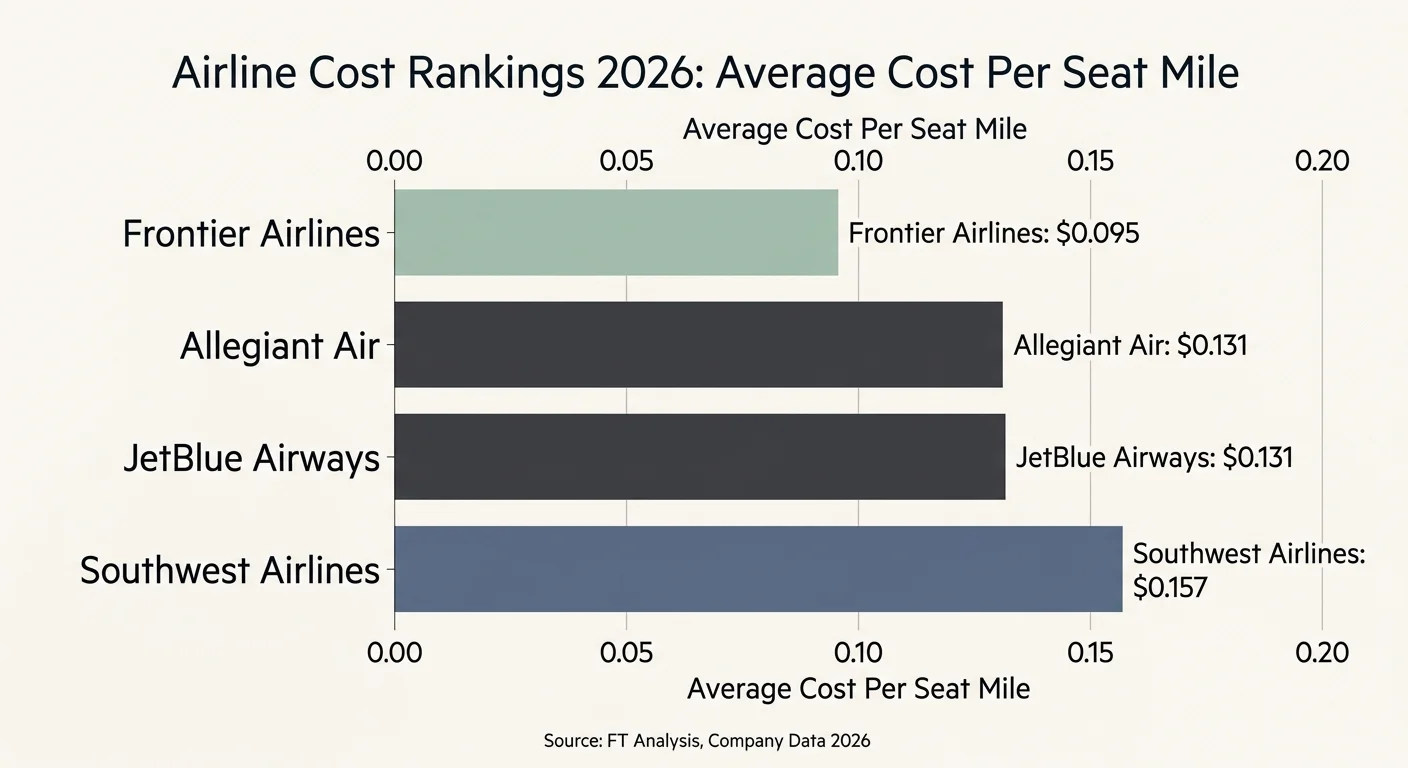
When you start searching for a flight, the first number you see on your screen is rarely the final amount that will appear on your credit card statement. The aviation industry uses a metric known as Passenger Revenue per Available Seat Mile (RASM or RASK) to determine how much money they are making off each passenger for every mile flown. For travelers, this metric is the most accurate way to rank the cheapest airlines because it factors in the base fare plus all the extras that passengers inevitably end up paying.
In 2026, the U.S. airline industry has fully embraced the “unbundled” fare model. This means your ticket buys you a seat on the plane and nothing else; everything from a bottle of water to the right to place a bag in the overhead bin comes with an additional surcharge. To rank the cheapest U.S. airlines, we must look at who offers the absolute lowest baseline cost while acknowledging the fee structures that can quickly inflate your travel budget.
| Airline Ranking | Average Cost Per Seat Mile | First Checked Bag Fee (Avg.) | Carry-On Bag Fee (Avg.) |
|---|---|---|---|
| 1. Frontier Airlines | $0.095 | $55 – $75 | $60 – $80 |
| 2. Allegiant Air | $0.131 | $40 – $50 | $15 – $50 |
| 3. JetBlue Airways | $0.131 | $35 – $45 | Free (Except Basic Economy) |
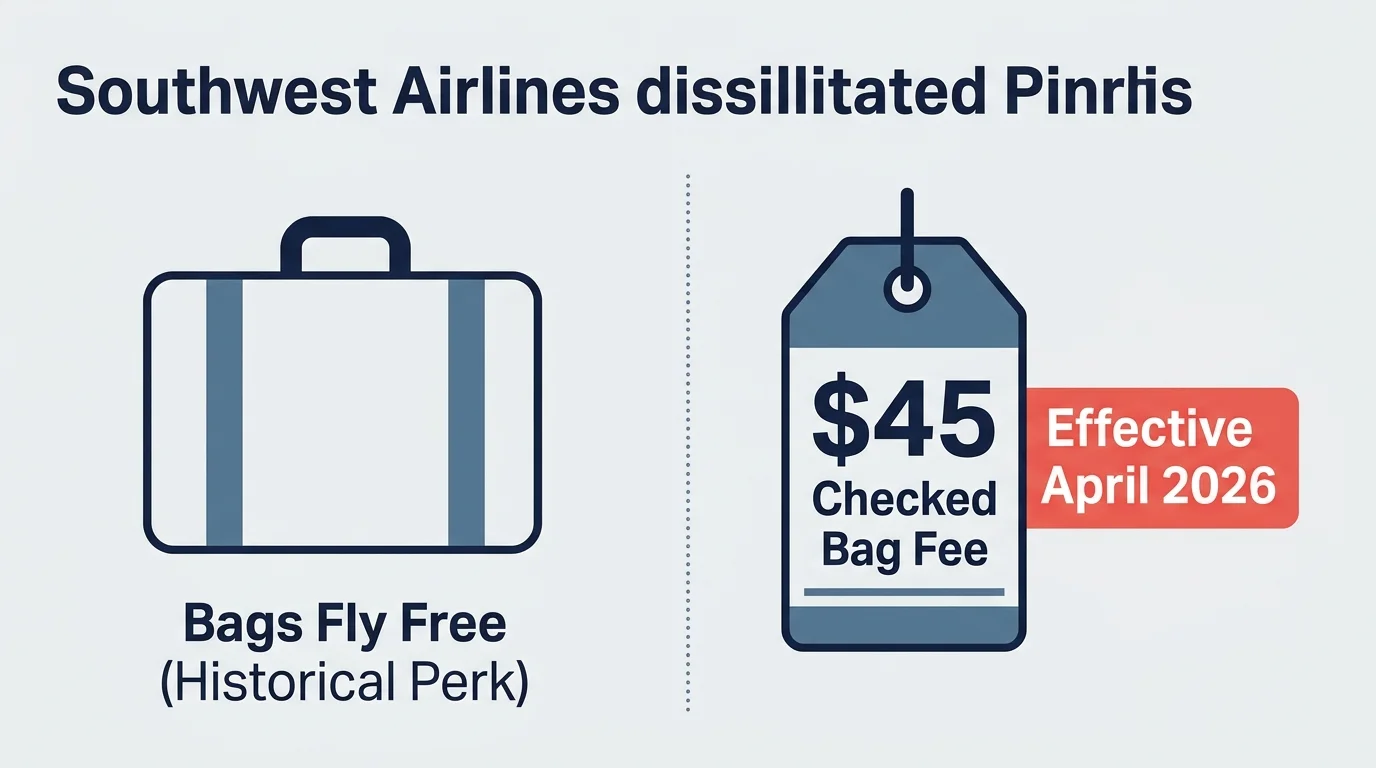
| 4. Southwest Airlines | $0.157 | $45 (As of April 2026) | Free |
1. Frontier Airlines: The Reigning Budget Champion
With an average passenger revenue of just $0.095 per seat mile, Frontier Airlines officially takes the crown as the cheapest U.S. airline in 2026. If your goal is to get from Point A to Point B while spending the absolute minimum amount of money, Frontier is your go-to carrier. However, flying Frontier requires a strategic mindset and a willingness to pack incredibly light.
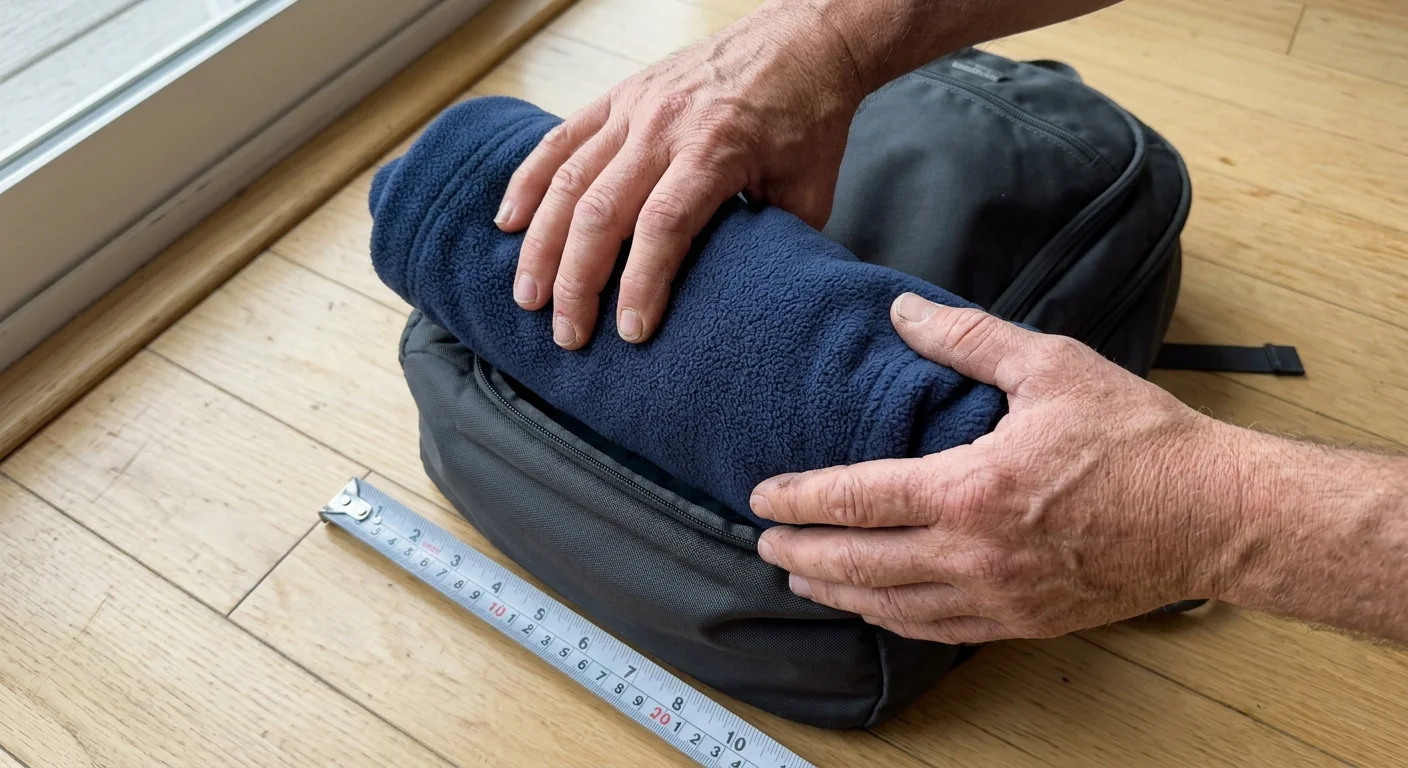
Frontier operates on an ultra-low-cost carrier (ULCC) model. Their base fares frequently drop as low as $19 or $29 for one-way domestic flights. The catch lies entirely in their ancillary fees. Frontier is notorious for charging more for a carry-on bag than for a checked bag. If you bring a roller suitcase to the gate without prepaying, you could be hit with a fee exceeding $90. To truly benefit from Frontier’s rock-bottom pricing, you must travel with only a “personal item”—a small backpack or tote that fits entirely under the seat in front of you.
For seniors with flexible schedules, Frontier occasionally runs an unadvertised 55% discount promotion for travelers aged 55 and older. While these promotions vary by season, subscribing to their email newsletter is the most effective way to catch these steep age-based discounts when they go live.

2. Allegiant Air: Best for Direct Leisure Routes
Coming in as the second most affordable option is Allegiant Air. Unlike major legacy carriers that route you through massive, chaotic hubs like Atlanta or Chicago, Allegiant specializes in point-to-point flying. They connect smaller regional airports directly to popular leisure destinations like Florida, Las Vegas, and Phoenix. For seniors living outside major metropolitan areas, Allegiant is often a godsend.
Allegiant’s business model is slightly different from Frontier’s. While they still charge for bags, seat selections, and boarding priority, their base fares remain highly competitive. Furthermore, Allegiant won several reliability awards in 2026, largely because their point-to-point network avoids the cascading delay chains that frequently plague larger airlines during bad weather. If you want a straightforward, non-stop flight to a vacation hotspot without the hassle of a layover, Allegiant offers exceptional value.
3. Southwest Airlines: A New Era of Fees and Seating
If you haven’t flown in a couple of years, you might be shocked to learn that Southwest Airlines has undergone the most dramatic transformation in its 54-year history. Historically celebrated for its open seating policy and legendary “bags fly free” perk, Southwest has completely overhauled its business model for 2026.
As of May 2025, Southwest officially ended its free checked bag policy for basic fares. Fast forward to April 2026, and the airline increased its baggage fees to $45 for your first checked bag and $55 for your second bag due to rising fuel costs. Additionally, in January 2026, Southwest officially implemented assigned seating, doing away with the anxiety-inducing boarding groups (A, B, and C) in favor of a traditional seat selection process where you pay extra for more legroom or a spot near the front of the plane.
Despite these changes, Southwest remains a strong mid-tier budget option. They still offer free carry-on bags across all fare classes, and they remain one of the most flexible airlines in the sky, allowing you to change or cancel your flight for travel credit without exorbitant penalty fees. If you plan to bring a full-sized carry-on, Southwest’s total price often beats the ultra-low-cost carriers once all fees are calculated.
4. JetBlue & Hawaiian Airlines: Balancing Budget and Comfort
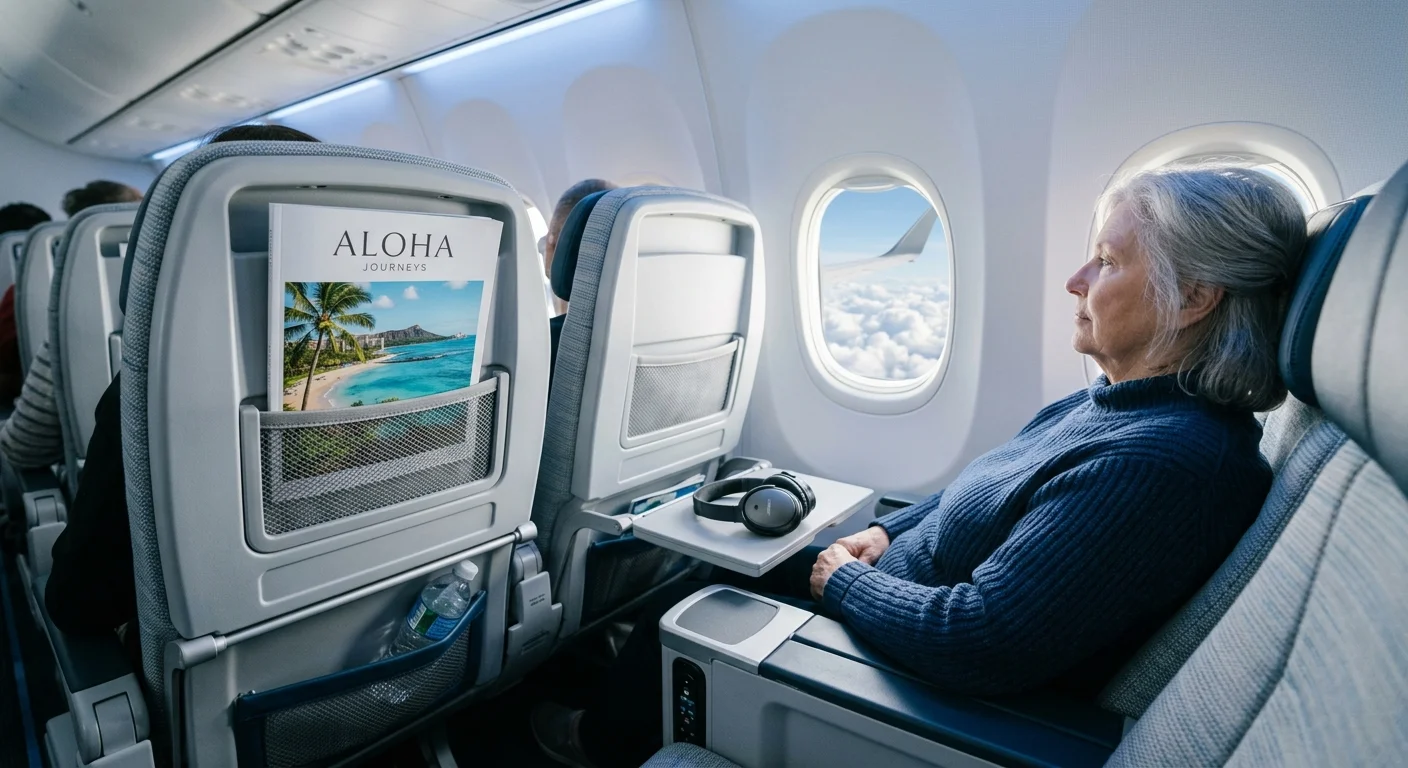
If the idea of flying on an ultra-low-cost carrier feels too restrictive, JetBlue and Hawaiian Airlines represent the perfect middle ground. Both airlines average around $0.12 to $0.13 per seat mile, making them significantly cheaper than legacy carriers like Delta, United, and American, while offering a substantially more comfortable in-flight experience.
JetBlue is renowned for offering the most legroom in standard economy, free high-speed Wi-Fi, and complimentary snacks. While they do charge for checked bags, their standard economy fares allow for a free carry-on. Hawaiian Airlines remains the undisputed champion for affordable, reliable travel to and from the Aloha State. They maintain a higher standard of customer service and provide complimentary meals on longer flights, proving that budget travel doesn’t necessarily mean sacrificing all comforts.
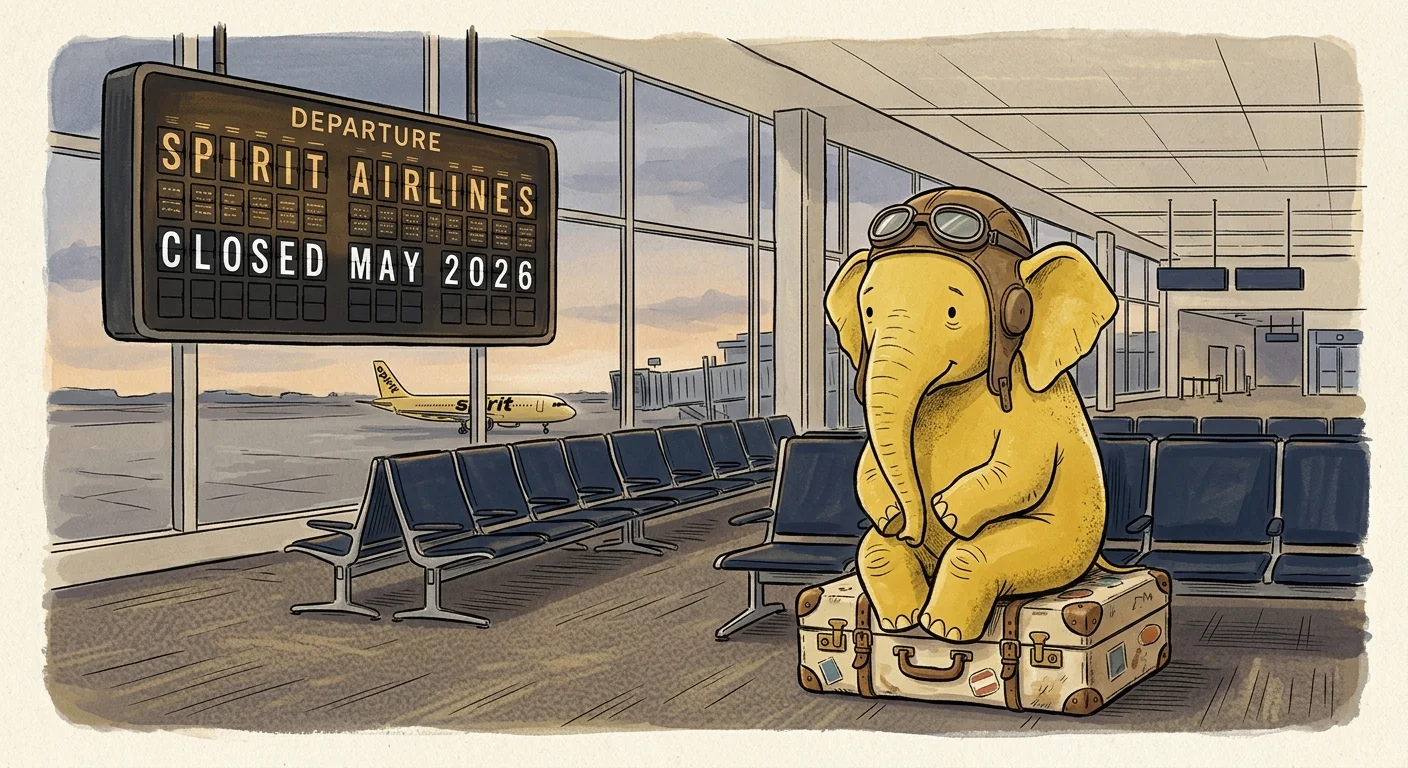
The Elephant in the Room: The End of Spirit Airlines
You cannot discuss budget airlines in 2026 without addressing the massive shift that occurred in the aviation industry this year. For decades, Spirit Airlines was synonymous with cheap U.S. travel. However, on May 2, 2026, Spirit Airlines officially ceased all global operations, permanently grounding its fleet after failing to secure federal rescue funding.
This shutdown left a massive void in the budget travel sector. Fortunately, the U.S. Department of Transportation stepped in, and other carriers like Frontier, Allegiant, and Southwest have absorbed many of Spirit’s former routes. If you held a travel voucher or credit with Spirit Airlines prior to their shutdown, you must process your refund through your credit card issuer using the chargeback dispute process, as the airline’s customer service channels are no longer operational.

Hidden Airline Perks and Senior Discounts in 2026
While the days of universally advertised senior fares are mostly behind us, savvy travelers aged 60 and older can still unlock significant savings and comfort perks. The key is knowing what to ask for, as airlines rarely volunteer this information.
- Unadvertised Senior Fares: Major legacy carriers—specifically Delta, United, and American Airlines—still offer senior discounts on select routes for passengers aged 65 and older. However, you cannot access these fares on their websites. You must call their reservation lines directly and ask the agent to apply the senior discount to your intended route. This can yield savings of anywhere from 5% to 10% off the base fare.
- AARP International Discounts: If you are planning an overseas retirement trip, an AARP membership is incredibly valuable. British Airways partners with AARP to offer members up to $200 off transatlantic flights.
- TSA PreCheck Benefits for 75+: The Transportation Security Administration offers relaxed screening procedures for travelers aged 75 and older. Even if you do not pay for TSA PreCheck, you are permitted to leave your shoes and light jackets on during standard security screening, saving you from bending down and struggling with laces.
- Mandated Wheelchair Assistance: Under the Air Carrier Access Act, all U.S. airports and airlines must provide free wheelchair and electric cart assistance to anyone who requests it. You do not need a doctor’s note. Simply request wheelchair assistance when booking your ticket online, and a representative will escort you from the check-in desk directly to your gate, entirely free of charge.
“If you want to be financially secure, you have to be actively involved in your financial life.” — Jean Chatzky, Financial Expert
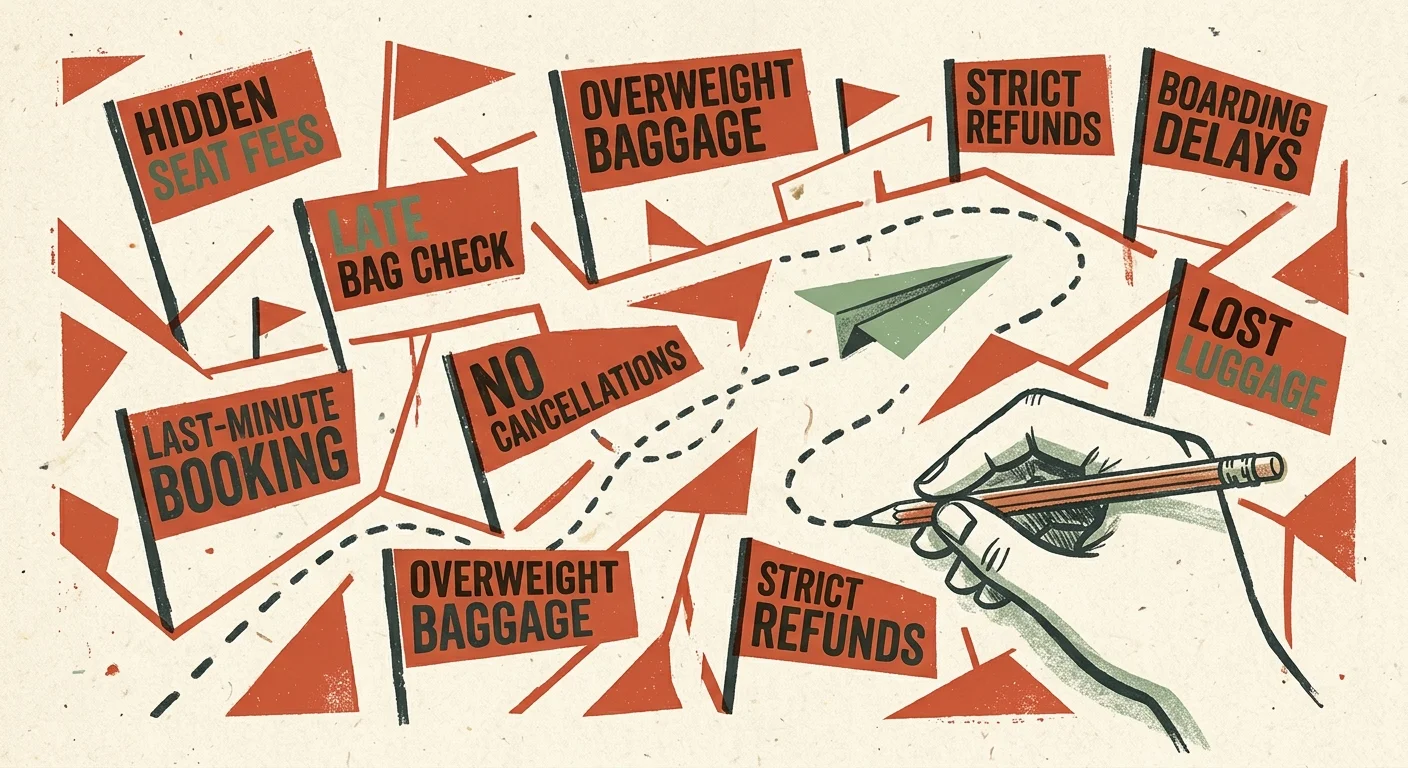
Common Mistakes to Avoid When Booking Budget Flights
Booking a cheap flight is only half the battle; keeping it cheap until you land is the real challenge. Many seniors fall into predictable traps that transform a $40 ticket into a $150 ordeal. Avoid these common missteps:
- Ignoring the “Carry-On Penalty”: Assuming that a carry-on bag is always cheaper than a checked bag is a costly mistake in 2026. On Frontier and Allegiant, bringing a carry-on to the cabin often costs $10 to $20 more than simply checking the bag at the counter. Always review the airline’s specific baggage fee table before you start packing.
- Booking Basic Economy for Crucial Trips: Basic economy tickets are non-refundable, non-changeable, and typically board last. If you are traveling for a medical appointment, a wedding, or a cruise departure, spend the extra $30 to upgrade to a standard fare. This grants you the flexibility to change your flight if your health or schedule shifts.
- Paying for Seat Assignments Unnecessarily: Unless you have specific mobility needs that require an aisle seat or extra legroom, do not pay the $15 to $35 fee to select a standard seat. If you are traveling with a spouse, airlines will generally try to seat you together for free if you check in exactly 24 hours before your flight.
- Accepting Vouchers Instead of Cash Refunds: Thanks to aggressive consumer protection regulations introduced by the U.S. Department of Transportation, a massive shift occurred regarding passenger rights. In 2026, if an airline cancels your flight or delays it by more than 3 hours domestically, you are legally entitled to an automatic cash refund back to your credit card. Do not let an airline pressure you into accepting a restrictive travel voucher if you prefer your money back.

Finding the Right Booking Strategy
Choosing the absolute cheapest airline isn’t always the smartest financial move. Your optimal booking strategy depends entirely on the nature of your trip. Consider these common retirement travel scenarios:
The Snowbird Strategy
If you spend half the year in Florida or Arizona and the other half up North, you are likely traveling with substantial luggage. In this scenario, Frontier’s $19 base fare is a mirage. Because you will be paying for two checked bags and a carry-on, you are better off flying Southwest or Delta, where the baggage allowances are more generous and the weight limits are often higher.
The Quick Weekend Visit
If you are flying out for a three-day weekend to see your grandchildren and can fit everything into a small backpack, Frontier and Allegiant are unbeatable. By sliding your personal item under the seat and skipping the seat selection fee, you can easily secure round-trip travel for under $100.
The Medical or Accessibility Traveler
If you rely on medical devices, CPAP machines, or have mobility restrictions, legacy carriers (Delta, United, American) and JetBlue generally offer superior customer service and better-equipped cabins. Note that under federal law, medical devices do not count toward your carry-on baggage allowance on any U.S. airline. You can always bring your CPAP machine or portable oxygen concentrator on board for free.
Frequently Asked Questions
Can I still fly Spirit Airlines in 2026?
No. Spirit Airlines ceased all operations and officially shut down on May 2, 2026. If you are searching for ultra-low-cost alternatives, look to Frontier Airlines or Allegiant Air.
Did Southwest Airlines bring back free checked bags?
No. Following the end of their “bags fly free” policy in May 2025, Southwest increased their fees in April 2026. Passengers now pay $45 for their first checked bag and $55 for their second checked bag on basic fares. Free bags are now reserved strictly for elite tier members and specific credit card holders.
Do seniors get a discount on domestic flights?
Yes, but you usually have to ask for it. Delta, United, and American Airlines offer discounts for travelers 65 and older on select routes. You must call their customer service lines to book these fares, as they do not appear on standard web searches.
Is TSA PreCheck free for seniors?
TSA PreCheck is not free; it currently costs $78 for a five-year membership. However, if you are 75 or older, you automatically receive some expedited screening benefits at the airport, such as keeping your shoes and light jacket on, regardless of your PreCheck status.
What happens if a budget airline cancels my flight?
Under current U.S. government regulations, if any airline cancels your flight or significantly delays it, you are legally entitled to a prompt, automatic refund to your original form of payment. You are not obligated to accept a travel voucher.
The information in this guide is meant for educational purposes. Your specific circumstances—including income, benefits, tax situation, and health needs—may require different approaches. When in doubt, consult a licensed financial advisor or tax professional.
Last updated: July 2026. Benefit amounts, tax rules, and program details change annually—verify current figures with official government sources.









Leave a Reply