

As we continue hearing about all the Norovirus cases, let’s discuss how seniors can stay safe!
According to some new data from the US Centers for Disease Control and Prevention, a common stomach bug is taking over the nation. In December, 91 norovirus outbreaks were reported, which is sadly up from 69 the previous week. In the same period in recent years, there generally were 65 or less outbreaks per week.
Now, this might not seem like a lot, but the reality is that many more cases go unreported. And with Norovirus cases on the rise, more people might want to know how norovirus is spread, what types of symptoms to expect, and how long they can expect to be ill. What should you do if you think you may have it?
Are there any food safety tips that can reduce the risk of spreading norovirus? At what point should you speak to the doctor? And what else can be done to prevent its spread and other foodborne illnesses? Stick with Easy Seniors Club for all the details!
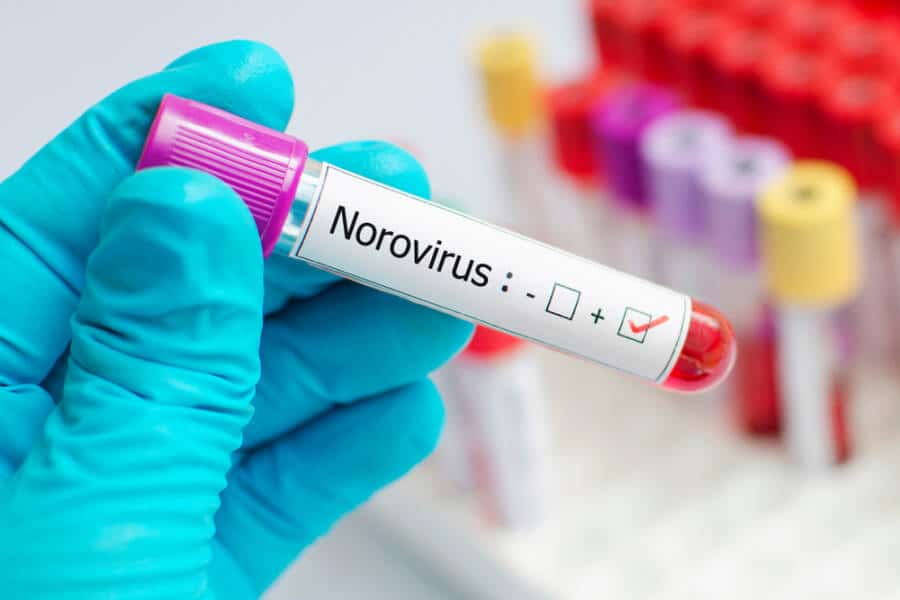
But first… What exactly is norovirus?
Norovirus is the most significant cause of foodborne sicknesses in the United States. According to the CDC, it’s responsible for 19 million to 21 million illnesses yearly. It results in over 465,000 emergency department visits, 2.2 million outpatient medical visits, and 109,000 hospitalizations.
Also sometimes called the winter vomiting bug or the Norwalk virus, norovirus is a highly contagious virus. It’s also a common cause of illness outbreaks on cruise ships, where over 90% of diarrheal illnesses are attributed to this virus.
It also causes epidemics in nursing homes, daycare centers, schools, jails, and other settings where people come close to others.
What are the first symptoms of all these norovirus cases?
Norovirus tends to sneak up on you hard and fast. Nausea and or vomiting are generally the first symptoms of this disease, according to an infectious disease expert at the Johns Hopkins Center for Health Security.
You may also have to deal with fever, headache, stomach pains, and body aches, according to the CDC.
How is norovirus treated?
There aren’t any vaccines or medications for norovirus. Most folks start feeling better after a couple of days. But staying hydrated is critical. And rather than using sports drinks, it’s best to try over-the-counter oral rehydration fluids to replace the nutrients that are lost from diarrhea and vomiting.
Some might find relief by taking over-the-counter meds like bismuth subsalicylate for nausea and diarrhea. If symptoms become severe, though, some individuals might require emergency care, including the need for anti-nausea medication and intravenous fluids.
It’s also a good idea to stay home for 48 hours even after you feel better and stop having symptoms to prevent spreading it further, says the Centers for Disease Control and Prevention. All age groups should seek medical attention if symptoms worsen, last for several days, or they can’t keep fluids down.
Treatment for the infection concentrates on relieving your symptoms, which will go away on its own in roughly one to three days. You can control your symptoms by:
-Eating soft, bland foods.
-Getting lots of rest.
-… But the most important thing to consider is that you MUST drink lots of liquids to recover.

How do norovirus cases spread?
Norovirus can spread through contact with an infected individual or contaminated surfaces. You can pick up the virus if you share drinks, food, or utensils with an infected person.
You can also get it by touching a surface that was touched by an infected person and then touching your face. Besides that, the virus can be transmitted through tiny drops of fecal material or vomit splattering onto surfaces.
What should people do if they think they may have it?
There’s no specific treatment for norovirus cases. Due to the fact that this is a virus, antibiotics that target bacteria won’t do anything. There’s no directed antiviral against the norovirus or an approved vaccine to prevent people from contracting it. Most individuals will recover without any type of medical intervention.
The important thing is to keep fluids down to avoid being dehydrated, which can be a standard side effect. Adults should drink as much water and liquids as possible, including juice and sports drinks.
Kids can benefit from Pedialyte and similar electrolyte solutions that are specifically formulated for kids with diarrhea and vomiting. Nursing moms should continue to breastfeed, even if they or their kids are experiencing gastrointestinal symptoms.
Frequent handwashing is key to stopping a surge in Norovirus cases
Since hand sanitizers don’t work all that well against norovirus, it’s crucial to practice good handwashing strategies. You should always wash your hands with warm water and soap for at least 10 seconds. And it isn’t a bad idea to isolate yourself when you’re really sick because you don’t want to spread whatever you have to others.
It’s very directly transmissible from person to person, particularly when you’re vomiting. If you’ve had a norovirus infection before, you still need to take precautions against any future infections. Unfortunately, there are multiple types of norovirus, and they don’t provide immunity to each other. And the reality is that an infection with norovirus doesn’t provide lifelong immunity.
Norovirus also spreads through drinks and foods, especially if an infected individual touches the item or it’s set on a contaminated surface. Water can also become contaminated if it’s not treated properly or if someone ends up vomiting directly into the source. Even watering plants with contaminated water contributes to the spread of foodborne norovirus infections.
To prevent this from happening, it’s essential to wash fruits and veggies and cook shellfish at a temperature of at least 145°F. And, after recovering from a norovirus infection, you should wait at least 48 hours before handling food to lower the risk of spreading the virus.

When should you contact your doctor if you experience a Norovirus case?
You should speak to your doctor if you can’t keep up hydration, have specific symptoms, and are especially vulnerable to severe illness. Those with typical norovirus symptoms can usually just let the illness run its course.
But, if you have high fevers, blood in your stool, shortness of breath, or any other unusual symptoms, you should consider consulting a professional. It might be an indication that what you have may not be norovirus. Those with norovirus should begin to feel better in a couple of days after symptoms start.
If symptoms don’t improve, that’s another reason to visit your doctor. In addition, it’s essential to keep up hydration. If someone is vomiting so much that they can’t keep any down fluids, they should also see a medical professional. Families with babies no longer making the same number of wet diapers should also call their doctor.
Those especially vulnerable to a norovirus outbreak should always have a lower threshold for contacting their healthcare provider, just to be on the safe side. This includes older individuals, babies and young children, and individuals with severe underlying medical conditions such as having heart or kidney disease and being immunocompromised. They might need a professional to keep an extra close watch on them during their condition.
What are YOUR thoughts on all these Norovirus cases? Let us know in the comments section below. Meanwhile, if you found this article helpful, we also recommend reading: News About Medication Price Cuts: Medicare Announces Lower Prices









Leave a Reply