

Helping an adult child or relative financially feels natural, but lending from your nest egg can quietly derail decades of careful planning. You must protect your own stability before offering major cash assistance.
A family loan should never threaten your daily budget or long-term healthcare needs. Knowing the warning signs keeps you generous without jeopardizing your financial independence.
Here are nine critical signs that a family loan will harm your retirement, along with safer ways to help your loved ones thrive.
The Essentials: Family Loans and Your Nest Egg
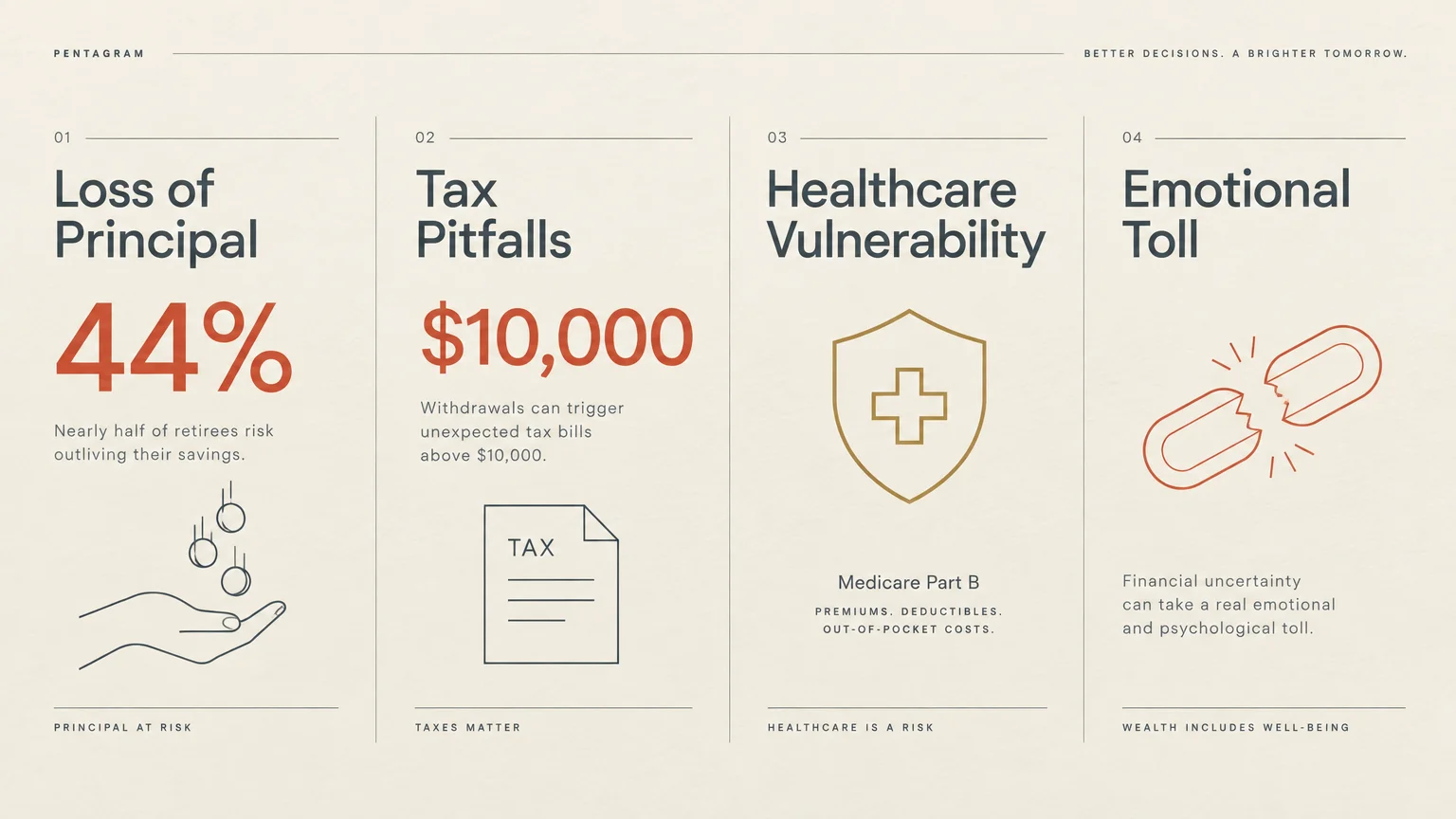
- Loss of Principal: Data shows that 44% of people who lend money to friends or family never get fully repaid.
- Tax Pitfalls: Zero-interest loans over $10,000 can trigger IRS imputed interest rules and unexpected tax bills.
- Healthcare Vulnerability: Large withdrawals can trigger Medicare premium surcharges or violate Medicaid eligibility windows.
- Emotional Toll: Unpaid personal debts strain family bonds, causing holiday tension and damaged relationships.

The Hidden Reality of Lending Money to Relatives
Lending money to relatives is common, but it carries steep financial risks for seniors living on fixed incomes.
According to a survey by Bankrate, 70% of Americans have lent money or covered an expense expecting repayment. Among those lenders, 55% experienced negative consequences, including 44% who lost money and 26% who suffered a damaged relationship.
Unlike working adults who can earn more income to rebuild savings, retirees rarely have a second chance to replace lost capital.
“Before you can take care of anyone else, you have to take care of yourself first.”
— Suze Orman, Personal Finance Author and Broadcaster
Sign 1: You Must Tap Your Retirement Accounts to Fund the Cash
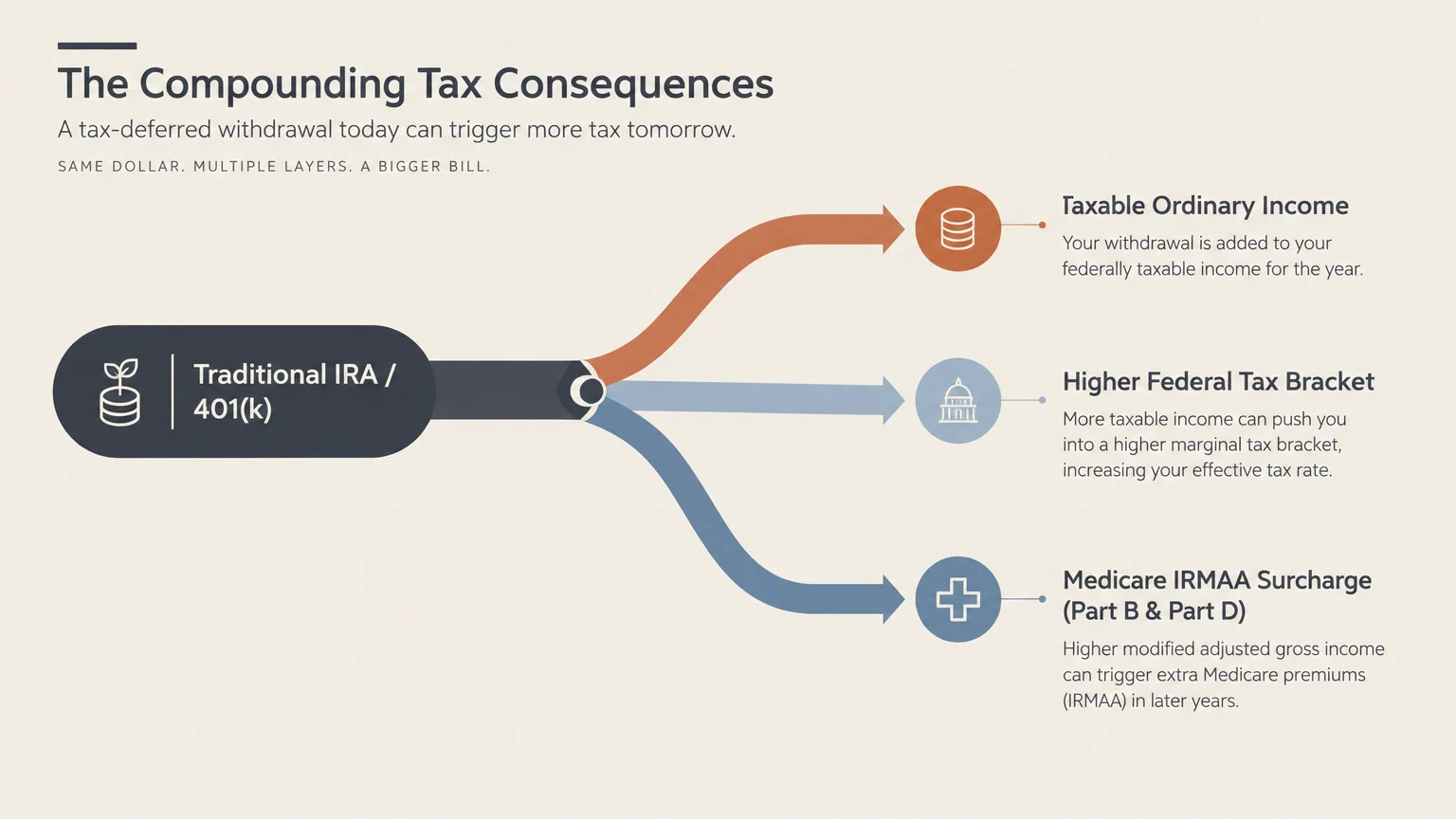
If you have to pull money from your traditional IRA or 401(k), the loan costs far more than the face amount.
Every dollar you pull from a tax-deferred account counts as taxable ordinary income for that tax year.
A large lump-sum withdrawal can easily bump you into a higher federal tax bracket. It can also cause more of your Social Security benefits to become taxable.
Furthermore, that sudden income spike can trigger Income-Related Monthly Adjustment Amount (IRMAA) surcharges on your future Medicare premiums.
Check the latest rules on Medicare.gov to see how higher adjusted gross income increases Part B and Part D costs two years later.

Sign 2: You Rely on the Money Coming Back to Pay Basic Expenses
Never lend money that you need for your own mortgage, utilities, groceries, or medical care.
Family borrowers often prioritize commercial debts, such as credit cards and auto loans, over debts owed to parents.
When you count on a timely monthly repayment to balance your budget, any missed payment puts your housing or health at risk.
If a borrower falls behind, you face an impossible choice between pressing a loved one or skipping your own bills.

Sign 3: The Borrower Lacks a Realistic Plan to Repay You
Good intentions do not pay off promissory notes. You need to look objectively at your family member’s current cash flow.
If a bank has already denied them a loan, underwriters have determined their debt-to-income ratio is dangerously high.
Ask yourself whether their financial situation will truly improve or if your loan simply postpones an inevitable crisis.
Without a transparent budget and a defined repayment timeline, the arrangement functions as a gift disguised as debt.
Sign 4: You Ignore IRS Rules on Below-Market Interest Rates
Many seniors believe they can offer an informal, zero-interest loan without any government involvement.
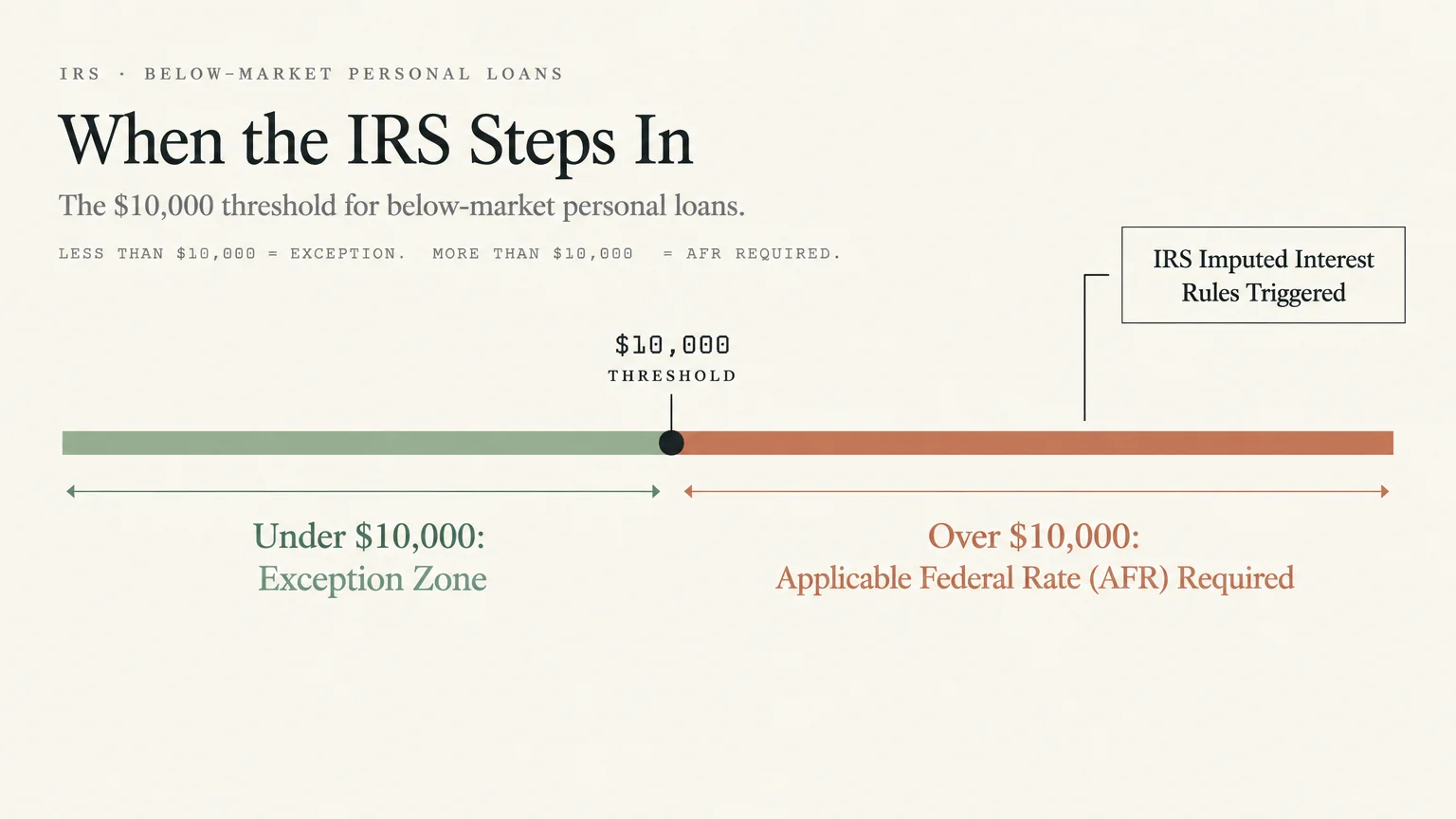
The Internal Revenue Service (IRS) enforces strict guidelines under Internal Revenue Code Section 7872 for below-market loans.
If you lend more than $10,000 without charging the Applicable Federal Rate (AFR), the IRS calculates what they call imputed interest.
You must report this phantom interest as taxable income on your annual tax return, even though you never collected a penny.
Additionally, the forgone interest counts as an annual gift to the borrower, which could eat into your lifetime gift tax exemption.
Sign 5: You Are Already Draining Savings with Ongoing Monthly Support
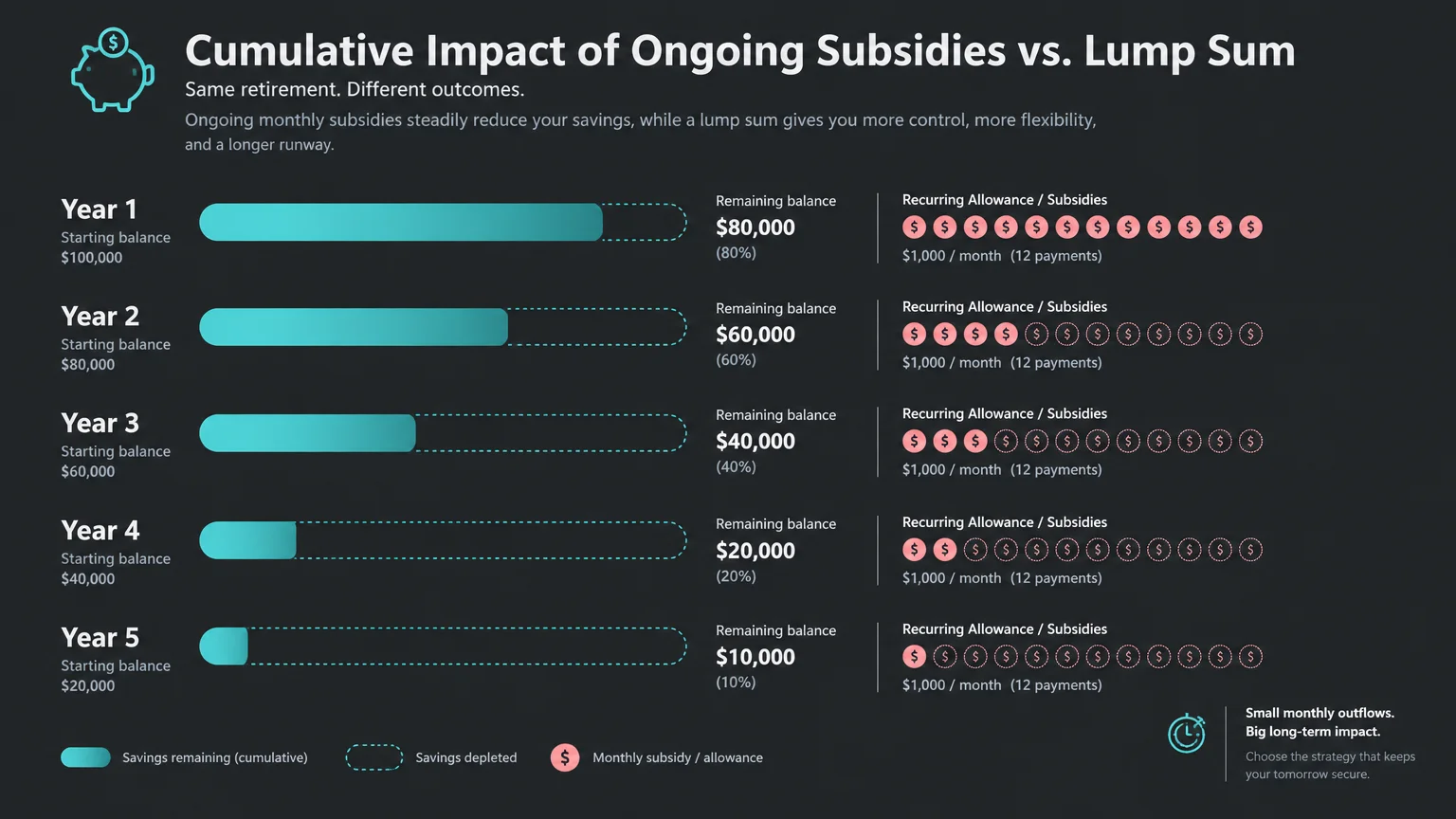
One loan rarely solves systemic overspending or persistent income shortfalls. It frequently opens the door to repeated requests.
A study by Savings.com revealed that 50% of parents provide financial support to adult children, spending an average of $1,474 monthly.
Bankrate research also found that 61% of parents with adult children have sacrificed their own financial security to support them.
When you convert an ongoing habit of subsidizing family into a larger formal loan, you accelerate the depletion of your nest egg.
Sign 6: You Cannot Afford to Convert the Loan into an Outright Gift
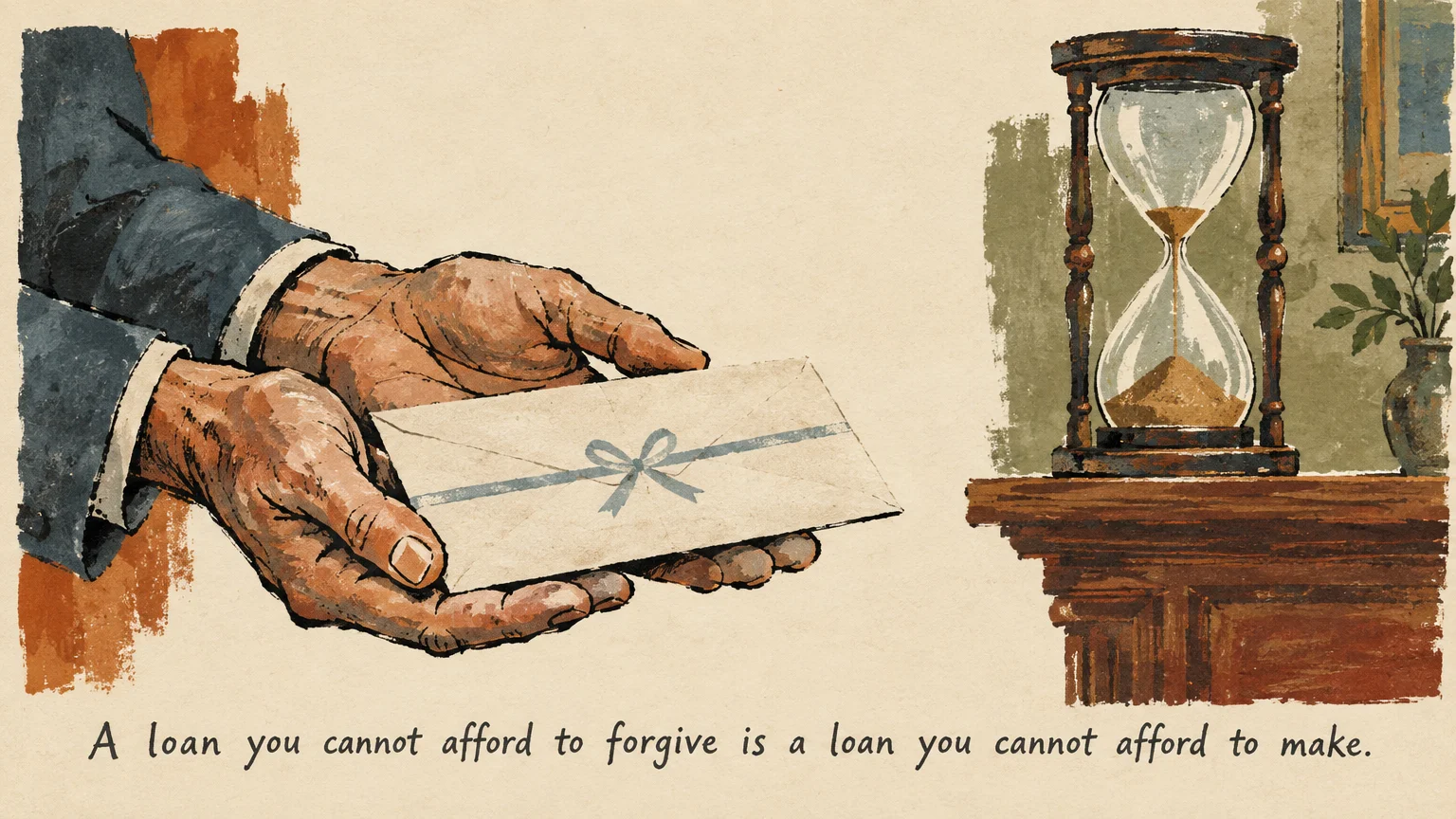
Financial planners recommend a simple test: if you cannot afford to forgive the balance tomorrow, do not make the loan today.
Treating every family loan as a potential gift protects your emotional well-being if the borrower encounters hardship.
For 2025 and 2026, the IRS annual gift tax exclusion allows you to give up to $19,000 per recipient without filing Form 709.
Married couples filing jointly can give up to $38,000 per recipient per calendar year without using any lifetime exemption.
If losing that capital permanently disrupts your retirement standard of living, declining the request is your safest option.
Sign 7: The Transaction Jeopardizes Your Future Medicaid Eligibility
If you anticipate needing long-term nursing home care within five years, uncollateralized loans carry massive legal risks.
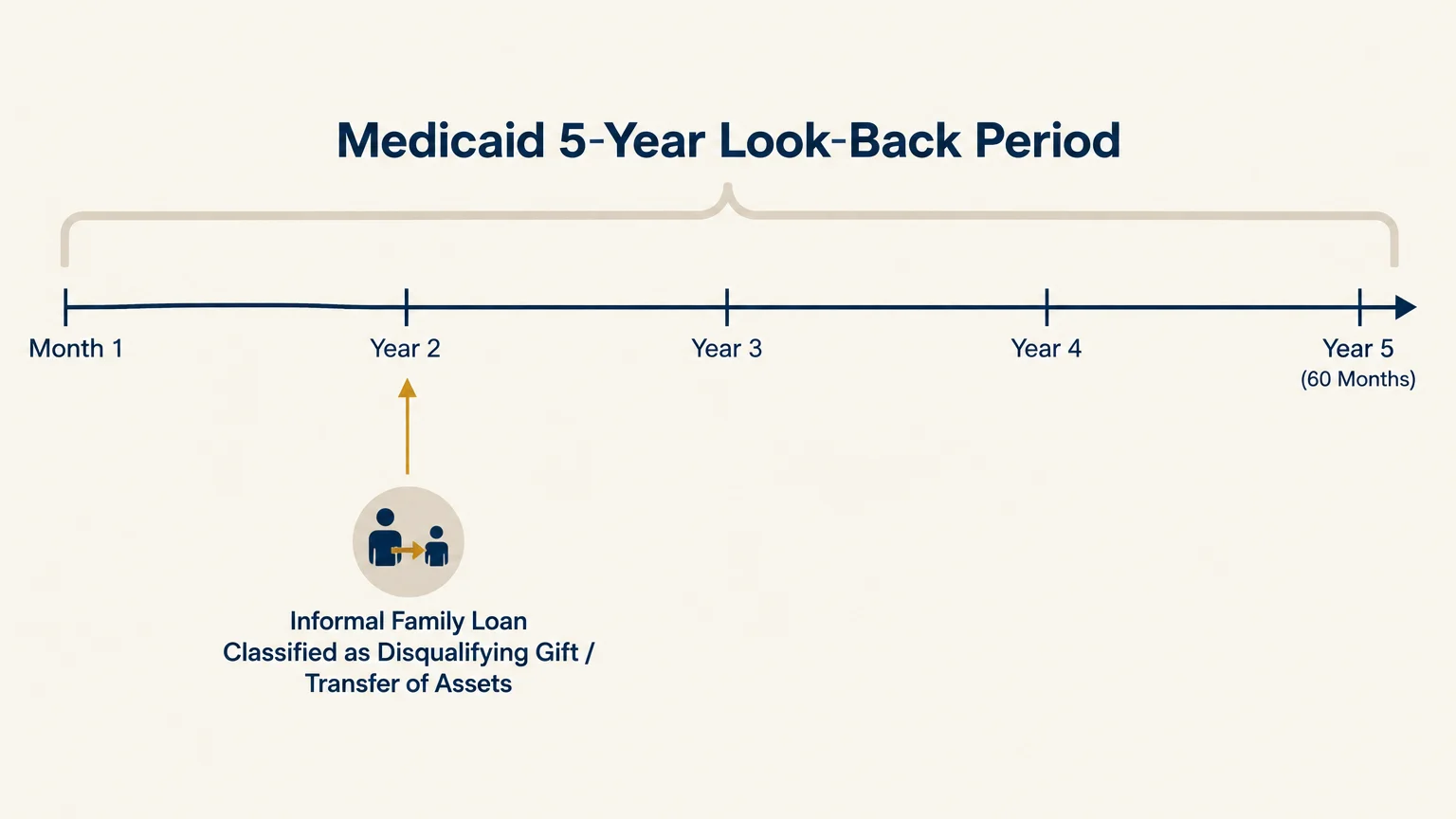
Medicaid applies a strict 60-month lookback period on all asset transfers to prevent individuals from giving away wealth to qualify.
State Medicaid caseworkers scrutinize family loans closely. If the loan lacks market interest or strict documentation, they treat it as an uncompensated transfer.
This classification can trigger a lengthy penalty period during which Medicaid refuses to pay for your nursing home care.
Review benefit regulations on Benefits.gov or consult an elder law attorney before moving substantial sums.

Sign 8: The Request Comes with Guilt, Secrecy, or Pressure
Watch out for urgent appeals that demand immediate cash or ask you to keep secrets from other family members.
Healthy financial transactions rely on patience, clear communication, and transparency among all affected spouses and heirs.
When someone says, “Do not tell your spouse,” or “I will lose everything tomorrow,” hit the pause button immediately.
Emotional manipulation often masks deeper financial instability or chronic patterns that a loan cannot permanently fix.

Sign 9: The Loan Threatens Your Estate Plan and Sibling Harmony
Unresolved family debts frequently create bitter disputes among adult siblings after a parent passes away.
If one child borrows $40,000 and never repays it, their siblings may view that unpaid debt as an unfair early inheritance.
Unless your estate documents explicitly state whether outstanding loans reduce an heir’s share, deep family resentments often follow.
Protect family unity by documenting how debts interact with your will or revocable living trust.
Comparing Family Loan Structures: Informal vs. Formal
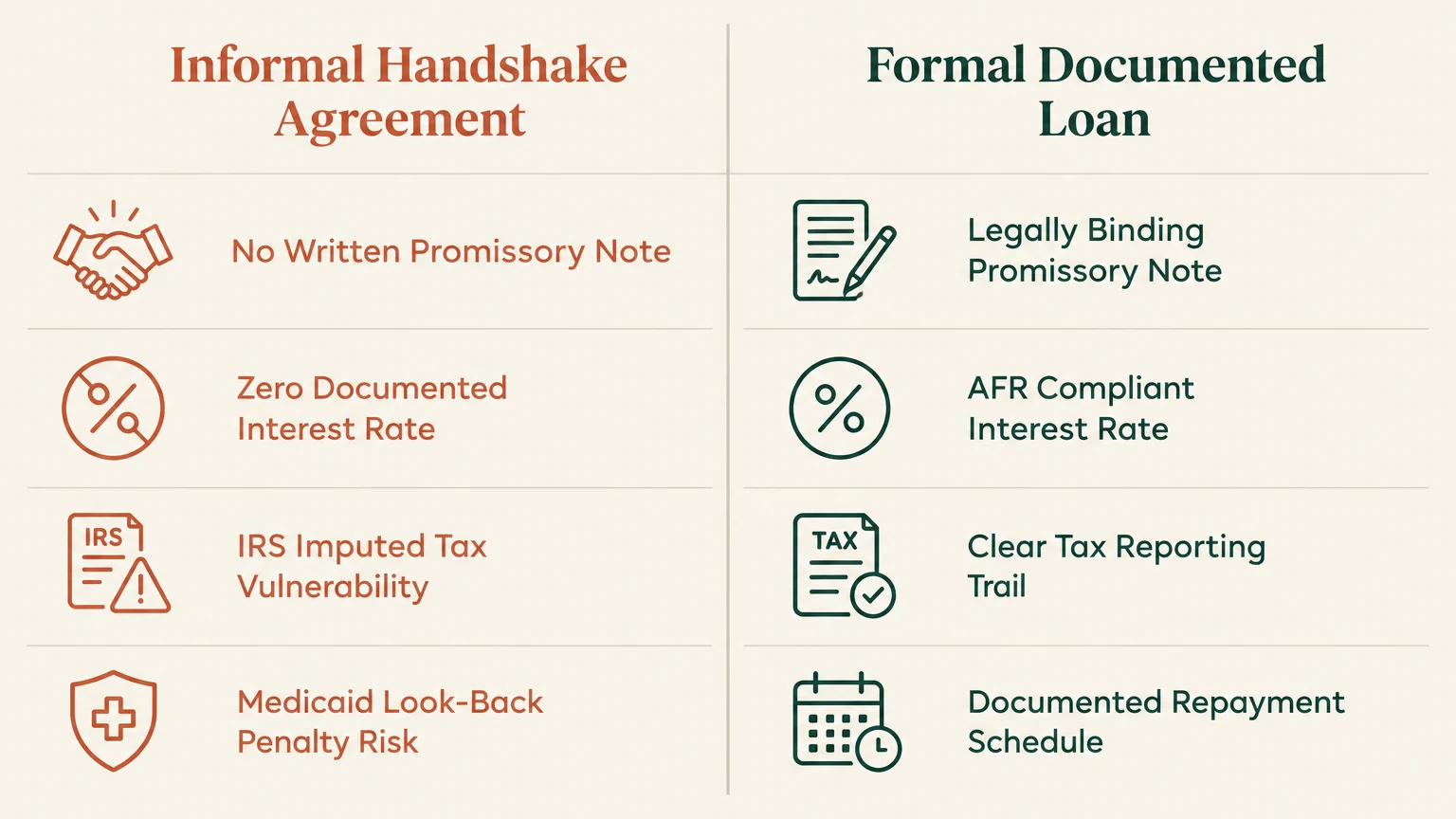
Setting up clear terms preserves both your finances and your family ties. Compare these two common approaches:
| Factor | Informal Handshake Loan | Formal Written Agreement |
|---|---|---|
| Documentation | Verbal promise or casual text messages | Legally binding promissory note |
| Interest Rate | Often 0% (triggers IRS scrutiny) | Set at or above current IRS Applicable Federal Rate |
| Repayment Schedule | Vague (“pay whenever you can”) | Fixed monthly dues, grace periods, and maturity date |
| IRS Tax Compliance | Risk of imputed interest and gift reclassification | Fully compliant with IRC Section 7872 rules |
| Impact on Relationships | High risk of tension and unspoken resentment | Clear expectations that remove personal guesswork |
What Can Go Wrong: Common Lending Mistakes
Even well-intentioned seniors run into devastating obstacles when lending money to relatives. Avoid these three common missteps:
Co-Signing Instead of Lending Cash
Many seniors refuse a direct cash loan, choosing to co-sign an auto loan or private mortgage instead.
Co-signing makes you 100% legally liable for the entire debt if the primary borrower stops making payments.
Late payments damage your personal credit score immediately, and lenders can garnish your accounts or place liens on property.
Review consumer protections on the Consumer Financial Protection Bureau (CFPB) website before co-signing any debt.
Failing to Track Principal and Interest
Retirees often fail to provide formal payment receipts or keep an accurate amortization ledger.
Without clear records, disputes easily arise regarding how much balance remains or how much interest was paid.
Use simple accounting software or written ledgers signed by both parties to prevent misunderstandings.
Neglecting Alternative Ways to Help
Writing a blank check is not the only way to help a struggling child or grandchild through hard times.
You can pay service providers directly, such as covering tuition, utility bills, or daycare expenses.
Direct payments for medical care or tuition made straight to institutions bypass federal gift tax limits entirely.

When to Consult a Financial or Legal Professional
Navigating family loans can involve complex legal, tax, and emotional hurdles. Speak with a qualified professional in these situations:
- Loans Exceeding $10,000: A Certified Public Accountant (CPA) can help you set the correct Applicable Federal Rate and avoid imputed interest penalties.
- Medicaid Planning: An elder law attorney can verify that a loan will not violate your state’s 5-year lookback rules for nursing home care.
- Estate Equalization: An estate planning attorney can update your will or trust to account for loans against future inheritance distributions.
Frequently Asked Questions
Do I have to charge my child interest on a loan?
If the loan balance exceeds $10,000, the IRS requires you to charge at least the monthly Applicable Federal Rate (AFR).
If you charge less, the IRS treats the uncollected interest as taxable income to you and a gift to your child.
Can I forgive my child’s loan payments later on?
Yes, you can forgive payments over time using your annual gift tax exclusion.
For 2025 and 2026, you can forgive up to $19,000 per calendar year without filing IRS Form 709.
What happens if a family member defaults on a personal loan?
You can only claim a nonbusiness bad debt deduction on your taxes if you have a legally enforceable written agreement.
You must also prove you took reasonable steps to collect the debt, which can create significant emotional strain.
Does lending money reduce my Social Security benefits?
Lending money does not directly impact your monthly Social Security retirement benefits.
However, liquidating traditional retirement accounts to fund the loan raises your taxable income, potentially making more of your benefits subject to federal taxes.
Final Thoughts on Protecting Your Retirement
Your primary financial duty in retirement is ensuring you remain self-sufficient and never become a burden on your family.
Establishing firm boundaries around your hard-earned savings is an act of love that protects your long-term independence.
This is educational content based on general financial principles for seniors. Individual results vary based on your situation. Always verify current benefit amounts, tax rules, and program eligibility with official government sources.
Last updated: February 2026. Benefit amounts, tax rules, and program details change annually—verify current figures with official government sources.









Leave a Reply