

A typical monthly Social Security check averages nearly $2,000, yet domestic medical bills can rapidly consume that entire amount. Moving overseas allows you to turn that modest monthly payment into complete healthcare security.
Under federal law, Medicare stops providing coverage the moment you establish permanent life outside American borders. Fortunately, several compact nations welcome American retirees with affordable public health buy-ins and low-cost private coverage.
In these eleven small countries, a standard monthly pension easily pays for your doctor visits, surgeries, and prescriptions.
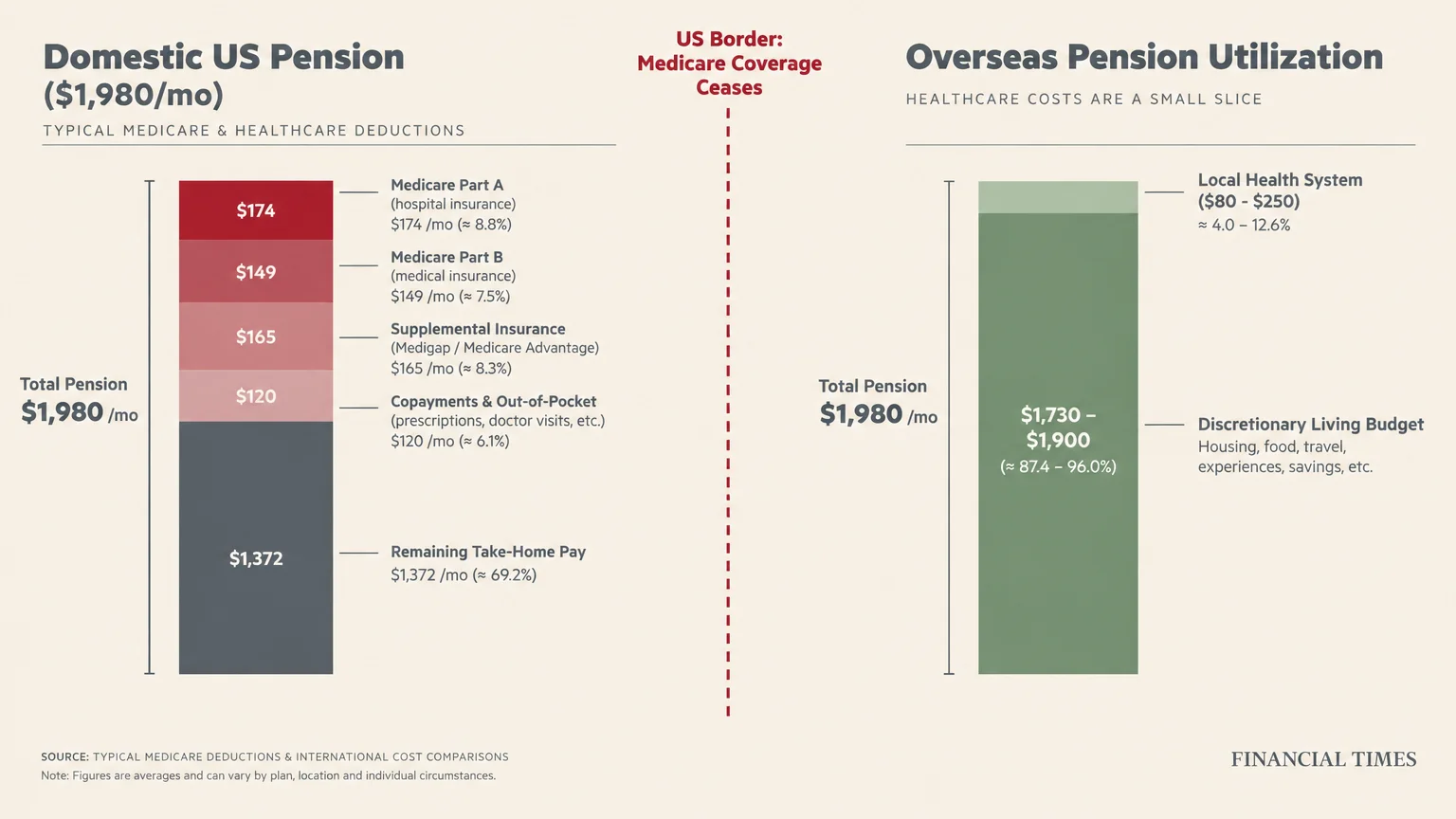
The Medicare Border Dilemma for American Retirees
The Social Security Administration reports that the average retired worker collects around $1,980 each month. Back home, supplemental insurance, prescription tiers, and deductibles consume substantial portions of that check.
Federal regulations detailed on Medicare.gov mandate that Medicare Parts A and B cannot reimburse medical services outside the United States. Only rare, acute border emergencies qualify for international Medicare exceptions.
Choosing to retire abroad with healthcare in mind frees your fixed retirement income. In the right overseas locations, total monthly medical spending takes only a fraction of your retirement benefit.

1. Costa Rica
Costa Rica remains a top destination for American expatriates due to its universal health system, the Caja Costarricense de Seguro Social. Legal residents enroll through a sliding income scale that averages between 7% and 11% of declared earnings.
Typical monthly payments run between $80 and $250 per retiree. This single fee covers routine doctor consultations, hospital admissions, major surgeries, and prescription medications without deductibles or lifetime service caps.
You can qualify for residency through the Pensionado visa program by proving a guaranteed lifetime pension of at least $1,000 per month.
2. Panama
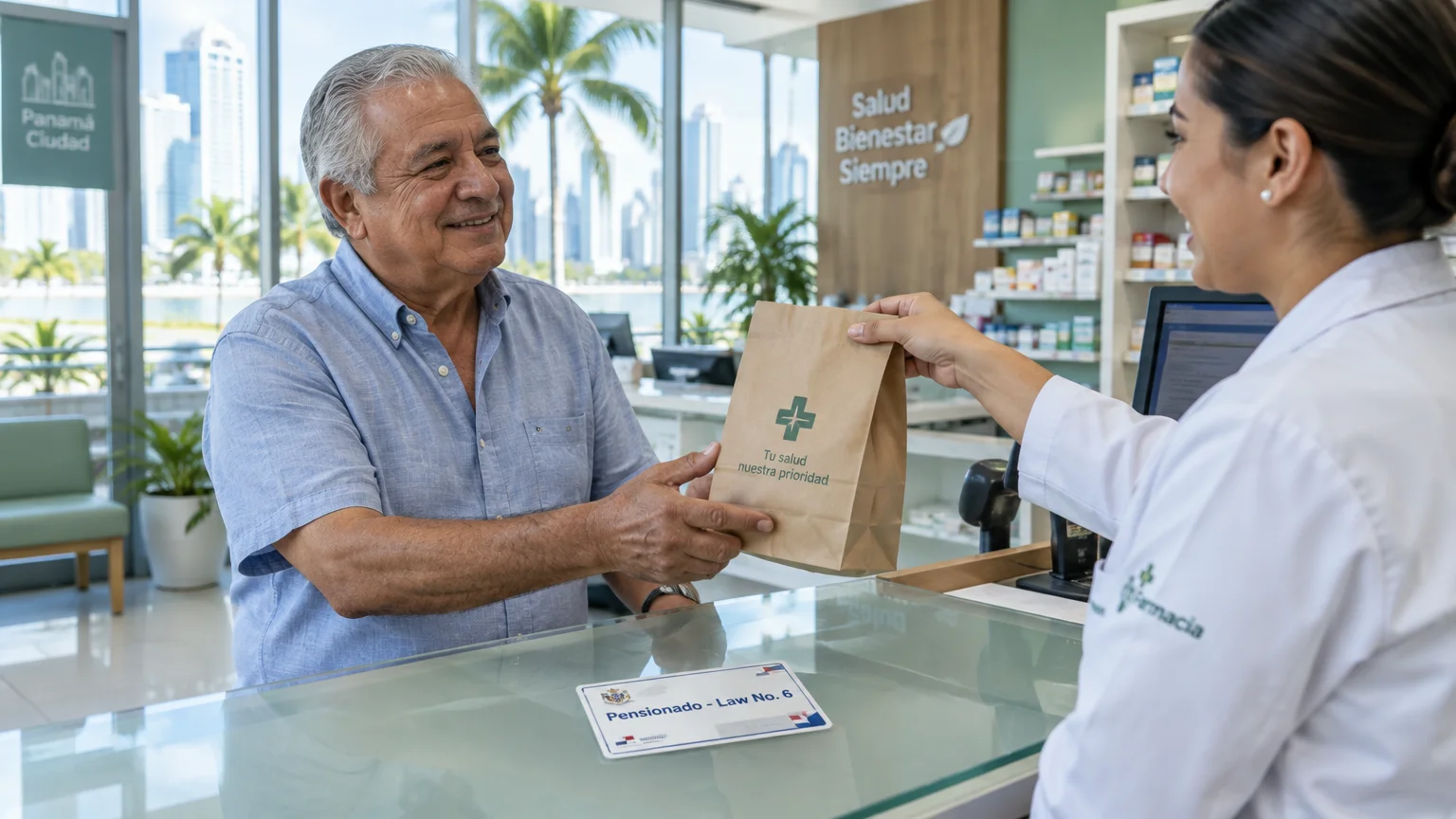
Panama offers exceptional medical savings through its world-renowned Pensionado visa program. Qualifying requires proof of a lifetime pension of at least $1,000 monthly, or $750 if you buy local real estate valued over $100,000.
Panama’s Law No. 6 statutorily guarantees massive senior healthcare discounts across the nation. Resident retirees receive 20% off doctor consultations, 15% off hospital services, and up to 20% off prescription drugs.
Many retirees pay out of pocket for routine care because discounted clinic visits often cost less than $30.

3. Uruguay
Uruguay delivers reliable, top-tier healthcare through an innovative cooperative network known as the mutualista. Instead of purchasing traditional insurance, you pay direct monthly membership dues to a private hospital collective.
Monthly mutualista membership fees typically range from $60 to $180 per person. Your membership grants access to modern clinics, specialized diagnostics, and emergency facilities with modest copayments between $5 and $15.
Because the system functions without annual deductibles, routine medical care stays entirely within a modest retirement budget.
4. Ecuador
Ecuador consistently ranks among the top cheap healthcare countries for Americans seeking exceptional value. Once you obtain legal permanent residency and a national identity card, you can voluntarily join the IESS public health program.
The voluntary contribution rate equals 17.6% of declared income, starting around $85 per month based on local wage baselines. You can add a dependent spouse to your coverage for roughly $16 more each month.
The IESS system covers all medical exams, inpatient surgeries, and generic prescriptions with zero copayments or deductibles.

5. Portugal
Portugal welcomes foreign retirees through its popular D7 Passive Income Visa. After securing legal tax residency, you can register for Portugal’s public healthcare infrastructure, the Serviço Nacional de Saúde.
Standard user fees for primary care consultations have been largely eliminated across the public system. Non-exempt emergency visits carry nominal charges, generally around €5.
Many expatriates purchase supplemental private senior policies for €100 to €250 monthly. This private layer lets you visit private English-speaking doctors without waiting for public appointments.

6. Cyprus
Cyprus provides universal coverage through its modern General Healthcare System, known as GeSY. Legal permanent residents and tax-registered foreign retirees can register easily for this state-administered network.
The program is funded by a statutory contribution of 2.65% deducted from your gross pension income. On a $2,000 monthly Social Security benefit, your public healthcare contribution costs roughly $53.
Primary care physician appointments under GeSY are completely free. Specialist consultations and approved prescription medications require tiny statutory copayments between €1 and €6.
7. Malta
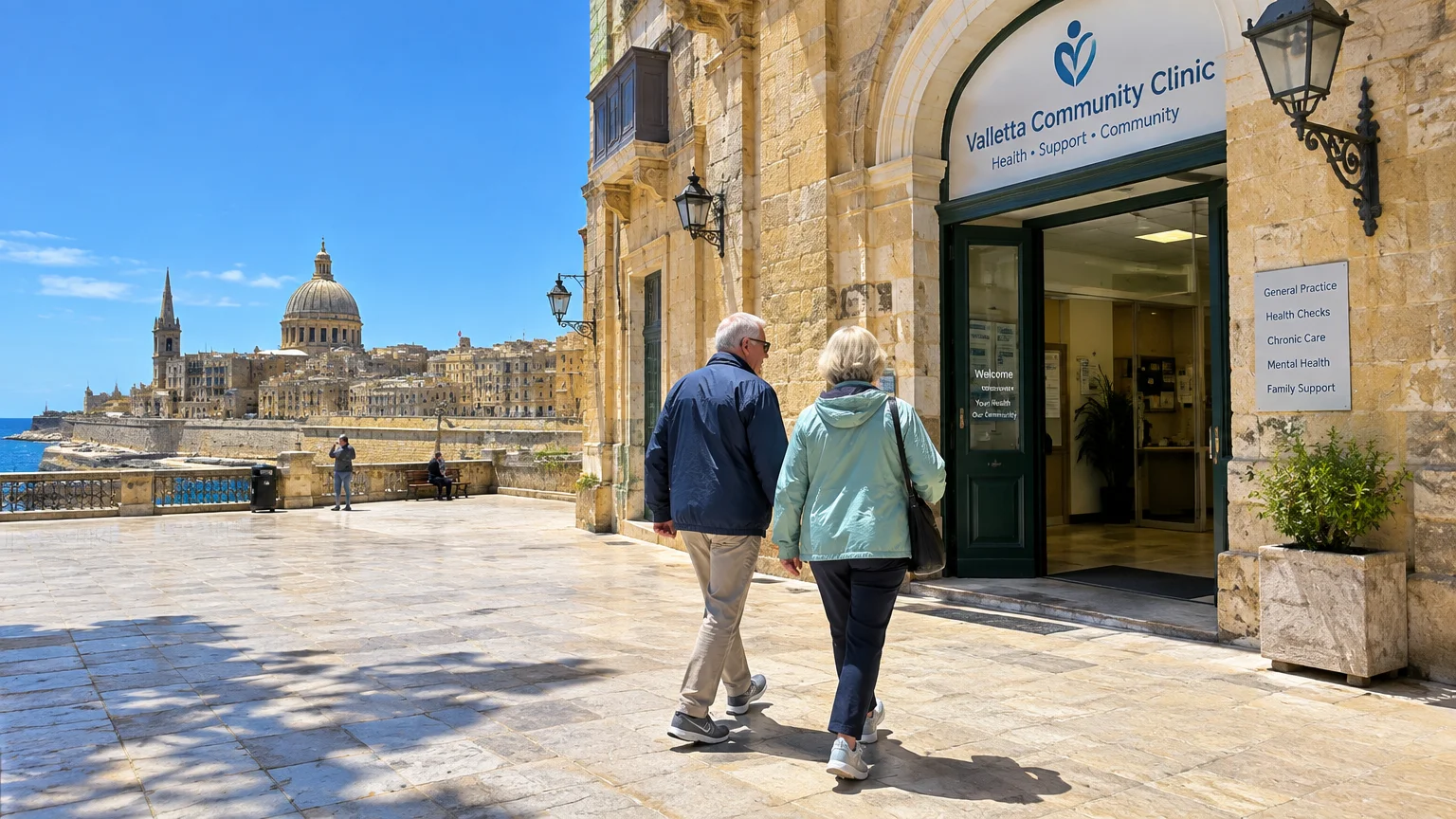
Malta is an English-speaking Mediterranean island that maintains first-class medical facilities. Non-EU retirees living under the Malta Retirement Programme must carry comprehensive private medical coverage across the Schengen area.
Comprehensive private health policies for retirees aged 60 and older average between €100 and €220 monthly. Uninsured routine visits to private general practitioners cost only €20 to €45 out of pocket.
A typical Social Security pension easily absorbs these private insurance premiums while leaving ample income for comfortable living.

8. Belize
Belize is the only English-speaking nation in Central America, located a short flight from the United States. Its Qualified Retired Persons program accepts seniors who demonstrate guaranteed monthly retirement income of at least $2,000.
Most American expatriates in Belize rely on direct cash payments for private medical care. Routine consultations with private physicians average between $20 and $40, while specialist visits cost $50 to $80.
Direct cash pricing eliminates administrative hassles and keeps ongoing healthcare spending well below domestic levels.

9. Albania
Albania features a dedicated Pensioner Residence Permit with an accessible income requirement near $1,100 per month. The country combines scenic Ionian and Adriatic coastlines with Europe’s lowest overall living expenses.
Private medical clinic appointments generally cost between $20 and $35. Dedicated private health insurance plans for older foreign residents run from $40 to $80 per month.
Advocacy groups like AARP highlight how low fixed foreign costs help preserve retirement nest eggs.

10. Croatia
Croatia requires all temporary and permanent non-EU residents to enroll in its national health insurance fund, the HZZO. This legal mandate ensures that every legal resident holds comprehensive medical protection.
Monthly contributions average €80 to €110 per person. When you initially register, the government assesses a one-time retroactive contribution equivalent to twelve months of prior coverage.
Once you pay that initial enrollment charge, state health insurance covers hospital stays, treatments, and prescriptions with minimal copayments.

11. Georgia
Georgia sits between Eastern Europe and Western Asia, offering generous long-term visa rules for American citizens. While expats cannot join the state-subsidized care program, private local healthcare is exceptionally affordable.
Comprehensive private health insurance plans designed for foreign retirees cost between $35 and $80 per month. Out-of-pocket visits to private, English-speaking doctors typically range from $15 to $30.
Inexpensive diagnostic testing and cheap brand-name medications allow your US pension healthcare overseas budget to cover all needs comfortably.
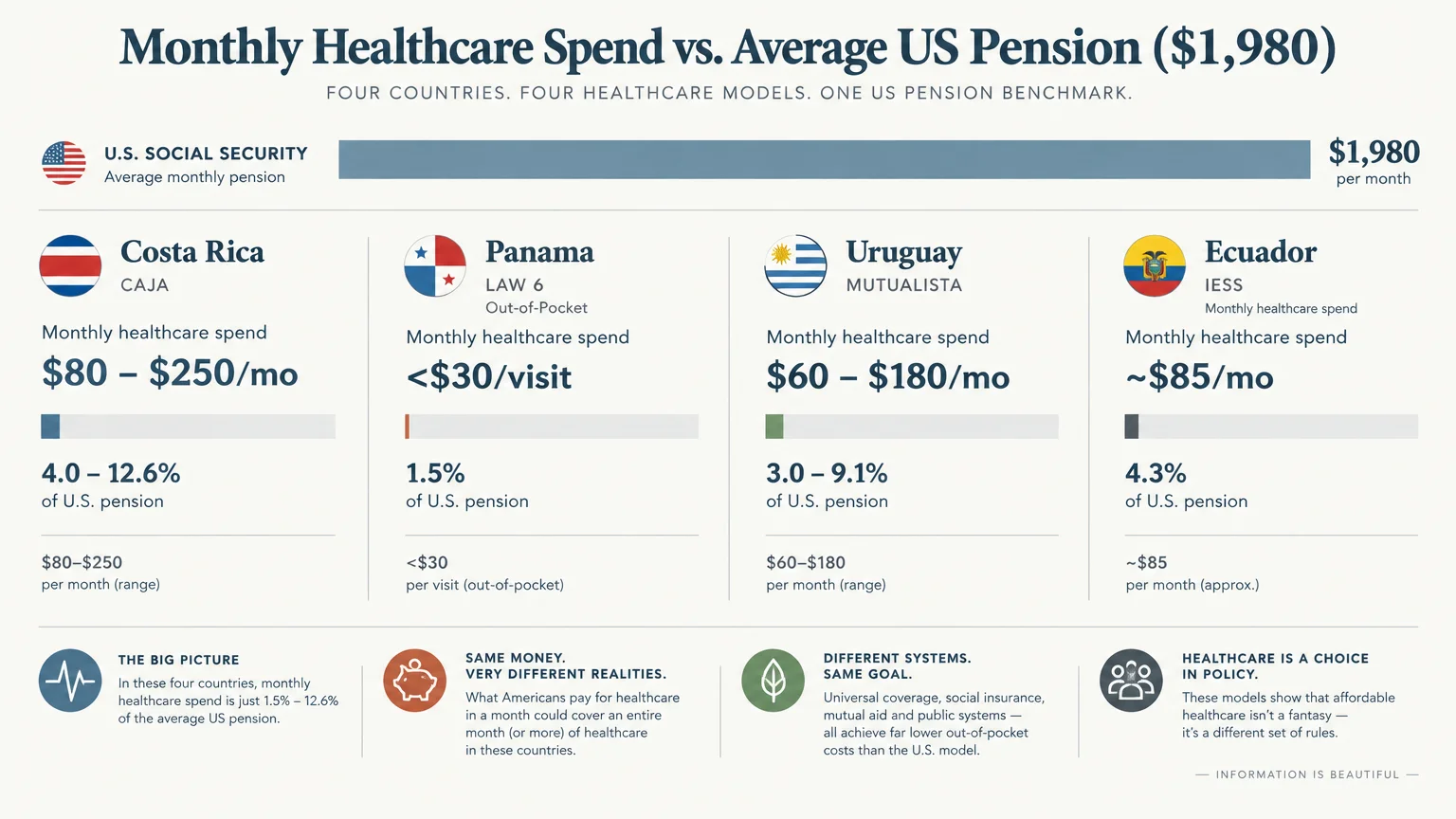
Comparing Healthcare Systems and Monthly Costs
Evaluating national programs side by side clarifies which destination best matches your income. The table below outlines coverage styles and average monthly expenses for expat retirees.
| Country | System Model | Estimated Monthly Health Cost | Minimum Monthly Income Required |
|---|---|---|---|
| Costa Rica | Public Universal Buy-In (Caja) | $80 – $250 | $1,000 (Pensionado Visa) |
| Panama | Private with Statutory Discounts | $50 – $150 | $1,000 (Pensionado Visa) |
| Uruguay | Private Cooperative (Mutualista) | $60 – $180 | ~$1,500 (Solvency Proof) |
| Ecuador | Public Buy-In (IESS) | $85 – $110 | ~$1,380 (Jubilado Visa) |
| Portugal | Public SNS plus Private Top-Up | $110 – $275 | ~$900 (D7 Passive Income) |
| Cyprus | Universal Public (GeSY) | $40 – $70 | ~$1,100 (Category F) |
| Malta | Private Comprehensive Insurance | $110 – $240 | Tax Minimum Requirements |
| Belize | Direct Cash-Pay Services | $40 – $120 | $2,000 (QRP Program) |
| Albania | Private Insurance and Cash Pay | $40 – $80 | ~$1,100 (Pensioner Permit) |
| Croatia | Mandatory Public Fund (HZZO) | $90 – $120 | ~$1,000 (Temporary Stay) |
| Georgia | Private Local Insurance | $35 – $80 | No Strict Pension Visa Minimum |
These figures demonstrate why so many retirees relocate abroad. A standard monthly pension allows you to secure comprehensive healthcare without depleting personal savings.

Expert Perspectives on Medical Retirement Overseas
Medical expenses represent one of the largest financial uncertainties facing older Americans today. Managing these costs early protects your lifestyle and long-term financial independence.
“You cannot control the economy, but you can control where you spend your money and how you protect your health.” — Suze Orman, Personal Finance Author and Host
Relocating to an affordable country transforms medical care from an unpredictable threat into an affordable line item. Financial regulators at the Consumer Financial Protection Bureau encourage seniors to minimize fixed overhead whenever managing fixed incomes.
Pitfalls to Watch For
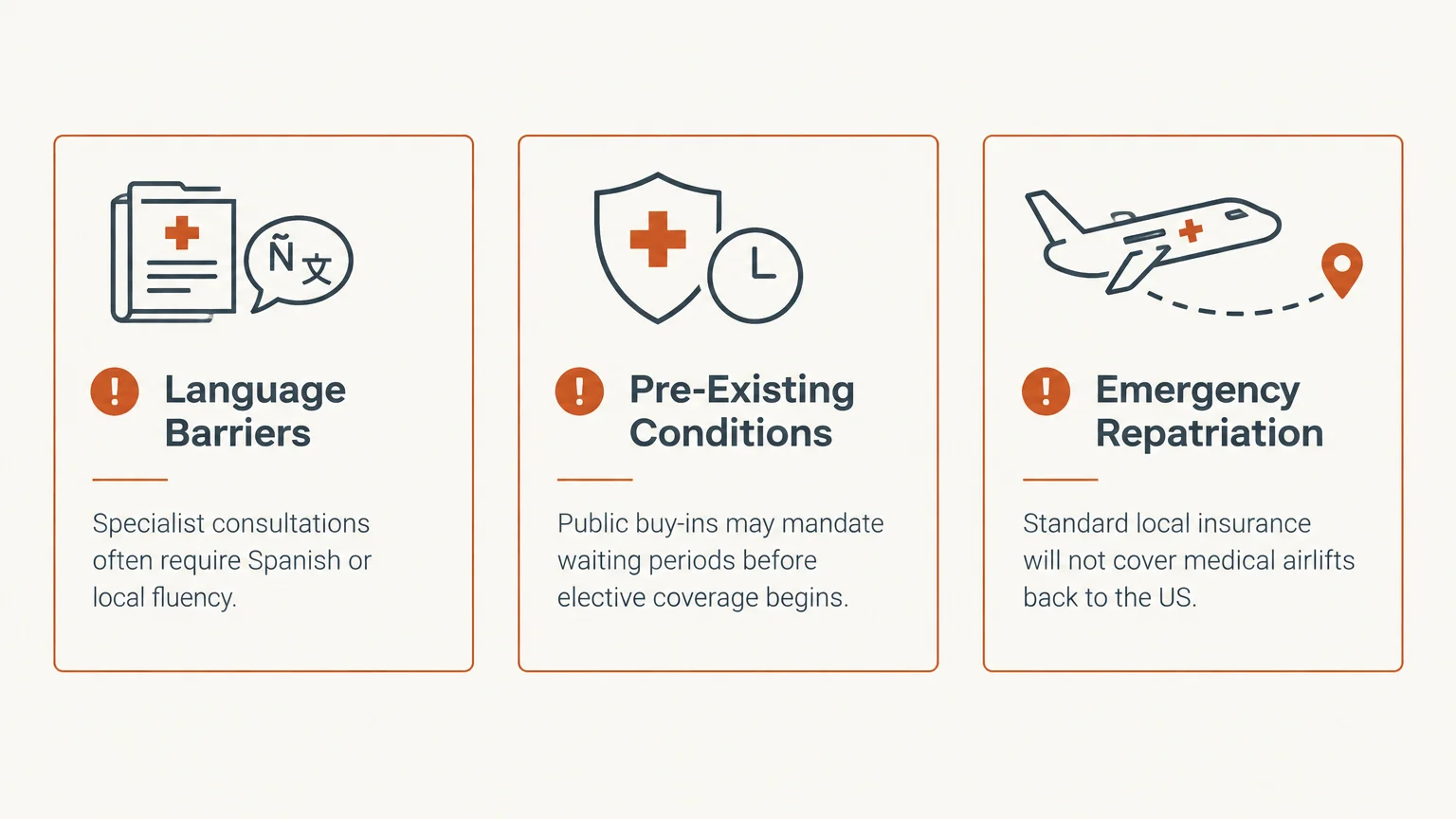
Relocating overseas involves logistical hurdles that require careful planning. Keep these common traps in mind before committing to an international move:
- Dropping Medicare Part B coverage without evaluating future return plans.
- Ignoring pre-existing condition exclusions on private international insurance plans.
- Assuming all public clinics outside major capital cities have English-fluent medical staff.
- Failing to set aside dedicated funds for international emergency medical transport.
Many seniors drop Medicare Part B to save monthly premiums, but face permanent surcharges if they return to America. Part B premiums increase by 10% for every full 12-month period you delayed enrollment.
Public buy-in systems occasionally enforce waiting periods before covering chronic conditions. Always verify policy details directly with local authorities before terminating domestic gap coverage.
Frequently Asked Questions
Can I use my U.S. Medicare coverage in these foreign countries?
No. Medicare does not cover healthcare services, prescription medications, or hospitalizations outside the United States and its territories.
Will moving abroad reduce my Social Security payments?
No. As an American citizen, your monthly Social Security benefit deposits directly into your domestic or international bank account unchanged.
Do doctors in these nations speak fluent English?
Physicians in major cities and private hospital centers usually speak English. Public rural medical centers rely almost exclusively on the local language.
Should I maintain a catastrophic medical evacuation policy?
Yes. An annual medical evacuation membership ensures that emergency transport back to American hospitals remains covered during life-threatening crises.
Taking Your Next Steps
Spend a few months living in your chosen destination as a visitor before finalizing any residency paperwork. Schedule consultations with local doctors, visit regional medical facilities, and speak directly with local expatriate communities.
This is educational content based on general financial principles for seniors. Individual results vary based on your situation. Always verify current benefit amounts, tax rules, and program eligibility with official government sources.
Last updated: February 2026. Benefit amounts, tax rules, and program details change annually—verify current figures with official government sources.








Leave a Reply