
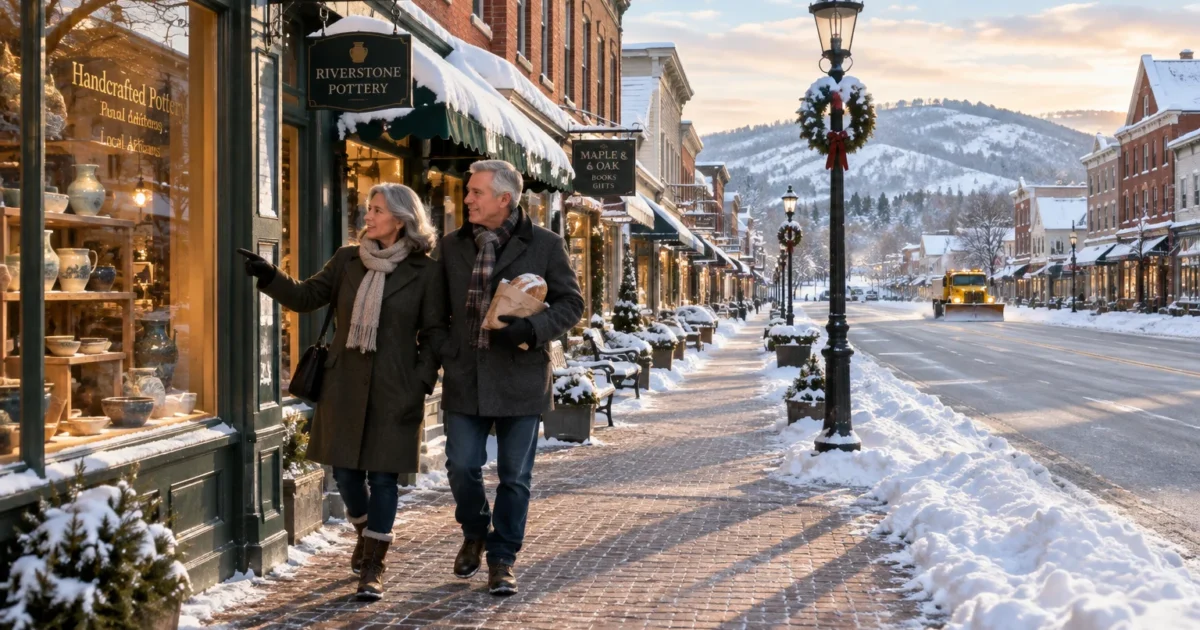
Trading relentless summer heat for a picture-perfect winter wonderland is one of the most rewarding retirement decisions you can make. The key is choosing a town where snowfall brings beauty and charm rather than isolation and physical strain.
The right winter destination safeguards your physical health, provides immediate access to high-caliber medical facilities, and shields your nest egg from excessive state taxes.
These eleven cozy communities deliver reliable municipal snow clearing, vibrant community squares, and retirement-friendly budgets to ensure your first snowy season feels magical and stress-free.
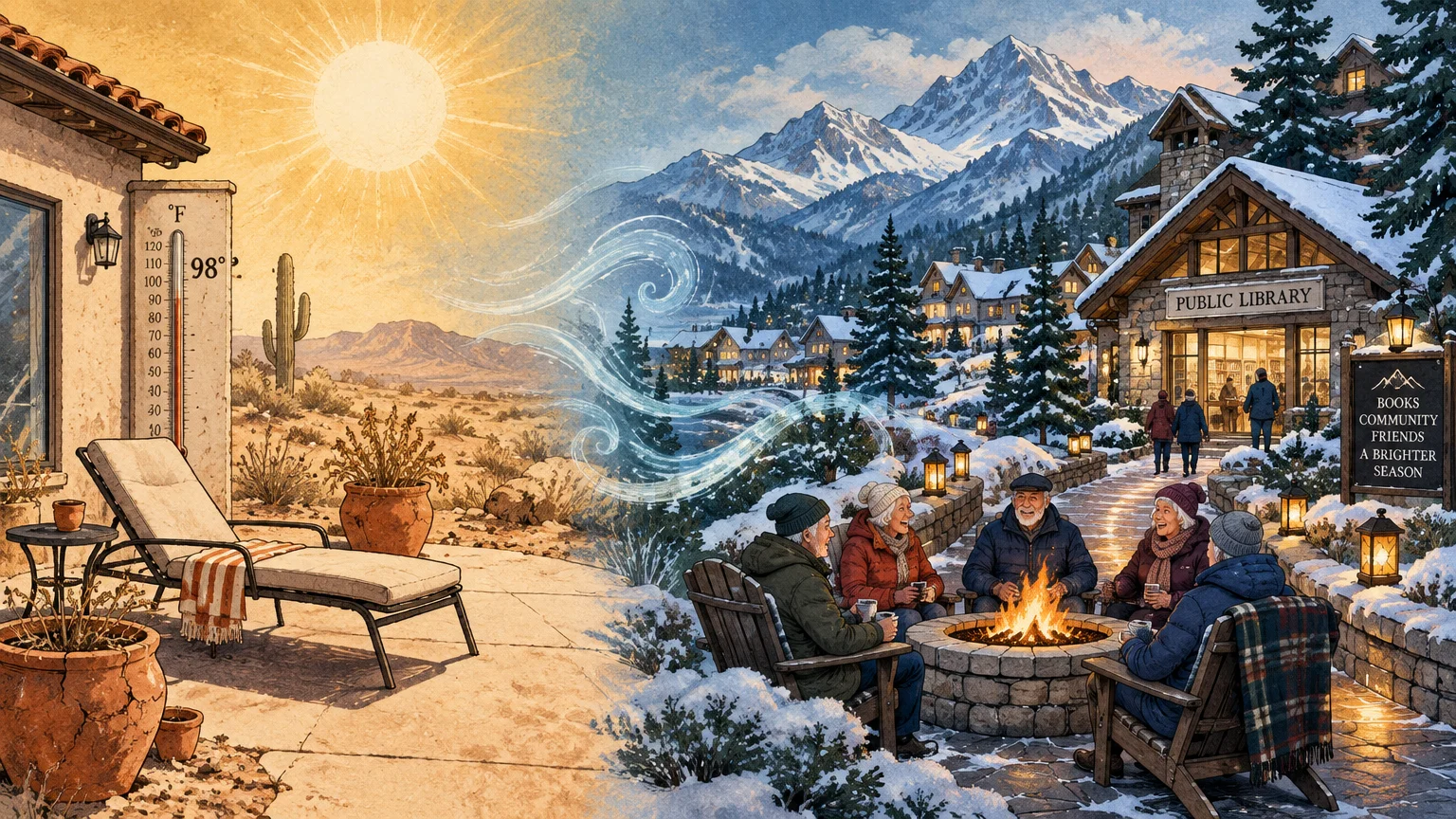
Why Retirees Are Trading Humid Sunbelts for Winter Charm
Many retirees find that endless 90-degree days limit outdoor activity just as much as freezing weather. Swapping extreme heat for four distinct seasons allows you to enjoy crisp mountain air, scenic landscapes, and active winter pastimes.
Small snowy towns often foster tight-knit communities where neighbors check on each other during storms. You will find book clubs, historic downtown festivals, and hobby groups that thrive when the temperature drops.
Modern cold-weather living has also become far simpler for seniors. Municipalities in snowy regions invest heavily in automated road plowing and heated downtown sidewalks that keep you moving safely all winter.
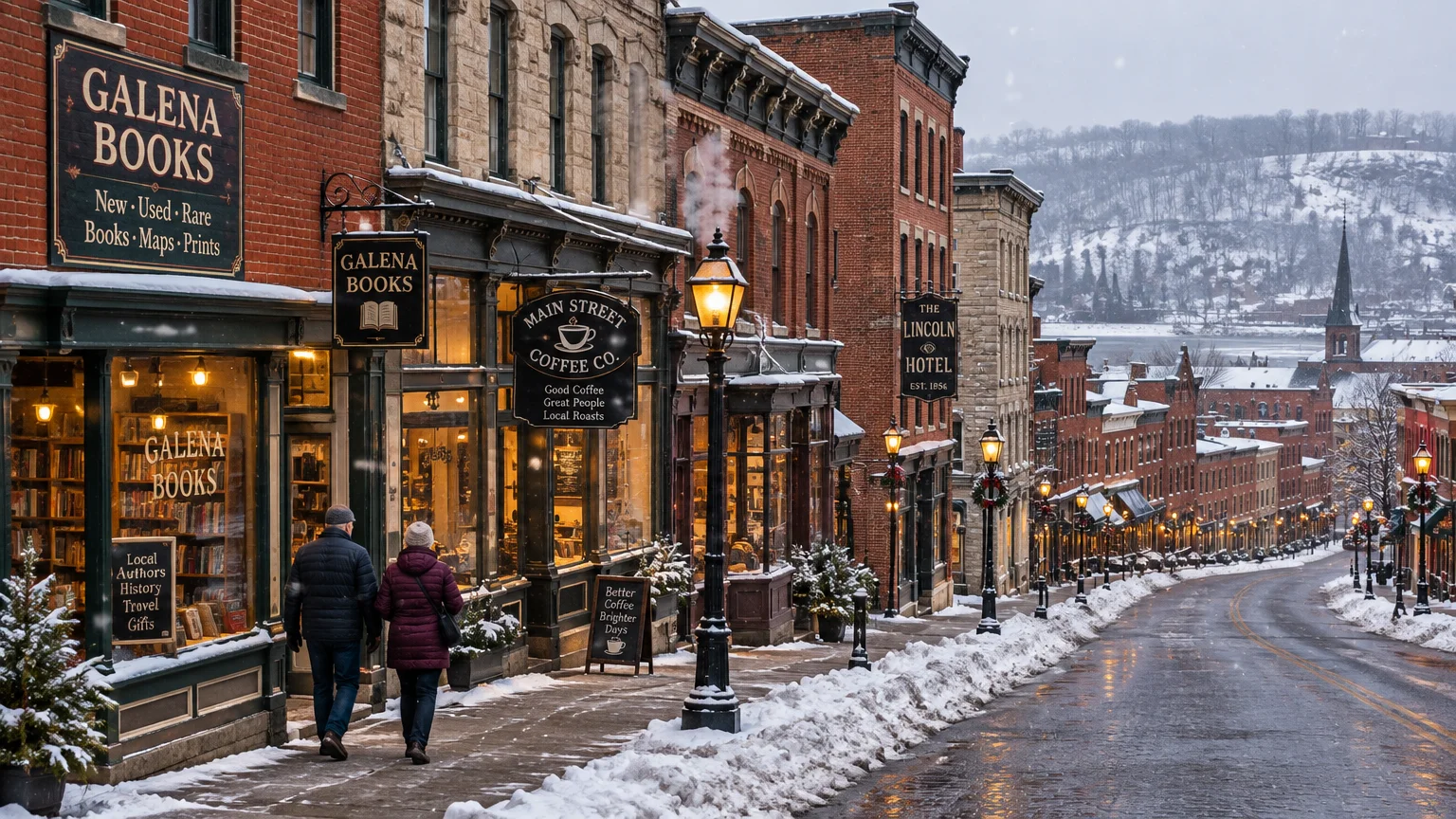
1. Galena, Illinois: Historic Architecture and Gentle Snowfall
Galena looks like a living holiday card, filled with preserved 19th-century brick buildings nestled into rolling hills. It receives a manageable 32 to 36 inches of annual snowfall, making it ideal for winter beginners.
The town promptly clears Main Street, allowing you to stroll between independent coffee shops, bakeries, and antique stores. Local snow removal crews keep residential roads accessible throughout the coldest months.
Financially, Illinois offers a major tax advantage for older adults. The state fully exempts qualified retirement distributions—including 401(k) plans, traditional pensions, and Social Security income—from state income taxes.
Healthcare access is dependable thanks to Midwest Medical Center right in town. For advanced specialist care, larger medical systems in Dubuque, Iowa, sit just 15 miles away.
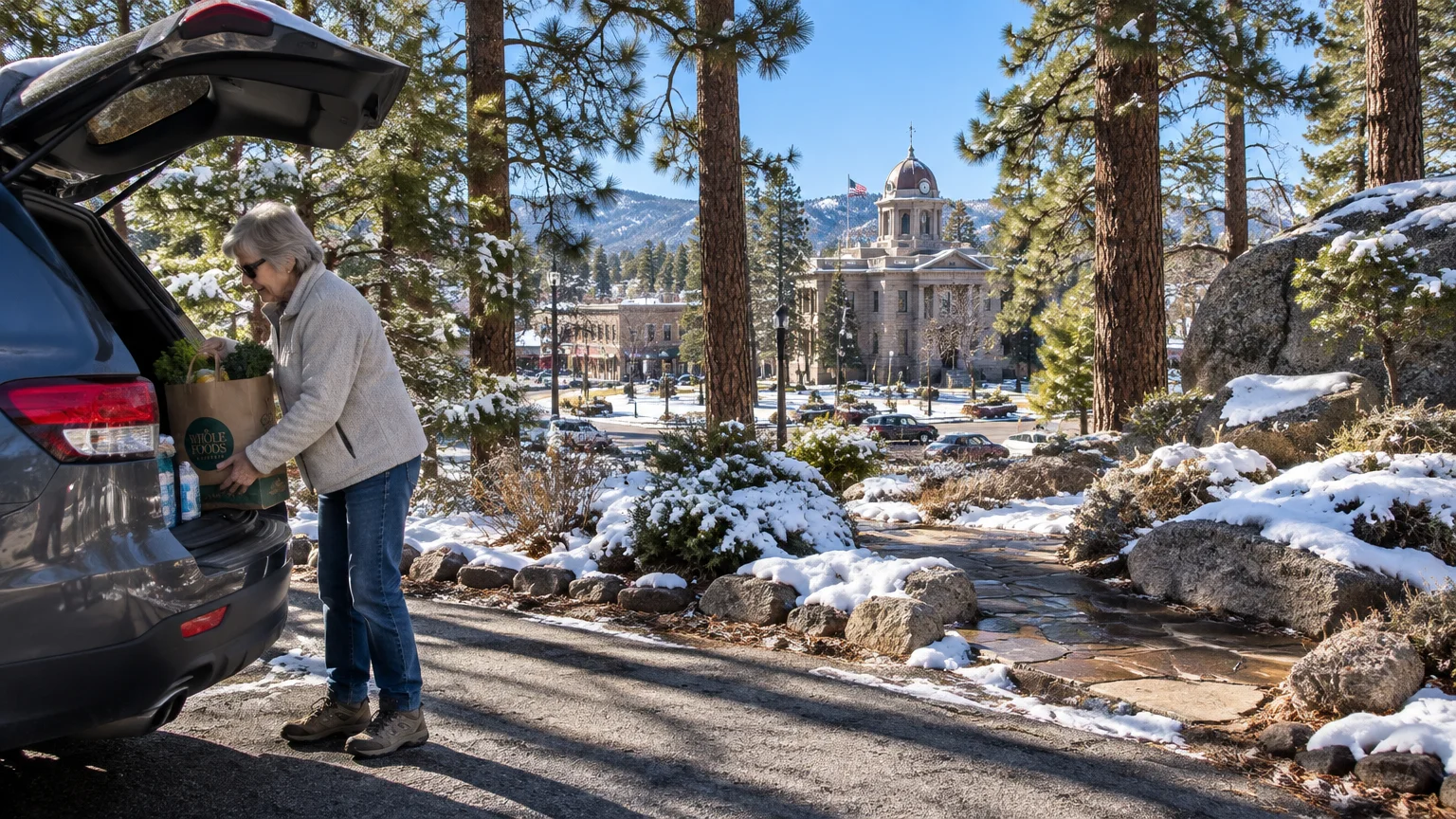
2. Prescott, Arizona: Mild Mountain Winter Without the Freeze
Sitting at an elevation of 5,300 feet, Prescott delivers a genuine winter experience without prolonged Midwestern freezes. The town receives an average of 12 to 15 inches of snow annually.
Because Prescott enjoys abundant sunshine, snow on roads and driveways usually melts within a day or two. You get the beauty of snow-dusted pines without the chore of constant shoveling.
Arizona supports retirement budgets with a low, flat personal income tax rate of 2.5%. The state also excludes all Social Security benefits from state income taxation according to the Internal Revenue Service and state guidelines.
Medical needs are served directly by Dignity Health Yavapai Regional Medical Center. The facility offers robust emergency care, cardiology programs, and surgical services for local seniors.
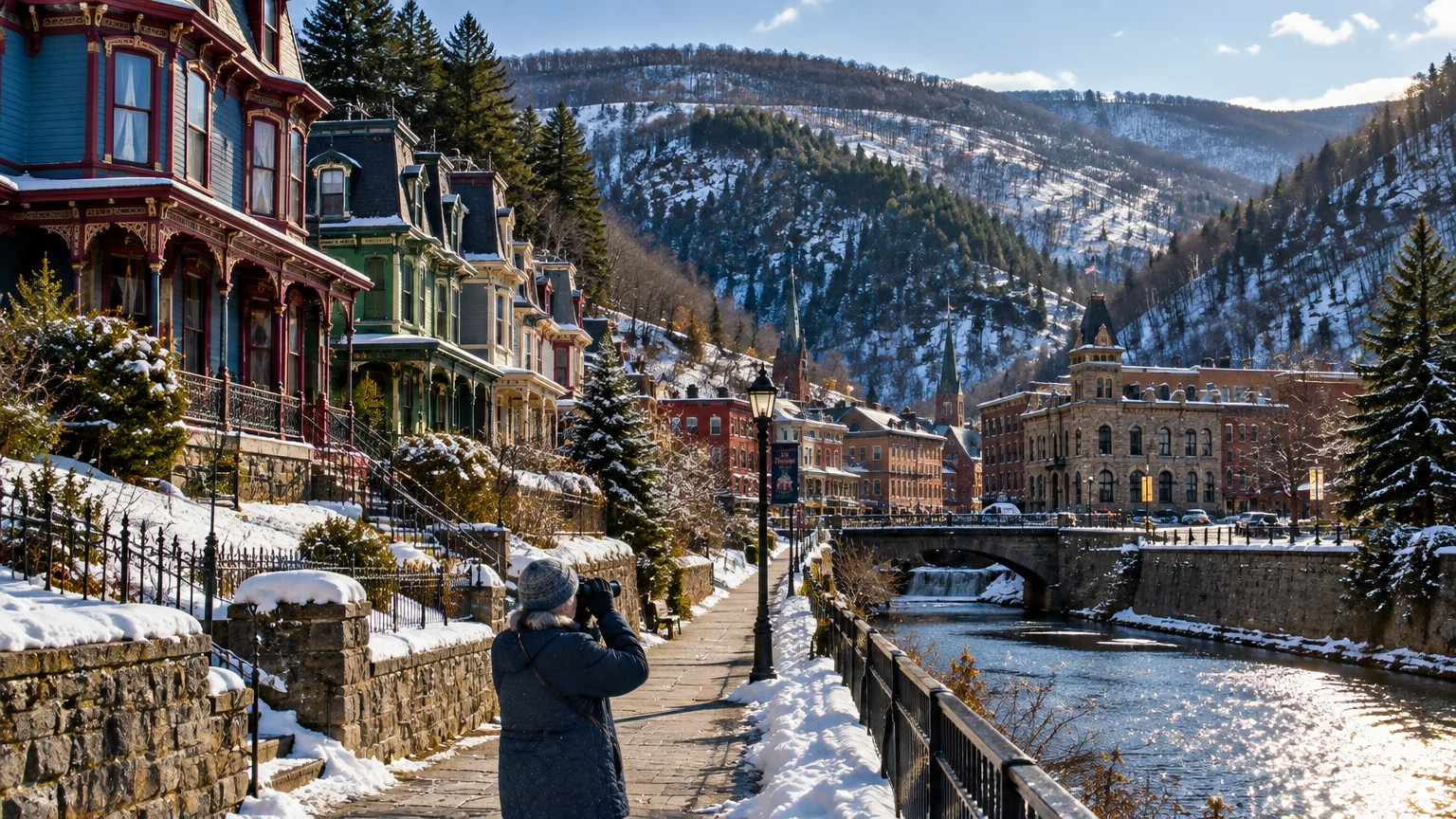
3. Jim Thorpe, Pennsylvania: Victorian Elegance and Zero Pension Tax
Nicknamed the “Switzerland of America,” Jim Thorpe sits inside the scenic Lehigh Gorge. The town averages 40 to 45 inches of snow per year, blanketing its Victorian row houses in white.
Living here lets you enjoy quiet winter walks along the Lehigh Canal and scenic heritage train rides through snow-capped hills. Community life centers around a vibrant, historic downtown arts district.
Pennsylvania is renowned as one of the nation’s most tax-friendly states for retirees. The Commonwealth completely exempts Social Security, 401(k) distributions, IRAs, and employer pensions from state tax for residents aged 59½ and older.
Comprehensive healthcare is just five miles away at St. Luke’s Carbon Campus. This modern hospital facility opened in late 2021, providing Level IV trauma care and advanced diagnostics.
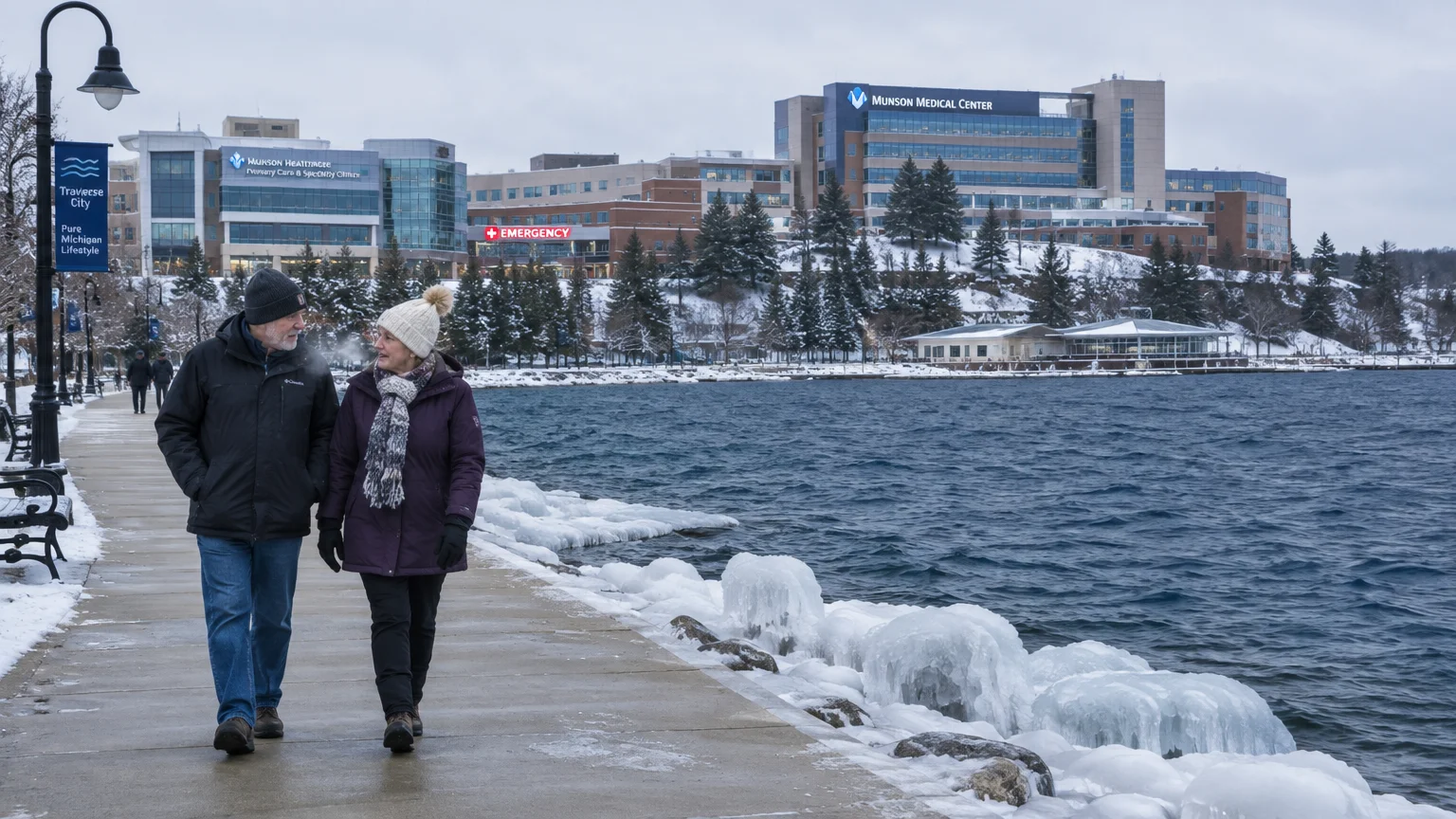
4. Traverse City, Michigan: Lakeside Vibrancy and World-Class Healthcare
Traverse City hugs Lake Michigan’s Grand Traverse Bay and receives 100 to 120 inches of snow annually. Despite heavier snowfall, municipal plowing crews operate with legendary efficiency.
Retirees enjoy heated indoor walking tracks, winter farmers markets, and scenic snowshoeing trails through quiet cherry orchards. Downtown sidewalks remain clean and walkable all season long.
Michigan’s retirement tax laws have improved under the Lowering MI Costs Plan. Retirees can deduct substantial public and private retirement income up to generous state thresholds, and Social Security remains completely untaxed.
Medical care is anchored by Munson Medical Center, a 442-bed regional referral hospital located directly in town. As a designated Level II Trauma Center, Munson ensures top-tier medical security during winter.
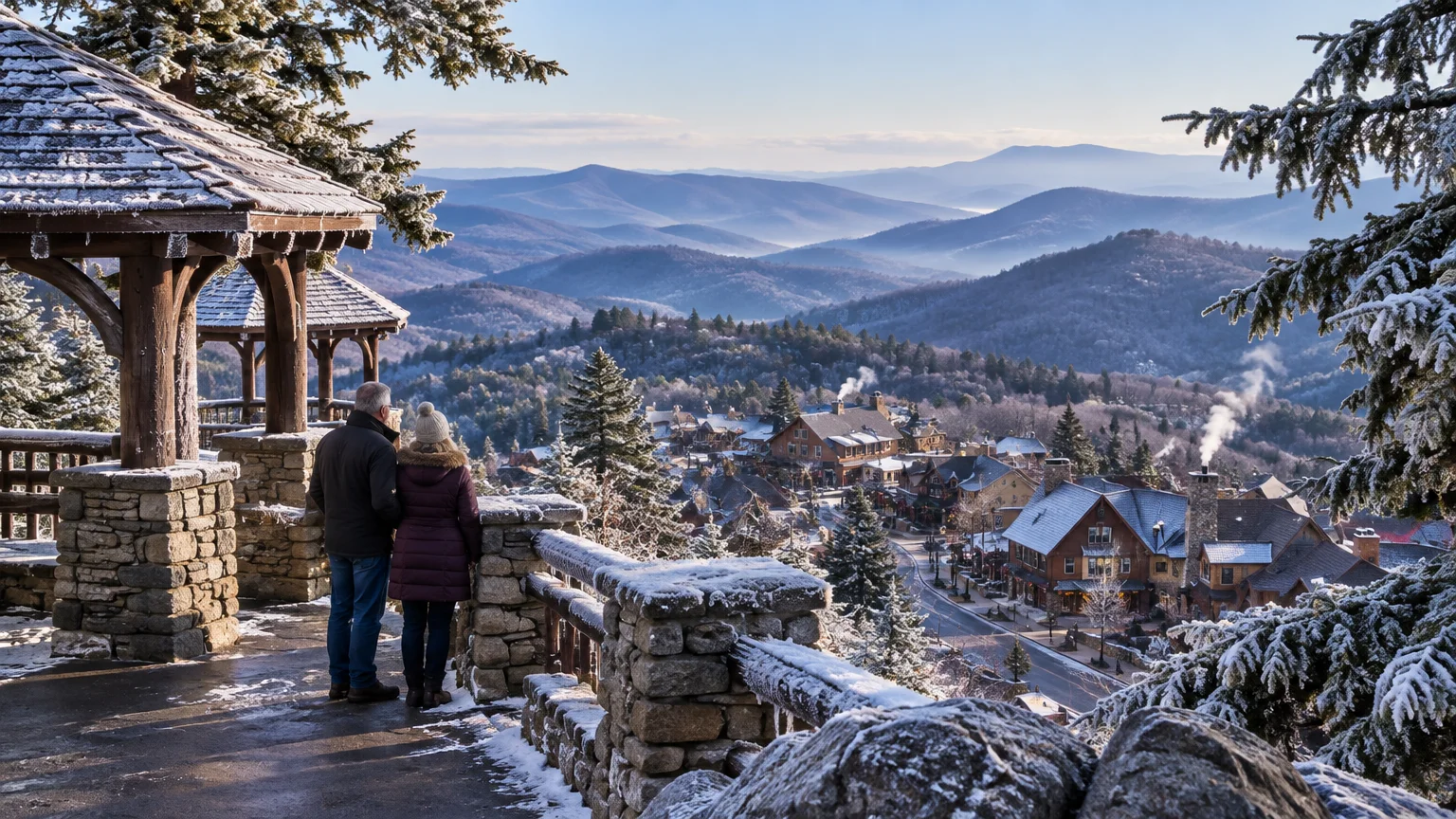
5. Blowing Rock, North Carolina: High-Country Hospitality in the Blue Ridge
Perched high in the Blue Ridge Mountains, Blowing Rock provides authentic mountain winters with roughly 35 inches of snowfall. Its charming Main Street features stone buildings, cozy inns, and upscale restaurants.
The town’s public works department quickly treats mountain roads, keeping access clear to town parks and essential shopping plazas. The slower winter pace allows residents to connect over community suppers.
North Carolina exempts Social Security benefits from state income tax entirely. Furthermore, the state’s flat personal income tax rate has steadily dropped toward 3.99%, keeping tax bills predictable for fixed-income seniors.
Blowing Rock residents access emergency care and surgical specialists at Watauga Medical Center in neighboring Boone, just eight miles away. The hospital features an advanced heart center and orthopedic department.
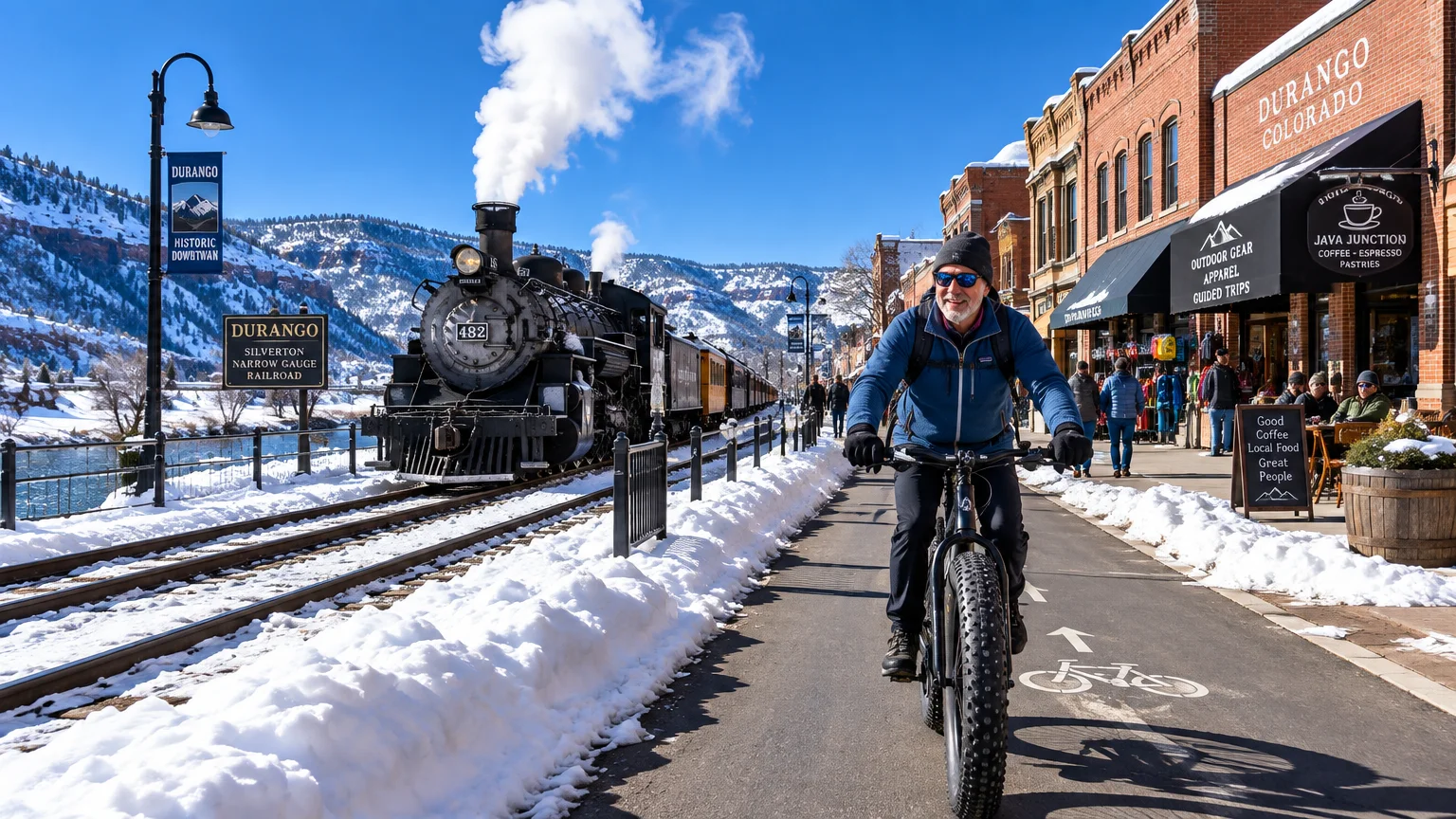
6. Durango, Colorado: Sunny Winters and Mountain Energy
Durango offers a breathtaking Rocky Mountain winter combined with roughly 300 sunny days each year. While the town averages 65 to 70 inches of snow, brilliant sunshine quickly clears sidewalks and roads.
Retirees can ride the historic narrow-gauge railroad through snow-draped canyons or soak in nearby natural hot springs. The historic downtown features wide sidewalks and dozens of locally owned cafes.
Colorado permits taxpayers aged 65 and older to exclude up to $24,000 per person of qualified retirement and pension income. Most seniors also deduct their full Social Security benefits under standard adjusted gross income caps.
Mercy Hospital, an 82-bed regional medical facility operated by CommonSpirit Health, serves Durango residents. The hospital provides 24-hour emergency services, orthopedic surgery, and comprehensive stroke care.
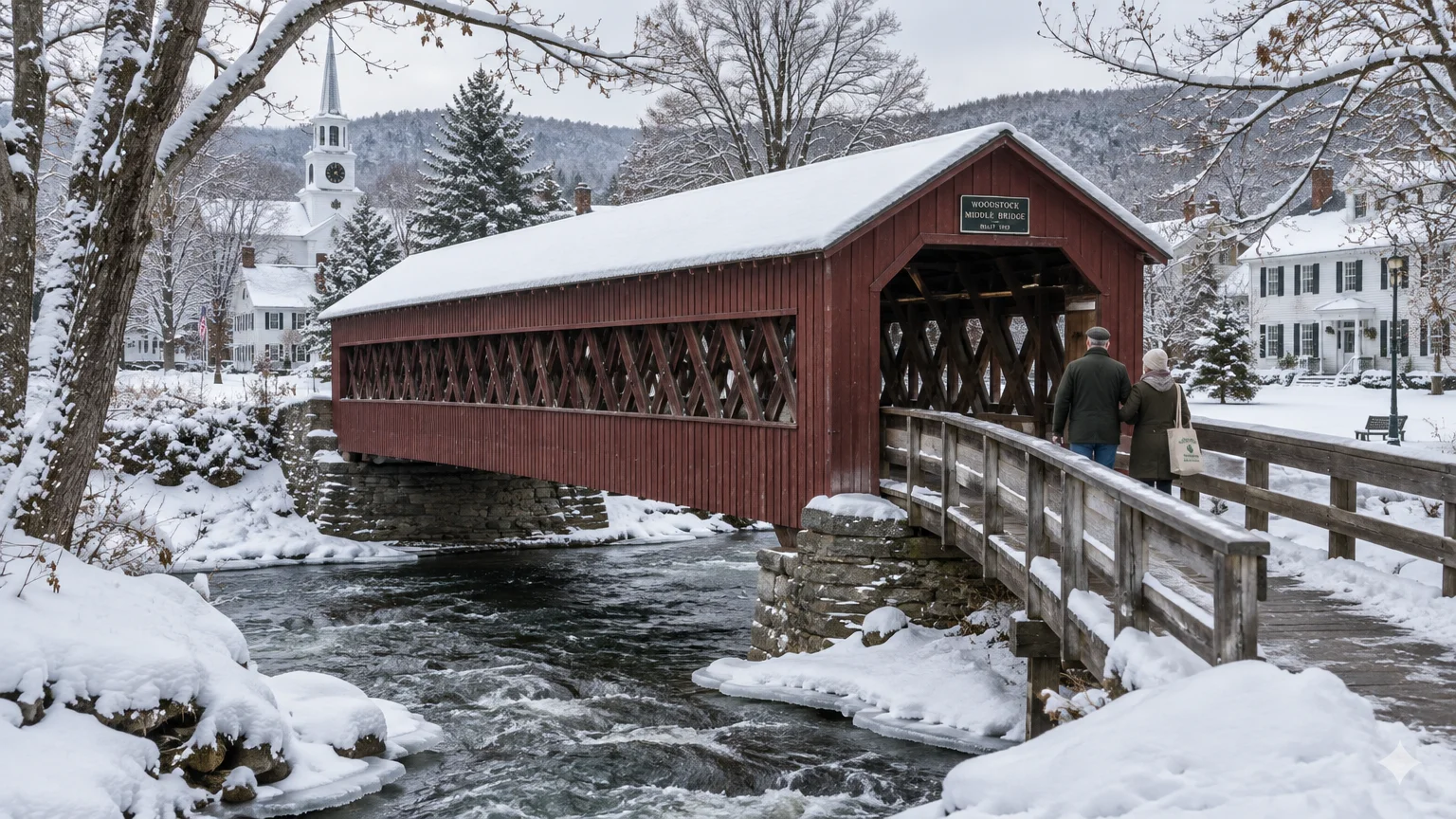
7. Woodstock, Vermont: Currier and Ives Scenery with Ivy-League Care
Woodstock is the quintessential New England village, complete with covered bridges, brick federal homes, and a central village green. It averages 75 to 80 inches of annual snowfall.
The town maintains an active cross-country ski center with groomed walking trails, perfect for low-impact winter exercise. Woodstock’s active community center hosts weekly craft clubs and senior wellness programs.
Vermont taxes retirement income progressively, but generous state homestead exemptions help offset real estate taxes for long-term residents. You can track federal retirement baselines through the Social Security Administration.
Woodstock lies only 20 miles from Dartmouth-Hitchcock Medical Center in Lebanon, New Hampshire. As an Ivy League-affiliated Level I Trauma Center, Dartmouth-Hitchcock provides world-class geriatric and specialty medical care.
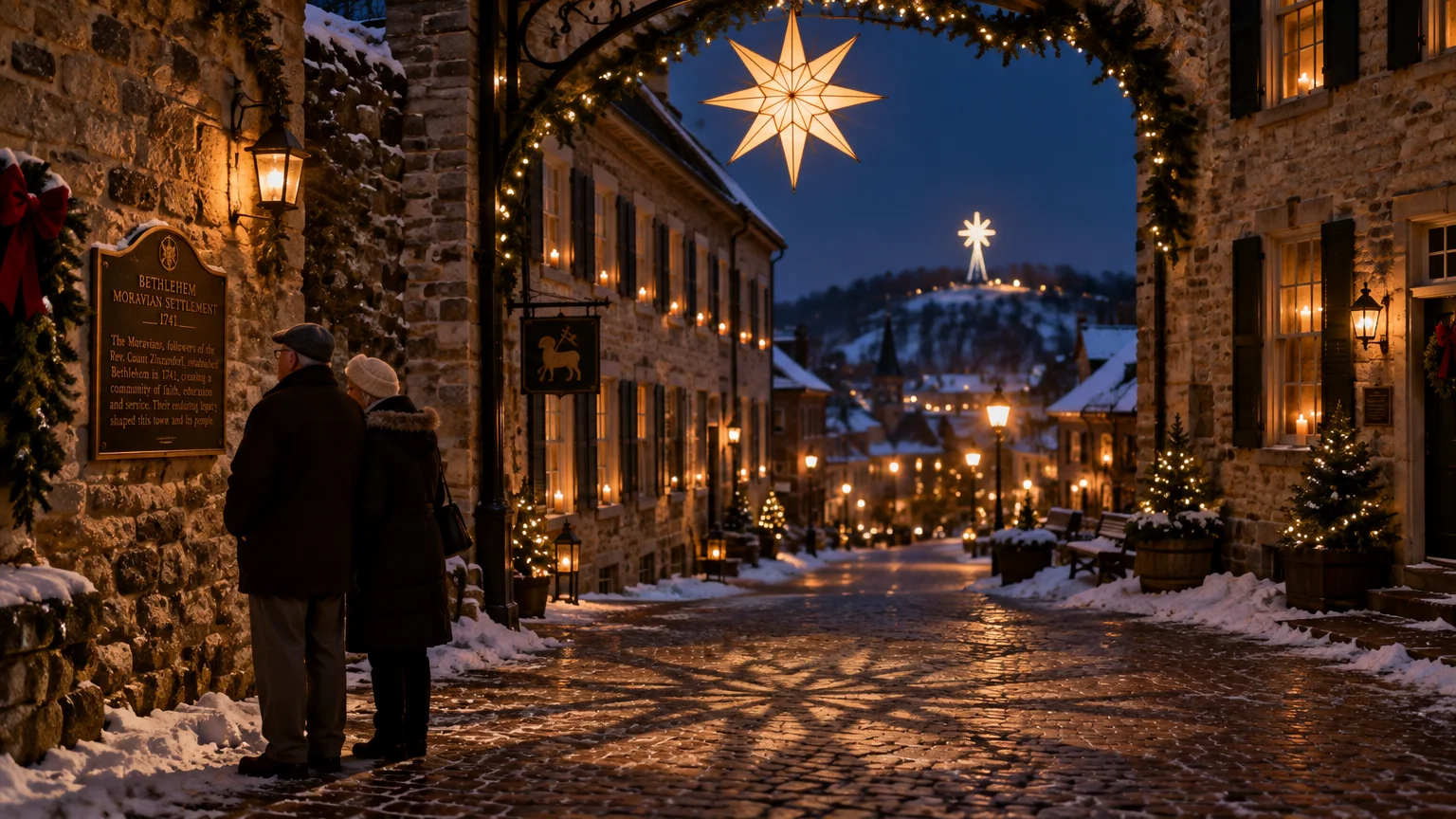
8. Bethlehem, Pennsylvania: The Historic Christmas City
Bethlehem embraces the cold like few other places on earth. Known officially as “Christmas City, USA,” this historic community averages 32 to 35 inches of annual snow.
Its historic Moravian district features flat, well-plowed brick walkways illuminated by traditional Moravian stars. You can attend classical concerts, gallery openings, and lecture series throughout the winter season.
Like Jim Thorpe, Bethlehem residents pay zero Pennsylvania state income tax on pension checks, 401(k) withdrawals, or Social Security payments. This allows your retirement nest egg to stretch substantially further each year.
The city hosts two major healthcare powerhouses: St. Luke’s University Health Network and Lehigh Valley Health Network. You have immediate access to world-class cardiology, oncology, and emergency medical specialists.
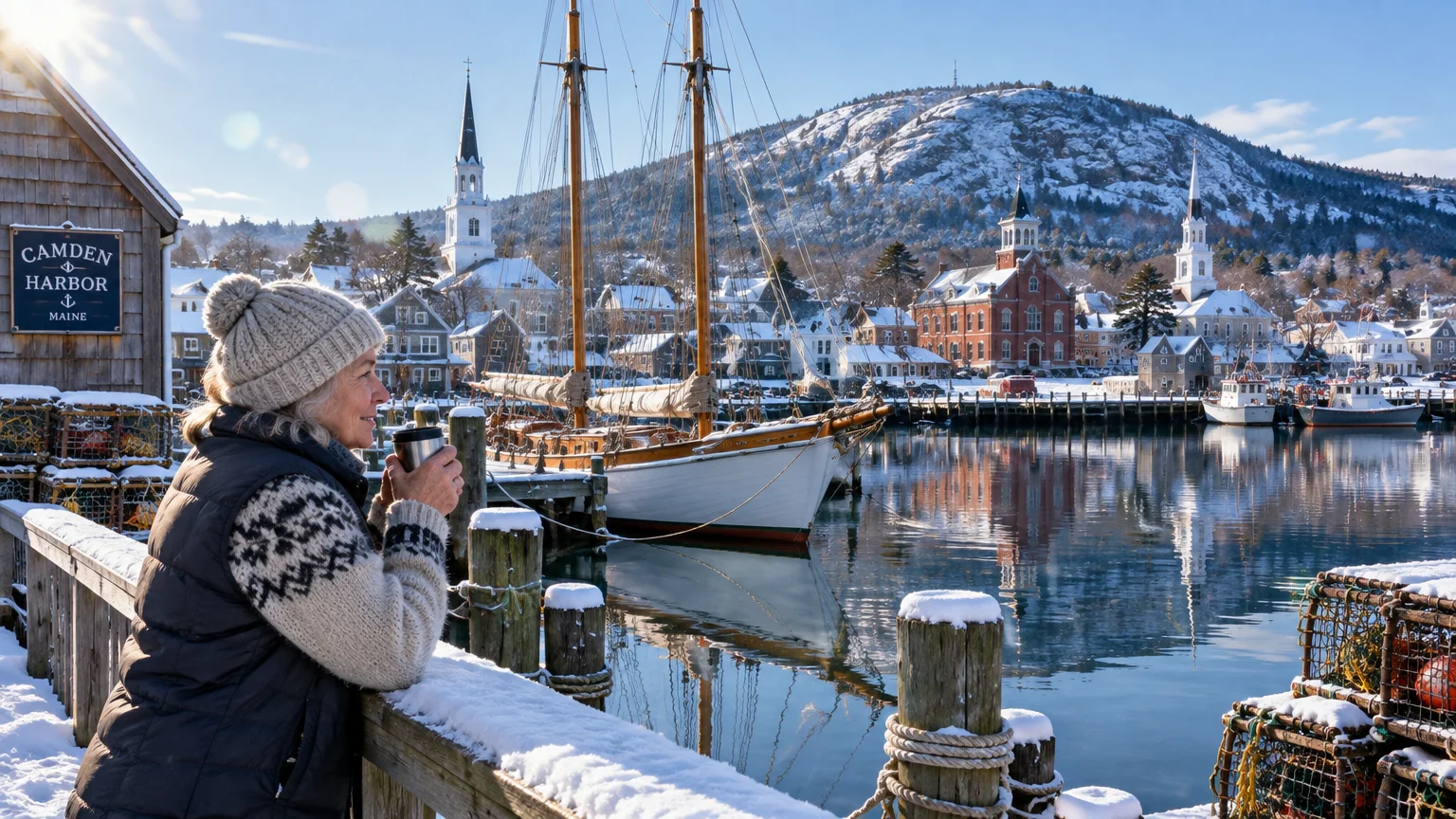
9. Camden, Maine: Coastal Serenity and Walkable Harbor Streets
Where the mountains meet the Atlantic Ocean, Camden delivers stunning coastal winter scenery and about 55 to 60 inches of snow. Snow blankets the harbor masts while lobster boats glide across quiet waters.
Winter in Camden brings a peaceful rhythm where locals gather at the public library for fireside lectures and concerts. Snow-clearing crews prioritize the downtown shopping core and primary residential arteries.
Maine provides a generous pension income deduction for eligible retirement distributions, helping mitigate state income taxes. The state also offers property tax stabilization relief programs for qualifying older homeowners.
Pen Bay Medical Center in neighboring Rockport sits just three miles away, offering comprehensive hospital services. Their specialized senior health team provides dedicated outpatient care and rehabilitation services.
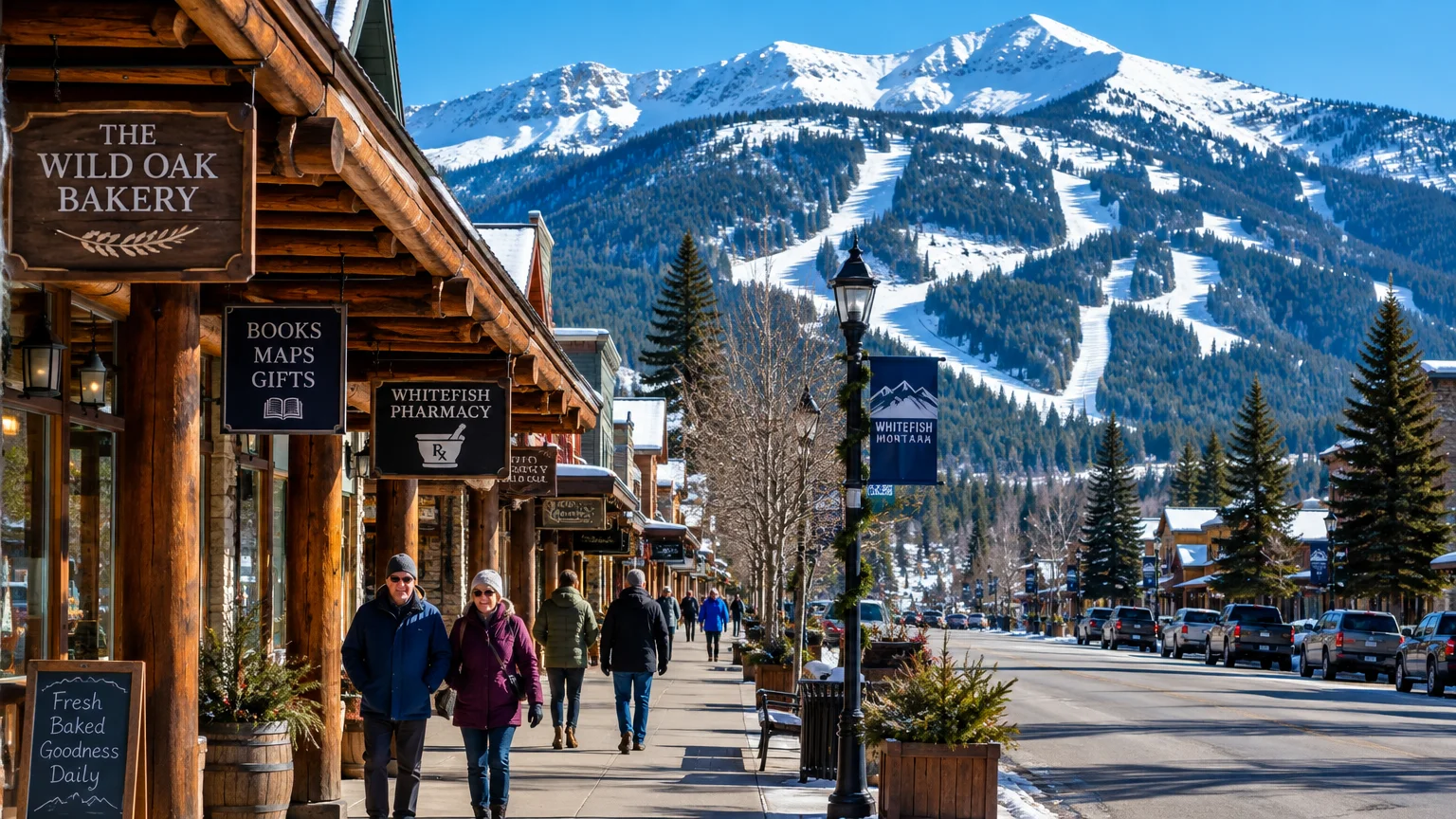
10. Whitefish, Montana: Pristine Alpine Views and Tax-Free Shopping
Whitefish rests near Glacier National Park, offering breathtaking snow-covered alpine vistas and around 70 to 75 inches of town snow. Downtown features covered wooden walkways that keep shoppers sheltered from falling flakes.
The town provides an active performing arts center, an indoor ice rink, and weekly social clubs for retirees. Free public transit buses connect downtown neighborhoods with essential services throughout the winter.
Montana charges zero general state sales tax, which provides immediate everyday savings on clothing, household goods, and dining out. Property taxes remain reasonable compared to coastal states.
Logan Health Whitefish operates right within town borders. This 25-bed critical access hospital features emergency medicine, orthopedic care, and physical rehabilitation facilities suited to active seniors.
11. Stowe, Vermont: Active Winter Recreation and Village Life
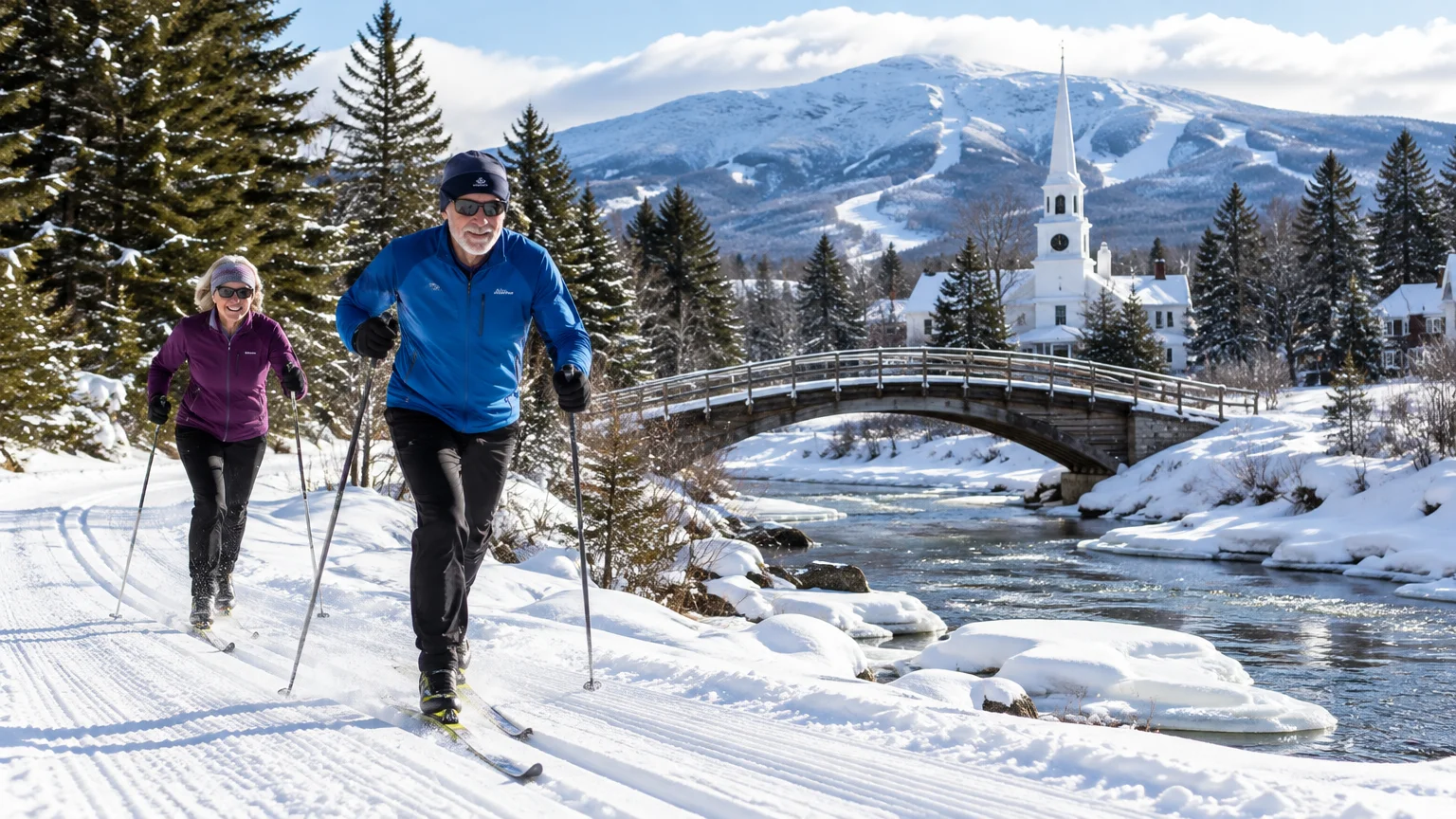
Stowe is renowned for its iconic white church steeple, scenic mountain backdrop, and rich winter heritage. The village receives roughly 120 inches of snowfall each winter season.
The town maintains the Stowe Recreation Path, a flat, five-mile paved trail that is regularly cleared for winter walking. Community groups gather frequently at local coffeehouses and cultural centers.
While Stowe real estate runs higher than average, property values remain exceptionally stable over time. Vermont offers several senior property tax credit programs based on household income levels.
Copley Hospital in nearby Morrisville sits just ten miles away, providing reliable community hospital care. For tertiary medical interventions, University of Vermont Medical Center is less than an hour away in Burlington.
Comparing Your Winter Retirement Destinations
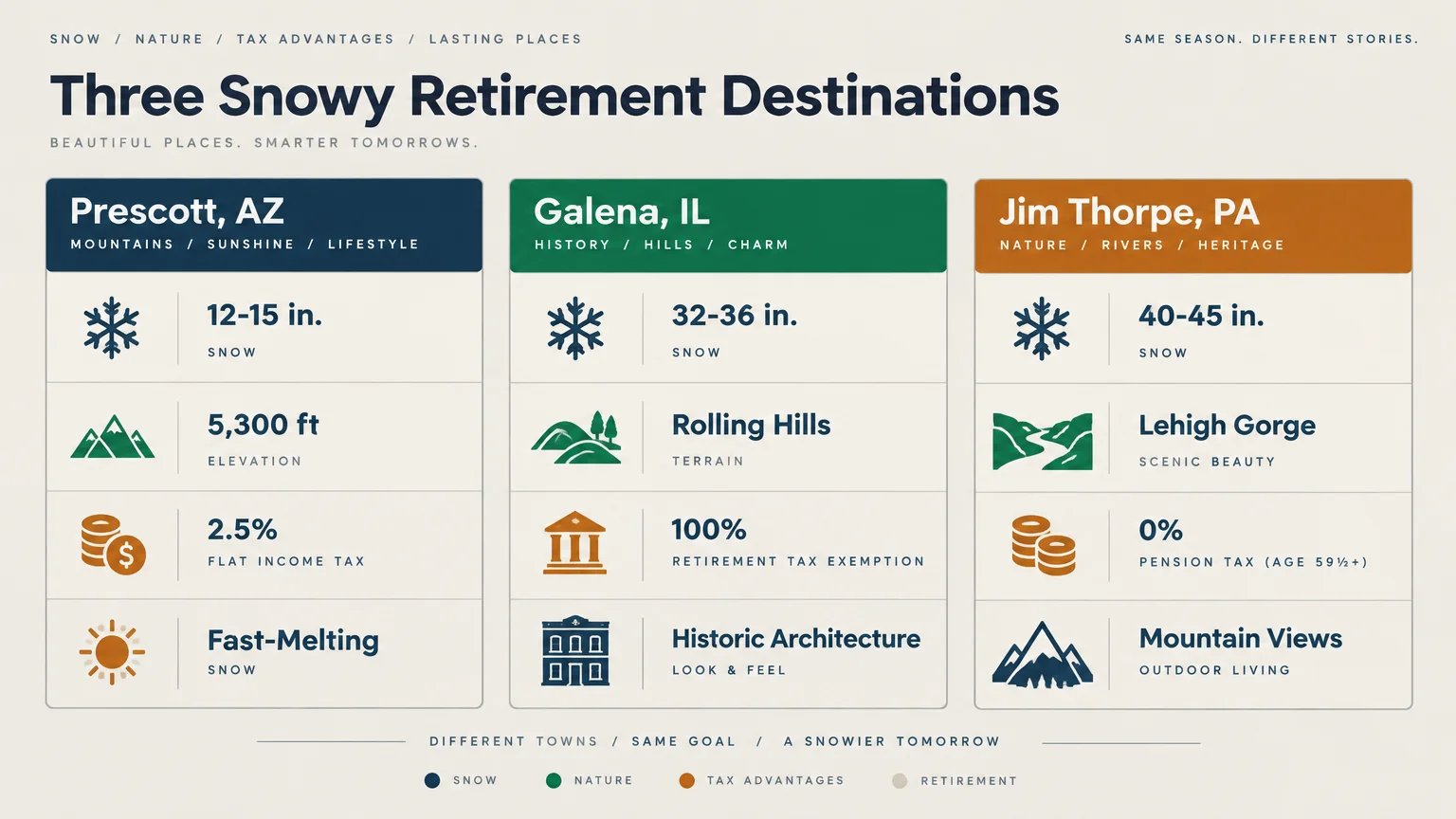
Choosing the right cold-weather retirement spot requires balancing snowfall depth against tax policies and local hospital capacity. Review the snapshot below to match your preferences with the right community.
| Town & State | Average Snowfall | Retirement Tax Climate | Key Healthcare Provider |
|---|---|---|---|
| Galena, IL | 32–36 inches | 100% exempt on pensions, 401(k)s, and SS | Midwest Medical Center (Dubuque 15 mi) |
| Prescott, AZ | 12–15 inches | 2.5% flat tax; 100% exempt on SS | Dignity Health Yavapai Regional |
| Jim Thorpe, PA | 40–45 inches | 100% exempt on pensions, IRAs, and SS | St. Luke’s Carbon Campus (5 mi) |
| Traverse City, MI | 100–120 inches | Large pension deduction; 100% exempt on SS | Munson Medical Center (Level II Trauma) |
| Blowing Rock, NC | 35–40 inches | Flat 3.99% tax; 100% exempt on SS | Watauga Medical Center (8 mi) |
| Durango, CO | 65–70 inches | Up to $24k pension exclusion; SS relief | Mercy Hospital (82 beds) |
| Woodstock, VT | 75–80 inches | Progressive income tax; homestead credits | Dartmouth-Hitchcock Medical Center (20 mi) |
| Bethlehem, PA | 32–35 inches | 100% exempt on pensions, IRAs, and SS | St. Luke’s University Health Network |
| Camden, ME | 55–60 inches | State pension deductions; property credits | Pen Bay Medical Center (3 mi) |
| Whitefish, MT | 70–75 inches | 0% state sales tax; modest income tax | Logan Health Whitefish |
| Stowe, VT | 120+ inches | Progressive income tax; property credits | Copley Hospital (10 mi) |
Every destination provides unique financial trade-offs between housing costs, sales taxes, and state income tax exemptions. Verify current local property tax rates with county assessors before purchasing property.
Winter Retirement Budgeting: Hidden Cold-Weather Costs
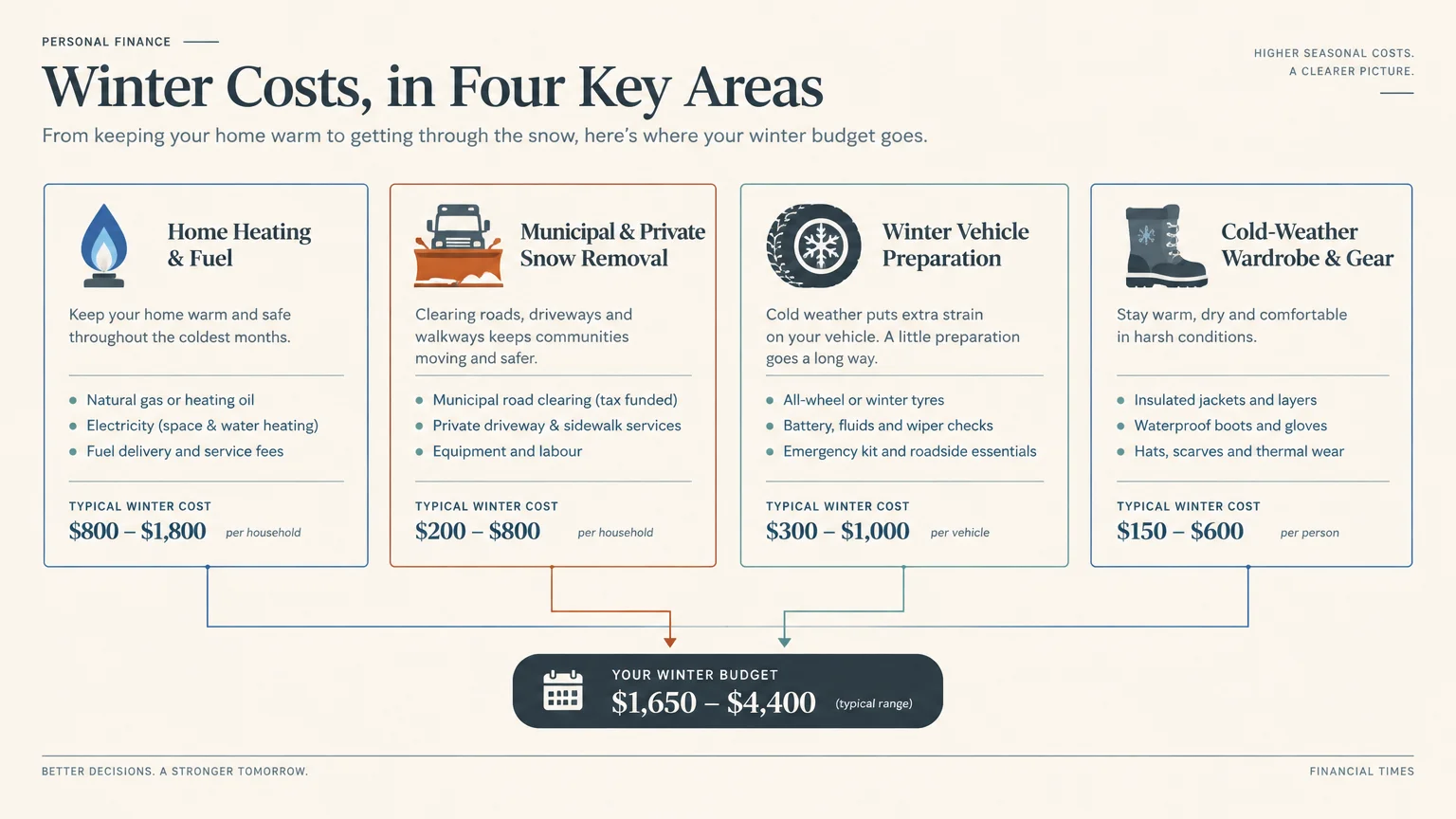
Moving from a warm climate to a snowy small town introduces several budget line items you must plan for in advance. Heating costs represent one of the most variable winter expenses.
Older homes heated with heating oil or propane can cost $300 to $600 per month during peak winter spells. Modern homes equipped with geothermal heat pumps or natural gas generally maintain far lower utility bills.
You can investigate regional energy assistance guidelines and winter utility protection rules through Benefits.gov. Many states prohibit utility shutoffs during freezing weather for seniors on fixed incomes.
Professional snow removal is another crucial expense. Hiring a local contractor to plow your driveway and shovel walkways typically costs between $400 and $900 for a seasonal contract.
“Retirement is not the end of the road. It is the beginning of the open highway, but you still need a good map and a realistic budget to enjoy the ride.” — Jean Chatzky, Financial Journalist and Author
Factor in winter vehicle preparation as well. Budgeting $600 to $900 for a set of dedicated snow tires will give you safety and peace of mind on icy roads.
Proper seasonal apparel requires an upfront investment. High-traction winter boots, thermal base layers, and windproof coats protect against dangerous body temperature drops when walking outdoors.
Common Mistakes to Avoid When Moving to a Snowy Town
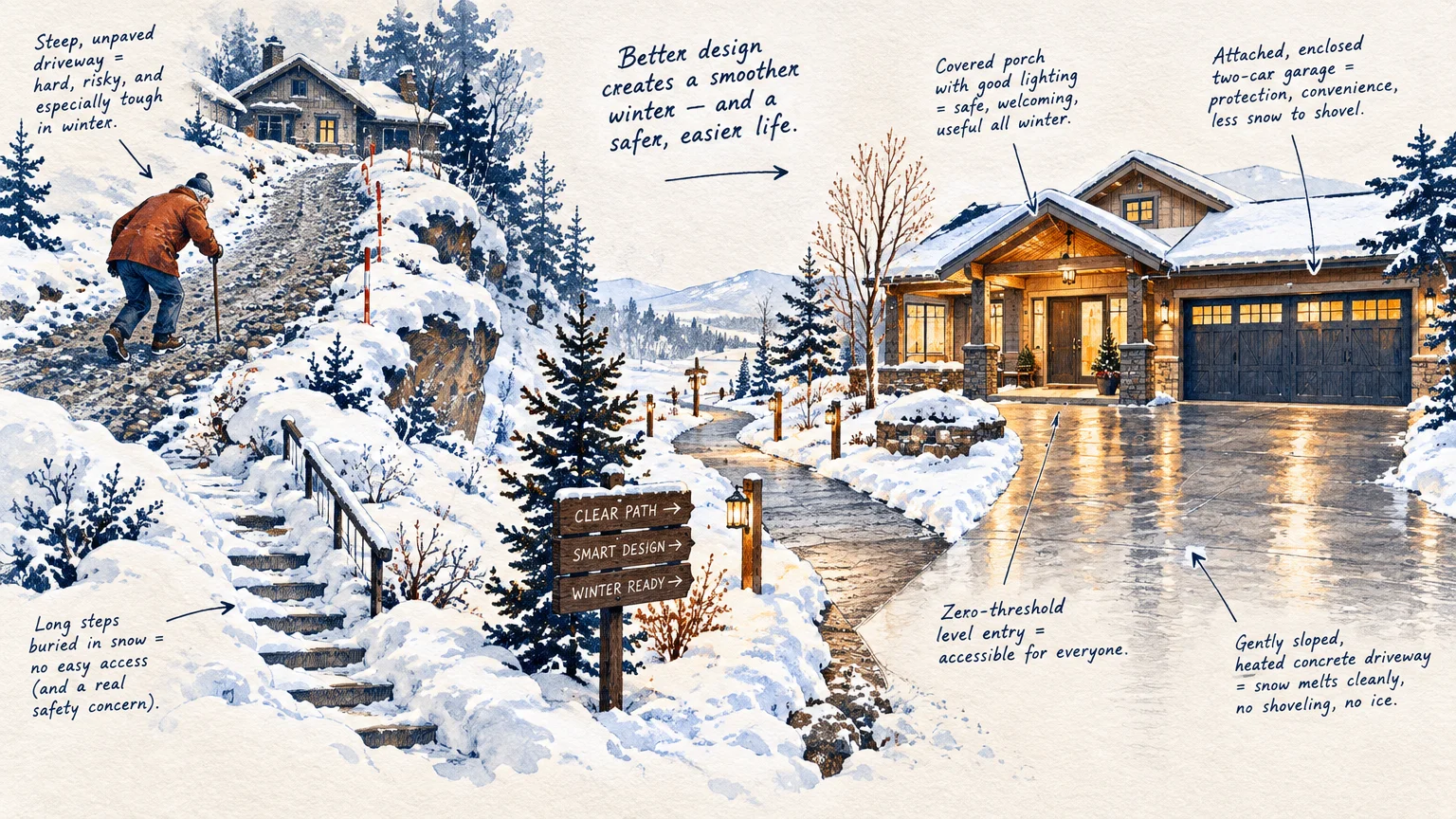
Moving north without proper preparation can turn a dream retirement into a stressful experience. Avoid these frequent mistakes to ensure your transition goes smoothly.
- Shoveling heavy snow yourself: Cold temperatures constrict blood vessels while physical exertion spikes heart rates. Hire a plowing service to prevent acute cardiovascular strain or dangerous slips.
- Ignoring indoor heating minimums: The National Institute on Aging warns that older adults are vulnerable to hypothermia indoors if thermostats fall below 60°F to 65°F. Never over-lower your heat to save money.
- Buying without a winter test visit: Spending a sunny week in July reveals nothing about January driving conditions. Always rent an apartment or cottage for two weeks in mid-winter before committing to a home purchase.
- Overlooking medical travel routes: Ensure the route between your prospective home and the nearest emergency room consists of primary roads that snowplows clear first during major blizzards.
You can locate local senior transportation and snow assistance programs through the Eldercare Locator. This public service connects older adults directly with local Area Agencies on Aging.
Staying informed about fall prevention strategies protects your mobility throughout the winter season. Explore safety resources through the National Council on Aging before winter storms arrive.
Frequently Asked Questions About Snowy Winter Retirements
How much does winter snow removal typically cost for retirees?
Most residential snow removal contractors charge between $35 and $75 per visit, depending on driveway length. Seasonal contracts usually range from $400 to $900 and guarantee prompt clearing after major snowfalls.
Is it safe to drive in snowy retirement towns?
Yes, provided you outfit your vehicle with dedicated winter tires and heed municipal travel advisories. Towns in snowy corridors clear main thoroughfares rapidly, and many communities provide dedicated senior transit vans.
Which snowy state offers the best income tax exemptions for retirees?
Pennsylvania and Illinois offer exceptional tax benefits by exempting 100% of qualified retirement distributions, 401(k) plans, and Social Security benefits from state income tax. Arizona also offers an attractive flat 2.5% rate.
How can I stay active indoors during cold winter weeks?
Most small towns feature active recreation centers, indoor walking tracks, heated pools, and community college extension courses. Joining local book clubs or volunteer programs helps maintain vibrant social connections year-round.
This is educational content based on general financial principles for seniors. Individual results vary based on your situation. Always verify current benefit amounts, tax rules, and program eligibility with official government sources.
Begin your transition by renting a temporary winter cabin in two of your top-rated towns this coming January. Experiencing daily snow life firsthand is the single best way to pick your perfect seasonal sanctuary.
Last updated: February 2026. Benefit amounts, tax rules, and program details change annually—verify current figures with official government sources.


Leave a Reply