
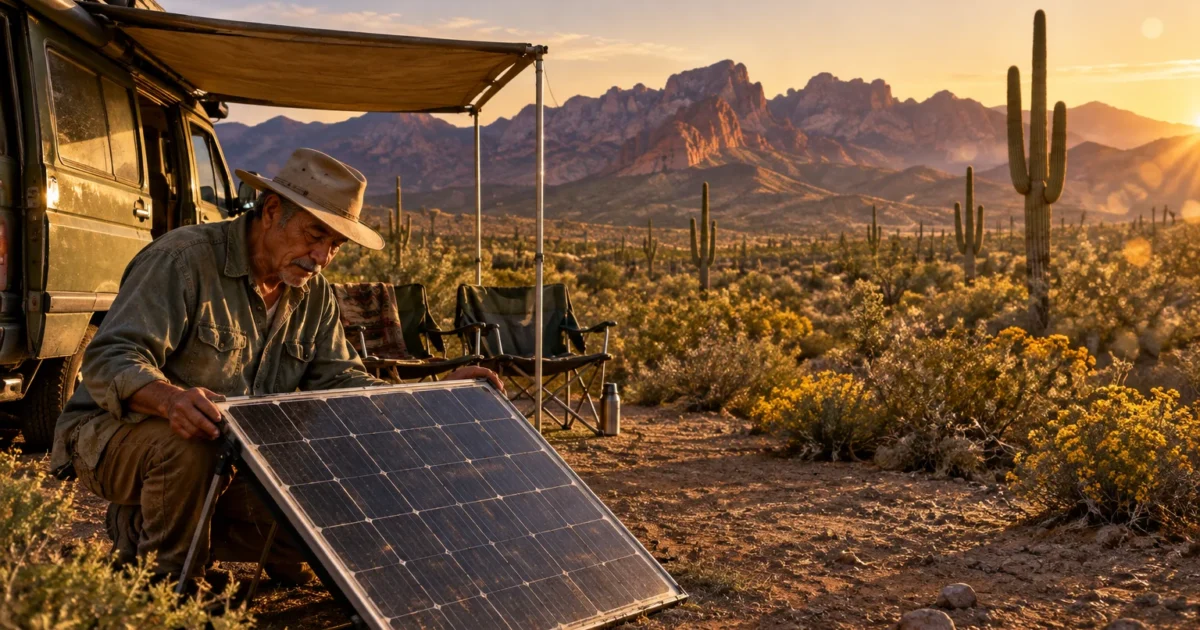
Escaping freezing temperatures does not require spending your entire annual retirement travel budget. Affordable desert communities across Arizona and New Mexico offer warm sunshine, active social scenes, and monthly living costs well below national medians.
Whether you travel in an RV or prefer seasonal apartment leases, smart planning helps you preserve your savings. You can trade icy driveways for mild desert breezes without compromising your financial independence.
This comprehensive guide highlights ten Southwest destinations where retirees stretch their dollars while enjoying outdoor recreation, quality local healthcare, and vibrant peer communities.
1. Yuma, Arizona: The Undisputed Sun Capital
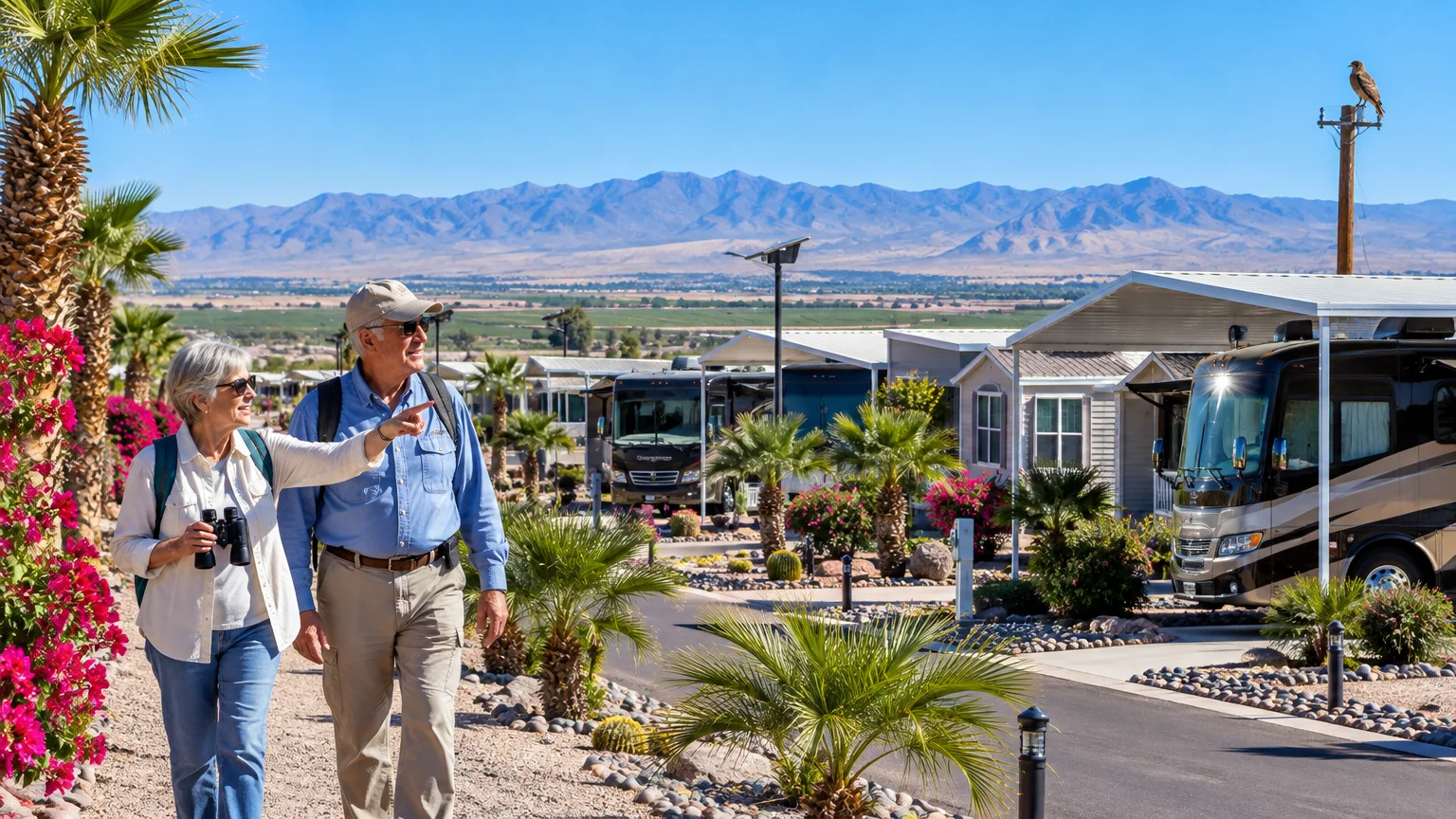
Yuma holds the world record for annual sunshine, averaging over 4,000 sunny hours each year. It remains one of the premier southwest winter destinations for budget-minded retirees.
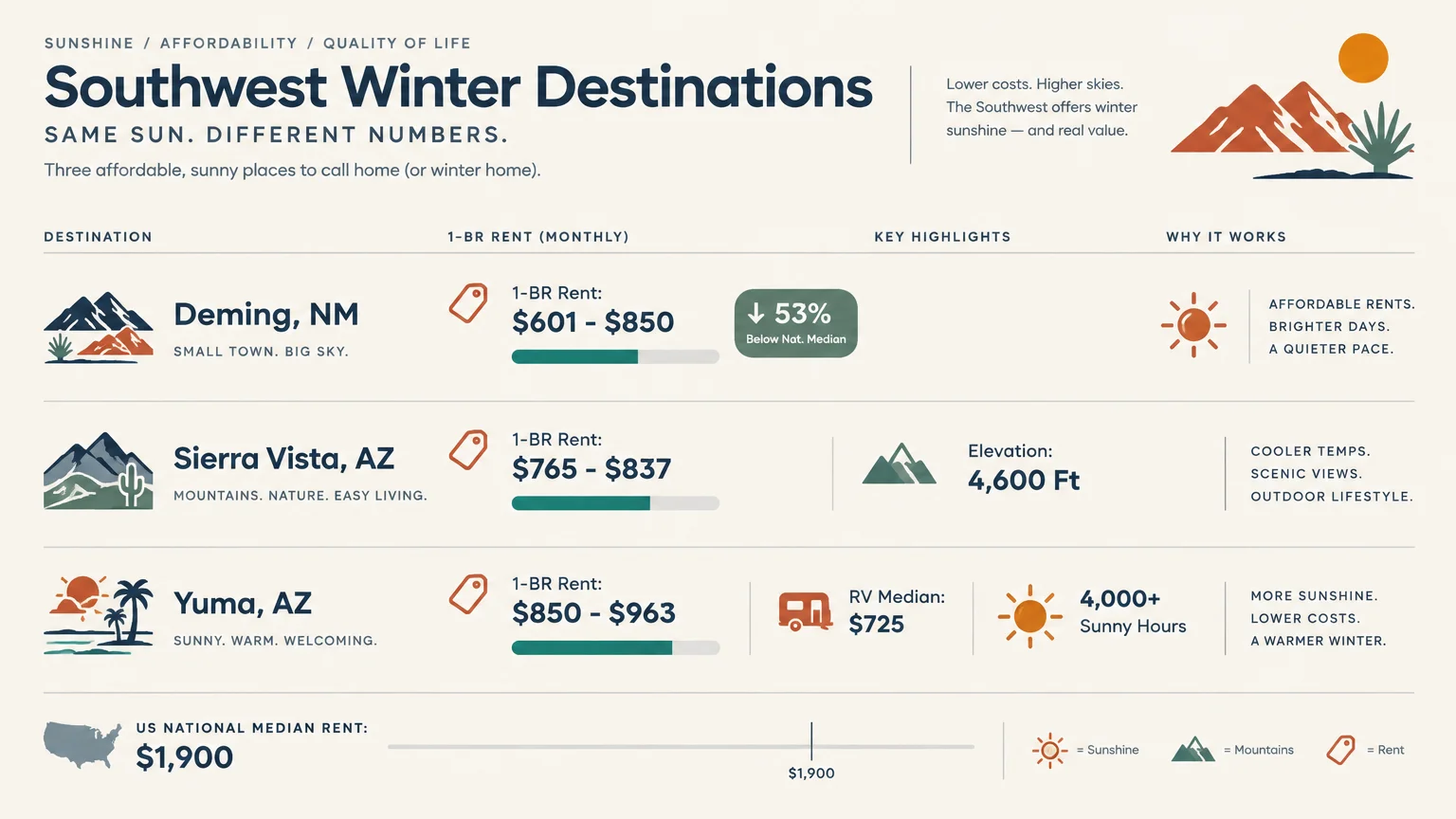
The city offers an overall median monthly rent of $1,475, which sits 22% below the national median of $1,900. One-bedroom apartments provide accessible living, averaging between $850 and $963 per month.
For RV snowbirds, verified monthly RV park rates range from $410 to $1,200, with a median of $725. Budget-friendly parks feature multi-month winter packages starting around $370 to $500 per month.
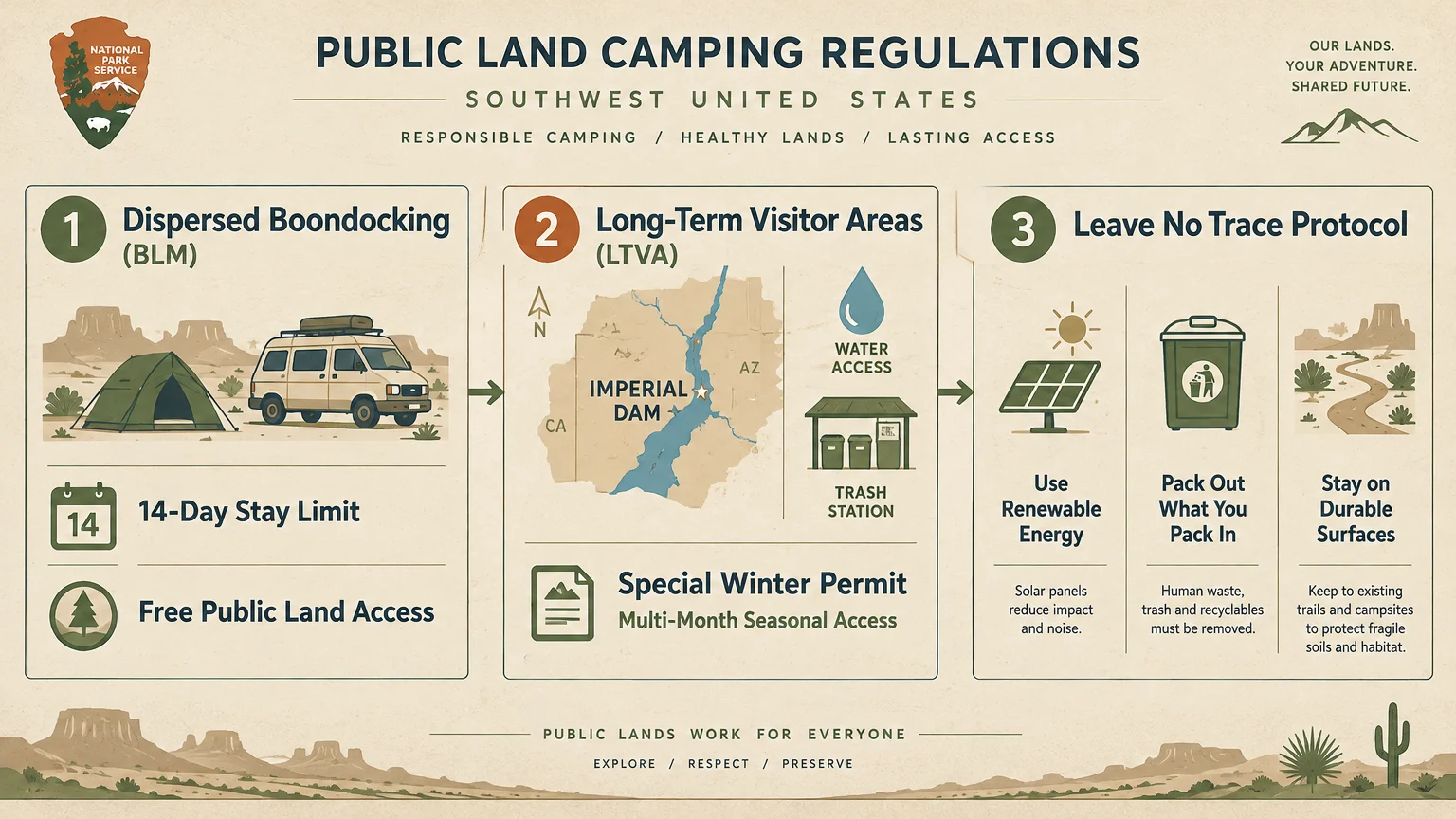
Mid-market RV parks generally charge between $525 and $650 per month plus metered electricity. If you prefer boondocking, the nearby Imperial Dam Long-Term Visitor Area offers dramatic savings on public land.
Yuma Regional Medical Center delivers comprehensive healthcare, offering advanced cardiac and surgical care. The city also borders Los Algodones, Mexico, where tens of thousands of American retirees purchase discounted prescription eyewear and routine dental care annually.
2. Deming, New Mexico: Small-Town Value and Pure Solitude
Deming sits in southwestern New Mexico’s high desert, offering some of the lowest housing costs anywhere in the American Southwest. It provides an ideal refuge if you prefer quiet days and open horizons.
Overall average rents range from $750 to $900 per month, reflecting a 53% discount compared to national numbers. You can lease a one-bedroom apartment for $601 to $850 monthly.
Two-bedroom apartments in Deming rent for an average of $670 to $900 per month. These price points allow you to secure comfortable housing while relying entirely on a modest Social Security benefit.
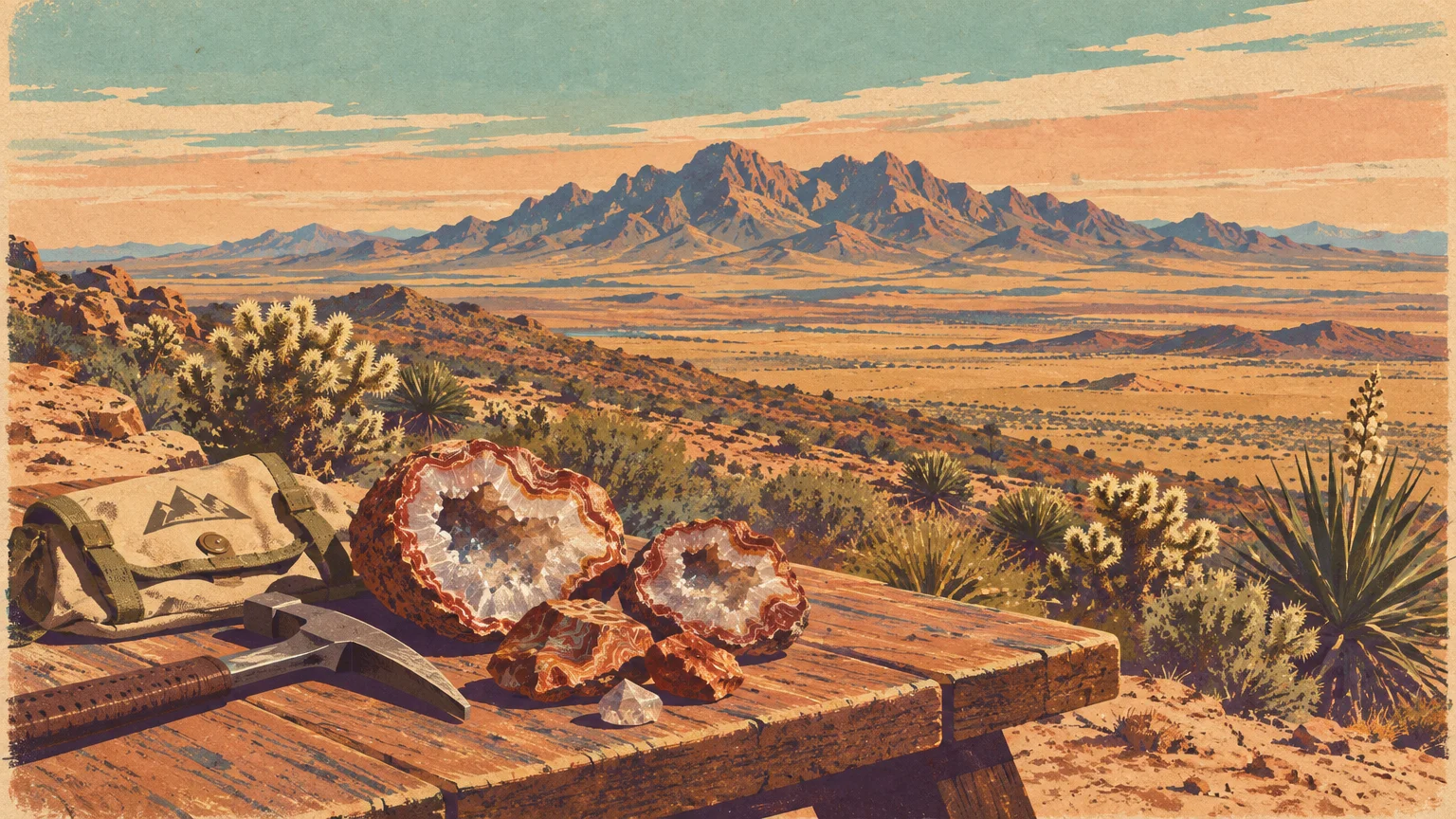
Outdoor enthusiasts frequently visit Rockhound State Park, located just south of town in the Little Florida Mountains. The park allows visitors to dig for quartz crystals, jasper, and geodes to take home.
Mimbres Memorial Hospital provides local primary care, emergency services, and outpatient rehabilitation. For complex specialist appointments, the larger medical infrastructure of Las Cruces rests just sixty minutes east along Interstate 10.
3. Sierra Vista, Arizona: Mountain Breezes and Affordable Leases
Sierra Vista sits at 4,600 feet elevation against the Huachuca Mountains, providing crisp winter days and cool nights. Its elevated location keeps winter daytime temperatures hovering comfortably in the low-to-mid 60s.
The community posts an overall median rent between $1,198 and $1,290 per month. That represents savings of up to 37% below the national median.
One-bedroom apartments average $765 to $837 per month, while two-bedroom properties rent for $1,031 to $1,132. These attractive rental rates make seasonal relocation practical on a fixed retirement income.
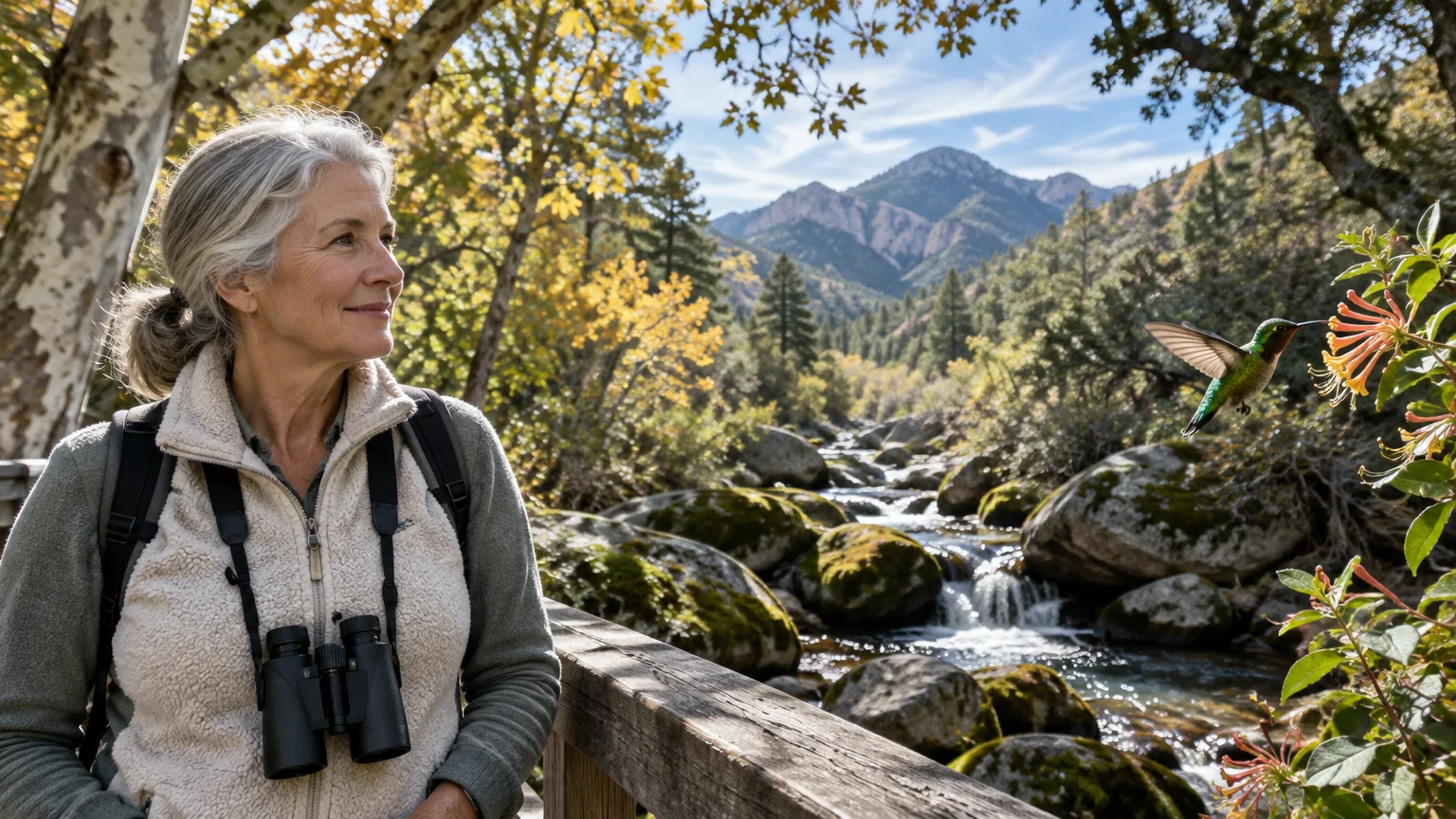
Known as the hummingbird capital of the United States, Sierra Vista attracts nature lovers, hikers, and photographers. Ramsey Canyon Preserve offers shaded walking trails, rare bird species, and diverse local wildlife.
The city borders the historic Fort Huachuca military installation, creating a strong veteran community and excellent support infrastructure. Canyon Vista Medical Center operates a modern, 100-bed hospital facility with advanced diagnostic imaging and wound care.
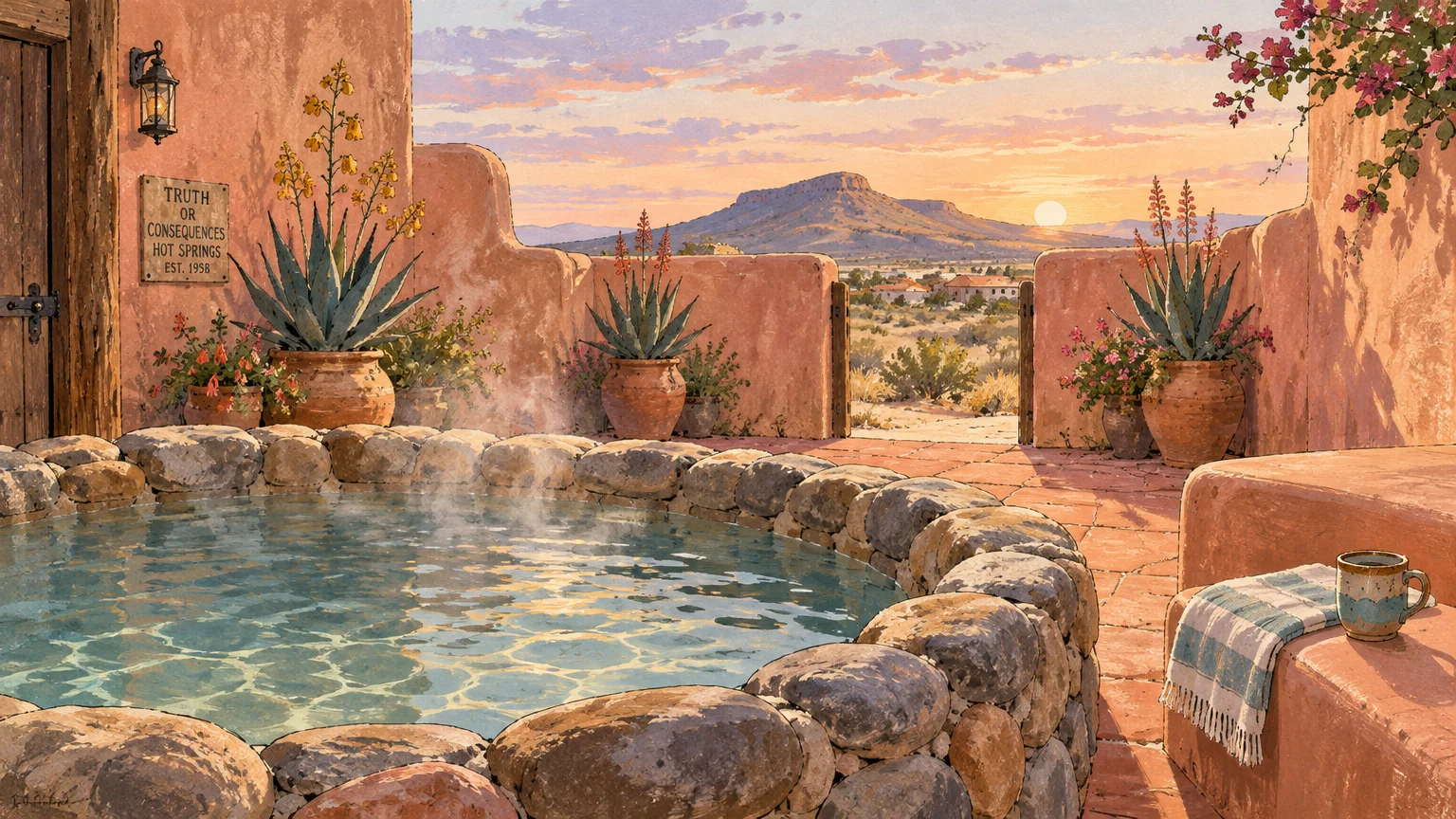
4. Truth or Consequences, New Mexico: Natural Hot Springs on a Budget
Truth or Consequences—commonly called T or C—built its identity around natural geothermal mineral springs. The town offers a quirky, artistic atmosphere that appeals to independent retirees seeking therapeutic warmth.
The overall average rent across all property types runs between $923 and $1,000 per month. Standard rental listings throughout the town range from $750 to $2,100 monthly.
You can rent historic cottages or furnished bungalows within walking distance of the historic bathhouse district. Local bathhouses pump mineral-rich, odorless thermal water directly into private soaking tubs for modest fees.
The nearby Rio Grande and Elephant Butte Lake State Park offer year-round boating, fishing, and peaceful shoreline hiking. The lake provides extensive outdoor recreation without the crowds typical of coastal retreats.
Sierra Vista Hospital delivers reliable emergency care and outpatient clinical services right in town. The local pace of life remains slow, friendly, and unpretentious, keeping your daily entertainment expenses low.
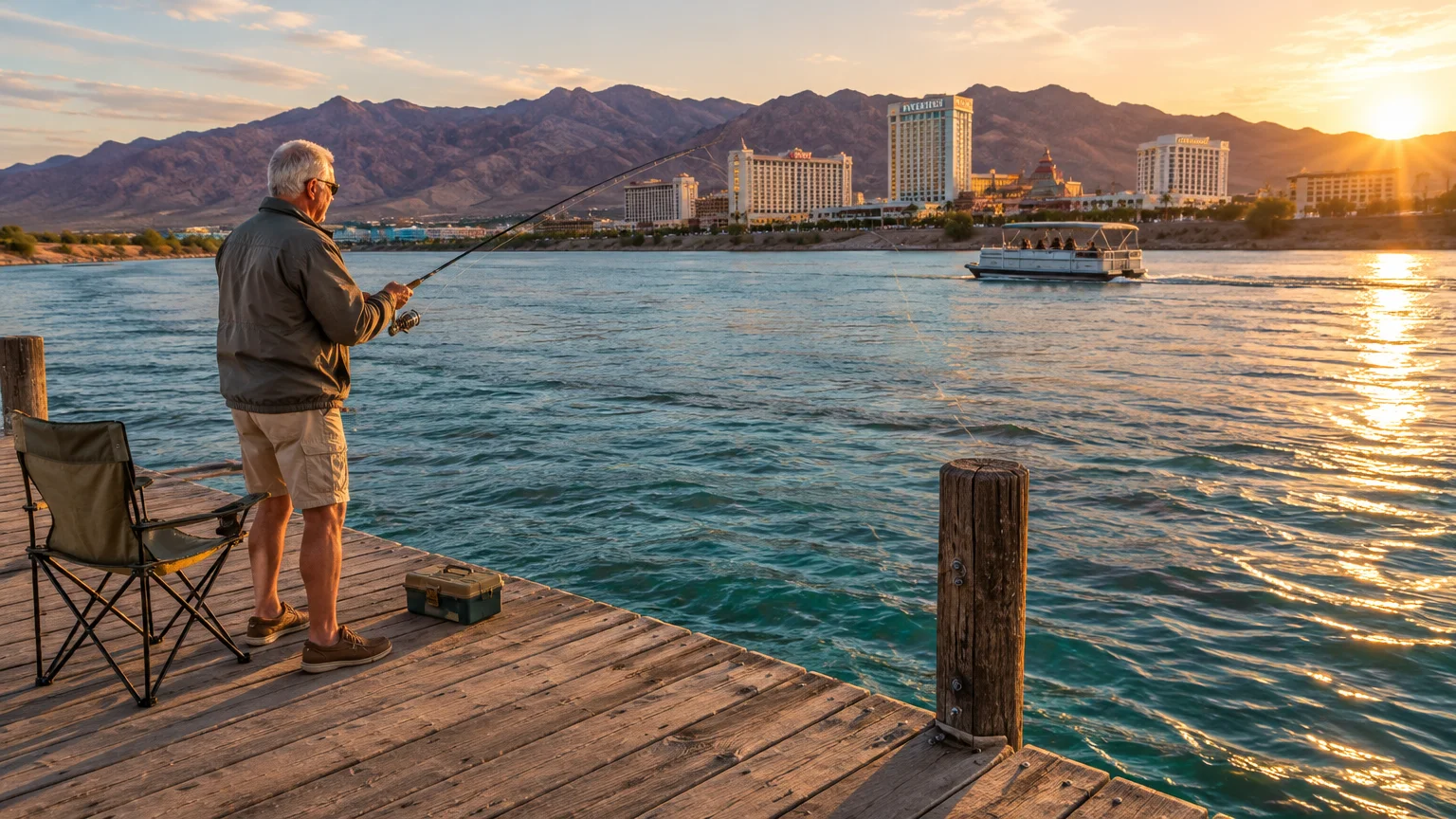
5. Bullhead City, Arizona: Riverfront Living Near Nevada Entertainment
Bullhead City lines the eastern banks of the Colorado River, sitting directly across the water from Laughlin, Nevada. This geographic position gives you riverfront recreation alongside round-the-clock dining and live shows.
The overall median rent in Bullhead City is $1,450 per month. Standard apartments average $1,156 monthly, making seasonal living economical for solo travelers and couples.
Studio apartments rent for an average of $811 per month, while one-bedroom units average $945. Retirees aged 65 and older make up 36% of the local population, establishing a robust peer network.
You can cross the river by bridge or passenger ferry to enjoy affordable casino dining and entertainment in Nevada. Meanwhile, the Colorado River provides daily opportunities for shoreline fishing, kayaking, and scenic riverwalk strolling.
Western Arizona Regional Medical Center anchors local healthcare services, providing complete inpatient care, cardiac monitoring, and surgical suites. Shopping centers along Highway 95 cover all everyday grocery and pharmacy needs conveniently.
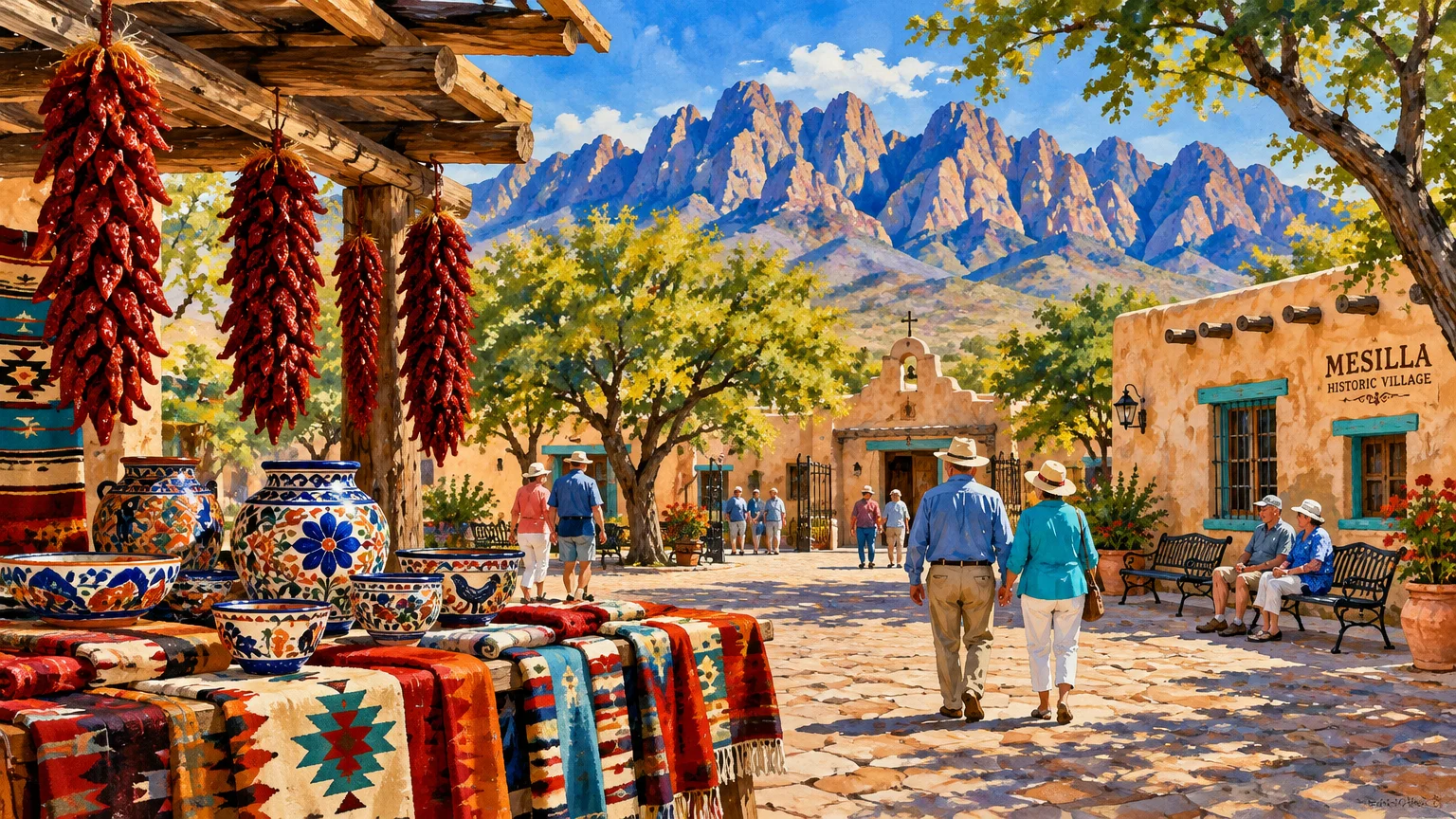
6. Las Cruces, New Mexico: Cultural Richness with Below-Average Living Costs
Las Cruces combines college-town vitality with dramatic high-desert scenery at the base of the Organ Mountains. It offers rich historical architecture, vibrant farmers markets, and exceptional value for winter visitors.
The overall median rent runs between $1,416 and $1,450 per month, sitting 25% to 27% below the national median. Apartment rentals average $950 to $990 per month.
Studio apartments rent for $634 to $800, while one-bedroom units average $800 to $850 per month. Overall cost of living is 9.5% below the national average, with utility costs running 22% lower than the national baseline.
New Mexico State University hosts seasonal lectures, theatrical performances, and athletic events that welcome senior participation. The historic Mesilla plaza nearby features artisan shops, traditional adobe dining, and authentic regional celebrations.
Memorial Medical Center and MountainView Regional Medical Center offer comprehensive specialty care, including cancer treatment and joint replacement programs. You can access top-tier medical facilities without paying major metropolitan housing costs.

7. Green Valley, Arizona: Dedicated Active Senior Living South of Tucson
Green Valley is an unincorporated active retirement haven located twenty-five miles south of Tucson along the Santa Cruz River. Over 80% of its residents are retirees who value structured recreation and shared community interests.
The overall median rent ranges from $1,550 to $1,600 per month, tracking 16% below the national average. Dedicated apartments provide the most affordable approach to local living.
One-bedroom apartments average $1,170 to $1,185 per month, while two-bedroom units average $1,424. These prices grant you access to one of the country’s most organized senior living cooperatives.
Green Valley Recreation operates fourteen comprehensive recreation centers scattered across the community. A single membership unlocks heated pools, fitness centers, tennis courts, woodworking shops, and hundreds of special interest clubs.
Santa Cruz Valley Regional Hospital and extensive satellite medical clinics address routine and urgent healthcare needs locally. For advanced academic medicine, the University of Arizona medical campus sits just a short drive north in Tucson.
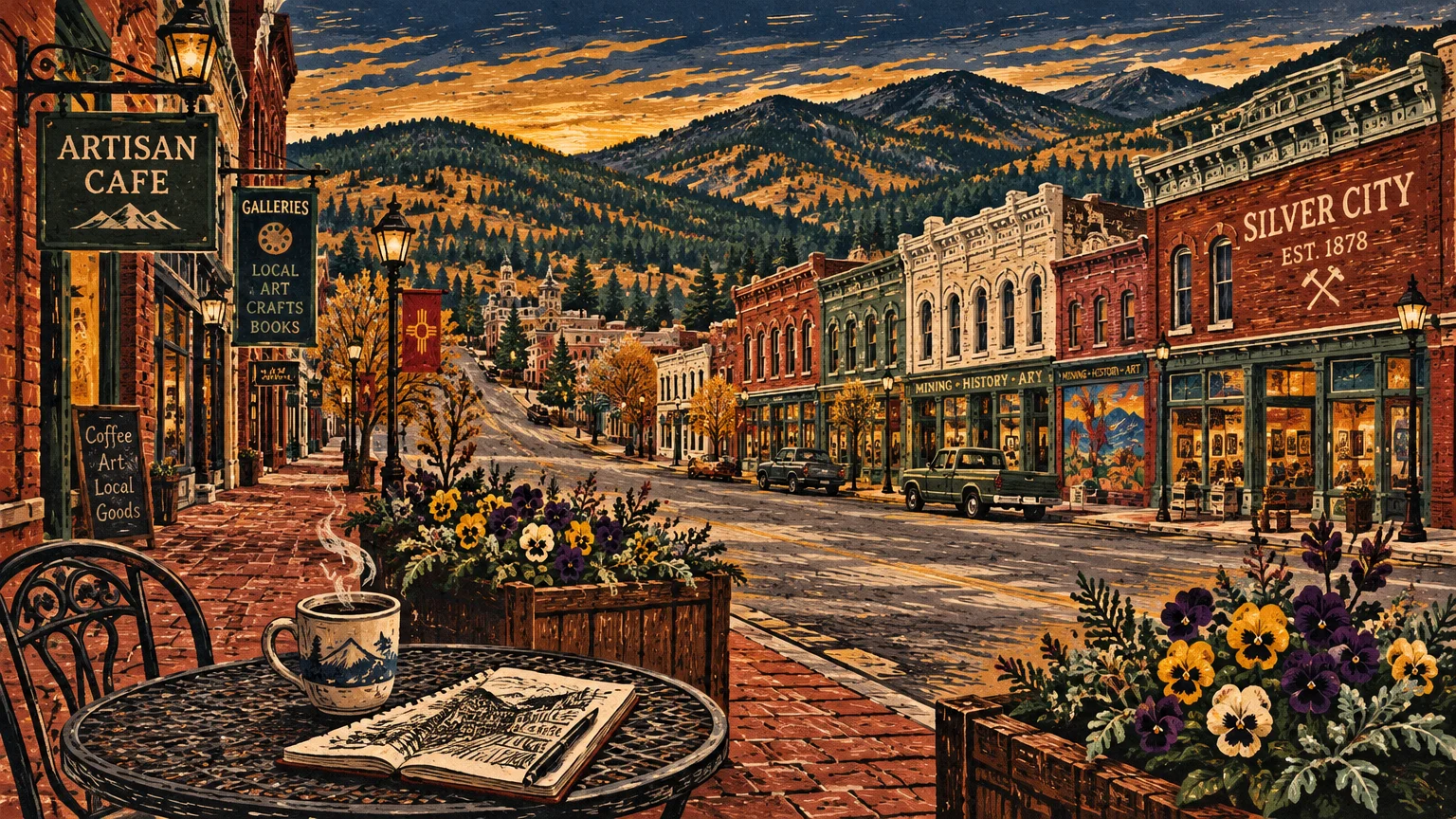
8. Silver City, New Mexico: Historic Charm Along the Continental Divide
Perched at an elevation of 5,895 feet, Silver City offers crisp, sunny winter weather near the Gila National Forest. It blends mining heritage with a progressive arts community and historic downtown architecture.
The overall median rent across all property types runs from $1,450 to $1,500 per month, sitting 21% below national averages. Traditional apartment complexes offer even deeper discounts for winter visitors.
One-bedroom apartments average between $805 and $875 per month, while two-bedroom units average $906. Residents aged 65 and older represent 27% of the town’s population.
The historic downtown features colorful Victorian homes, independent bookshops, artist-owned galleries, and regional coffee roasters. Western New Mexico University enriches the community through open museum exhibits, musical performances, and adult education programs.
Gila Regional Medical Center delivers 24-hour emergency care, surgical treatment, and specialized infusion services. Sunny winter afternoons frequently reach into the 50s and low 60s, creating pleasant conditions for exploring the surrounding national forest.
9. Casa Grande, Arizona: Affordable Central Hub Between Phoenix and Tucson
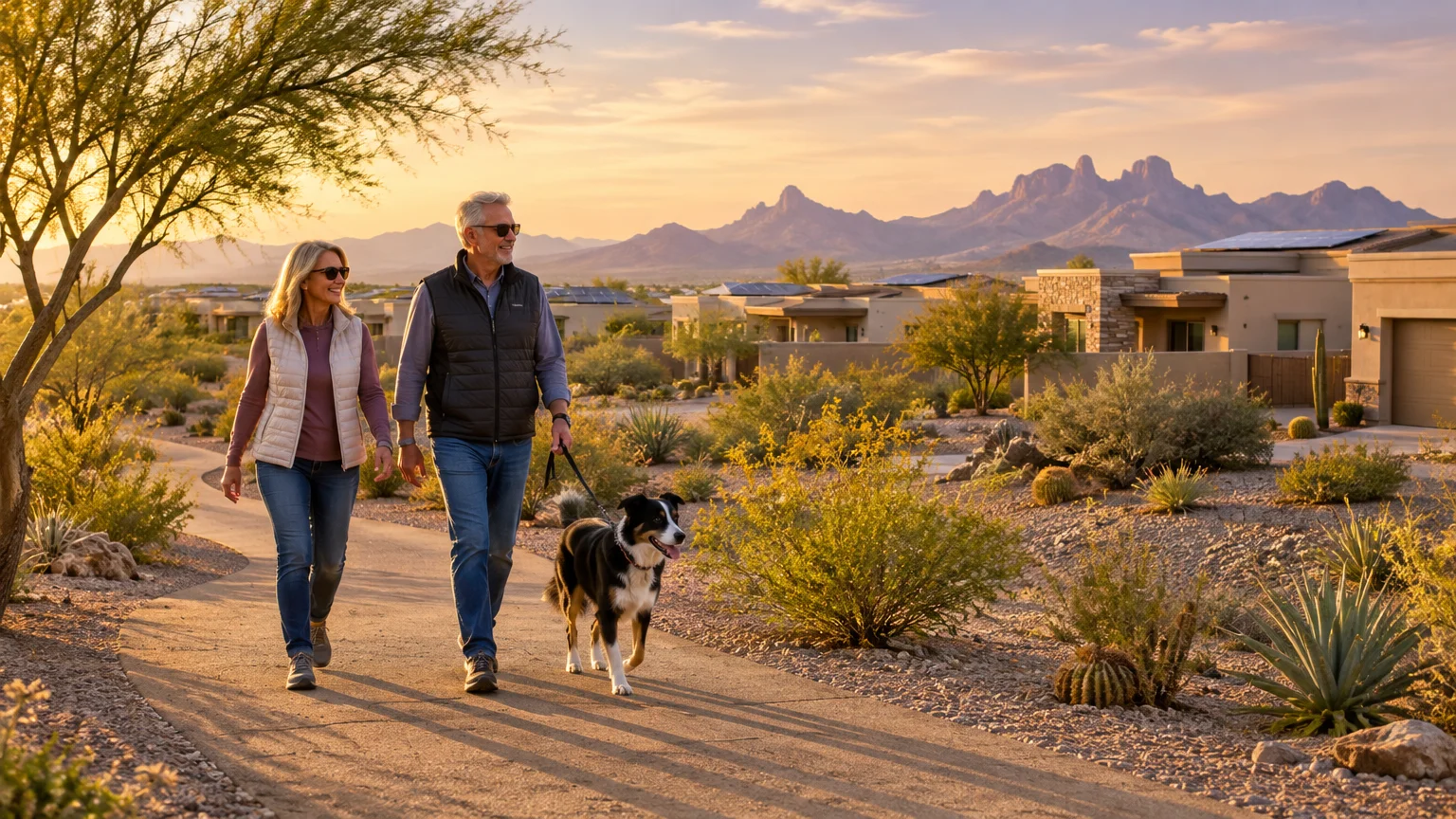
Casa Grande sits midway between Phoenix and Tucson, offering convenient access to two major metropolitan economies at a fraction of their living costs. It provides wide roadways, abundant shopping, and modern residential developments.
The city features an overall median rent between $1,697 and $1,750 per month, remaining 11% below national medians. Apartment complexes provide predictable, cost-effective winter leases.
Apartments rent for an average of $1,314 per month overall, with studio units renting between $895 and $997. One-bedroom apartments typically cost between $1,169 and $1,240 monthly.
The city operates numerous public parks, walking trails, and modern pickleball courts. Golfers appreciate multiple municipal and public courses that charge modest greens fees compared to luxury Scottsdale or Phoenix resorts.
Banner Casa Grande Medical Center anchors regional healthcare, offering specialized cardiology, emergency treatment, and orthopedics. Living here keeps you within an hour of Phoenix Sky Harbor International Airport for visits from family.

10. Apache Junction, Arizona: Desert Hiking at the Foot of the Superstitions
Apache Junction marks the eastern edge of the Phoenix metropolitan area, sitting directly beneath the Superstition Mountains. It attracts thousands of RV owners and winter renters seeking dramatic scenery and traditional desert culture.
The community posts an overall median rent between $1,590 and $1,750 per month. While single-family house rentals average $2,032 monthly, apartments remain far more economical.
Apartments average between $1,250 and $1,313 per month, with one-bedroom units renting for $1,050 to $1,100. Many manufactured home communities also offer seasonal pad rentals and park model leases at discounted winter rates.
Lost Dutchman State Park sits at your doorstep, offering scenic desert nature trails through majestic saguaro cactus forests. The park delivers world-class hiking right against the jagged cliffs of the Superstitions.
Banner Goldfield Medical Center provides local emergency care and outpatient diagnostic services. The town also connects seamlessly to the broader healthcare networks and cultural venues of Mesa, Chandler, and Scottsdale.
Comparing Southwest Winter Destinations: Costs and Highlights
Selecting your ideal winter haven requires balancing your monthly living budget against your preferred elevation, climate, and lifestyle activities. Comparing key rental figures helps you make an informed financial decision.
| Destination | Overall Median Rent | Average 1-Bed Rent | Cost vs. National Median | Primary Attraction |
|---|---|---|---|---|
| Yuma, AZ | $1,475 / mo | $850 – $963 / mo | 22% Below | Record sunshine & RV culture |
| Deming, NM | $750 – $900 / mo | $601 – $850 / mo | 53% Below | Quiet solitude & rockhounding |
| Sierra Vista, AZ | $1,198 – $1,290 / mo | $765 – $837 / mo | 37% Below | Mountain views & birdwatching |
| Truth or Consequences, NM | $923 – $1,000 / mo | $750 – $900 / mo | 47% Below | Natural thermal mineral baths |
| Bullhead City, AZ | $1,450 / mo | $945 / mo | 24% Below | River access & casino shows |
| Las Cruces, NM | $1,416 – $1,450 / mo | $800 – $850 / mo | 25% Below | Cultural festivals & low utilities |
| Green Valley, AZ | $1,550 – $1,600 / mo | $1,170 – $1,185 / mo | 16% Below | Senior recreation centers & golf |
| Silver City, NM | $1,450 – $1,500 / mo | $805 – $875 / mo | 21% Below | Art colony & historic downtown |
| Casa Grande, AZ | $1,697 – $1,750 / mo | $1,169 – $1,240 / mo | 11% Below | Central access to Phoenix & Tucson |
| Apache Junction, AZ | $1,590 – $1,750 / mo | $1,050 – $1,100 / mo | 12% Below | Superstition Mountains & RV parks |
Every destination listed provides substantial savings when compared to luxury retirement destinations in California or South Florida. Choosing low-cost communities preserves your nest egg while keeping you active throughout the winter months.
Understanding Desert Public Lands and Camping Permits
If you travel in an RV or camper van, public lands offer unmatched affordability. Federal and state agencies manage millions of desert acres across Arizona and New Mexico with dedicated seasonal programs.
The Bureau of Land Management (BLM) operates seven Long-Term Visitor Areas (LTVAs) across southern Arizona and California, including Imperial Dam near Yuma and La Posa in Quartzsite. A seasonal permit costs $180, covering your stay from September 15 through April 15.
That $180 fee covers seven full months of winter camping, granting access to trash disposal, water stations, and vault toilets. If you plan a shorter visit, a 14-day consecutive pass costs $40.
Standard dispersed BLM land outside official LTVAs is free, though regulations limit your stay to 14 days within any 28-day window. You must move your campsite at least 25 miles after reaching the 14-day limit.
State park rules require careful financial planning. Following a major fee restructuring, New Mexico eliminated its popular $225 out-of-state annual camping pass.
The New Mexico Annual Camping Pass now costs $600 for non-residents and $300 for New Mexico residents. In-state seniors aged 62 and older can buy the resident pass for $150.
The New Mexico pass covers your base developed site fee, but campers must still pay nightly utility hookup fees. Electric hookups cost $10 per night, water costs $5, and sewer connections cost $5.
If you camp in New Mexico developed parks without an annual pass, nightly rates are $20 for non-residents and $15 for residents, plus utility charges. Meanwhile, an Arizona State Parks Annual Pass costs $200, covering day-use entry for up to four people across all state parks.
Pitfalls to Watch For When Planning Your Winter Stay
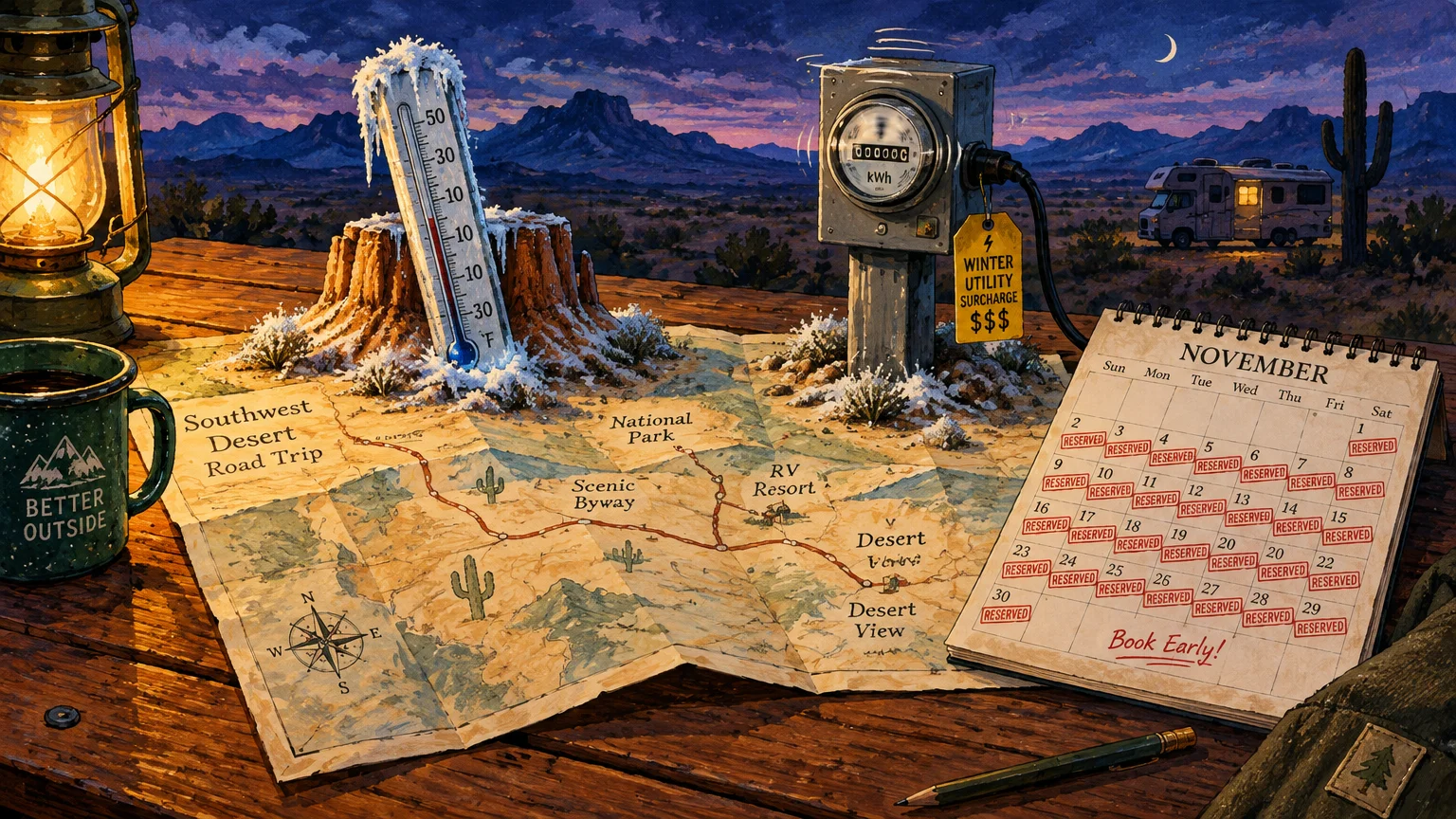
Relocating to the desert for three to six months requires thoughtful financial and logistical preparation. Avoiding common pitfalls protects your physical comfort and your seasonal bank account.
- Overlooking Short-Term Rental Surcharges: Booking vacation rentals through commercial platforms often adds substantial cleaning, service, and local lodging taxes. Work directly with licensed local property managers to negotiate multi-month leases that avoid transient occupancy taxes. You can review fair market rental trends through resources provided by the U.S. Department of Housing and Urban Development.
- Underestimating Desert Night Temperatures: While daytime desert temperatures remain sunny and mild, clear night skies cause rapid cooling. High-desert destinations like Silver City, Sierra Vista, and Deming frequently experience freezing overnight temperatures. Ensure your RV or rental home features efficient heating systems to prevent unexpected utility spikes or frozen plumbing.
- Ignoring Out-of-Network Healthcare Costs: If you use a Medicare Advantage plan, your policy network may not cover non-emergency healthcare outside your primary home state. Review your network rules on Medicare.gov before traveling, or consider a standard Medicare Supplement plan that travels nationwide. Addressing medical logistics early prevents unexpected out-of-pocket bills during your stay.
- Neglecting Vehicle and Rig Sun Protection: Intense southwestern ultraviolet radiation damages RV roof seals, passenger vehicle tires, and wiper blades rapidly. Inspect your seals before arriving, and invest in UV wheel covers to prevent expensive roadside tire blowouts during your spring journey home.
“Retirement is not the end of the road. It is the beginning of the open highway, provided you build a spending plan that protects your principal.” — Jean Chatzky, Financial Educator and Author
Smart Strategies to Maximize Your Seasonal Budget
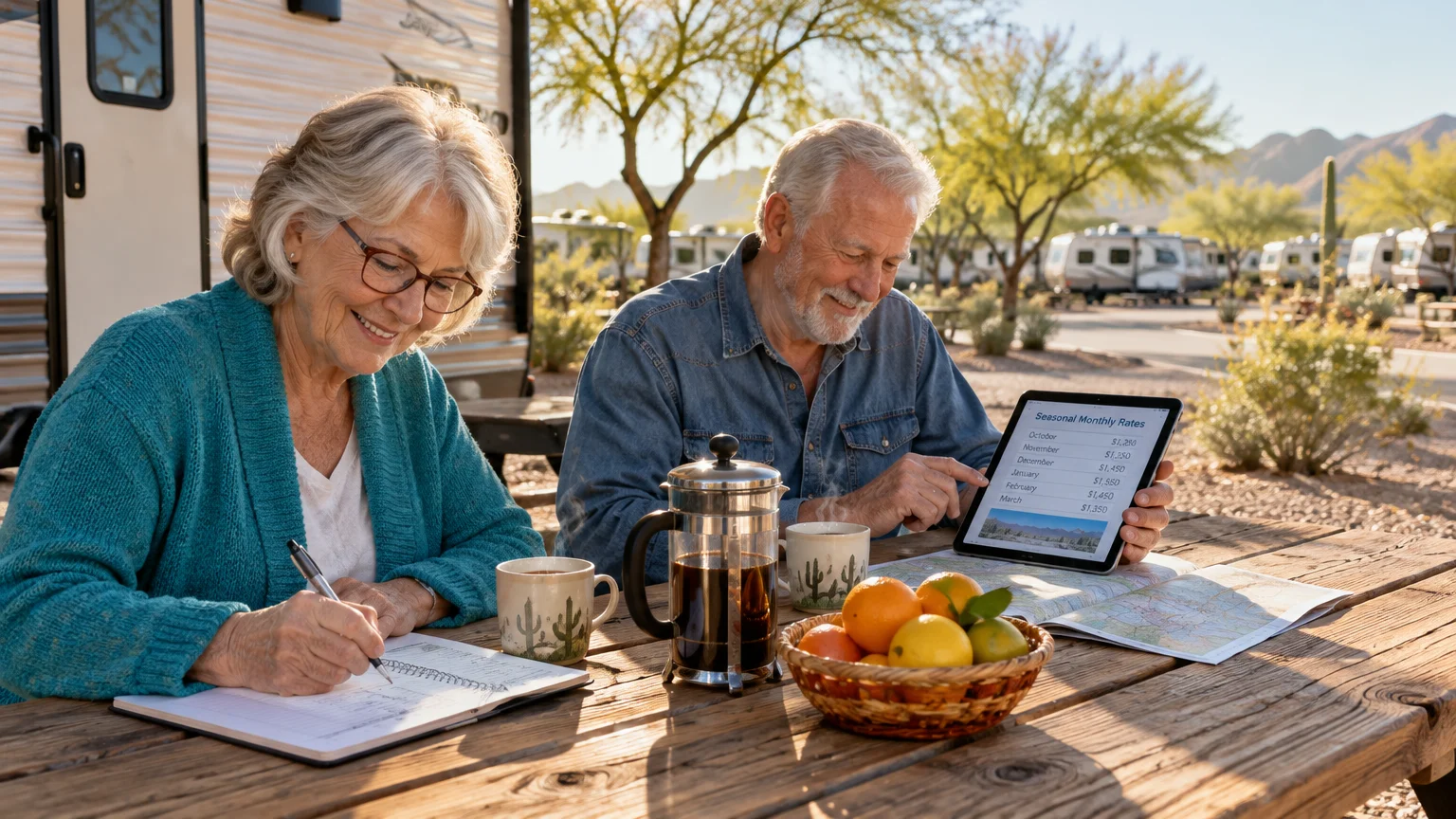
Planning your winter retreat well in advance lets you lock in favorable rental terms before seasonal peak demand arrives. Most popular RV parks and rental agencies open winter booking calendars up to twelve months early.
Contact private RV parks and community landlords between March and June to negotiate extended-stay discounts. Offering to pay upfront for three or four consecutive months often yields savings of 10% to 20% compared to standard month-to-month quotes.
Take advantage of community recreation passes rather than paying for private club memberships. Facilities like Green Valley Recreation or local municipal recreation complexes offer swimming, fitness, and hobby facilities for a fraction of private gym prices.
Review your personal cash flow before departing for the season. The Consumer Financial Protection Bureau provides helpful planning tools to ensure your seasonal expenses do not disrupt your long-term retirement savings.
“A big part of financial freedom is having your heart and mind free from worry about the what-ifs of life.” — Suze Orman, Personal Finance Expert
You can also access supportive community tools and senior lifestyle guidance through trusted organizations like AARP. Connecting with organized senior networks gives you immediate access to localized snowbird meetups, community dinners, and discount recreation days.
Frequently Asked Questions About Southwest Winter Stays
What is the cheapest town in the Southwest for retirees during winter?
Deming, New Mexico stands out as the most affordable town, with median monthly apartment rents starting between $601 and $850. For RV travelers, BLM Long-Term Visitor Areas near Yuma and Quartzsite, Arizona provide seven months of winter camping for just $180.
Can I use my health insurance while spending winter in Arizona or New Mexico?
Original Medicare with a Medicare Supplement (Medigap) policy covers you at any medical provider nationwide that accepts Medicare. If you have a Medicare Advantage plan, you must check whether your plan includes travel networks, as out-of-network non-emergency care may not be covered.
How early should I book winter rentals in the Southwest?
You should book seasonal apartments, park models, and private RV spaces at least six to nine months in advance. Many retirees confirm their winter reservations for the following season before leaving in March or April.
Do I need to pay state income taxes if I spend four months in the Southwest?
Generally, spending three to four months in Arizona or New Mexico as a seasonal visitor does not establish state tax residency, provided your primary home and income sources remain in your home state. Always track your physical days of presence to ensure you stay below state statutory residency thresholds.
Making Your Southwest Winter Escape a Reality
Trading freezing ice storms for warm desert sunsets is an achievable goal on almost any retirement budget. By selecting communities with below-average housing costs, you keep your fixed expenses under control while enjoying a vibrant, active winter lifestyle.
Start by auditing your monthly retirement cash flow and choosing the destination that aligns with your favorite outdoor hobbies and medical needs. Reach out to local housing contacts early, reserve your seasonal spot, and prepare to enjoy an affordable winter season under clear desert skies.
This is educational content based on general financial principles for seniors. Individual results vary based on your situation. Always verify current benefit amounts, tax rules, and program eligibility with official government sources.
Last updated: October 2026. Benefit amounts, tax rules, and program details change annually—verify current figures with official government sources.



Leave a Reply