

When you pass away, your unused retirement savings transfer directly to your named beneficiaries through legal contract rules rather than your traditional will. Understanding how inherited 401(k)s and IRAs move to your loved ones empowers you to protect your family’s financial security while minimizing their future tax burden. Recent federal legislation, including the SECURE Act and updated Internal Revenue Service regulations, altered how non-spouse heirs must distribute inherited funds. By auditing your account designations, learning distribution schedules, and taking proactive planning steps today, you ensure your remaining nest egg supports your heirs efficiently rather than getting consumed by unexpected income taxes or probate court delays.
1. How Retirement Accounts Transfer: Beneficiary Designations vs. Wills
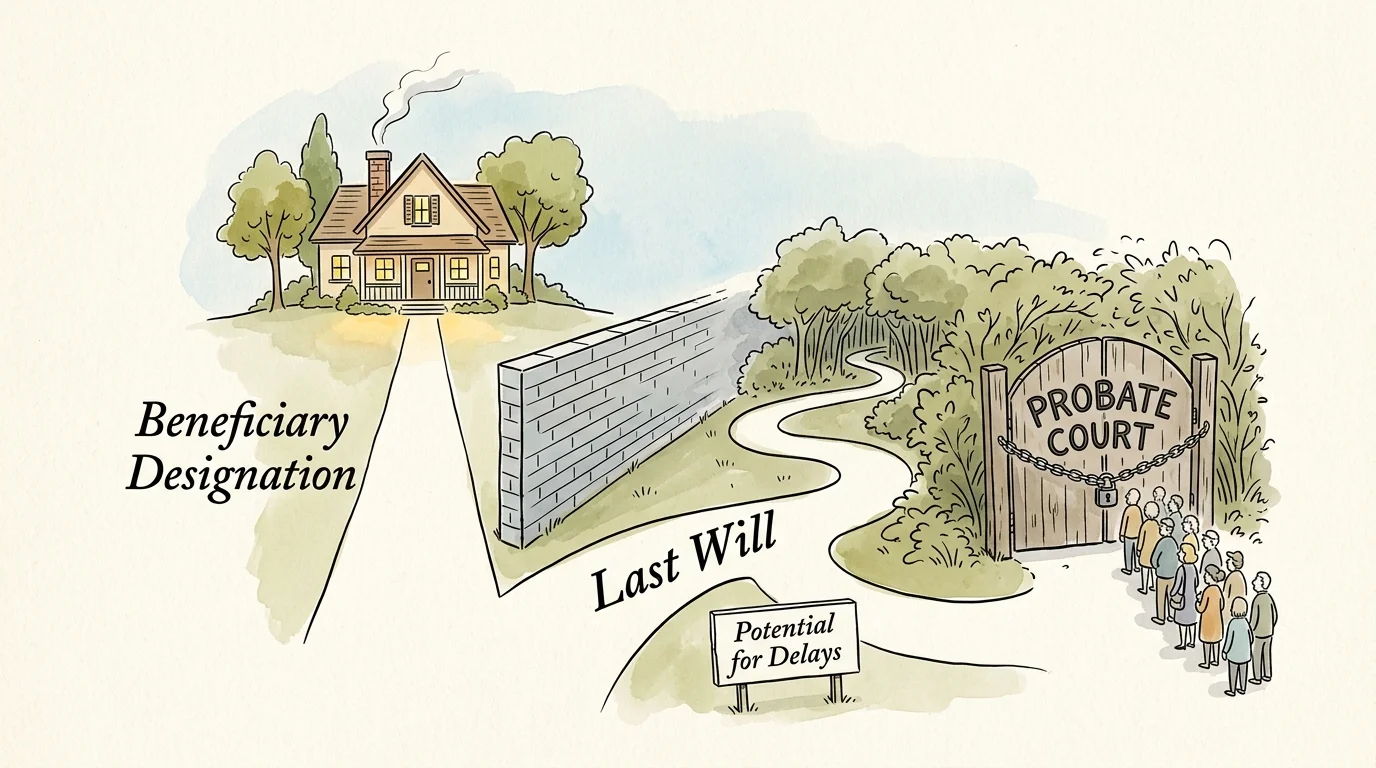
Many people assume that writing a Last Will and Testament dictates how financial assets move after death. Retirement accounts—such as traditional IRAs, Roth IRAs, 401(k)s, and 403(b)s—operate under contract law. When you open a retirement account, you sign a custodian agreement that includes a beneficiary designation form. This legal document creates a direct contract between you and the financial institution, instructing them precisely who receives your remaining balance upon your death.
Because contract law takes precedence over probate administration, your beneficiary form overrides any conflicting instructions inside your will. If your will states that all assets should go to your children, but your 401(k) designation still lists a former spouse, the financial institution must legally pay the funds to your former spouse. Probate courts will not intervene to change a valid account beneficiary form.
You can structure your designations using two primary levels of ownership:
- Primary Beneficiaries: The individuals, trusts, or charitable organizations first in line to receive your retirement assets upon your death. You can divide your assets among multiple primary beneficiaries by assigning exact percentages.
- Contingent Beneficiaries: The backup heirs who inherit your funds only if all primary beneficiaries pass away before you or disclaim their inheritance. Listing contingent beneficiaries protects your accounts from defaulting to your estate.
You can review and update these designations at any time through your custodian’s online portal or paper forms. Reviewing these forms after major life events—such as marriages, divorces, births, or deaths—ensures your money reaches the loved ones you intended to support.

2. Rules for Surviving Spouses: Maximum Flexibility and Options
Federal tax law grants surviving spouses unique privileges when inheriting retirement savings. If you leave your traditional or Roth account to your husband or wife, they gain access to options unavailable to other heirs. These options allow them to preserve tax-deferred growth or manage income needs effectively.
A surviving spouse who inherits a retirement account can choose from three main paths:
- Spousal Rollover into Their Own Account: Your spouse can roll the inherited funds directly into their own existing or new IRA. The transferred balance assumes the rules of their personal account. Your spouse will not need to take Required Minimum Distributions (RMDs) until they reach their own required starting age, which current legislation under the SECURE 2.0 Act sets at age 73 (rising to 75 in 2033).
- Treat the Account as an Inherited IRA: If your spouse is under age 59½ and needs immediate income, maintaining the account as an inherited IRA provides distinct advantages. Your spouse can make withdrawals without paying the standard 10% early withdrawal penalty, though ordinary income tax still applies to traditional account distributions.
- Execute a Qualified Disclaimer: If your surviving spouse does not need the funds and prefers the assets to pass directly to secondary heirs, they can sign a formal waiver within nine months of your passing. The balance then moves directly to your listed contingent beneficiaries without incurring gift taxes.
Because surviving spouses enjoy these options, designating your spouse as a primary beneficiary remains one of the simplest ways to maintain tax efficiency across joint lifetimes.
3. The SECURE Act and the 10-Year Depletion Rule for Non-Spouse Heirs
For decades, non-spouse beneficiaries—such as adult children or grandchildren—could use a financial strategy known as the “stretch IRA.” This strategy allowed heirs to stretch required withdrawals over their personal life expectancies, allowing inherited accounts to compound tax-free or tax-deferred for many decades. Congress largely eliminated this strategy when passing the SECURE Act of 2019.
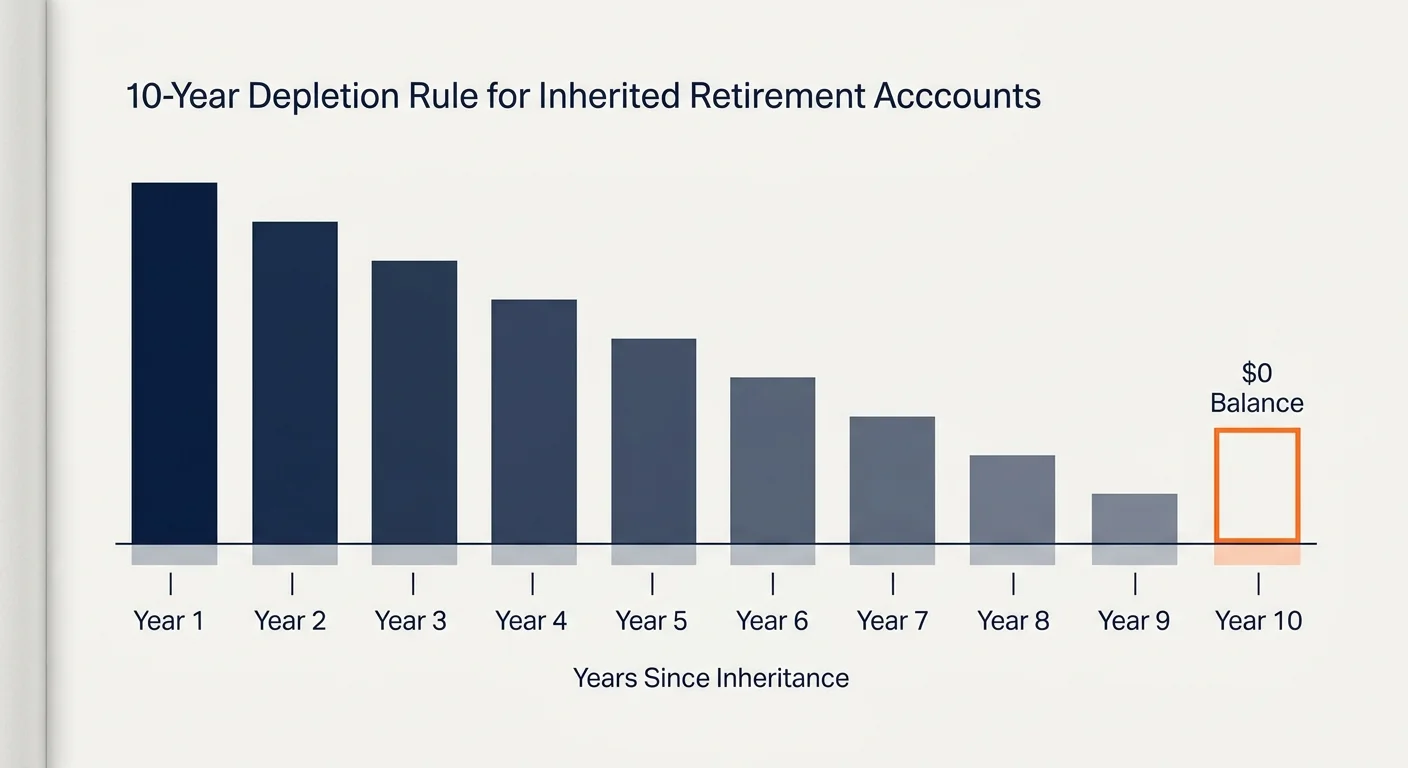
For account owners who pass away on or after January 1, 2020, most non-spouse beneficiaries must empty the entire balance of an inherited traditional IRA, Roth IRA, or workplace 401(k) by December 31 of the 10th year following the owner’s death. This requirement is commonly called the 10-year rule.
In July 2024, the Internal Revenue Service (IRS) published Treasury Decision 10001, finalizing long-awaited regulations regarding how distributions must occur during that 10-year period. The exact schedule depends directly on whether you pass away before or after your required beginning date for RMDs:
- If You Pass Away BEFORE Your RMD Starting Age (Age 73): Your non-spouse heir does not have to take annual distributions during years 1 through 9. They can withdraw funds in any amount, at any frequency, provided they fully liquidate the account by the end of the 10th year.
- If You Pass Away ON OR AFTER Your RMD Starting Age (Age 73): Your non-spouse heir must take annual RMDs during years 1 through 9 based on their own single life expectancy. They must then completely empty the remaining balance by December 31 of the 10th year. Annual distribution penalties under these finalized rules become fully enforced starting in the 2025 tax year.
Consider how this impacts an adult child. If your 55-year-old child inherits a $400,000 traditional IRA after you reached age 73, they must take mandatory annual payouts each year for nine years, then withdraw every remaining dollar in year 10. Because traditional IRA withdrawals count as ordinary taxable income, forced distributions during an heir’s peak earning years can push them into significantly higher federal and state income tax brackets.
4. Eligible Designated Beneficiaries: The Five Special Exceptions
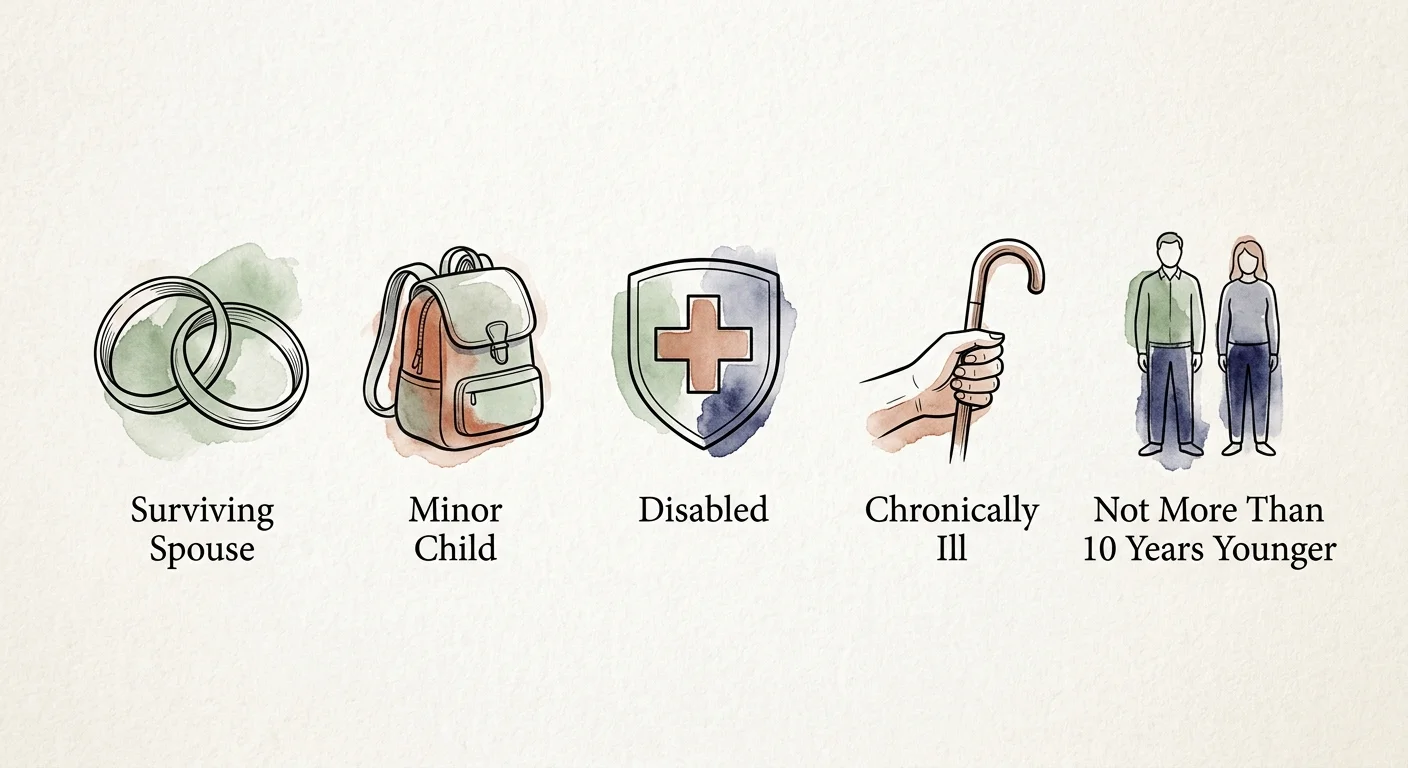
Recognizing that certain individuals require longer-term financial support, federal law exempts five specific categories of heirs from the rigid 10-year depletion rule. Known as Eligible Designated Beneficiaries (EDBs), these individuals can still distribute inherited traditional or Roth accounts over their personal single life expectancy:
- Surviving Spouses: As detailed earlier, spouses maintain full stretch privileges or the ability to roll accounts into their own name.
- Minor Children of the Account Owner: Your biological or adopted minor children can take distributions based on their life expectancy while they remain legal minors. However, once the child reaches age 21, the exception ends, and the 10-year depletion clock begins immediately. (Note: This exemption applies only to your direct children, not grandchildren or nieces and nephews).
- Disabled Individuals: Beneficiaries who meet the strict statutory definition of total and permanent disability under Internal Revenue Code Section 72(m)(7) or Social Security Administration guidelines can stretch payouts over their lifetime.
- Chronically Ill Individuals: Beneficiaries certified by a licensed healthcare professional as having a long-term illness requiring substantial assistance with activities of daily living can utilize life-expectancy distributions.
- Beneficiaries Not More Than 10 Years Younger: Individuals who are close to your age—such as a sibling, unmarried partner, or friend who is not more than 10 years younger than you—can calculate distributions over their single life expectancy.
To qualify as an EDB, the beneficiary’s status must exist on the exact date of the account owner’s death. Proper documentation must be submitted to the account custodian during probate administration to establish lifetime payout status.
5. Inherited Traditional IRAs vs. Inherited Roth Accounts
The tax treatment of unused retirement savings depends heavily on whether the money sits in a traditional pre-tax account or a post-tax Roth account. Understanding these distinctions helps you structure your estate efficiently.
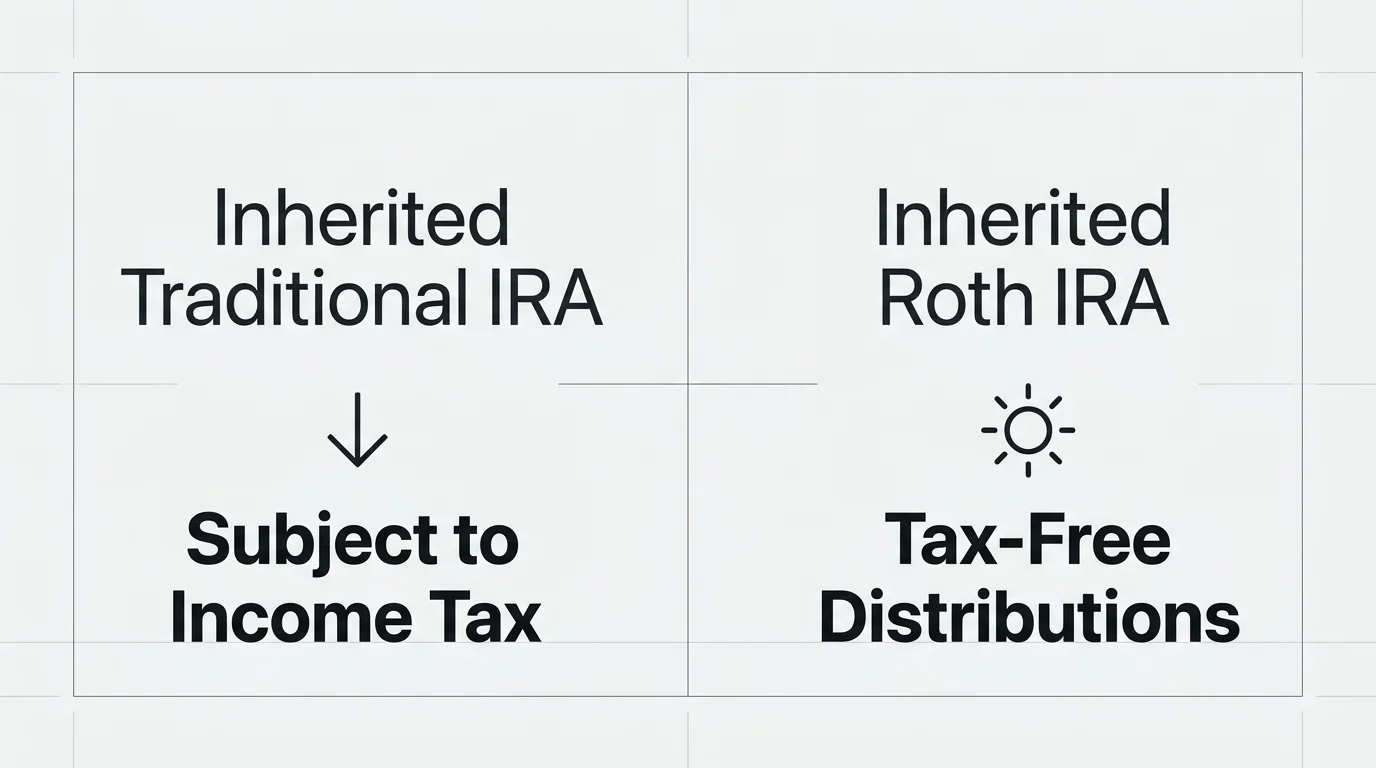
When an heir receives an inherited traditional IRA or 401(k), every dollar withdrawn represents taxable ordinary income in the year distributed. Pre-tax contributions and accumulated investment growth have never been taxed; therefore, federal and state tax authorities collect their share upon withdrawal.
Inherited Roth IRAs and Roth 401(k)s operate under entirely different tax rules. Because original contributions were made with post-tax dollars, distributions taken by your heirs are 100% federal-income-tax-free, provided the Roth account has satisfied the IRS 5-year aging rule. Non-spouse heirs who inherit a Roth account must still comply with the 10-year depletion deadline, but they are never required to take mandatory annual RMDs in years 1 through 9, regardless of your age when you passed away.
“The absolute worst place to leave money to your children is through a traditional IRA, unless you have planned for the tax consequence.” — Ed Slott, CPA and IRA Expert
This structural difference creates a significant opportunity for Roth IRA heirs. A non-spouse beneficiary can leave an inherited Roth IRA untouched for nearly ten full years, allowing the balance to grow completely tax-free, and then execute a lump-sum tax-free withdrawal in the tenth year.
| Account Type & Owner Status | Tax Status of Withdrawals | Annual RMDs (Years 1–9)? | Final Account Liquidation Deadline |
|---|---|---|---|
| Inherited Traditional IRA (Owner died after RMD age 73) |
Taxable as ordinary income | Yes (Based on beneficiary’s life expectancy) | End of Year 10 following death |
| Inherited Traditional IRA (Owner died before RMD age 73) |
Taxable as ordinary income | No (Withdrawals optional during years 1–9) | End of Year 10 following death |
| Inherited Roth IRA (Owner died at any age) |
100% Tax-Free (If 5-year rule met) |
No (Withdrawals optional during years 1–9) | End of Year 10 following death |
| Spousal Rollover (Traditional or Roth) |
Follows spouse’s account status | No until spouse reaches personal RMD age (73/75) | Spouse’s life expectancy / regular rules |
6. What Happens When You Do Not Name a Beneficiary?
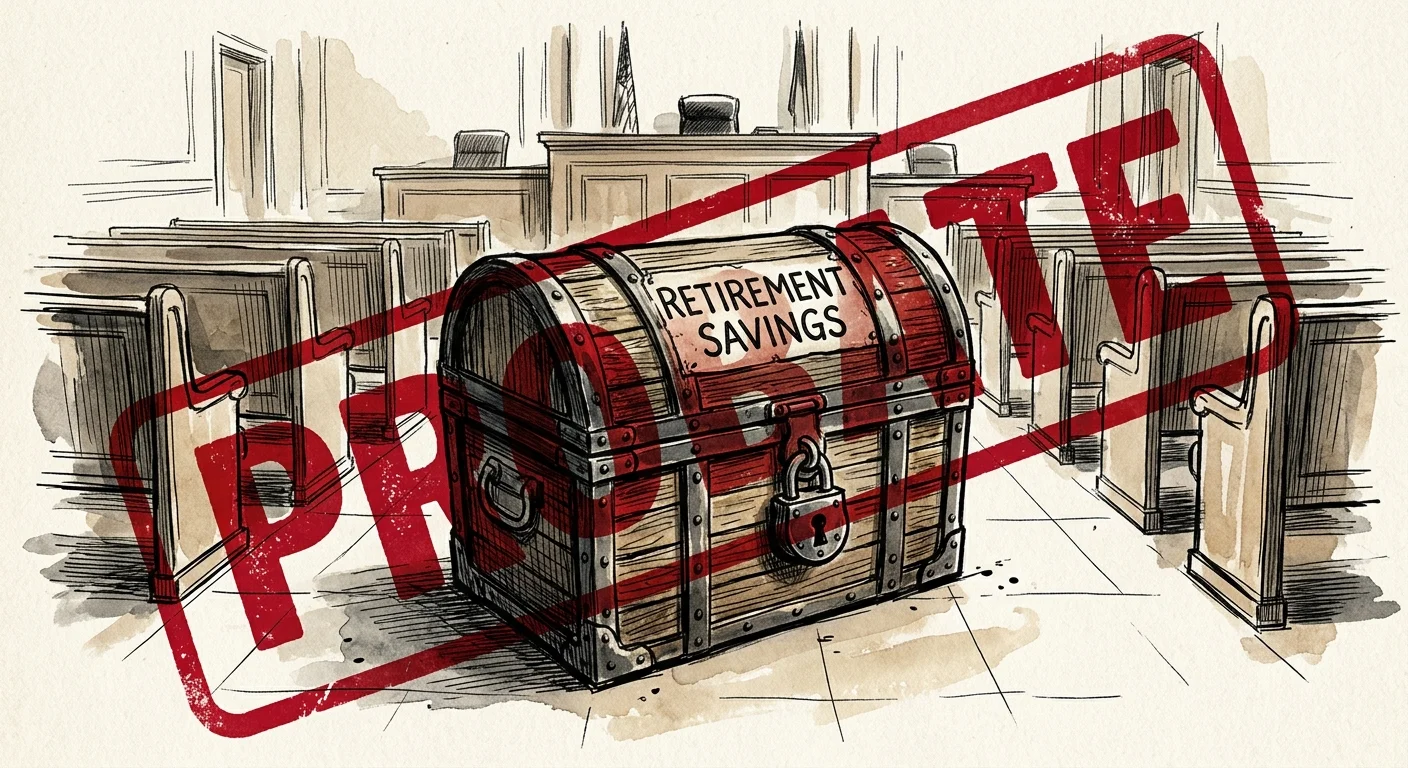
If you fail to list beneficiaries on your retirement accounts, or if your named primary and contingent beneficiaries pass away before you, your assets fall victim to default clauses in the custodian’s contract. In almost every case, the custodian defaults the account to your probate estate.
Allowing retirement funds to pass into your probate estate creates three major financial disadvantages:
- Loss of Direct Contractual Transfer: Funds pass through probate court, exposing them to legal delays, filing fees, and executor fees. Information regarding your estate becomes part of public court records.
- Accelerated Tax Deadlines: If you pass away before your required RMD age without a named beneficiary, your estate must fully withdraw the account balance under the strict 5-year rule. Accelerating distributions into five years compresses income taxation into a shorter window. If you pass away after reaching RMD age, distributions must occur using your remaining statistical life expectancy.
- Loss of Spousal Options and Stretch Provisions: Estates cannot roll money over into personal IRAs, completely stripping surviving family members of flexible distribution strategies.
You can verify your current primary and contingent designations by logging into your account management tools or calling your financial institution directly. According to consumer educational guidance from the SEC Investor.gov program, maintaining up-to-date account designations is one of the most effective ways to avoid probate fees and administrative friction.

7. Pitfalls to Watch For
Navigating inherited retirement savings involves complex tax codes. Seniors often fall into common traps that reduce their family’s wealth. Watching for these critical mistakes keeps your assets protected:
- Failing to Update Forms After Life Changes: Wills do not overwrite beneficiary forms. Divorce, remarriage, or the death of a child requires immediate updates to primary and contingent designations. Never assume your executor can sort out outdated forms after you pass away.
- Ignoring the IRS Annual RMD Rule for Inherited Accounts: Many non-spouse heirs assume they can ignore an inherited traditional account for nine years and withdraw everything in year ten. Under IRS Treasury Decision 10001, if you pass away after age 73, your heir must take annual RMDs in years 1 through 9. Under the SECURE 2.0 Act, missing an RMD results in a statutory excise tax penalty of 25% of the missed amount (which drops to 10% if corrected within a two-year window).
- Leaving Large Pre-Tax Accounts Directly to High-Earning Children: If your children are in their 50s earning peak salaries, forcing them to absorb large traditional IRA distributions within ten years can push them into top tax brackets. Strategic Roth conversions executed during your lower-bracket retirement years can mitigate this burden.
- Designating Minor Children Directly Without Custodial Planning: Financial institutions cannot legally pay large lump sums directly to minors. If you list a young grandchild as a direct beneficiary without establishing a Uniform Transfers to Minors Act (UTMA) account or protective trust, probate courts must appoint a financial guardian, creating unnecessary expense.

8. Getting Expert Help
While standard beneficiary forms work well for straightforward family structures, personal finance scenarios often require professional coordination. Consider working with a Certified Financial Planner (CFP) or Certified Public Accountant (CPA) if you experience any of the following situations:
- You Have a Blended Family: If you have remarried and want to ensure your current spouse receives lifetime support while guaranteeing that remaining principal ultimately transfers to biological children from a prior marriage, standard designations may fall short. Professional legal trusts—such as Qualified Terminable Interest Property (QTIP) trusts—can satisfy both goals.
- You Plan to Leave Pre-Tax Money to Charities: Leaving traditional pre-tax IRAs to tax-exempt 501(c)(3) charitable organizations yields massive tax benefits. Charities pay 0% income tax on traditional IRA distributions, whereas your family members would pay full income tax rates. Leaving pre-tax accounts to charity while leaving post-tax accounts (like Roth IRAs or stepped-up brokerage assets) to children maximizes total wealth transfer.
- You Support an Heir with Special Needs: Direct inheritances can disqualify family members with special needs from receiving vital government assistance, such as Medicaid or Supplemental Security Income (SSI). Setting up a properly structured Special Needs Trust (SNT) allows inherited retirement savings to enhance your heir’s quality of life without disrupting public benefits.
- You Inherited an Account Between 2020 and 2025: Due to shifting IRS guidance following the passage of the SECURE Act, heirs who inherited accounts in recent years faced temporary relief from missed RMD penalties. Working with a qualified tax accountant clarifies your exact required withdrawal schedule starting in the 2025 tax year.
9. Simple Steps to Secure Your Retirement Legacy Today
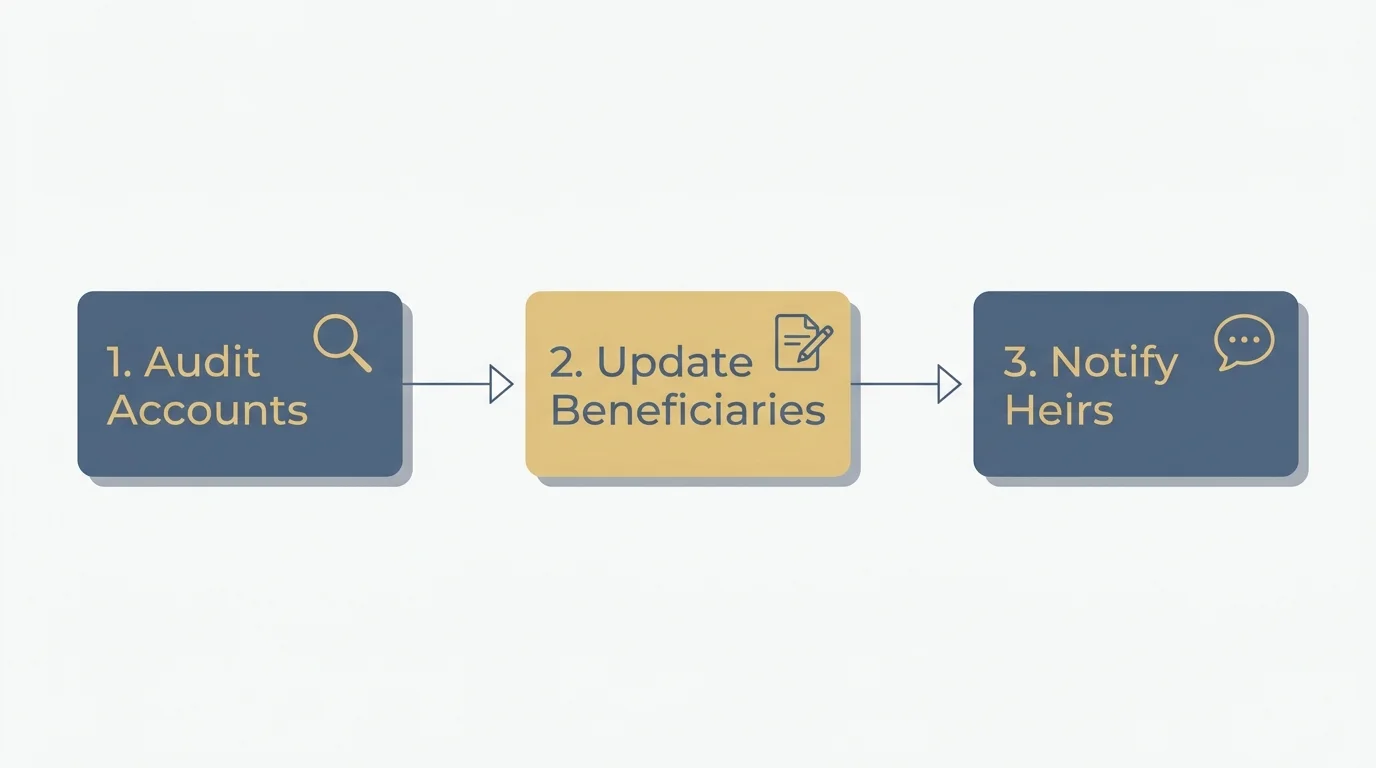
Taking action now ensures your retirement savings transition smoothly to your heirs without tax surprises. You can execute these practical steps today:
- Conduct an Asset and Beneficiary Audit: Gather current statements for every traditional IRA, Roth IRA, 401(k), 403(b), and pension you own. Verify that primary and contingent beneficiaries are listed accurately on every individual account.
- Calculate Your Heirs’ Relative Tax Brackets: Compare your current marginal tax bracket against the estimated future tax brackets of your heirs. If you are in the 12% or 22% federal bracket and your adult children are in higher brackets, executing partial Roth conversions during your retirement years can save your family thousands in aggregate taxes.
- Establish Contingent Beneficiaries: Ensure every primary beneficiary has a listed contingent beneficiary. This simple step guarantees that if a primary heir predeceases you, the assets bypass probate administration completely.
- Coordinate Your Estate Plan with Financial Custodians: Share copies of your beneficiary confirmation documents with your estate planning attorney or financial advisor to confirm that your financial contracts match your broader estate goals.
For additional regulatory insights and estate management guides, consult educational materials provided by the Consumer Financial Protection Bureau (CFPB) and practical retirement planning tools available through AARP.
Frequently Asked Questions
Do my heirs have to pay estate taxes on my inherited retirement account?
Most Americans will not owe federal estate taxes because federal exemption thresholds remain high ($13.99 million per individual in 2025). However, traditional IRA and 401(k) withdrawals represent taxable ordinary income to your beneficiaries. Inherited income taxes are separate from federal estate taxes.
Can I leave my IRA to a trust instead of individual people?
Yes, you can name a trust as your account beneficiary. However, because trust tax brackets reach top rates at very low income levels, trusts must be drafted carefully as “see-through” or “conduit” trusts under IRS rules to ensure distributions are taxed at the individual beneficiary’s rates rather than high trust tax rates.
What happens if a named beneficiary dies before I do?
If a primary beneficiary passes away before you, their designated share is reallocated among surviving primary beneficiaries, or moves to your contingent beneficiaries, depending on whether you selected “per stirpes” or “per capita” designations on your custodian’s form. Reviewing your forms annually ensures your true intentions remain active.
Does SECURE 2.0 change my own RMD starting age?
Yes. The SECURE 2.0 Act raised the required beginning age for original account owners to age 73. If you were born between 1951 and 1959, your RMD starting age is 73. For individuals born in 1960 or later, the RMD age rises to 75 starting in 2033. Roth IRAs do not require any lifetime RMDs for the original account owner.
Taking time today to review your retirement account designations guarantees that your hard-earned savings provide maximum financial support to your loved ones. Clear planning removes guesswork, cuts unnecessary taxes, and leaves a lasting legacy for the people and causes you care about most.
This article provides general financial education and information only. Everyone’s financial situation is unique—what works for others may not work for you. For personalized advice tailored to your retirement needs, consider consulting a qualified financial professional such as a CFP or CPA.
Last updated: February 2026. Benefit amounts, tax rules, and program details change annually—verify current figures with official government sources.








Leave a Reply