

A Qualified Charitable Distribution allows you to transfer retirement funds directly to a charity without paying federal income tax. This tax-friendly maneuver also satisfies your required minimum distribution without raising your adjusted gross income.
A single procedural error can quickly turn a tax-free gift into an unwelcome, fully taxable distribution. Custodians and charities cannot fix these missteps once money leaves your account.
Knowing the core rules helps you protect your retirement savings while supporting the causes you cherish. Avoiding these eight common mistakes keeps your donations smooth and completely tax-free.
Mistake 1: Donating Before Reaching Exact Age 70½
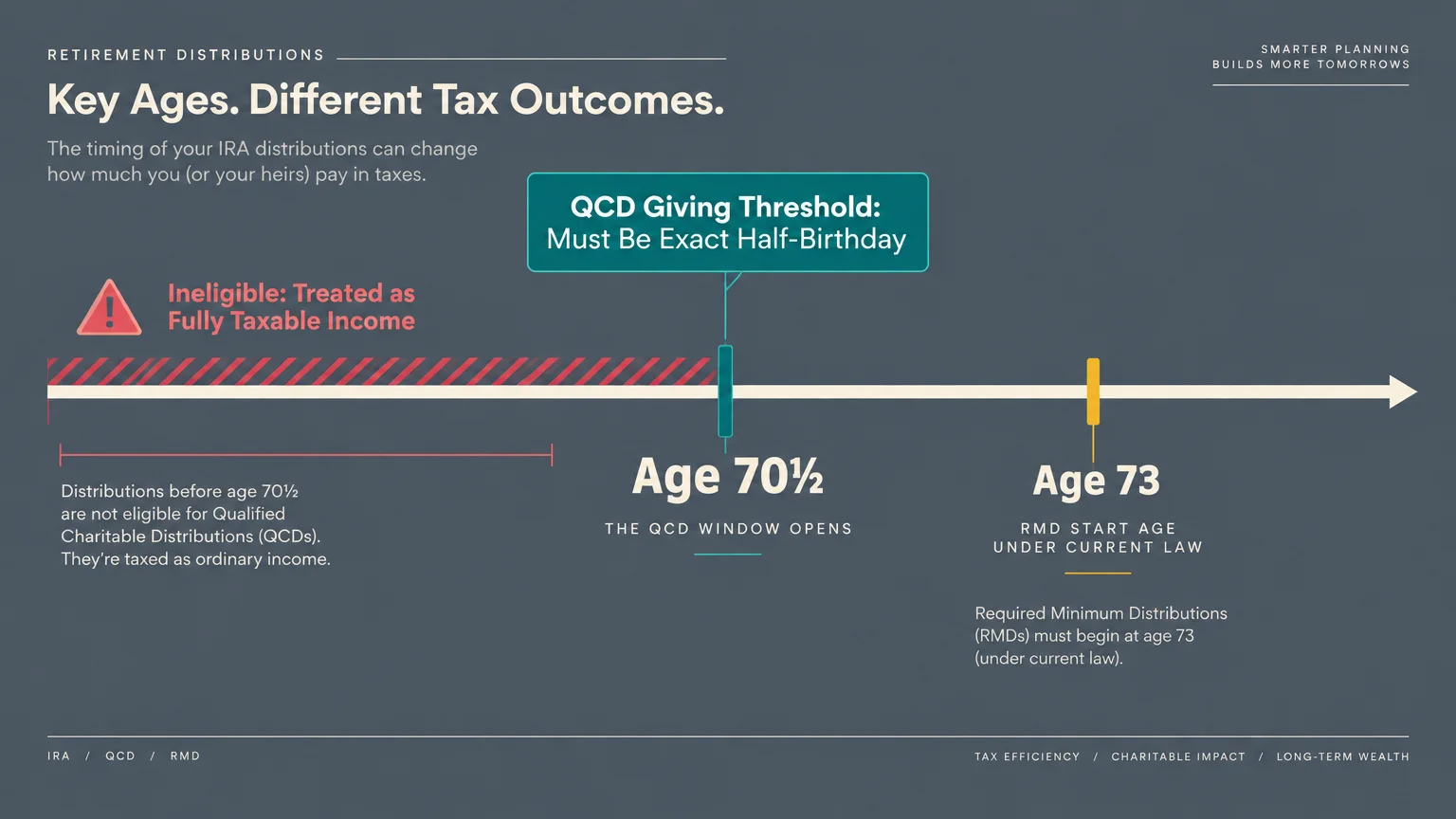
You must be at least 70½ years old on the exact day your distribution leaves your IRA. Donating even one week before your official half-birthday invalidates the tax exemption completely.
Many retirees confuse the giving age with the Required Minimum Distribution (RMD) age. While federal legislation pushed RMDs to age 73, Congress kept the baseline threshold for charitable gifts at 70½.
If you transfer funds too early, the IRS treats the withdrawal as standard taxable income. You cannot reverse the transaction once your financial custodian processes the paperwork.
Mistake 2: Taking the Check in Your Own Name
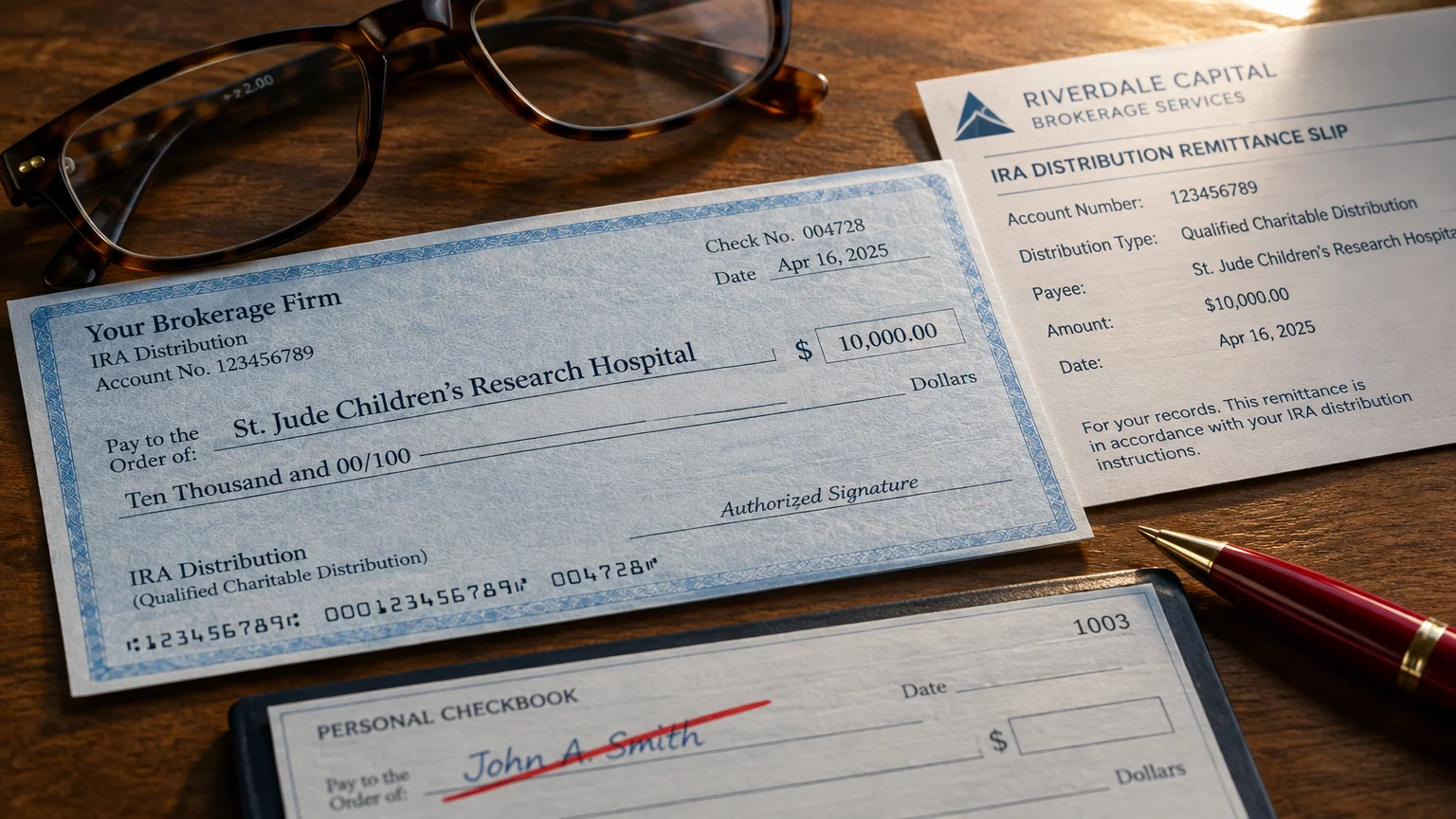
The IRS requires an IRA custodian to make your charitable donation payable directly to an eligible non-profit. If your custodian issues a check payable to you personally, the distribution becomes immediately taxable.
You cannot deposit the money into your personal bank account and subsequently write a personal check to the charity. Doing so converts your intended tax-free gift into a regular IRA withdrawal.
Your custodian may mail the check directly to the organization on your behalf. Alternatively, they can send a check made payable to the charity directly to your home address for personal delivery.
Mistake 3: Attempting a Transfer From an Ineligible Account
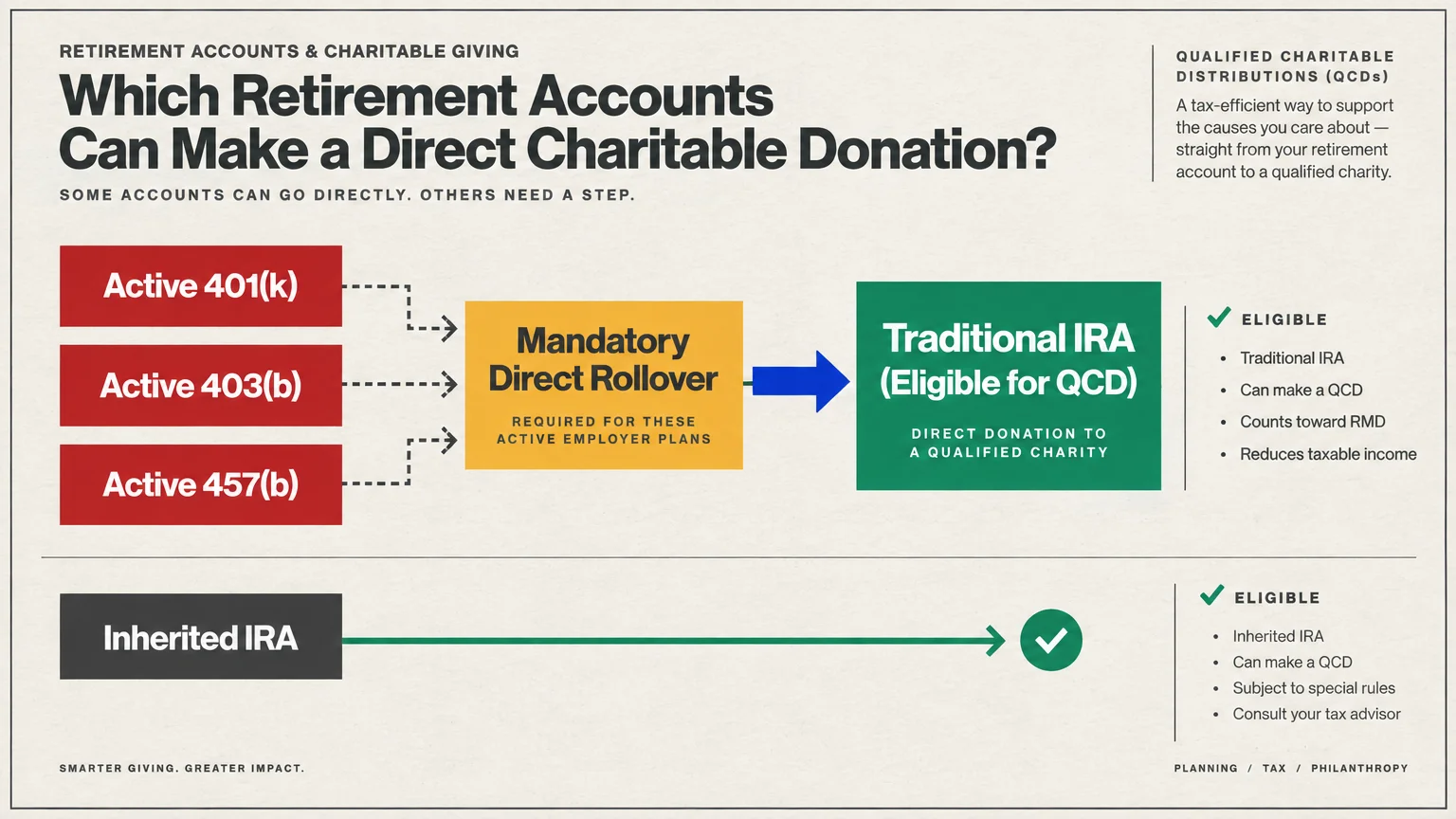
Qualified Charitable Distributions apply exclusively to traditional IRAs, inherited IRAs, and inactive SEP or SIMPLE plans. You cannot send a direct transfer from an active employer-sponsored 401(k), 403(b), or 457(b) plan.
If your retirement savings remain inside an employer plan, you must execute a direct rollover into a traditional IRA first. Once those funds settle in your IRA, you can initiate your charitable transfer safely.
Before initiating changes, review account rules with guidance from the Financial Industry Regulatory Authority to ensure smooth transfers.
Mistake 4: Directing Funds to Donor-Advised Funds or Private Foundations
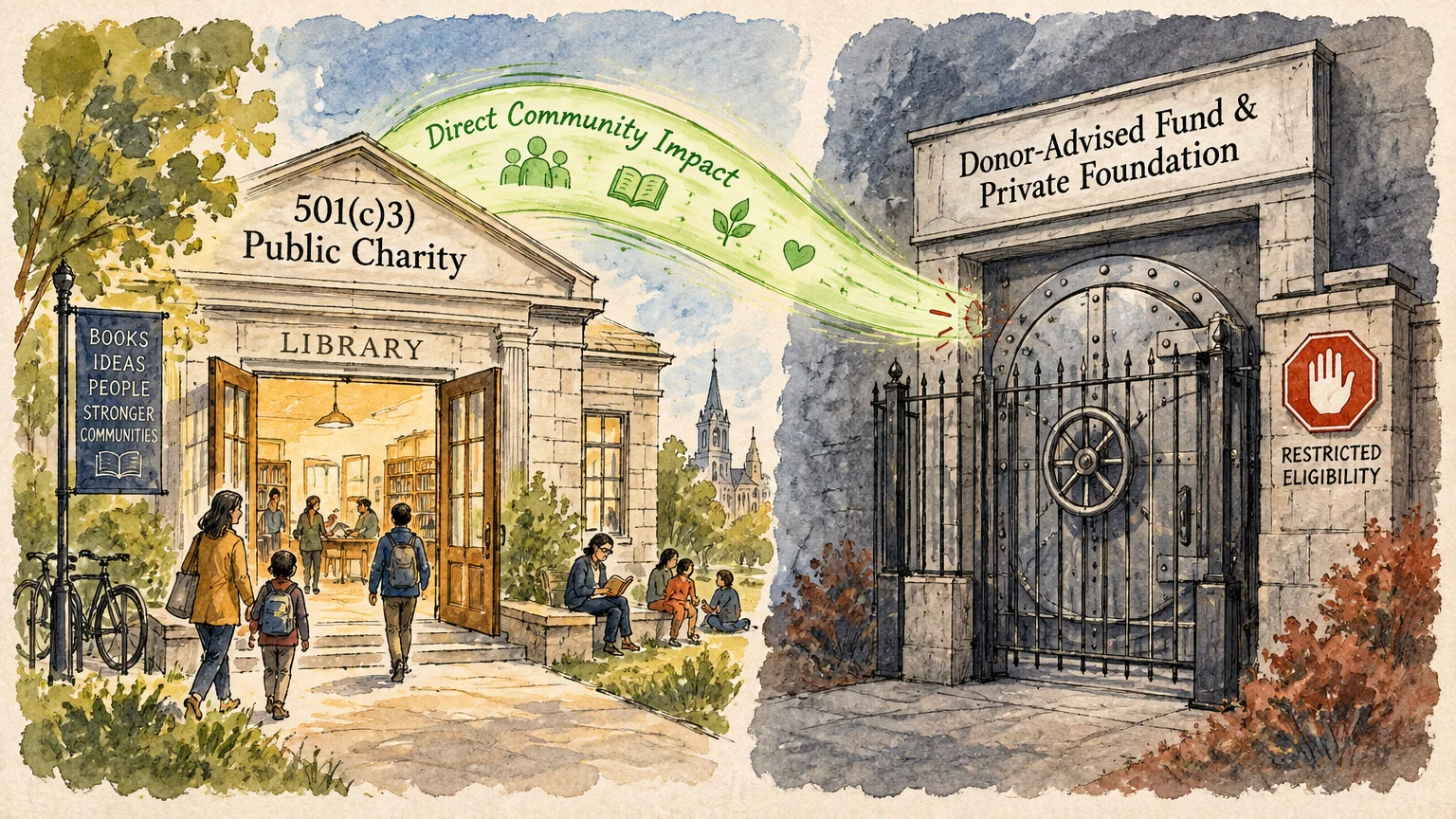
The IRS strictly limits these transfers to 501(c)(3) public charities. You cannot direct funds into a donor-advised fund (DAF), private grant-making foundation, or supporting organization.
Directing distributions to these restricted entities triggers immediate income tax on the entire withdrawal amount. The IRS created this restriction because donor-advised funds do not immediately distribute capital into public hands.
Verify that your chosen charity holds active 501(c)(3) public charity status before initiating paperwork. You can confirm an organization’s tax status directly through the Internal Revenue Service online database.
“A qualified charitable distribution is the best tax break in the Internal Revenue Code for charitably inclined retirees, but you must follow every step to the letter.” — Ed Slott, CPA and IRA Distribution Specialist
Mistake 5: Overlooking the “First Dollars Out” Rule
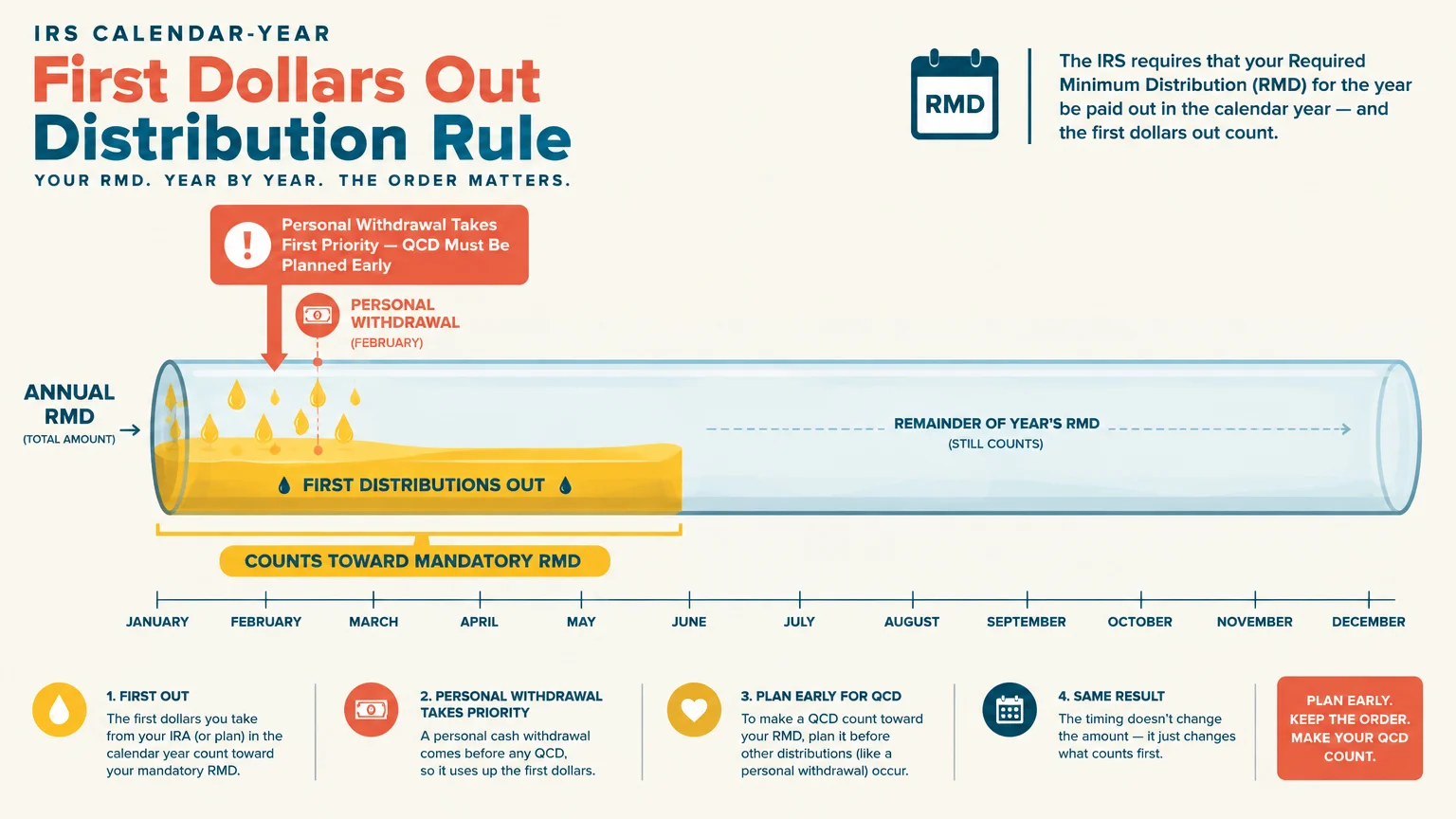
The IRS applies a strict ordering rule to all traditional retirement accounts each calendar year. The very first distributions you withdraw during a tax year automatically count toward your annual mandatory distribution.
If you withdraw personal living expenses in February, you cannot execute a tax-free gift in October to retroactively offset that income. That early personal withdrawal permanently counts as taxable retirement income.
To maximize your tax benefits, complete your charitable distributions before taking personal distributions. Scheduling your charitable gifts early in the calendar year prevents accidental tax exposure.
Mistake 6: Accepting Quid Pro Quo Perks or Event Tickets
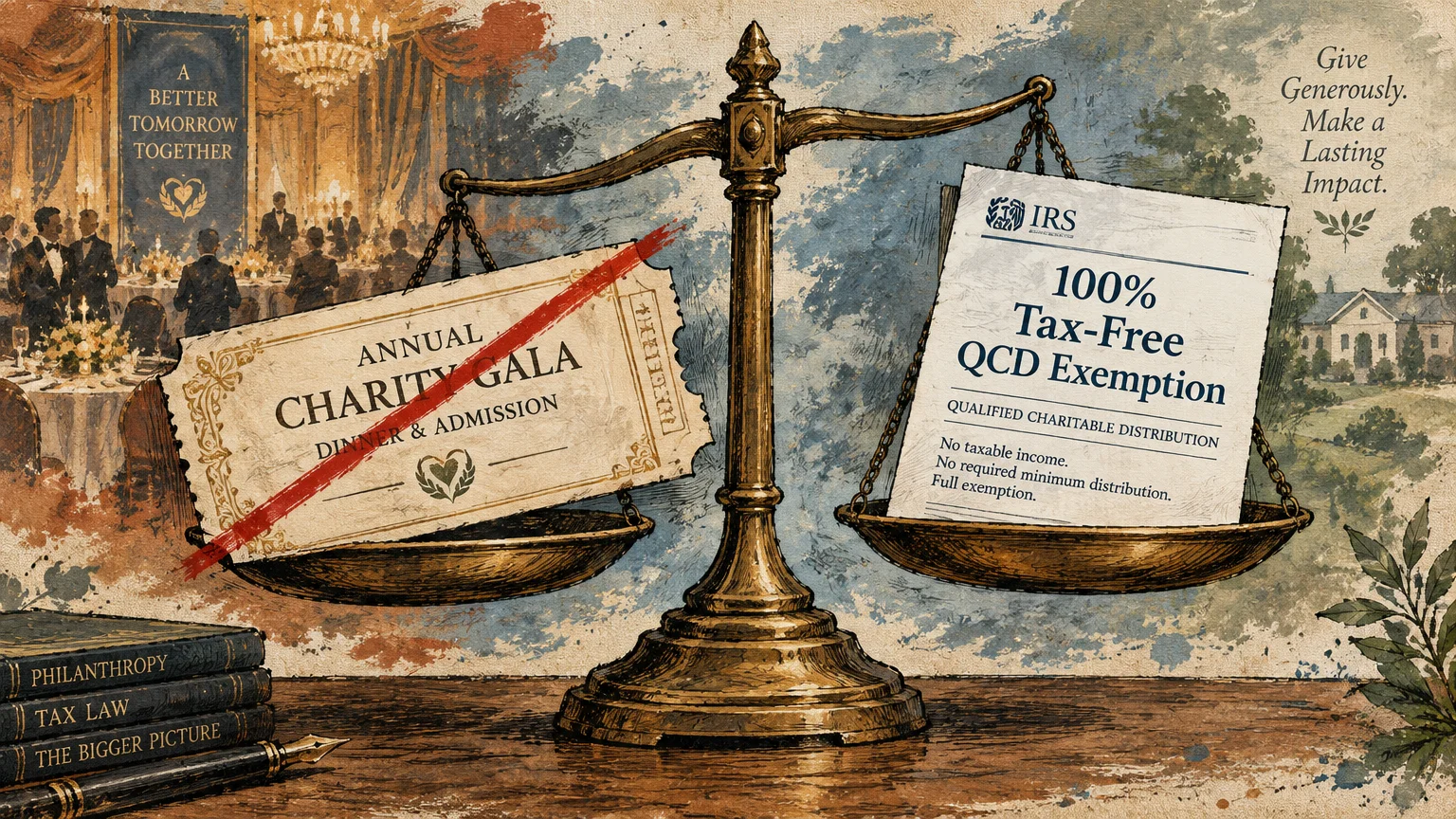
Your charitable distribution must satisfy the rules of a fully deductible gift. You cannot receive any goods, services, or personal benefits in exchange for your transfer.
Purchasing charity gala tickets, attending fundraising dinners, or securing golf tournament entry through your IRA violates federal guidelines. If you receive even a small personal benefit, the entire distribution loses its tax-exempt status.
Instruct the charity to decline all donor gifts, commemorative items, or banquet meals tied to your contribution. Request a formal written acknowledgment explicitly confirming that you received zero goods or services.
Mistake 7: Botching the Tax Reporting on Form 1040
Your IRA custodian reports all annual distributions to the IRS using Form 1099-R. Custodians use standard distribution codes and do not indicate whether your transfer went to a charity.
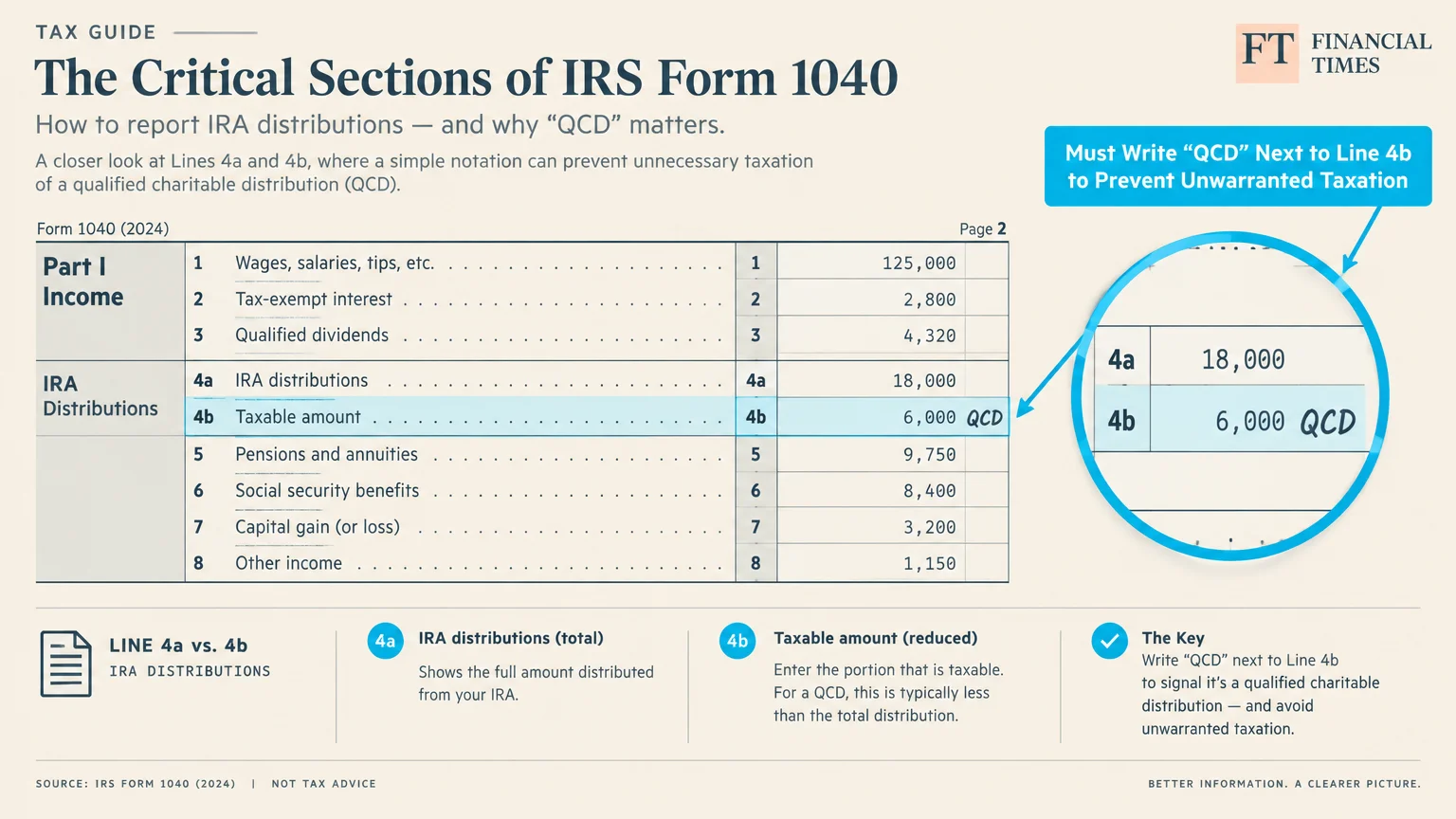
Box 7 of your Form 1099-R will simply show a normal distribution code. If your tax preparer enters the document without manual adjustments, your tax software will calculate taxes on the full amount.
You must report your total distribution on Form 1040 line 4a, and enter the taxable amount on line 4b as zero. Write “QCD” clearly next to line 4b so the IRS understands the adjustment.
Mistake 8: Forgetting the Post-Age 70½ Contribution Offset
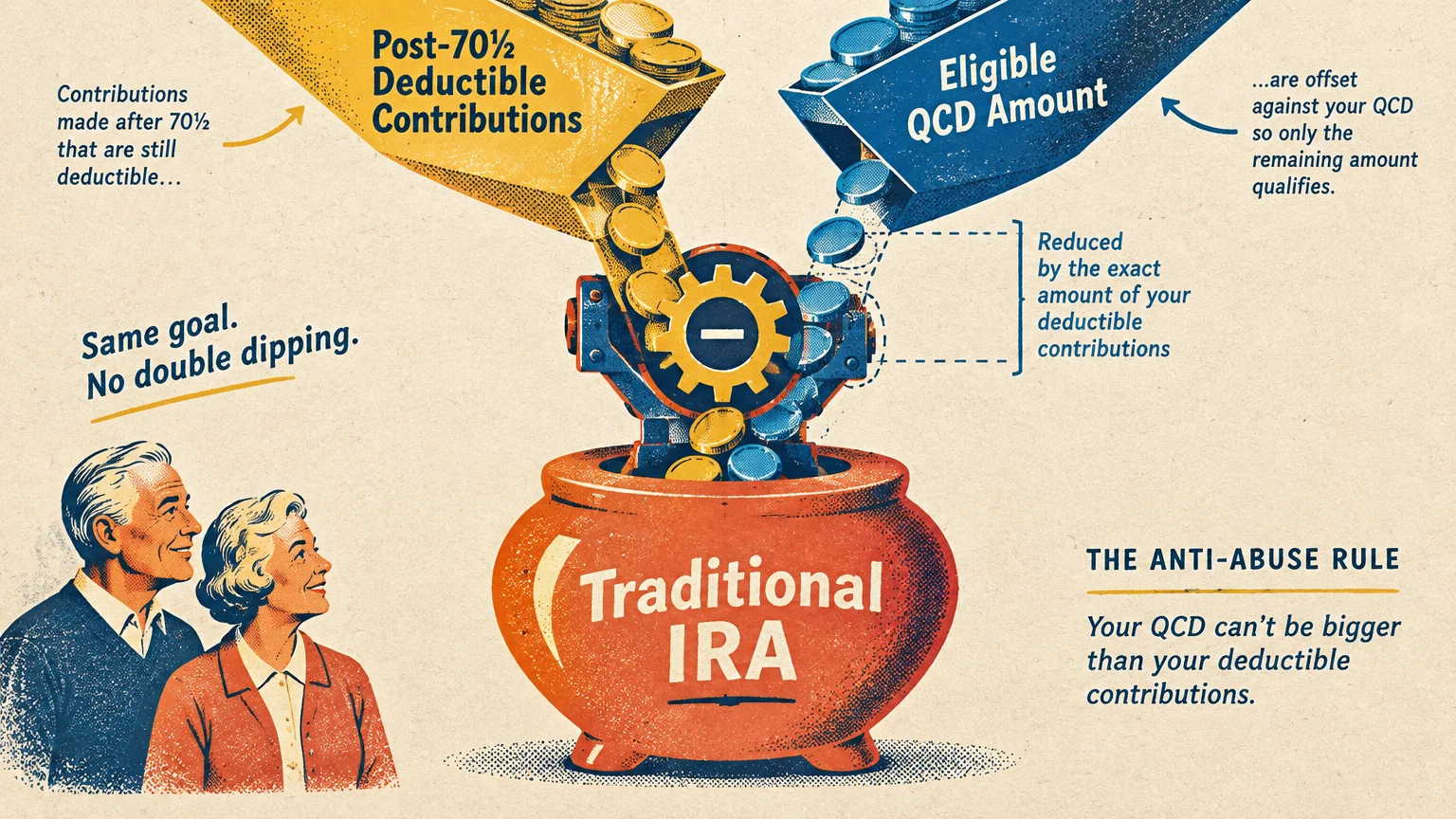
Federal law contains an anti-abuse rule for seniors who continue working past age 70½. If you make deductible contributions to a traditional IRA after reaching 70½, those contributions reduce your tax-free giving allowance.
The IRS requires you to track these post-70½ contributions across your lifetime giving history. Any subsequent charitable transfer becomes taxable until it completely offsets those prior tax deductions.
If you plan to utilize charitable transfers, consider directing new retirement savings into a Roth IRA instead. Doing so protects your future tax-free giving potential completely.
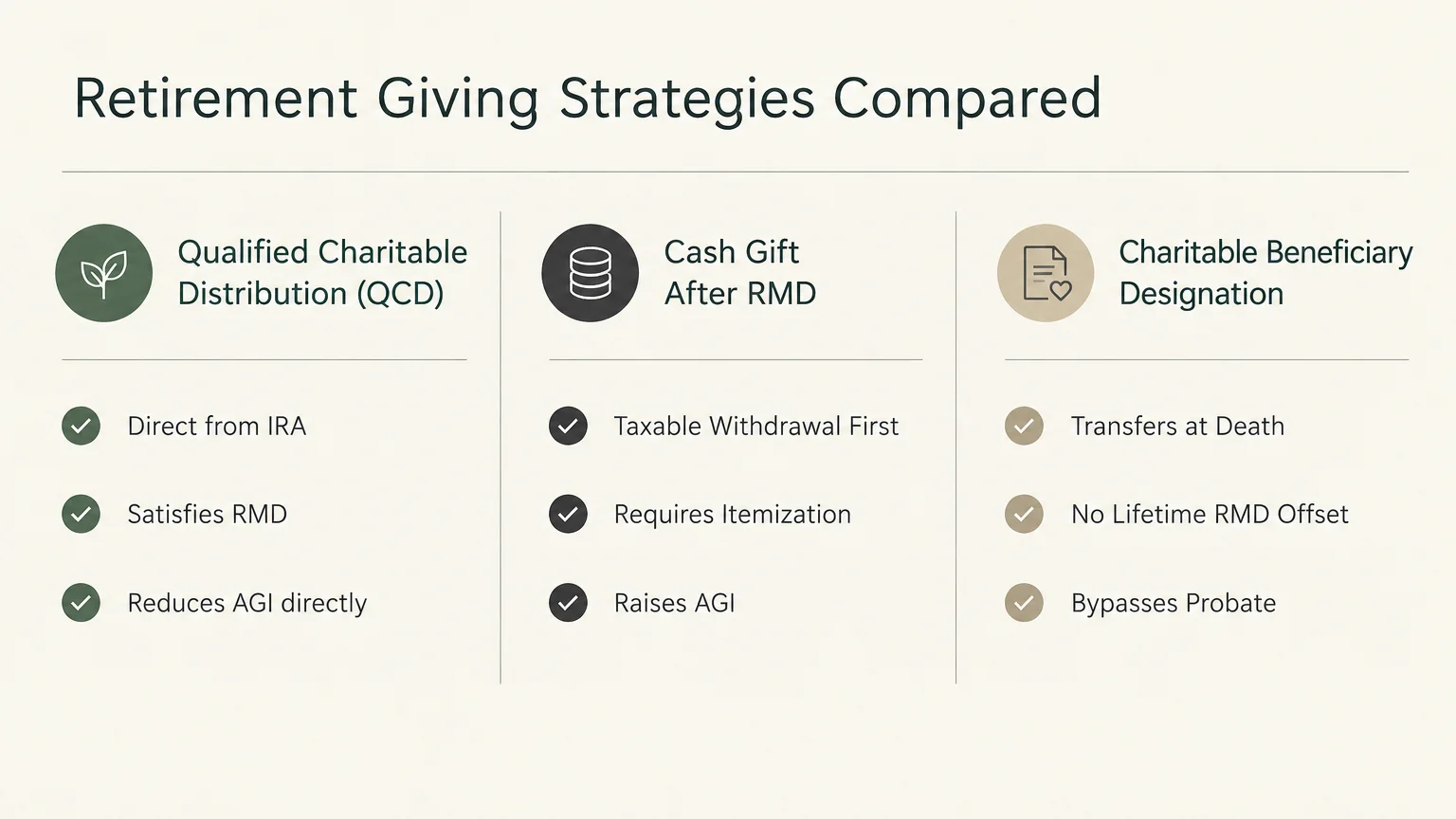
Comparing Charitable Giving Options from Retirement Accounts
Retirees have multiple ways to support their favorite causes. Review the differences below to choose the most advantageous approach for your household finances.
| Giving Strategy | Reduces Adjusted Gross Income (AGI)? | Requires Itemizing Deductions? | Age Requirement | Primary Benefit |
|---|---|---|---|---|
| Qualified Charitable Distribution | Yes | No | Age 70½ or older | Satisfies RMDs without increasing taxable income. |
| Standard IRA Withdrawal + Cash Gift | No | Yes | Age 59½ (to avoid early penalty) | Allows flexible giving, but increases gross income first. |
| Appreciated Stock Donation | No | Yes | Any age | Eliminates capital gains taxes on taxable brokerage assets. |
Common Mistakes to Avoid Beyond the Transfer
Administrative oversights can derail your giving strategy even when you follow the primary statutory rules. Keep these practical considerations in mind throughout the year.
- Waiting until the final week of December: Custodians experience heavy backlogs at year-end, and uncleared checks will fail to count for the current tax year.
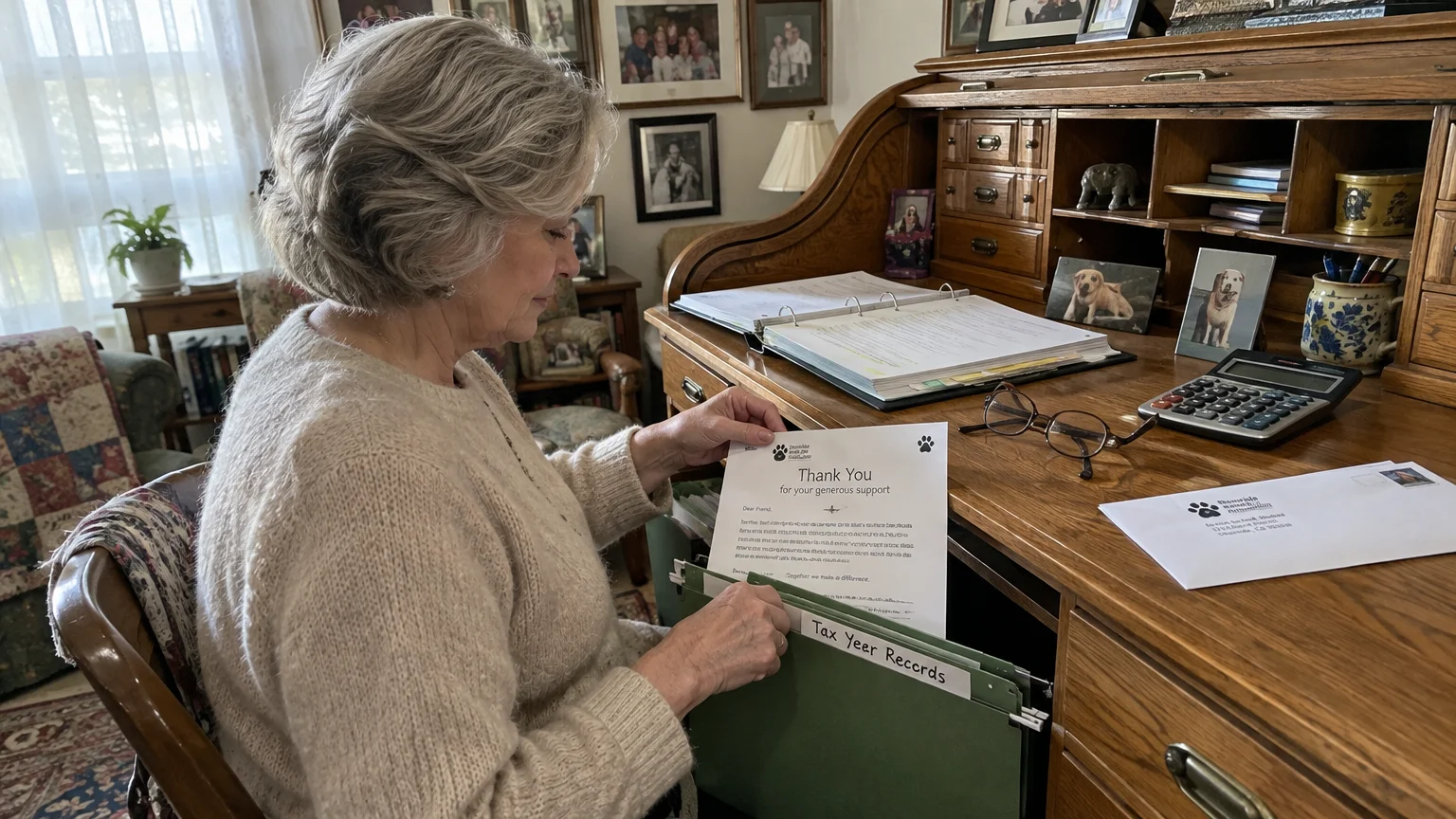
- Losing the substantiation letter: You must secure a formal acknowledgment letter from the charity before filing your tax return.
- Exceeding the annual dollar limit: Review IRS inflation adjustments annually to ensure your total gifts across all IRAs remain within statutory caps.
- Donating through a checkbook IRA incorrectly: If your custodian provides check-writing privileges, ensure the charity deposits the check before December 31.
Resources from the Consumer Financial Protection Bureau can help you evaluate reliable retirement tools and secure custodians.

Finding the Right Advisor
Coordinating charitable transfers requires careful alignment between your tax return and your retirement accounts. Seeking guidance from a certified financial planner or CPA is prudent in several specific scenarios.
Consult a professional if your annual distributions push your household income into higher Medicare Part B and Part D premium brackets. A strategic charitable transfer can keep your modified adjusted gross income below costly surcharge thresholds.
You should also seek expert advice if you manage inherited IRAs alongside personal accounts. Special beneficiary rules dictate how and when you can deploy charitable gifts from inherited assets.
Finally, engage an advisor if you reside in a state with unique income tax deduction laws. State-level tax codes do not always mirror federal guidelines for retirement account deductions.
Organizations like AARP provide educational materials to help seniors assess professional financial guidance.
Frequently Asked Questions About Qualified Charitable Distributions
Can a Qualified Charitable Distribution satisfy my entire Required Minimum Distribution?
Yes, your transfer counts dollar-for-dollar toward satisfying your annual mandatory distribution, up to the statutory limit. Any excess distribution beyond your annual RMD does not carry over to future years.
Can married couples give from a single retirement account?
Each spouse can make charitable transfers up to the individual annual cap, but distributions must originate from their own respective IRAs. You cannot combine limits into a single account owned by one spouse.
Do I need to itemize deductions to benefit from this strategy?
No, you can claim the standard deduction and still exclude the entire distribution from your taxable gross income. This makes the strategy especially valuable under current elevated standard deduction thresholds.
Can I use this transfer to establish a charitable gift annuity?
Federal law permits a one-time lifetime transfer to fund certain split-interest vehicles like charitable gift annuities. Specific statutory dollar limits apply, so consult your financial advisor before executing this election.
Final Thoughts on Managing Your Distributions
Directing charitable contributions from your individual retirement account offers one of the most efficient tax strategies available in retirement. Avoiding simple operational errors ensures your generosity delivers maximum financial relief.
Review your annual distribution needs early each year to keep your philanthropic goals on schedule. Open communication between your custodian, your chosen non-profit, and your tax preparer guarantees success.
This is educational content based on general financial principles for seniors. Individual results vary based on your situation. Always verify current benefit amounts, tax rules, and program eligibility with official government sources.
Last updated: February 2026. Benefit amounts, tax rules, and program details change annually—verify current figures with official government sources.








Leave a Reply