

Moving to a quiet historic town can lower your living expenses while enriching your retirement routine. Preserved architecture, tree-lined brick sidewalks, and tight-knit community circles make slow living feel effortless.
You do not need millions in savings to enjoy rich cultural roots and peaceful afternoons. Many historic American communities offer affordable housing, low property taxes, and nearby medical facilities.
Choosing the right destination lets your fixed income stretch further without sacrificing daily comfort. Here are twelve historic small towns where you can slow down and savor life.
Why Slow Living in a Historic Town Makes Financial Sense
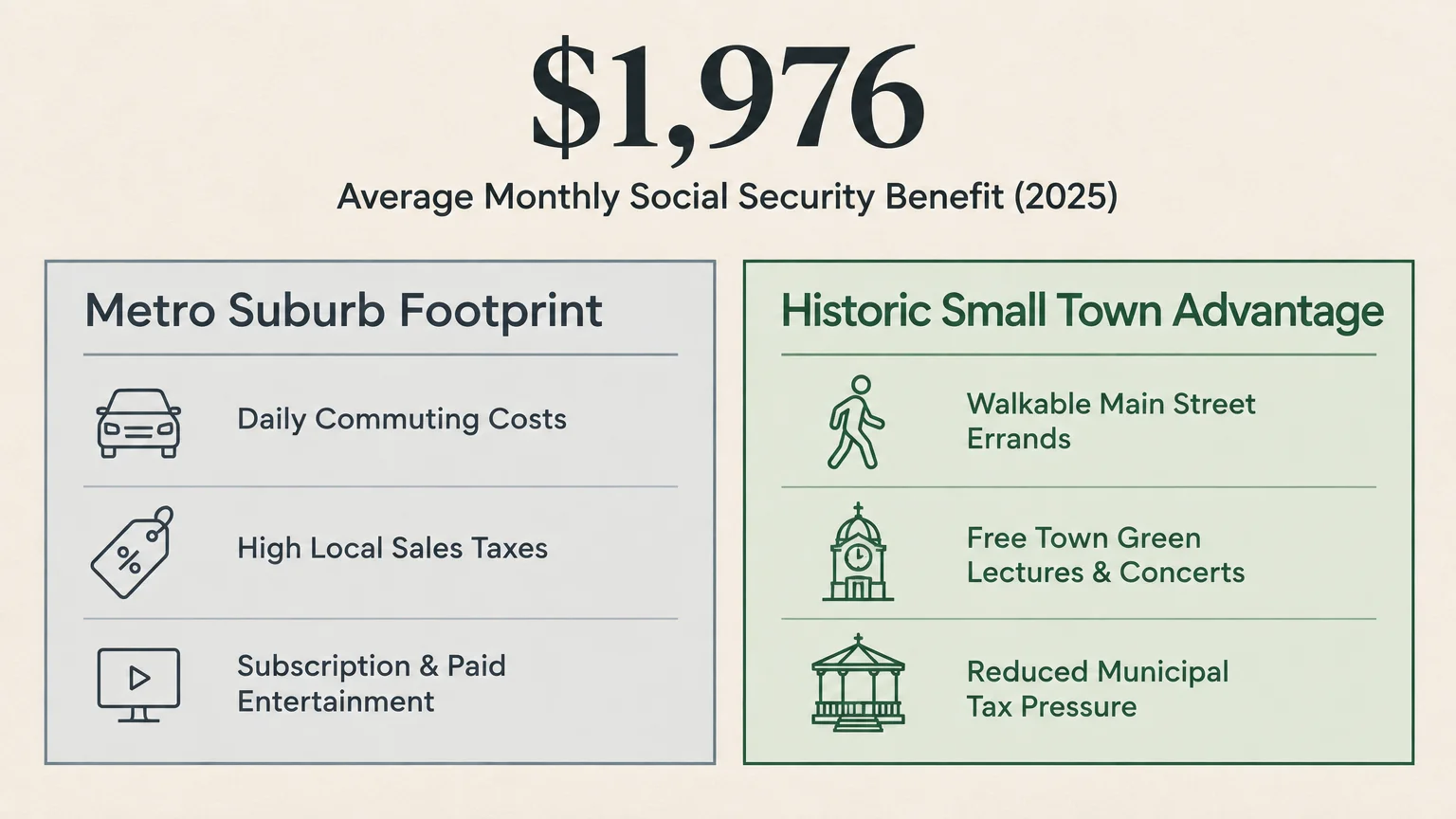
Historic small towns offer a calmer pace of life that naturally curtails impulse spending. Walkable town centers allow you to run daily errands without burning expensive gasoline.
Living in these communities often means lower local taxes and cheaper recreation than bustling metropolitan suburbs. Free concerts on the town green and historic library lectures replace costly entertainment options.
According to the Social Security Administration, the average monthly retirement benefit in 2025 is approximately $1,976. Finding a community where your base benefit covers core expenses provides profound peace of mind.
“A big part of financial freedom is having your heart and mind free from worry about what-ifs.” — Suze Orman, Personal Finance Author
12 Historic Towns for a Relaxed Retirement
1. Beaufort, South Carolina
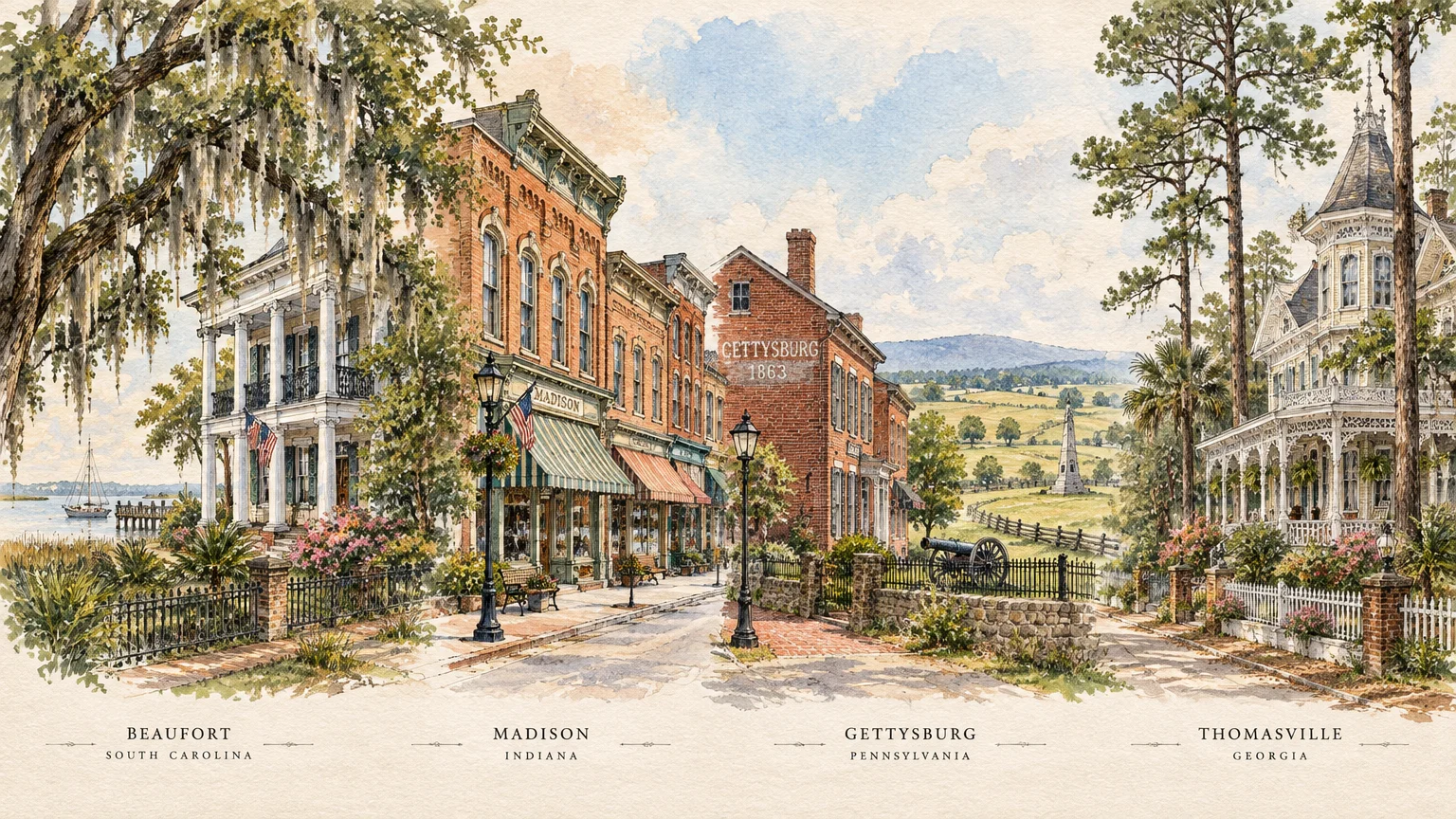
Beaufort sits along the Atlantic Intracoastal Waterway and showcases pre-Civil War mansions framed by moss-draped live oaks. Founded in 1711, it is the second-oldest city in South Carolina.
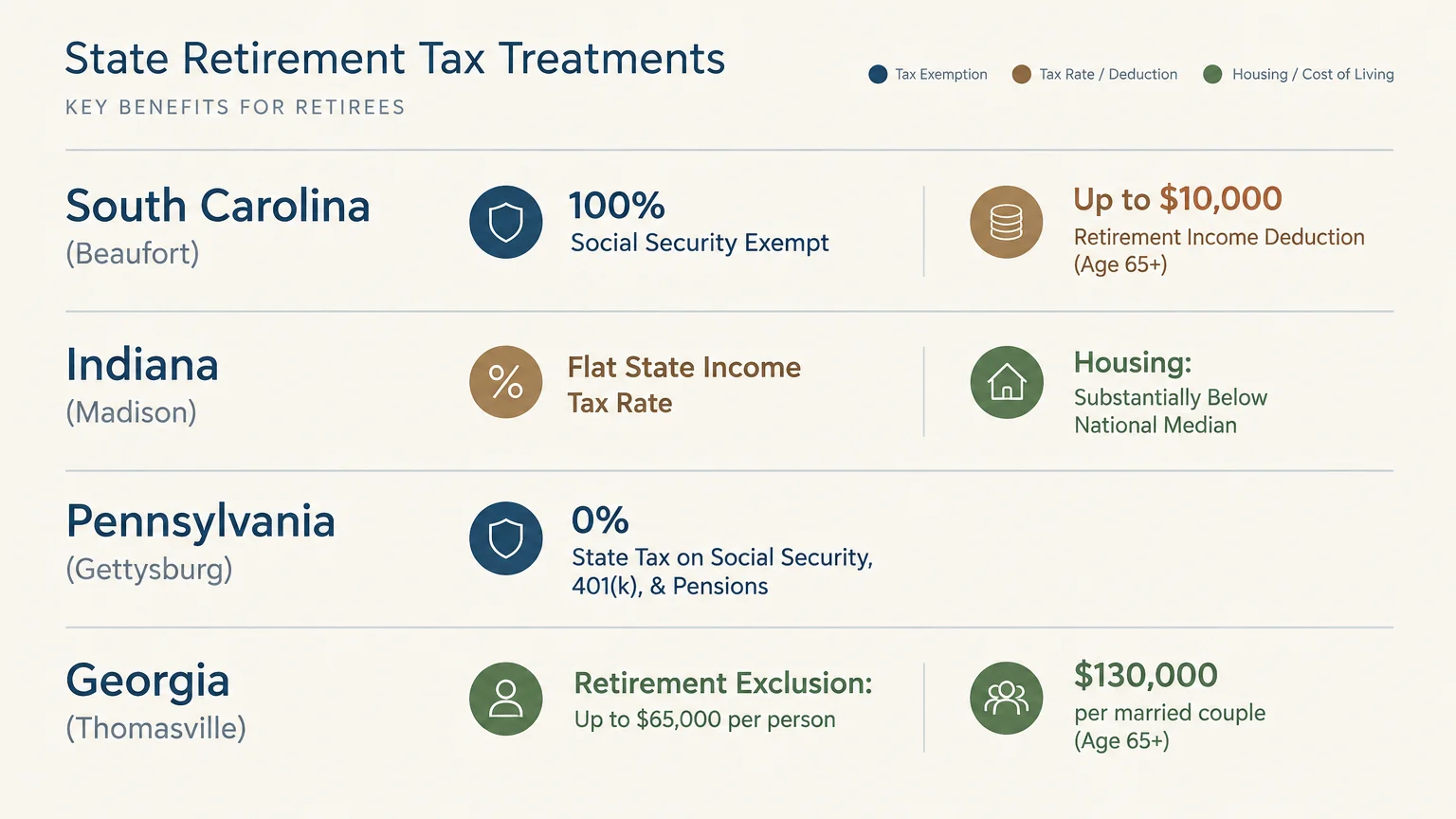
The South Carolina Department of Revenue exempts all Social Security retirement benefits from state income taxation. Residents aged 65 and older can also deduct up to $10,000 of other retirement income.
Retirees spend quiet mornings strolling along the Henry C. Chambers Waterfront Park. You can buy fresh shrimp directly from local docks while enjoying gentle coastal breezes.
2. Madison, Indiana
Madison contains one of the largest contiguous National Historic Landmark districts in the United States. Over 130 historic blocks sit along the scenic banks of the Ohio River.
Indiana boasts a flat state individual income tax rate, keeping tax filing simple for retirees. Median home prices here remain substantially lower than the national median.
You can browse antique shops on Main Street or hike gentle trails in Clifty Falls State Park. The community organizes seasonal porch walks and heritage festivals that bring neighbors together.
3. Gettysburg, Pennsylvania
Gettysburg is famous for its pivotal Civil War battlefield, which provides thousands of acres of protected green space. The downtown features historic brick architecture, local cider houses, and traditional bookstores.
Pennsylvania is one of the most tax-friendly states for older adults. The Pennsylvania Department of Revenue does not tax Social Security benefits, 401(k) distributions, or traditional pension payouts.
Local seniors enjoy free access to battlefield walking paths and low-cost educational lectures. Excellent healthcare facilities in town connect directly to major regional hospital networks.
4. Thomasville, Georgia
Thomasville charms residents with preserved Victorian storefronts, brick-paved avenues, and towering longleaf pines. The town avoided postwar industrial demolition, preserving its late nineteenth-century character.
Georgia offers a generous retirement exclusion that shields up to $65,000 of retirement income per person for individuals 65 and older. This rule helps couples protect up to $130,000 from state income taxes.
The historic downtown operates at an unhurried tempo with independent pharmacies, cafes, and bakeries. You will find fresh produce weekly at the oldest continuously operated farmers market in Georgia.
5. Eureka Springs, Arkansas
Tucked into the Ozark Mountains, Eureka Springs features steep, winding lanes lined with unique Victorian homes. The entire commercial downtown district earned a spot on the National Register of Historic Places.
Arkansas provides significant homestead property tax credits and exempts Social Security benefits from state income taxes. Everyday living costs remain well below the national average.
The town lacks traffic lights and chain stores, encouraging a peaceful lifestyle centered on community arts. Natural mineral springs throughout town provide quiet gathering spots for reflection.
6. Natchitoches, Louisiana
Established in 1714, Natchitoches is the oldest permanent European settlement in the Louisiana Purchase territory. Historic wrought-iron balconies overlook the tranquil waters of Cane River Lake.
Louisiana exempts federal, state, and military retirement pensions from personal income tax. Property taxes in the parish rank among the lowest in the nation.
Retirees enjoy evening strolls along the brick riverbank promenade under graceful magnolia trees. The slower local pace allows lifelong friendships to blossom easily.
7. Lewes, Delaware
Founded by Dutch settlers in 1631, Lewes calls itself the “First Town in the First State.” It provides a historic maritime setting right where the Delaware Bay meets the Atlantic Ocean.
Delaware charges zero state sales tax, which preserves your spending power on groceries, dining, and home goods. Property taxes are also remarkably modest compared to neighboring states.
You can walk along quiet canal docks or bike smooth trails into Cape Henlopen State Park. Local medical services are robust, with Beebe Healthcare anchored right in town.
8. Abingdon, Virginia
Abingdon anchors the Blue Ridge Highlands with brick sidewalks, preserved eighteenth-century taverns, and vibrant artisan heritage. It is home to the historic Barter Theatre, founded during the Great Depression.
The Virginia Department of Taxation does not tax Social Security retirement benefits. Seniors can also claim additional state age deductions depending on their adjusted gross income.
The nearby Virginia Creeper Trail offers a gentle 34-mile path for walking and bicycling through mountain valleys. Cool summer mountain breezes keep utility bills lower during hot months.
9. Galena, Illinois
Galena was once a bustling mining port and the home of Civil War General Ulysses S. Grant. Today, nineteenth-century buildings make up over 85 percent of the town’s historic footprint.
Illinois exempts almost all qualified retirement income from state taxation. This exemption covers Social Security, traditional pensions, and retirement account withdrawals.
You can spend peaceful afternoons exploring terraced hillside streets, local art galleries, and historic brick architecture. Rolling hills around the Galena River offer tranquil seasonal views.
10. St. Augustine, Florida
Founded in 1565, St. Augustine represents the oldest continuously occupied European settlement in the continental United States. Coquina stone walls and Spanish colonial plazas create an unforgettable setting.
Florida imposes no state personal income tax, protecting your investment returns, pensions, and Social Security payments. Seniors can also utilize standard federal deductions to reduce their total tax liability.
Warm coastal weather encourages daily outdoor walks along the historic seawall and white sand beaches. High-quality healthcare providers are easily accessible throughout the region.
11. New Bern, North Carolina
New Bern served as North Carolina’s colonial capital and sits at the confluence of the Neuse and Trent Rivers. It is home to Tryon Palace, a reconstructed eighteenth-century governor’s mansion.
North Carolina does not tax Social Security benefits, according to the North Carolina Department of Revenue. Moderate real estate prices and property tax rates help stretch retirement portfolios.
The town features three distinct historic districts filled with Victorian, Georgian, and Federal-style homes. Boating, freshwater fishing, and leisurely waterfront walks dominate daily life.
12. Port Townsend, Washington
Port Townsend sits on the northeastern tip of the Olympic Peninsula and features dozens of Victorian-era seaport buildings. It developed as a nineteenth-century shipping hub and retains its maritime charm.
Washington has no state personal income tax, preserving your retirement distributions and Social Security checks. Seniors also benefit from mild coastal weather that moderates winter heating costs.
A thriving community of writers, woodworkers, and artists creates an enriching environment for retirees. You can watch wooden boats navigate Puget Sound while enjoying a relaxed morning coffee.
Financial Comparison of Historic Retirement Towns
Comparing living costs and tax policies helps you select a destination that fits your retirement budget. The table below outlines financial advantages and lifestyle tempos across these historic communities.
| Town & State | State Tax Advantage | Median Home Price Range | Pace of Life |
|---|---|---|---|
| Beaufort, SC | No Social Security tax; $10k senior deduction | $380,000 – $440,000 | Unhurried coastal |
| Madison, IN | Low flat income tax rate | $180,000 – $240,000 | Very quiet riverfront |
| Gettysburg, PA | Exempts pensions, 401(k)s, and Social Security | $280,000 – $340,000 | Relaxed historical |
| Thomasville, GA | $65,000 senior retirement exclusion | $220,000 – $280,000 | Gentle Southern |
| Eureka Springs, AR | Low property taxes; homestead credits | $230,000 – $290,000 | Eclectic mountain |
| Natchitoches, LA | Exempts public pensions; very low property tax | $170,000 – $230,000 | Slow river tempo |
| Lewes, DE | Zero state sales tax; low property tax | $450,000 – $550,000 | Peaceful coastal |
| Abingdon, VA | No Social Security tax; state age deduction | $240,000 – $300,000 | Scenic highland |
| Galena, IL | Exempts retirement income and pensions | $250,000 – $310,000 | Quiet midwestern |
| St. Augustine, FL | No state personal income tax | $390,000 – $460,000 | Breezy coastal |
| New Bern, NC | No Social Security tax | $260,000 – $320,000 | Tranquil maritime |
| Port Townsend, WA | No state personal income tax | $520,000 – $600,000 | Artistic maritime |

Key Financial Factors to Evaluate Before Relocating
Relocating during retirement involves more than just picking a picturesque historic downtown. You must calculate the full cost of living to protect your nest egg.
Review state and municipal tax codes carefully before making an offer on a home. Some states without income tax balance their budgets with elevated property or sales taxes.
According to the Internal Revenue Service, seniors aged 65 and older receive an additional standard deduction. Factor this federal deduction into your estimated living costs alongside state exemptions.
Healthcare access represents another vital component of your retirement budget. Research regional medical specialists and confirm they participate in your coverage using Medicare.gov.
“Retirement is not the end of the road. It is the beginning of the open highway.” — Jean Chatzky, Financial Journalist
Pitfalls to Watch For
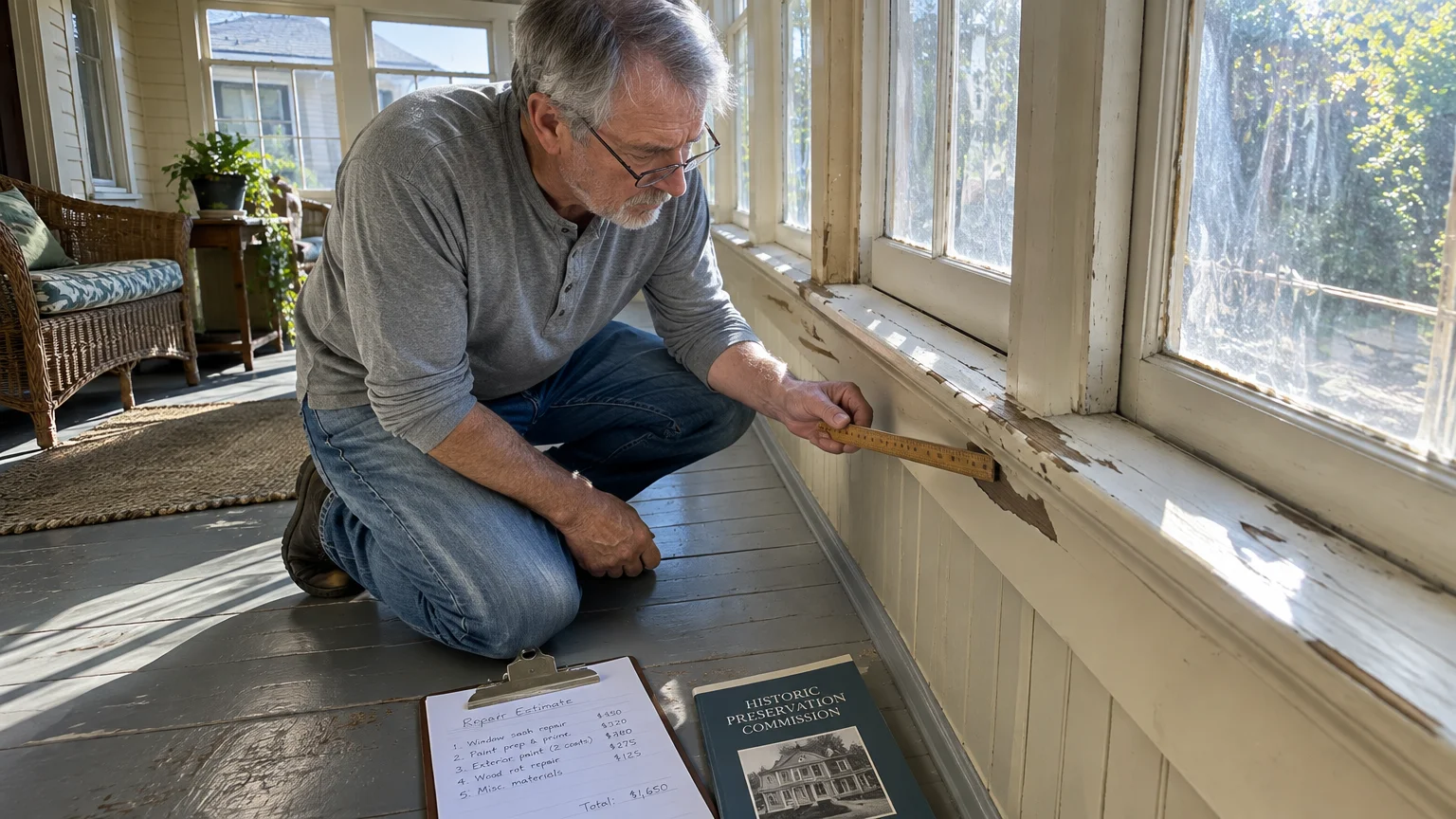
Historic homes possess tremendous charm, but they can quickly drain your retirement reserves. Failing to budget for hidden structural expenses is a common misstep.
- Historic District Restrictions: Local preservation commissions often dictate exterior paint colors, window replacements, and roofing materials. These mandated repairs frequently cost significantly more than standard modern home maintenance.
- Distance from Specialized Healthcare: Quiet towns may have local clinics but lack major cardiac or oncology centers. Traveling long distances for specialized medical treatment adds physical strain and travel costs.
- Seasonal Living Shifts: Small historic towns often experience summer tourist influxes that disrupt local traffic and crowd grocery stores. Spend time in the community during peak tourism periods before purchasing property.
- High Property Insurance Premiums: Older homes with outdated plumbing, knob-and-tube wiring, or coastal flood risks face steep insurance rates. Always secure written insurance estimates before making an offer on real estate.
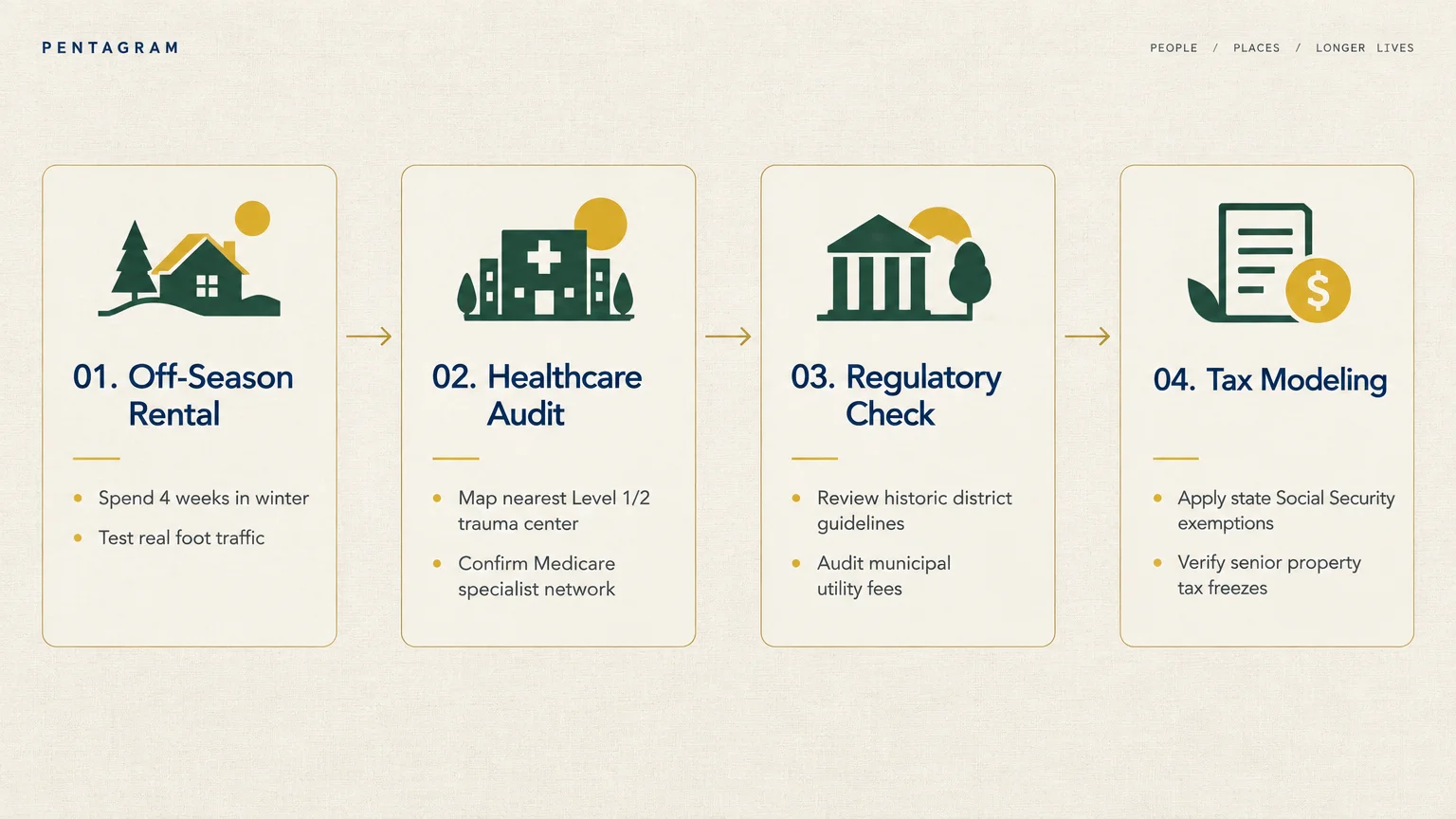
Smart Relocation Steps for Seniors
Start your transition by creating an itemized budget comparing your current location to your target town. Tools from consumer advocacy groups like AARP can help you project moving costs.
Connect with local community services to evaluate everyday life before packing your boxes. You can search for local senior centers, meal programs, and transit through the Eldercare Locator.
Consider renting a furnished apartment in your chosen historic town for three to six months. This test run lets you experience the true off-season pace before selling your primary home.
Frequently Asked Questions
Which historic town is the most affordable for retirees?
Natchitoches, Louisiana, and Madison, Indiana, rank among the most affordable options on our list. Both towns feature median home prices well below $250,000 and boast very low everyday living costs.
Do all states tax historic property renovations differently?
Yes, many states and local municipalities offer property tax freezes or historic preservation tax credits. Check with the local county assessor to see if historic home improvements qualify for tax relief.
How do I verify if my Medicare plan works in a new town?
Original Medicare Part A and Part B work with any participating provider nationwide. If you have a Medicare Advantage plan, you must check local network coverage or switch plans during your relocation enrollment window.
Can I find walkable historic towns without buying a car?
Towns like St. Augustine, Galena, and Gettysburg offer highly walkable downtown cores for groceries, dining, and pharmacies. However, you will likely still need occasional transit or rideshare services for hospital visits outside town.
Finding a peaceful community allows you to enjoy retirement at your own rhythm while safeguarding your savings. Take your time, inspect properties carefully, and verify local tax benefits before making your move.
This is educational content based on general financial principles for seniors. Individual results vary based on your situation. Always verify current benefit amounts, tax rules, and program eligibility with official government sources.
Last updated: February 2026. Benefit amounts, tax rules, and program details change annually—verify current figures with official government sources.









Leave a Reply