

Relocating to a smaller community can cut your living expenses and protect your retirement nest egg. Moving from an expensive metro area allows your fixed income to stretch further without sacrificing comfort.
Finding the right location requires balancing housing affordability, state tax policies, and direct access to quality medical specialists. Quiet surroundings mean little if essential healthcare services remain hours away.
These twelve retirement-friendly small towns with populations under 20,000 offer low crime, vibrant community centers, and manageable living costs. Discover where your monthly budget can deliver the relaxed lifestyle you deserve.
Why Consider Towns Under 20,000 People in Retirement?
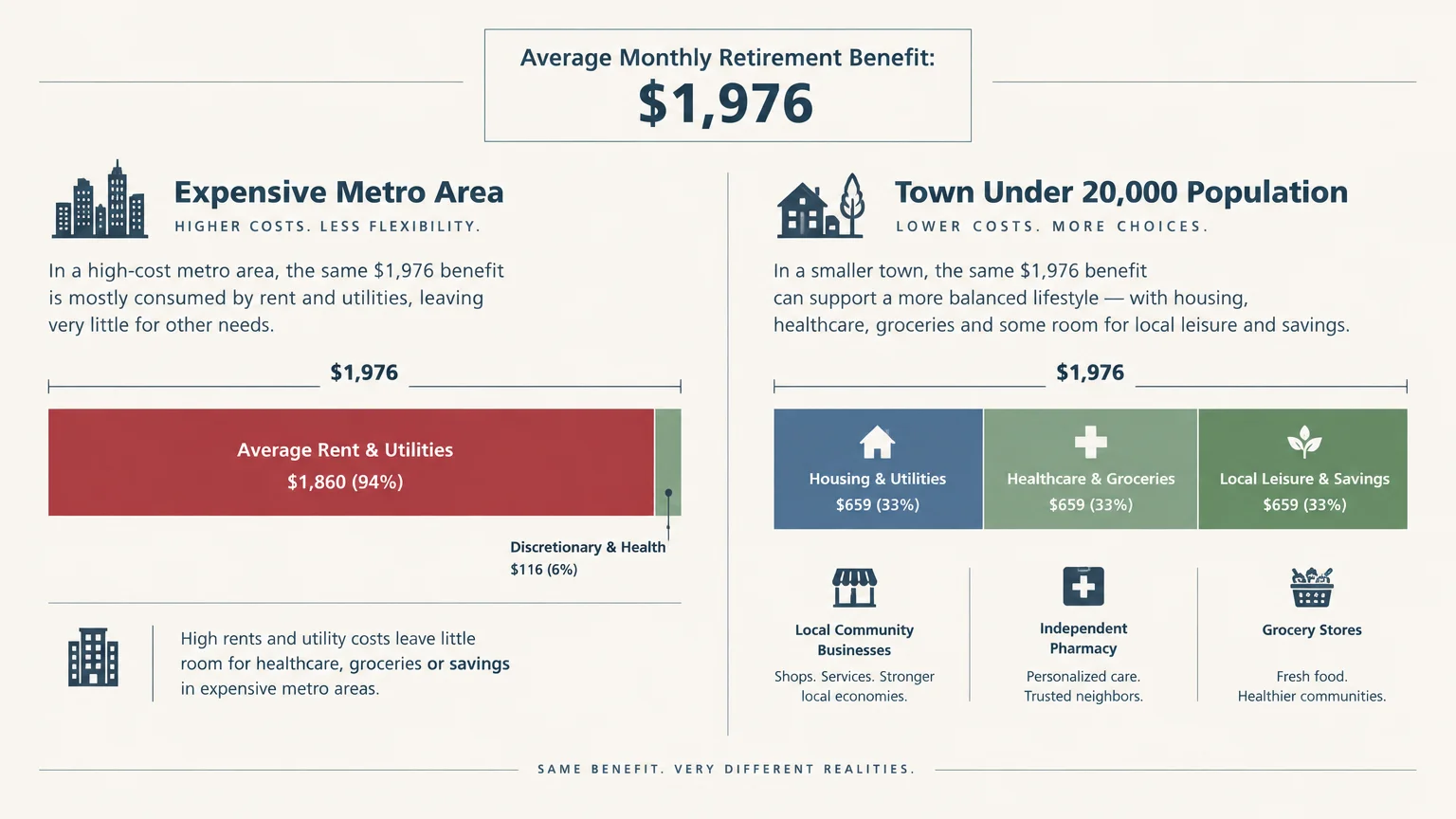
Downsizing to small retirement towns often cuts your living expenses dramatically. Smaller municipalities usually have lower property tax assessments and cheaper local utility rates than congested metropolitan centers.
Living in a close-knit area also fosters real social connection. You can walk through quiet neighborhoods, participate in local clubs, and build friendships without fighting gridlock.
According to the Social Security Administration (2025), the average monthly retirement benefit sits around $1,976. In an expensive city, that benefit barely covers rent; in quiet towns for retirees, it covers essential expenses.
Smaller towns also feature lower commercial rents, encouraging unique local businesses. You will discover independent pharmacies, family-owned hardware stores, and community diners that treat you like a neighbor rather than an anonymous customer.
“Retirement is not the end of the road. It is the beginning of the open highway.” — Jean Chatzky, Financial Journalist and Author

Key Financial Factors to Evaluate Before Relocating
A town may look picturesque, but local tax laws dictate how far your nest egg lasts. You must evaluate how state income taxes treat pensions, 401(k) withdrawals, and investment gains.
For example, some states fully exempt retirement distributions, while others tax them as ordinary income. The Internal Revenue Service also grants an extra standard deduction for seniors age 65 and older, reducing your federal burden.
For tax year 2025, that additional federal standard deduction is $2,000 for single filers and $1,600 per qualifying spouse for married couples. Pairing federal relief with state-level exemptions keeps more cash in your pocket.
Healthcare availability is another non-negotiable factor when evaluating small retirement towns. You must ensure nearby clinics accept your plan through Medicare.gov before purchasing a home.
Always verify whether local physicians belong to your Medicare Advantage network. If you rely on Original Medicare with a Medigap supplement, ensure regional hospitals accept standard Medicare assignment.

12 Best Small Towns to Retire Under 20,000 Residents
1. Sequim, Washington (Population: ~8,200)
Nestled on Washington’s Olympic Peninsula, Sequim rests in a unique coastal rain shadow. It receives only sixteen inches of rainfall annually, delivering far more sunny days than Seattle.
Washington imposes zero state personal income tax. This policy shields your 401(k) withdrawals, private pension payouts, and Social Security checks from state revenue levies.
Olympic Medical Center provides comprehensive outpatient clinics, cardiac care, and emergency trauma facilities directly in town. The Sequim Senior Activity Center offers daily recreation, fitness programs, and communal meals.
2. Lewes, Delaware (Population: ~3,400)
Lewes sits along the Delaware Bay, offering quiet Atlantic coastline and rich historic appeal. Its walkable downtown features boutique shops, local bakeries, and flat, accessible walking trails.
Delaware provides strong financial incentives for retirees, highlighted by zero state sales tax. The state also excludes up to $12,500 of qualified pension and retirement income for residents age sixty and older.
Beebe Healthcare operates an expansive hospital campus directly in Lewes. This system ensures quick access to advanced oncology, orthopedics, and emergency medicine without leaving town.
3. Mount Dora, Florida (Population: ~17,000)
Mount Dora overlooks scenic Lake Dora in central Florida, offering quiet living away from crowded coastal strips. The town features a historic shopping district packed with antique stores and lakeside dining.
Florida assesses no state individual income tax, preserving your distributions and savings. The state’s homestead exemption also caps annual increases on your property’s taxable assessed value.
AdventHealth Waterman operates a 287-bed hospital just five miles away in Tavares. The center provides comprehensive emergency care, heart surgery, and dedicated rehabilitation pavilions.
4. Brevard, North Carolina (Population: ~8,000)
Known as the Land of Waterfalls, Brevard rests at the entrance to Pisgah National Forest. It attracts active retirees who enjoy temperate mountain summers, hiking trails, and world-class chamber music.
North Carolina exempts all Social Security benefits from state personal income tax. The state also levies a flat personal income tax rate, keeping filing simple and predictable.
Transylvania Regional Hospital anchors local healthcare with emergency beds, inpatient care, and specialized physical therapy. Brevard College also allows seniors to audit courses and access campus cultural events.
5. Fredericksburg, Texas (Population: ~11,500)
Fredericksburg pairs historic nineteenth-century German architecture with warm Texas Hill Country hospitality. Residents enjoy over fifty regional wineries, historic main street storefronts, and quiet residential lanes.
Texas levies zero personal income tax, helping you keep more of your investment income. Homeowners aged sixty-five and older can also freeze their local school district property taxes.
Hill Country Memorial Hospital consistently earns national recognition for clinical quality and patient satisfaction. The hospital provides specialized cardiology, robotic surgery, and round-the-clock emergency care.
6. Pella, Iowa (Population: ~10,500)
Pella is celebrated for its Dutch heritage, working windmills, and colorful springtime tulip blooms. The community boasts an exceptionally low crime rate, spotless public spaces, and active volunteer networks.
Iowa exempts all retirement income from state personal income taxes for residents age 55 and older. This policy covers defined-benefit pensions, IRA distributions, and 401(k) withdrawals.
Pella Regional Health Center delivers advanced orthopedic care, cancer screenings, and full emergency coverage. Nearby Lake Red Rock provides opportunities for calm pontoon boating and flat trail walking.
7. Traverse City, Michigan (Population: ~15,600)
Traverse City rests on the shores of Lake Michigan’s Grand Traverse Bay. It offers freshwater beaches, sailing, cherry orchards, and nationally recognized arts festivals.
Michigan does not tax Social Security retirement benefits on state returns. Qualifying seniors can also claim significant pension deductions that lower their remaining state taxable income.
Munson Medical Center serves as a 442-bed regional referral facility right in town. It houses the Webber Heart Center and Cowell Family Cancer Center, delivering world-class specialty medicine.
8. Abingdon, Virginia (Population: ~8,300)
Located in southwest Virginia’s Blue Ridge Highlands, Abingdon combines mountain beauty with historic charm. It is home to the Barter Theatre and the famous Virginia Creeper Trail.
Virginia exempts Social Security benefits from state income taxes entirely. Residents aged sixty-five and older can also deduct up to $12,000 of income on their state tax returns.
Johnston Memorial Hospital features modern private patient rooms, a certified stroke center, and comprehensive cancer care. The region also boasts housing costs substantially lower than national averages.
9. Sedona, Arizona (Population: ~9,800)
Sedona is famous for its towering red sandstone formations and year-round mild sunshine. Outdoor enthusiasts enjoy over two hundred miles of hiking paths, art galleries, and clean desert air.
Arizona does not tax Social Security retirement benefits and enforces a low flat income tax rate of 2.5 percent. This predictable structure helps retirees manage their recurring annual tax liabilities.
Northern Arizona Healthcare provides urgent care, physical rehabilitation, and specialized outpatient clinics within Sedona. Full inpatient hospital care is available thirty minutes away in Cottonwood.
10. Camden, Maine (Population: ~5,200)
Camden offers a classic coastal setting where rolling green mountains slope down to Penobscot Bay. The harbor accommodates vintage schooners, independent waterfront cafes, and an active public library.
Maine exempts Social Security benefits and provides an annual pension income deduction for eligible filers. The state also offers property tax relief credits for low- and moderate-income seniors.
Pen Bay Medical Center operates in nearby Rockport, just three miles away. The facility provides full emergency services, specialized stroke care, and outpatient primary care clinics.
11. Sandpoint, Idaho (Population: ~10,000)
Sandpoint sits beside the pristine waters of Lake Pend Oreille beneath the Selkirk Mountains. It provides an unhurried mountain lifestyle featuring summer sailing, winter recreation, and quiet community parks.
Idaho does not tax your Social Security checks, leaving your monthly benefit intact. Qualifying older homeowners can also access Idaho’s property tax reduction program to lower local tax burdens.
Bonner General Health maintains a 25-bed critical access hospital offering diagnostic imaging, surgery, and emergency care. The local community center coordinates transit assistance and wellness workshops for seniors.
12. Eureka Springs, Arkansas (Population: ~2,200)
Eureka Springs features steep hillsides adorned with preserved Victorian architecture in the Ozark Mountains. The entire downtown district preserves historic brick streets, local artisan galleries, and natural mineral springs.
Arkansas exempts all Social Security benefits and military retirement pay from state income taxes. Median home values here sit comfortably below national averages, offering exceptional real estate value.
Eureka Springs Hospital delivers emergency medicine, outpatient therapies, and routine primary care. Larger specialized medical centers operate within a one-hour drive in Fayetteville and Springdale.
“A big part of financial freedom is having your heart and mind free from worry about the what-ifs of life.” — Suze Orman, Personal Finance Author

Comparing the 12 Small Towns for Retirees
Evaluating potential relocation spots side by side helps clarify which features match your retirement budget. Review how these twelve communities compare across key demographic, financial, and healthcare factors.
| Town & State | Approx. Population | Social Security Taxed by State? | State Income Tax Status | Primary Local Healthcare Facility |
|---|---|---|---|---|
| Sequim, WA | 8,200 | No | No state personal income tax | Olympic Medical Center |
| Lewes, DE | 3,400 | No | Exempts up to $12,500 pension income (age 60+) | Beebe Healthcare |
| Mount Dora, FL | 17,000 | No | No state personal income tax | AdventHealth Waterman |
| Brevard, NC | 8,000 | No | Flat rate; exempts Social Security | Transylvania Regional Hospital |
| Fredericksburg, TX | 11,500 | No | No state personal income tax | Hill Country Memorial Hospital |
| Pella, IA | 10,500 | No | Fully exempts retirement income (age 55+) | Pella Regional Health Center |
| Traverse City, MI | 15,600 | No | Exempts Social Security; pension subtractions | Munson Medical Center |
| Abingdon, VA | 8,300 | No | Exempts Social Security; senior deduction up to $12k | Johnston Memorial Hospital |
| Sedona, AZ | 9,800 | No | 2.5% flat tax; exempts Social Security | Northern Arizona Healthcare |
| Camden, ME | 5,200 | No | Exempts Social Security; pension deduction | Pen Bay Medical Center |
| Sandpoint, ID | 10,000 | No | Exempts Social Security; property tax circuit-breaker | Bonner General Health |
| Eureka Springs, AR | 2,200 | No | Exempts Social Security and military retirement | Eureka Springs Hospital |
Common Mistakes to Avoid
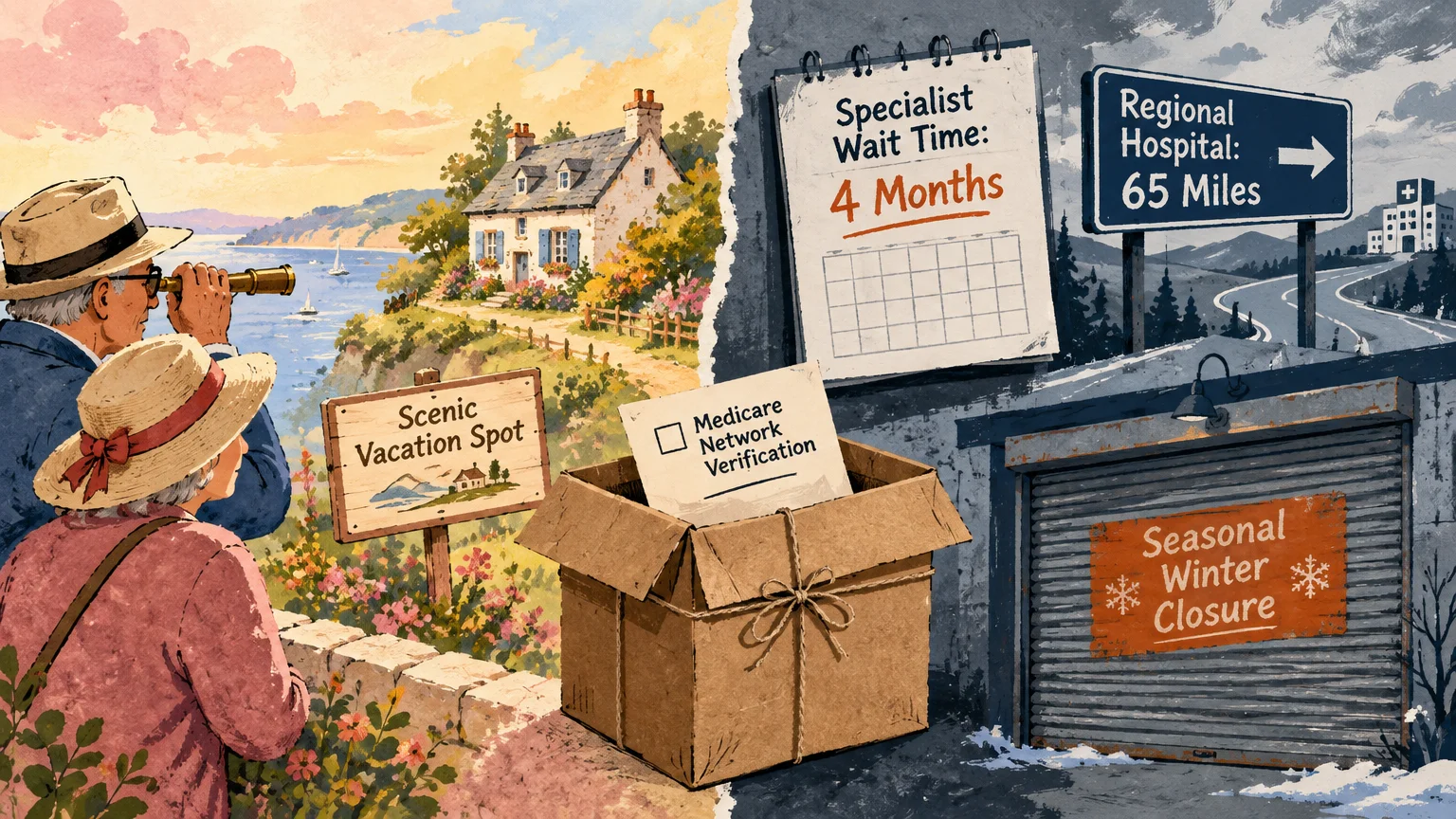
Relocating during retirement involves major life changes that extend beyond simple scenery upgrades. Watch out for these four frequent missteps when evaluating quiet towns for retirees.
- Overlooking Specialty Healthcare Access: Community clinics handle everyday ailments, but chronic conditions demand specialized doctors. If you need regular visits with an oncologist or rheumatologist, confirm travel distances before relocating.
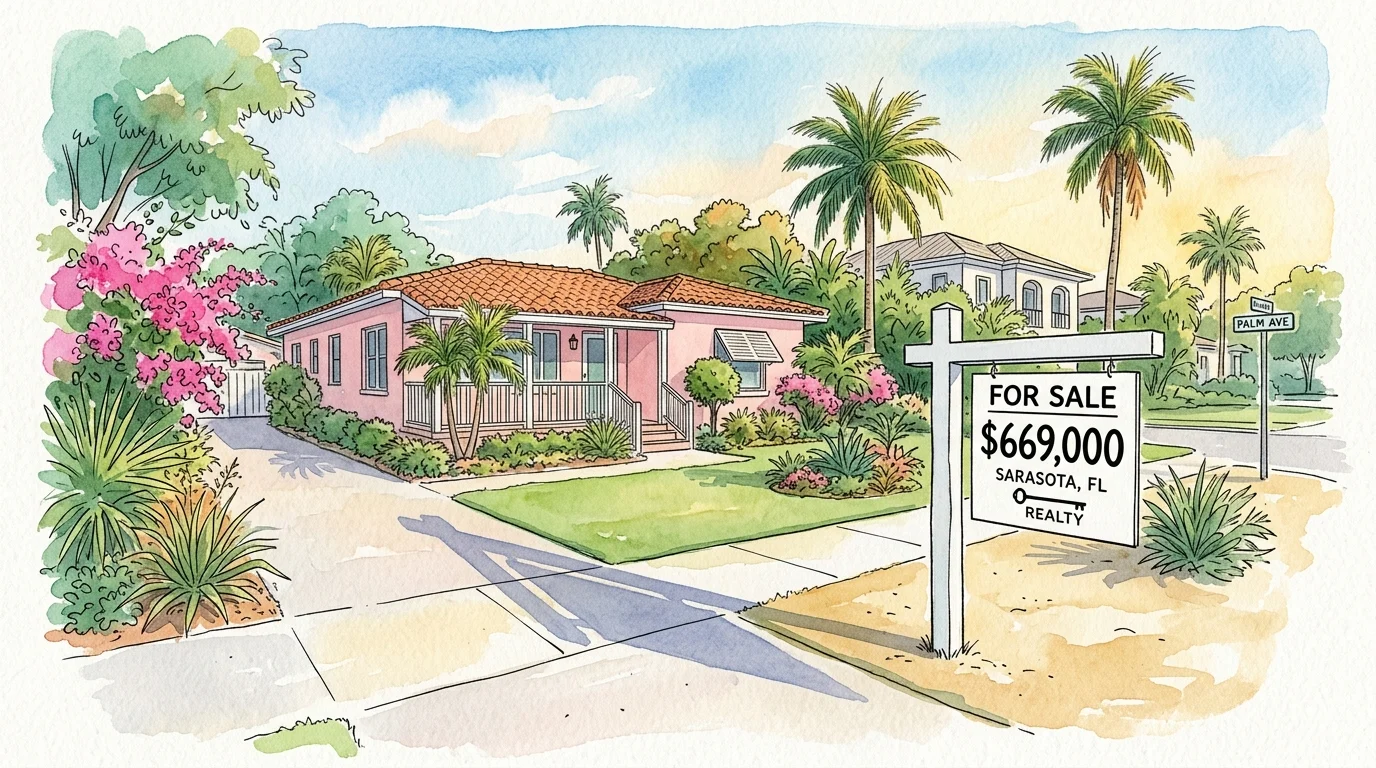
- Miscalculating Property Tax Adjustments: A home’s listed real estate tax reflects the current owner’s exemptions. Many counties reassess the property value upon sale, resulting in a much higher annual tax bill.
- Underestimating Ongoing Home Maintenance: Moving to a wooded lot or mountain town brings heavy seasonal chores. Clearing snow, trimming trees, and cleaning gutters require physical stamina or dependable local contractors.
- Ignoring Moving and Downsizing Costs: Professional cross-country movers, title fees, and utility deposits quickly drain cash reserves. The Consumer Financial Protection Bureau advises tracking all closing expenses to avoid draining your emergency cushion.
You can search for regional transportation assistance, meal programs, and caregiver resources using the federal Eldercare Locator before finalizing your move.

Finding the Right Advisor
Relocating across state lines often reshapes your broader financial plan. Consulting a qualified fee-only certified financial planner (CFP) or certified public accountant (CPA) can safeguard your money in several key scenarios.
First, if you are selling a long-held home in a high-cost state, you need guidance on capital gains exclusions. A tax professional can help you shield home sale profits under current IRS rules.
Second, an advisor helps plan retirement account drawdowns to avoid triggering higher Medicare Part B and Part D premiums. Sudden shifts in taxable income can push you into expensive IRMAA surcharge brackets.
Third, an estate planning attorney licensed in your new home state must update your legal documents. Healthcare directives, powers of attorney, and trusts must conform to local state statutes to remain legally enforceable.
Frequently Asked Questions
Which small towns offer the best tax advantages for retirees?
Towns in states without personal income taxes—such as Sequim, Washington; Mount Dora, Florida; and Fredericksburg, Texas—allow you to keep your full pension and IRA distributions.
Delaware and Iowa are also exceptionally friendly, offering exemptions on retirement distributions, low property rates, or zero state sales tax.
How do I evaluate healthcare quality in a town under 20,000 residents?
Check the Centers for Medicare & Medicaid Services (CMS) hospital star ratings online before choosing a town. These ratings evaluate patient outcomes, infection rates, emergency room wait times, and overall patient satisfaction.
Does moving to a small town lower my Medicare costs?
Original Medicare Part A and Part B premiums remain uniform nationwide regardless of where you live. However, private Medicare Advantage and Part D prescription plans change premiums, formularies, and provider networks by county.
Should I rent before buying a home in a new retirement town?
Renting for six to twelve months is one of the smartest relocation strategies. Leasing allows you to experience harsh winter weather, test local healthcare facilities, and confirm whether the community fits your daily lifestyle.
Taking time to visit potential towns across different seasons gives you practical insight that online brochures cannot replicate. By matching your financial goals with the right small-town amenities, you can secure a fulfilling, stress-free retirement.
This article provides general financial education and information only. Everyone’s financial situation is unique—what works for others may not work for you. For personalized advice tailored to your retirement needs, consider consulting a qualified financial professional such as a CFP or CPA.
Last updated: February 2026. Benefit amounts, tax rules, and program details change annually—verify current figures with official government sources.







Leave a Reply