
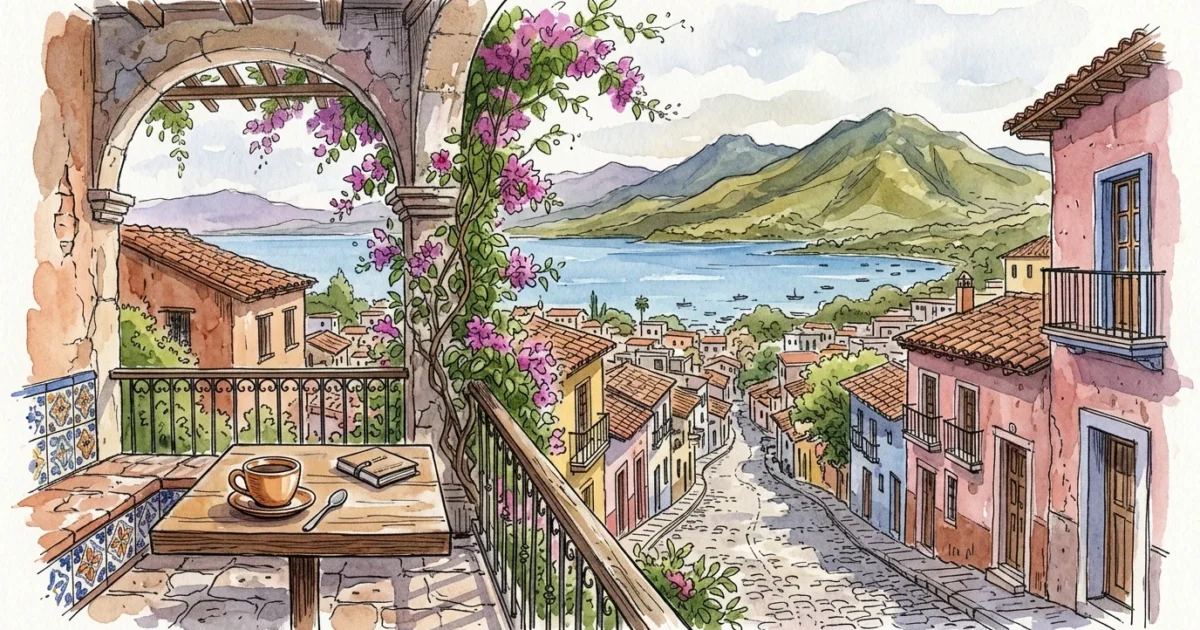
Stretching your retirement dollars without sacrificing high-quality healthcare or active social connections is simpler than ever when you look south of the border. Over 1.6 million American citizens currently live in Mexico, establishing robust networks that offer familiar amenities, English-speaking professionals, and rich cultural experiences. Choosing among the best expat towns in Mexico allows you to trade high housing costs for temperate climates, affordable living, and instant community support. Whether you prefer vibrant colonial mountain cities, serene lakeside villages, or sun-drenched coastal havens, understanding the unique vibe, cost structures, and infrastructure of these top retirement havens will help you make a confident, seamless transition into international living.
Why Mexico Remains the Top Overseas Destination for American Retirees
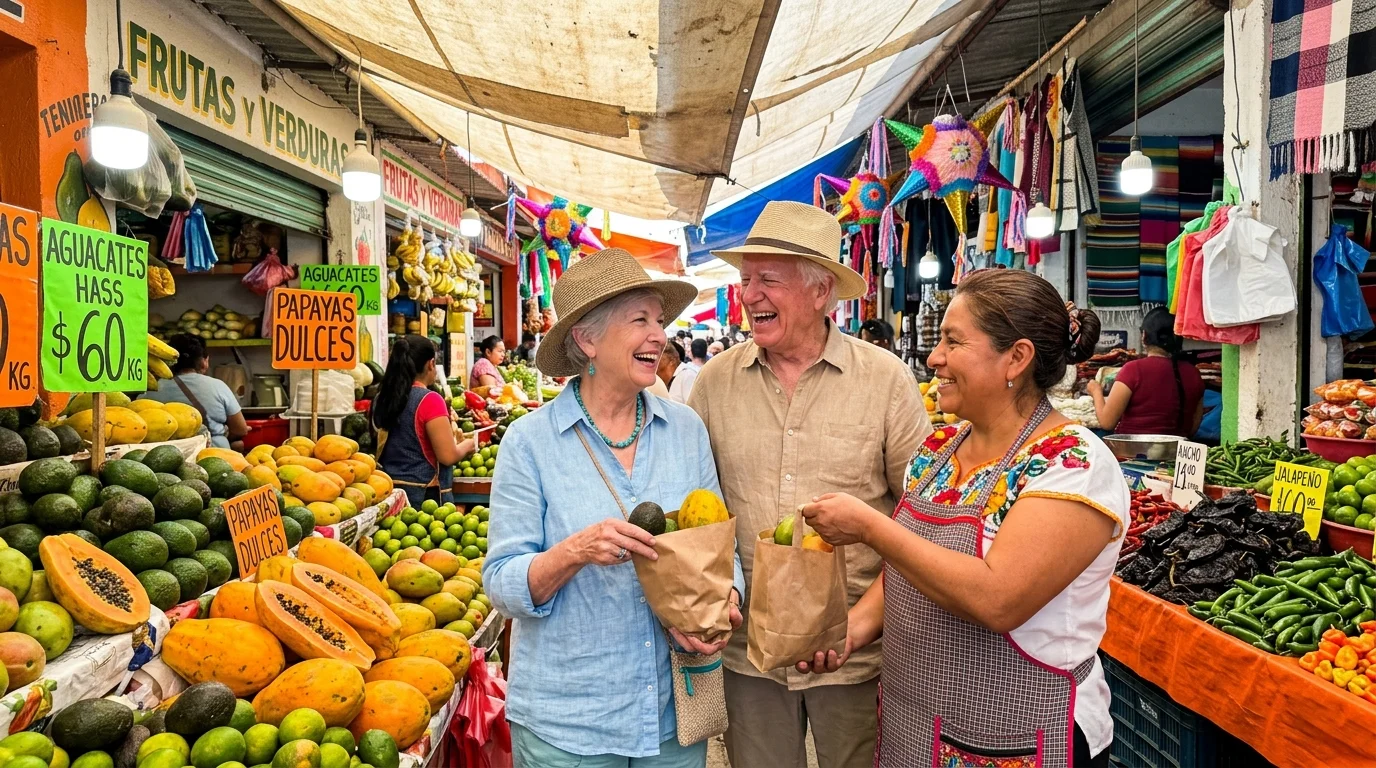
Moving abroad in retirement represents a major financial and lifestyle decision. Mexico continues to lead as the preferred destination for North American retirees because it offers an unbeatable combination of geographical proximity, warm hospitality, lower living costs, and high-quality private healthcare. Living in Mexico allows you to maintain close ties with family in the United States while dramatically lowering your monthly expenditures on housing, domestic help, out-of-pocket medical care, and entertainment.
Established Mexican towns with expat communities eliminate much of the stress associated with moving to a foreign country. In these regions, you will find active social clubs, bilingual medical specialists, imported grocery items, and familiar legal procedures for renting or buying property. Rather than navigating a new language and culture entirely on your own, living in an established enclave provides a built-in safety net of experienced peers who share advice on everything from finding a trustworthy mechanic to enrolling in local healthcare plans.
1. Ajijic and Lake Chapala (Jalisco): The Premier Lakeside Enclave
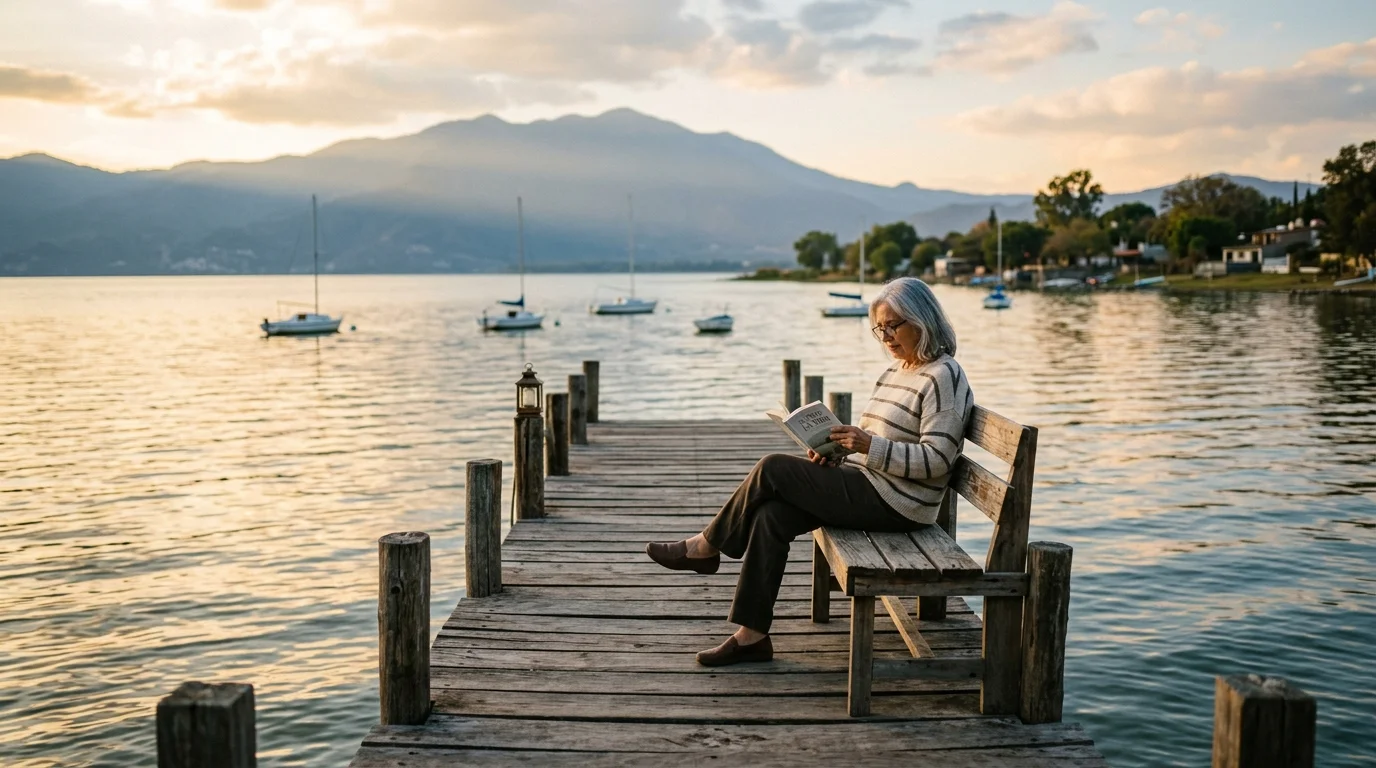
Located along the shore of Mexico’s largest freshwater lake, Ajijic and the surrounding Lake Chapala region host the world’s largest concentrated North American retiree enclave. An estimated 15,000 to 20,000 full-time foreign residents live here, a number that expands to over 30,000 during the winter “snowbird” season. Sitting at an altitude of 5,000 feet, the area offers a spring-like climate year-round with average daily temperatures hovering around 75°F.
The heart of social life in Ajijic revolves around the Lake Chapala Society (LCS), an organization that has served foreign residents for decades. The LCS offers an extensive English-language library, language classes, art workshops, volunteer opportunities, and legal orientation seminars. In addition, Ajijic sits just 45 minutes from Guadalajara, Mexico’s second-largest city. This proximity ensures you have rapid access to top-tier, international-standard hospital networks and an international airport with direct flights across North America.
2. San Miguel de Allende (Guanajuato): A Cultural and Artistic Haven
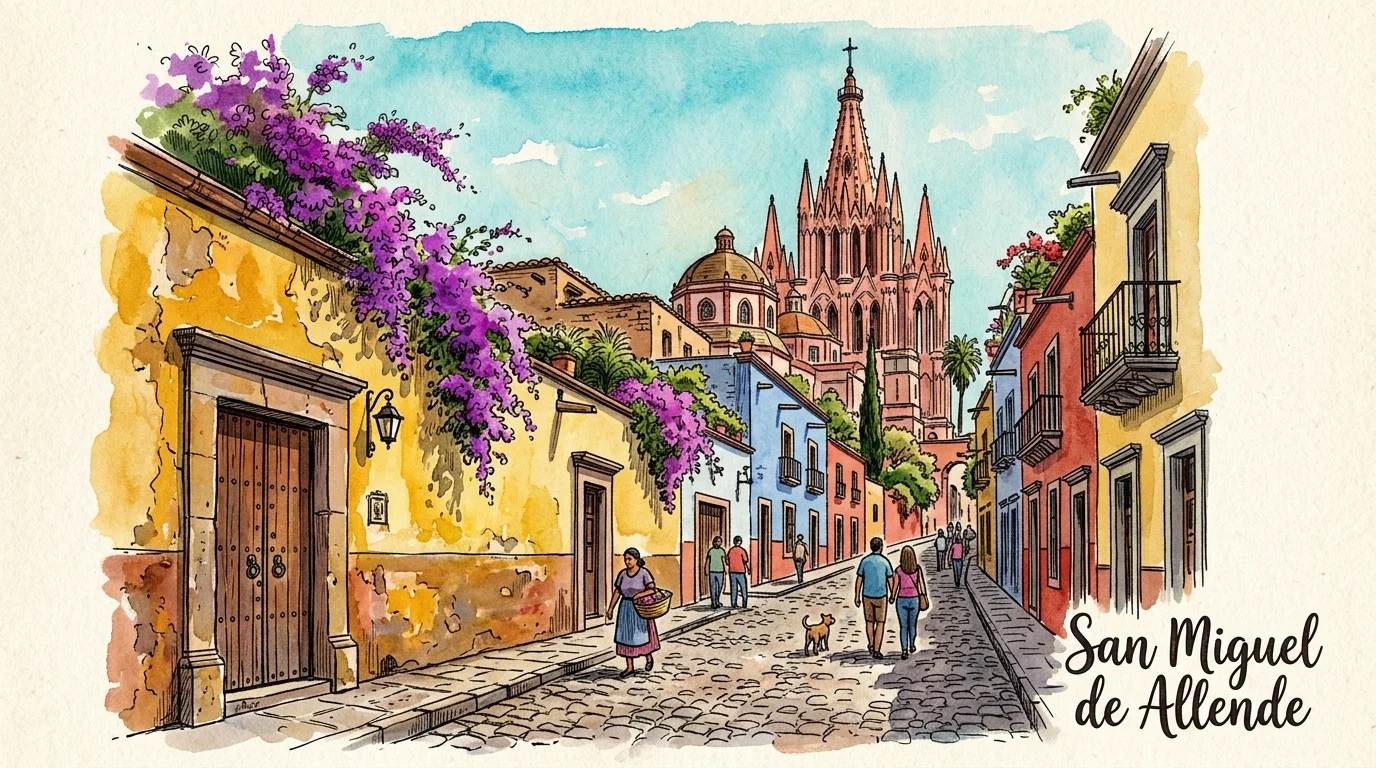
Nestled in the central highlands of Guanajuato, San Miguel de Allende is a UNESCO World Heritage site famous for its preserved Spanish colonial architecture, cobblestone streets, and vibrant arts scene. Out of a total municipal population of approximately 175,000, over 10,000 foreign expats call San Miguel home—representing 10% to 20% of the city’s inhabitants. This high concentration creates an environment where English is widely spoken in shops, restaurants, and medical offices.
San Miguel de Allende caters exceptionally well to retirees seeking intellectual stimulation, creative arts, and community involvement. The town features hundreds of art galleries, music festivals, culinary schools, and non-profit volunteer organizations. Because of its popularity, real estate and dining costs run higher here than in rural Mexico, but housing and living expenses remain significantly lower than in comparable cultural hubs in North America. Excellent local private clinics handle routine healthcare, while major hospital systems in nearby Querétaro provide advanced specialized care.

3. Mérida (Yucatán): Safe Colonial Charm and Modern Medical Care
If safety, rich history, and top-tier infrastructure head your priority list, Mérida stands out as a premier choice. Consistently ranked as the safest city in Mexico by the National Institute of Statistics and Geography (INEGI), Mérida offers peace of mind alongside rich Mayan culture and magnificent French and Spanish architecture. The city’s wide avenues, such as the famous Paseo de Montejo, host bustling cafes, outdoor concerts, and weekend markets.
Mérida serves as the medical capital of southeastern Mexico, boasting state-of-the-art private hospitals staffed by physicians who frequently train in the United States or Europe. While the summer climate brings heat and humidity, every modern home and business features central or mini-split air conditioning. The city sits just 30 minutes from Gulf Coast beach communities like Progreso, allowing you to enjoy coastal breezes without paying beachfront real estate prices. It represents one of the most welcoming expat communities Mexico offers for safety-conscious retirees.
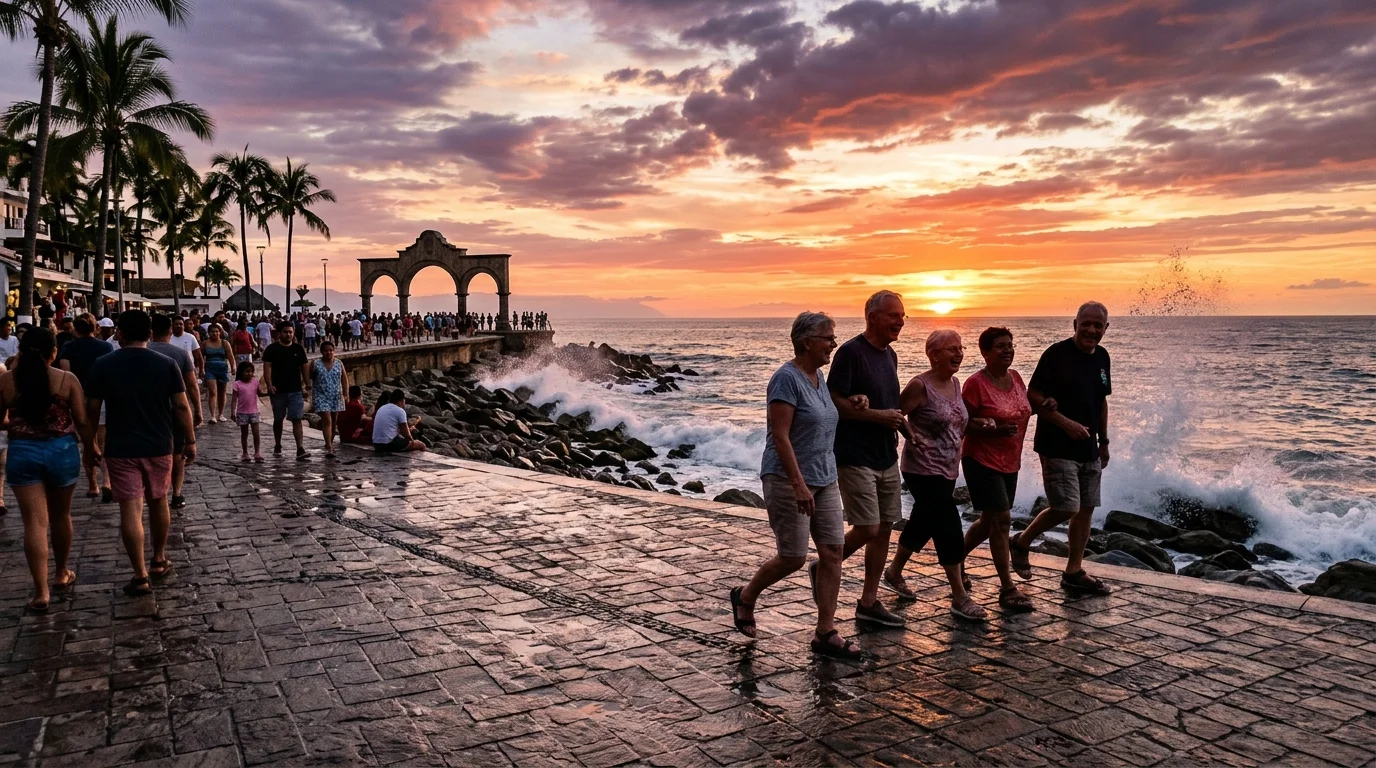
4. Puerto Vallarta (Jalisco): Active Oceanfront Living and Infrastructure
For retirees dreaming of a Pacific oceanfront retirement, Puerto Vallarta provides a mature, dynamic, and fully modernized destination. Nestled between the Sierra Madre mountains and Banderas Bay, Puerto Vallarta combines vibrant beach culture with sophisticated city amenities. Popular neighborhoods like the Zona Romántica feature flat, walkable streets filled with seaside dining, art galleries, and English-speaking service providers.
Puerto Vallarta excels in healthcare accessibility and transportation convenience. The city features multiple full-service private hospitals, such as Hospital Joya, designed to cater to international patients with bilingual staff and seamless billing procedures. Its international airport connects directly to dozens of major U.S. cities, making visits from children and grandchildren effortless. While coastal humidity rises during summer months, the ocean breezes and active social life make it one of the most enduring Mexico expat hotspots.
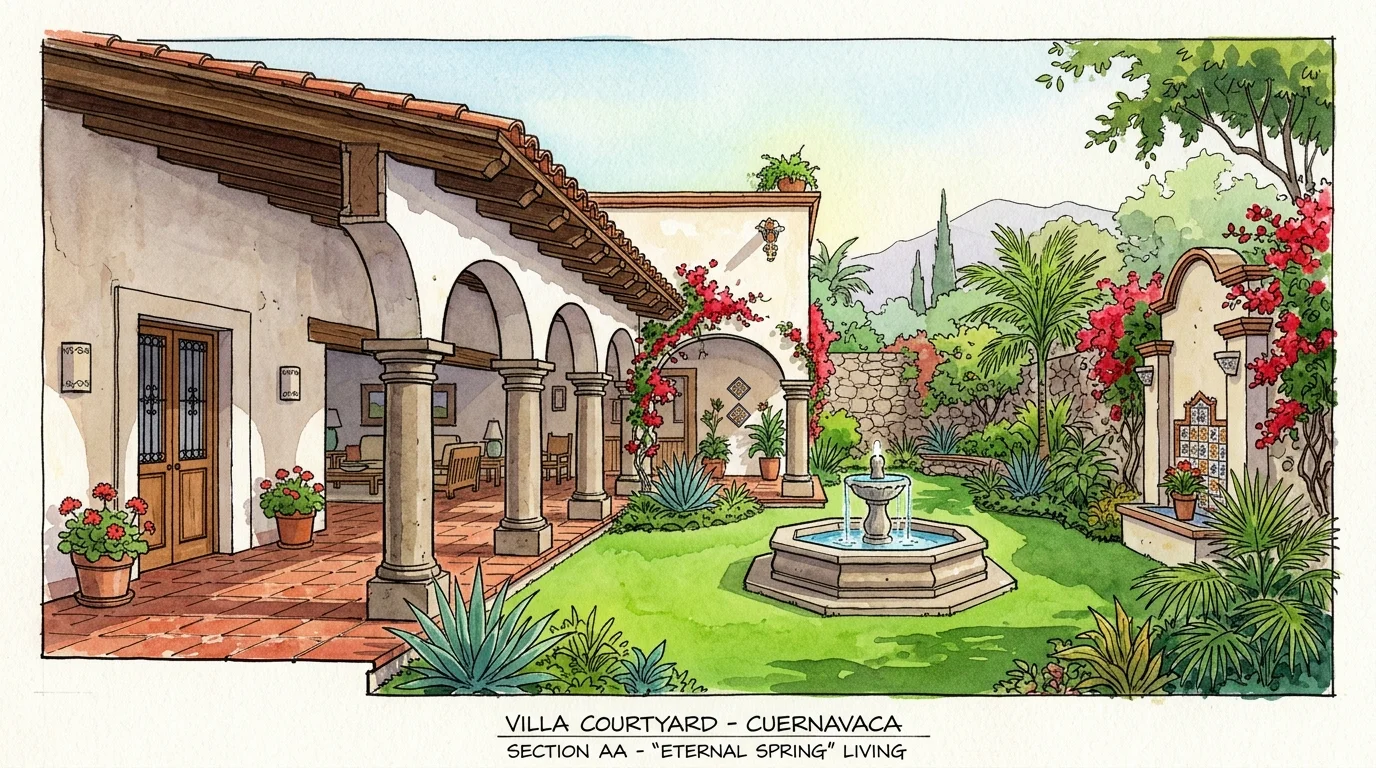
5. Cuernavaca (Morelos): Springlike Weather Near Capital Amenities
Nicknamed the “City of Eternal Spring” for its lush greenery and mild, comfortable climate, Cuernavaca sits just 50 miles south of Mexico City. Long a retreat for Mexican royalty and international diplomats, Cuernavaca features gated residential neighborhoods, historic botanical gardens, and charming central plazas. Its elevation creates ideal weather that rarely requires heavy heating or intensive air conditioning.
Retiring in Mexico expat friendly towns like Cuernavaca offers a distinct practical advantage: immediate access to Mexico City’s elite medical institutions and cultural treasures without living in the metropolis itself. Foreign residents in Cuernavaca organize active gardening, literature, and civic groups. Living costs remain reasonable, offering exceptional value for spacious homes featuring private courtyards and swimming pools.
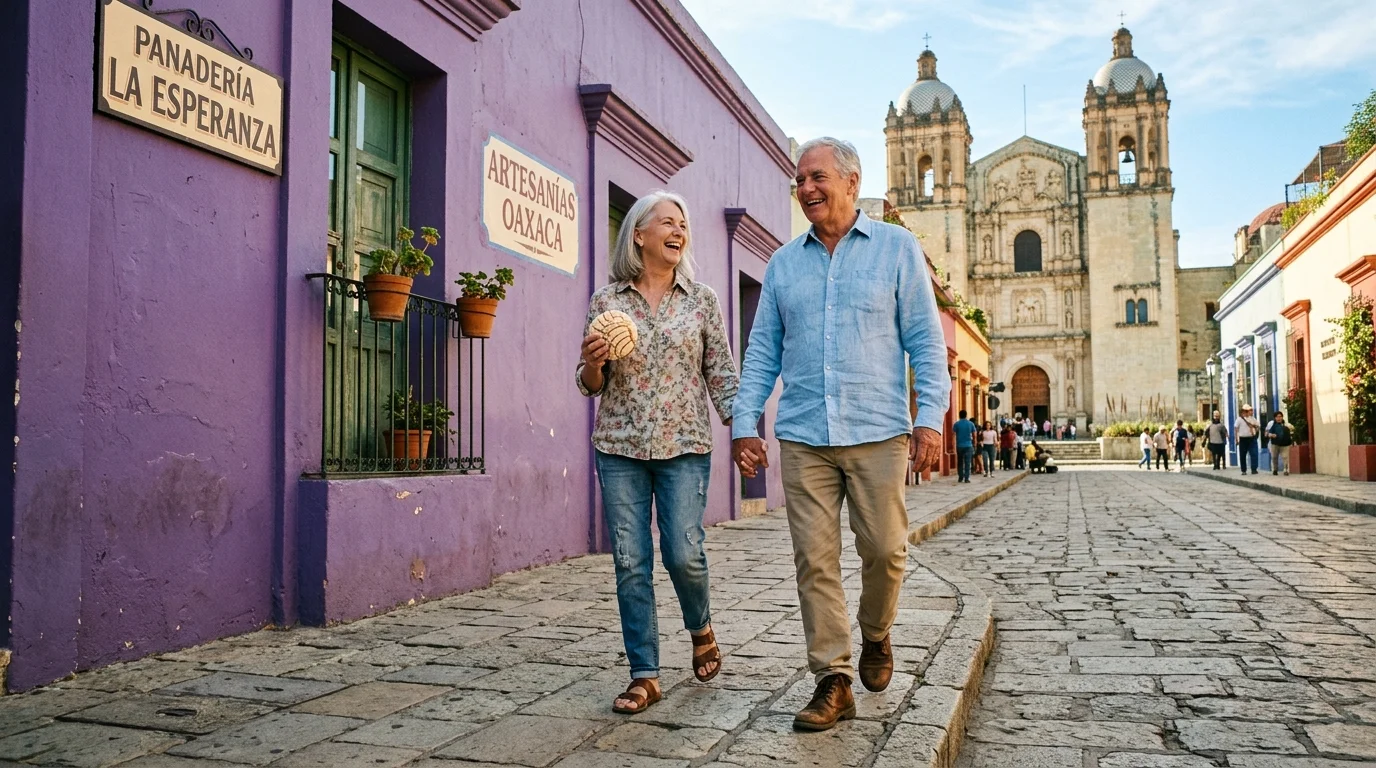
6. Oaxaca City (Oaxaca): Rich Heritage, Gastronomy, and Walkability
Oaxaca City appeals directly to retirees seeking an authentic, culturally rich environment balanced with modern comforts. Set in a highland valley in southern Mexico, Oaxaca is world-famous for its distinct indigenous heritage, vibrant textiles, traditional markets, and legendary culinary scene. The compact, flat historic center makes daily life highly walkable, reducing or eliminating the need to own a car.
The foreign community in Oaxaca is diverse and deeply engaged with the local culture. Expats actively support local artisans, participate in language exchanges, and volunteer with educational non-profits. The city features modern private clinics for daily care, while moderate temperatures reduce annual utility costs. If you prioritize artistic depth, exceptional food, and a modest cost of living, Oaxaca City provides a welcoming home base.
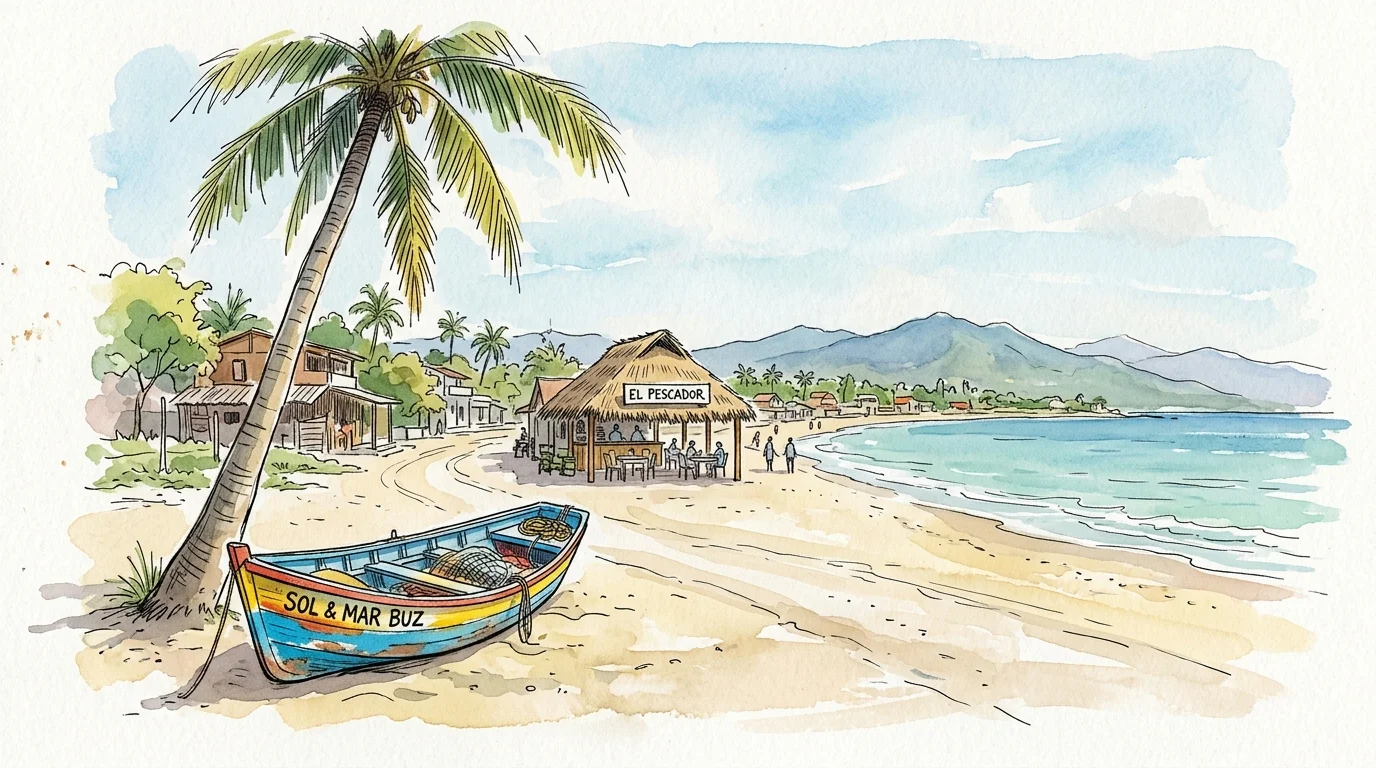
7. Bucerías (Nayarit): A Laid-Back Coastal Village Community
Located just 11 miles north of the Puerto Vallarta airport along the Riviera Nayarit, Bucerías offers a tranquil coastal lifestyle without the high-density high-rises found in larger resort cities. Bucerías features long stretches of sandy beach, calm ocean water suitable for swimming, and flat streets that encourage walking and biking. Its warm, friendly atmosphere attracts retirees who want a relaxed seaside environment with a strong sense of community support.
Bucerías boasts a tight-knit expat population known for organizing community cleanup drives, supporting local schools, and hosting regular social gatherings. You can easily access the broad medical and commercial resources of nearby Puerto Vallarta while enjoying lower night-noise levels and a slower pace of life. For coastal living with an active foreign resident network, Bucerías ranks high among Mexican towns with expat communities.
Comparing Mexico’s Top Retirement Destinations
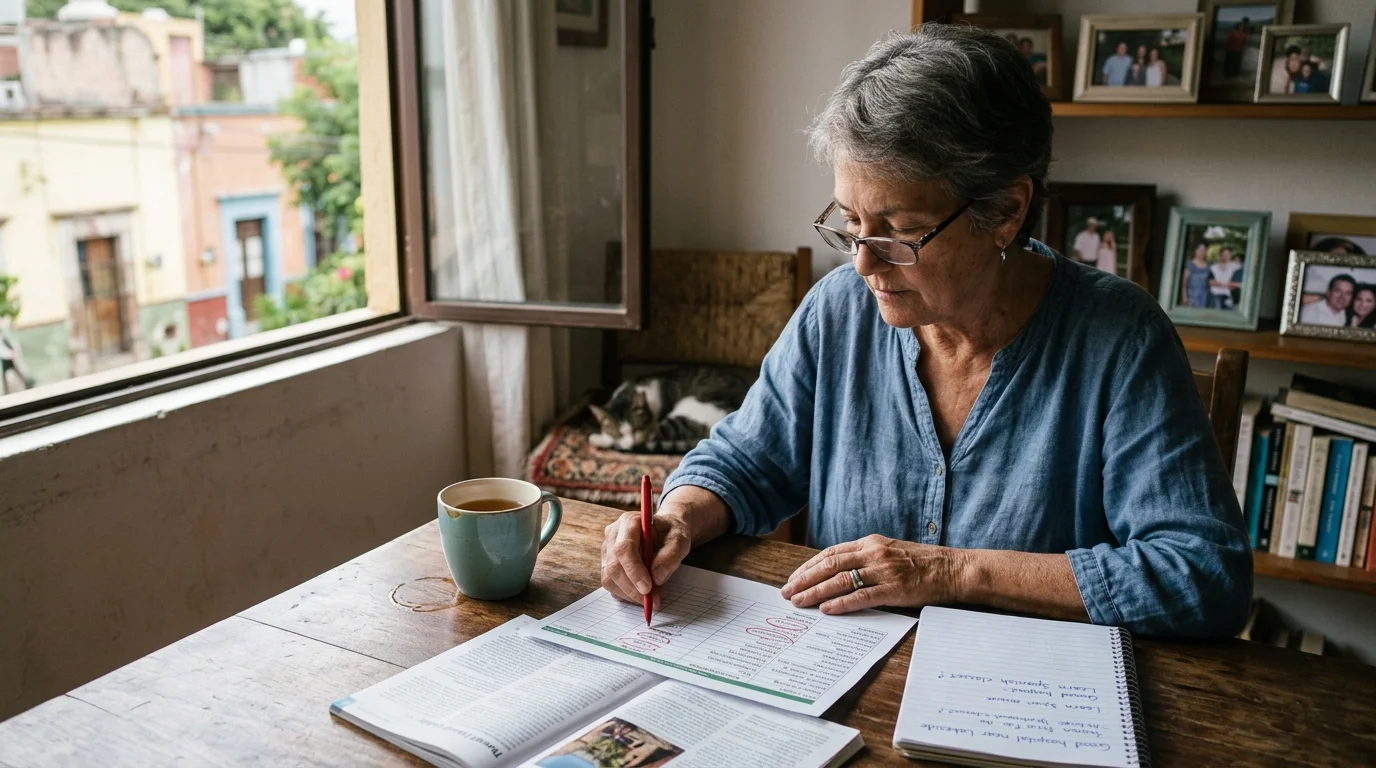
Evaluating climate, geographical features, and expat network sizes helps narrow down which town aligns best with your retirement preferences and medical needs. The following table highlights the core characteristics of each top destination:
| Town / Region | Primary Vibe & Geography | Estimated Expat Presence | Healthcare & Airport Access |
|---|---|---|---|
| Ajijic / Lake Chapala | Lakeside highland; spring climate | 15,000–20,000 full-time | 45 mins to Guadalajara hospitals & international airport |
| San Miguel de Allende | Colonial highland city; arts-focused | 10,000+ (10%–20% of pop.) | Local private clinics; 1 hour to Querétaro medical centers |
| Mérida | Tropical colonial city; high safety | 5,000–8,000 full-time | Top-tier regional hospital hubs; direct international flights |
| Puerto Vallarta | Pacific beach resort; active lifestyle | 10,000–15,000 full-time | Multiple private international hospitals; major airport hub |
| Cuernavaca | Lush mountain valley; mild weather | 3,000–5,000 full-time | 1 hour to Mexico City specialized medical centers |
| Oaxaca City | Cultural & culinary mountain city | 3,000–5,000 full-time | Modern regional private clinics; local airport connections |
| Bucerías | Laid-back Pacific beach village | 2,000–4,000 full-time | 20 mins to Puerto Vallarta private hospitals & international airport |
Understanding Mexican Residency and Financial Requirements in 2026
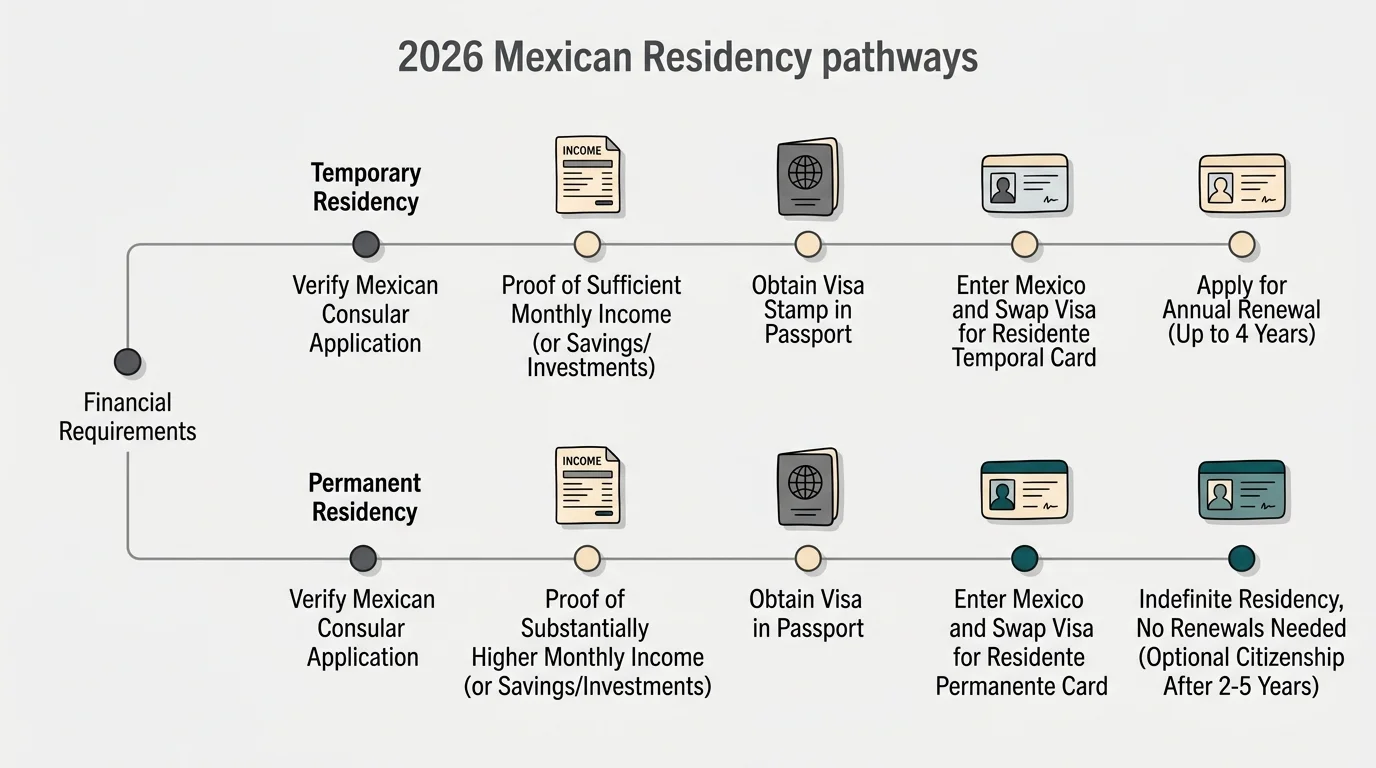
To reside in Mexico legally beyond a standard 180-day tourist allowance, you must apply for legal residency through a Mexican consulate outside of Mexico before entering the country. Mexico establishes its financial qualification thresholds using the official daily economic index known as the UMA (Unidad de Medida y Actualización), which updates annually in February. For 2026, the UMA daily rate is set at 117.31 MXN, which impacts the minimum monthly income or savings balances you must show.
The two main residency pathways for foreign retirees include:
- Temporary Residency: Suitable for retirees living in Mexico up to four years. According to official guidelines updated for 2026, consulates generally require proof of net monthly income between $4,200 and $4,432 USD (based on 680 times the UMA) over the past six months, or an average monthly bank/investment balance between $70,000 and $74,687 USD (11,460 times the UMA) over the past 12 months.
- Permanent Residency: Designed for retirees seeking long-term residency without renewing annually. Direct applicants generally must demonstrate monthly pension or retirement income between $7,300 and $7,430 USD (1,140 times the UMA) over six months, or an average liquid savings balance between $290,000 and $298,815 USD (45,850 times the UMA) over 12 months.
Keep in mind that individual Mexican consulates convert peso requirements into U.S. dollars based on current exchange rates, resulting in minor 5% to 10% variances between consulate locations. Always check the specific requirement sheet posted by the individual Mexican consulate where you schedule your application interview.
“Retirement is not the end of your financial life; it is the beginning of managing your capital to support the lifestyle you truly desire.” — Jean Chatzky, Financial Journalist and Author
Maximizing Senior Discounts With the INAPAM Card
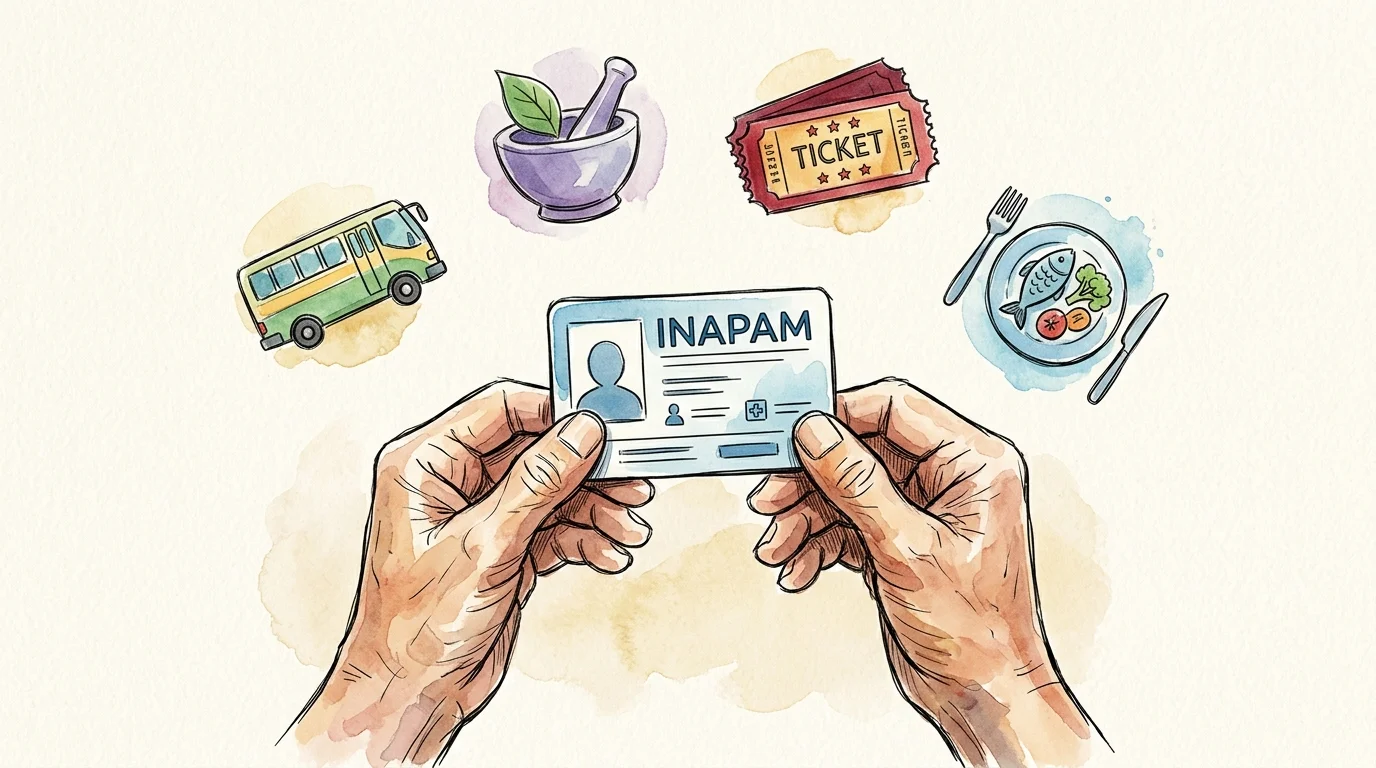
Once you secure your legal Temporary or Permanent Residency visa card in Mexico and reach age 60, you become eligible to apply for the INAPAM (Instituto Nacional para las Personas Adultas Mayores) card. This government-issued senior discount card provides substantial financial benefits across the country, helping lower your day-to-day living costs further.
Showing your INAPAM card delivers immediate savings in several key categories:
- Long-Distance Transportation: Enjoy 10% to 50% discounts on intercity bus travel across major transit networks like ADO, ETN, and Primera Plus.
- Healthcare and Pharmacies: Receive 10% to 30% discounts on consultations, diagnostic testing, and prescription drugs at participating private clinics and pharmacy chains.
- Municipal Taxes and Utilities: Many local municipalities grant 20% to 50% discounts on annual property taxes (predial) and municipal water service bills for qualifying homeowners.
- Cultural Attractions: Gain free or deeply discounted entry into national museums, archaeological sites, theaters, and state parks.
You can apply for your free INAPAM card at local municipal offices by presenting your official residency card, proof of address, passport, and passport-sized photos.
Pitfalls to Watch For When Planning Your Move
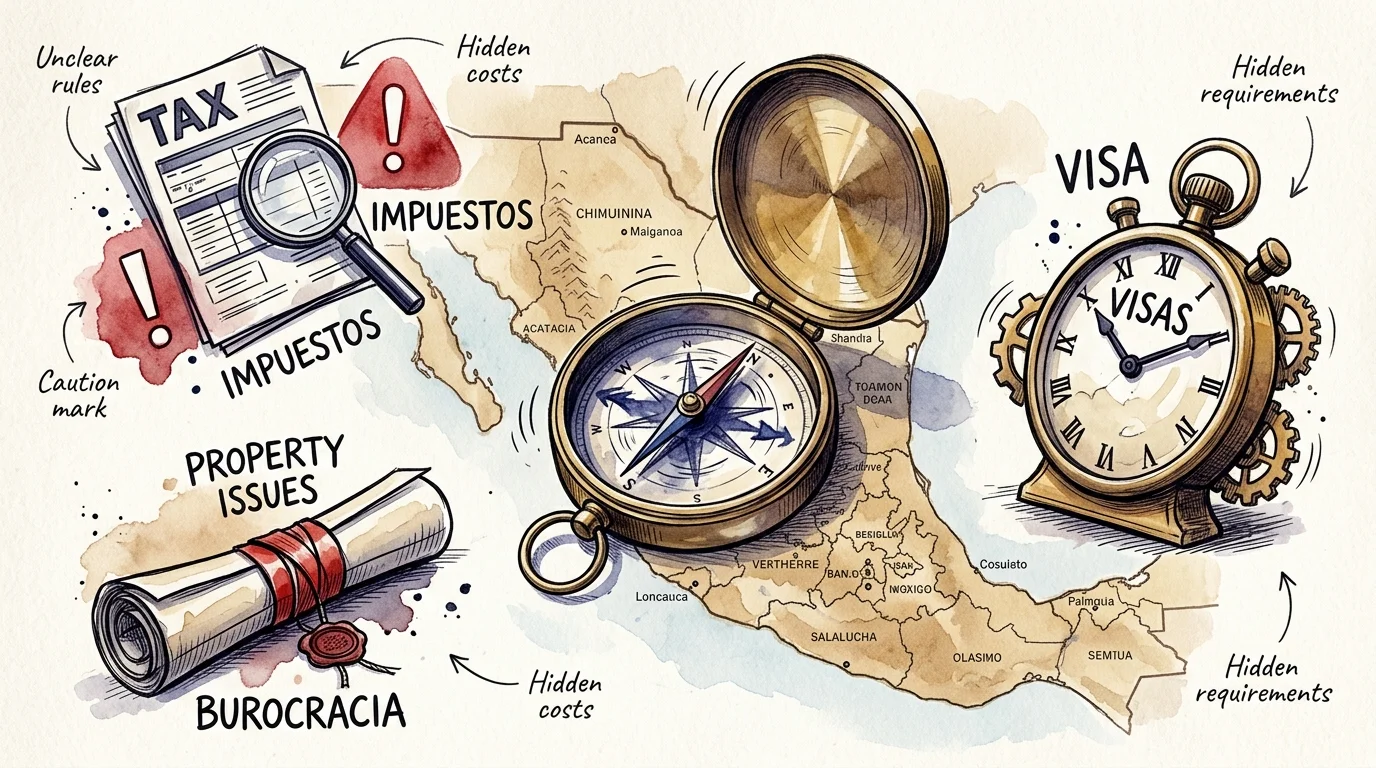
Transitioning your life to Mexico offers incredible rewards, but avoiding common financial and logistical missteps protects your retirement security. Keep these four potential pitfalls in mind as you map out your move:
1. Relying on U.S. Medicare Outside the Border: U.S. Medicare does not cover healthcare services, prescription drugs, or hospital stays outside the United States, except in rare emergency situations near the border. You must factor foreign private health insurance, a local Mexican health plan, or an out-of-pocket medical savings reserve into your budget. For guidance on maintaining your domestic coverage while abroad, consult official resources at Medicare.gov.
2. Assuming IRS Tax Obligations Disappear: U.S. citizens must file annual federal income tax returns regardless of where they live in the world. Living abroad does not exempt you from reporting retirement income, pension distributions, or capital gains. Furthermore, holding foreign bank accounts with aggregate balances exceeding $10,000 USD requires filing an annual FBAR (Foreign Bank Account Report). Review cross-border tax filing rules directly on the Internal Revenue Service website.
3. Buying Real Estate Without Proper Legal Guidance: Mexican law restricts foreign ownership within 50 kilometers (31 miles) of coasts and 100 kilometers (62 miles) of land borders. In these “restricted zones,” foreigners legally purchase property through a bank trust called a fideicomiso. Failing to hire an independent, bilingual real estate attorney (unaffiliated with the seller or developer) can result in land title disputes or unfulfilled contracts.
4. Isolating Yourself Inside Expat Enclaves: While living in expat-heavy towns makes social integration comfortable, relying exclusively on English and foreign businesses limits your experience. Learning conversational Spanish and engaging with local community members builds deeper relationships and equips you to navigate local administrative offices confidently.
Getting Expert Help With Your Cross-Border Transition
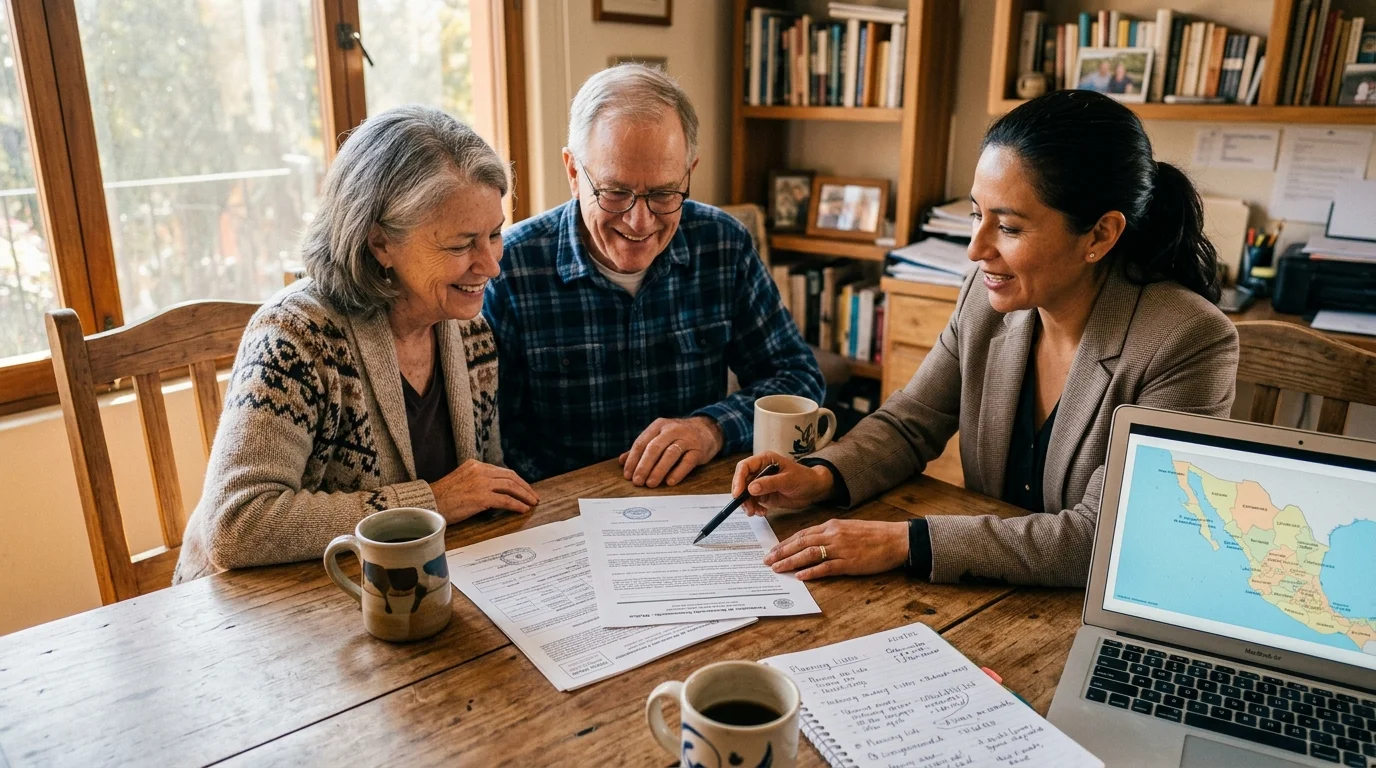
Navigating cross-border financial rules requires careful coordination between your U.S. financial plans and Mexican legal regulations. Seeking professional assistance ensures you make tax-efficient choices while setting up your new lifestyle.
Consider seeking professional advice in these specific scenarios:
- Structuring Retirement Withdrawals: Work with a Certified Financial Planner (CFP) to design an income strategy that accounts for foreign currency fluctuations, account transfer fees, and distribution timing from 401(k) or IRA accounts. Additional planning strategies can be explored through AARP financial guides.
- Navigating Cross-Border Tax Filing: Hire a Certified Public Accountant (CPA) experienced in international expat taxes to help you claim applicable foreign tax credits and stay compliant with FBAR reporting.
- Handling Social Security Payments: Contact the Social Security Administration international direct deposit department to learn how to route your monthly benefits securely to either a foreign or domestic bank account. Veterans should also coordinate benefit delivery through the U.S. Department of Veterans Affairs.
- Securing Mexican Legal Residency: Retain a reputable Mexican immigration facilitator or legal consultant to ensure your financial paperwork meets specific consulate standards prior to your interview.
Frequently Asked Questions
Can I use my U.S. health insurance or Medicare in Mexico?
No, Medicare does not cover healthcare services rendered outside the United States. Retirees living in Mexico generally purchase private international or Mexican health insurance, enroll in local health systems, or pay cash out-of-pocket for routine care, which typically costs a fraction of U.S. prices.
How do I receive my monthly Social Security benefits while living in Mexico?
The Social Security Administration allows beneficiaries to receive payments via direct deposit into eligible Mexican bank accounts or maintain their payments in a U.S. bank account. Many retirees keep their primary U.S. account active and transfer monthly funds to Mexico using international transfer services or fee-free ATM debit cards.
Do I have to pay taxes in Mexico on my U.S. retirement income?
Mexico taxes legal residents on worldwide income; however, the tax treaty between the United States and Mexico prevents double taxation on most U.S. pensions and Social Security benefits. Working with a qualified international tax accountant ensures you structure your tax filings correctly in both countries.
Is it safe to live in Mexican expat communities?
The majority of top expat towns—such as Mérida, Ajijic, and San Miguel de Allende—boast lower violent crime rates than many major U.S. cities. Exercising standard safety common sense, using gated communities or secure housing, and avoiding late-night highway driving ensures a peaceful retirement experience.
Next Steps for Your Mexican Retirement Journey
Moving to Mexico offers an opportunity to lower your living expenses while enriching your daily life with vibrant culture, ideal weather, and strong social connections. Start your journey by choosing two or three potential towns from this list that match your lifestyle and climate preferences. Plan an extended “test drive” visit of 4 to 8 weeks in those locations, renting a house in a non-tourist neighborhood to experience grocery shopping, local transportation, medical services, and expat social clubs firsthand.
Gather your financial documents, review income guidelines with your local Mexican consulate, and consult a qualified financial adviser to build a smooth, stress-free transition plan. With proper preparation, retiring in Mexico can deliver the rewarding, comfortable retirement you have worked so hard to achieve.
This article provides general financial education and information only. Everyone’s financial situation is unique—what works for others may not work for you. For personalized advice tailored to your retirement needs, consider consulting a qualified financial professional such as a CFP or CPA.
Last updated: February 2026. Benefit amounts, tax rules, and program details change annually—verify current figures with official government sources.




Leave a Reply