

Transitioning into retirement often reveals that living on a fixed income costs significantly more than initial financial planning models suggest. While standard monthly bills like groceries and entertainment are simple to track, subtle financial leaks in core spending categories can quietly drain your hard-earned nest egg. Essential expenses like Medicare premiums, property maintenance, tax surcharges, and uncovered healthcare services routinely surprise even the most disciplined planners. By identifying these commonly underestimated retirement expenses early, you can adjust your spending strategy, safeguard your long-term capital, and protect your financial independence throughout your golden years.

1. Healthcare and Out-of-Pocket Medical Expenses
Many pre-retirees mistakenly assume that Medicare pays for all healthcare expenses after age 65. In reality, basic Medicare coverage leaves significant gaps that require ongoing out-of-pocket funding. According to the July 2026 Retiree Health Care Cost Estimate from Fidelity Investments, a 65-year-old individual retiring in 2026 can expect to spend an average of $185,500 out of pocket on medical care throughout retirement; a married couple will need approximately $371,000. This estimate represents a 7.5% increase over 2025 figures and excludes long-term care costs entirely.
Monthly premiums and deductibles form a recurring baseline expense that rises almost every year. For calendar year 2026, the Centers for Medicare & Medicaid Services (CMS) set the standard monthly Medicare Part B premium at $202.90 (up from $185.00 in 2025), with an annual Part B deductible of $283. While federal law caps out-of-pocket prescription drug costs for Medicare Part D enrollees at $2,100 in 2026, routine services remain outside Original Medicare’s scope.
- Routine Dental Care: Original Medicare does not cover routine cleanings, fillings, crowns, or dentures. Data from the CDC’s National Health Interview Survey reveals that 11.2% of older adults aged 65 and over delay or forego essential dental treatment due to unexpected out-of-pocket expenses.
- Vision and Hearing Services: Comprehensive eye exams, prescription eyeglasses, and hearing aids require separate private insurance policies or direct cash payment. Hearing aids alone can easily cost between $2,000 and $7,000 per pair.
- Supplemental Coverage Premiums: To eliminate unpredictable copays and coinsurance, most retirees purchase Medigap policies or Medicare Advantage plans, adding another monthly line item to the household budget.
To keep your healthcare plan on solid ground, build a dedicated medical reserve fund alongside your regular emergency savings. You can review coverage options and plan rules directly on Medicare.gov during every annual open enrollment period.

2. The Myth of the Paid-Off Home: Housing and Property Upkeep
Entering retirement without a mortgage is a fantastic achievement, but it does not mean your housing costs drop to zero. Figures from the Bureau of Labor Statistics (BLS) show that housing remains the largest single expenditure for adults aged 65 and older, taking up roughly 30% to 33% of a retiree’s monthly income. Unanticipated increases in non-mortgage real estate costs frequently disrupt fixed budgets.
Property taxes and homeowners insurance premiums have surged nationwide, often outpacing general inflation and Social Security cost-of-living adjustments (COLAs). Furthermore, physical structures age right alongside their owners. Financial planners recommend budgeting 1% to 2% of your home’s total market value each year for routine upkeep and major capital replacements, such as roofs, heating and cooling systems, or plumbing upgrades.
Aging in place also introduces accessibility modification costs. Converting a home to accommodate changing mobility needs may require installing wheelchair ramps, walk-in showers, stair lifts, and wider doorways—renovations that quickly range from $5,000 to more than $20,000.

3. Long-Term Care and Non-Medical Home Assistance
Perhaps the single biggest financial blind spot for seniors is long-term custodial care. Original Medicare and standard Medicare Supplement plans do not pay for ongoing, non-skilled personal care—such as help with bathing, dressing, meal preparation, or medication management—unless you meet strict Medicaid eligibility limits after exhausting your assets.
According to the CareScout/Genworth 2025/2026 Cost of Care Survey, the national median cost for non-medical home care stands at $35 per hour. If you require 44 hours of professional caregiving per week, your annual cost reaches approximately $80,080. Residential options carry even higher price tags:
- Assisted Living Facilities: The national median annual cost reached $70,800 for a standard private room.
- Skilled Nursing Facilities: A private room in a licensed nursing home ranges from $116,000 to more than $127,000 per year nationwide.
Failing to plan for long-term care leaves your entire retirement portfolio vulnerable to rapid depletion. To research community support options and localized care resources, consult the federal Eldercare Locator service early in your planning process.
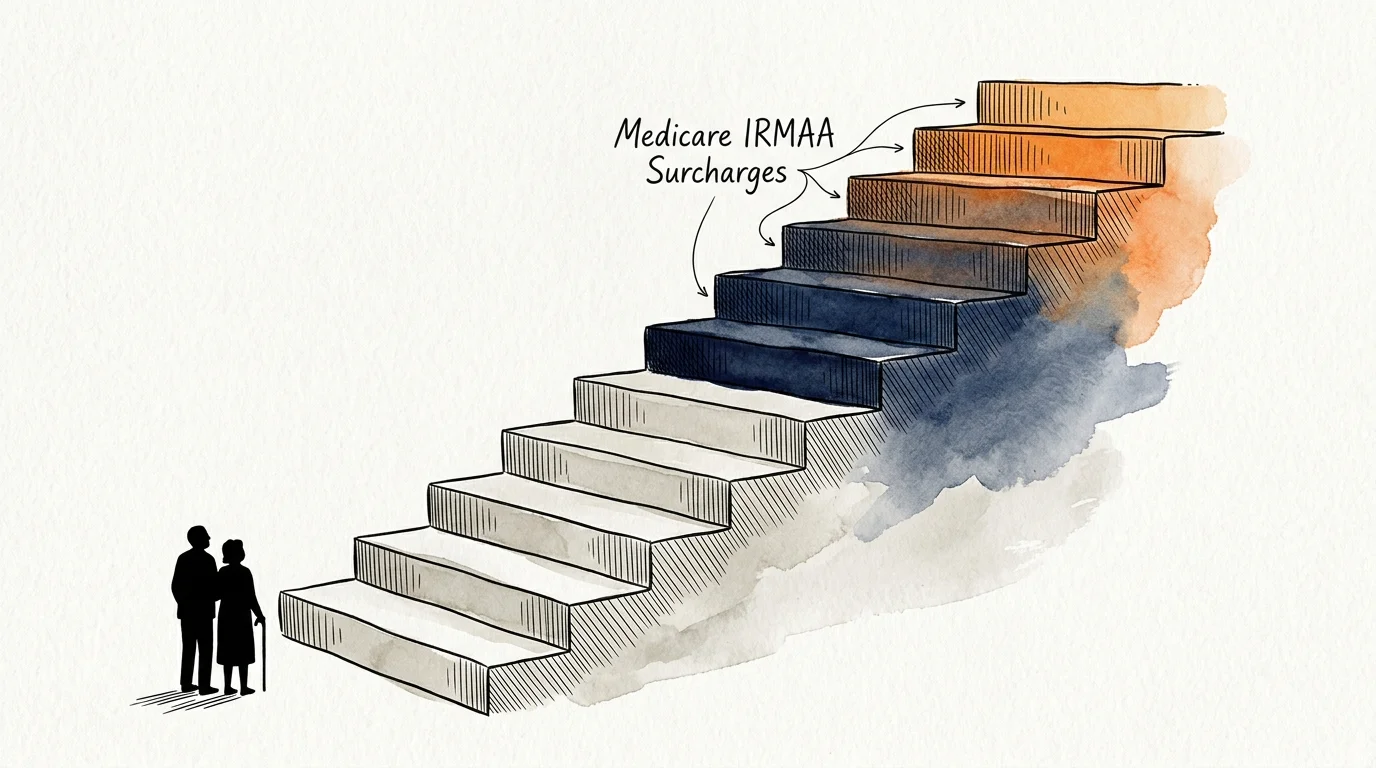
4. Taxes in Retirement and Medicare IRMAA Surcharges
Many seniors believe their tax burden will plunge once they stop working, but taxable income streams often persist. Withdrawals from traditional 401(k) plans and Traditional IRAs count as ordinary income. Once you reach your required beginning age, mandatory Required Minimum Distributions (RMDs) force taxable distributions whether you need the income or not.
Additionally, Social Security benefits become taxable when your total income crosses modest thresholds. If your combined income (adjusted gross income plus non-taxable interest plus half of your Social Security benefit) exceeds $25,000 for an individual or $32,000 for a married couple filing jointly, up to 85% of your Social Security benefits become subject to federal income tax.
Surprise income spikes can also trigger the Income-Related Monthly Adjustment Amount (IRMAA). If your modified adjusted gross income from two years prior exceeds specific federal thresholds, CMS adds a mandatory surcharge to your standard Medicare Part B and Part D monthly premiums. You can verify current tax brackets and standard deduction rules for seniors directly at the Internal Revenue Service (IRS) website.
“You must control your money, or the lack of it will forever control you.” — Suze Orman, Personal Finance Expert

5. Unplanned Family Financial Support
Retirees often underestimate how much money they will give to family members. Helping adult children through economic hurdles, contributing to grandchildren’s education funds, or providing cash gifts during holidays can steadily drain extra reserves. While helping family is natural, doing so without clear boundaries can jeopardize your personal financial stability.
Establish a dedicated annual family support budget line rather than pulling cash spontaneously from your core savings. Protecting your financial independence is the greatest gift you can give your adult children; it ensures you won’t need to rely on them for financial support later in life.

6. Transportation and Auto Policy Increases
While commuting costs drop once you finish working, transportation costs rarely disappear. Vehicle maintenance, gas, registration fees, and replacement costs persist. Furthermore, auto insurance companies routinely adjust rates based on age demographics, meaning your auto policy premiums may rise even if your driving record remains spotless.
If you plan to replace a primary vehicle during retirement, factor rising auto prices and interest rates into your five-year cash flow projections. Seniors who eventually give up driving must also budget for private transportation services, taxi fares, or specialized community transit options.

Underestimated Categories vs. Realistic Planning
| Spending Category | Common Pre-Retiree Misconception | Realistic Financial Baseline |
|---|---|---|
| Healthcare | Medicare pays 100% of medical and drug costs. | Budget $185,500+ out-of-pocket per individual; standard Medicare Part B costs $202.90/month in 2026. |
| Housing | A paid-off mortgage means zero housing stress. | Housing accounts for 30%–33% of income due to rising taxes, insurance, and structural repairs. |
| Long-Term Care | Medicare covers extended home care and nursing homes. | Non-medical home care averages $35/hour ($80,080/yr); Medicare pays $0 for custodial care. |
| Income Taxes | Retirees fall into zero or minimal tax brackets. | RMDs and Social Security taxation generate ordinary income and potential IRMAA surcharges. |
Common Mistakes to Avoid
Avoiding critical financial errors requires vigilance and proactive preparation. Here are four common mistakes seniors make when creating a budget:
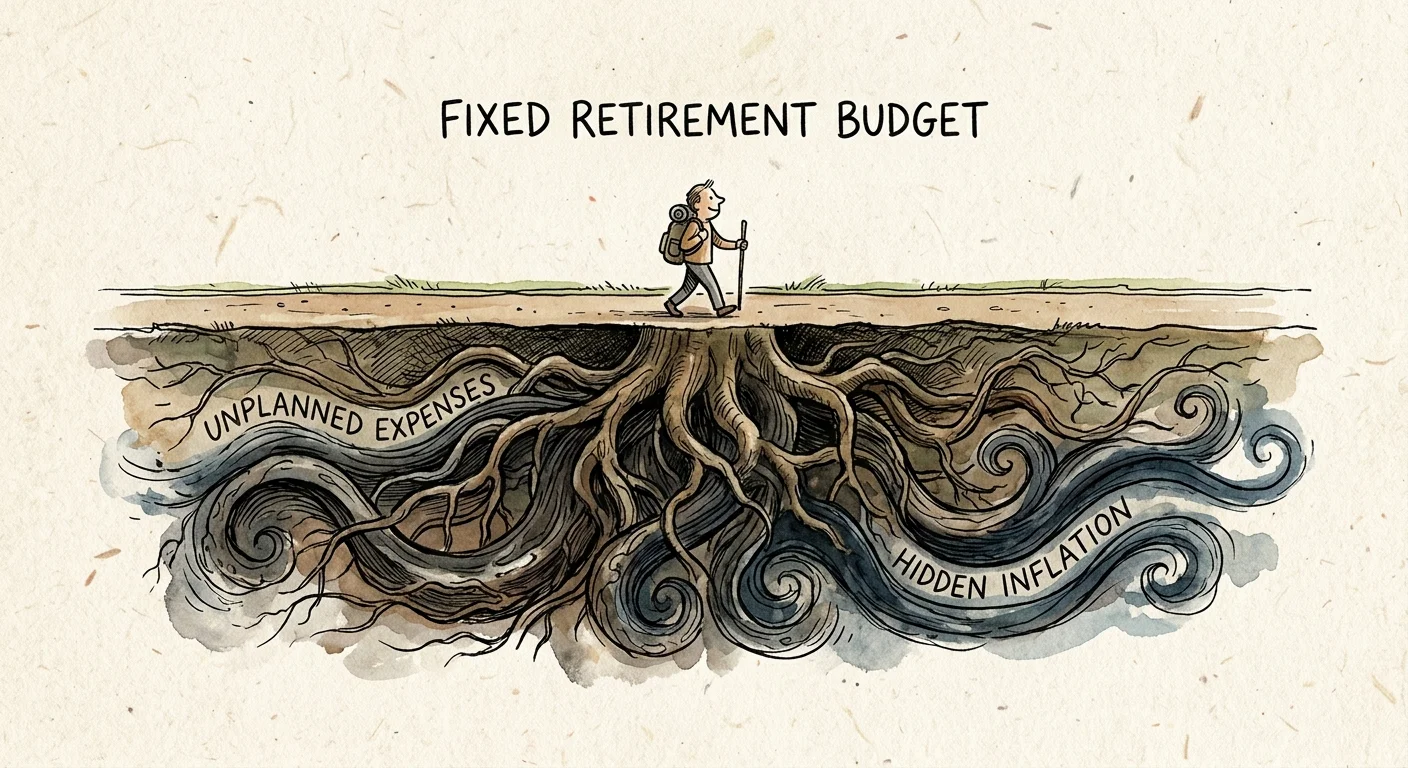
- Ignoring Cumulative Inflation: Assuming prices will stay static over a 20- to 30-year retirement wipes out buying power. Even modest 2.5% or 3% annual inflation doubles baseline living expenses over a quarter-century.
- Treating Pre-Tax Accounts as Pure Cash: Spending from a Traditional IRA without withholding taxes leads to huge tax bills in April. Always calculate your net, after-tax withdrawal amount.
- Foregoing Long-Term Care Strategies: Waiting until health declines to research care coverage limits your options. Look into hybrid life insurance policies or long-term care coverage options while you are still healthy.
- Neglecting Emergency Cash Buffers: Keeping all liquid assets invested in long-term markets forces you to sell assets during market downturns to pay for unexpected household repairs. Keep 12 to 24 months of liquid expenses in high-yield savings accounts.

Finding the Right Advisor
Working with an independent financial professional can help you navigate complex retirement adjustments. Here are three common scenarios where expert guidance is valuable:
- Managing RMDs and Tax Strategy: A Certified Financial Planner (CFP) or CPA can design a Roth conversion strategy prior to age 73 to reduce mandatory distributions and keep you below Medicare IRMAA surcharge tiers. You can research regulatory protections through the Consumer Financial Protection Bureau (CFPB).
- Structuring Long-Term Care Protections: An experienced wealth manager or elder law specialist can help you evaluate hybrid insurance options that protect retirement assets without overcharging on premiums.
- Optimizing Social Security Timing: An advisor can run financial models to evaluate when you and your spouse should claim benefits from the Social Security Administration to maximize lifetime income.
“The most important investment you can make is in yourself and in understanding how your retirement assets interact with taxes over time.” — Ed Slott, Certified Public Accountant and IRA Specialist
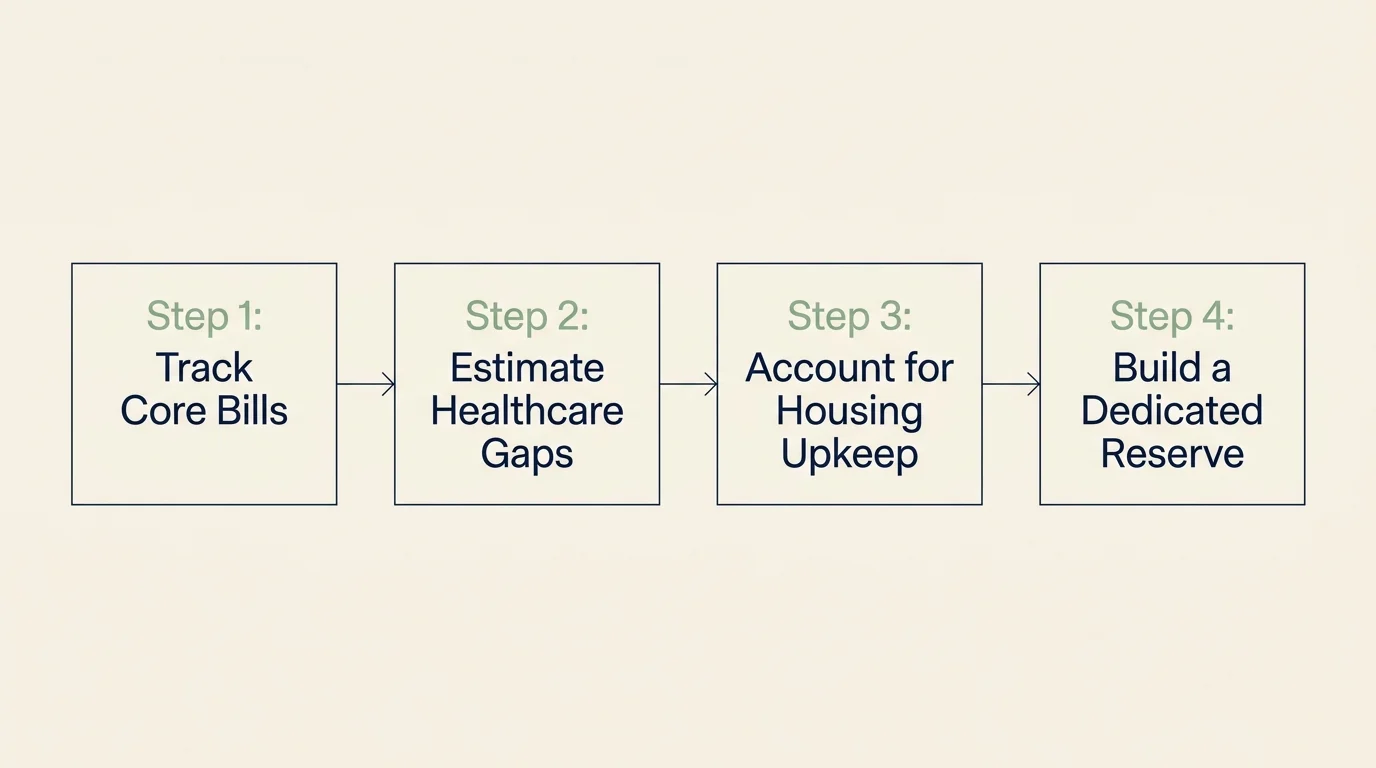
How to Build a Realistic Retirement Budget Step-by-Step
Taking control of your retirement cash flow involves four practical steps:
Step 1: Audit Actual Expenses for 90 Days. Review bank statements and credit card bills to track every dollar spent. Group costs into fixed obligations (taxes, insurance, utilities) and variable items (dining, hobbies, travel).
Step 2: Add Underestimated Line Items. Insert dedicated monthly allocations for non-covered healthcare, home maintenance reserves, vehicle replacement funds, and predictable tax liabilities.
Step 3: Account for Guaranteed Income First. Subtract guaranteed monthly income—such as Social Security, pensions, and annuities—from overall living expenses. The remaining gap represents the net withdrawal needed from your investment portfolio.
Step 4: Conduct an Annual Stress Test. Re-evaluate your budget each year to account for actual inflation rates, tax law adjustments, and changes in health status.
Frequently Asked Questions
How much should I budget out-of-pocket for healthcare in retirement?
Current estimates recommend budgeting at least $185,500 per individual (or roughly $371,000 per couple) for out-of-pocket medical costs across a 20- to 25-year retirement. This estimate accounts for Medicare premiums, deductibles, copays, and prescription drugs, but excludes long-term custodial care.
Does Original Medicare pay for assisted living or home health aides?
No. Original Medicare does not pay for non-skilled custodial care, such as help with daily activities in assisted living facilities or long-term home care. Medicare only covers short-term, medically necessary skilled nursing or therapy services following a qualifying inpatient hospital stay.
How does income affect my Medicare Part B premiums?
If your Modified Adjusted Gross Income (MAGI) reported on your tax return from two years prior exceeds federal income thresholds, you will pay an Income-Related Monthly Adjustment Amount (IRMAA). This surcharge is added directly to your monthly Part B and Part D premiums.
What is a realistic amount to save for home repairs in retirement?
A practical rule of thumb is setting aside 1% to 2% of your home’s total replacement value each year in a dedicated home maintenance fund. This ensures you can handle major capital repairs like roof replacements or HVAC upgrades without liquidating core investments.
Building a accurate retirement budget requires adjusting for hidden spending categories before they affect your finances. By systematically accounting for out-of-pocket healthcare, property maintenance, tax surcharges, and long-term care needs, you protect your long-term independence and enjoy complete financial peace of mind.
This article provides general financial education and information only. Everyone’s financial situation is unique—what works for others may not work for you. For personalized advice tailored to your retirement needs, consider consulting a qualified financial professional such as a CFP or CPA.
Last updated: February 2026. Benefit amounts, tax rules, and program details change annually—verify current figures with official government sources.









Leave a Reply