Protecting your hard-earned savings means little if your house no longer supports your physical needs. While over 90% of older adults want to remain in their homes as they age, very few properties have the necessary accessibility features. Adapting your living space before a medical crisis hits preserves your independence and prevents devastating bills from preventable falls. Whether you need to navigate narrow hallways or step safely into the shower, practical upgrades can transform a standard house into a secure forever home. You do not have to undertake a massive remodel. Prioritizing targeted, evidence-based modifications allows you to age in place confidently while protecting your retirement nest egg.
1. Anchor Bathroom Safety with Professional Grab Bars
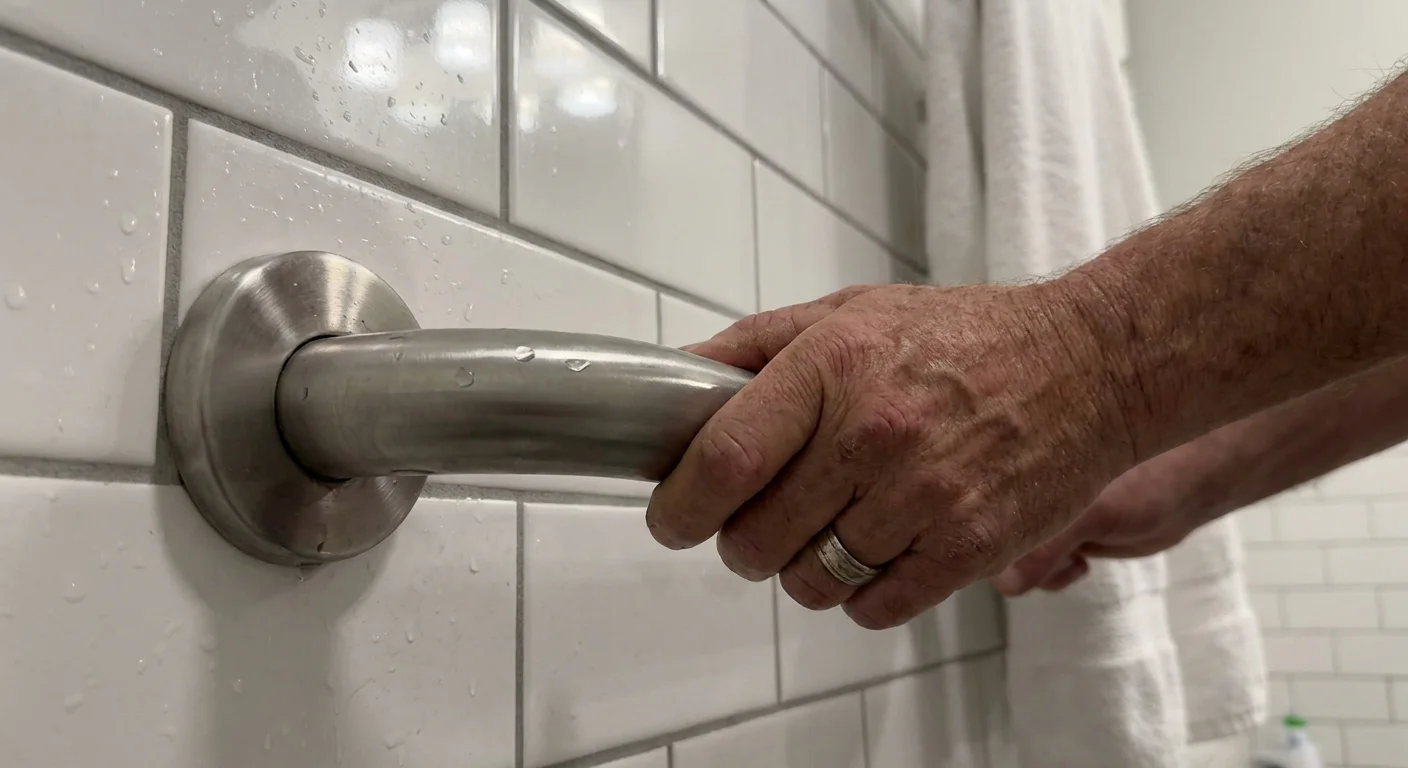
Bathrooms represent one of the most dangerous environments in any home due to slippery surfaces and hard porcelain fixtures. A simple loss of balance while stepping out of the shower can result in fractures that permanently alter your mobility and drain your healthcare budget. Installing heavy-duty grab bars near the toilet, inside the shower enclosure, and along entry points drastically reduces your fall risk.
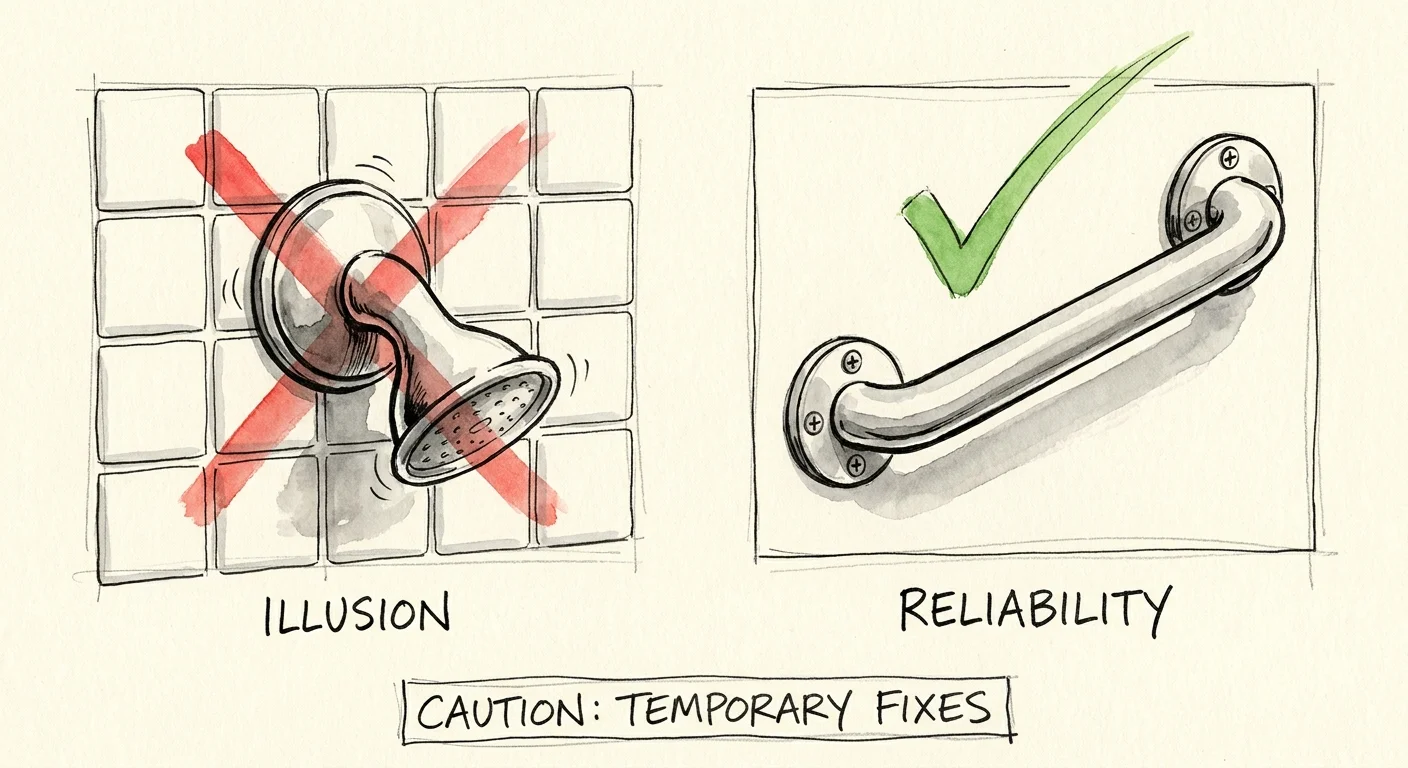
Do not rely on suction-cup handles or towel racks for support; they simply cannot bear adult body weight and often detach without warning. You need ADA-compliant, stainless-steel bars anchored directly into the wall studs. Based on 2026 averages, professional grab bar installation costs between $200 and $350 per bar, including materials and labor. This modest upfront expense provides invaluable daily security and peace of mind.
2. Convert to a Zero-Threshold Shower or Walk-In Tub
Stepping over a high bathtub wall becomes increasingly difficult—and dangerous—as joint flexibility declines. Replacing a standard bathtub with a zero-threshold (roll-in) shower provides seamless entry and comfortably accommodates shower chairs or wheelchairs if your mobility needs change.
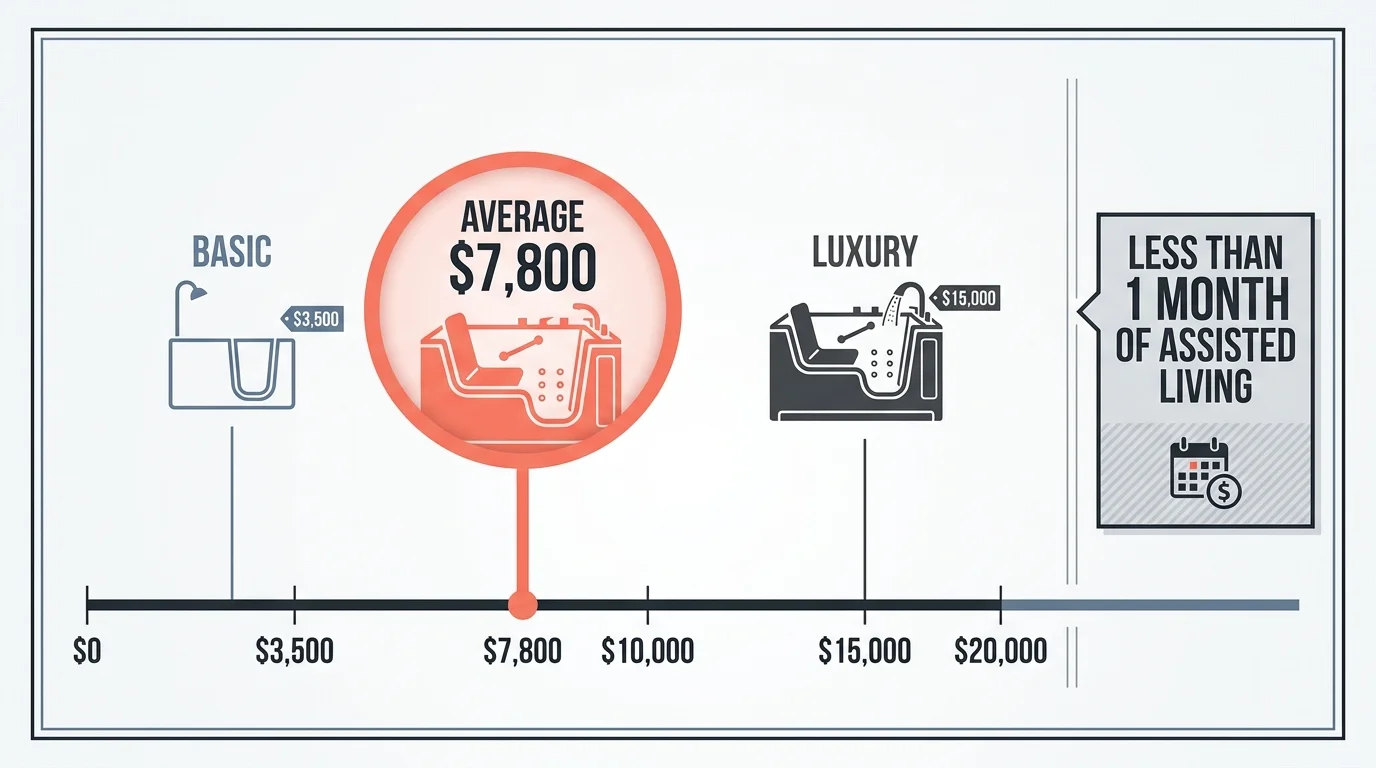
If you prefer bathing, a walk-in tub features a watertight door and built-in seating to eliminate the steep step entirely. According to 2026 industry data, professional walk-in tub installations average around $7,800, though entry-level models start near $3,500 and luxury models with hydrotherapy jets can exceed $15,000. While this stands as one of the pricier retirement home upgrades, it often costs significantly less than a single month in an assisted living facility.
3. Upgrade to Lever-Style Door and Faucet Handles
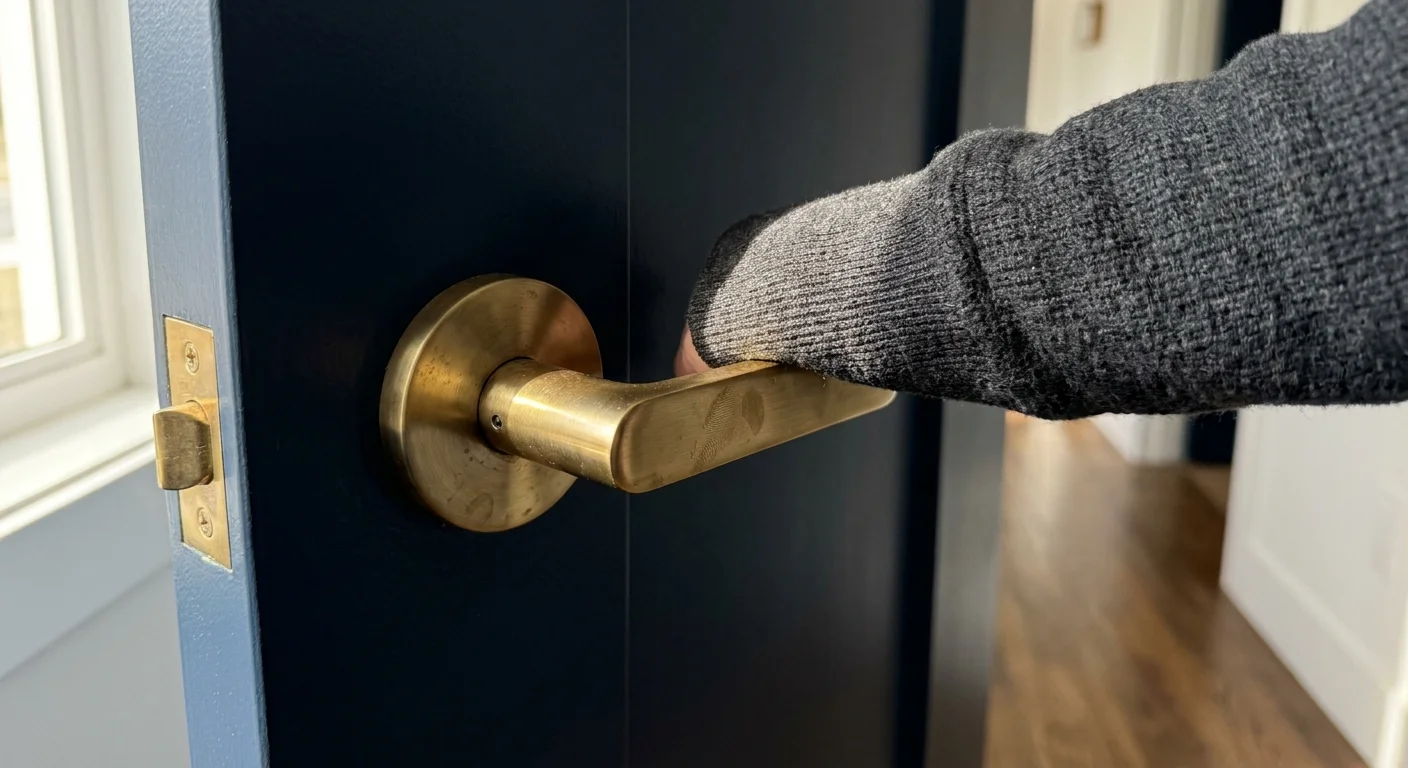
Arthritis and diminished grip strength can make turning a traditional round doorknob agonizing. Swapping standard knobs for lever-style handles on all your interior and exterior doors is an inexpensive, high-impact fix. You simply push down to open the door—a motion you can easily perform with an elbow or forearm if your hands are full or hurting.
Apply this same accessibility logic to your plumbing fixtures. Replace twist-and-turn bathroom and kitchen faucets with single-lever models or touchless sensors. You can also replace standard toggle light switches with wide rocker switches, which require far less fine motor coordination to operate.
4. Illuminate Your Space with Smart and Motion-Sensor Lighting
Aging eyes require significantly more light to detect obstacles and changes in floor elevation. Dark hallways, staircases, and exterior walkways invite accidents. Upgrading your home’s illumination ranks among the most cost-effective senior friendly home fixes available.
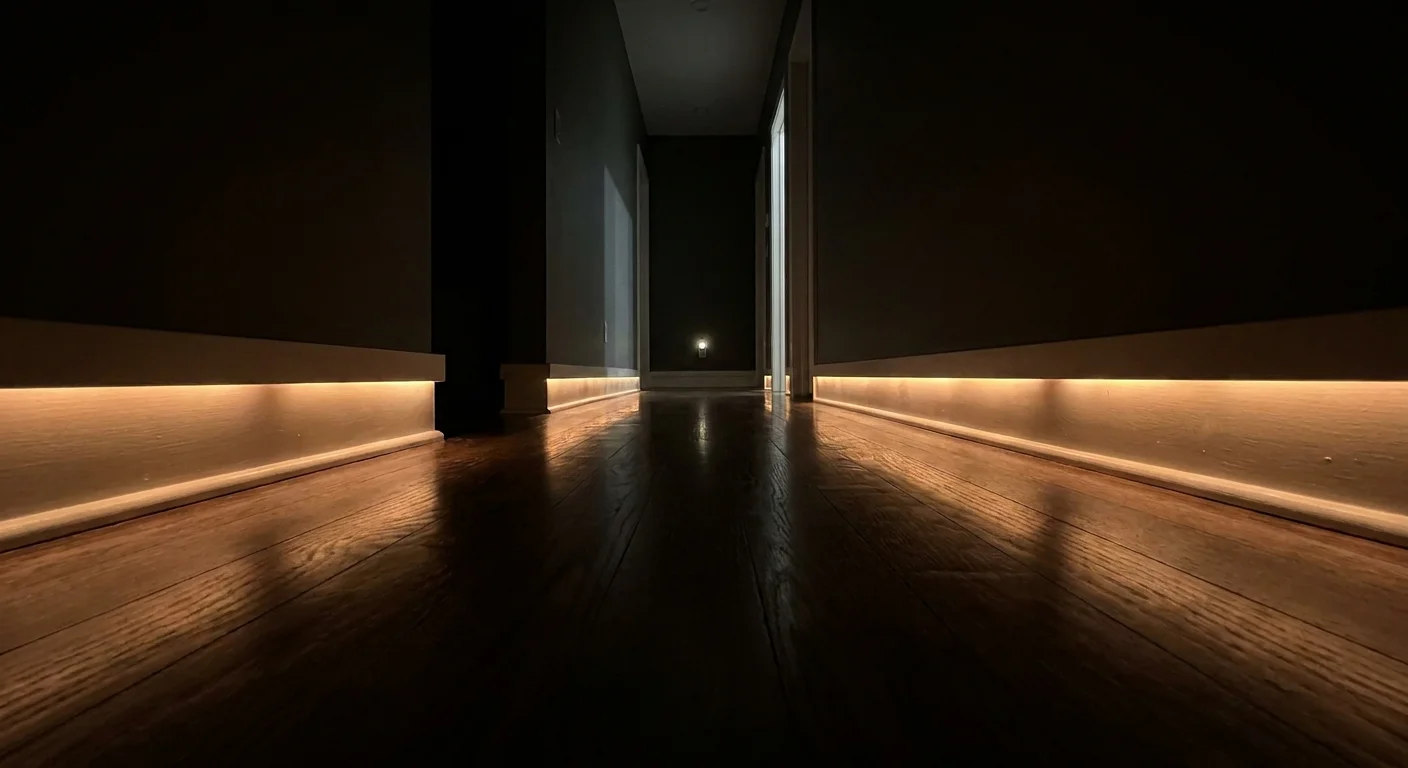
Consider installing motion-sensor lights in transitional spaces like hallways, bathrooms, and garages. When you get up in the middle of the night, the lights will automatically guide your path without forcing you to fumble in the dark for a switch. Transitioning to smart LED bulbs also allows you to control your entire home’s lighting from your smartphone or via voice commands, eliminating the need to walk across a dark room to turn off a lamp.
5. Eliminate Tripping Hazards at Doorways and Thresholds
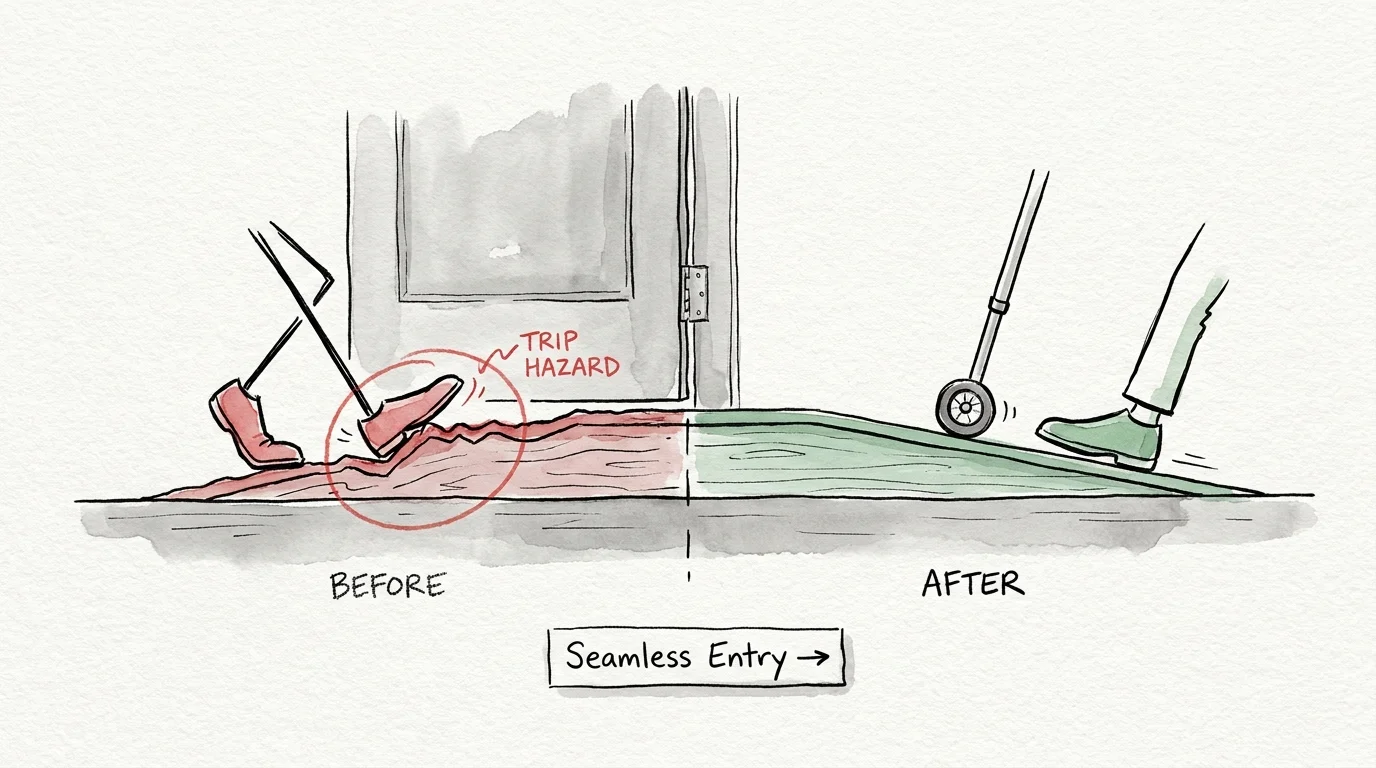
Uneven flooring transitions between rooms frequently cause trips and falls. If your hallway features thick carpet that meets a raised tile threshold in the bathroom, you face a daily tripping hazard that becomes especially dangerous if you eventually rely on a walker.
Remove raised thresholds and install flush, color-contrasting transition strips between different flooring types. If you have steps leading to your front door, consider adding an ADA-compliant ramp with a gentle slope. Even a small ramp or a low-profile step modification can accommodate a wheelchair down the line, ensuring you can always enter and exit your home safely.
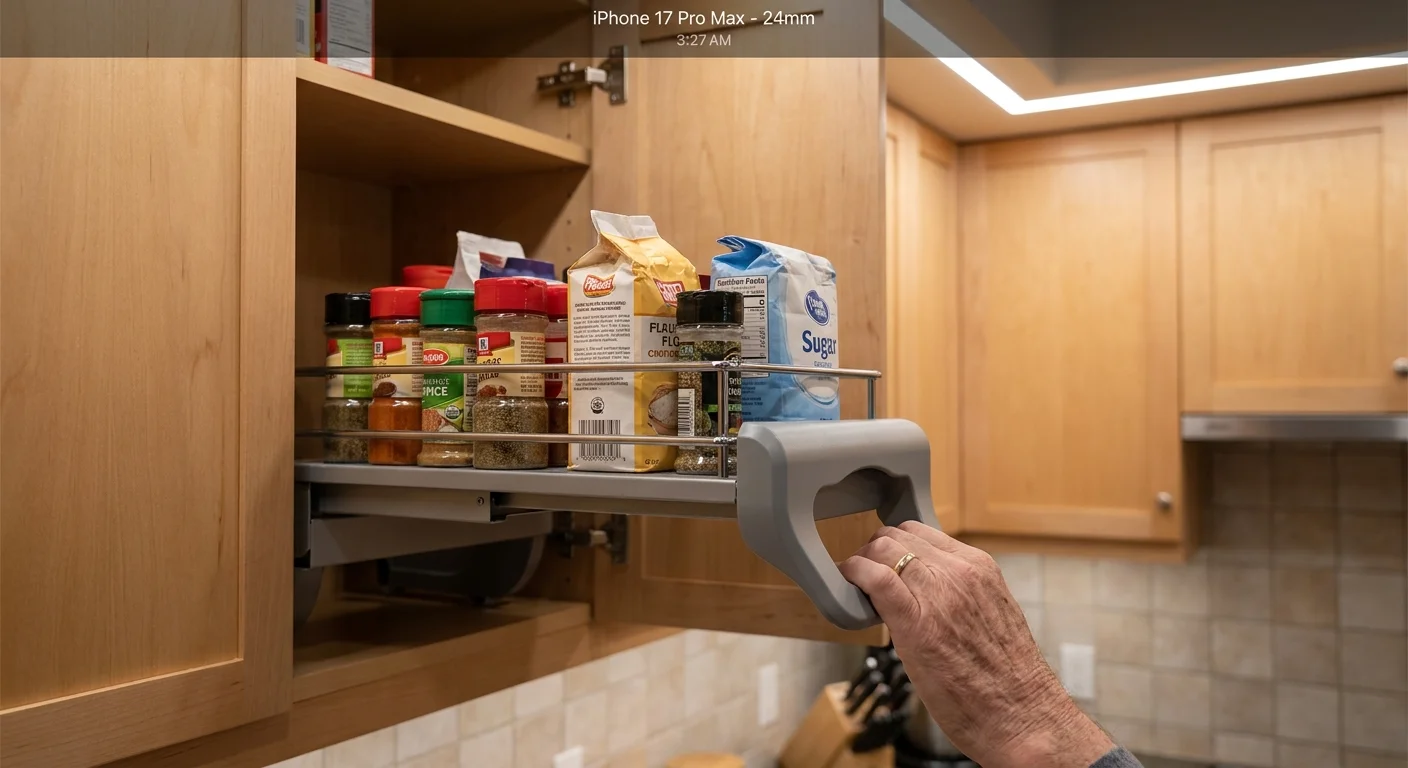
6. Reorganize Your Kitchen for Reachability
A kitchen designed for your thirties rarely serves you well in your seventies. Bending down to dig heavy pots out of bottom cabinets or stretching on tiptoes to reach high shelves strains your back and compromises your balance.
Install pull-down shelving systems in your upper cabinets and slide-out drawers in your base cabinets. These mechanisms bring your items directly to you, eliminating the need to stretch or crouch. Upgrading to a shallow kitchen sink also reduces the distance you have to bend forward while washing dishes, significantly easing lower back pressure during daily chores.
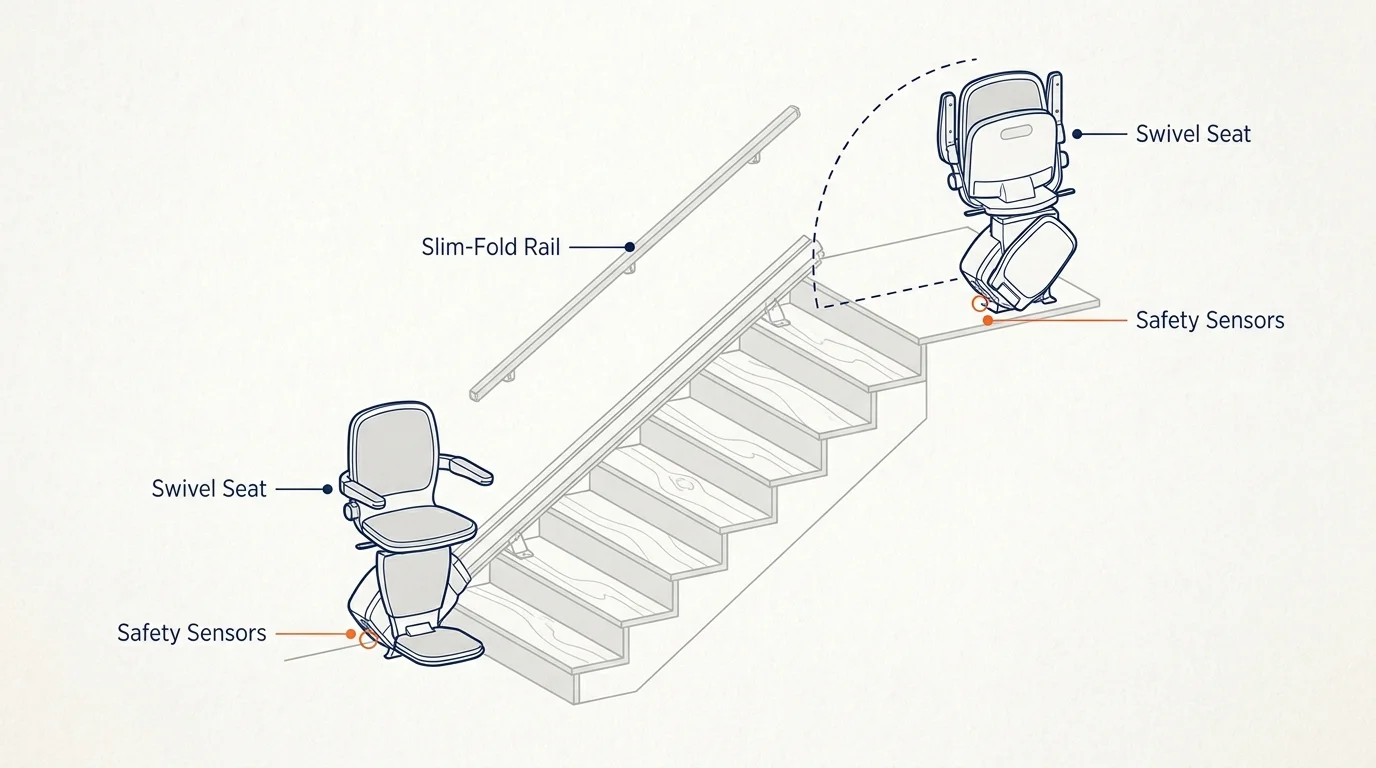
7. Address Multi-Level Living with Stairlifts
If you live in a multi-story house, the stairs may eventually become an impassable barrier. To preserve your full access to the home, you have two main options: relocate your primary bedroom and bathroom to the ground floor, or install a mechanical stairlift.
A straight-run stairlift generally costs between $3,000 and $5,000, while custom curved models tailored to specific staircases run much higher. Moving your living essentials to the first floor often requires a larger structural remodel, but it permanently eliminates the stairs from your daily routine and ensures your home remains fully livable.
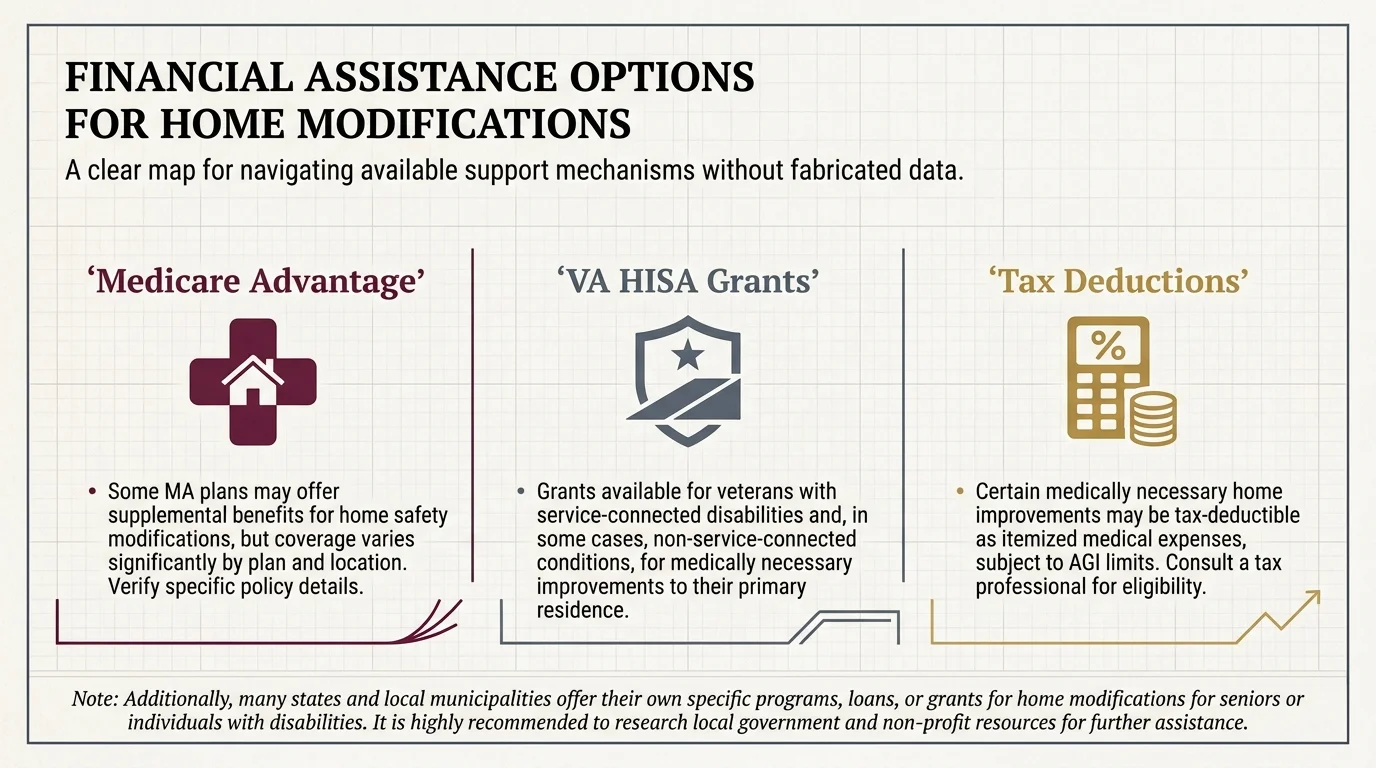
Financial Assistance for Modifying Your Home
Funding these retirement home upgrades does not always have to drain your personal savings. Various government and healthcare programs exist to help seniors cover modification costs. Before paying entirely out of pocket, review these 2026 funding avenues.
| Funding Program | 2026 Limits & Details | Eligibility Highlights |
|---|---|---|
| VA HISA Grant | Up to $6,800 for service-connected disabilities (Up to $2,000 for non-service connected) | Veterans requiring medically necessary home improvements like roll-in showers or widened doorways. |
| VA SAH Grant | Up to $126,526 for fiscal year 2026 | Veterans with severe permanent service-connected disabilities modifying a home for independent living. |
| Medicare Advantage (Part C) | Varies widely by specific plan | While Original Medicare rarely covers home mods, roughly a third of Medicare Advantage plans offer supplemental benefits for safety devices. |
| HUD Older Adults Program | Grants up to roughly $5,000 | Low-income senior homeowners living in participating areas supported by HUD grants. |
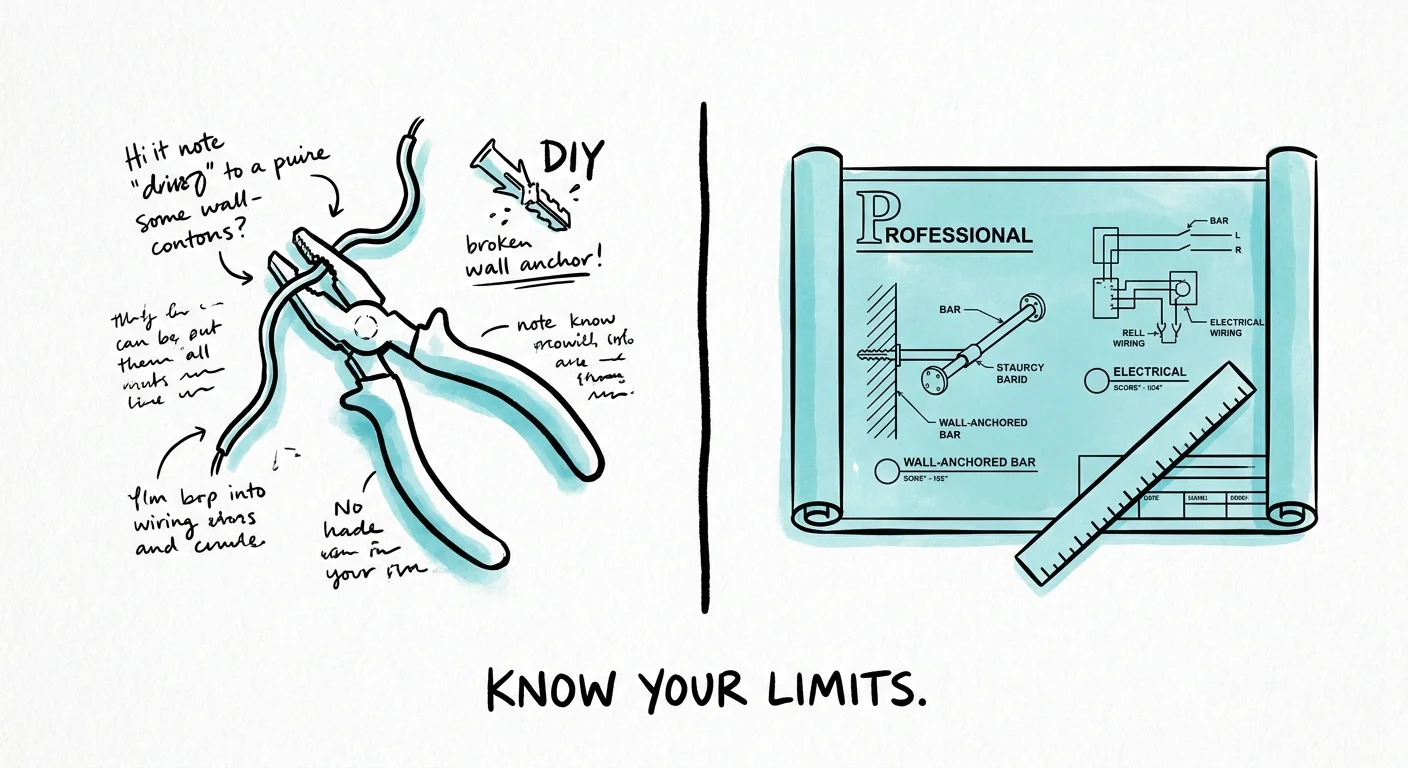
When DIY Isn’t Enough
While you might be tempted to save money by tackling home improvements yourself, improper installations can create entirely new hazards. Leave the following scenarios to licensed professionals:
- Wall reinforcement: Anchoring grab bars or shower seats requires locating and properly drilling into structural studs. A bar attached only to drywall will pull out and cause a severe fall.
- Wet-room waterproofing: Converting a bathtub to a zero-threshold shower involves tearing up the floor and adjusting the drain slope. Poor waterproofing will lead to catastrophic mold and structural rot.
- Electrical upgrades: Adding new circuits for a walk-in tub motor or hardwiring an extensive smart lighting system requires a licensed electrician to ensure code compliance and fire safety.
- Widening doorways: Expanding a door frame to the recommended 36 inches for wheelchair access often involves modifying load-bearing walls and rerouting hidden plumbing or electrical lines.
Costly Errors to Sidestep
As you plan your retirement home safety strategy, watch out for these common missteps that can drain your finances or compromise your health:
- Delaying modifications until after a crisis: Waiting until you suffer a broken hip to install grab bars forces you to make rushed, expensive decisions while recovering. Proactive planning is far cheaper than reactive remodeling.
- Prioritizing aesthetics over function: Glossy bathroom floor tiles may look beautiful, but they become an ice rink when wet. Always prioritize slip-resistant, matte flooring materials in wet zones.
- Ignoring exterior accessibility: Many homeowners perfect the interior of their home but forget the exterior. If you have steps leading up to every entrance, you could become trapped inside if your mobility suddenly declines.
- Falling for aggressive sales tactics: Walk-in tub and stairlift companies often use high-pressure pitches. Always secure at least three independent quotes and consult the National Council on Aging or local eldercare resources before signing a contract.
“Predicting rain doesn’t count. Building arks does.” — Warren Buffett, Chairman and CEO of Berkshire Hathaway
Frequently Asked Questions
Are home modifications for seniors tax-deductible?
Yes, under specific conditions. According to IRS Publication 502, if prescribed for medical necessity, home modifications like grab bars, ramps, and widened doorways can be deducted as medical expenses. However, you can only deduct unreimbursed medical expenses that exceed 7.5% of your Adjusted Gross Income (AGI). Keep in mind that for 2026, the standard deduction for married couples filing jointly is $32,200 (plus extra amounts for those 65 and older), meaning you only benefit from this tax break if your total itemized deductions exceed those high thresholds.
Will Medicare pay for a walk-in tub?
Original Medicare (Parts A and B) generally considers walk-in tubs to be convenience items rather than durable medical equipment, meaning they rarely cover the cost. However, if you are enrolled in a Medicare Advantage (Part C) plan, check your policy details. Some 2026 plans offer supplemental allowances for home safety modifications that could help offset installation costs.
Do accessibility modifications increase property value?
It depends on the modification and the buyer demographic. Universal design features—like lever handles, zero-threshold showers, and improved lighting—often increase a home’s appeal to buyers of all ages. Conversely, specialized equipment like stairlifts or bulky exterior ramps might narrow your buyer pool, though they can usually be removed prior to a sale.
Taking the time to evaluate and upgrade your home ensures that your environment serves your health rather than threatening it. By making smart, targeted investments in your living space today, you lock in your comfort and independence for the decades ahead.
This article provides general financial education and information only. Everyone’s financial situation is unique—what works for others may not work for you. For personalized advice tailored to your retirement needs, consider consulting a qualified financial professional such as a CFP or CPA.
Last updated: May 2026. Benefit amounts, tax rules, and program details change annually—verify current figures with official government sources.