

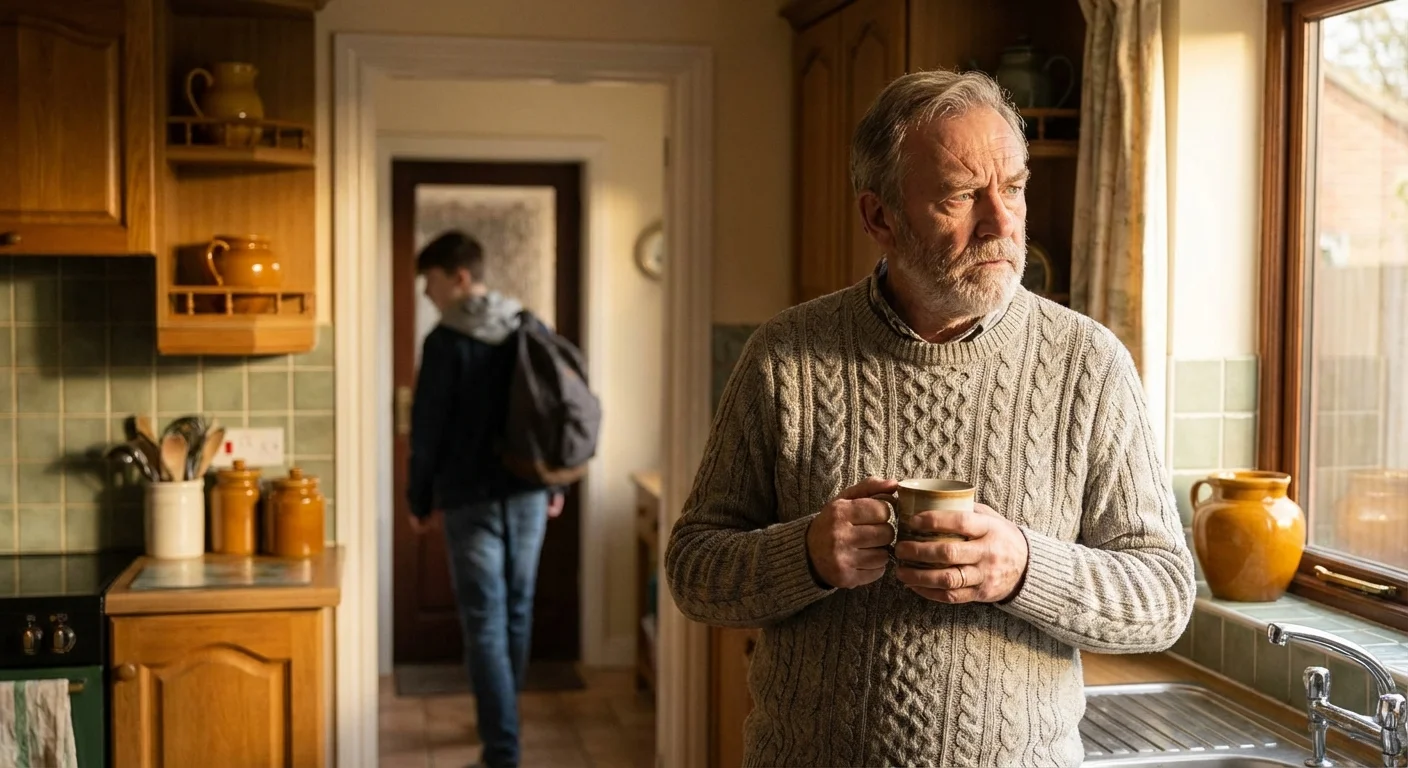
Your teenage grandkids don’t like you? What would be the reason?
The adolescent years are a challenge for both parents and grandparents. Teens will always be teens, which translates as rebel or pushy, and it would not be cool from our side to overlook the fact that we were also like them, and even if times changed, we can still be understanding.
Everyone is trying to do their best, and because of that, there is no specific rule or to-do list on how to raise our kids and grandchildren. However, resentment or hard feelings can grow even in the most loving household, and that can be very painful.
Together, in this article, we will underline the signs your teenage grandkids don’t like you and what you can do about it.

They don’t want to spend time with you
One of the first signs your teenage grandkids don’t like you is that they do whatever they can to avoid spending time with you. Even though it can appear that your rude teenager is just attempting to ignore you, they might be defending themselves. How is this even possible? I was always nice to them. You might be tempted to ask. Well, according to psychologists, if you, as a grandparent, once had an angry argument with them or you offended them at any point, this might be just a way to protect themselves from you.
You can try to approach them and communicate that you don’t want to be their enemy and promise that your time spent together can be fun too. Try to stick to these promises, and you will notice changes soon. Of course, you must also be patient in this matter.
Sarcasm and negative replies
Sarcasm and negative comments are two common indicators that your teenage kids don’t like you or they’re angry with you. These are indications of deeper anger and resentment. These are vocal indications of dissatisfaction that may be interpreted as your youngster trying to connect with you but failing to be constructive throughout the conversation. Children, teens, and even adult children who are negative and snarky are looking for connection, but their animosity is preventing them from making that connection pleasant.
Instead of making things worse, try to tell them you’re hurt when they talk like that, and you prefer they would be honest about what happened instead of being sarcastic. Teaching them how to communicate in a non-aggressive way is good grandparenting.
They stay glued to their phone
…Heh, smartphones! In most cases, this shouldn’t be taken personally, since most of us, including the adults, are using them daily and hourly. The thing that hurts the most and is one of the obvious signs your teenage grandkids don’t like you is when they come to your place but they’re glued to the phone the entire time.
Teens who are more preoccupied with their phones than conversing with you are usually not interested in communicating. This behavior shows that, perhaps because they don’t find your company exciting or engaging, they would rather connect with their virtual world than with the individuals in real life.
Instead of getting angry or worse, yell at them. Try to engage by asking what they are doing, what game they’re playing, or what their favorite song is at the moment.
They’re always angry in your presence
Among other things, one of the signs your teenage is that they always seem angry when they come to your place or when they’re forced to spend time with you. Perhaps your rude adolescent uses their behavior rather than words to vent their frustration. Shutting doors, skipping out on chores, or acting in ways that they know would make you angry are all examples of nonverbal ways people might express their negative feelings.
However, this may be a subtle way to ask for help and more understanding. Instead of taking it personally, try to ask them what is wrong. Maybe they fought with their parents, or maybe they don’t have good grades and are afraid to talk about that. No matter the reason, encourage them to talk by showing you’re a nice and caring grandparent, even if your interactions weren’t always sunshine and rainbows.
They never respect your boundaries
With the risk of sounding mean, having clear boundaries even as a grandparent is crucial for your well-being. Let’s picture this situation: you told your teenage grandchildren that you won’t be able to give them money for a certain thing they asked for.
A disrespectful teen or one who doesn’t like you will try to push the limit, and instead of just accepting your answer as it is, they will try to convince you to do it their way. This is a situation that might also imply the parents as well, so in case they don’t understand, don’t be afraid of talking with the parents as a last resort.
For grandparents looking to deepen their relationship with their teenage grandkids, Understanding Your Teen: Shaping Their Character, Facing Their Realities is an absolute must-read.
This enlightening book provides valuable advice on managing the challenges of the teenage years, overcoming generational divides, and developing genuine connections. An empathetic source for comprehending and assisting teenagers in the difficult environment of today. The book is available in 4 formats: audiobook, Kindle, paperback, and hardcover. Here you will find the link for the paperback version.
They bring up old fights
Have you noticed that every time they come to your place, whenever you’re trying to engage, they remember something from the past and bring up an old fight? This is pure resentment, and this is because they never solved the conflict or they may haven’t forgiven you.
Respecting the fact that your grandchild doesn’t share your feelings will help your connection, even if you don’t think the conflict is that big of a concern. Try and bring up the topic by saying that we should have a closure about it. Ask them to tell you how they feel and what you could do to change the situation. This will also help them in expressing their point of view, and it’s your duty as a grandparent to be empathic and understanding.

They roll or narrow their eyes when you’re talking to them
Sobbing or rolling one’s eyes are common expressions of irritation, impatience, or dissatisfaction. If your grandkids show signs of annoyance or disrespect for your words regularly, it might be an indication that they are not enjoying your presence.
Family activities are no longer the same
Do you remember that time when they used to be toddlers and everybody was around the table for the winter holidays? You’re probably nostalgic about these thoughts, and if this type of activity occurs rarely each year since the grandkids grew up, then it’s probably another sign that your teenage grandkids don’t like you. And long resentment may create a sense of disconnection.
Don’t just throw away all your hopes, and try to initiate family gatherings; include the teens in conversations, activities, and decisions. Make them feel heard, appreciated, and valued. Ask them what they want to eat or if they want to help you in the kitchen. Show that their opinions are great and congratulate them for being brave to share them out loud.
Bottom line:
If you are noticing these signs in your grandchildren as well, it’s not too late to try and fix things. Remember that we all make mistakes; nobody is perfect, and if that’s the case, forgive your grandkids and yourself for letting this distance happen.
Be patient, calm, and open-minded so that when they talk, there won’t be room for bad words, negative comments, or worse, insults. I hope this advice was useful and if you’re new around and you liked our content, you can always hit that subscribe button to receive more articles like this straight into your e-mail.
Related article: Need Advice on Helping Your Grandchildren with Homework?









Leave a Reply