

Becoming a grandparent opens one of life’s most rewarding chapters. You get the joy of mentoring a child without carrying the exhausting day-to-day grind of early parenting.
Yet cultivating deep, enduring relationships across multiple generations requires deliberate effort, patience, and clear boundaries. Navigating evolving family routines and your own lifestyle takes steady emotional intelligence.
Focusing on foundational personal qualities helps you nurture grandchildren while preserving family harmony. Here are the ten core traits that define exceptional grandparents.

1. Emotional Presence and Active Listening
Children recognize genuine attention immediately. When you spend time with your grandchildren, set your smartphone aside and give them your full focus.
Listen to their stories without rushing to offer instant solutions or comparisons to your own childhood. Simply acknowledging their feelings validates their experiences and builds lasting emotional trust.
Ask open-ended questions about their interests, whether they love video games, soccer, or art. Meeting them inside their world proves that you value who they are as individuals.
This undivided attention creates a secure haven where grandchildren feel comfortable sharing worries they might hide from their parents.

2. Respect for Parental Boundaries
Your adult children are now the primary decision-makers for their own households. Stepping back into a supporting role can feel challenging, yet respecting their rules remains essential.
Follow their guidelines regarding bedtime routines, screen time, and dietary restrictions. When you undermine parents in front of kids, you create tension and compromise household consistency.
Offer advice only when the parents specifically ask for your perspective. Unsolicited critiques often sound like judgment, even when you intend to help.
According to family resources from the MedlinePlus health information network, positive multi-generational communication significantly reduces family stress and strengthens parental bonds.
Support the parents publicly and work through differences privately. That unity reassures grandchildren that their family foundation is steady and secure.
3. Balanced Generosity Without Over-Indulgence
Grandparents love bringing joy through treats and gifts. However, constant material showers can foster entitlement and complicate the parents’ values.
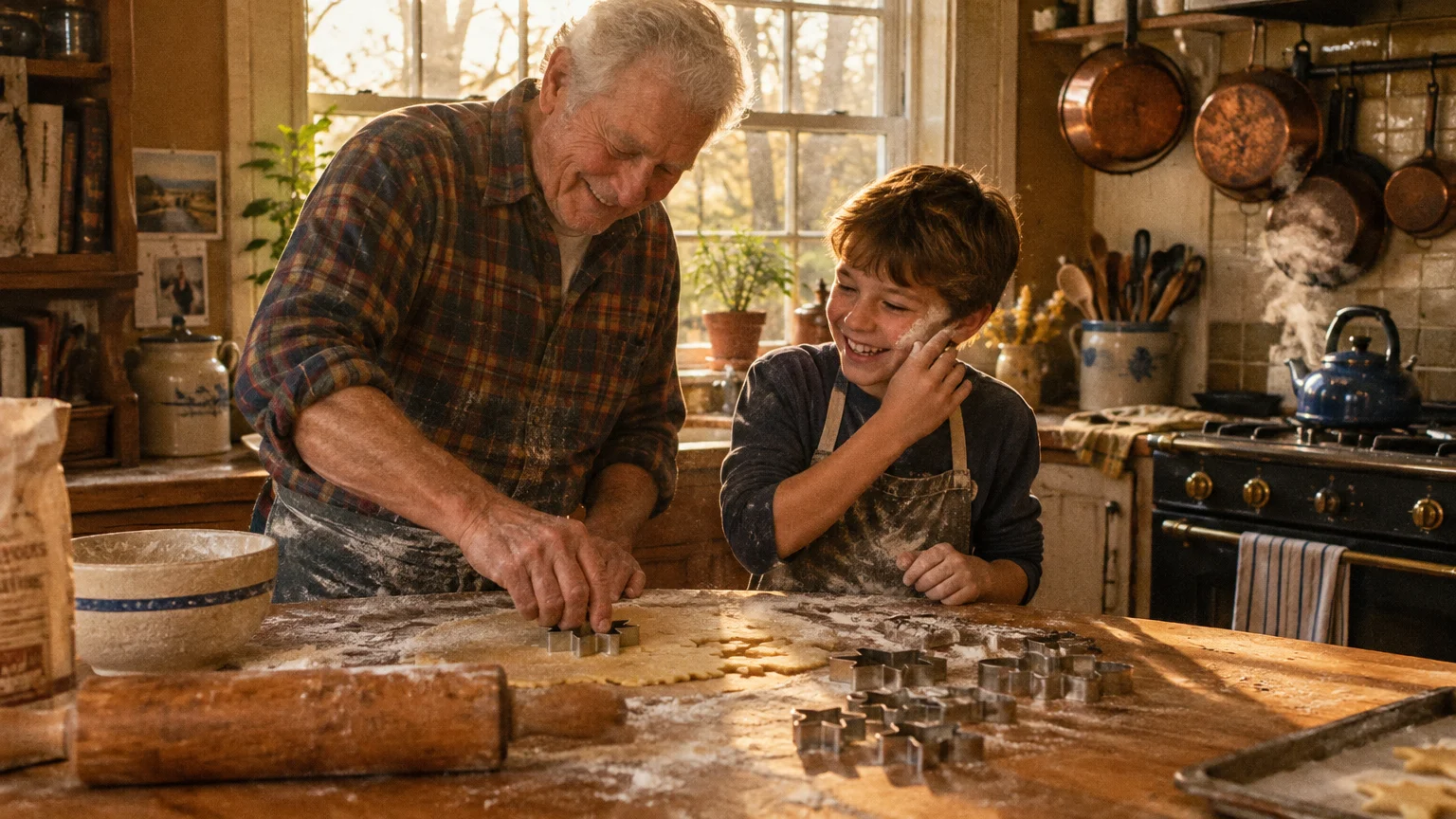
Focus your generosity on shared moments rather than stacks of plastic toys. Afternoon baking sessions, nature walks, and fishing trips create memories that far outlast retail purchases.
Coordinate birthdays and holiday gifts with the parents beforehand. This simple courtesy prevents duplicate presents and ensures your gifts align with household space and values.
Teaching grandchildren moderation sets them up for lifelong emotional and practical maturity.
4. Financial Prudence and Sustainable Support
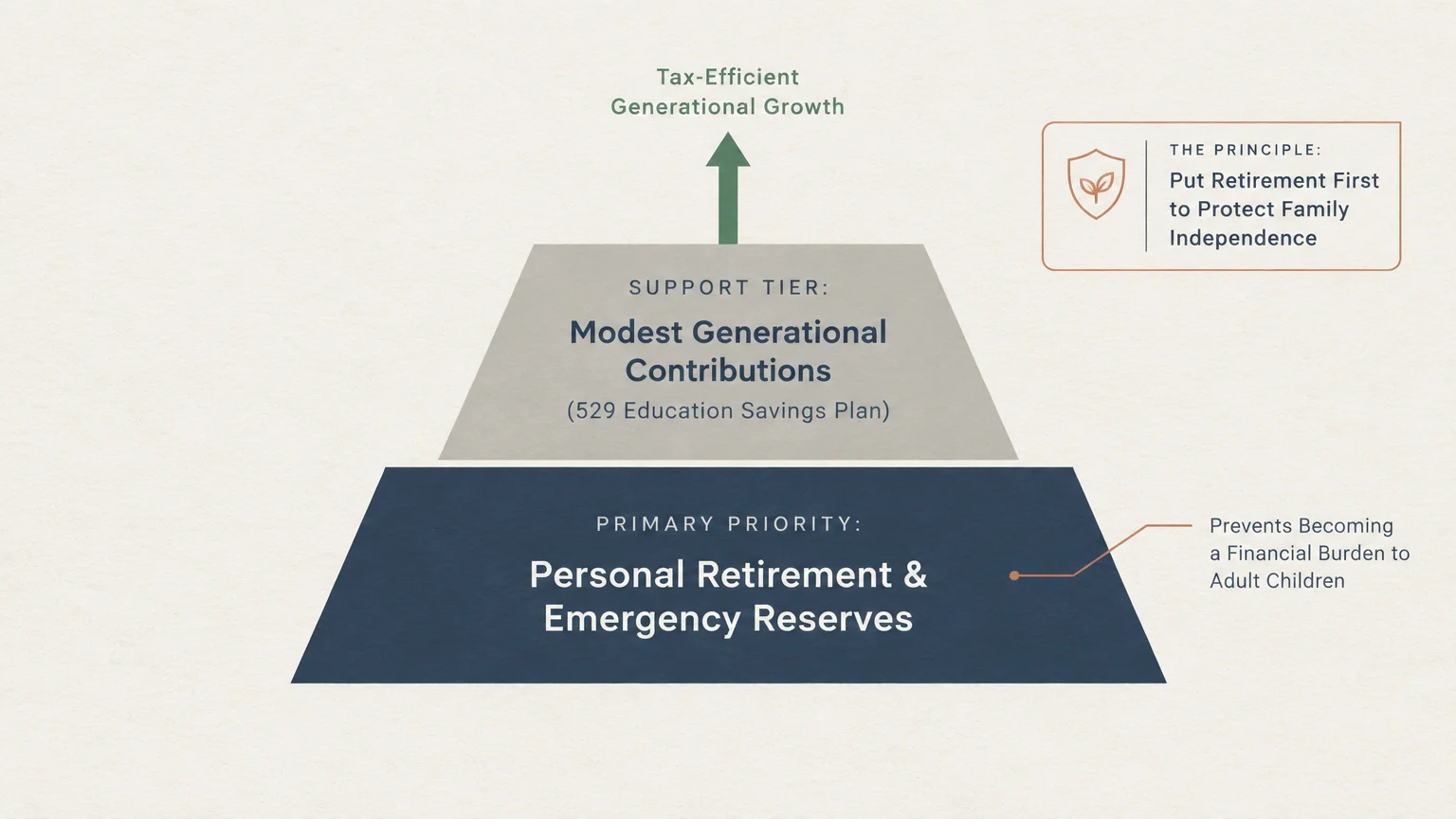
Being a supportive grandparent never requires sacrificing your personal retirement security. Your own financial independence is the greatest long-term gift you can give your family.
Never deplete your emergency reserves or take premature retirement withdrawals to fund luxury purchases or private schools for grandchildren. If you exhaust your savings, you risk becoming a financial burden to your children later.
“You cannot give what you do not have. Put your own retirement first so your children never have to support you.” — Suze Orman, Personal Finance Author
If you want to provide financial support, choose organized, tax-efficient tools that build real futures. Contributing modest sums to an educational savings plan creates meaningful generational momentum.
Review rules provided by the Internal Revenue Service (IRS) regarding annual gift exclusions and education savings plans before transferring significant funds.
Explore tools through the Consumer Financial Protection Bureau (CFPB) to learn how family savings vehicles operate under current guidelines.

5. Patience and Generational Adaptability
Childhood looks drastically different today than it did decades ago. Modern children navigate digital classrooms, social media, and shifting cultural norms.
Avoid dismissing modern childhood habits as frivolous or inferior to past eras. Instead, cultivate curiosity about the tools and hobbies shaping your grandchild’s worldview.
Be patient when energy levels clash. Toddlers run at high speed, while teenagers occasionally retreat into silence; both phases pass quickly.
Adapting your pace to their developmental stage keeps communication open across decades of age difference.
6. Sharing Heritage and Family Storytelling
Grandparents serve as living bridges to family history. You hold the unique power to connect children with their roots, traditions, and ancestors.
Share stories of your triumphs, mistakes, and everyday adventures from your youth. Hearing how ancestors overcame challenges builds resilience in young minds facing their own hurdles.
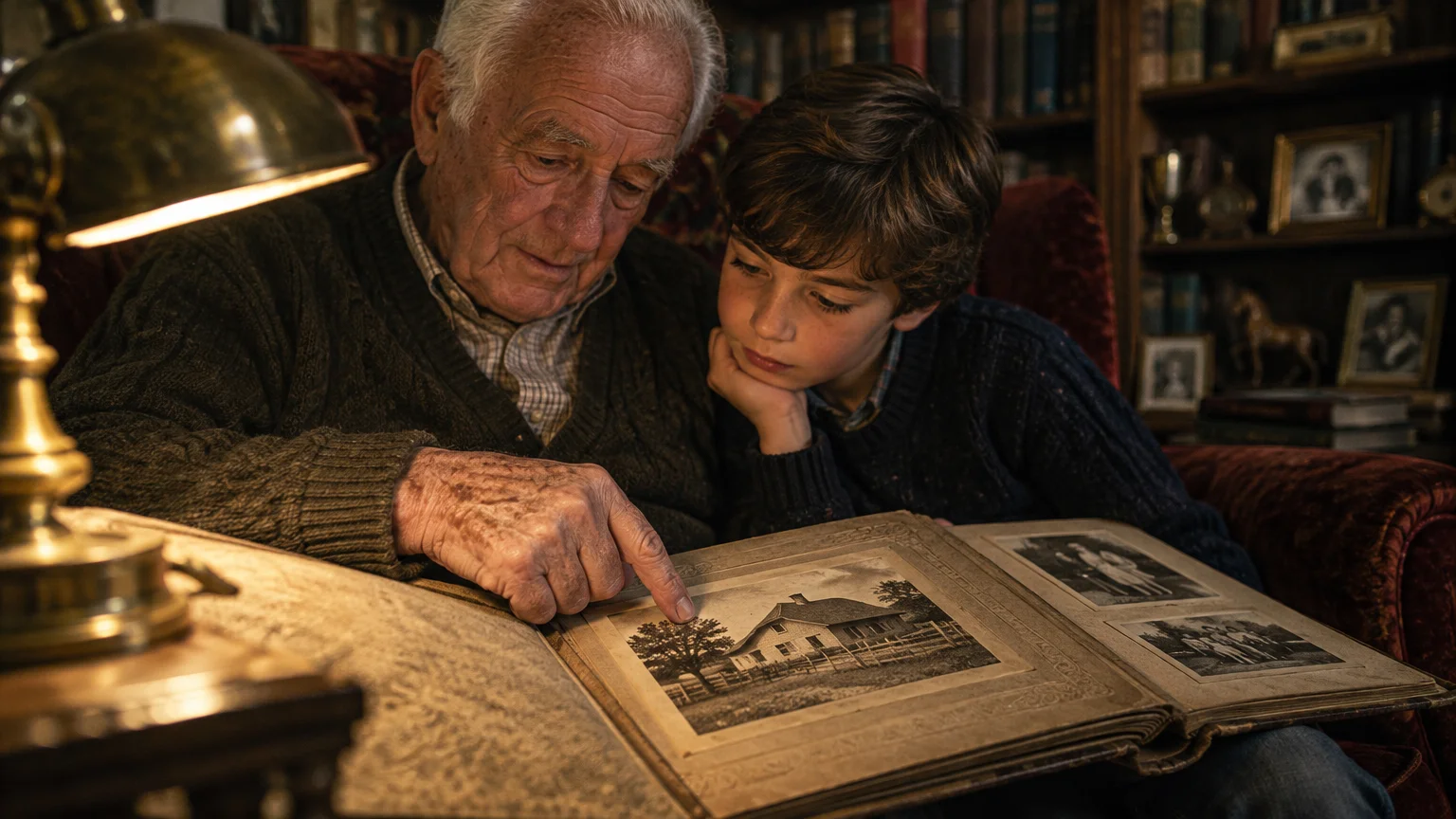
Incorporate family recipes, photo albums, and holiday traditions into your visits. These physical touchpoints turn abstract history into cherished, tactile memories.
You can preserve these narratives through several meaningful activities:
- Record voice memos or video interviews answering questions about your early life.
- Assemble a simple scrapbook featuring labeled family pictures and short written anecdotes.
- Teach a heritage craft, musical skill, or family gardening method.
- Cook a traditional generational meal together and write down the recipe steps.
Passing down these stories anchors children with an enduring sense of belonging and identity.

7. Dependable Support and Reliability
Trust relies on follow-through. When you promise to attend a school concert or babysit on a Friday night, honor that commitment faithfully.
Canceling at the last minute disappoints children and disrupts working parents’ busy schedules. If health or schedule conflicts arise, communicate clearly as early as possible.
Be a calm, steady rock during family crises. When parents navigate job changes or illness, a reliable grandparent provides vital stability.
Consistent reliability shows your family that your love is an active, dependable reality.
8. Fairness and Equal Affection
Children possess an extraordinary radar for favoritism. When one grandchild receives extra praise or larger gifts, resentment takes root quickly.
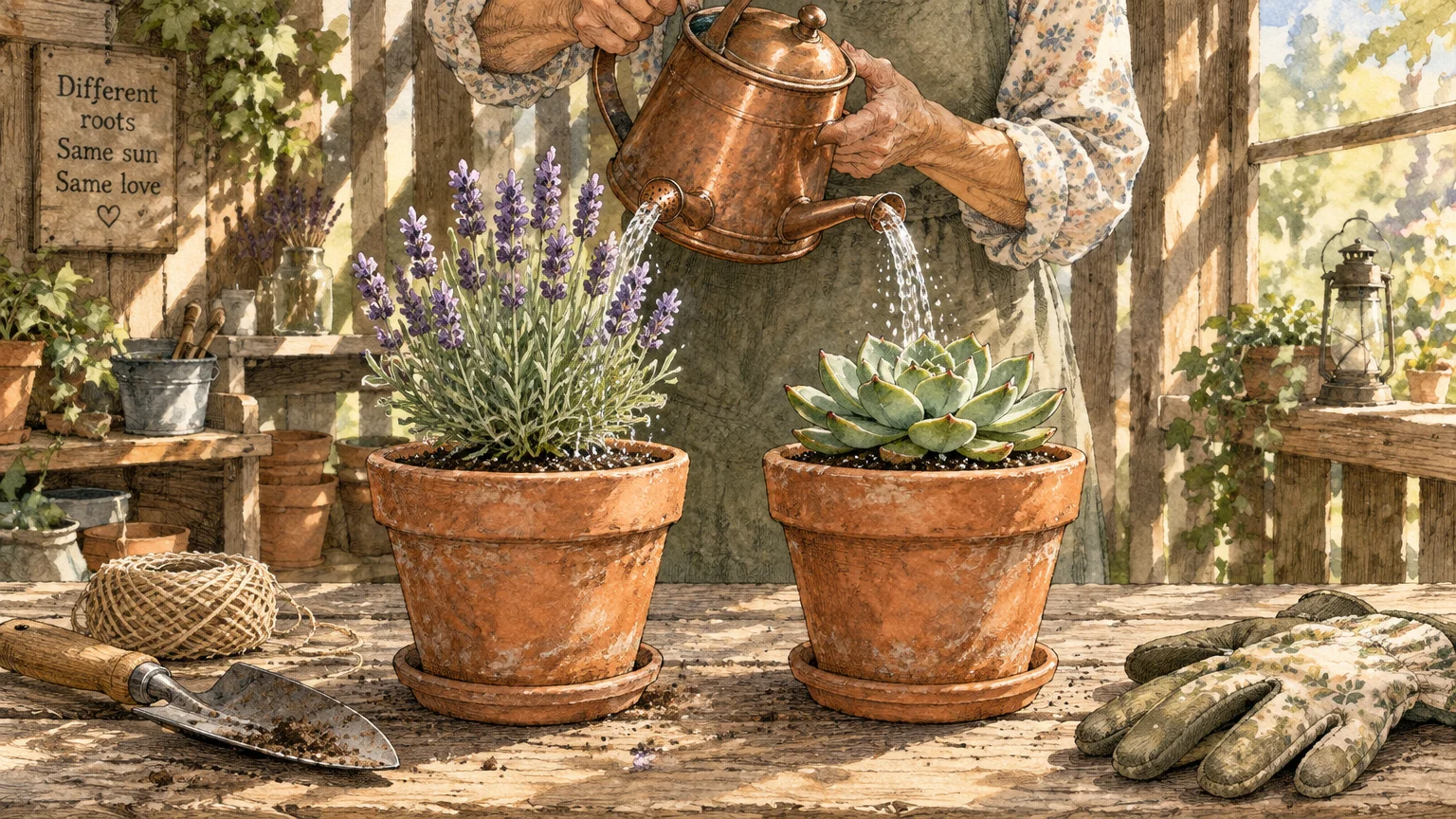
Celebrate each child’s unique talents and temperaments without drawing comparisons. The artistic grandchild, the athletic grandchild, and the quiet grandchild each deserve equal appreciation.
In blended families, extend warmth and inclusion to step-grandchildren without hesitation. Treating every child as an equal member of the family avoids painful emotional rifts.
Fair treatment preserves warmth between siblings and cousins, strengthening the entire family structure.

9. Modeling Lifelong Curiosity and Wellness
Grandchildren watch how you live your daily life. Showing them how to embrace aging with vigor, humor, and purpose provides an inspiring blueprint for their own futures.
Stay engaged with hobbies, community groups, and personal fitness. When children see you reading books or walking in parks, they internalize healthy lifestyle habits.
Advocacy groups like AARP highlight that active seniors enjoy improved cognitive function and richer relationships across generations.
Demonstrating resilience in the face of physical aging teaches grandchildren that growing older is an adventure rather than something to fear.

10. Healthy Detachment and Graceful Acceptance
As grandchildren grow into adolescence and adulthood, their schedules fill with sports, jobs, and social circles. They may call less frequently than they did during elementary school.
Good grandparents embrace this natural transition without taking it personally. Demanding attention or inducing guilt pushes teenagers away; warmth and open doors draw them back.
Send supportive text messages or brief cards wishing them luck on exams or games without demanding an instant reply. Knowing you stand in their corner without expectations gives them room to mature.
When young adults know their grandparents offer unconditional support without guilt trips, they return willingly as mature companions.

Comparing Methods for Gifting to Grandchildren
Supporting grandchildren financially requires balancing tax benefits, parental control, and your personal budget. Each gifting approach serves distinct long-term goals.
Use this reference table to evaluate common financial strategies for supporting your grandchildren.
| Gifting Method | Primary Advantages | Key Considerations | Best For |
|---|---|---|---|
| Direct Cash or Checks | Simple, immediate, and flexible for minor everyday needs. | No long-term growth; can foster spending rather than saving. | Holiday gifts, allowances, and immediate small expenses. |
| 529 College Savings Plan | Tax-free growth and withdrawals for qualified education expenses. | Penalties apply if funds are used for non-educational costs. | Long-term college or vocational training support. |
| Custodial Account (UTMA/UGMA) | Covers non-college assets; transfers fully at legal adulthood. | Transfers ownership automatically; may affect financial aid. | Building broad investment portfolios for early adulthood. |
| Experiential Gifting | Creates deep memories; no tax filings or market fluctuations. | Requires time and coordination with parents’ schedules. | Museum trips, summer camps, travel, and skill lessons. |
Selecting the right structure protects your capital while teaching your grandchildren sound money management principles.

Costly Errors to Sidestep
Even well-intentioned grandparents can inadvertently trigger family friction. Avoiding common relationship pitfalls preserves harmony across your entire family tree.
Look out for these four common mistakes when interacting with your children and grandchildren.
1. Overriding Parental Discipline in Front of Grandchildren
If a parent restricts dessert or turns off the television, never contradict them by granting permission behind their backs. Undermining parental rules confuses children and damages trust with your adult son or daughter.
2. Sacrificing Retirement Assets for Family Bailouts
Draining your home equity or retirement accounts to fund grandchildren’s tuition or lifestyle demands endangers your autonomy. You cannot borrow for retirement; protect your nest egg first.
3. Dropping in Without Prior Notice
Modern households juggle chaotic work, school, and extracurricular schedules. Unannounced visits cause stress for busy parents; always text or call to confirm visits ahead of time.
4. Competing With the Other Set of Grandparents
Grandparenting is a collaborative blessing, not a contest of who buys the biggest gifts. Focus solely on your personal relationship with the children rather than tallying points against in-laws.
Frequently Asked Questions
How can I stay close to grandchildren who live far away?
Schedule regular video calls, send handwritten letters, and read bedtime stories over digital platforms. Consistency matters far more than visit frequency; short, weekly check-ins build strong bonds.
What should I do if my adult child limits my visitation?
Avoid reacting with anger or accusations. Ask for an open conversation to understand their concerns, respect their boundaries, and commit to following household guidelines moving forward.
Is it acceptable to pay grandchildren for chores or grades?
Always clear financial rewards with the parents first. Aligning your incentives with the parents’ household system prevents mixed messages about responsibility and money management.
How do I handle grandchild childcare without feeling exhausted?
Be honest about your physical energy and set clear limits on how many days or hours you can watch them. Sustainable childcare support requires protecting your health and stamina.
Cultivating Your Lasting Legacy
Being an exceptional grandparent requires balance, empathy, and healthy self-awareness. When you offer your grandchildren active listening, reliable love, and steady boundaries, you shape their emotional resilience for decades to come.
Cherish the time you share, respect the parents’ lead, and keep your own health and financial life secure. Your steady presence offers your grandchildren an invaluable anchor in an ever-changing world.
This article provides general financial education and information only. Everyone’s financial situation is unique—what works for others may not work for you. For personalized advice tailored to your retirement needs, consider consulting a qualified financial professional such as a CFP or CPA.
Last updated: October 2026. Benefit amounts, tax rules, and program details change annually—verify current figures with official government sources.









Leave a Reply