


Holiday memories from your childhood probably bring back simpler moments that cost very little money. Today, seasonal bills feel much heavier when you live on a fixed retirement income.
Revisiting an old-fashioned Christmas can spark warm feelings and protect your wallet this year. You can bring back the best retro Christmas habits without straining your monthly budget.
Below, you will find 15 nostalgic traditions along with modern safety rules and smart 2026 savings tips. Each idea helps you celebrate with less stress and more joy.

Smart Holiday Shopping and Saving Habits
1. Bank Christmas Club Savings Accounts
Before credit cards arrived in the 1950s, about 12 million Americans used bank Christmas Club coupon books. People put aside small amounts each week, such as 40 cents for 50 weeks, to get a check around December 1.
Today, NerdWallet reports 74 percent of holiday shoppers plan to use credit cards and 38 percent will use buy-now, pay-later plans. After the 2025 season, LendingTree found 37 percent of U.S. consumers took on an average of $1,223 in holiday debt.
Setting cash aside early keeps your retirement savings safe from high interest charges. The FDIC lists the national average savings rate at 0.39 percent as of November 2026, yet saving early still beats paying card fees.
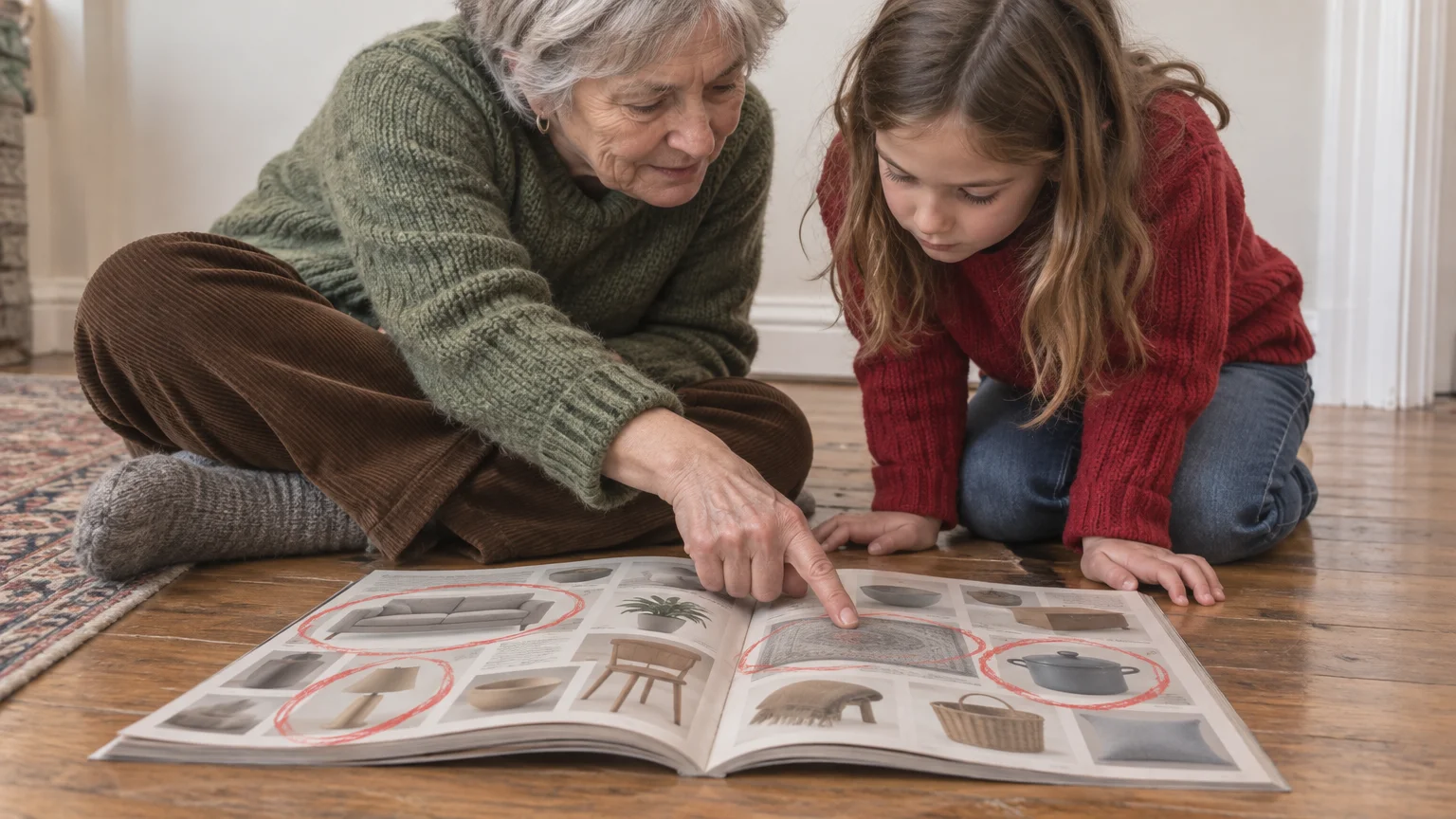
2. Flipping Through the Sears Wish Book
Sears launched its 87-page holiday catalog in 1933 with Lionel trains, Mickey Mouse watches, and live canaries. Renamed The Wish Book in 1968, it reached 605 pages for 12 million families before Sears ended print editions in 2018.
Circling favorites in a catalog taught families to plan gifts before heading to stores. For 2026, Deloitte expects households to spend $1,654 total, while Gallup reports an average gift budget of $1,011.
Making a written gift list helps you join the 82 percent of shoppers cutting holiday costs, according to the National Retail Federation (NRF). You can also find helpful senior money guides on AARP.
3. Calling the NORAD Santa Hotline
This free tradition started in 1955 when a Sears newspaper ad in Colorado Springs printed a wrong phone number. Calls meant for Santa reached the Continental Air Defense Command, where Colonel Harry Shoup gave kids radar updates.
NORAD still tracks Santa every Christmas Eve at zero cost to you or your grandkids. Sharing a fun, free memory beats buying one more pricey toy.
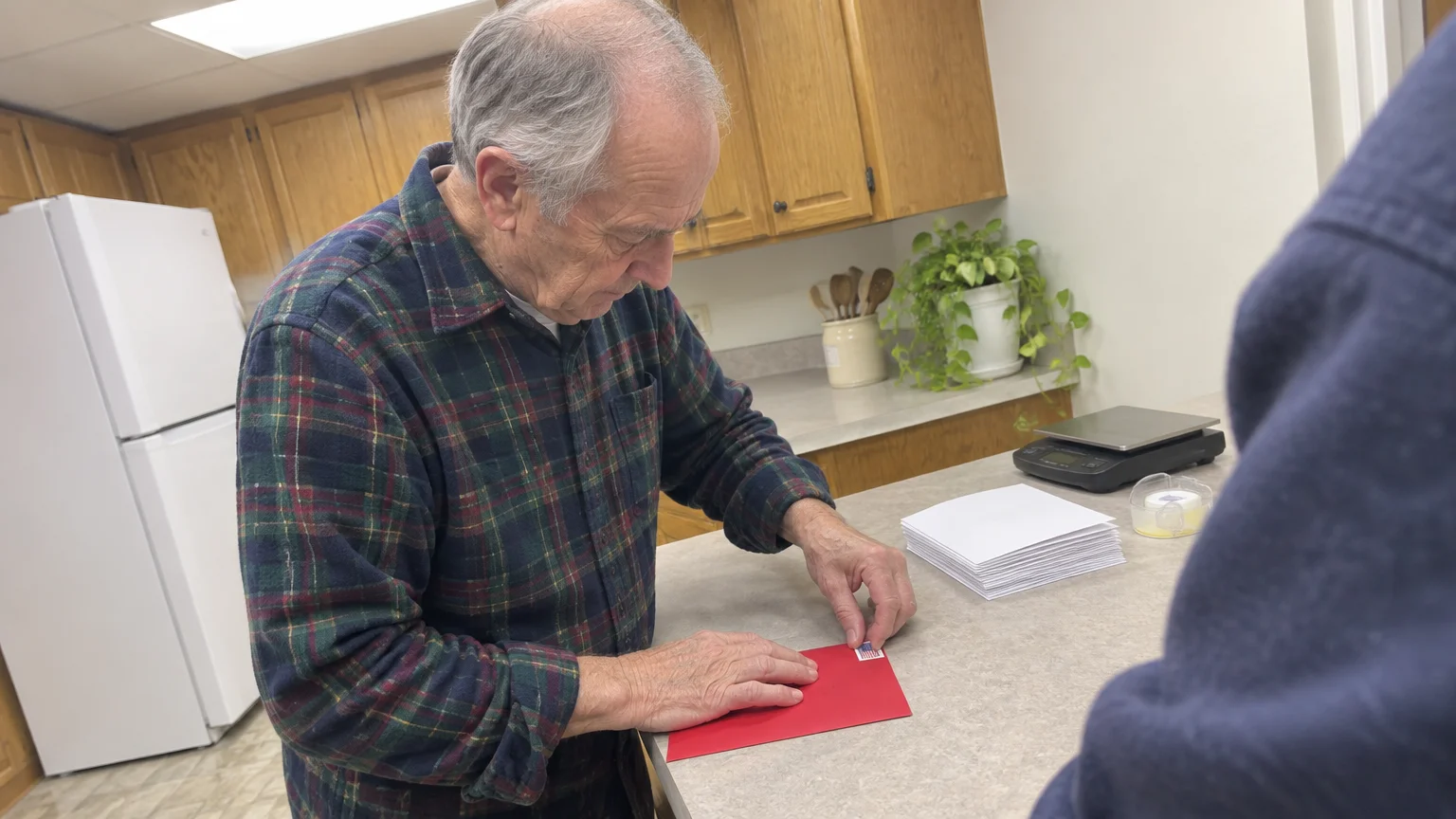
Mailing Holiday Cards Without Overspending
4. Leaving Envelopes Unsealed for Lower Postage
In 1955, a First-Class stamp cost just $0.03, according to the Smithsonian National Postal Museum and USPS. Many thrifty families mailed Christmas cards unsealed to get the cheaper third-class postage rate.
5. Sending Handwritten Holiday Letters
Tucking a personal note inside a card creates lasting holiday memories that quick text messages cannot match. Postage costs much more today, so smart mailing choices help your budget.
Under USPS rules starting July 12, 2026, a 1-ounce $0.82 Forever stamp covers one standard letter, making 20 stamps cost $16.40. A postcard stamp costs $0.65, and each extra ounce adds $0.29.
Skip square, rigid, or wax-sealed envelopes because they add a $0.49 fee and bring a 1-ounce card to $1.31. Forever stamps first sold in 2007 for $0.41, and old ones never expire.
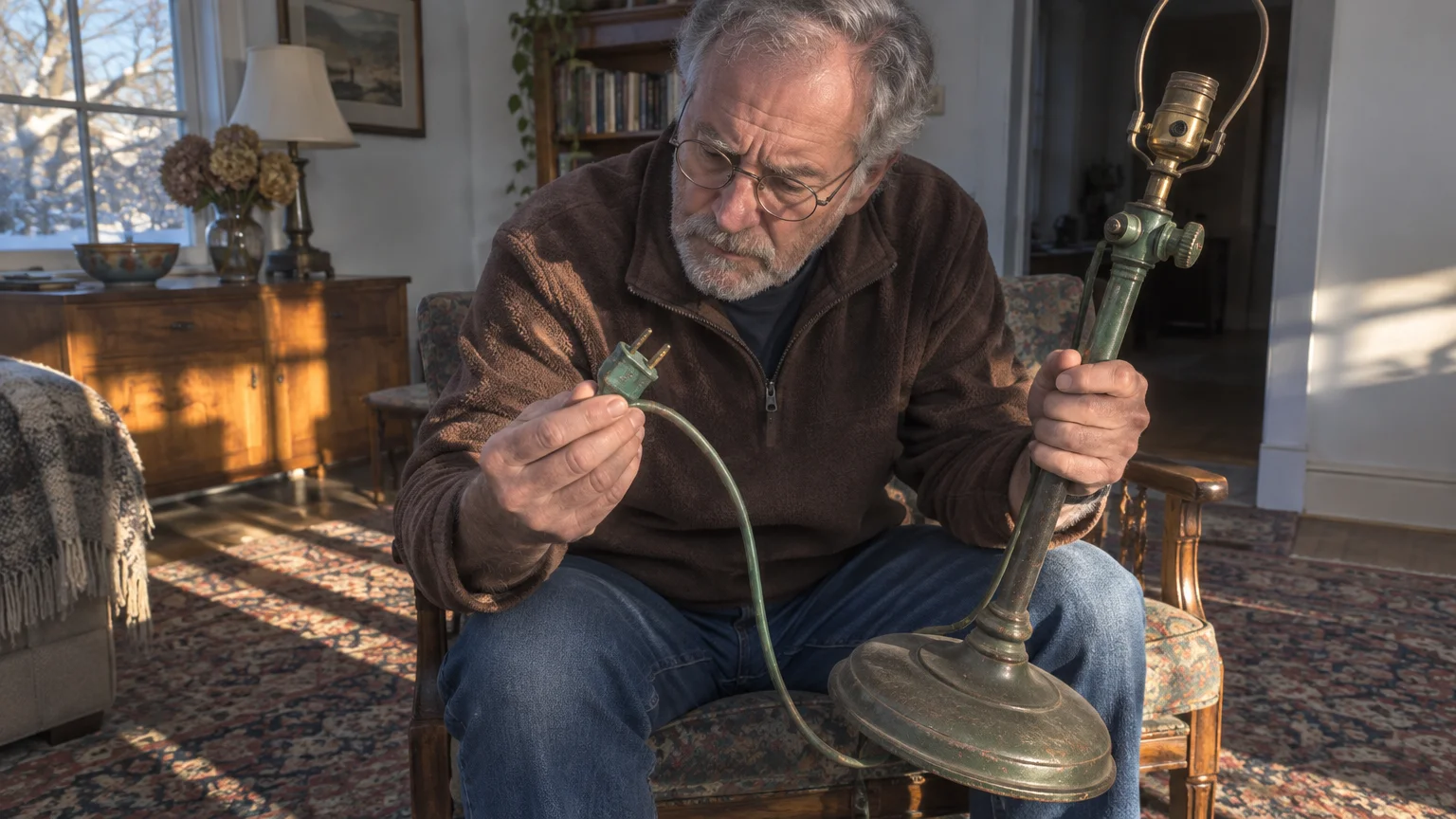
Vintage Christmas Traditions and Decor Safety
Pulling out old boxes sparks instant Christmas nostalgia every December. Before you decorate, check which vintage items carry hidden safety risks today.
6. Aluminum Christmas Trees and Color Wheels
Aluminum Specialty Company in Manitowoc, Wisconsin, built over 1 million aluminum trees between 1959 and 1969. Its famous Evergleam model sold for $25 back then, and collectors now pay up to $3,600 for vintage originals.
Never wrap electric lights around metal branches because faulty wires can charge the whole tree. Use a rotating floor color wheel to light it up safely instead.
“Never use electric lights on a metallic tree. The tree can become charged with electricity from faulty lights, and a person touching a branch could be electrocuted.” — U.S. Consumer Product Safety Commission (CPSC)
7. Heavy Lead Tinsel
From the 1920s through the 1960s, heavy lead tinsel hung straight on branches and stayed shiny. The FDA warned about lead-poisoning risks in August 1971, and makers stopped producing it after January 1, 1972.
The CPSC tells families to use only plastic or nonleaded metal tinsel today. Toss out any unmarked vintage tinsel sitting in your attic.
8. Glass Bubble Lights
Carl Otis patented bubble lights in 1944, and NOMA soon made them a hit across American homes. A small bulb heats methylene chloride inside the glass tube until it boils at about 104 degrees Fahrenheit.
Poison Control warns that methylene chloride turns into carbon monoxide in the body if swallowed, breathed in, or touched. Keep bubble lights away from children and throw away any cracked tubes right away.
9. Mercury Glass and Painted Ornaments
Antique mercury glass ornaments sometimes seal real mercury between double glass walls, and old painted pieces can hold lead paint. If an heirloom ornament breaks, Poison Control urges you to call 1-800-222-1222 for safe cleanup steps.
10. Spun-Glass Angel Hair and Snow Spray
California Poison Control notes that classic angel hair is finely spun glass that irritates your skin, eyes, and throat. Wear gloves when placing it, and open windows when using snow sprays that contain acetone or methylene chloride.
11. Real Cut Trees and Classic Light Strands
The National Fire Protection Association says U.S. fire departments fight about 200 to 210 home Christmas tree fires each year. About 1 in 52 causes a death, and 35 percent happen in January after trees dry out.
Cut 2 inches off the trunk, water the stand daily, and discard a real tree within 4 weeks. Place your tree at least 3 feet away from fireplaces, radiators, space heaters, vents, or candles.
The CPSC estimates hospital emergency rooms treat about 1,300 people yearly for holiday light injuries. Check cords for frayed wires, buy UL-listed sets, connect at most three incandescent sets per cord, and unplug trees before bed.
Poison Control also notes that older PVC light cords can hold lead compounds in the coating. Wash your hands thoroughly after handling string lights, and plug outdoor sets into GFCI-protected outlets.
| Vintage Tradition | Safety or Cost Risk | Smart Modern Option |
|---|---|---|
| Aluminum tree with lights | Electric shock risk on metal branches | Light it with a rotating color wheel |
| Pre-1972 lead tinsel | Lead exposure for kids and pets | Use plastic PVC or nonleaded tinsel |
| Old bubble lights | Methylene chloride turns to carbon monoxide | Switch to LED bubble lights or keep intact tubes high up |
| Vintage PVC light cords | Lead coating residue and frayed wires | Wash hands after hanging and replace worn strands |

Simple Homemade Holiday Gatherings
12. Stringing Popcorn and Cranberry Garlands
Threading plain popcorn and fresh cranberries into garlands gives you a fun craft to share with grandchildren. It uses low-cost kitchen staples and adds genuine charm to any tree.
13. Neighborhood Caroling on Foot
Walking down your street to sing familiar carols brings neighbors together without costing a penny. Invite nearby friends or a local club to join you for a short walk before dark.
14. Baking Tin Cookie Assortments
Sharing homemade cookies in simple tins gives friends a warm gift when store prices feel high. NerdWallet expects gift-buyers to spend an average of $879 in 2026, so home baking keeps more money in your pocket.
15. Driving Around to See Holiday Lights
Packing a thermos of hot cocoa and driving past decorated homes creates easy, joyful holiday memories. You enjoy colorful light shows for just the small cost of gas.

How to Blend Retro Charm With Your 2026 Budget
The NRF forecasts total 2026 holiday retail sales will reach $1.013 trillion as 91 percent of consumers celebrate. About 47 percent of shoppers want gift cards most, yet simple, thoughtful gestures still mean plenty.
Use these practical steps to enjoy vintage Christmas traditions without overspending:
- Set a firm cash limit before shopping so you avoid credit card debt in January.
- Look up free senior money guides on the Consumer Financial Protection Bureau (CFPB) website.
- Check if you can get monthly bill help through USA.gov Benefits or the National Council on Aging (NCOA) to free up holiday cash.
- Choose handwritten cards, baked treats, or shared outings instead of pricey store items.
Frequently Asked Questions
Are vintage Christmas decorations worth keeping or selling?
Some mid-century items carry real value, such as vintage Evergleam aluminum trees that bring collectors up to $3,600. Keep intact pieces away from children, and discard any items with cracked glass or frayed cords.
How much does it cost to mail Christmas cards in 2026?
A standard 1-ounce rectangular letter costs $0.82 starting July 12, 2026, while a postcard costs $0.65. Square or rigid envelopes add a $0.49 fee, bringing a 1-ounce card to $1.31.
How can I avoid holiday debt on a retirement income?
Save small amounts throughout the year like the old Christmas Club accounts, and stick to a written gift list. Pairing low-cost homemade gifts with free family outings helps you avoid high-interest credit card bills.
You do not need big spending to bring warm, old-fashioned joy into your home this December. Pick one or two classic habits, check your older decorations for safety, and keep your budget calm.
This article provides general financial education and information only. Everyone’s financial situation is unique—what works for others may not work for you. For personalized advice tailored to your retirement needs, consider consulting a qualified financial professional such as a CFP or CPA.
Last updated: November 2026. Benefit amounts, tax rules, and program details change annually—verify current figures with official government sources.





Leave a Reply