
If you are managing your retirement finances in 2026, relying solely on paper statements and phone calls is costing you time, money, and peace of mind. Technology has transformed how older adults handle their money, taxes, and healthcare, turning complex bureaucratic nightmares into tasks you can complete from your kitchen table. With Social Security updates, rising Medicare premiums, and new tax laws taking effect this year, ignoring digital tools leaves you vulnerable to missed benefits and expensive mistakes. By adopting a few secure, user-friendly websites, you can instantly track your income, uncover hidden government assistance, and protect yourself from fraud. Here are nine online services that will dramatically streamline your daily life and keep your retirement completely on track.
Quick Summary: Essential Digital Tools for Retirees
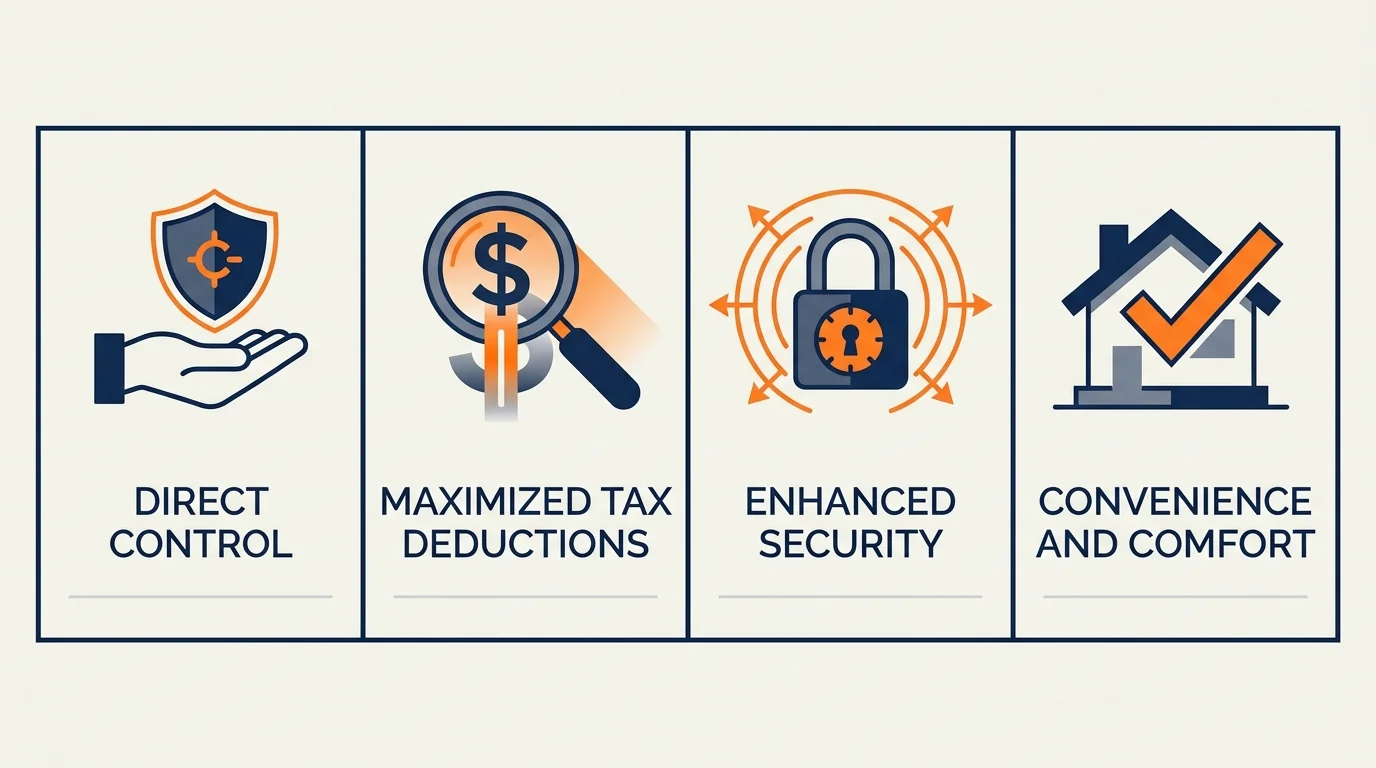
Navigating the modern financial landscape requires moving away from the filing cabinet and toward secure, government-backed online portals. Before diving into the specifics of each tool, here is a brief overview of what you will gain by digitizing your retirement strategy:
- Direct Control Over Benefits: Manage your Social Security and Medicare choices without waiting on hold for a representative.
- Maximized Tax Deductions: Leverage digital tools to uncover new 2026 tax provisions, ensuring you claim every dollar you deserve.
- Enhanced Security: Use automated alerts and daily mail tracking to catch fraudulent activity before it causes permanent financial damage.
- Convenience and Comfort: Handle everything from grocery shopping to routine doctor visits without leaving your living room.
1. My Social Security (SSA.gov)
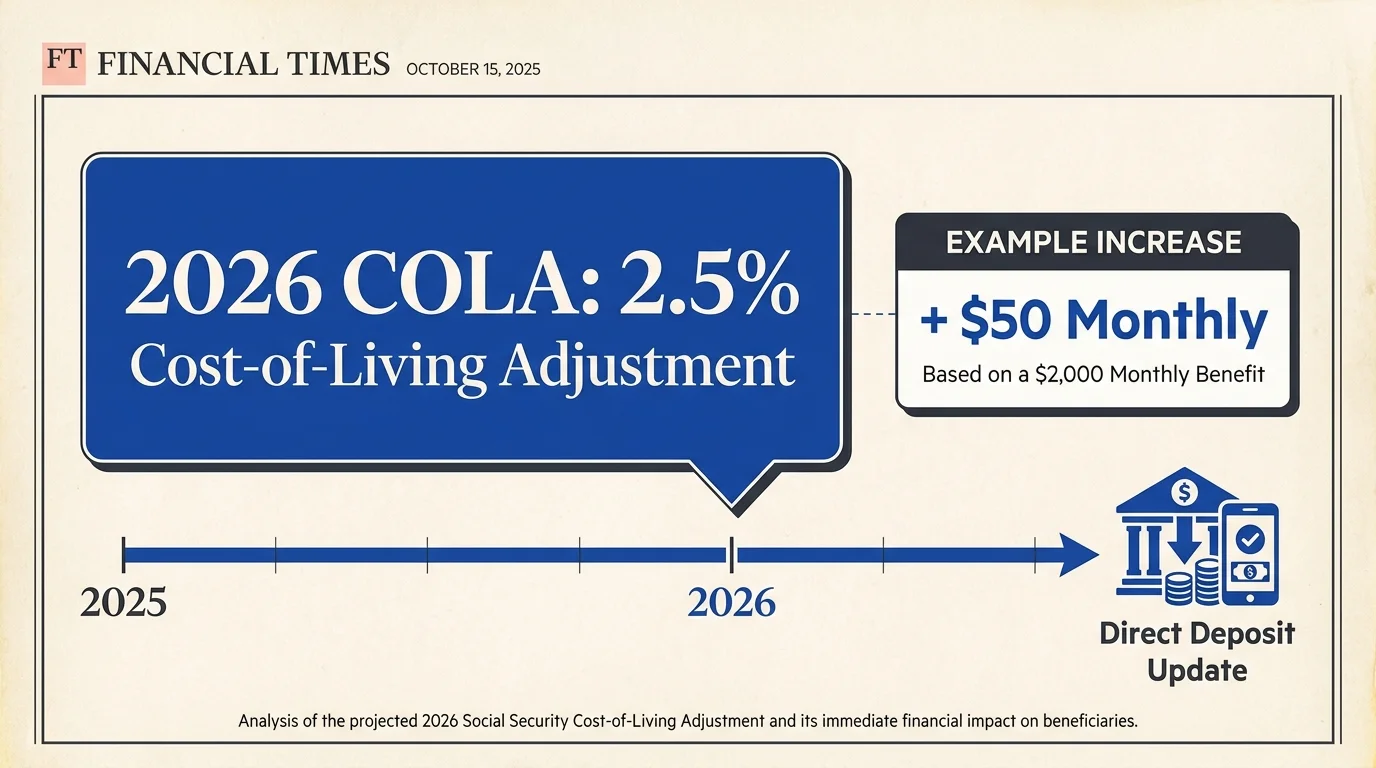
Creating a “my Social Security” account at SSA.gov is an absolute necessity for modern retirement management. In 2026, the cost-of-living adjustment (COLA) increased benefits by 2.5%, based on inflation data from late 2025. If your monthly benefit was $2,000 last year, that 2.5% COLA added a permanent $50 to your monthly check. Instead of waiting for a paper letter to arrive in the mail to confirm your new benefit amount, the online portal allows you to log in instantly and view your updated payment schedule.
Beyond tracking your monthly income, the platform dramatically simplifies your tax preparation. Come tax season, you no longer have to worry if your SSA-1099 form gets lost in the mail; you can download and print an official replacement directly from your dashboard. You can also use the site to update your direct deposit information safely and securely if you change banks. Setting up your account requires verifying your identity through government-approved credential providers like Login.gov or ID.me. This process adds an ironclad layer of security that prevents identity thieves from filing fraudulent claims under your name or rerouting your hard-earned benefits.
2. The Medicare Plan Finder (Medicare.gov)
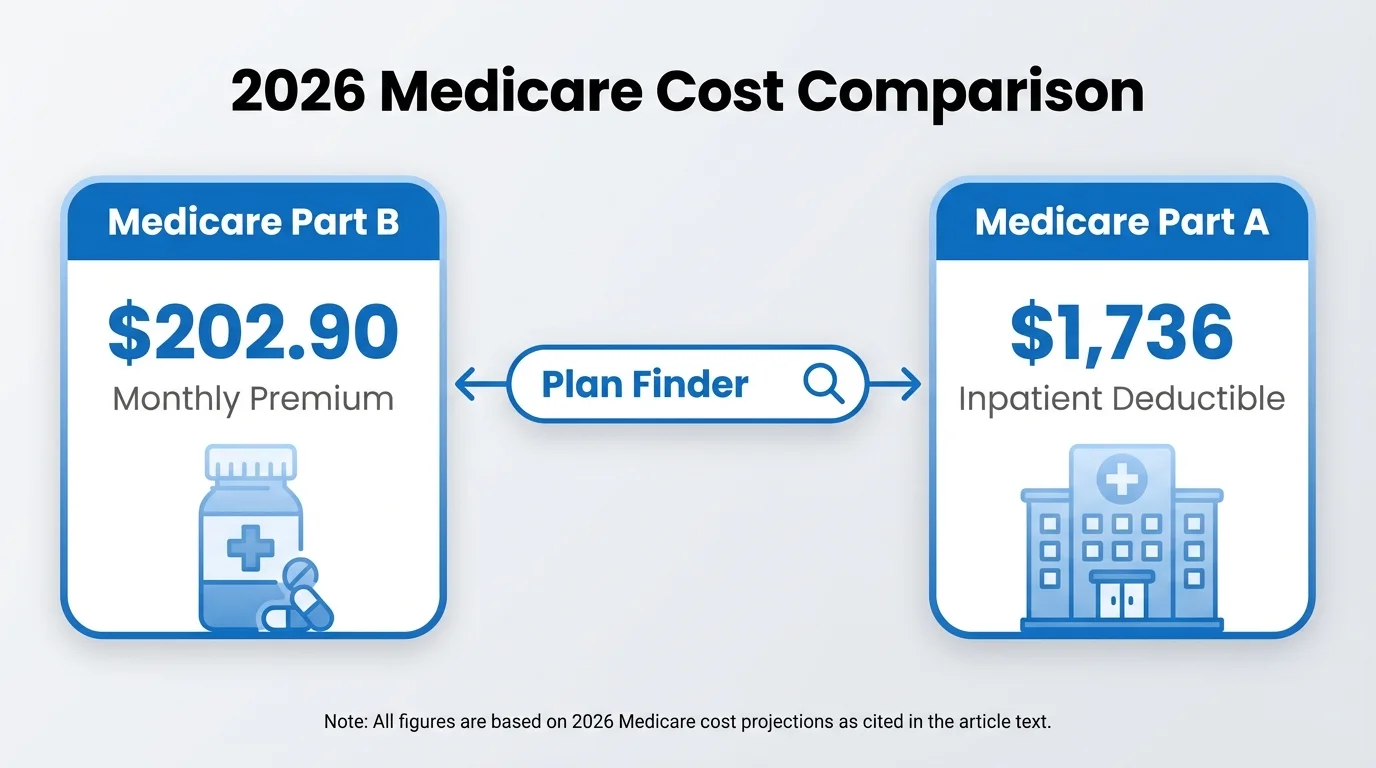
Healthcare costs consistently rank as one of the largest financial burdens in retirement. Fortunately, the Medicare.gov Plan Finder is a remarkably powerful tool that demystifies your coverage options. Baseline costs continue to shift; for example, the standard Medicare Part B premium in 2026 is $202.90 per month, and the Part A inpatient hospital deductible has risen to $1,736 per benefit period. Because these baseline costs are non-negotiable, optimizing your Part D prescription drug plan or your Medicare Advantage plan is your best strategy for keeping healthcare expenses manageable.
The online Plan Finder removes the guesswork from Open Enrollment. The tool prompts you to input your exact prescription medications, specific dosages, and your preferred local pharmacies. It then calculates your estimated annual out-of-pocket costs across every available plan in your zip code. The system factors in monthly premiums, deductibles, and co-pays to show you the true cost of each plan. Using this digital service ensures you are not overpaying for coverage you do not need, and it shields you from aggressive, commission-driven sales tactics by insurance brokers.

3. NCOA BenefitsCheckUp
Millions of seniors live on fixed incomes while unknowingly leaving massive amounts of money on the table. According to the National Council on Aging (NCOA), older adults miss out on roughly $58 billion in unclaimed benefits every single year. The NCOA addresses this massive shortfall with their free, confidential online service known as BenefitsCheckUp. This platform screens your eligibility for over 2,500 federal, state, and local assistance programs.
By simply entering your zip code and answering a few basic questions about your income and living situation, the system quickly checks if you qualify for crucial programs. It identifies eligibility for the Supplemental Nutrition Assistance Program (SNAP), the Low-Income Home Energy Assistance Program (LIHEAP) to help with utility bills, and Medicare Savings Programs that can cover your Part B premiums. The interface is highly intuitive and provides direct links and step-by-step instructions on how to apply for the programs you match with. For many older adults, taking ten minutes to fill out this online assessment translates into thousands of dollars in annual savings.
4. IRS Free File and VITA Locator
In 2026, navigating the tax code requires precision, as the Internal Revenue Service adjusts standard deductions annually to account for inflation. For the 2026 tax year, the standard deduction is $16,100 for single filers and $32,200 for married couples filing jointly. Furthermore, recent federal legislation introduced an additional $6,000 tax deduction specifically for seniors aged 65 and older—though it phases out if your modified adjusted gross income exceeds $75,000 as a single filer or $150,000 for joint filers.
To ensure you do not miss these significant tax breaks, you should utilize the IRS Free File system or the Volunteer Income Tax Assistance (VITA) locator tool. The VITA program provides free, basic tax return preparation to qualified individuals, specifically targeting those 60 and older. Using the online locator tool helps you quickly find a vetted, in-person or virtual appointment near your home. This digital resource guarantees you claim every dollar you deserve without paying exorbitant fees to commercial tax preparation franchises.
5. USPS Informed Delivery
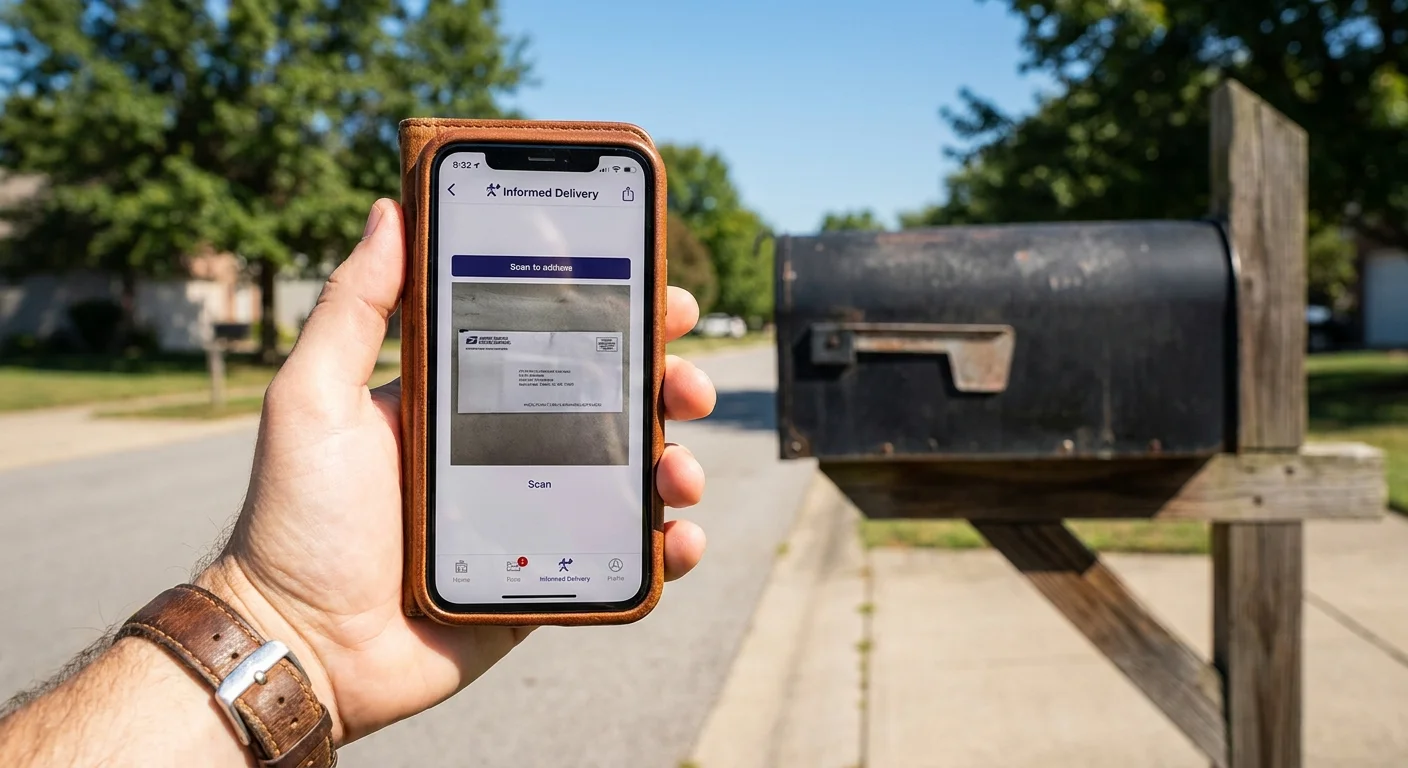
Mail theft and check washing are serious threats to older adults, particularly those who receive physical benefit checks, tax documents, or medical bills. The United States Postal Service offers a brilliant, free digital service called Informed Delivery to combat this issue. Once you register your address on the USPS website, you will receive a daily morning email containing grayscale images of the exterior of your incoming letter-sized mail.
This service allows you to know exactly which sensitive documents are arriving in your mailbox before the postal carrier even drops them off. If you are expecting an important tax refund or a replacement credit card, and it shows up in your morning email but never makes it to your physical mailbox, you immediately know something is wrong and can report the theft. For seniors with mobility challenges, Informed Delivery provides the added benefit of eliminating unnecessary trips to the mailbox on days when nothing but junk mail is being delivered.

6. Telehealth and Patient Portals
The days of sitting in a waiting room full of sick people just to get a routine prescription refill are effectively over. Most major healthcare networks now offer robust online patient portals, accessible through a web browser or a secure smartphone application. These portals empower you to message your primary care doctor directly, view laboratory test results the moment they are finalized, and request medication refills with a single click.
Furthermore, telehealth services—which are now widely covered by Original Medicare and Medicare Advantage plans—enable you to have virtual medical appointments via secure video calls. This technology is incredibly beneficial for addressing minor illnesses, conducting mental health counseling sessions, or handling routine follow-ups. You save money on transportation, reduce your physical exposure to seasonal viruses, and manage your healthcare entirely from the comfort of your living room.
7. The Eldercare Locator
Navigating the complex maze of local support services can quickly become overwhelming, especially if you or a spouse suddenly requires assistance with daily living. The Eldercare Locator, a public service provided by the U.S. Administration for Community Living, serves as an essential digital database for older Americans. By typing your zip code or city into the search bar, the site instantly connects you with your local Area Agency on Aging (AAA).
Through this portal, you can discover community-specific resources such as reliable non-emergency medical transportation, home modification programs for wheelchair accessibility, legal aid for estate planning, and local centers that offer subsidized meals. Instead of randomly searching the internet and hoping you land on a legitimate organization, the Eldercare Locator directs you exclusively to vetted, government-backed community services.

8. Online Grocery and Pharmacy Delivery
While it may initially seem like a modern luxury, utilizing online grocery and pharmacy delivery services is a highly practical strategy for managing your household efficiently. Platforms like Instacart, Walmart+, and dedicated pharmacy applications from CVS or Walgreens allow you to browse inventory, compare weekly prices, and have essential items delivered directly to your front door.
This digital capability makes life dramatically easier for seniors who experience joint pain, arthritis, or simply want to avoid the physical toll of lifting heavy items like laundry detergent, pet food, and cases of bottled water. Financially, ordering online allows you to track your exact shopping cart total before checking out. This visibility helps you stick strictly to your retirement budget and completely eliminates the costly impulse purchases that frequently happen when wandering down store aisles.

9. Automated Online Banking
Handling paper checks, balancing physical checkbooks, and waiting in line at a local bank branch represent an outdated approach to money management. Modern online banking platforms offer unparalleled control and visibility over your finances. By logging into your bank’s secure portal, you can set up automatic bill pay for your utilities, mortgage, and credit cards, ensuring you never miss a deadline or incur a late fee.
More importantly, online banking allows you to establish custom security alerts. You can configure the system to send you a text message or email the exact second a transaction over a specified amount occurs. If a fraudulent charge hits your account, you will know immediately rather than discovering the theft weeks later when your paper statement arrives.
“Automation is the ultimate financial defense mechanism for retirees. When your bills, savings, and benefit checks are managed digitally, you eliminate the human error that often derails retirement budgets.” — Jean Chatzky, Personal Finance Expert
Comparing Traditional Tasks vs. Digital Solutions
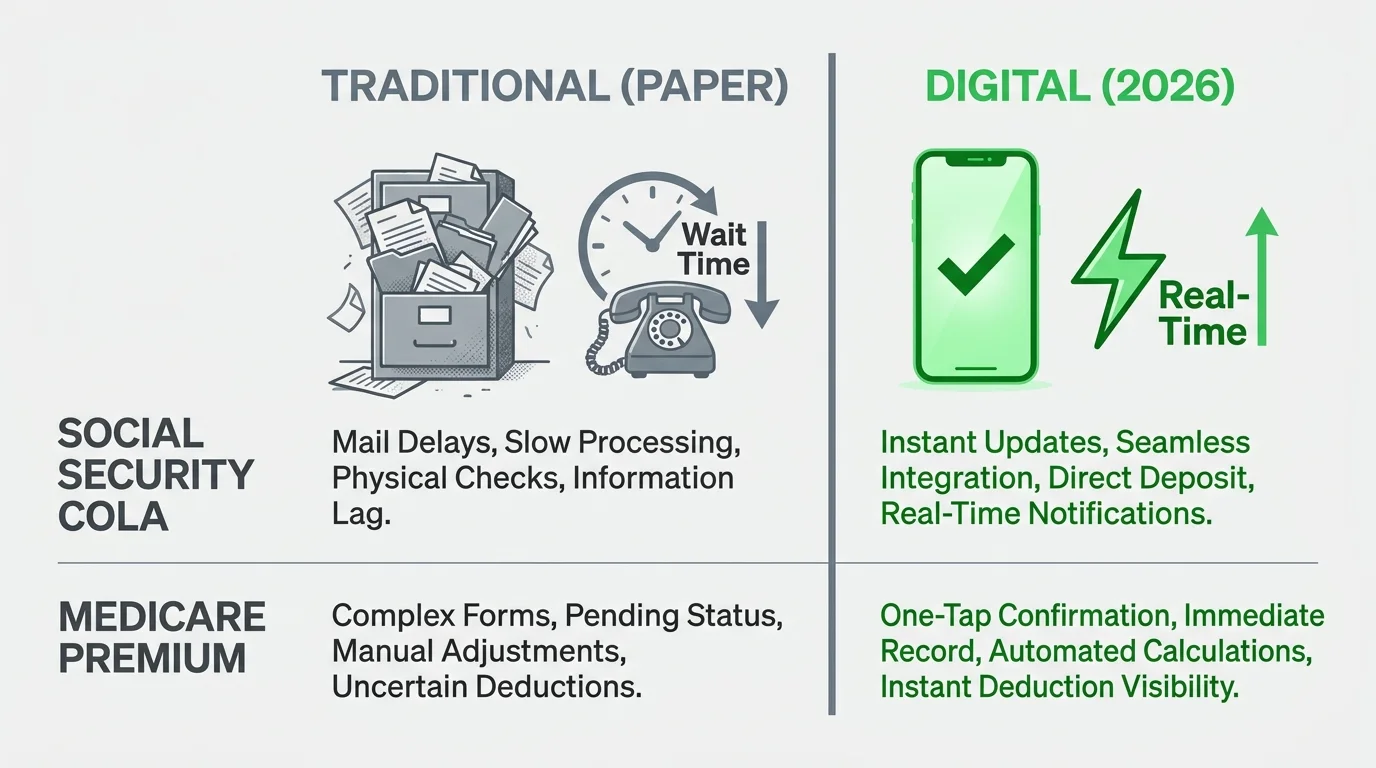
To fully appreciate the time and effort saved by adopting these online services, consider how the digital approach compares to the traditional methods of managing retirement tasks:
| Financial Task | Traditional Method | Online Service Solution | Primary Benefit |
|---|---|---|---|
| Reviewing Medicare Plans | Reading thick catalogs; calling insurance brokers | Medicare.gov Plan Finder | Unbiased, exact out-of-pocket cost estimates |
| Checking Social Security | Waiting for annual paper statements in the mail | My Social Security Portal | Instant access to COLA updates and tax forms |
| Finding Tax Assistance | Calling local libraries or paying commercial preparers | IRS VITA Locator Tool | Free, vetted tax preparation by certified volunteers |
| Screening for Benefits | Visiting multiple county and state offices in person | NCOA BenefitsCheckUp | One single form checks 2,500+ programs instantly |
| Securing Daily Mail | Walking to the mailbox hoping nothing was stolen | USPS Informed Delivery | Photographic proof of what is arriving that day |
Costly Errors to Sidestep
While the internet offers incredible conveniences, it also presents unique risks. Protect your retirement nest egg by avoiding these common digital missteps:
- Reusing Passwords Across Critical Accounts: Using the same password for your online banking, Medicare portal, and personal email is incredibly dangerous. If a hacker breaches one system, they gain access to your entire financial life. Use a secure password manager or write down unique, complex passwords in a physical notebook kept in a safe at home.
- Ignoring Two-Factor Authentication (2FA): Almost all financial and government websites now offer 2FA, which requires you to enter a code sent to your phone after typing your password. Bypassing this feature leaves your accounts highly vulnerable to unauthorized access. Always enable it when offered.
- Filing for Benefits on Public Wi-Fi: Never log into your bank, the IRS website, or SSA.gov while connected to the free Wi-Fi at a coffee shop, airport, or public library. These unsecured networks make it astonishingly easy for cybercriminals to intercept your Social Security number and passwords.
- Falling for Lookalike Websites: Fraudsters frequently build websites that look identical to Medicare or the IRS, but with slightly different web addresses (like .com or .org instead of .gov). Always verify that you are on an official government website ending in “.gov” before entering any personal identification.

When DIY Isn’t Enough
Digital tools are excellent for day-to-day management, but there are certain situations where attempting to handle everything online by yourself can lead to severe financial consequences. Seek professional human assistance in the following scenarios:
- Experiencing Cognitive Changes: If you or your spouse begin finding it difficult to remember passwords, process digital information, or understand online account balances, it is time to bring in a trusted family member or a fiduciary financial advisor to take the reins.
- Executing Complex Estate Planning: While online software can help you draft a simple will, you should never rely on internet templates for setting up Medicaid asset protection trusts or complex special needs trusts. An elder law attorney must handle these to ensure they comply with your specific state laws.
- Managing Severe Identity Theft: If you discover that someone has claimed your Social Security benefits or filed a fraudulent tax return in your name, automated online portals will not fix the problem. You must immediately freeze your credit and work directly with fraud resolution specialists at the respective government agencies.
Frequently Asked Questions
Are government websites actually safe to use?
Yes. Official websites ending in “.gov” (like SSA.gov and Medicare.gov) utilize rigorous encryption and security protocols. They require identity verification processes, such as ID.me or Login.gov, which provide a much higher level of security than standard commercial websites.
Do I have to pay to use Medicare or Social Security online tools?
No. The tools provided by the Social Security Administration, Medicare, the IRS, and the Eldercare Locator are completely free public services. If a website asks for your credit card to help you file for a government benefit or check your Medicare eligibility, you are likely dealing with a scam or a third-party charging for a free service.
What if I forget my password to my online accounts?
Every reputable digital service includes a “Forgot Password” link on the login page. By clicking this, the system will verify your identity by sending a secure code to the email address or mobile phone number associated with the account, allowing you to safely reset your password.
Can my adult children manage my online accounts for me?
Yes, but they must do so legally. For banking and healthcare, you can formally grant them access through the institution’s portal or by establishing a durable Power of Attorney. However, the Social Security Administration strictly prohibits anyone—even a spouse or child with a Power of Attorney—from logging into another person’s “my Social Security” account. They must apply to become a designated Representative Payee instead.
Taking control of your retirement through digital services is one of the most empowering choices you can make in 2026. By dedicating a single afternoon to setting up these online accounts, you will drastically reduce the time you spend managing paperwork, avoid long hours on hold with customer service, and secure your financial data against modern threats. Start small by registering for just one or two of these tools this week, and gradually expand your digital toolkit as you become more comfortable with the technology.
This is educational content based on general financial principles for seniors. Individual results vary based on your situation. Always verify current benefit amounts, tax rules, and program eligibility with official government sources.
Last updated: May 2026. Benefit amounts, tax rules, and program details change annually—verify current figures with official government sources.