
Traditional retirement communities often conjure images of quiet golf courses, beige dining rooms, and endless games of bingo. If that sounds like your personal nightmare, you are in luck. Developers have realized that today’s seniors want excitement, novelty, and tailored lifestyles that reflect their lifelong passions. Whether you want to park an airplane in your garage, spend your golden years entirely in an RV, or embrace a clothing-optional environment, there is a community built exactly for you. However, before you pack your bags for a Jimmy Buffett-themed paradise or a Zen meditation retreat, you need to ensure the financial math makes sense for your long-term security.

1. Latitude Margaritaville: The Jimmy Buffett Lifestyle
If your idea of a perfect retirement involves frozen concoctions and a permanent vacation, Latitude Margaritaville might be your ultimate destination. Inspired by the music and lifestyle of the late Jimmy Buffett, these communities—located in Daytona Beach, Watersound, and Hilton Head—blur the line between everyday living and a luxury resort.
The amenities here are heavily themed and entirely focused on fun. You can catch live bands at the Latitude Town Square bandshell, take your dog to the Barkaritaville Pet Spa, or watch a performance at the Last Mango Theater. The Paradise Pool features a zero-entry beach style, complete with Tiki huts and a poolside bar. While the atmosphere is relaxed, the financial commitment requires planning. Homeowners associations (HOAs) in resort-style communities carry monthly fees that cover the extensive grounds maintenance and entertainment schedules. When budgeting for a Margaritaville lifestyle, you must account for these recurring costs alongside your standard living expenses.
2. Escapees CARE Center: RV Living With Built-In Support
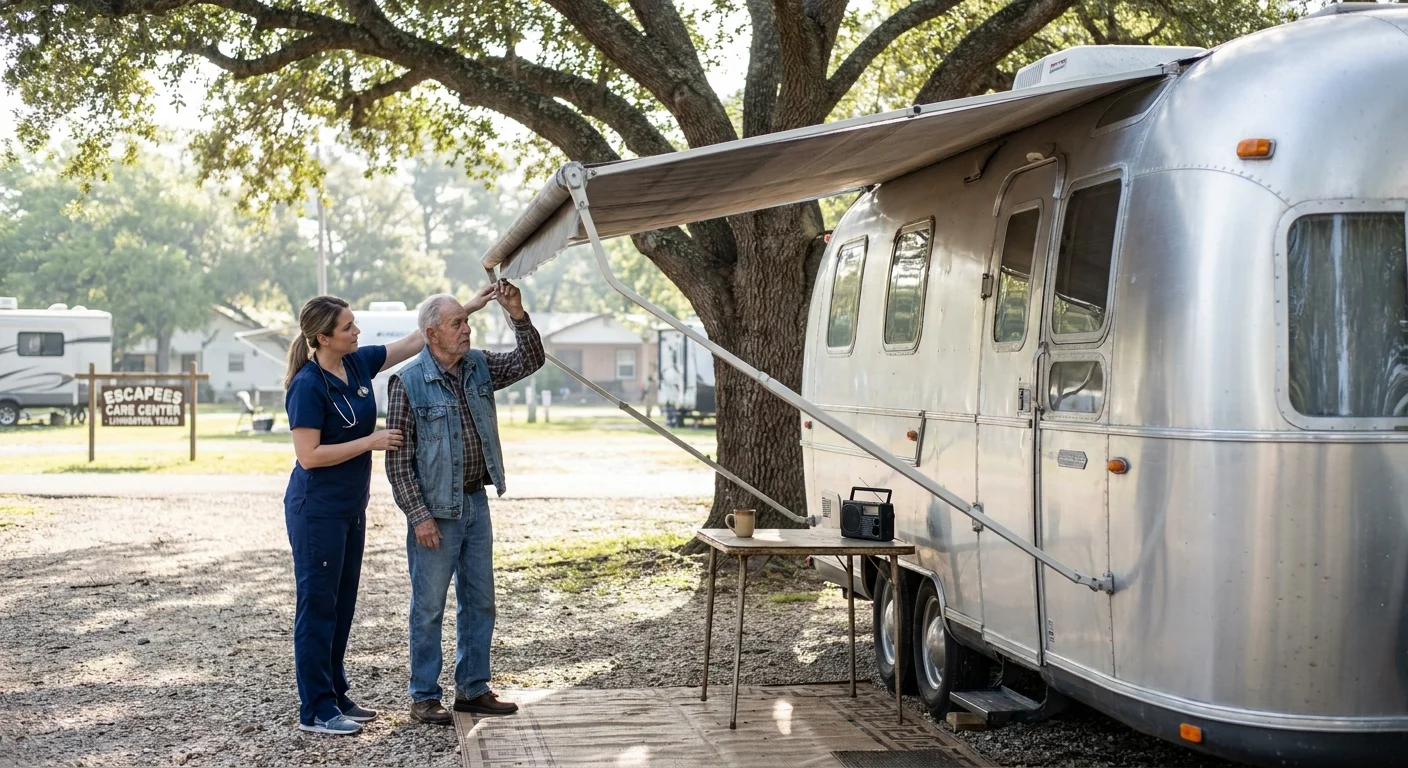
For many retirees, hitting the open road in a recreational vehicle is the ultimate dream. But what happens when health issues make constant travel difficult? The Escapees CARE (Continuing Assistance for Retired Escapees) Center in Livingston, Texas, offers a shockingly practical solution: a retirement community where you live in your own RV while receiving professional assistance.
Instead of moving into a traditional assisted living facility, residents park their RVs on dedicated sites. The community provides three meals a day, adult daycare, transportation to medical appointments, and an on-duty nurse. They even help with unique RV maintenance tasks like managing propane tanks and handling awnings. This setup is incredibly cost-effective compared to traditional assisted living. Because you already own your home on wheels, your monthly expenses are drastically reduced, allowing you to age in place without sacrificing your nomadic identity.
3. Lake Weir Preserve: America’s Toy-Friendly Haven
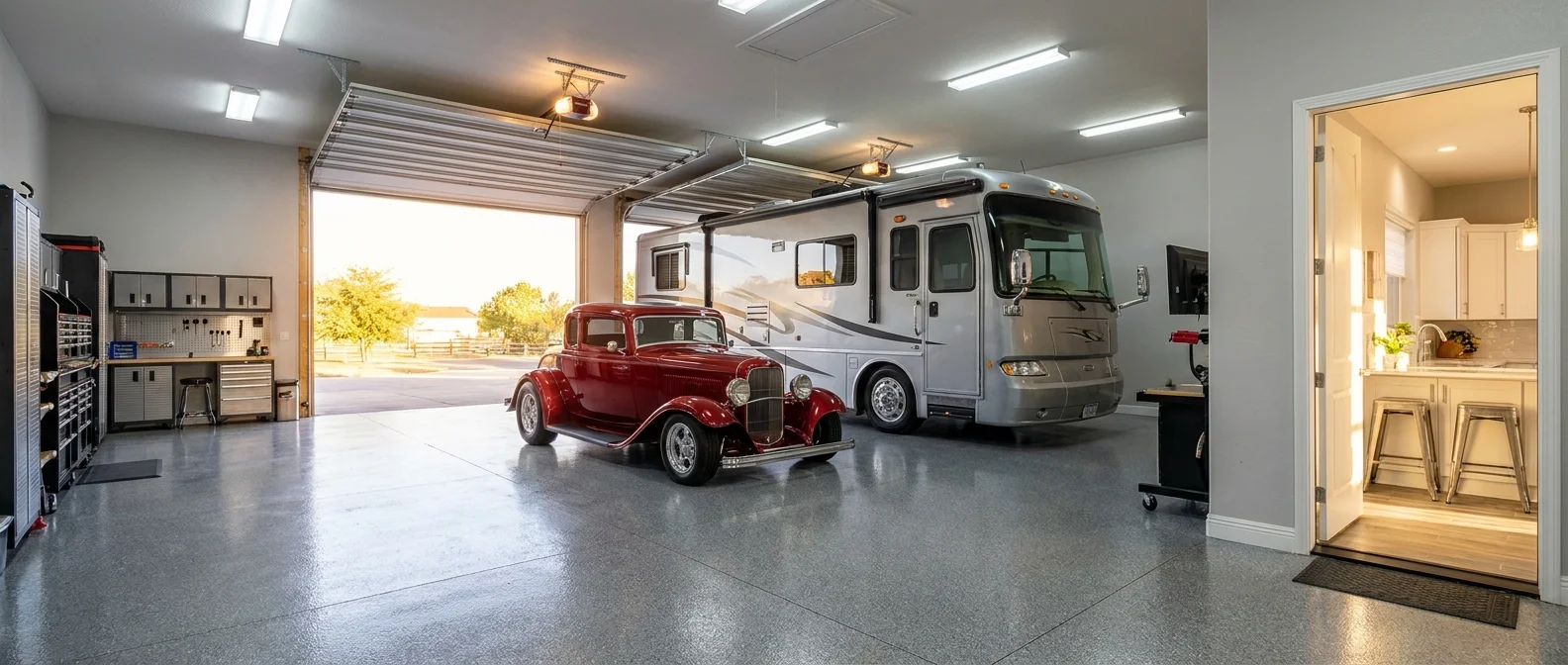
Most master-planned communities have strict rules about what you can park in your driveway. Lake Weir Preserve in Ocala, Florida, takes the exact opposite approach. Dubbed “America’s Toy-Friendly Community,” this neighborhood is built specifically for retirees who own massive recreational vehicles, boats, and classic car collections.
The weirdest amenity here is the sheer scale of the architecture. Homes are constructed with attached garages ranging from 2,000 to 3,000 square feet—often larger than the living quarters themselves. Because there is no restrictive HOA, you are free to customize your garage into a massive workshop or studio. If you have spent your life collecting vintage hot rods or you want your luxury motorhome parked steps from your kitchen, this community saves you thousands of dollars annually in off-site storage fees.

4. Lasell Village: The Mandatory College Experience
Retiring to a golf course is standard, but retiring to a college campus requires a completely different mindset. Located in Newton, Massachusetts, Lasell Village is an educational retirement community situated directly on the campus of Lasell University. The twist? Learning is not optional.
Residents must commit to 450 hours of coursework, physical fitness, and community service every single year. You can take university classes alongside traditional 20-something college students, engage in specialized research projects, or attend private lectures. This intellectual stimulation is phenomenal for cognitive health, but it comes with a premium price tag. Educational retirement communities often require substantial entrance fees and higher monthly maintenance dues to fund the academic programming.

5. Spruce Creek Fly-In: Where Planes Have the Right of Way
For die-hard aviators, driving a golf cart to the clubhouse is not enough. At the Spruce Creek Fly-In community in Port Orange, Florida, residents navigate their neighborhoods in airplanes. Known as the world’s largest residential airpark, the center of the community features a 4,000-foot lighted runway.
Homes here are known as “hangar mansions,” featuring massive attached airplane hangars and direct access to taxiways. The most unusual community rule? Airplanes have the absolute right of way on the shared streets. While living alongside 700 hangars sounds incredibly exciting, maintaining an aircraft and insuring a specialized aviation property requires a robust retirement budget. You will need to factor in aviation fuel, specialized property insurance, and strict runway maintenance fees.

6. ShantiNiketan: A Taste of India in Florida
Cultural immersion usually requires a passport, but ShantiNiketan in Tavares, Florida, brings the vibrant culture of India directly to U.S. retirees. Designed specifically for Indian-American seniors, this community centers entirely around familiar cultural traditions, dietary needs, and spiritual practices.
The amenities are highly specialized. The dining facilities are strictly vegetarian, serving authentic regional Indian cuisine to ensure residents do not have to cook as they age. The community features a dedicated prayer room, meditation spaces, and a theater that screens the latest Bollywood movies. By building a community around shared heritage, ShantiNiketan combats the isolation that many immigrant seniors face in traditional American nursing facilities.

7. Enso Village: Zen Mindfulness and Contemplative Care
Located in the heart of Northern California’s wine country in Healdsburg, Enso Village is a first-of-its-kind, Zen-inspired life plan community. Developed in collaboration with the San Francisco Zen Center, this community is entirely focused on mindful aging and environmental stewardship.
Instead of a standard clubhouse, the focal point of Enso Village is a Zendo—a traditional meditation hall. The dining rooms feature vegetarian, farm-to-table cuisine sourced sustainably. Even more uniquely, retired Zen teachers live on-site, integrating teachings of wisdom and contemplative care into daily life. Medical and caregiving staff are trained in compassionate, mindful care. Residing here means embracing a philosophy of peace, though the high cost of living in Sonoma County means your retirement portfolio must be rigorously prepared.

8. Cypress Cove: The Clothing-Optional Retirement
If you genuinely want to shed the burdens of your working years, Cypress Cove Nudist Resort in Kissimmee, Florida, allows you to shed everything else, too. Operating since 1964, this 300-acre gated community offers a year-round, clothing-optional lifestyle for its residents.
Seniors can purchase mobile homes or villas and live naked in a completely normalized, family-oriented environment. The resort includes standard amenities like swimming pools, tennis courts, and fitness centers—all utilized in the nude. The most obvious financial benefit? You will save a massive amount of money on your clothing budget. However, financing a home in a specialized resort can be tricky, as traditional mortgage lenders sometimes hesitate to finance niche mobile home properties.

How to Finance an Out-of-the-Box Retirement
Choosing a community with bizarre or luxurious amenities requires more than just a sense of adventure; it requires a rock-solid financial strategy. When you transition into retirement, your income shifts from a steady paycheck to a reliance on Social Security, pensions, and investment withdrawals. You must understand current financial metrics to ensure your money lasts.

Maximize Your Social Security Benefits
Every dollar counts when paying for specialized HOA fees or hangar maintenance. For 2026, the Social Security Administration implemented a 2.8% cost-of-living adjustment (COLA). For the average retired worker, this boosts monthly benefits to approximately $2,064. Before signing a contract for a luxury RV lot or a Zen meditation retreat, verify your exact benefit amount using the official SSA website.

Factor in Rising Healthcare Costs
Even if you live in a community with an active, healthy lifestyle, you cannot escape healthcare premiums. The standard Medicare Part B premium for 2026 is $202.90 per month, up from $185 in 2025. Additionally, the annual Medicare Part B deductible is $283. If your modified adjusted gross income is high, you will also face Income-Related Monthly Adjustment Amounts (IRMAA), pushing your premiums significantly higher. You can review current bracket limits directly at Medicare.gov.
Leverage Powerful Senior Tax Deductions
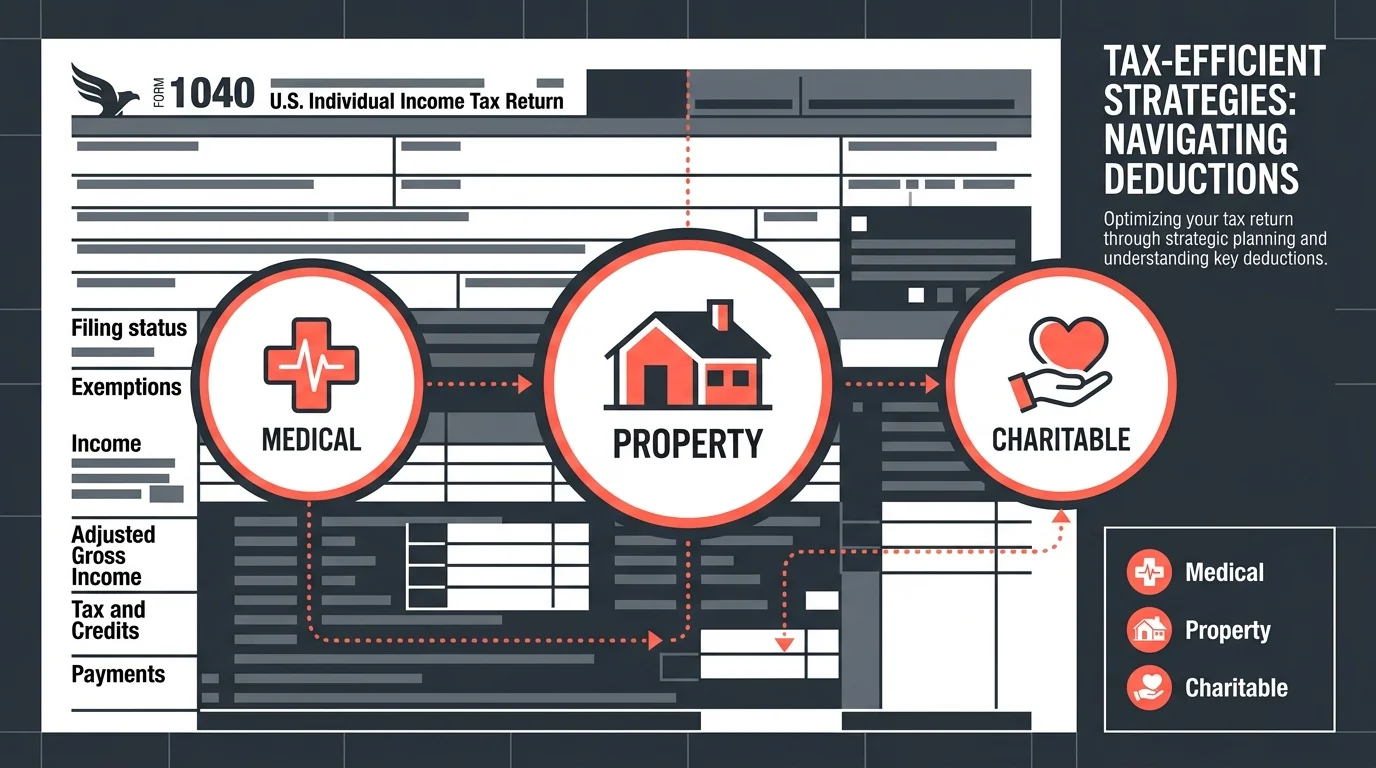
Living in a niche community often means higher upfront costs, but the federal government provides substantial tax relief for seniors. For the 2026 tax year, the standard deduction is $16,100 for single filers and $32,200 for married couples filing jointly. However, if you are 65 or older, you get an additional standard deduction of $2,050 (single) or $1,650 per spouse (joint).
Furthermore, thanks to the One Big Beautiful Bill Act (OBBBA), taxpayers 65 and older can claim a temporary bonus deduction from 2025 through 2028. This adds $6,000 for singles and $12,000 for joint filers, provided your income falls below specific thresholds ($75,000 for singles, $150,000 for joint). When combined, a single senior in 2026 could see a total standard deduction exceeding $24,000, while a married couple could deduct over $47,000. This massive reduction in taxable income frees up vital cash flow to fund your unusual retirement dreams. Always verify the current tax year limits with the Internal Revenue Service.
“The ultimate retirement is one in which you wake up and greet the sunrise each day with joy.” — Suze Orman, Personal Finance Expert
Comparing Unusual Amenity Costs
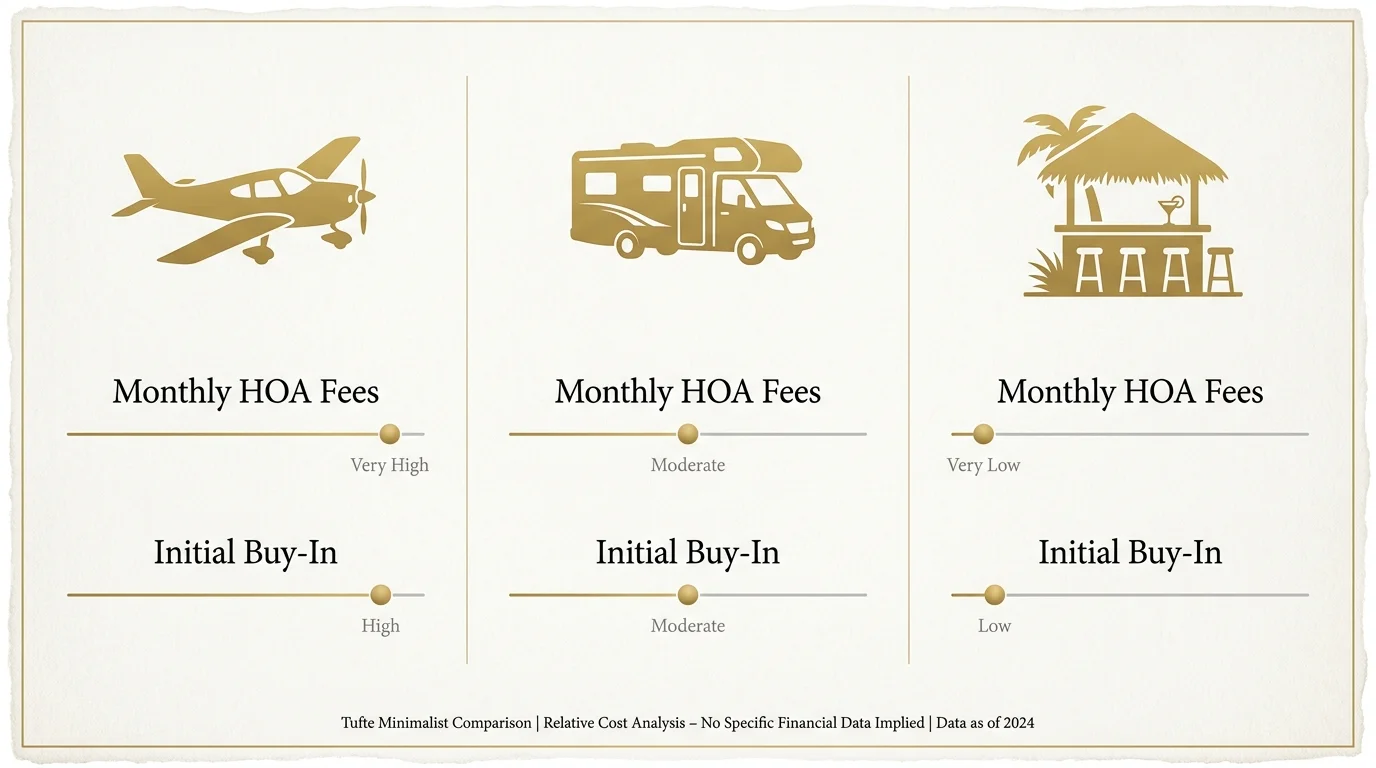
Different lifestyles carry different hidden expenses. Use this comparison table to anticipate the financial realities of your chosen community.
| Community Type | Unique Amenity Focus | Potential Hidden Costs |
|---|---|---|
| Aviation Airparks | Private runways & hangar homes | Aircraft maintenance, specialized property insurance, runway resurfacing fees |
| RV Retirement Centers | RV hookups & daily nursing care | Vehicle depreciation, fuel costs, monthly lot rental fees |
| Nudist / Clothing-Optional | Private resort grounds | Annual membership fees, limited property resale market |
| Themed / Resort Living | Concerts, Tiki bars, pet spas | High HOA dues, premium on-site food and beverage costs |
| Educational Communities | University classes & lectures | Large entrance fees, mandatory tuition/programming costs |

What Can Go Wrong
Moving into a novelty retirement community is exciting, but letting your emotions drive your real estate decisions can lead to financial disaster. Watch out for these common mistakes.
- Ignoring Future Mobility Needs: A massive hangar home or a multi-level recreational vehicle might be easy to navigate at age 65, but climbing stairs and maintaining large vehicles becomes difficult at age 85. Always plan for single-floor living or communities that offer graduated care.
- Underestimating HOA Traps: Resort-style amenities require massive upkeep. Zero-entry pools, live bands, and fitness centers cost money. Ensure your fixed income can absorb a 5% to 10% annual increase in HOA dues without breaking your budget.
- Overlooking Out-of-Network Healthcare: Moving across state lines to join a specialized community might pull you out of your current Medicare Advantage network. Always verify that top-tier hospitals and specialists are covered in your new zip code.
- Assuming an Easy Resale: Niche homes appeal to a niche market. If you need to sell a home with a built-in airplane hangar or a property in a nudist resort to fund long-term care, it may sit on the market much longer than a traditional house.

When to Consult a Professional
Unusual retirement choices often require complex financial maneuvering. You should speak with a fiduciary financial advisor or an elder law attorney in the following scenarios:
First, if you are selling a traditional primary residence to fund a depreciating asset, like a luxury RV for the Escapees CARE center, an advisor can help you safely invest the remaining home equity. Second, if you are moving to a different state for a themed community, consult a tax professional. State tax laws on Social Security and pension withdrawals vary wildly, and relocating could either save or cost you thousands of dollars annually. Finally, if you are buying into a Life Plan Community like Enso Village or Lasell Village, have a lawyer review the entrance fee contract. You need to know exactly what portion of your buy-in is refundable to your heirs.
Frequently Asked Questions
Can I use a regular mortgage to buy a hangar home or an RV?
Financing a hangar home usually requires a specialized portfolio loan, as traditional Fannie Mae or Freddie Mac guidelines often do not cover properties where a massive percentage of the square footage is a non-living space hangar. RVs are financed through specialized recreational vehicle loans, which operate more like auto loans than traditional 30-year mortgages.
Do niche retirement communities accept Medicare for assisted living?
Medicare does not pay for long-term room and board in assisted living facilities, regardless of whether the community is traditional or Zen-inspired. Medicare Part A only covers short-term skilled nursing facility care after a qualifying hospital stay. You must rely on personal savings, long-term care insurance, or Medicaid (if you meet strict low-income thresholds) to cover the residential costs of assisted living.
What happens if I move into an active community but later need memory care?
This depends entirely on the community structure. Life Plan Communities (like Enso Village) offer a continuum of care, meaning you can transition from independent living to memory care on the same campus. However, active lifestyle resorts (like Latitude Margaritaville) are designed for independent adults. If you require advanced memory care, you will likely have to sell your home and move to a specialized medical facility. You can research local care options nationwide through the Eldercare Locator.
Your retirement years are a blank canvas, and you have earned the right to paint them however you see fit. Whether that means drinking margaritas by a zero-entry pool, flying a Cessna out of your garage, or mastering Zen meditation, your lifestyle should reflect your authentic self. Take the time to run the numbers, consult with trusted advisors, and ensure your financial foundation is as robust as your sense of adventure.
This is educational content based on general financial principles for seniors. Individual results vary based on your situation. Always verify current benefit amounts, tax rules, and program eligibility with official government sources.