
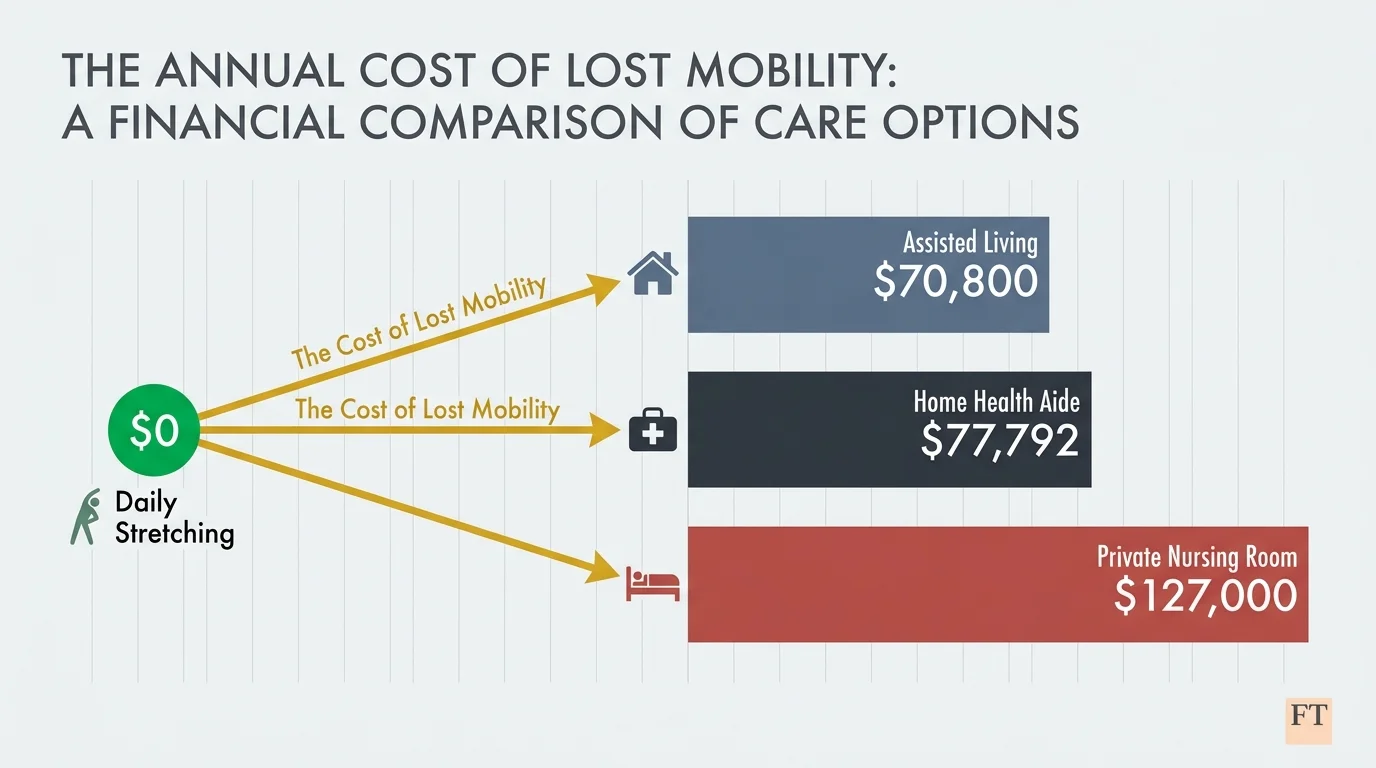
Protecting your retirement savings is meaningless if you lose the physical ability to enjoy it. Maintaining your mobility is the most lucrative investment you can make, potentially saving you the $70,800 median annual cost of an assisted living facility. Taking just ten minutes a day to perform simple, low-impact movements keeps your joints fluid, improves your balance, and sharply reduces your risk of a financially devastating fall. You do not need expensive gym memberships or complex equipment to protect your physical and financial independence. By incorporating seven straightforward daily stretches into your routine, you fortify your body against the steep medical costs of aging and guarantee a freer, more self-reliant retirement.
The Hidden Financial Return of Physical Fitness
Retirement planning usually focuses on asset allocation, required minimum distributions, and tax efficiency. Yet, your physical health dictates how quickly you will drain those carefully managed accounts. According to the Centers for Disease Control and Prevention (CDC), one in four Americans aged 65 and older falls each year. These incidents result in approximately 3 million emergency department visits annually, making falls the leading cause of fatal and non-fatal injuries among older adults.
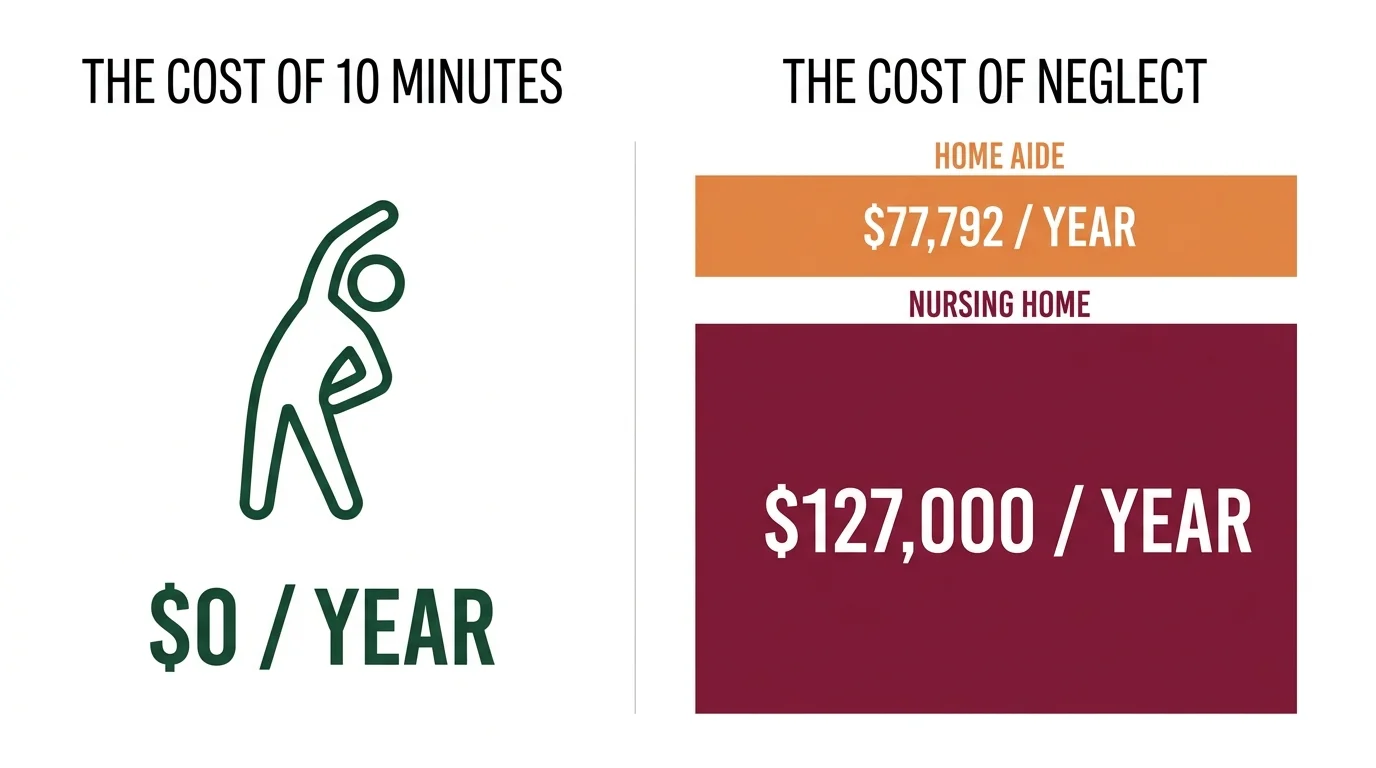
The financial impact of lost mobility is staggering. When you can no longer safely navigate your home, dress yourself, or manage daily chores, you must pay for assistance. The most recent Genworth Cost of Care Survey reveals that a home health aide now costs a median of $77,792 annually. Moving to an assisted living community costs approximately $70,800 per year, and a private room in a nursing home exceeds $127,000 annually.
Compare those massive, recurring expenses to the zero-dollar cost of stretching in your living room for ten minutes a morning. Flexibility exercises act as an insurance policy for your independence. They keep your center of gravity stable, allow you to navigate uneven surfaces without tripping, and give you the strength to catch yourself if you lose your balance.
“You only get one mind and one body. And it’s got to last a lifetime. Now, it’s very easy to let them ride for many years. But if you don’t take care of that mind and that body, they’ll be a wreck forty years later, just like the car would be.” — Warren Buffett, Chairman and CEO of Berkshire Hathaway
7 Daily Stretches to Preserve Your Independence
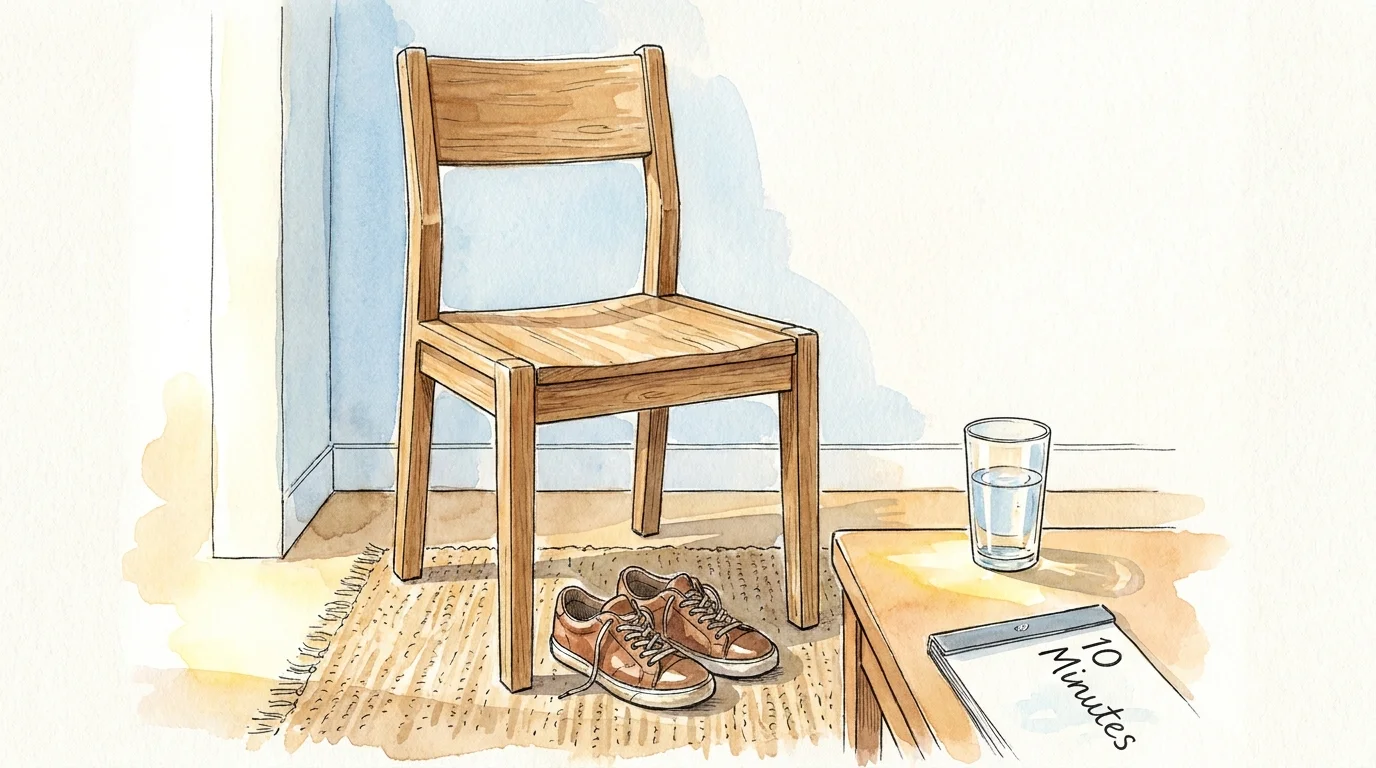
You can perform this routine entirely at home using a sturdy, armless dining chair and a blank wall. Wear comfortable clothing that does not restrict your movement. Breathe deeply through your nose and out through your mouth during each stretch.

1. The Seated Neck Rotation
The Independence Payoff: Driving requires excellent neck mobility. Being able to look over your shoulder ensures you can check blind spots safely, allowing you to keep your driver’s license longer.
How to do it: Sit upright in a sturdy chair with your feet flat on the floor. Slowly turn your head to the right until you feel a gentle pull—not pain—on the left side of your neck. Hold this position for 15 to 30 seconds while breathing deeply. Gently return to the center, then repeat on the left side. Perform this stretch three times per side.
2. Chest and Shoulder Expansion
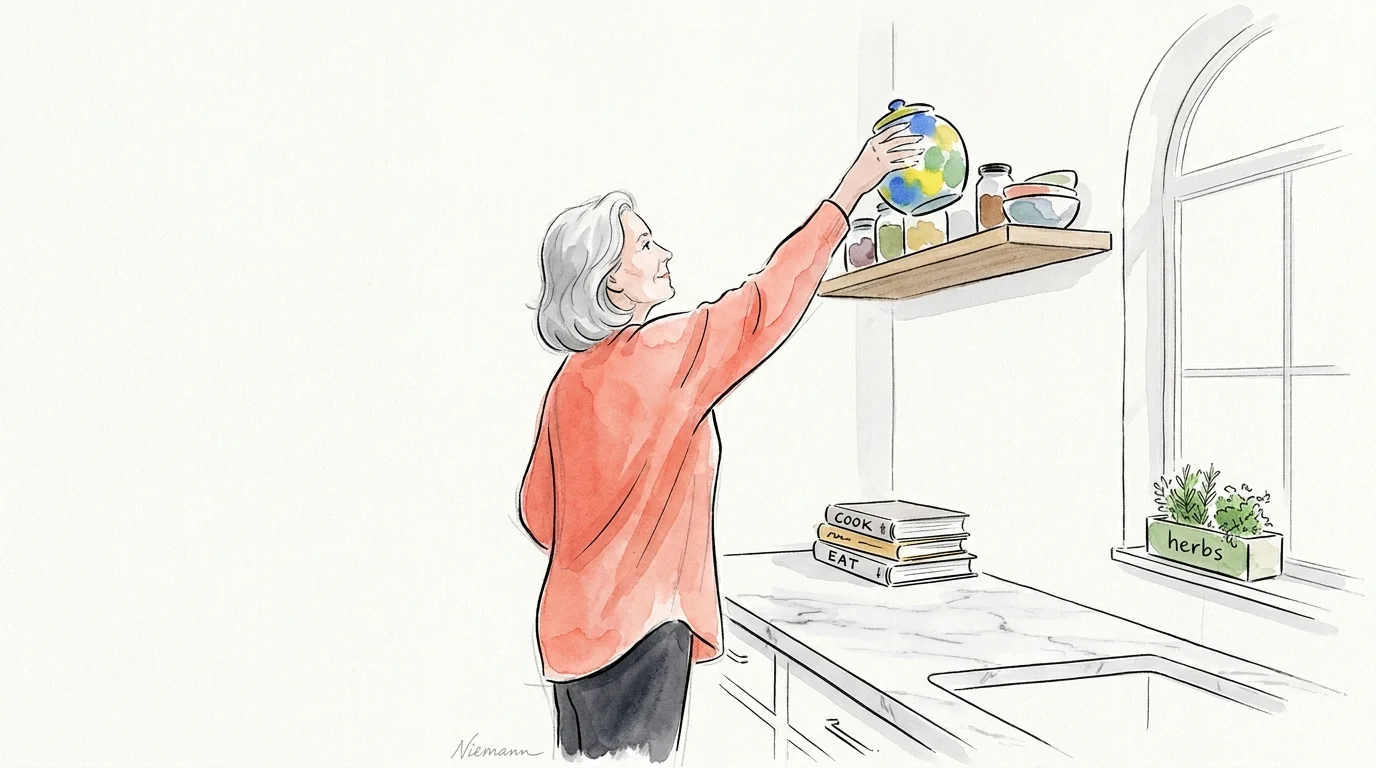
The Independence Payoff: Tight chest muscles pull your shoulders forward, disrupting your center of gravity and increasing your fall risk. Opening your chest improves posture and makes reaching top cabinet shelves much easier.
How to do it: Sit near the edge of your chair. Reach both arms behind you and grasp the back of the chair near the seat. Gently push your chest forward and upward, squeezing your shoulder blades together. Hold for 20 to 30 seconds. You will feel a comfortable stretch across your collarbones and the front of your shoulders.

3. Seated Spinal Twist
The Independence Payoff: Core mobility allows you to roll out of bed easily, reach for the car seatbelt, and safely twist when someone calls your name without losing your footing.
How to do it: Cross your right hand over to your left knee. Place your left hand on the armrest or the seat behind you. Slowly exhale and twist your torso to the left, looking gently over your left shoulder. Keep your hips facing forward. Hold for 20 seconds, return to the center smoothly, and switch sides.
4. Seated Hamstring Reach
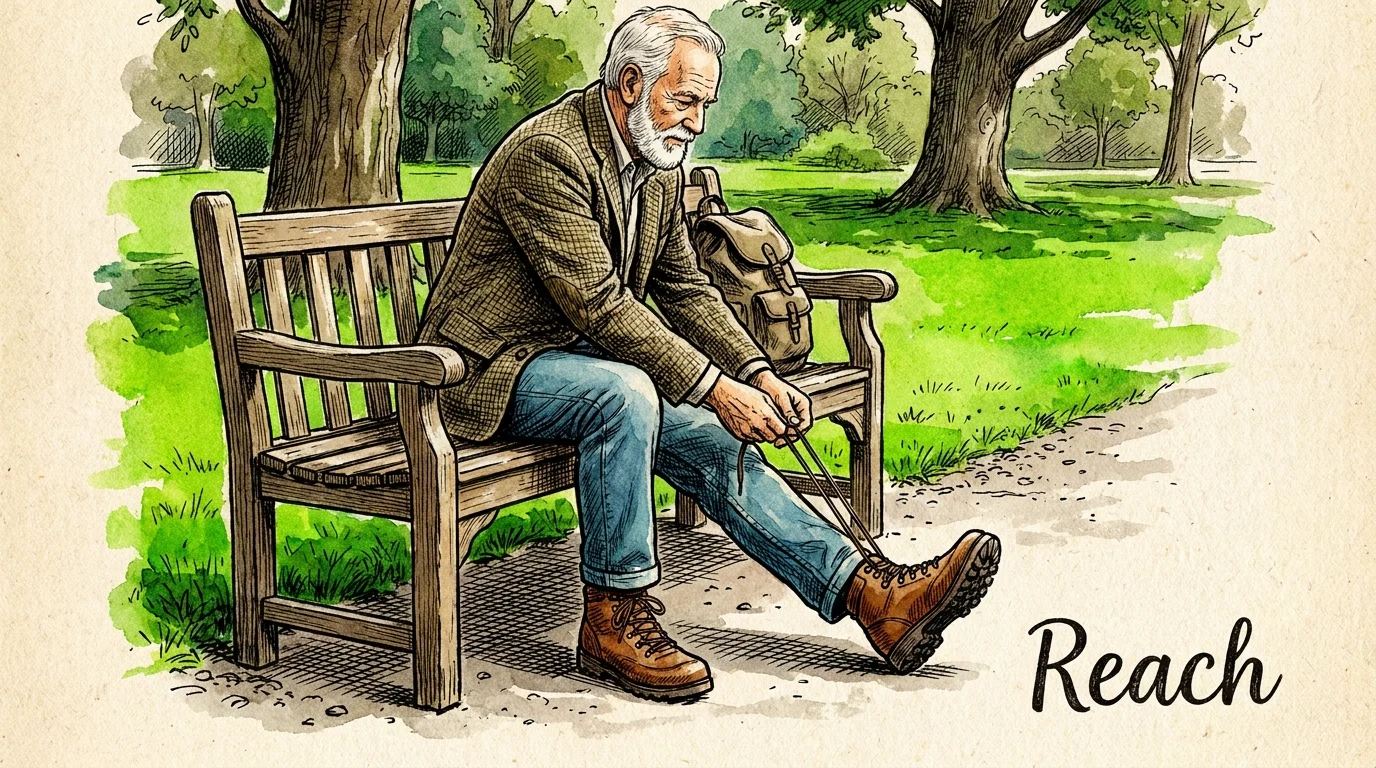
The Independence Payoff: Flexible hamstrings relieve lower back tension and make it vastly easier to bend down to tie your shoes, put on socks, or pick up a dropped object safely.
How to do it: Sit at the front edge of your chair. Extend your right leg straight out with your heel on the floor and toes pointing toward the ceiling. Keep your back completely straight and hinge forward at the hips. Stop immediately when you feel a stretch along the back of your right thigh. Hold for 30 seconds, sit back up, and switch legs.
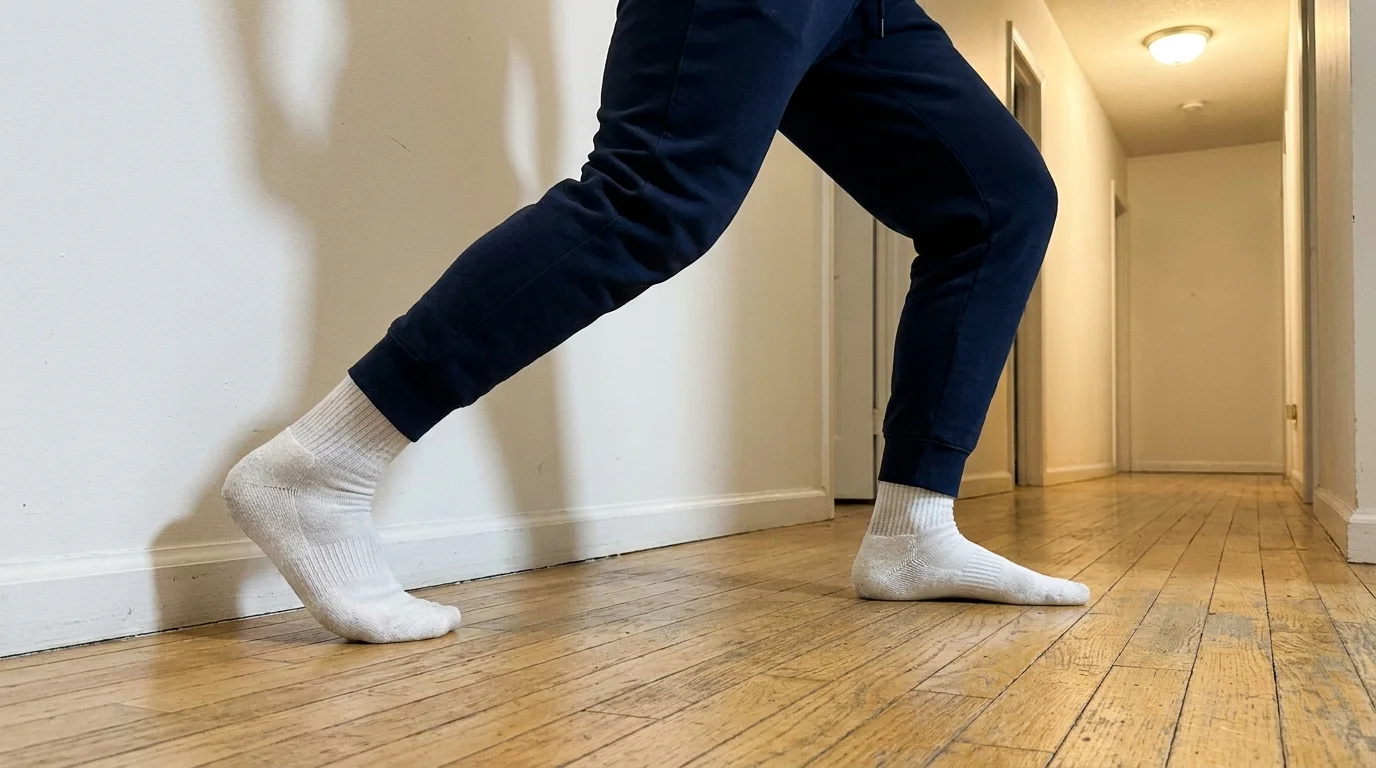
5. Wall Calf Stretch
The Independence Payoff: Tight calves restrict ankle movement, leading to a shuffling gait. A shuffling walk catches the front of your shoe on rugs or uneven pavement, directly causing trips and falls.
How to do it: Stand facing a blank wall, placing both hands flat against it at shoulder height. Step your right foot back about two feet, keeping the heel firmly planted on the floor. Bend your left knee slightly and lean your hips toward the wall until you feel a stretch in your right lower leg. Hold for 30 seconds per leg.
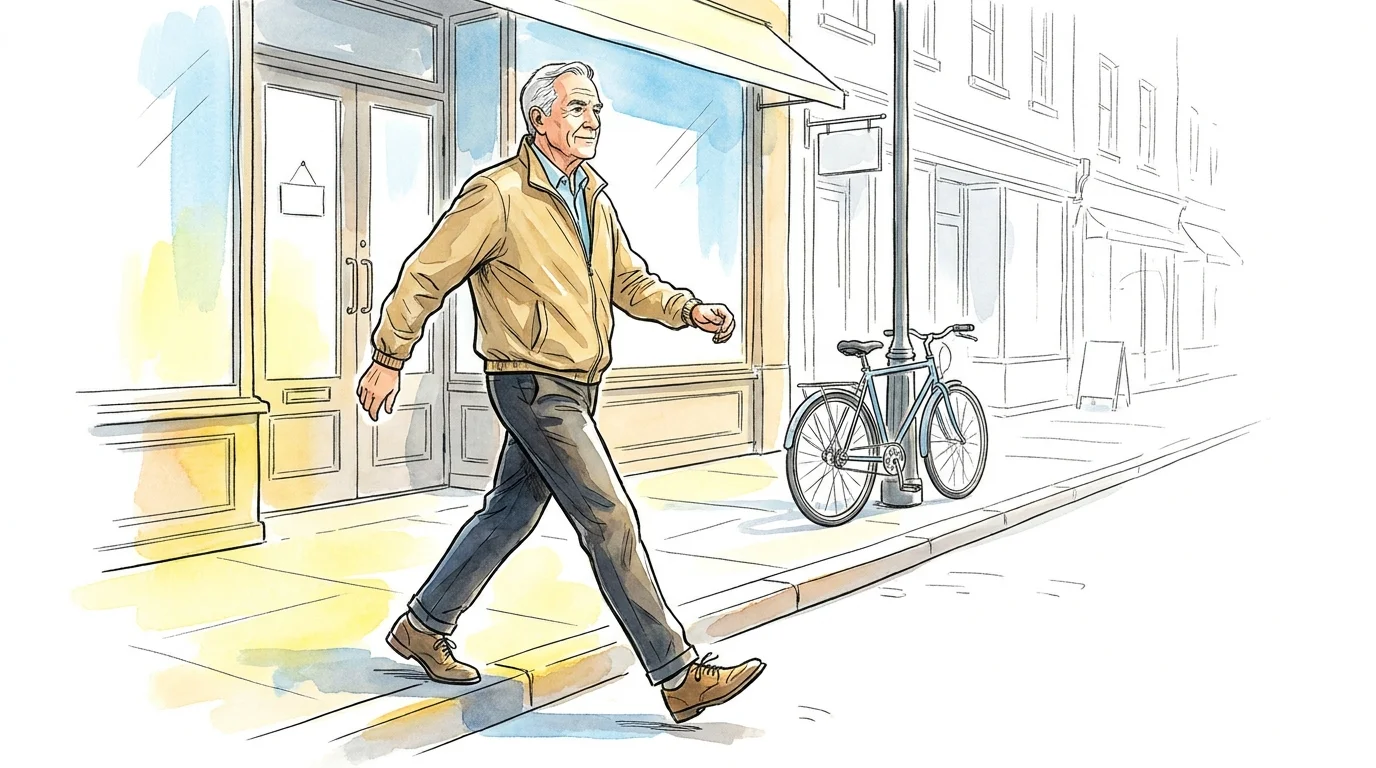
6. Standing Hip Extension
The Independence Payoff: Flexible hip flexors provide the mechanical leverage needed to stand up from a deep couch, a low toilet seat, or a car bucket seat without requiring physical assistance.
How to do it: Stand behind a sturdy chair and hold the backrest with both hands for balance. Keep your torso completely upright and slowly extend your right leg straight behind you. Do not lean forward. You should feel a stretch in the front of your right hip. Hold for 15 to 20 seconds, return your foot to the floor, and switch legs.
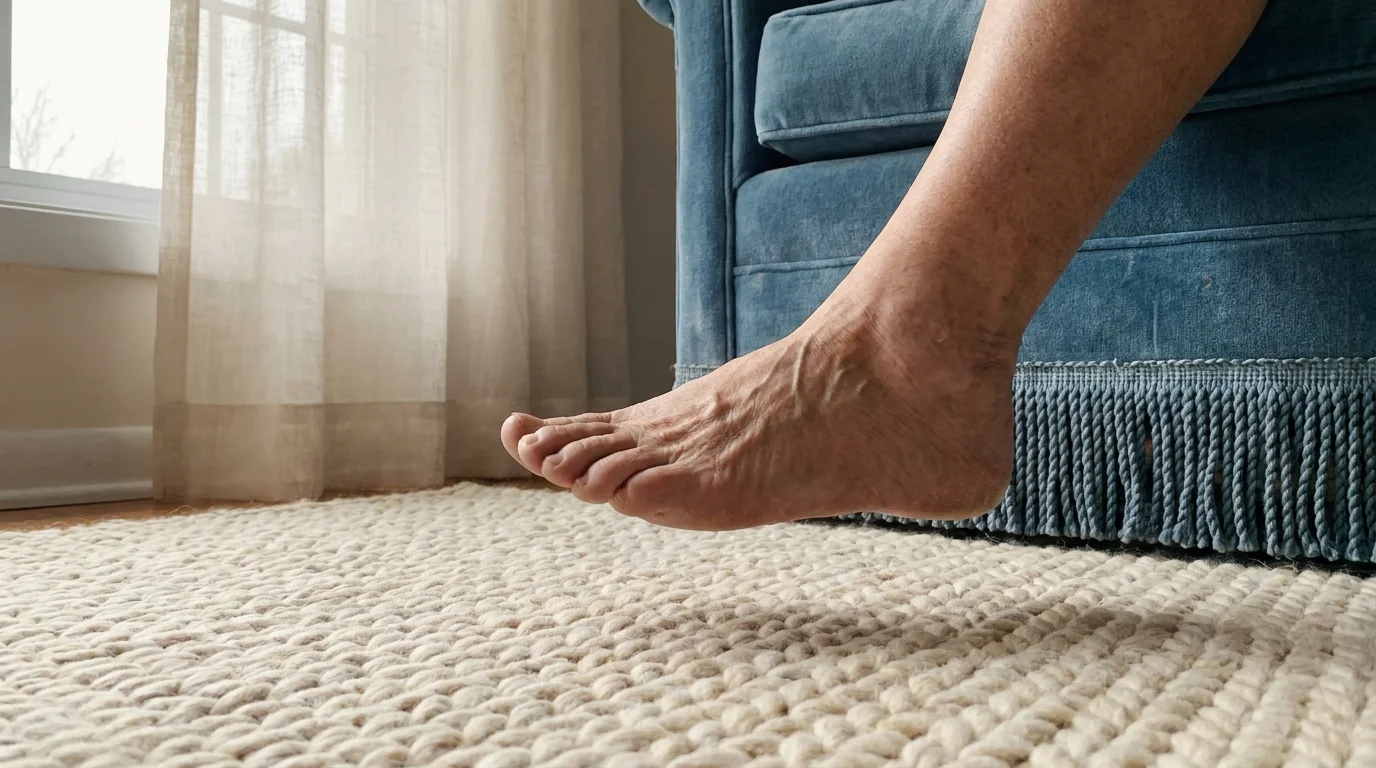
7. Ankle Circles
The Independence Payoff: Your ankles are your body’s primary shock absorbers. Fluid ankle joints allow you to recover your balance quickly if you step off a curb wrong or navigate an uneven sidewalk.
How to do it: Sit back in your chair and lift your right foot a few inches off the floor. Slowly draw large circles in the air with your big toe. Complete ten slow circles clockwise, then ten circles counterclockwise. Switch to the left foot and repeat.

Understanding Medicare Coverage for Physical Therapy
If your mobility has already declined to the point where stretching at home feels unsafe, you need professional rehabilitation. Fortunately, Original Medicare provides robust benefits for physical therapy designed to restore your functional independence.
Outpatient physical therapy is covered under Medicare Part B. For the 2026 calendar year, once you meet your annual Part B deductible of $283, Medicare pays 80% of the approved amount for your care. You or your supplemental Medigap policy are responsible for the remaining 20% coinsurance.
Crucially, Medicare no longer enforces a hard financial cap on how much outpatient therapy you can receive in a year. Instead, they utilize a “therapy threshold.” In 2026, if your physical therapy and speech-language pathology costs combined exceed $2,480, your healthcare provider simply must document that continued therapy remains medically necessary to improve your condition.
If you suffer a fall that requires a hospital stay followed by an inpatient rehabilitation facility, those costs fall under Medicare Part A. For 2026, you will be responsible for the $1,736 Part A deductible per benefit period before Medicare covers the first 60 days of your inpatient care with a $0 copay.
Comparing the Costs: Prevention vs. Care
To truly understand the financial value of maintaining your mobility, review this comparison of standard long-term care costs against proactive prevention strategies.
| Mobility Scenario | Estimated Cost | Prevention Strategy |
|---|---|---|
| Loss of basic self-care ability | $77,792 / year (Full-time Home Health Aide) | Daily flexibility routines to maintain joint range of motion. |
| Unable to safely live alone | $70,800 / year (Assisted Living Community) | Strength and balance training to navigate stairs and bathrooms. |
| Hospitalization from a severe fall | $1,736 / incident (2026 Medicare Part A Deductible) | Calf and ankle stretches to eliminate shuffling gaits. |
| Professional physical rehabilitation | $283 + 20% coinsurance (2026 Medicare Part B) | Proactive stretching to prevent muscle tightening before it requires clinical intervention. |
Pitfalls to Watch For
Attempting to regain flexibility too aggressively can backfire, causing injuries that set your mobility back even further. Avoid these common mistakes when starting a stretching routine:
- Pushing into sharp pain: A productive stretch feels like a mild pulling sensation or slight tension. If you feel a sharp, stabbing, or burning pain, you have gone too far. Release the stretch immediately.
- Bouncing (Ballistic Stretching): Never bounce or jerk your limbs to reach further. Bouncing triggers a reflex in your muscles that causes them to tighten up defensively, which can result in micro-tears. Use slow, smooth movements.
- Holding your breath: Many seniors unconsciously hold their breath while concentrating on a physical task. This spikes your blood pressure and tenses your body. Exhale smoothly as you lean into a stretch, and breathe normally while holding it.
- Stretching ice-cold muscles: Never stretch immediately after waking up while your muscles are completely stiff. Walk around the house for three to five minutes first to increase blood flow and warm up your tissue.

Getting Expert Help
While daily stretching provides an excellent foundation for aging in place, certain situations require intervention from a medical professional. Consider consulting your primary care doctor or a licensed physical therapist if you experience any of the following:
- Post-Surgical Recovery: If you recently underwent a hip replacement, knee replacement, or spinal surgery, do not attempt a generic stretching routine. Your physical therapist will design a highly specific protocol that protects your healing joints.
- Chronic Joint Swelling: If your knees, hips, or shoulders are hot to the touch, swollen, or chronically inflamed, stretching could exacerbate an underlying condition like rheumatoid arthritis. Seek a medical evaluation first.
- Severe Balance Issues: If you feel dizzy when you stand up, or if the fear of falling prevents you from leaving your home, ask your doctor for a referral to a fall-prevention clinic. Organizations like the National Council on Aging (NCOA) also offer excellent community-based programs.
- Finding Local Resources: Use the government’s Eldercare Locator tool to find Area Agencies on Aging, which often host free or low-cost senior mobility and fitness classes in your community.
Frequently Asked Questions
Does Medicare pay for a personal trainer or standard gym membership?
Original Medicare (Parts A and B) does not cover standard gym memberships, fitness programs, or personal trainers. However, if you are enrolled in a Medicare Advantage (Part C) plan, you should check your benefits package. Many Part C plans include free access to programs like SilverSneakers, which provide specialized senior fitness classes.
How long does it take to see results from a daily stretching routine?
While you may feel more relaxed immediately, measurable changes in flexibility take time. Most older adults notice significant improvements in their joint fluidity, ease of movement, and a reduction in morning stiffness within three to four weeks of consistent daily practice.
Where can I find medically reviewed exercise information tailored to seniors?
For reliable, non-commercial health information, visit MedlinePlus, a service of the National Library of Medicine. They provide extensive, easy-to-understand guides on safe physical activity for older adults.
Taking the Next Step Toward Independence
Building a new habit requires minimal friction. Leave your stretching chair in a visible spot in your living room. Commit to performing just three of these stretches while your morning coffee brews, and add the remaining four while you watch the evening news. By treating your physical mobility with the same discipline you apply to your financial budget, you actively defend your right to live life on your own terms.
This article provides general financial education and information only. Everyone’s financial situation is unique—what works for others may not work for you. For personalized advice tailored to your retirement needs, consider consulting a qualified financial professional such as a CFP or CPA. Always consult with your healthcare provider before beginning any new exercise routine.
Last updated: May 2026. Benefit amounts, tax rules, and program details change annually—verify current figures with official government sources.








Leave a Reply