
Waking up with boundless energy allows you to fully enjoy your retirement years while keeping unexpected healthcare costs in check. Establishing a structured morning routine directly impacts your physical stamina, mental clarity, and long-term financial independence. As we age, our bodies require intentional habits to kickstart the metabolism and stabilize energy levels. Small adjustments to your hydration, nutrition, and movement within the first hour of waking can completely eliminate midday fatigue. By integrating these seven proven morning habits into your daily schedule, you protect your health as your most valuable asset. This ensures you maintain the vitality required to pursue your passions, manage your household efficiently, and maximize the value of your hard-earned retirement benefits.
The Financial Value of a Healthy Morning Routine
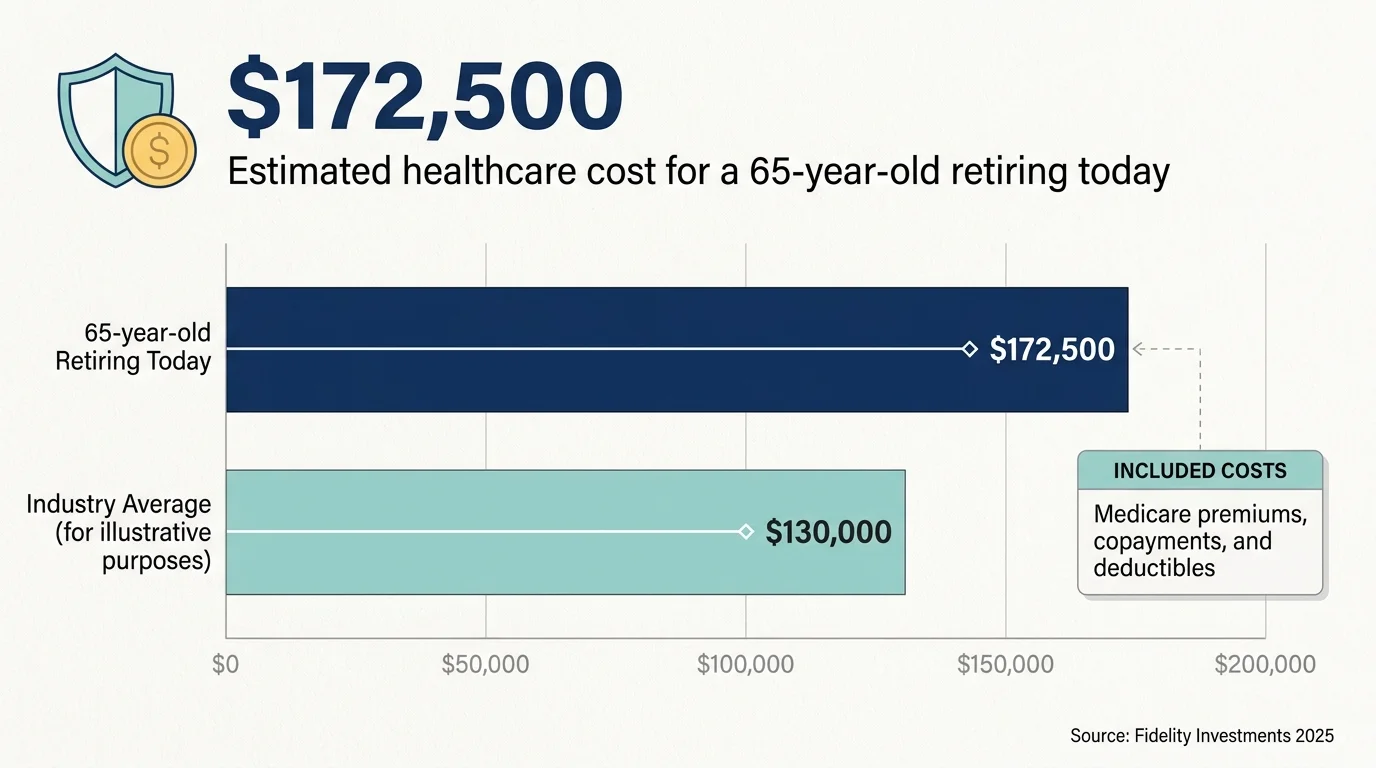
You might wonder how a morning routine connects to your finances; the reality is that your physical well-being serves as your strongest defense against rising medical expenses. Healthcare is often the largest and most unpredictable expense retirees face. According to Fidelity Investments’ 2025 Retiree Health Care Cost Estimate, a 65-year-old retiring today will need approximately $172,500 to cover healthcare expenses throughout retirement. This staggering figure accounts for Medicare premiums, copayments, and deductibles, but it does not even include the catastrophic costs associated with long-term care facilities.
By adopting daily habits that prevent chronic disease and maintain your mobility, you actively protect your retirement nest egg from being depleted by out-of-pocket medical bills. Every step you take to preserve your energy and health translates to fewer doctor visits, fewer prescription medications, and a delayed need for assisted living.
“Longevity is really a financial issue as well as a medical one. It’s so striking to me that these things have become completely codependent. You can’t have one without the other anymore.” — Jean Chatzky, Financial Expert

1. Hydrate Early and Review Your Daily Plan
After six to eight hours of sleep, your body wakes up in a state of mild dehydration. This lack of fluids is a primary culprit behind morning brain fog, sluggishness, and irritability. Drinking a large glass of water—roughly 8 to 16 ounces—immediately upon waking rehydrates your brain, lubricates your joints, and jumpstarts your digestive system. Many seniors find that adding a squeeze of fresh lemon provides a refreshing boost of vitamin C without the jittery side effects of relying immediately on caffeine.
While you drink your morning water, take five minutes to sit quietly and review your daily plan. Look over your schedule, check your upcoming medical appointments, and review your daily budget. Knowing exactly what to expect from your day lowers your production of cortisol, the body’s primary stress hormone. High cortisol levels drain your energy and often lead to impulsive financial decisions, such as eating out because you forgot to plan a meal or paying late fees because a bill slipped your mind. This quiet time sets a calm, organized tone that preserves your mental energy for more important tasks.

2. Eat a Protein-Rich Breakfast to Stabilize Energy
Seniors often skip breakfast or rely on carbohydrate-heavy options like toast and sugary cereals. While these foods provide a quick spike in blood sugar, they inevitably lead to a severe mid-morning energy crash. To sustain your energy all day, your body requires high-quality protein and healthy fats.
As we age, our bodies become less efficient at processing protein, making it essential to consume more of it to prevent sarcopenia—the natural loss of muscle mass. Aim for 25 to 30 grams of protein in your morning meal. Excellent choices include Greek yogurt with nuts, eggs paired with avocado, or a protein smoothie blended with spinach and berries. Maintaining steady blood sugar levels through proper nutrition prevents the onset of type 2 diabetes and related complications, keeping your long-term healthcare costs manageable and your daily energy robust.
3. Maximize Medicare Fitness Benefits With Morning Movement
Engaging in light to moderate physical activity within the first hour of waking increases your heart rate, improves circulation, and releases endorphins that elevate your mood. You do not need to run a marathon; simple activities like a brisk 20-minute walk, chair yoga, or gentle stretching are incredibly effective at lubricating stiff joints and reducing your risk of falls.
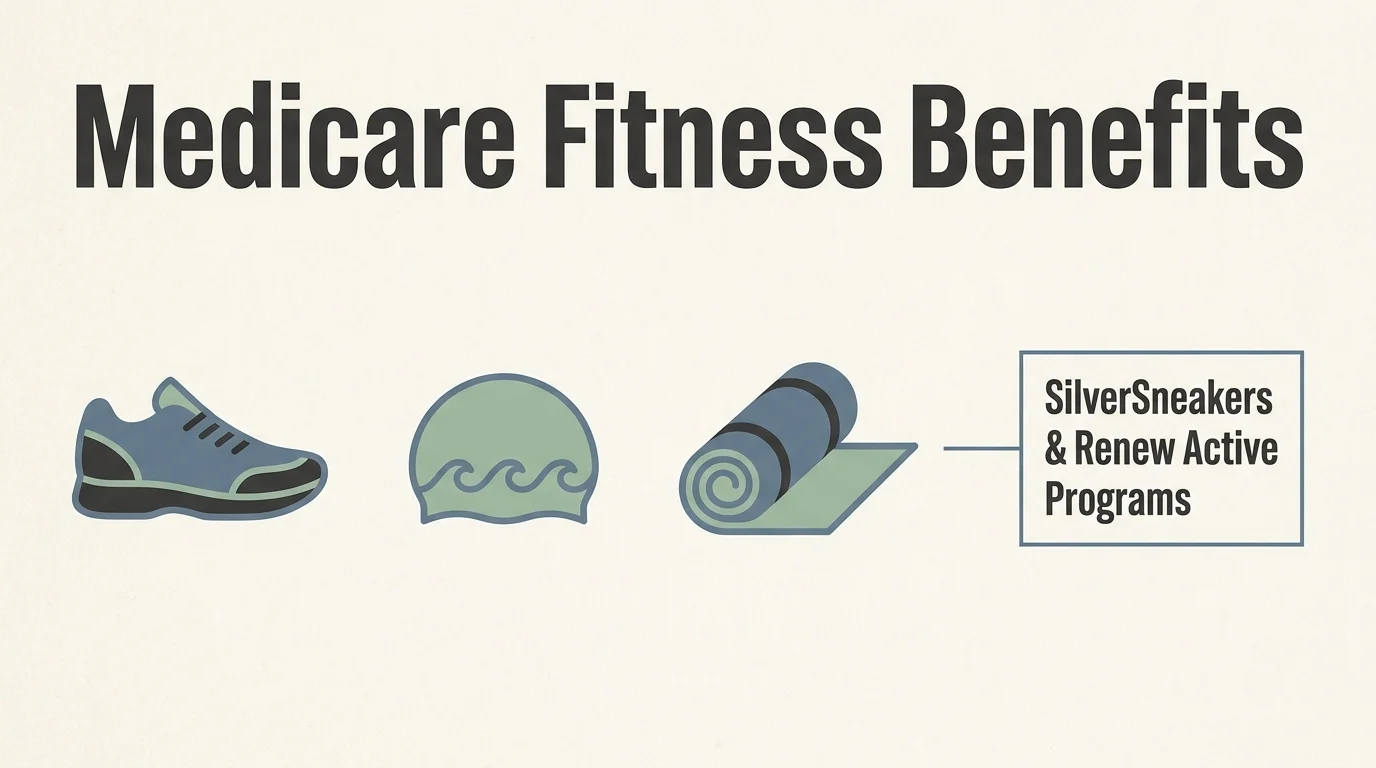
Before you pay out of pocket for a gym membership to support your new morning exercise habit, verify your healthcare benefits. Original Medicare does not cover gym memberships, but according to the Kaiser Family Foundation, roughly 95% of Medicare Advantage (Part C) plans offered in 2025 include fitness benefits. The most popular of these is the SilverSneakers program, which provides free access to thousands of gyms and specialized fitness classes for seniors. You can review your specific coverage options through Medicare.gov.
| Benefit Type | Typical Coverage Rules | How It Boosts Your Health & Wealth |
|---|---|---|
| SilverSneakers | Included in most Medicare Advantage and some Medigap plans at no extra cost. | Provides free access to gyms, pools, and senior-focused classes, saving you hundreds annually. |
| Annual Wellness Visit | Covered 100% by Medicare Part B once every 12 months. | Allows you and your doctor to catch energy-draining health issues early before they become expensive to treat. |
| Over-the-Counter (OTC) Allowance | Offered by many Medicare Advantage plans via a prepaid flex card. | Pays for energy-supporting items like vitamins, joint supports, and pain relievers without touching your budget. |

4. Get Natural Sunlight Exposure
Stepping outside to get natural sunlight on your face is one of the most powerful ways to hack your internal biological clock. As we age, our circadian rhythm naturally shifts, often leading to fragmented sleep and early waking. Exposing your eyes to natural sunlight for 15 to 20 minutes in the morning signals to your brain that the day has officially begun, halting the production of melatonin.
This simple habit dramatically improves your sleep quality at night, which directly translates to feeling more vibrant the next day. Furthermore, sunlight enables your body to synthesize vitamin D, a crucial nutrient for bone health and immune function. Preventing bone fractures through adequate vitamin D and movement is vital, as a single fall can result in tens of thousands of dollars in hospital bills and rehabilitation costs.

5. Stimulate Your Mind Early
Physical energy is closely tied to mental sharpness. Just as your muscles require exercise to remain strong, your brain requires cognitive stimulation to build and maintain neural pathways. Set aside time in your morning routine to engage your mind actively. This could involve reading a non-fiction book, completing a crossword puzzle, learning a new language, or carefully reviewing your investment portfolio.
Cognitive decline is not an inevitable part of aging, and keeping your brain active is a proven strategy for maintaining independence. From a financial perspective, protecting your cognitive health is paramount. The costs associated with memory care and assisted living are astronomical; keeping your mind sharp helps ensure you can continue to manage your own finances, live independently, and avoid the devastating expenses of long-term custodial care. For more resources on maintaining cognitive health, the National Council on Aging (NCOA) offers excellent guidance.

6. Optimize Your Medication and Supplement Routine
If you take prescription medications, the timing of your doses can significantly impact your daily energy levels. Some common medications—particularly certain blood pressure drugs, muscle relaxants, and antihistamines—can cause drowsiness. If you are taking these in the morning, they might be the exact reason you feel fatigued by noon. Conversely, taking diuretic medications right before bed can disrupt your sleep with frequent trips to the bathroom.
Always review your medication schedule with your doctor or a pharmacist to optimize when you take each pill. Taking the right medication at the right time ensures maximum efficacy and minimal side effects.
Managing the financial burden of these medications is equally important for your peace of mind. For 2026, the standard Medicare Part B premium is $202.90 per month, with an annual deductible of $283. Meanwhile, the out-of-pocket cap for Medicare Part D prescription drugs rises to $2,100 in 2026 (up from $2,000 in 2025). If these out-of-pocket costs threaten your budget, take advantage of the Medicare Prescription Payment Plan. This program allows you to spread your out-of-pocket prescription costs across capped monthly installments rather than paying a lump sum at the pharmacy counter. By managing your health and utilizing available payment programs, you can afford the medications that keep you energized.

7. Set a Daily Intention and Practice Gratitude
Your mental outlook dictates your physical reality. Chronic anxiety and depression manifest physically as lethargy, muscle aches, and a weakened immune system. Before you rush into the day’s chores, take a few moments to set a positive intention and practice gratitude.
Keep a small notebook by your chair and write down three things you are grateful for each morning. This practice rewires your brain to look for positive outcomes rather than dwelling on financial worries or physical limitations. Cultivating a resilient, optimistic mindset lowers your resting heart rate, reduces systemic inflammation, and provides the emotional endurance needed to navigate the complexities of life after sixty.

What Can Go Wrong: Common Morning Mistakes Seniors Make
Even with the best intentions, it is easy to fall into habits that unknowingly sabotage your energy and drain your wallet. Watch out for these common missteps:
- Relying solely on coffee for energy: While a morning cup of coffee is fine, using caffeine as a substitute for hydration or proper nutrition leads to severe afternoon crashes and elevated blood pressure.
- Ignoring your Medicare benefits: Many seniors pay out of pocket for gym memberships or over-the-counter vitamins simply because they never checked their Medicare Advantage summary of benefits. Always verify your coverage first.
- Exercising without warming up: Jumping straight out of bed into a strenuous workout increases the risk of pulled muscles and joint injuries. Always start with five to ten minutes of gentle mobility work.
- Delaying breakfast too long: Waiting until late morning to eat forces your body to run on stress hormones, which ultimately exhausts your adrenal system and leaves you feeling weak.

When to Consult a Professional
While adopting a healthy morning routine can solve many common energy issues, certain situations require expert intervention. Consider reaching out for professional guidance in the following scenarios:
- Persistent morning fatigue: If you are getting seven to eight hours of sleep but still wake up feeling utterly exhausted, consult your physician. This could be a sign of sleep apnea, thyroid dysfunction, or a vitamin B12 deficiency.
- Medication side effects: If you feel dizzy, nauseous, or exceptionally drowsic after taking your morning pills, speak with your pharmacist immediately. They can often recommend adjusting the timing or dosage with your doctor’s approval.
- Overwhelming healthcare costs: If anxiety about affording your Medicare premiums or prescription drugs is keeping you up at night, schedule a meeting with a fiduciary financial advisor or a State Health Insurance Assistance Program (SHIP) counselor. You can find official resources through the Social Security Administration or Medicare.gov to see if you qualify for Extra Help programs.
Your energy is the fuel that powers your retirement dreams. By taking control of your mornings, you are not just improving how you feel today; you are making a profound investment in your long-term independence and financial security. Start small by choosing just one or two of these habits to implement tomorrow. As your energy builds, you can layer in additional practices until your morning routine feels entirely natural.
This article provides general financial education and information only. Everyone’s financial situation is unique—what works for others may not work for you. For personalized advice tailored to your retirement needs, consider consulting a qualified financial professional such as a CFP or CPA.
Last updated: May 2026. Benefit amounts, tax rules, and program details change annually—verify current figures with official government sources.