
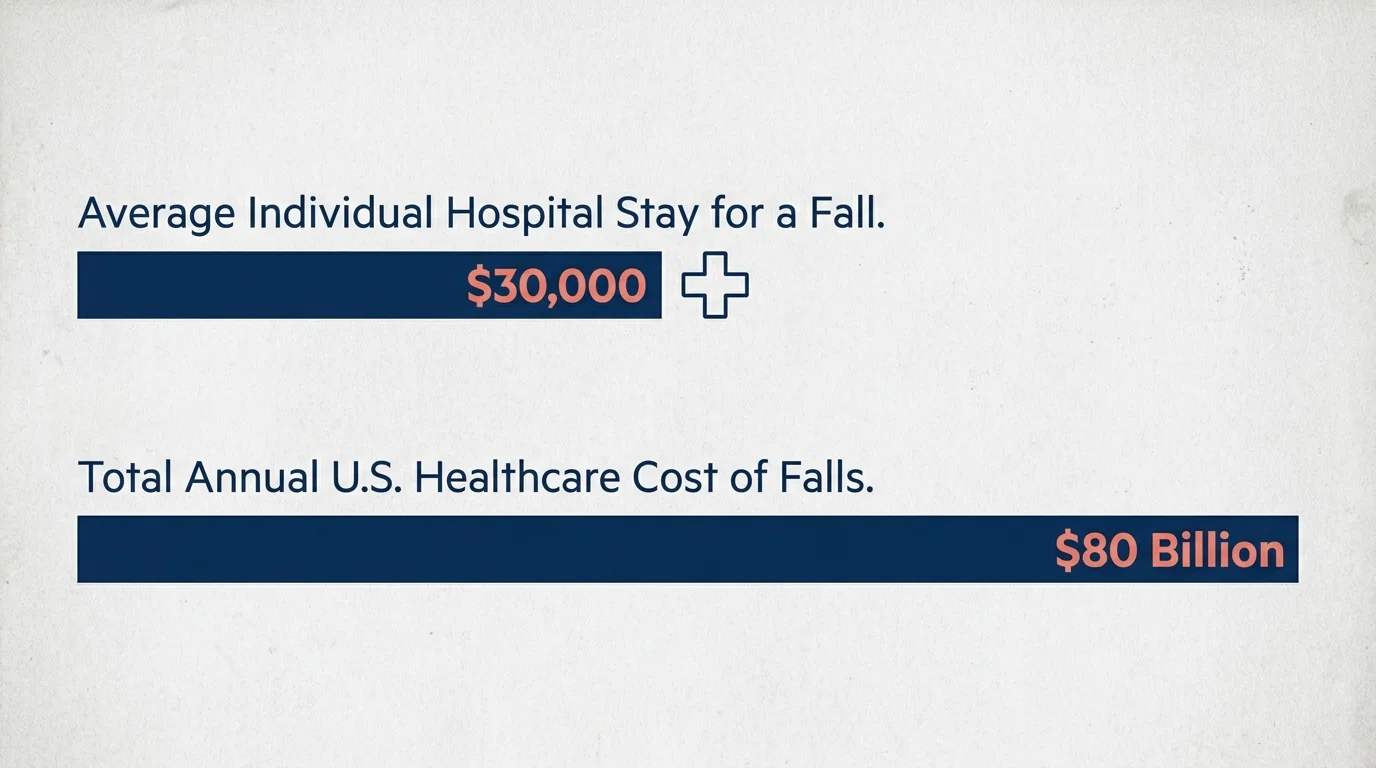
A single fall can drain your retirement savings faster than a stock market crash, with the average hospital stay for a senior fall injury costing over $30,000. Protecting your physical balance is just as crucial as balancing your investment portfolio. Each year, one in four Americans aged 65 and older falls, resulting in billions in medical expenses and devastating losses of independence. The good news is that you can dramatically reduce your risk without overhauling your entire life. By implementing evidence-based routines and utilizing your existing Medicare benefits, you can keep your footing secure. Learning how to modify your daily environment and habits protects both your mobility and your hard-earned wealth for the long haul.
The Financial Reality of Losing Your Balance
It is easy to view fall prevention strictly as a physical health issue, but it is equally a massive financial imperative. The National Council on Aging reports that the total healthcare cost of non-fatal older adult falls hovers around $80 billion per year. For the individual retiree, the out-of-pocket costs for an emergency room visit, a hospital stay, subsequent physical rehabilitation, and retrofitting a home after a sudden injury can rapidly deplete cash reserves.
“When retirement plans fall apart, we tend to assume it’s because someone overspent… But, often, that’s not what does the real damage. It’s healthcare costs.” — Jean Chatzky, Financial Expert and CEO of HerMoney
By treating fall prevention as an essential component of your retirement planning, you protect your nest egg from unexpected medical shocks. Addressing hazards in your environment does not require a massive budget; instead, it comes down to building a few smart, daily habits. Here are seven simple, highly effective strategies to integrate into your routine.

Habit 1: Leverage Your Annual Wellness Visit
Many seniors only visit the doctor when they feel sick or experience pain. However, taking advantage of preventive care is your very first line of defense against unexpected falls. If you are enrolled in Medicare Part B, you are entitled to a “Welcome to Medicare” preventive visit in your first 12 months, followed by an Annual Wellness Visit every single year after that. Both of these visits are fully covered at no out-of-pocket cost to you, provided your doctor accepts Medicare assignment.
During these visits, you should proactively ask your healthcare provider to perform a fall risk assessment. They will evaluate your balance, check your blood pressure, and observe your gait. If your doctor identifies a heightened risk, they can refer you to a specialist or prescribe physical therapy—which Medicare Part B also covers. Being honest with your physician about near-misses or feelings of unsteadiness gives them the data they need to keep you safe.
Habit 2: Review Your Prescriptions Regularly
Polypharmacy—the medical term for taking multiple medications simultaneously—is a significant driver of dizziness and balance issues in older adults. Common prescriptions like blood pressure medications, sleep aids, antidepressants, and muscle relaxants can interact in ways that severely compromise your stability. Sometimes, a medication that worked perfectly for you at age 60 becomes too strong for your metabolism at age 75.
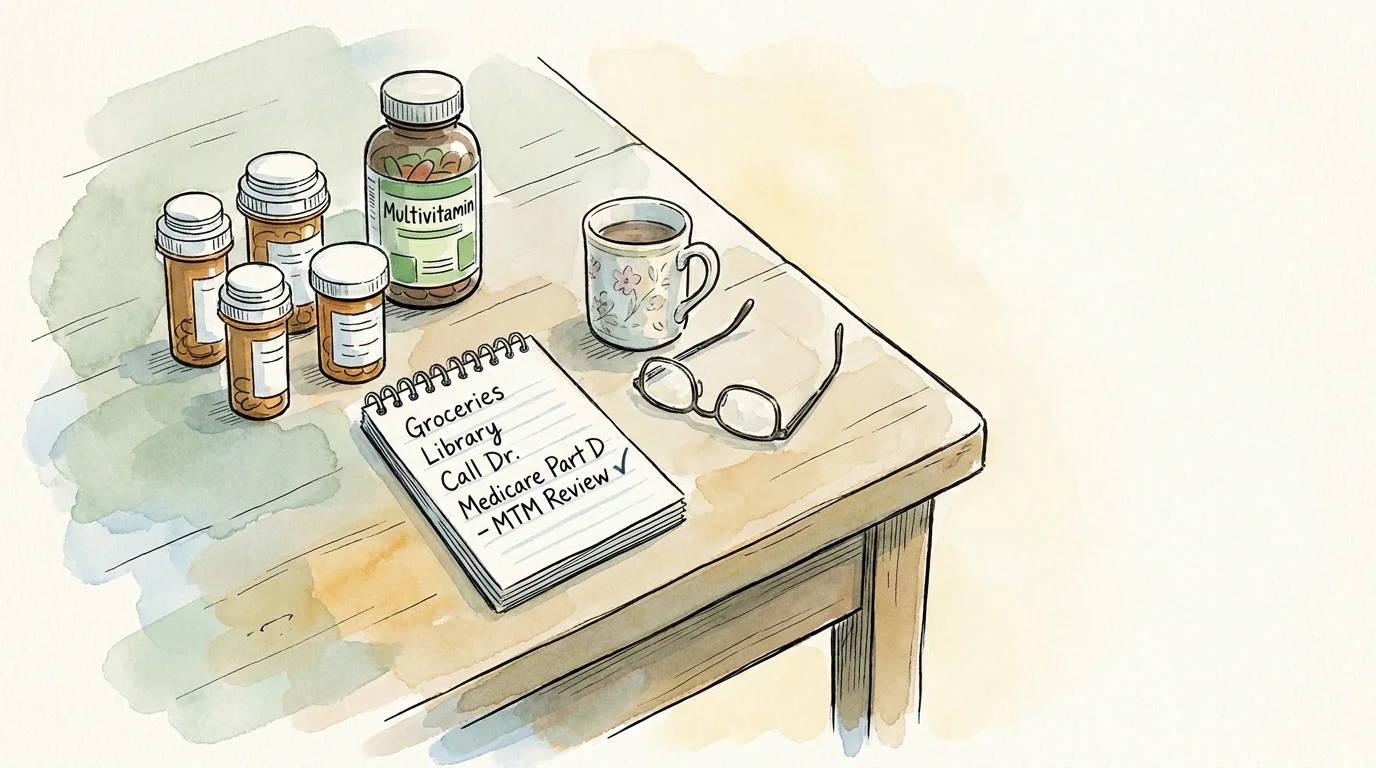
Make it a habit to bring all your pill bottles, including over-the-counter supplements and vitamins, to your primary care physician or pharmacist at least once a year. If you have Medicare Part D, you might qualify for a free Medication Therapy Management (MTM) program. This underutilized service provides a comprehensive, one-on-one review of your prescriptions by a pharmacist to ensure your medications are safe, effective, and not inadvertently increasing your risk of taking a spill.
Habit 3: Make Strategic, Cost-Effective Home Modifications
Most falls occur exactly where you feel the safest; your own home. Addressing environmental hazards is a highly effective way to protect your independence. While large-scale renovations can be incredibly expensive, simple modifications yield massive safety returns for a fraction of the price.
- Clear the floors: Remove throw rugs, which are notorious tripping hazards. If you absolutely must keep them, secure them to the floor with heavy-duty, double-sided rug tape.
- Brighten your space: As your eyes age, they require significantly more light to detect obstacles and changes in floor texture. Install inexpensive, motion-sensor nightlights in hallways, stairwells, and bathrooms.
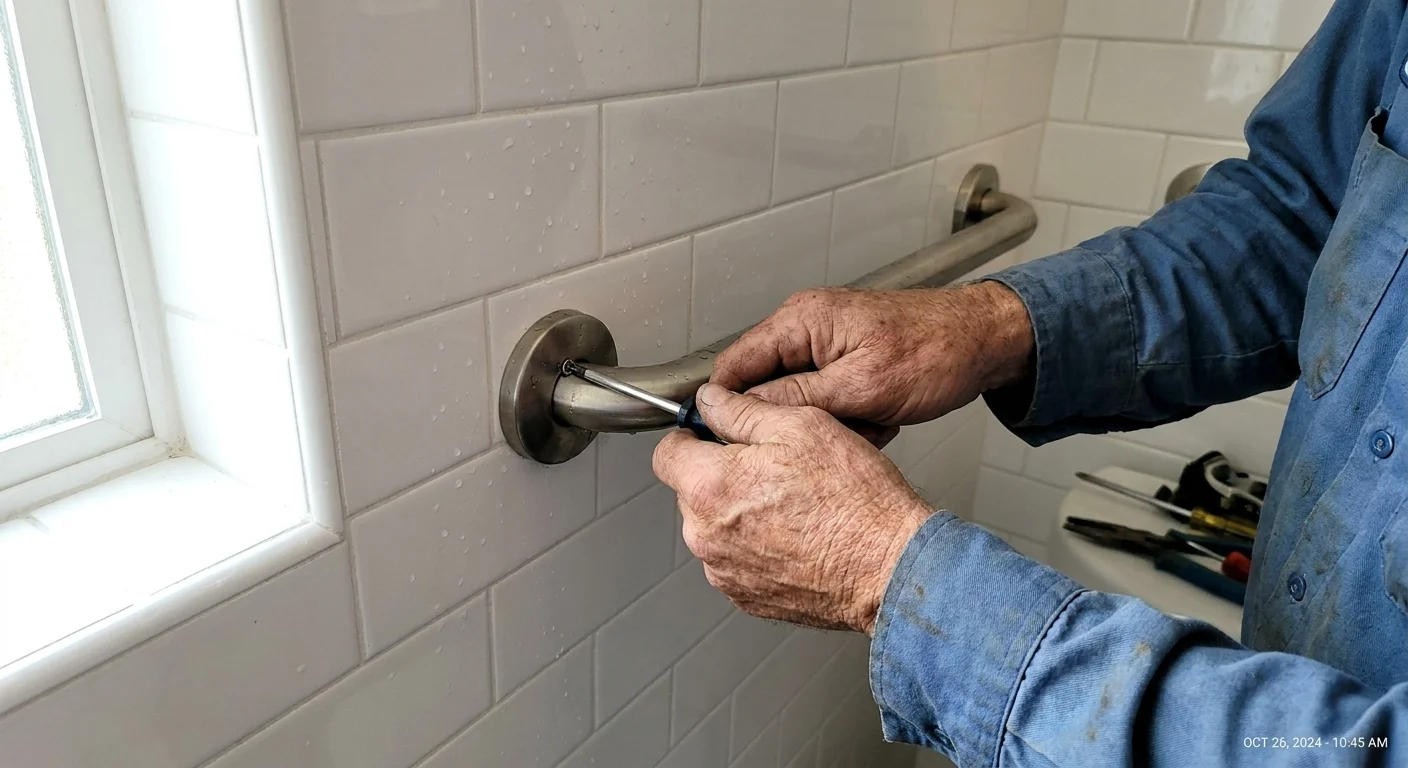
- Install bathroom supports: The bathroom is arguably the most dangerous room in the house due to hard, wet, and slippery surfaces.
When budgeting for home modifications, it is vital to know exactly what your insurance will cover. Original Medicare (Parts A and B) generally does not pay for grab bars, non-slip treads, or wheelchair ramps, as these are not classified as durable medical equipment. However, if you are enrolled in a Medicare Advantage (Part C) plan, check your summary of benefits; many of these private plans now offer specific allowances for safety-related home modifications.
| Safety Modification | Estimated DIY Cost | Estimated Professional Cost | Original Medicare Coverage? |
|---|---|---|---|
| Bathroom Grab Bars | $30 — $50 | $150 — $300 | No (Some Part C plans cover) |
| Non-Slip Stair Treads | $20 — $40 | $100 — $200 | No |
| Raised Toilet Seat | $40 — $60 | N/A | Usually No |
| Walk-In Shower Conversion | N/A | $5,000 — $10,000 | No |
Habit 4: Protect Your Vision and Hearing
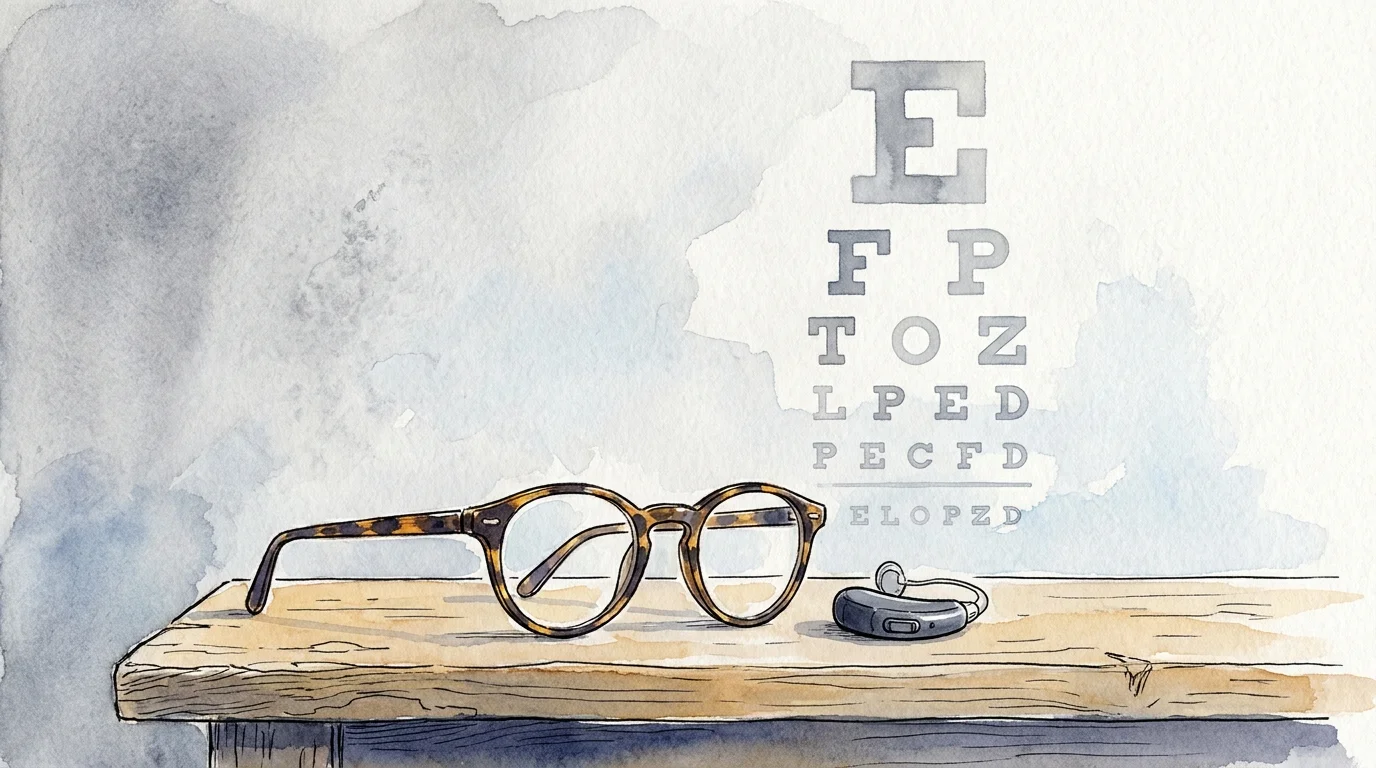
Your eyes and ears act as the central command centers for your physical balance. Inner ear issues directly impact your equilibrium, while vision changes affect your depth perception and spatial awareness. According to the National Council on Aging, people with hearing loss are nearly three times as likely to fall compared to those with normal hearing. Fortunately, wearing a properly fitted hearing aid reduces that risk by an impressive 50%.
Make it a non-negotiable habit to get your vision and hearing checked annually. While Original Medicare does not cover routine eye exams for glasses or standard hearing aids, many Medicare Advantage plans include comprehensive dental, vision, and hearing benefits. If you rely entirely on Original Medicare, look into discount programs, dedicated vision and hearing insurance policies, or community health clinics to offset these necessary costs.
Habit 5: Upgrade Your Everyday Footwear
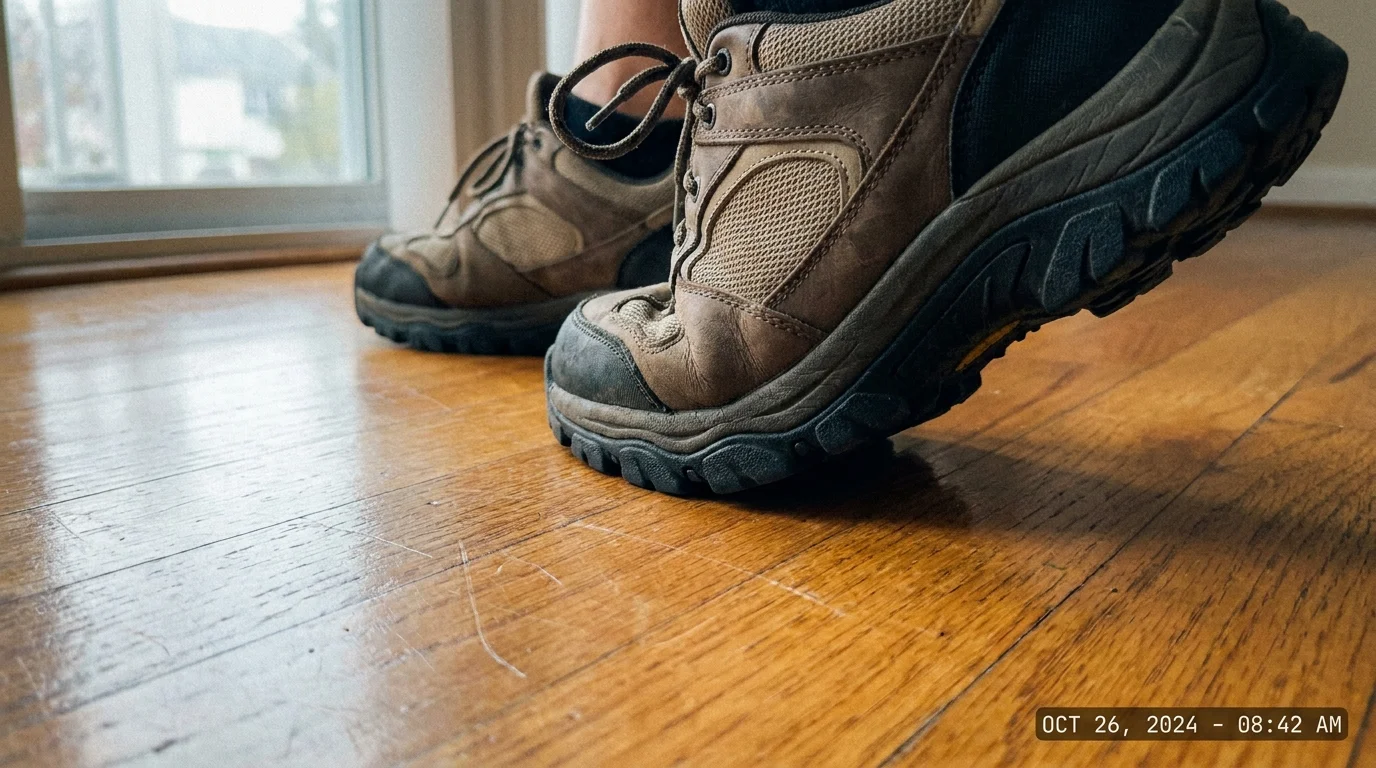
Walking around the house in slippery socks or loose, backless slippers is a recipe for disaster. While kicking off your street shoes at the front door keeps your carpets clean, it robs your feet of the structural support and grip they need to maintain balance on hardwood or tile floors.
Invest in a dedicated pair of supportive “house shoes.” Look for footwear that features a firm heel counter, a wide toe box to accommodate natural foot splay, and a non-skid rubber sole. The upfront cost of a high-quality pair of supportive indoor shoes is a tiny fraction of the $30,000 average hospital bill you might face after a fall-related injury. Treat your footwear as a vital piece of safety equipment.
Habit 6: Build Core and Leg Strength Through Physical Therapy
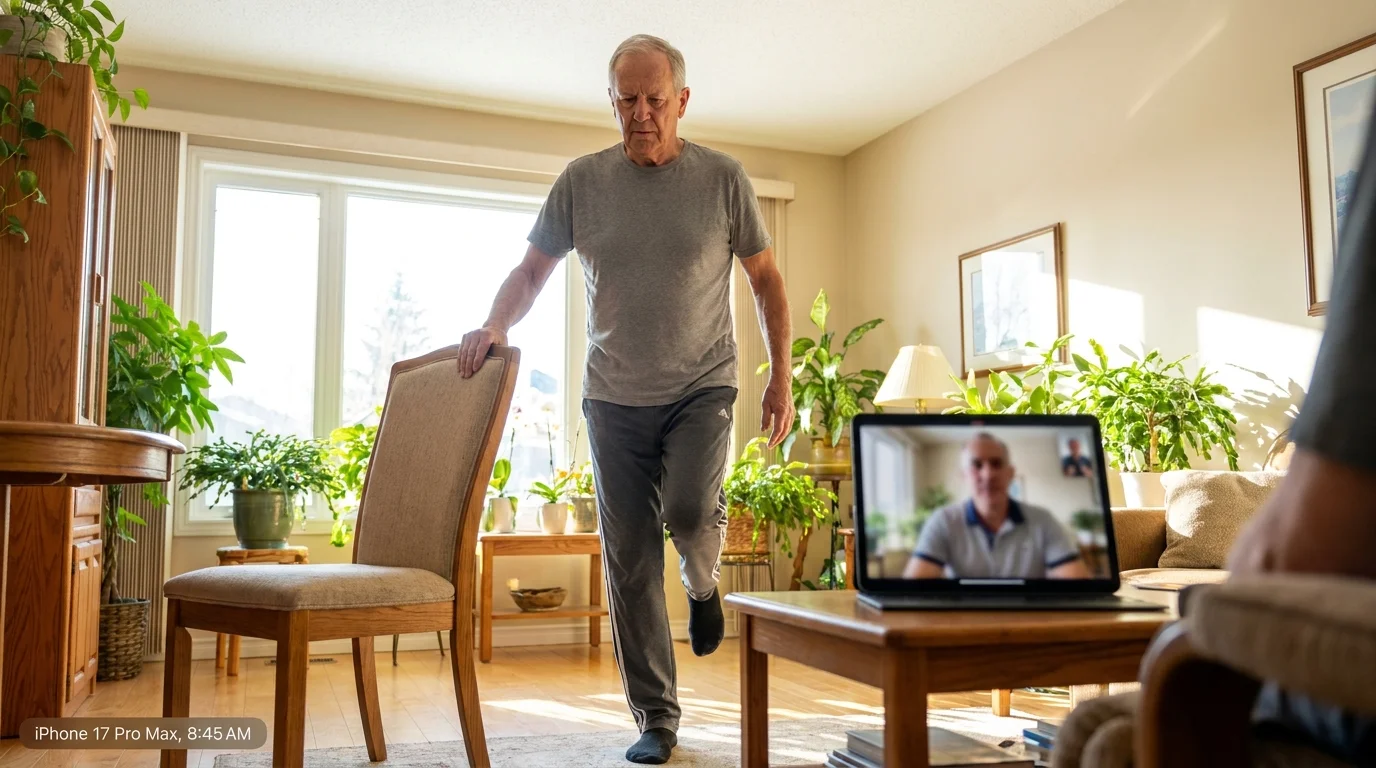
Muscle loss, medically known as sarcopenia, accelerates naturally as we age. When your core and leg muscles weaken, your body loses its innate ability to catch itself if you stumble. Building and maintaining muscle strength is one of the most proactive financial and medical decisions you can make.
If you have experienced a fall or simply feel unsteady, do not wait for an emergency; ask your doctor for a referral to physical therapy. Under Original Medicare, Part B covers outpatient physical therapy when your doctor deems it medically necessary. In 2025 and 2026, after you meet your annual Part B deductible of $257, Medicare pays 80% of the approved amount, leaving you with a 20% coinsurance. There is no hard financial cap on the number of therapy sessions you can receive, though your therapist must document continued medical necessity once your claims reach a threshold of $2,410.
Habit 7: Master the “Slow Transition”
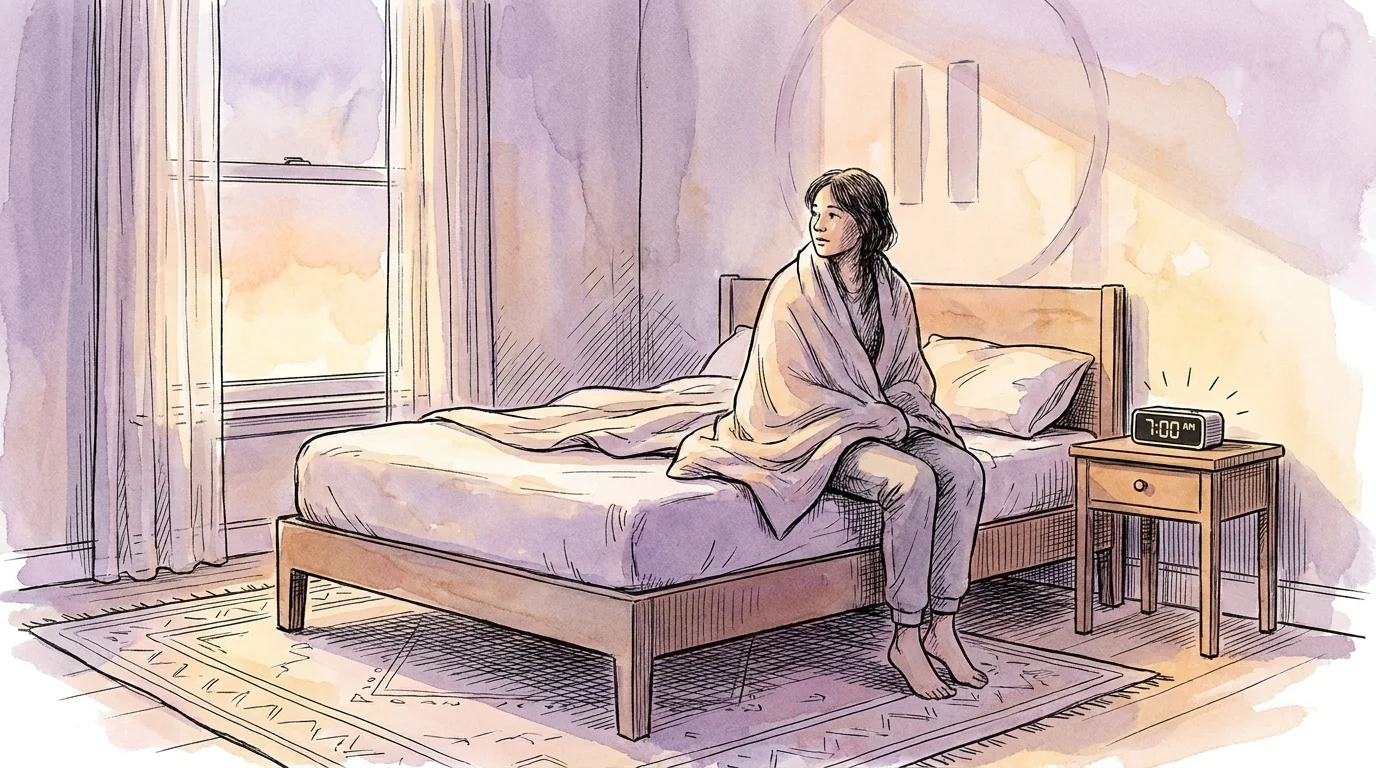
Orthostatic hypotension is a sudden, sharp drop in blood pressure that occurs when you stand up too quickly. It causes immediate lightheadedness and is a leading culprit behind falls that happen when getting out of bed in the middle of the night or rising from a favorite chair after watching television.
To combat this, practice the habit of the “slow transition.” When waking up, sit on the edge of your bed for 30 full seconds. Pump your ankles up and down to encourage blood flow back to your heart, and make sure you feel entirely grounded before standing. It costs absolutely nothing, takes less than a minute, and provides an immediate safety buffer that could save your life.
Costly Errors to Sidestep
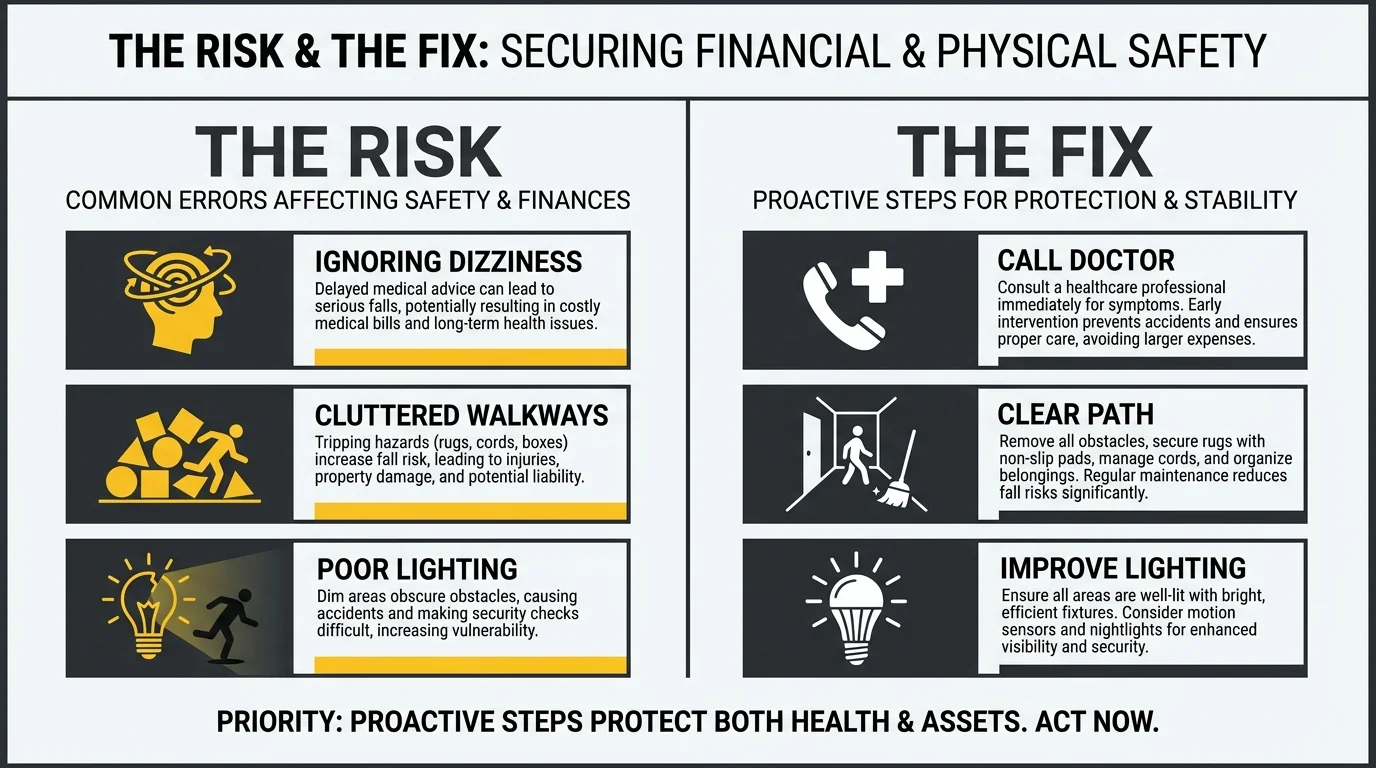
Even with the best intentions, seniors often make missteps that compromise both their safety and their finances. Avoid these common pitfalls to protect your independence.
- Letting pride dictate your mobility: Refusing to use a cane or walker out of embarrassment is a dangerous gamble. An assistive device keeps you active, upright, and engaged in your community; a hip fracture does the exact opposite.
- Assuming Original Medicare covers all home safety upgrades: Do not hire a contractor under the assumption that Medicare Part B will seamlessly foot the bill for your bathroom remodel. Always verify coverage directly with Medicare.gov or your Part C plan administrator before authorizing any construction work.
- Ignoring the tax benefits of home modifications: If you pay out-of-pocket for substantial safety upgrades, keep your receipts meticulously organized. The IRS allows you to deduct the cost of medically necessary home improvements—such as exterior ramps or widened doorways—on Schedule A, provided your total medical expenses exceed 7.5% of your Adjusted Gross Income for the year.
“You can have all the money in the world. You can be a multi-billionaire, but if you do not have your health it means nothing. Your health is the No. 1 important thing in your life.” — Suze Orman, Personal Finance Expert
When DIY Isn’t Enough
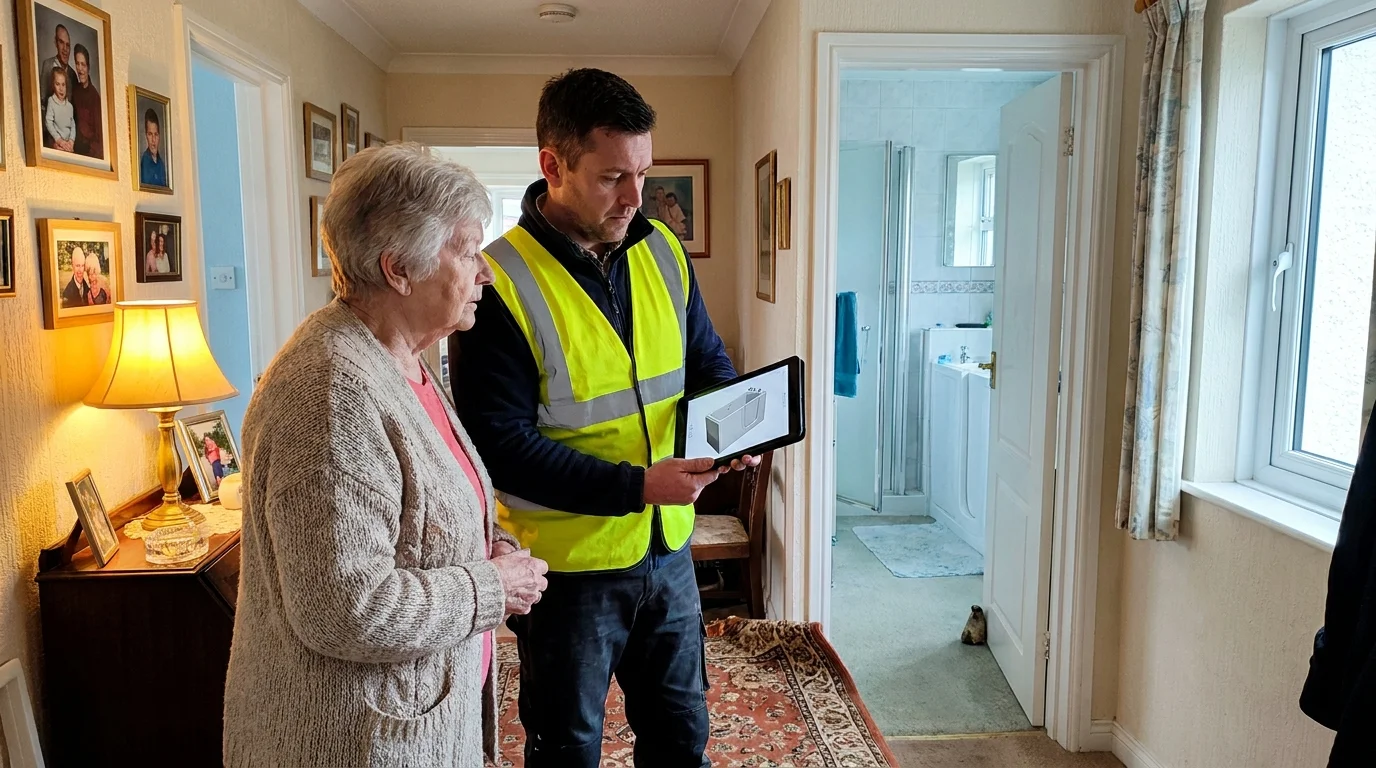
While self-directed habits are incredibly powerful, there are moments when professional intervention is non-negotiable. You should seek out the guidance of a licensed physical or occupational therapist if you find yourself in any of the following scenarios:
- You experience multiple “near-misses”: If you frequently catch yourself on furniture to avoid hitting the floor, your balance is already compromised. Do not wait for an actual fall to seek help.
- You restrict your daily activities out of fear: If the fear of falling prevents you from visiting friends, going to the grocery store, or walking to your mailbox, it is time to bring in a professional. An occupational therapist can teach you safe movement strategies to restore your confidence.
- You receive a new medical diagnosis: Conditions like Parkinson’s disease, severe osteoarthritis, peripheral neuropathy, or vertigo fundamentally alter how your body moves through space. A physical therapist can design a customized regimen tailored to your specific neurological or physical limitations.
Frequently Asked Questions
Does Medicare pay for grab bars in the bathroom?
Original Medicare generally does not cover the cost or installation of grab bars, as they are not legally classified as Durable Medical Equipment (DME). However, if you are enrolled in a Medicare Advantage (Part C) plan, you should review your policy; many of these plans now offer supplemental benefits that cover specific safety-related home modifications.
How much does physical therapy cost with Medicare?
If you have Original Medicare, Part B covers 80% of the Medicare-approved amount for medically necessary physical therapy after you meet your annual deductible, which is $257 in 2025 and 2026. You are responsible for the remaining 20% coinsurance, unless you hold a Medigap (Medicare Supplement) policy that specifically covers this out-of-pocket expense.
Are home safety modifications tax deductible?
Yes, certain home modifications installed specifically for medical care—such as wheelchair ramps, bathroom grab bars, and widened doorways—can be claimed as medical expenses. To claim this benefit, you must itemize your taxes on Schedule A, and only the portion of your total medical expenses that exceeds 7.5% of your Adjusted Gross Income (AGI) is legally deductible.
Taking Your Next Steps
Protecting yourself from falls does not require a complete lifestyle overhaul or a massive financial investment. Start by making one or two small changes today. Call your doctor to schedule your Annual Wellness Visit, purchase a supportive pair of indoor shoes, or order a motion-sensor nightlight for your hallway. For more evidence-based guidance, you can explore the CDC’s STEADI initiative or visit the National Council on Aging. Every proactive step you take fortifies your physical independence and insulates your retirement savings from preventable medical bills.
Last updated: May 2026. Benefit amounts, tax rules, and program details change annually—verify current figures with official government sources. The information in this guide is meant for educational purposes. Your specific circumstances—including income, benefits, tax situation, and health needs—may require different approaches. When in doubt, consult a licensed financial advisor or tax professional.