
Keeping your mind sharp is one of the most vital investments you can make for your retirement, directly impacting your independence and financial decision-making. As cognitive abilities naturally change with age, staying mentally active helps preserve memory, focus, and problem-solving skills. Fortunately, maintaining brain health does not require expensive treatments or complex routines. Seniors are discovering that simple, engaging brain games offer a practical way to challenge their minds daily. From classic crossword puzzles to digital apps backed by the National Institute on Aging, these accessible activities provide powerful cognitive benefits. By adding a few proven games to your routine, you can protect your cognitive reserves and stay sharp for the years ahead.
At a Glance: The Essentials of Brain Health
- Cognitive decline carries a financial cost: A sharp mind helps you confidently manage your budget, file taxes accurately, and spot sophisticated scams.
- Neuroplasticity is real: Your brain can build new connections at any age when challenged with novel, increasingly difficult tasks.
- Consistency beats duration: Just 15 to 30 minutes of daily brain exercises—like Sudoku, crosswords, or chess—can yield significant cognitive benefits.
- Check your Medicare benefits: Many Medicare Advantage plans now cover premium digital brain-training apps for free, and Original Medicare covers annual cognitive assessments.

The Financial Value of a Sharp Mind
Cognitive health and financial security go hand-in-hand during your retirement years. A sharp memory allows you to track your money, navigate Medicare enrollments, and confidently manage your taxes. For example, maintaining sharp problem-solving skills helps you accurately claim the Internal Revenue Service (IRS) standard deduction for seniors age 65 and older. In 2025, this provision adds an extra $2,000 for single filers or $1,600 for married individuals to the base standard deduction, but you have to remember to check the correct box on your Form 1040.
A healthy brain also ensures you manage your Social Security income wisely. With the 2.8% Cost-of-Living Adjustment (COLA) taking effect in 2026, the average retiree receives around $2,008 per month, according to the Social Security Administration (SSA). Protecting your brain health means protecting your ability to budget that income and avoid financial predators. According to a recent U.S. Department of the Treasury analysis, suspected elder financial exploitation costs older Americans over $27 billion annually. Staying cognitively active and socially engaged is your very best defense against these sophisticated frauds.
“The best investment you can make is an investment in yourself. The more you learn, the more you’ll earn.” — Warren Buffett, Investor and Philanthropist
The Science Behind Brain Games for Seniors
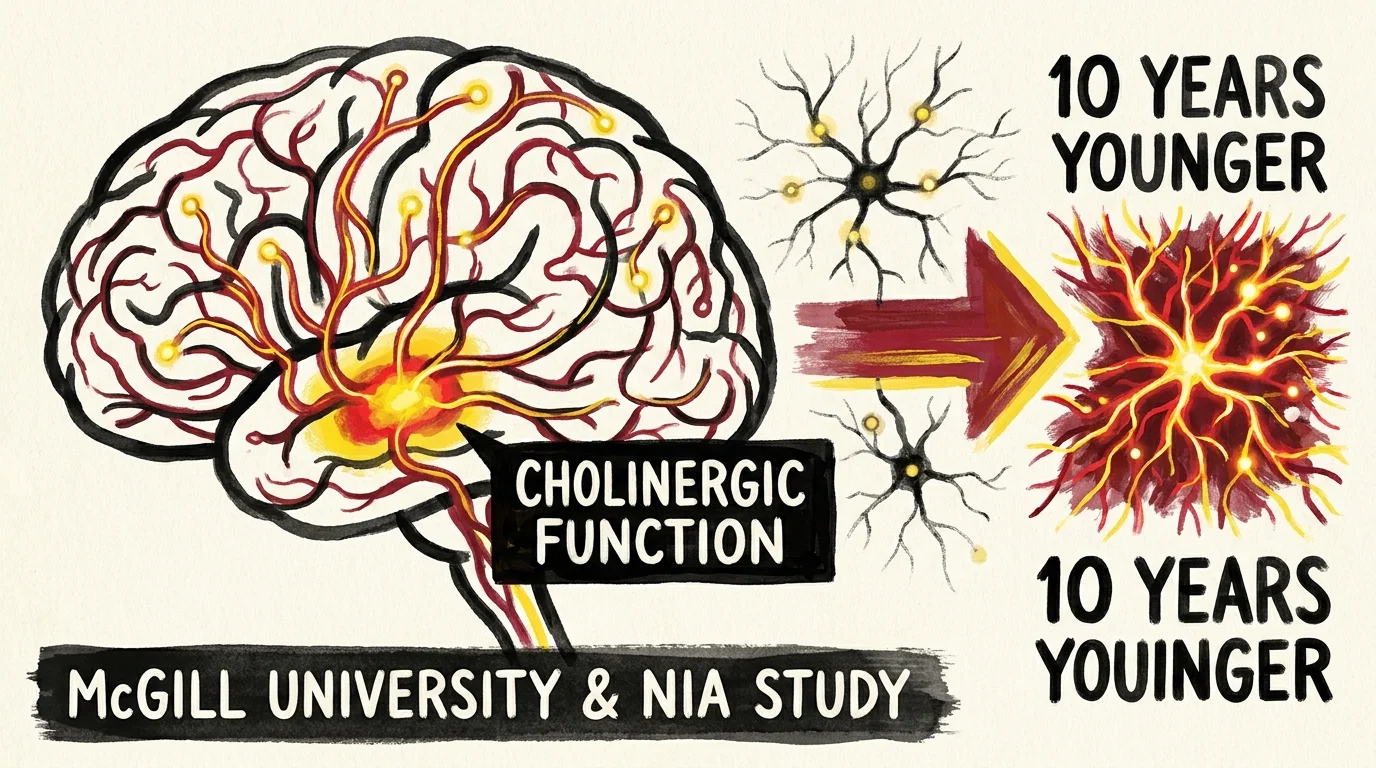
You may wonder if playing games actually makes a tangible difference in your health. The scientific consensus points to “neuroplasticity”—the brain’s remarkable ability to adapt, rewire, and form new connections when faced with novel challenges. A 2025 study led by McGill University and supported by the National Institute on Aging (NIA) revealed that older adults who played specific digital brain-training games for 30 minutes a day over 10 weeks enhanced their brain’s cholinergic function. This chemical system is vital for memory and attention, and the training restored it to levels typically seen in someone a full decade younger.
Additionally, the NIH-funded ACTIVE (Advanced Cognitive Training for Independent and Vital Elderly) study found that computerized cognitive training can help lower the risk of developing dementia for up to 20 years. The underlying key to this success is progressive difficulty. If an activity becomes too easy or familiar, it no longer forces your brain to build new neural pathways. You have to keep pushing your limits.

7 Brain Games Seniors Say Keep Them Sharp
Whether you prefer a simple pen and paper or a modern tablet, there is a brain game that fits your lifestyle and budget. Here are seven options that seniors consistently praise for keeping their minds agile.
- BrainHQ and Lumosity (Digital Cognitive Training)
These applications offer targeted, scientifically backed exercises that automatically adapt to your skill level. BrainHQ focuses heavily on processing speed, attention, and memory. Financial Tip: Before paying out of pocket for a monthly subscription, check your health insurance. In 2026, many Medicare Advantage plans include memory fitness programs like BrainHQ as a completely free supplemental benefit. - Sudoku
This classic number-placement puzzle forces you to use rigorous deduction and pattern recognition. Despite using numbers, Sudoku requires absolutely no math skills—just pure logic. You have to hold multiple pieces of information in your working memory to solve the grid, making it an excellent daily workout for your frontal lobe. - Crossword Puzzles
If you want to maintain your verbal memory and vocabulary retrieval, crossword puzzles remain the gold standard. Recalling words based on obscure or clever clues exercises the brain’s language centers. You can find free daily crosswords in local newspapers, online, or through library applications. - Chess
Chess is a highly strategic game that heavily exercises your executive function. Because you have to anticipate your opponent’s moves and plan multiple steps ahead, you are constantly evaluating risks and rewards. Many seniors play chess online with opponents from around the world, adding a valuable social element to the cognitive strain. - Wordle
The New York Times’ daily word game has taken the senior community by storm. You get six chances to guess a five-letter word. It takes only five to ten minutes, providing a quick daily burst of deductive reasoning. Best of all, sharing your results with family members or friends creates a fun, low-pressure social connection that boosts your mood. - Jigsaw Puzzles
Jigsaw puzzles are fantastic for spatial reasoning and short-term memory. Sorting pieces by color, shape, and border requires intense visual focus and spatial processing. Completing a large puzzle over several days also provides a calming, meditative focus that has been shown to lower blood pressure and reduce stress. - Mahjong and Card Games
Games like Mahjong, Bridge, Hearts, or Pinochle require you to remember what tiles or cards have been played, combining memory exercise with real-time strategy. Playing these games with a local senior center or community group also provides vital social interaction. The NIA notes that regular social engagement is heavily linked to better long-term cognitive health.
Comparing Popular Brain Games
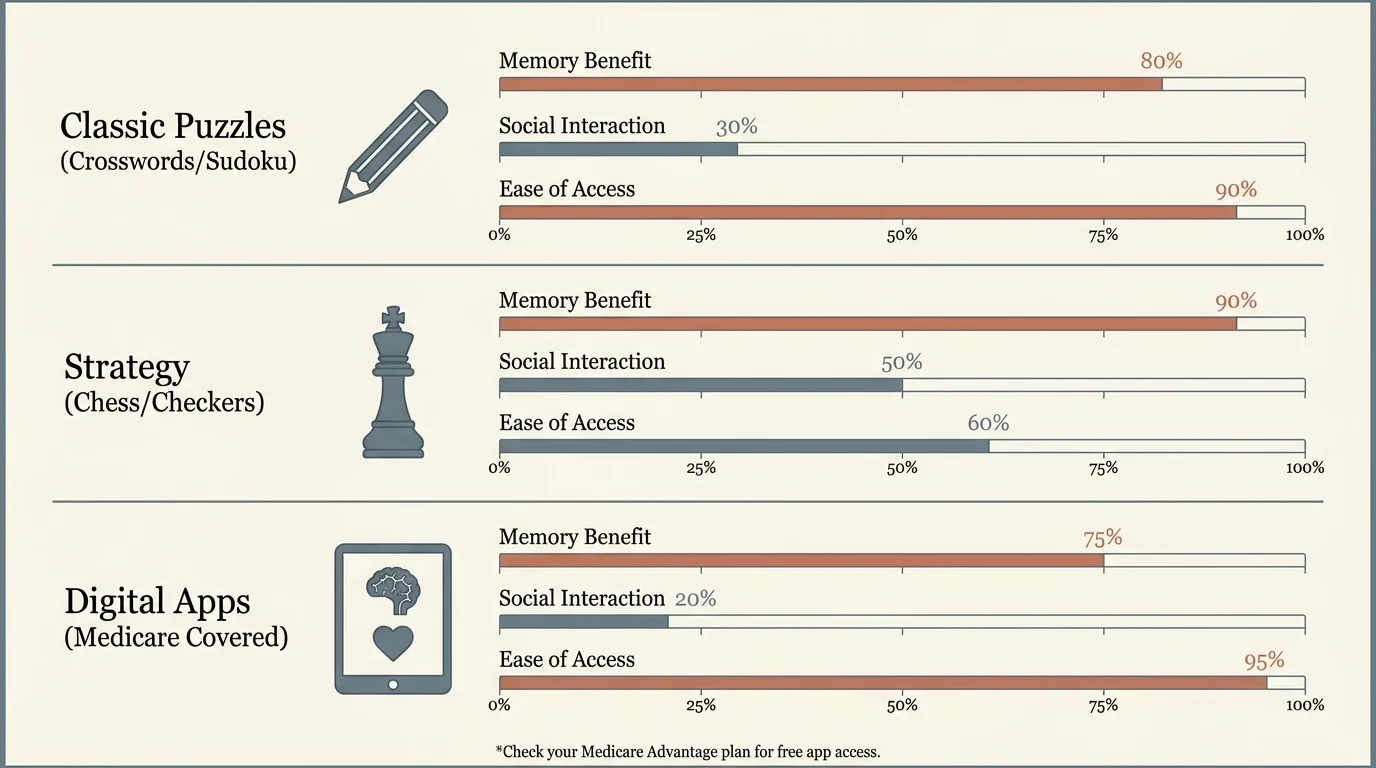
If you are not sure where to begin, use this comparison table to find the right activity for your personal goals and budget.
| Game Type | Primary Cognitive Benefit | Cost / Accessibility |
|---|---|---|
| BrainHQ / Digital Apps | Processing speed, working memory, attention | Monthly subscription (often $0 via Medicare Advantage) |
| AARP Staying Sharp | Memory, problem-solving, lifestyle challenges | $15/year for the first year for AARP members |
| Sudoku / Crosswords | Logic, deduction, verbal memory | Free in newspapers or via library apps |
| Wordle | Vocabulary, deductive reasoning, social connection | Free online daily |
| Chess / Bridge | Executive function, strategic planning | Free; requires a partner, local club, or online access |
How to Build a Daily Cognitive Routine
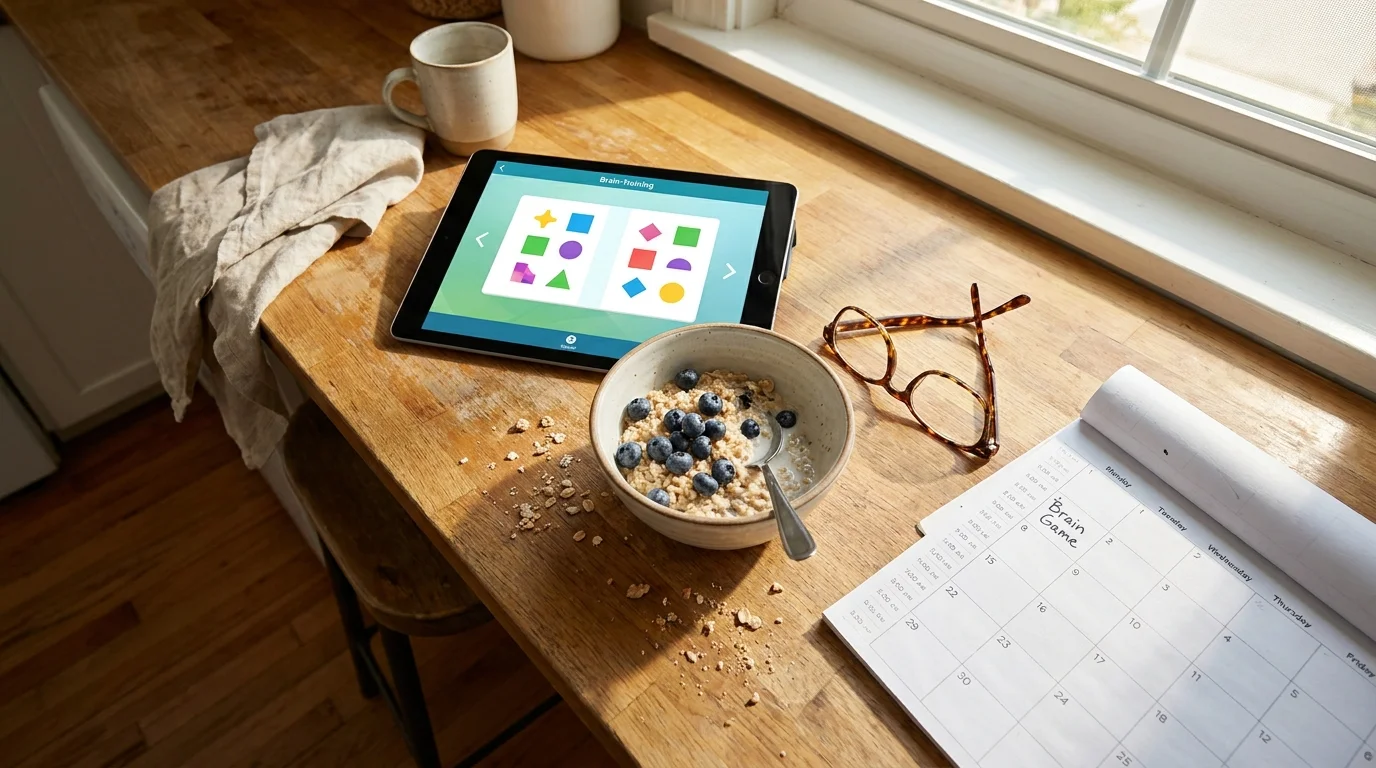
Integrating brain games into your life should feel enjoyable, not like a chore. To get the most out of these activities, you need a balanced routine that targets different areas of the brain throughout the week.
Consider starting your morning with a language-based challenge. While you drink your coffee, tackle the daily Wordle or a crossword puzzle. This activates the language centers in your brain early in the day. In the afternoon, shift to a logic-based or spatial reasoning task, such as a medium-difficulty Sudoku or a jigsaw puzzle. Finally, try to incorporate a social game a few times a week. Joining a local chess club, attending a Mahjong night at your community center, or playing bridge with neighbors combines cognitive strain with active social engagement. Socializing requires your brain to quickly process nonverbal cues, maintain conversations, and adapt to unpredictable human behavior—making it one of the most complex and beneficial cognitive tasks you can undertake.
What Can Go Wrong: 3 Mistakes to Avoid
While brain games are highly beneficial, seniors sometimes fall into a few common traps that limit their overall effectiveness. Avoid these missteps to keep your mind truly agile.
- Paying for Unproven Subscriptions Without Checking Benefits: Do not spend hundreds of dollars on unverified “brain training” apps that promise miracle results. Stick to clinically studied platforms. More importantly, check your Medicare Advantage or Medigap plan first to see if a premium cognitive training program is already included in your benefits.
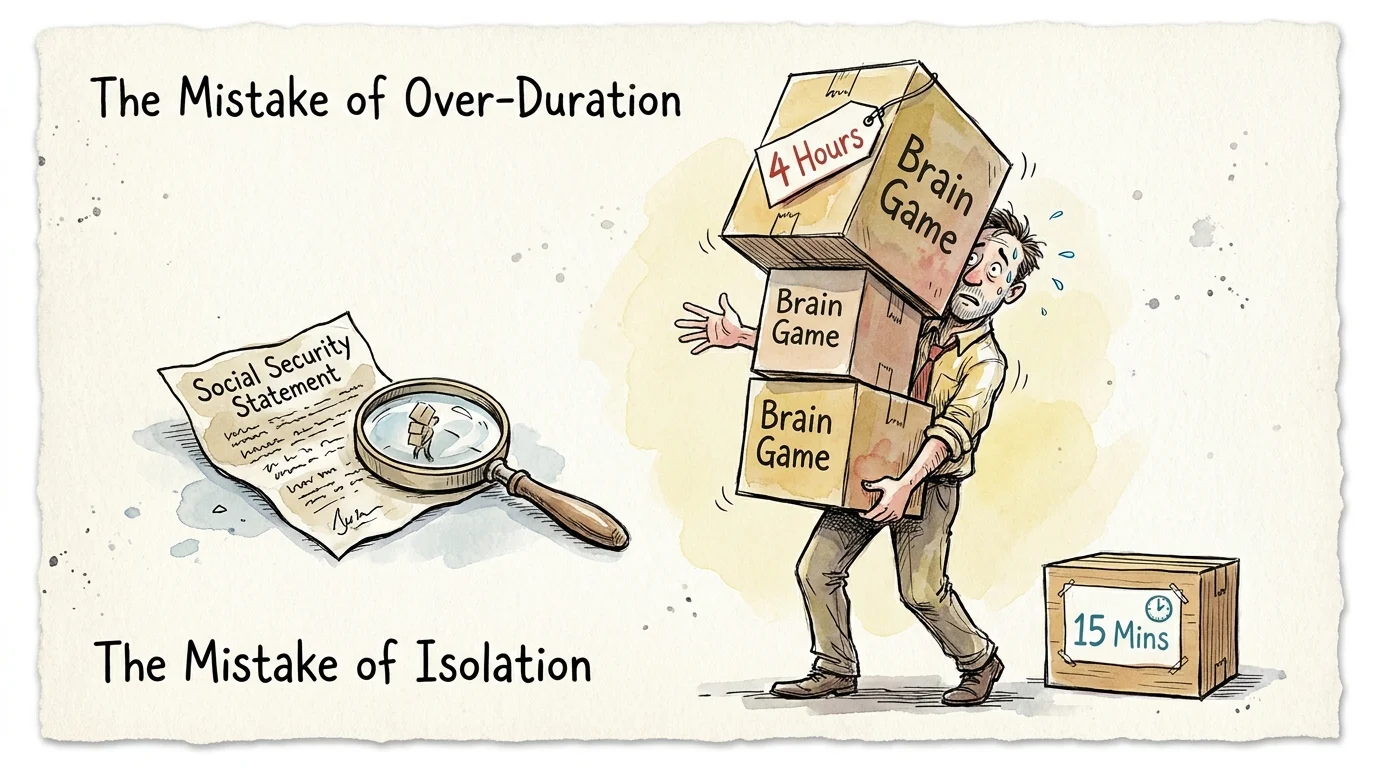
- Staying in Your Comfort Zone: If you play the exact same crossword puzzle at the exact same difficulty level for ten years, your brain stops building new connections. You must progressively increase the difficulty to achieve true neuroplasticity. When you easily master a game, it is time to move on to a harder level.
- Ignoring Physical Exercise and Nutrition: Brain games do not replace physical activity. Your brain requires oxygen and healthy blood flow to function properly. A daily thirty-minute walk combined with a game of Sudoku provides a much better cognitive boost than sitting on the couch playing games all day.

When to Consult a Professional
Brain games are wonderful tools for maintaining sharpness, but they are not a substitute for professional medical care. You should consult a physician if you or a loved one notice sudden cognitive changes that interfere with daily life. Warning signs include forgetting how to pay routine bills, struggling to navigate familiar neighborhoods, or finding it difficult to manage your daily medications.
Ask your primary care doctor for a formal cognitive assessment. If you have Original Medicare (Part B), cognitive assessments are covered at zero out-of-pocket cost during your Annual Wellness Visit. Detecting cognitive impairment early allows you to build a comprehensive, proactive care plan. Furthermore, if you ever require advanced neurological medications in the future, the new Medicare Part D rules for 2026 cap your out-of-pocket prescription drug costs at $2,100 annually, providing significant financial peace of mind.
Frequently Asked Questions
Does Medicare cover cognitive training programs?
Original Medicare generally does not cover commercial brain-training apps for home use. However, Medicare Part B does cover a comprehensive cognitive assessment during your Annual Wellness Visit at no cost to you. Additionally, a rapidly growing number of Medicare Advantage (Part C) plans now offer full subscriptions to proven programs like BrainHQ as a free supplemental fitness benefit.
How much time should I spend on brain games daily?
Research suggests that 15 to 30 minutes per day is sufficient to see measurable cognitive benefits. The key to success is consistency. Playing a quick game of Wordle or spending twenty minutes on a crossword puzzle every single morning is far more effective than binge-playing games for three hours once a month.
Are free brain games as effective as paid ones?
Yes. Free games like Sudoku, chess, and jigsaw puzzles offer excellent cognitive stimulation and require serious mental effort. While paid apps provide automated personalized tracking and specialized speed exercises, you can easily maintain your cognitive health using free resources from your local library, community center, or daily newspaper.
The information in this guide is meant for educational purposes. Your specific circumstances—including income, benefits, tax situation, and health needs—may require different approaches. When in doubt, consult a licensed financial advisor or tax professional.
Last updated: May 2026. Benefit amounts, tax rules, and program details change annually—verify current figures with official government sources.