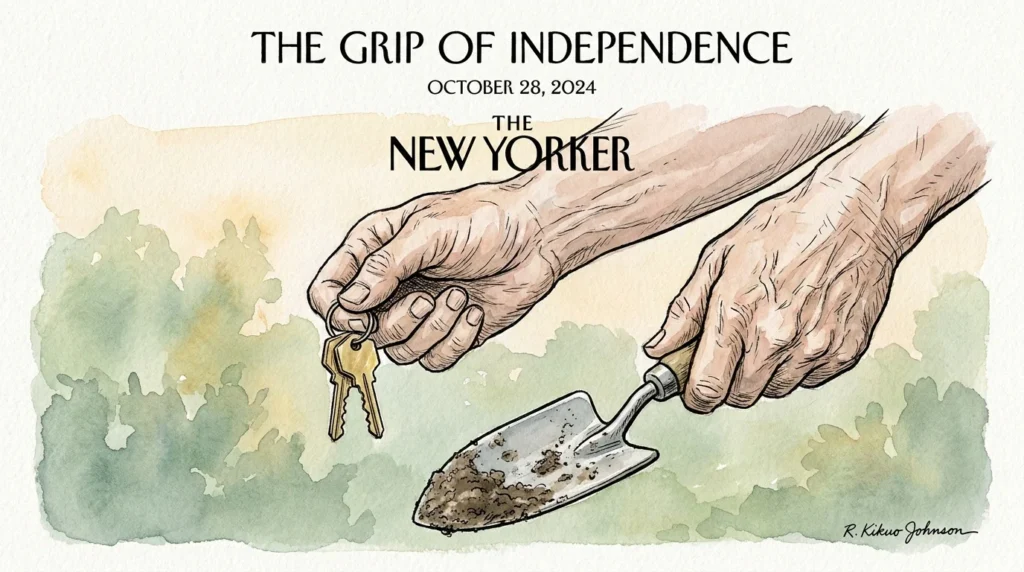
Grip strength is one of the most reliable predictors of your future independence and overall health as you age. Research indicates that a strong grip corresponds to a lower risk of falls, delayed cognitive decline, and reduced cardiovascular mortality. Beyond the physical benefits, maintaining your hand strength helps you avoid the steep financial costs of assisted living or in-home care, which now averages over $6,200 a month according to a 2025 Genworth cost of care survey. By spending just a few minutes a day stretching and strengthening your hands, you can open your own jars, carry your own groceries, and safely age in place on your own terms.
Why Your Grip Strength Equals Financial Independence
When you map out your retirement strategy, you likely focus on portfolio withdrawals, Medicare premiums, and Social Security benefits. However, preserving your physical mobility is one of the most effective ways to protect your nest egg.
“Without your health, you have no wealth.” — Suze Orman, Personal Finance Expert
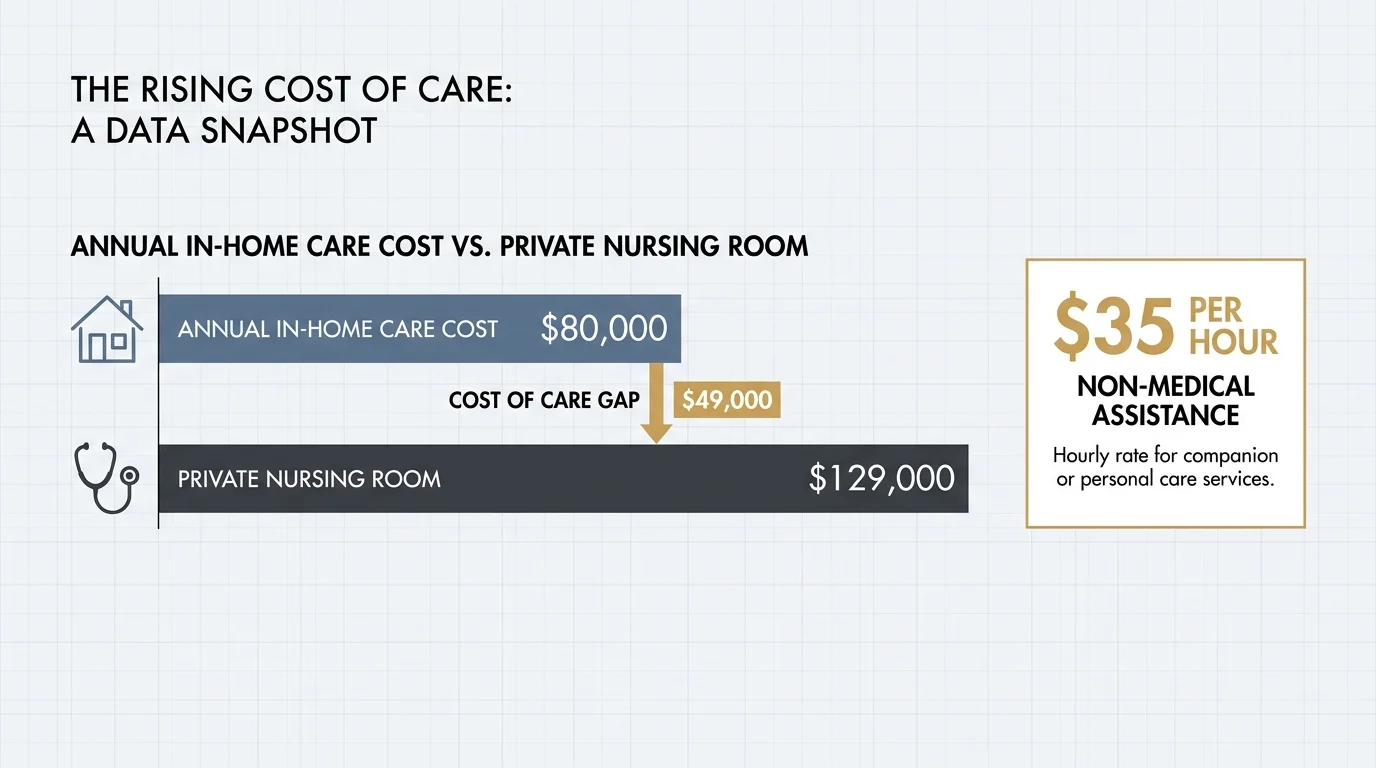
According to a 2025 Genworth Cost of Care Survey, the national median cost for a non-medical in-home caregiver is currently $35 per hour. If you require 44 hours of assistance per week because you can no longer safely dress yourself, prepare meals, or navigate your home, you face an annual bill exceeding $80,000. Assisted living facilities and nursing homes cost even more; a private room in a skilled nursing facility now averages over $129,000 annually. These out-of-pocket healthcare expenses put intense pressure on even the most well-funded retirement accounts, often draining wealth that was meant to provide security or be passed down to heirs.
Grip strength serves as a direct proxy for your overall functional independence. Medical researchers from the University of Michigan (2023) discovered that a strong grip is heavily associated with a lower biological age, while a weak grip often points to accelerated aging and future mobility loss. By maintaining the physical strength required to lift a cast-iron skillet, grip a handrail, or pull yourself out of a deep chair, you drastically reduce your reliance on paid caregivers. Your daily physical therapy routine is just as vital to your retirement longevity as your financial portfolio rebalancing.
How to Test Your Baseline Grip Strength at Home
Before you begin a new exercise program, establishing a baseline helps you measure your future progress. Clinical professionals use a specialized device called a hand dynamometer to measure precise force, but you can perform a highly practical assessment right in your kitchen.
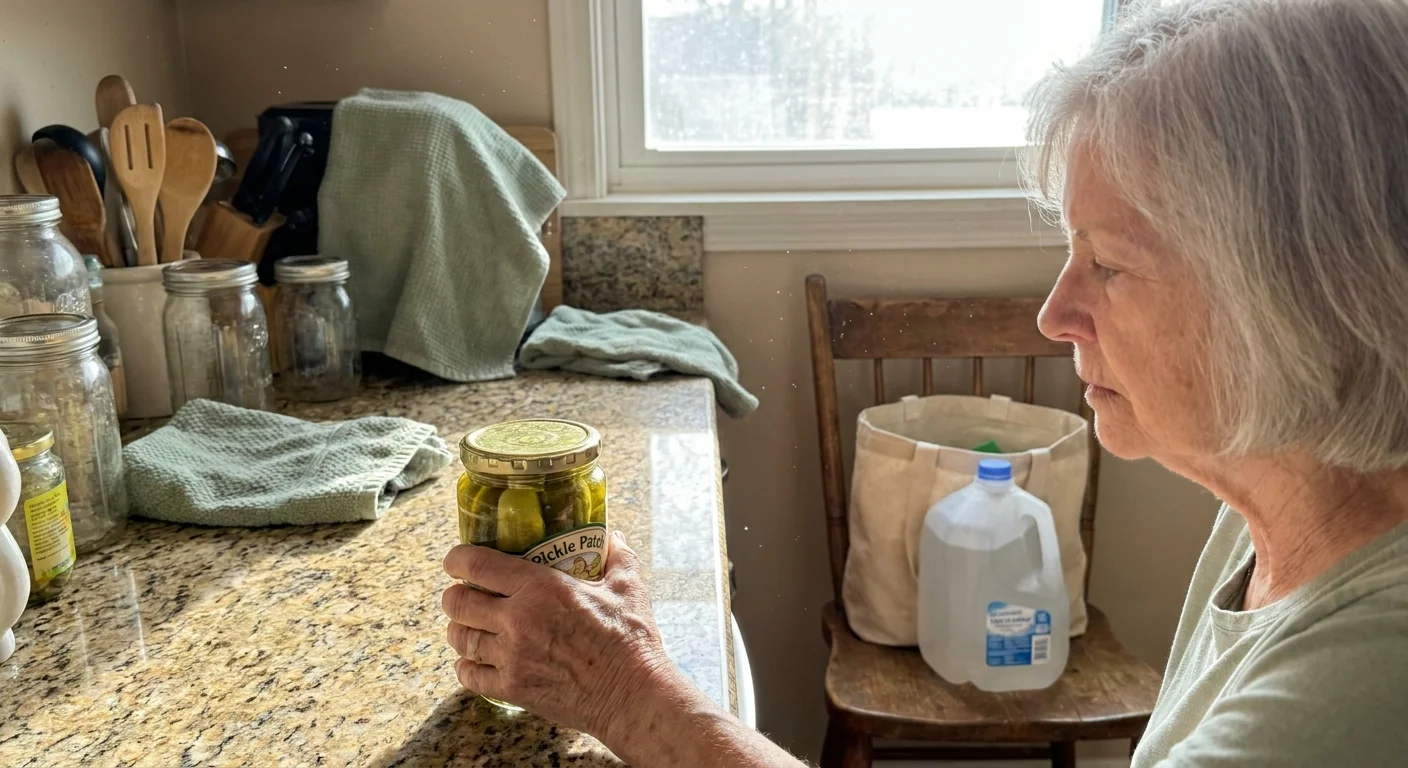
First, attempt the jar test. Take a newly purchased, unopened jar of food—such as pickles or jam—and attempt to open it without using rubber slip-grips or running it under hot water. If you cannot break the seal independently, your baseline functional grip requires immediate attention.
Second, try the grocery carry test. Place a standard one-gallon jug of water, which weighs approximately eight pounds, into a reusable grocery bag with handles. Grasp the handles in one hand and let your arm hang straight by your side. If your fingers begin to uncurl or you feel significant strain in your forearm before 30 seconds have passed, your crushing strength is actively declining.
Testing both your left and right hands reveals potential muscular imbalances. Most people naturally favor their dominant hand, but substantial weakness in your non-dominant hand increases your risk of dropping objects or suffering a dangerous fall when reaching for a stair handrail. Record your baseline observations in a notebook and re-test yourself every month to track the tangible results of your new daily routine.

7 Simple Hand Exercises for Daily Strength
You can perform these exercises while watching television, listening to a podcast, or drinking your morning coffee. According to MedlinePlus (NIH), staying active through gentle, consistent movements is crucial for preserving joint health and flexibility. Focus on controlled, deliberate motions. If you feel any sharp pain, stop immediately and reduce the tension.
1. The Soft Fist Open and Close
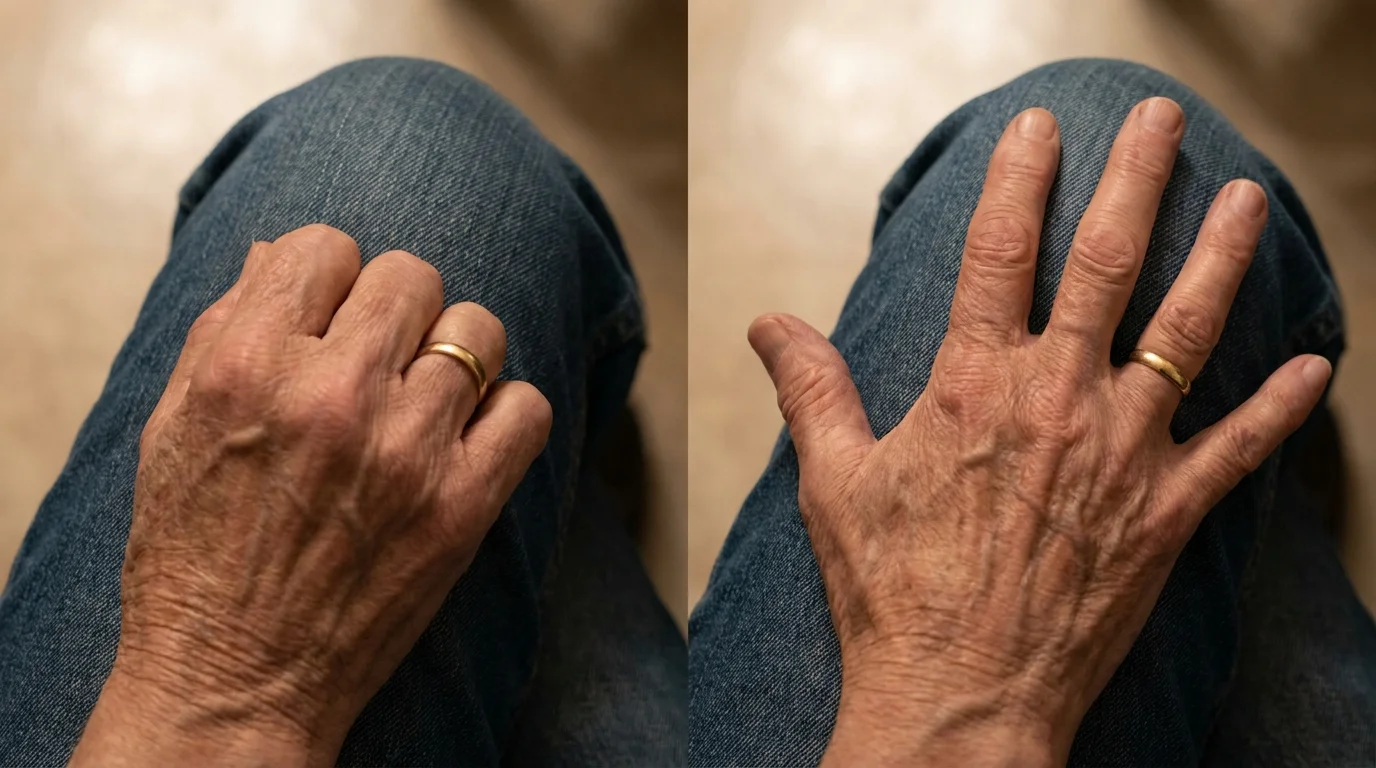
This fundamental exercise promotes circulation and maintains the basic range of motion in your fingers. It requires no equipment and serves as an excellent warm-up before applying any heavy resistance.
- Sit upright in a comfortable chair and extend your arms in front of you at chest height.
- Slowly curl your fingers inward to make a loose, gentle fist, wrapping your thumb across the outside of your fingers.
- Hold the fist tight for two to three seconds.
- Release the tension and stretch your fingers out as wide as possible, opening your hand entirely.
- Repeat this opening and closing motion for 20 to 30 seconds on each hand.
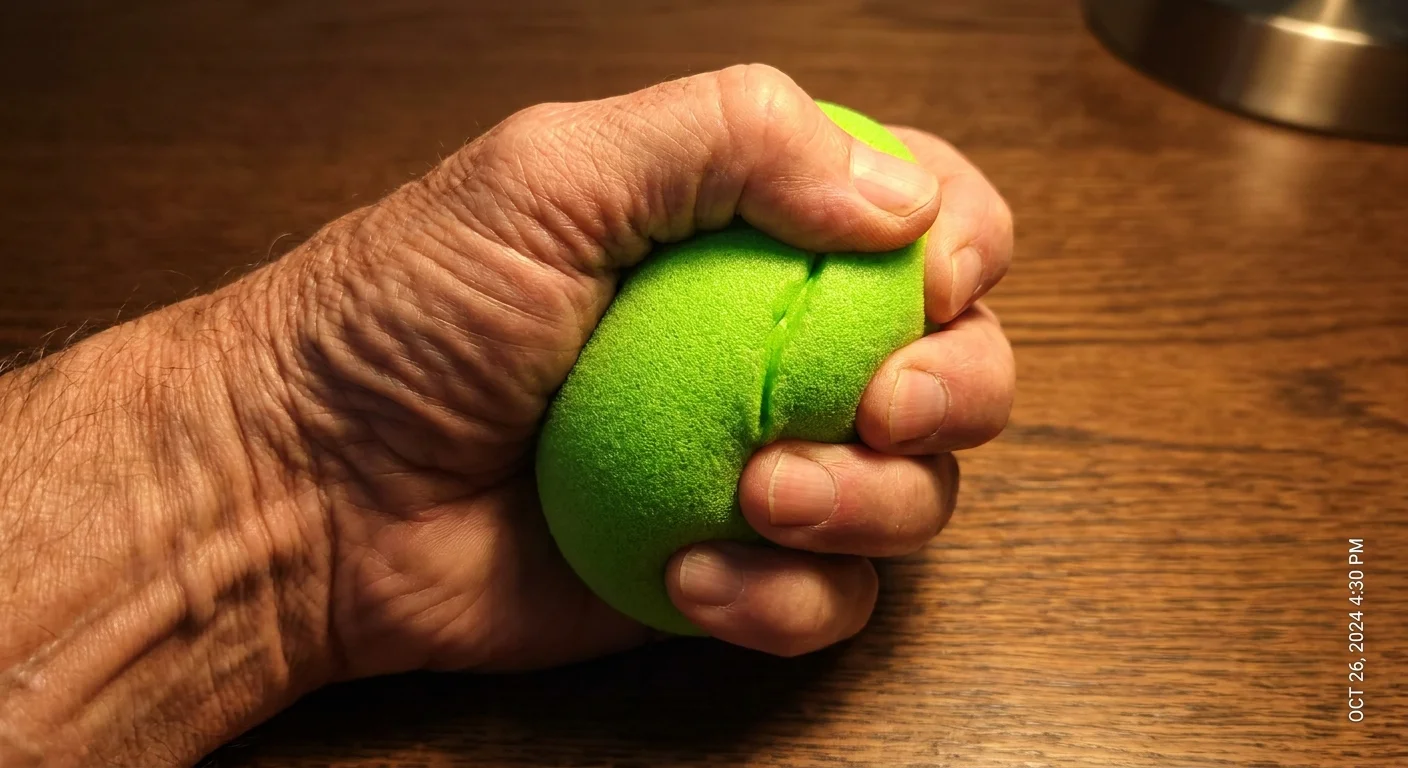
2. The Stress Ball Squeeze
Crushing strength—the force you use to hold a heavy grocery bag or a steering wheel—declines rapidly if you do not use it. A standard foam stress ball or a slightly deflated tennis ball provides the perfect resistance for this movement.
- Place the ball squarely in the center of your palm.
- Wrap your fingers around the ball and squeeze as firmly as you can without causing joint pain.
- Hold the maximum tension for five full seconds.
- Release the pressure slowly, allowing your fingers to relax completely rather than snapping them open.
- Perform 10 to 15 repetitions, then switch to your opposite hand.
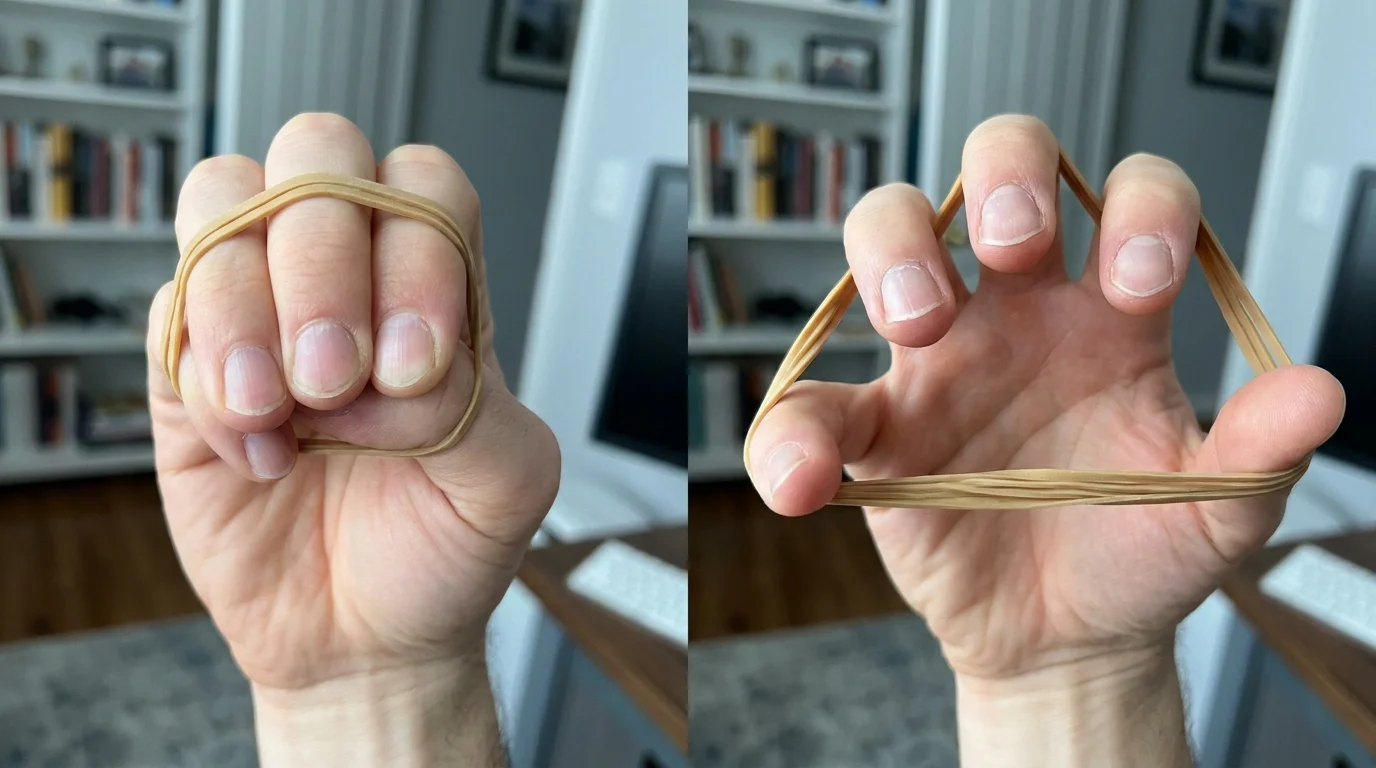
3. Rubber Band Finger Extensions
Many seniors make the critical mistake of only practicing squeezing exercises. It is equally important to strengthen the extensor muscles that run along the back of your hand and forearm, which are responsible for opening your fingers and stabilizing your wrist.
- Pinch your fingertips and thumb together, as if you are making a bird beak.
- Place a standard household rubber band around the outside of all five digits, resting it just below your fingernails.
- Slowly open your hand, pushing your fingers outward against the resistance of the rubber band.
- Hold the fully extended position for three seconds, then let your fingers close again with control.
- Complete 10 to 15 repetitions on each hand.
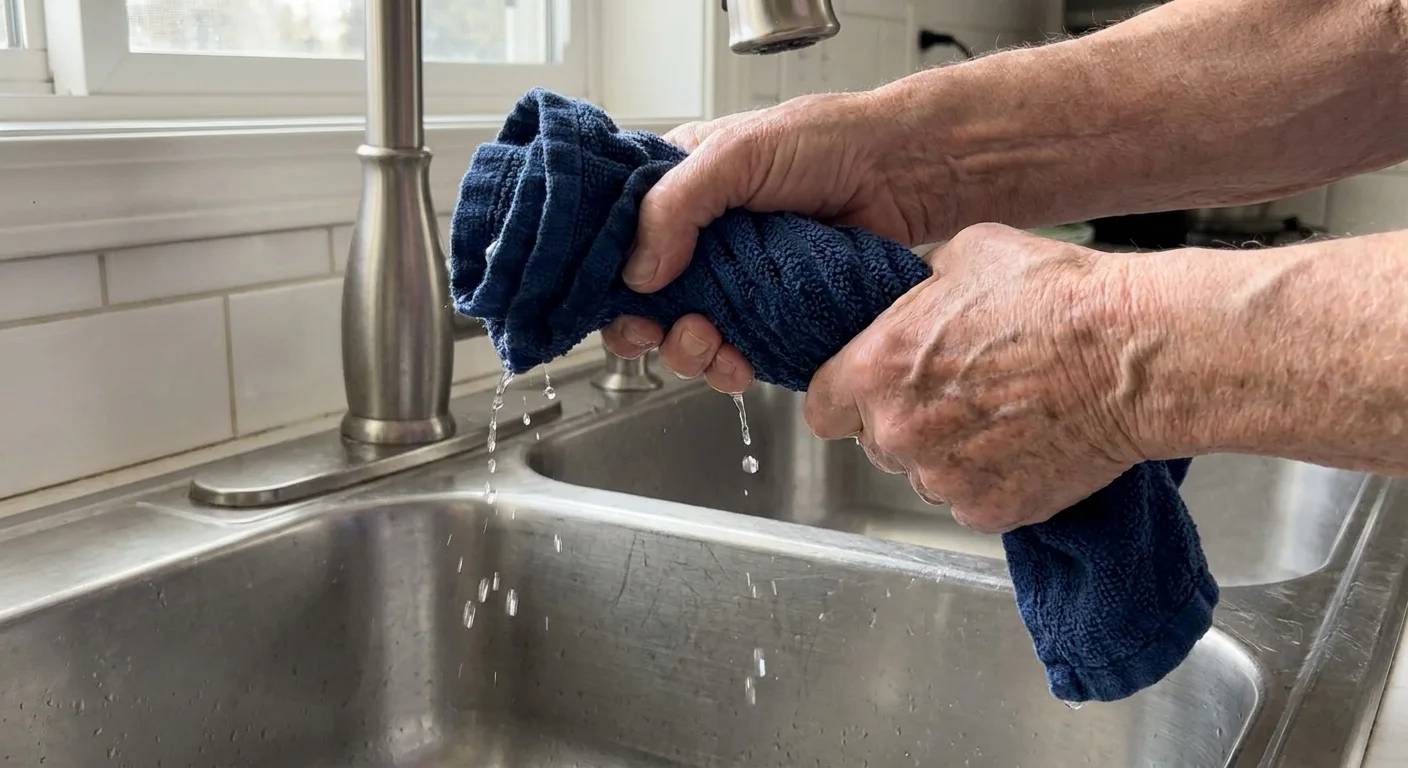
4. The Towel Wring
Wringing a towel mimics the practical twisting motions you use every single day, such as turning a tight doorknob or opening a new jar of pasta sauce. This functional exercise forces your forearm flexors and extensors to work in tandem.
- Take a small hand towel or washcloth. If you suffer from mild arthritis, use a dry, soft microfiber towel instead of a heavy, wet cotton towel to reduce the initial joint strain.
- Grasp the towel with both hands, placing one hand slightly higher than the other.
- Twist the towel forcefully, turning your right hand away from your body and your left hand toward your body.
- Hold the maximum twist for three seconds, release, and then reverse the twisting direction.
- Perform 10 twists in each direction.
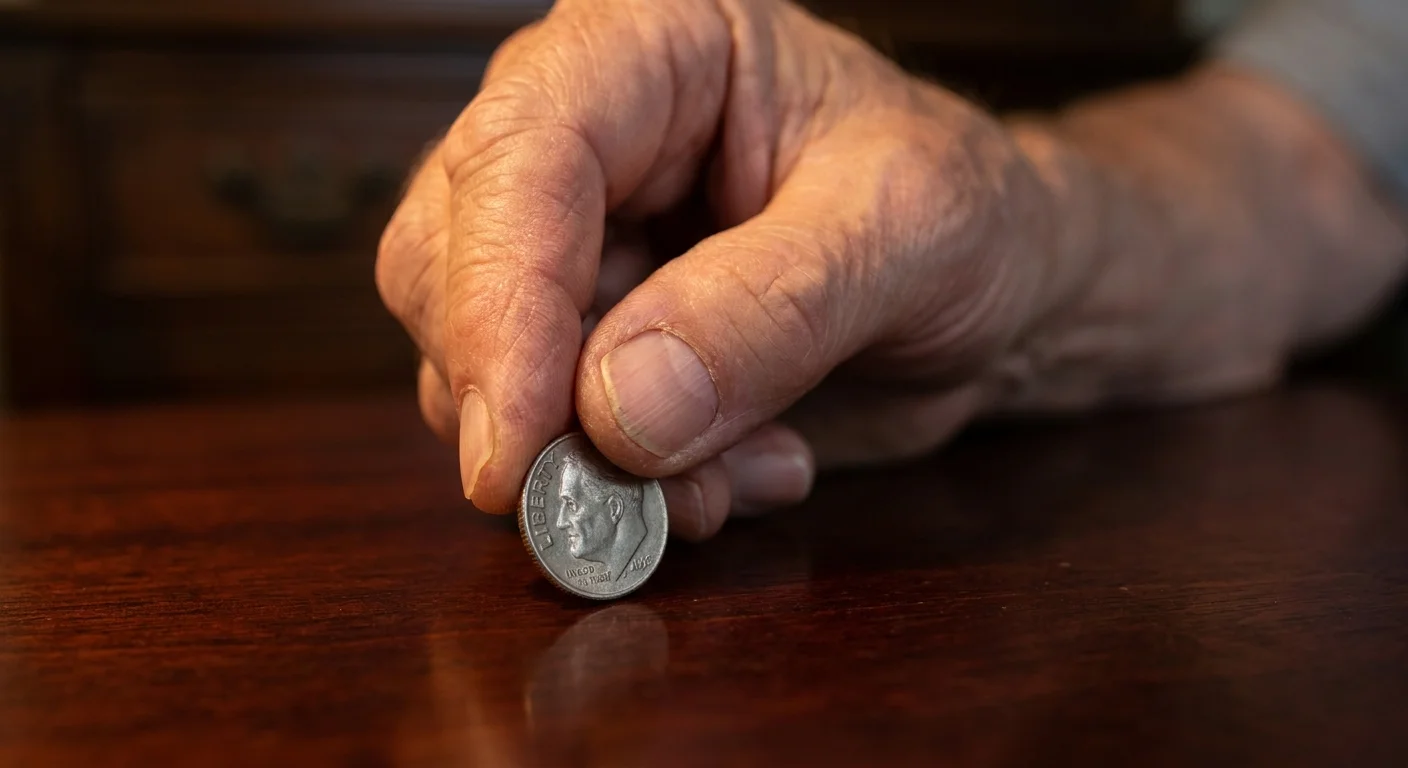
5. The Precision Pinch Grip
Pinch strength allows you to manipulate small objects. The muscles that control your thumb pad are small but crucial for independence. Without pinch strength, simple tasks like signing a check, opening a letter, or picking up daily medication become incredibly frustrating.
- Find a thick, heavy book or a small weight plate weighing between one and three pounds.
- Pinch the edge of the object using only the tips of your fingers on one side and your thumb pad on the other. Do not let the object touch your palm.
- Lift the object slightly off the table and hold it securely for 10 to 30 seconds.
- Carefully lower the object. Rest briefly, and repeat this process three times per hand.
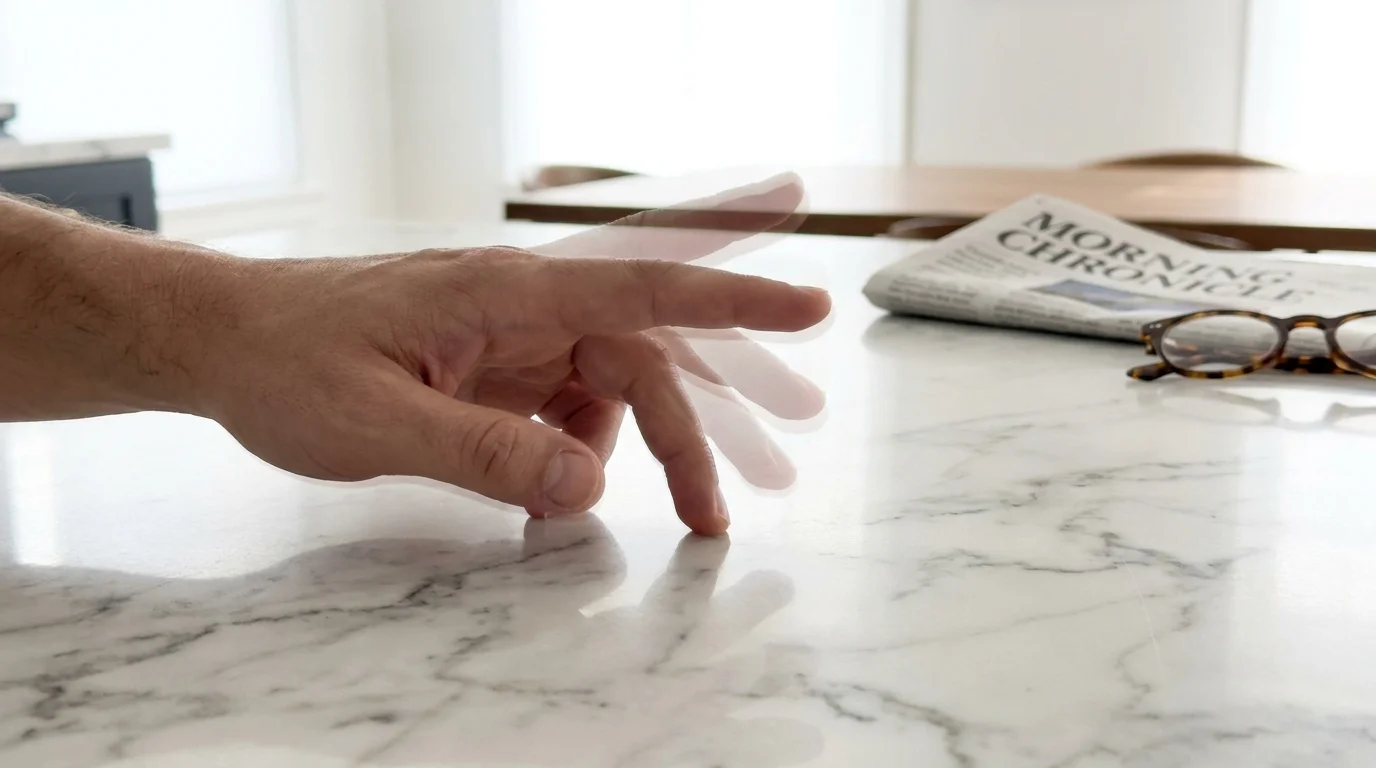
6. Finger Taps and Dexterity Drills
Strong hands also need to be highly coordinated hands. This drill improves fine motor control and the independent movement of each individual finger, which preserves your ability to type on a keyboard or dial a telephone.
- Place your hand flat on a sturdy table with your palm down and your fingers spread comfortably apart.
- Keeping your palm flat against the surface, lift your thumb as high as you can and tap it gently back down.
- Proceed to your index finger, lifting it independently while keeping the other fingers glued to the table, then tap it down.
- Work your way across your hand, lifting and tapping the middle finger, ring finger, and pinky finger one by one.
- Repeat the full sequence forward and backward five times per hand.
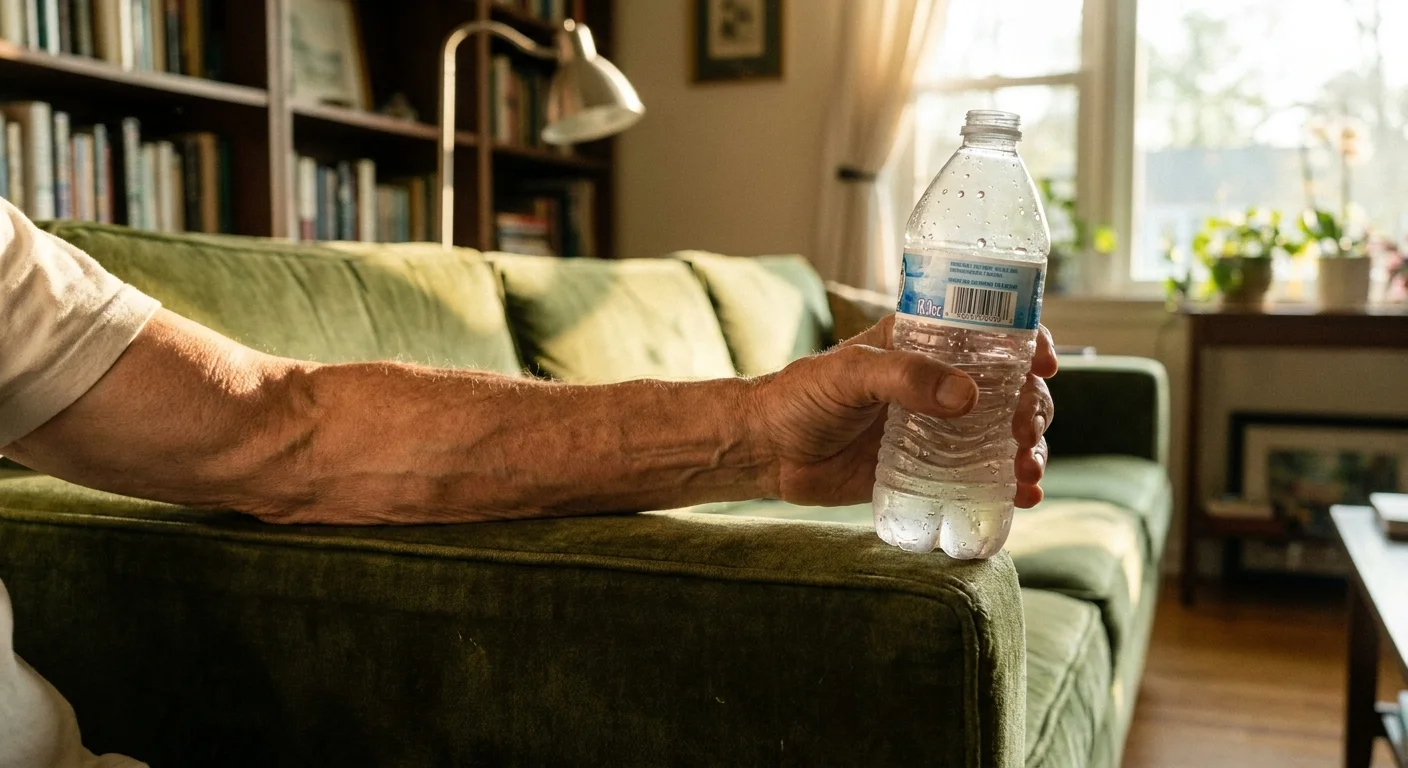
7. Seated Wrist Curls
Your overall grip strength heavily relies on the larger muscles located in your forearms. Strengthening your wrists provides a highly stable foundation for your hands to generate force safely without injuring delicate tendons.
- Sit upright and rest your right forearm flat on your thigh or on the edge of a table, allowing your hand to hang freely off the edge with your palm facing the ceiling.
- Hold a light one- or two-pound dumbbell, or a standard soup can, in your hand.
- Using only your wrist, slowly curl the weight upward toward your body. Keep your forearm entirely still.
- Pause at the top of the movement, then slowly lower the weight back down below the edge of the table.
- Complete 10 repetitions, then rotate your arm so your palm faces the floor to perform 10 reverse wrist curls. Switch arms and repeat.
Comparing Popular Hand Exercise Tools
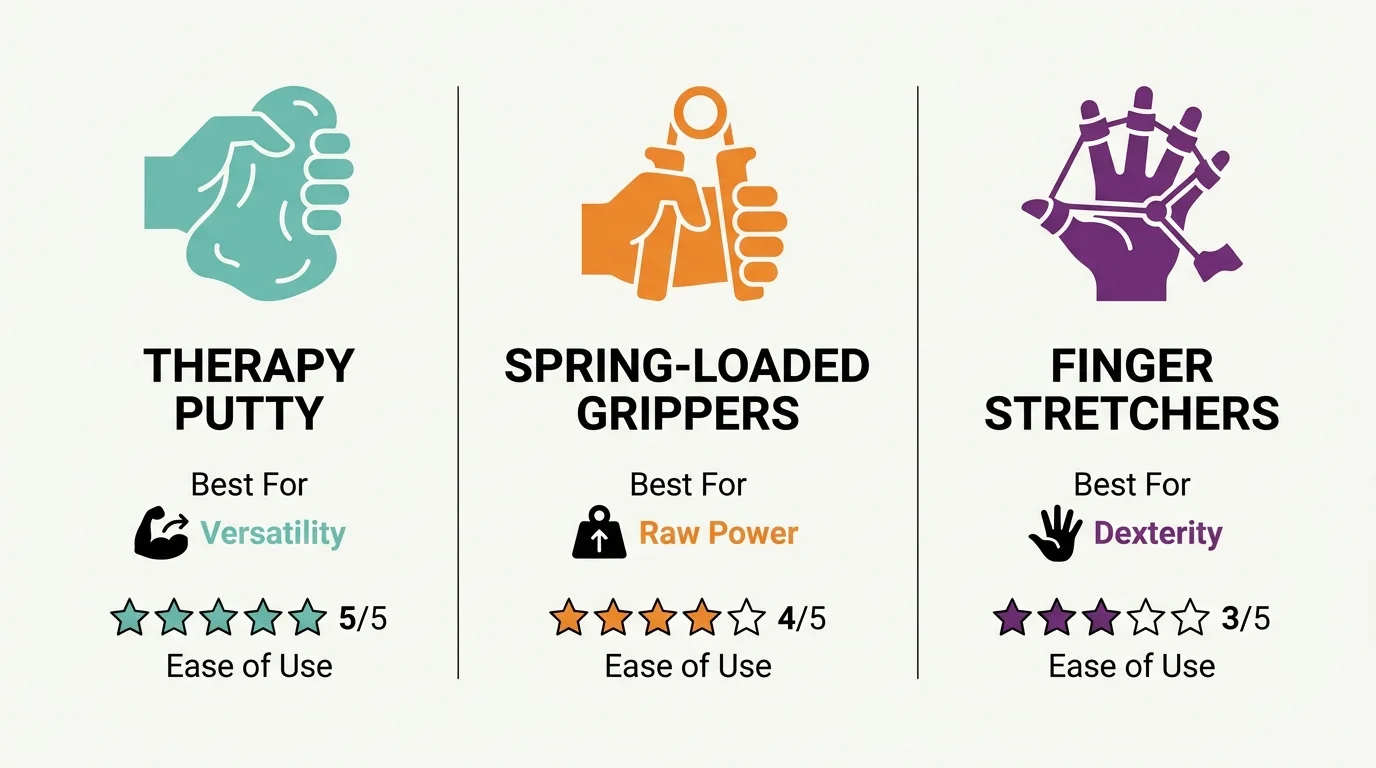
You do not need to spend a fortune on specialized fitness equipment to build a highly effective grip routine. However, a few affordable tools can provide measurable resistance to help you track your progress over time. Here is how the most common hand exercise devices compare.
| Exercise Tool | Average Cost | Best Used For | Resistance Level |
|---|---|---|---|
| Standard Foam Stress Ball | $5 to $10 | Gentle flexor strengthening and stress relief | Light to Medium |
| Therapy Putty | $10 to $15 | Improving fine motor skills and pinching strength | Adjustable (varies entirely by color) |
| Rubber Finger Bands | $8 to $12 | Strengthening the extensor muscles (opening the hand) | Light to Heavy |
| Adjustable Hand Gripper | $15 to $25 | Building overall crushing grip and raw forearm strength | Medium to Very Heavy |
If you are just starting out, a basic stress ball and a simple household rubber band are more than sufficient. As your stamina improves, investing in color-coded therapy putty allows you to gradually increase the difficulty of your daily routine without risking injury.
What Can Go Wrong
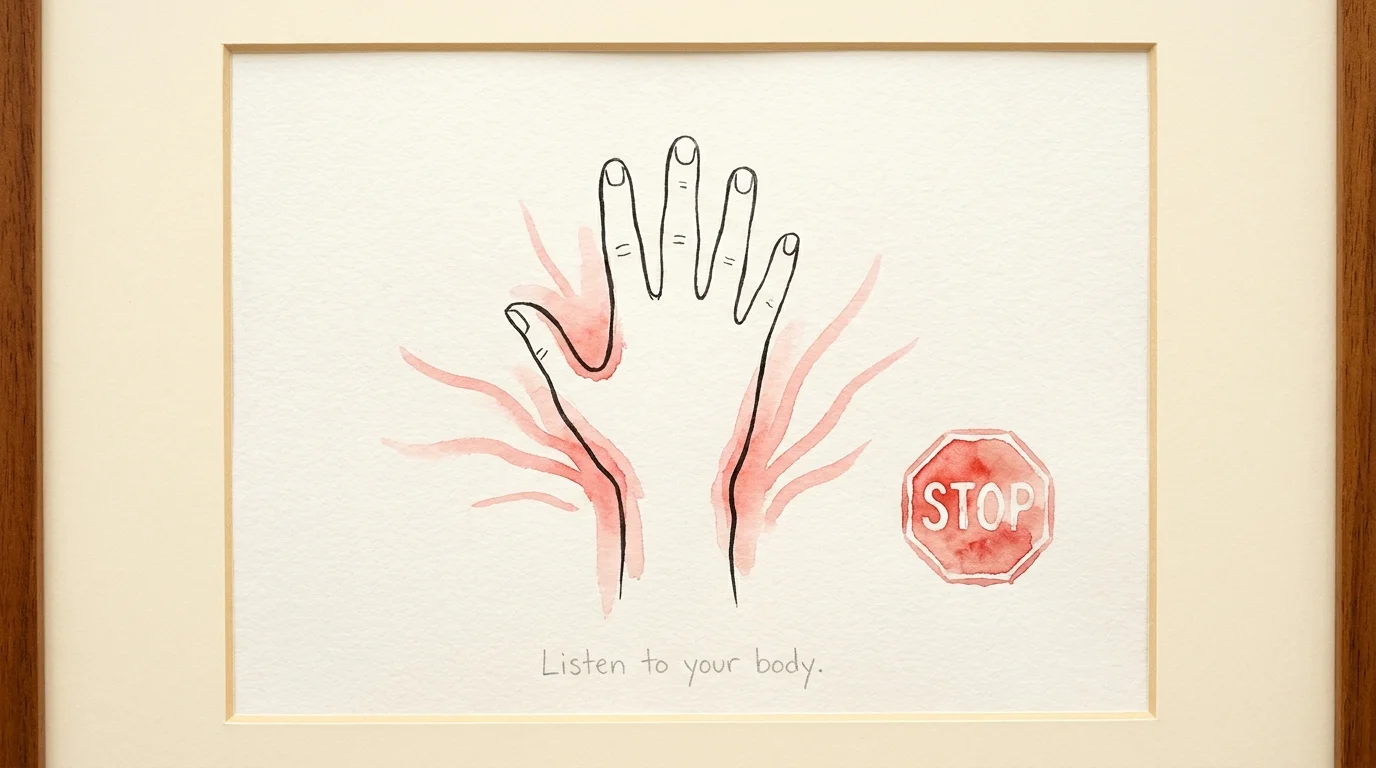
Building hand strength requires consistency, but aggressive physical training can easily cause setbacks. Avoid these common mistakes when starting your new grip routine:
- Overtraining your muscles: Your hands contain small, easily fatigued muscles. Exercising them with heavy resistance every single day without rest can lead to painful tendonitis. Aim for two to three resistance sessions per week, allowing 24 to 48 hours of recovery between intense workouts.
- Ignoring sharp joint pain: A mild, dull ache in the muscle indicates productive work; a sharp, shooting pain in the joint signals potential ligament damage. If you feel sharp pain, stop immediately. Seniors managing arthritis must be particularly careful to work strictly within a pain-free range of motion.
- Neglecting your extensor muscles: Many people focus entirely on squeezing exercises, which strengthens the flexor muscles but ignores the extensors. This severe muscle imbalance can lead to stiffness and clawing. Always include exercises like rubber band finger extensions to counteract the constant squeezing motions.
- Rushing the movements: Rapidly squeezing a stress ball provides very little muscular benefit and increases your risk of repetitive strain injuries. Perform every exercise slowly and deliberately, focusing entirely on the tension in your hands and wrists.
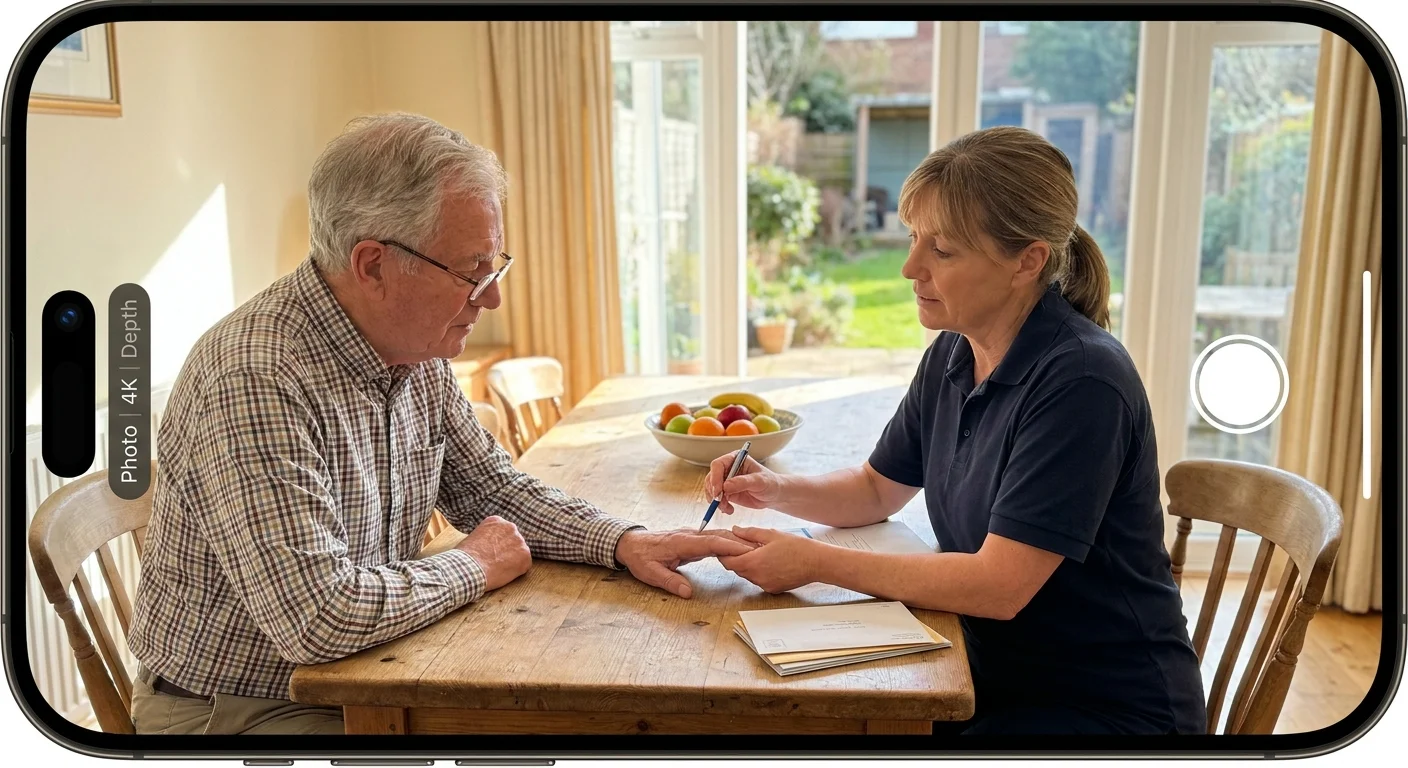
When to Consult a Professional
While daily stretching and light resistance training benefit most aging adults, certain medical situations require expert guidance before you proceed. Contact your primary care doctor or a licensed occupational therapist if you experience any of the following:
- Sudden loss of grip strength: A rapid, entirely unexplained inability to hold objects or make a fist can be a severe warning sign of neurological issues, including a stroke or a pinched cervical nerve. Seek immediate medical attention.
- Persistent numbness or tingling: If your fingers frequently fall asleep, tingle, or burn during normal daily activities, you may be dealing with carpal tunnel syndrome that requires targeted medical intervention rather than generic exercises.
- Severe arthritis flare-ups: If you have recently been diagnosed with rheumatoid arthritis or are experiencing an acute osteoarthritis flare-up, a physical therapist can design a highly modified routine that protects your delicate joint structures.
- Uncertainty about fall risks: If a weak grip makes you feel unsteady when holding handrails or using a walker, consider exploring fall prevention programs through the National Council on Aging (NCOA) to thoroughly assess your overall home safety.
Frequently Asked Questions
How often should seniors perform hand strengthening exercises?
For the absolute best results, seniors should perform hand strengthening exercises using resistance tools two to three times per week. Your hand and forearm muscles require significant time to recover and rebuild tissue after resistance training. Providing 24 to 48 hours of rest between sessions helps prevent severe inflammation and overuse injuries like tendonitis. However, gentle mobility movements, such as the soft fist open and close, can safely be done daily to promote healthy blood circulation.
Does Medicare cover physical therapy for hand strength?
Yes, under very specific circumstances. According to Medicare.gov, Medicare Part B covers outpatient physical and occupational therapy if it is deemed medically necessary and strictly prescribed by a doctor or authorized healthcare provider. If you have suffered a fall, a stroke, or a severe arthritis flare-up that directly impacts your functional mobility, your doctor can order occupational therapy to help you rebuild your grip strength and formally regain your independence.
Can I improve my grip strength if I already have arthritis?
Yes, and strengthening the muscles around your sensitive joints is actually one of the most highly effective ways to manage chronic arthritis symptoms. However, you must heavily adapt your routine. Avoid heavy, crushing resistance exercises during acute inflammatory flare-ups. Instead, focus purely on gentle range-of-motion stretches and static isometric holds. If you experience sharp joint pain, consult a physical therapist who can customize a joint-friendly routine using authoritative resources from the Administration for Community Living (ACL).
Are heavy hand grippers safe for older adults?
Adjustable hand grippers are highly effective, but they must be used carefully. Seniors should always start with the absolute lowest resistance setting available. Attempting to squeeze a high-tension metal gripper before building baseline tendon strength can severely strain the delicate ligaments in the hand. It is generally far safer to begin with therapy putty or a simple foam stress ball before graduating to metal or hard plastic grip trainers.
Moving Forward With Confidence
Securing your independence in retirement requires considerably more than just smart financial planning—it demands ongoing physical resilience. By dedicating just a few minutes a week to these seven simple exercises, you can maintain the grip strength necessary to navigate your daily life safely, comfortably, and confidently. Whether you are wringing out a kitchen towel, turning a stubborn doorknob, or lifting a grandchild, your hands are your primary tools for engaging with the world. Treat them with the diligent care and attention they deserve to ensure they serve you well for decades to come.
This article provides general financial education and information only. Everyone’s financial situation is unique—what works for others may not work for you. For personalized advice tailored to your retirement needs, consider consulting a qualified financial professional such as a CFP or CPA. For specific medical or physical therapy guidance, always consult a licensed healthcare provider before beginning any new exercise routine. Last updated: February 2026. Benefit amounts, tax rules, and program details change annually—verify current figures with official government sources.