
Maintaining physical flexibility is one of the most effective ways to protect your retirement savings from unexpected medical bills. When your muscles and joints stay nimble, you significantly reduce your risk of costly falls, which average $30,000 in medical expenses. While you diligently manage your portfolio and track your Social Security benefits, dedicating a few minutes daily to simple stretches provides a massive return on investment. You do not need an expensive gym membership or complicated equipment to improve your range of motion. By weaving seven basic movements into your daily routine, you can preserve your independence, lower your healthcare costs, and confidently enjoy an active lifestyle throughout your golden years.

The Hidden Connection Between Flexibility and Financial Health
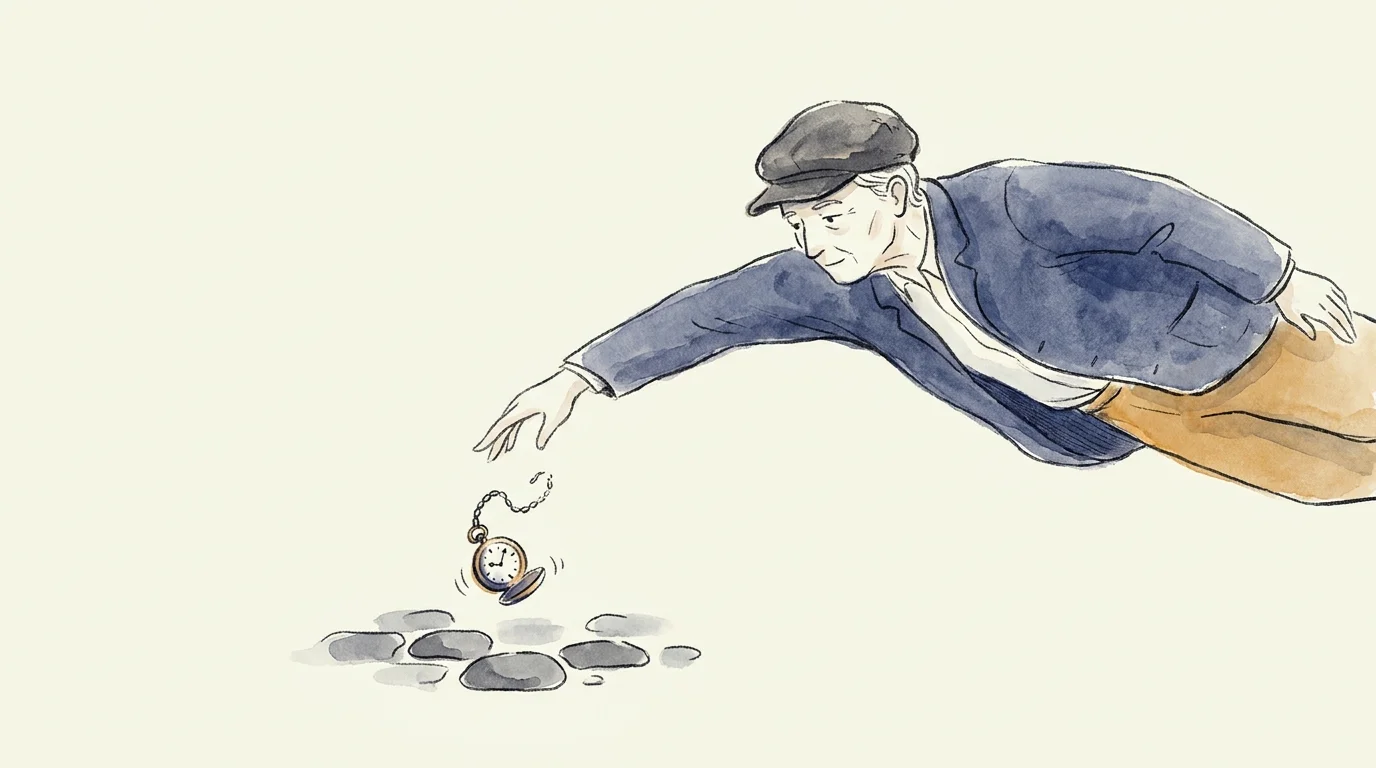
Retirement planning usually focuses on asset allocation, tax brackets, and maximizing your monthly payouts from the Social Security Administration. However, one of the largest threats to your financial stability is a sudden decline in physical mobility. A severe fall or a torn muscle not only limits your independence but also introduces a cascade of out-of-pocket medical costs—ranging from emergency room copays to extensive physical therapy and modifications to make your home wheelchair accessible.
“When retirement plans fall apart, we tend to assume it’s because someone overspent… But, often, that’s not what does the real damage. It’s healthcare costs.” — Jean Chatzky, Personal Finance Expert
According to the Centers for Medicare and Medicaid Services (CMS), the average medical expense associated with a senior fall is $30,000. While health insurance absorbs a portion of that burden, the remaining deductibles and coinsurance can easily siphon thousands of dollars away from your retirement accounts. Staying flexible allows your body to correct minor imbalances before they turn into devastating tumbles; it also ensures you can continue performing the daily tasks that allow you to age gracefully in your own home.
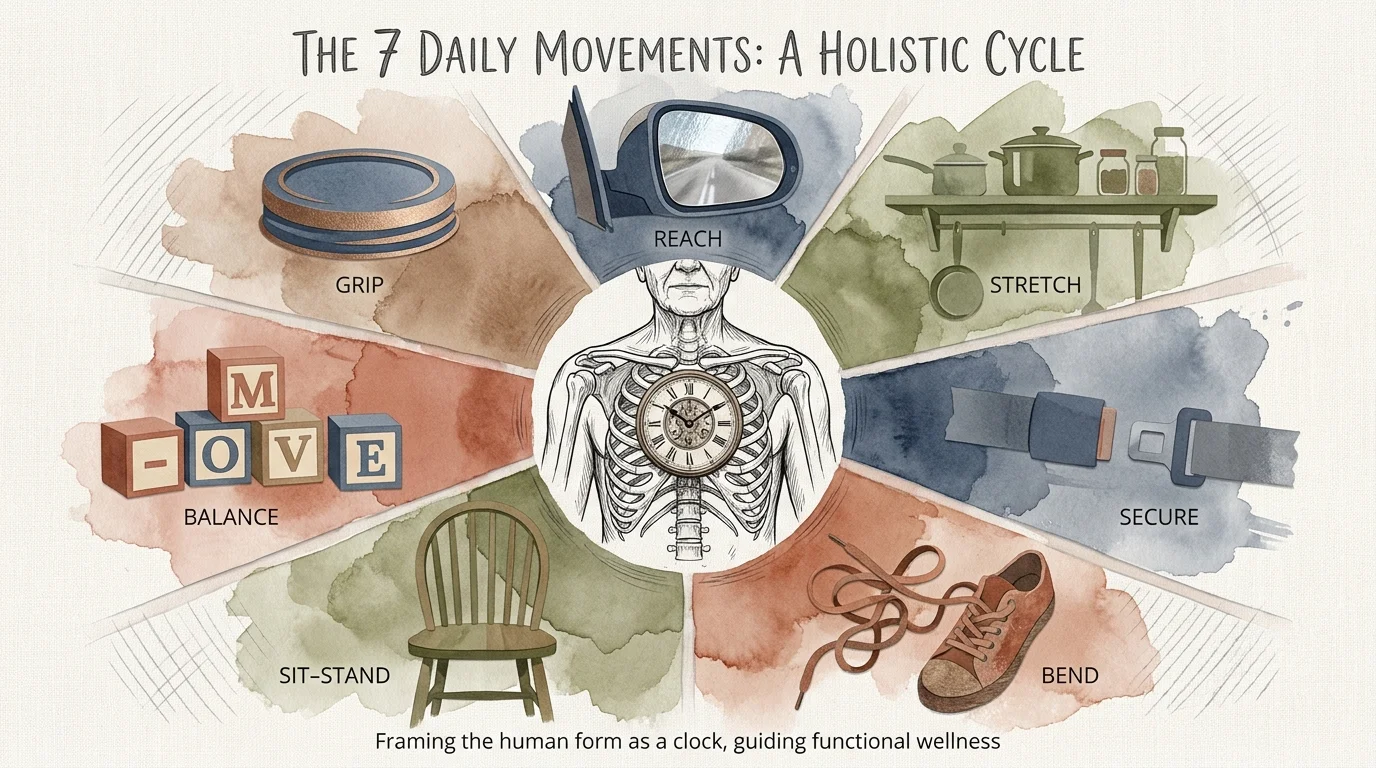
7 Everyday Movements That Help Seniors Stay Flexible
You do not need to adopt an intense athletic regimen to maintain a healthy range of motion. Incorporating the following seven practical movements into your daily routine will keep your joints lubricated and your muscles responsive.

1. The ‘Shoulder Check’ Neck Rotation
When you back out of a driveway or change lanes on the highway, you rely heavily on your cervical spine’s range of motion. If your neck becomes overly stiff, driving safety diminishes quickly; losing your driving privileges can force you to rely on expensive rideshare services or paid senior transport. To maintain this vital mobility, sit upright in a sturdy chair and slowly turn your head to look over your right shoulder. Hold the position for a gentle stretch—without forcing it into a painful zone—for about ten seconds before returning to the center. Repeat the process on your left side. Practicing this movement twice daily keeps the muscles supporting your neck pliable and alert.

2. The High-Shelf Reach (Shoulder Flexion)
Reaching into high kitchen cabinets or grabbing items off top closet shelves requires robust shoulder mobility. Stiff shoulders often lead to compensatory movements, meaning you might arch your lower back dangerously just to reach a coffee mug. To practice the high-shelf reach, stand comfortably with your feet shoulder-width apart. Slowly raise both arms straight out in front of you and up toward the ceiling as far as your mobility allows. Pretend you are gently lifting a box onto a high shelf, then slowly lower your arms back to your sides. This movement prevents the shoulder joints from freezing up and helps you maintain your independence in the kitchen.

3. The Seatbelt Twist (Spinal Rotation)
Core mobility dictates your ability to twist and turn smoothly. You use this movement every time you reach across your body to grab a seatbelt or turn around to speak to someone behind you. Sit near the edge of a sturdy, armless chair with your feet firmly planted on the floor. Place your right hand on your left knee, and gently twist your torso to the left, looking slightly over your left shoulder. Hold the stretch for a few breaths, then switch sides. Keeping your spine flexible reduces lower back stiffness, a common ailment that frequently requires expensive chiropractic or orthopedic interventions.

4. The Seated Hip Hinge (Shoe Tie)
Putting on socks and tying shoes can become a frustrating ordeal if your hips lose their flexibility. Bending heavily through the lower back to reach your feet puts immense strain on your lumbar spine. Instead, practice the seated hip hinge to improve mobility in your hip joints. Sit comfortably in a chair and cross your right ankle over your left knee, creating a figure-four shape with your legs. Keeping your back perfectly straight, gently lean forward from your hips until you feel a stretch deep in your right glute and hip. Hold for fifteen seconds, then switch legs. This simple movement makes lower-body dressing significantly easier.

5. The Chair Stand (Knee and Quad Extension)
Leg strength and joint flexibility form the foundation of fall prevention. Struggling to get up from a deep sofa or a low toilet seat is a major warning sign of declining mobility. To practice the chair stand, sit in a firm chair with your feet flat on the floor. Cross your arms over your chest to prevent yourself from using your hands for momentum. Lean forward slightly and push through your heels to stand all the way up, then slowly and with control, lower yourself back into the seat. Performing ten repetitions daily builds the necessary functional strength to keep you out of costly assisted living facilities.
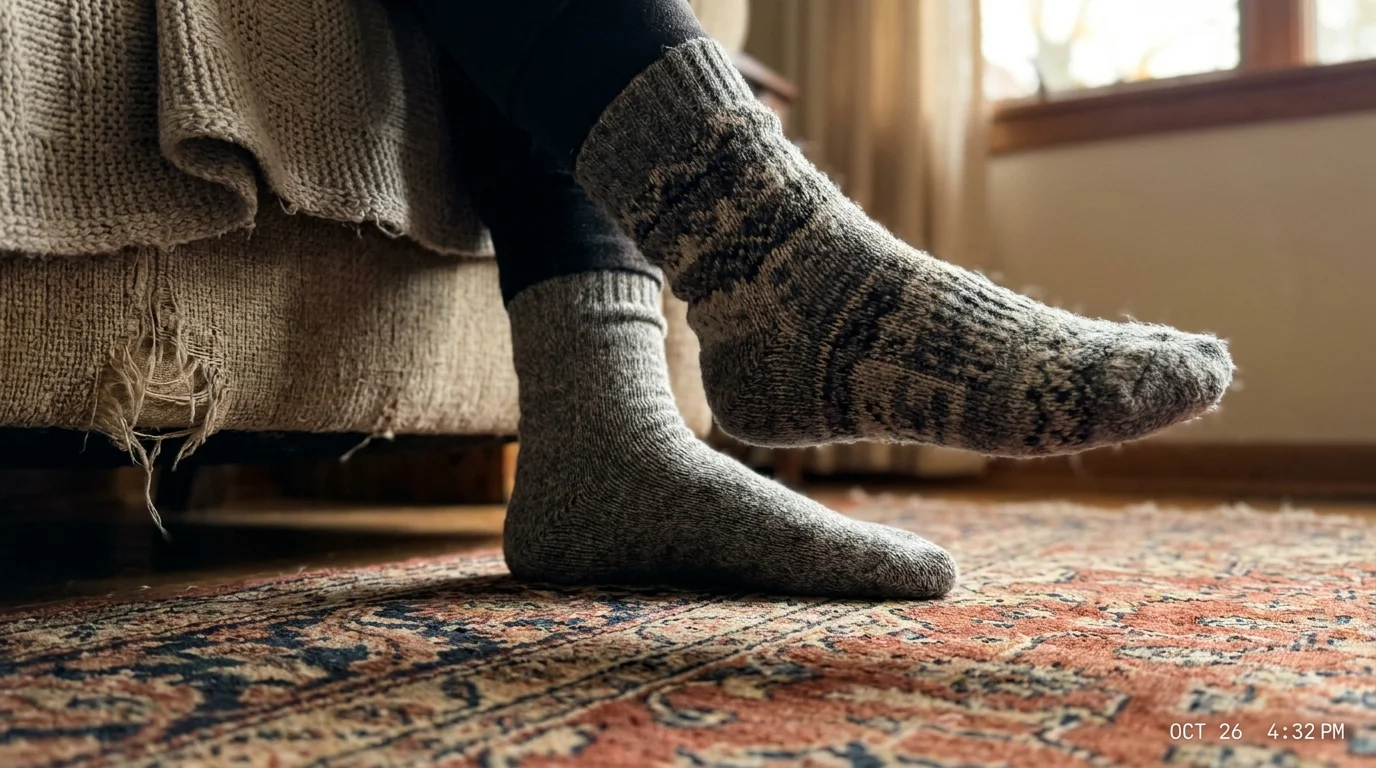
6. The Ankle Alphabet (Fall Prevention)
Your ankles are your first line of defense against uneven sidewalks, loose rugs, and scattered cords. Rigid ankles cannot adjust to sudden changes in terrain, making a fall highly likely. You can improve this joint’s flexibility while watching television or reading a book. Simply extend one leg straight out in front of you and use your big toe as a pen to “write” the letters of the alphabet in the air. The varied motions of tracing letters ensure your ankle rotates through its complete, natural range of motion. Switch legs and repeat the alphabet to keep both feet nimble.

7. The Hand and Wrist Flex (Jar Opener)
Grip strength is a heavily researched indicator of overall longevity, and flexible wrists are essential for everything from opening medicine bottles to managing your household paperwork. Extend your right arm forward with your palm facing the floor. Use your left hand to gently press the fingers of your right hand down toward the floor, stretching the top of your wrist. Next, flip your hand over so your palm faces the ceiling, and gently pull your fingers down to stretch the bottom of your wrist. Flexible hands ensure you never struggle with daily hygiene routines or basic household maintenance.
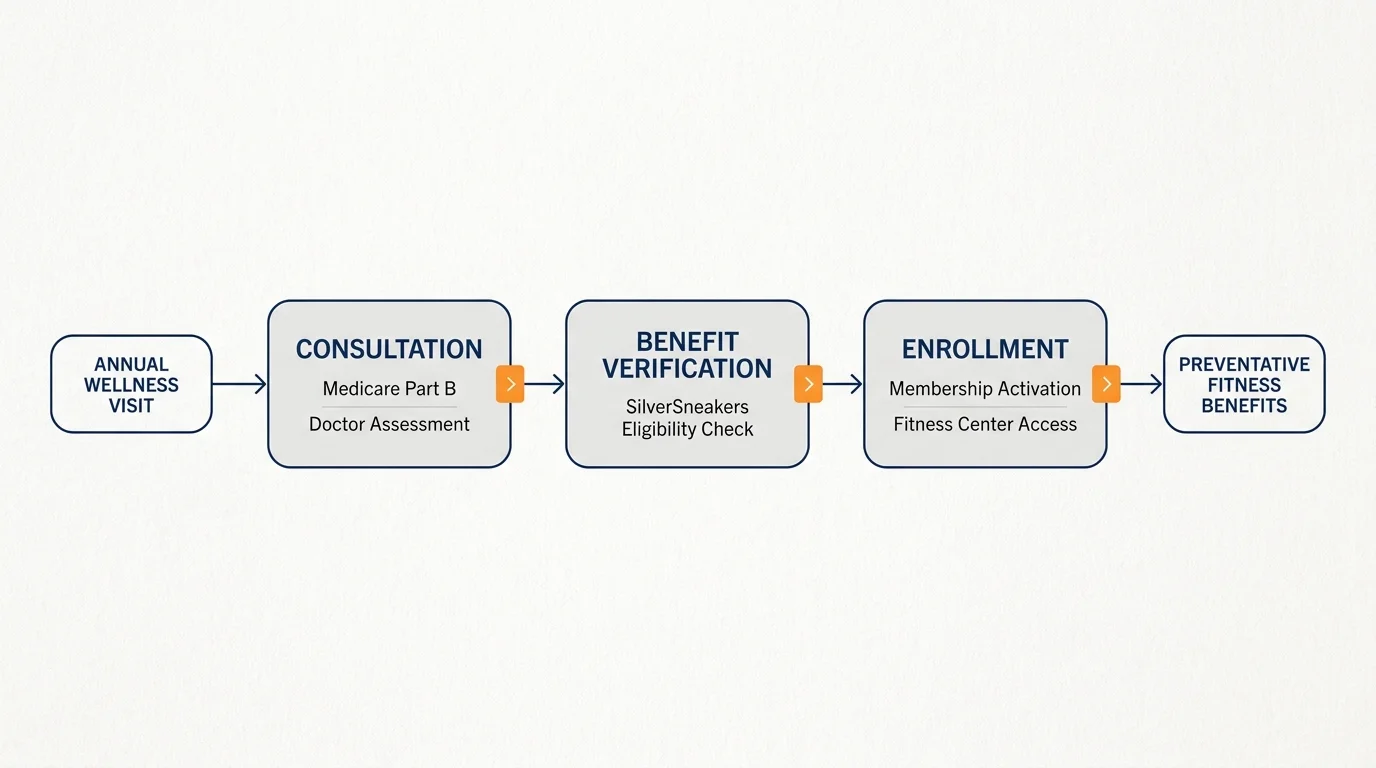
Leveraging Medicare for Your Mobility Goals
If you find that basic stretches are difficult or cause lingering discomfort, it is highly beneficial to seek professional guidance. Fortunately, the healthcare coverage you have already paid into can help offset the costs of maintaining your mobility.
Original Medicare (Part B) covers outpatient physical therapy when it is deemed medically necessary by a physician. For the 2026 plan year, the standard Medicare Part B monthly premium is $202.90, and the annual deductible is set at $283. Once you satisfy this deductible, Medicare typically covers 80% of the approved amount for your physical therapy sessions, leaving you responsible for a 20% coinsurance payment. A licensed physical therapist can evaluate your specific flexibility limitations and design a targeted regimen that prevents future injuries.
For preventive fitness, many seniors rely on the SilverSneakers program, which provides access to thousands of gyms and specialized senior fitness classes nationwide. While Original Medicare does not cover routine gym memberships or programs like SilverSneakers, many private Medicare Advantage (Part C) plans bundle these fitness benefits at no additional cost. Taking advantage of these funded programs is an excellent way to stretch your healthcare dollars while prioritizing your physical health.

Medicare Fitness Benefits at a Glance
Understanding exactly what your insurance covers prevents frustrating billing surprises. Review how different Medicare paths handle your mobility and fitness needs.
| Mobility & Fitness Service | Original Medicare (Parts A & B) | Medicare Advantage (Part C) |
|---|---|---|
| Medically Necessary Physical Therapy | Covered; you pay 20% after meeting the $283 deductible in 2026. | Covered; copays and network rules vary by your specific plan. |
| Routine Fitness Programs (e.g., SilverSneakers) | Not covered. You pay 100% out-of-pocket for gym memberships. | Often included at no additional cost; verify your plan’s specific wellness benefits. |
| Telehealth Physical Therapy | Covered temporarily through September 30, 2025. | Availability depends entirely on your specific provider’s network and plan rules. |

Costly Errors to Sidestep
Even well-intentioned seniors can make mistakes that inadvertently harm both their bodies and their budgets. Avoiding these common pitfalls helps you stay physically resilient and financially secure.
- Ignoring minor balance issues: Brushing off occasional stumbles as a normal part of aging is a dangerous gamble. Addressing balance and flexibility early with a medical professional costs significantly less than a post-fall hospital stay.
- Paying out-of-pocket for unused gym memberships: Before you sign a costly contract at a local fitness center, log into Medicare.gov or check your Medicare Advantage portal. You may already have free access to premium fitness facilities through your insurance.
- Pushing through sharp joint pain: Everyday movements should relieve muscle tension, not create acute agony. Treating a stretch like a competitive sport can result in torn ligaments, leading to expensive surgeries and prolonged rehabilitation.
- Skipping prescribed physical therapy: If your doctor prescribes physical therapy after a procedure, follow through. Skipping sessions to save on the 20% Medicare coinsurance often leads to improper healing, which ultimately requires far more expensive medical interventions down the road.
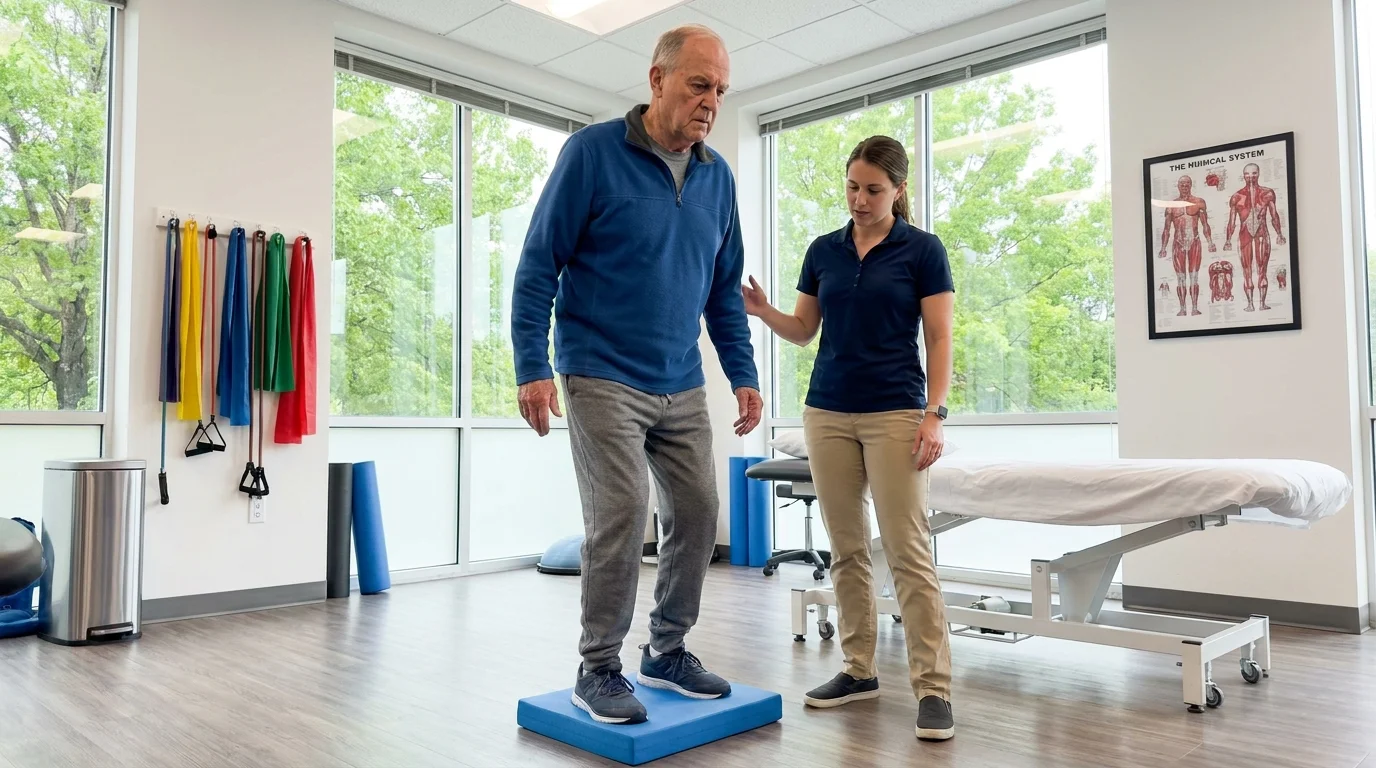
When DIY Isn’t Enough
While home stretching routines offer fantastic preventive benefits, certain situations demand professional medical oversight. You should consult your primary care physician or a licensed physical therapist if you encounter any of the following scenarios:
- A recent fall or near-miss: If you have recently fallen or find yourself frequently grabbing onto furniture to avoid falling, you need a professional gait and balance assessment.
- Post-surgical recovery: Joint replacements, abdominal surgeries, and spinal procedures permanently alter your body’s mechanics. Do not attempt a DIY mobility routine until a physical therapist clears you and provides specific, safe modifications.
- Sudden loss of mobility: If you wake up and suddenly cannot turn your neck or lift your arm past your shoulder, this could indicate an acute injury or an underlying medical condition requiring immediate attention.
Your physical flexibility is inextricably linked to your financial longevity. By dedicating time each day to these simple movements and utilizing the preventive benefits available through programs like those advocated by the National Council on Aging, you take proactive control of your health. Start slowly, listen to your body, and enjoy the peace of mind that comes from protecting both your mobility and your hard-earned retirement assets.
This article provides general financial education and information only. Everyone’s financial situation is unique—what works for others may not work for you. For personalized advice tailored to your retirement needs, consider consulting a qualified financial professional such as a CFP or CPA.
Last updated: May 2026. Benefit amounts, tax rules, and program details change annually—verify current figures with official government sources.








Leave a Reply