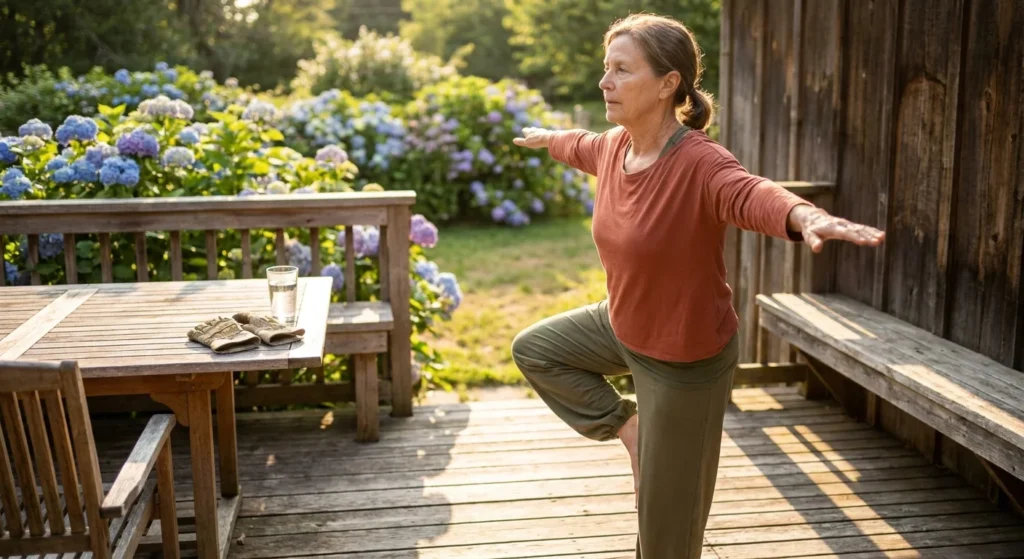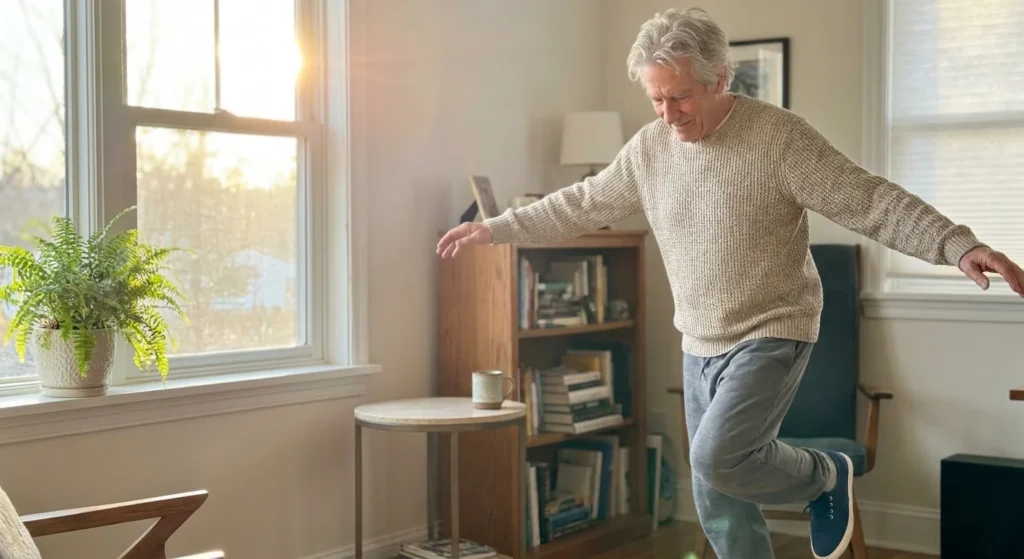
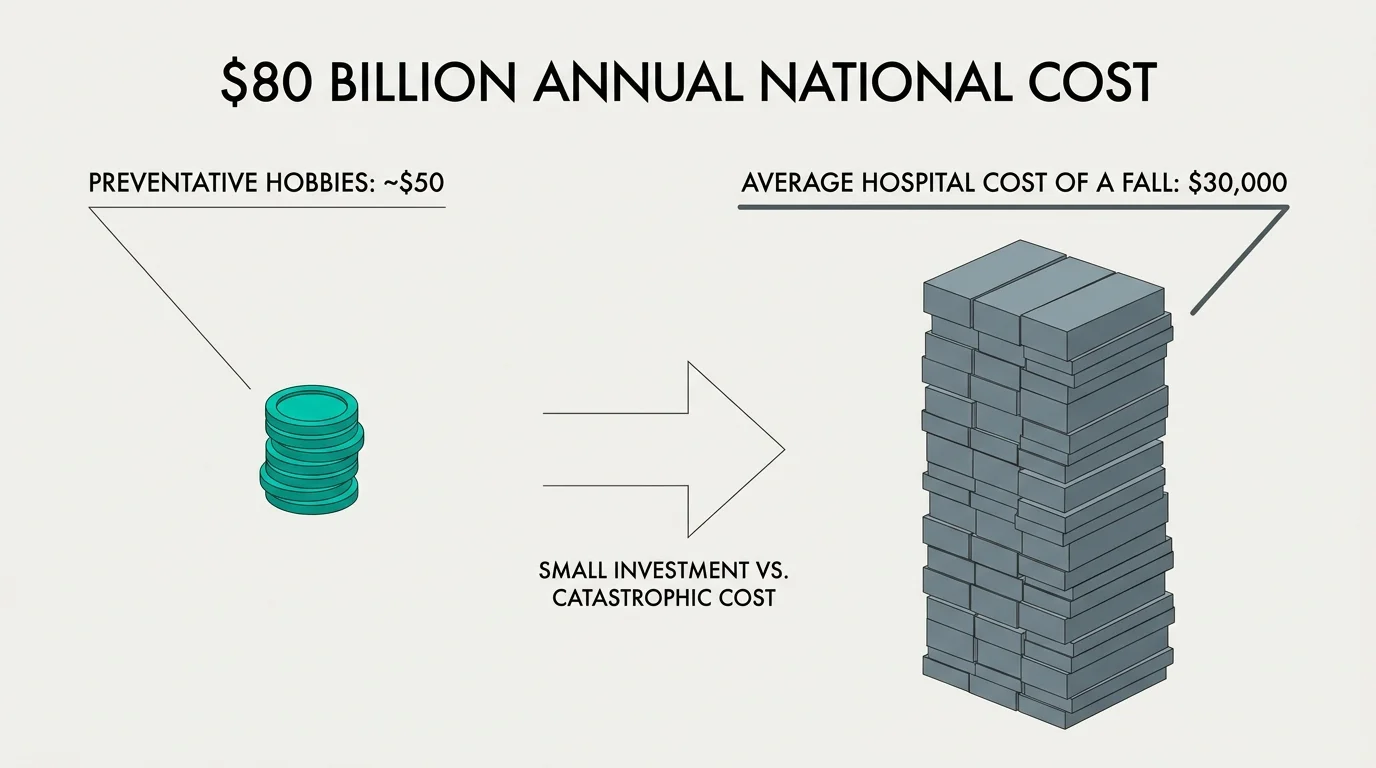
Improving your coordination is one of the most effective ways to protect your retirement savings from catastrophic medical bills. According to the CDC, the average hospital cost of a fall injury for older adults exceeds $30,000, making fall prevention a crucial financial strategy. Fortunately, building better balance and spatial awareness does not require grueling workouts or expensive personal trainers. By adopting the right enjoyable activities, you can naturally enhance your reflexes, strengthen your core, and sharpen your fine motor skills. Whether you prefer the gentle flow of Tai Chi or the social thrill of pickleball, integrating these simple hobbies into your weekly routine will quietly safeguard both your physical independence and your hard-earned nest egg.
The Hidden Financial Return of Healthy Aging
When financial planners discuss retirement risks, they often focus on inflation and market volatility. However, a sudden loss of mobility poses an equally severe threat to your portfolio. According to the National Council on Aging, the total health care cost of non-fatal older adult falls reaches an estimated $80 billion annually. A single serious fall can trigger a cascade of expenses—ranging from emergency room visits and surgical interventions to prolonged physical therapy and necessary home modifications.
“The most important investment you can make is in yourself.” — Warren Buffett, Chairman and CEO of Berkshire Hathaway
By treating your coordination as an asset that requires regular maintenance, you are executing a highly effective wealth-preservation strategy. Investing a little time—and perhaps a few dollars—into a hobby that keeps you agile is far cheaper than funding a lengthy hospital recovery.
1. Tai Chi: The Low-Impact Balance Builder
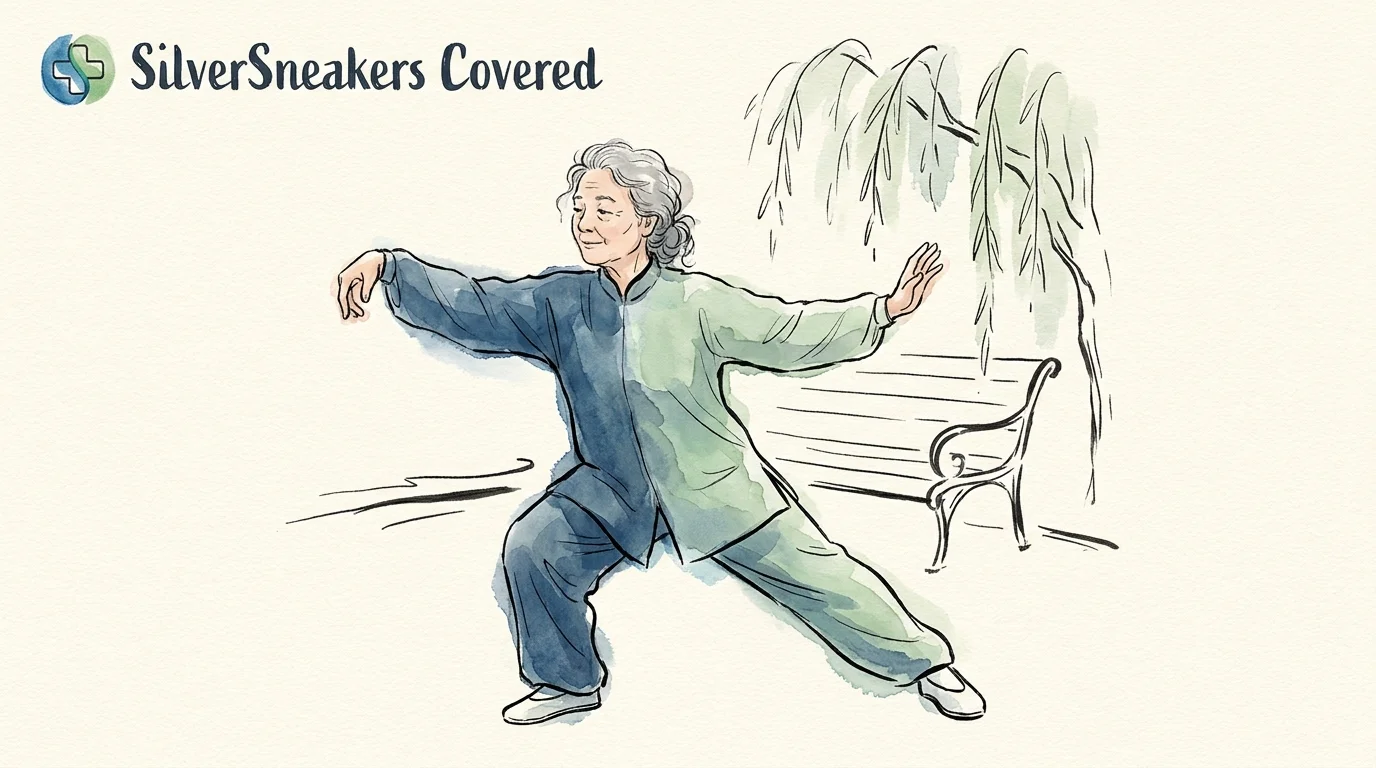
Tai Chi is widely considered the gold standard for senior fall prevention. This ancient martial art focuses on slow, deliberate movements and continuous weight shifting. When you practice Tai Chi, you actively engage your proprioceptive system; this is the internal feedback loop between your nerves and muscles that tells your brain exactly where your body is in space.
From a financial perspective, Tai Chi is incredibly cost-effective. You do not need expensive equipment or specialized apparel. Furthermore, many Medicare Advantage plans cover Tai Chi classes through fitness benefits like SilverSneakers, allowing you to access premium instruction at zero out-of-pocket cost.
2. Pickleball: The Social Reflex Sharpener
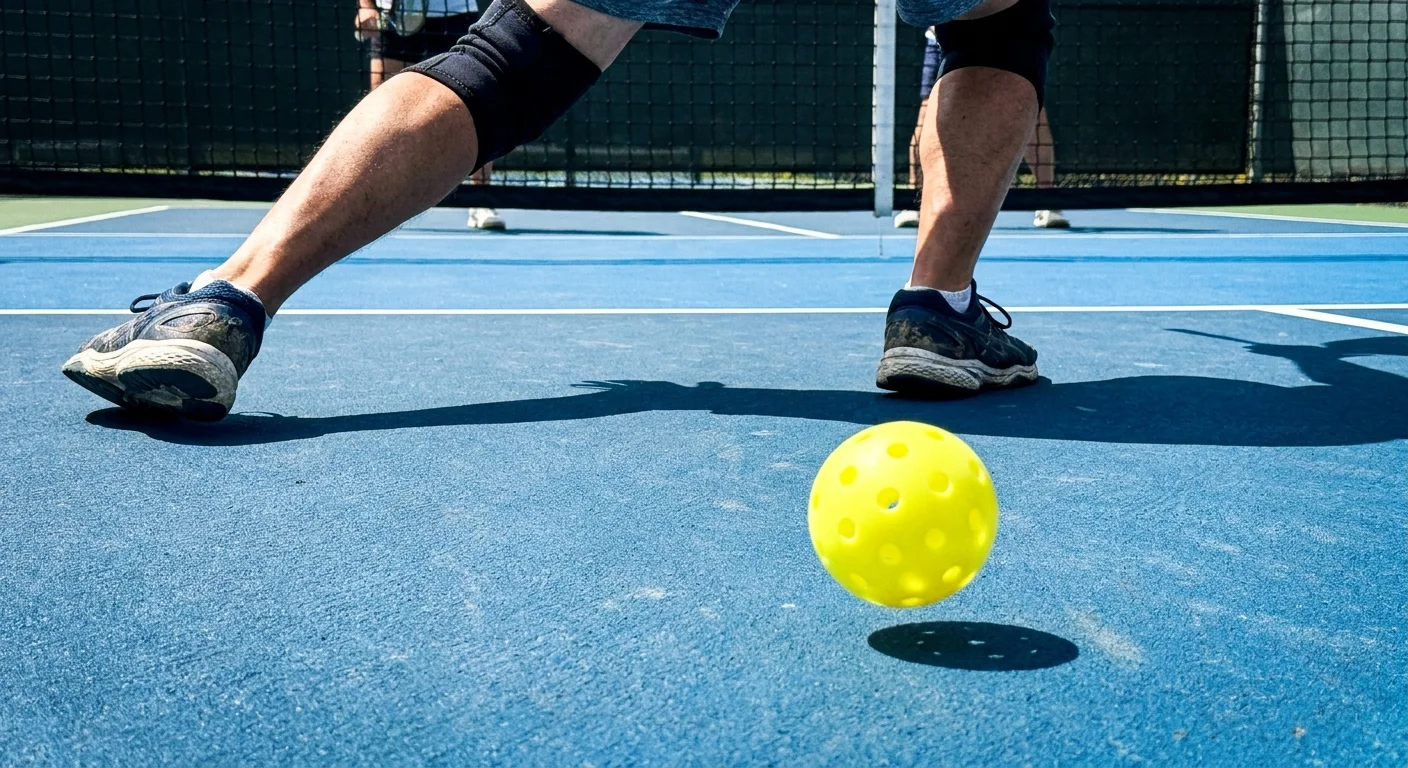
Pickleball has taken the senior community by storm, and its physical benefits extend far beyond social interaction. The sport requires constant lateral movement, quick directional changes, and sharp hand-eye coordination. Tracking the wiffle-like ball and timing your paddle swing forces your brain to process visual information rapidly and execute immediate motor responses.
Financially, pickleball is a remarkably affordable alternative to golf or tennis. Public courts are often free to use, and a high-quality starter paddle costs less than $50. Just ensure you invest in proper court shoes to support your ankles during those rapid stops and starts.

3. Gardening: The Functional Mobility Booster
Gardening might seem like a purely leisurely pursuit, but it is actually a highly functional coordination workout. Navigating uneven terrain in your yard challenges your ankle stabilizers. Reaching, bending, and gripping tools refine both your gross and fine motor skills. Planting tiny seeds requires exact finger dexterity, which helps preserve neurological connections in the hands and wrists.
Gardening also pays you back. Growing your own vegetables and herbs can offset grocery costs, creating extra room in your monthly budget. To protect your joints while gardening, utilize ergonomic tools and raised planter beds, minimizing the risk of lower back strain.
4. Dancing: The Cognitive Rhythm Enhancer
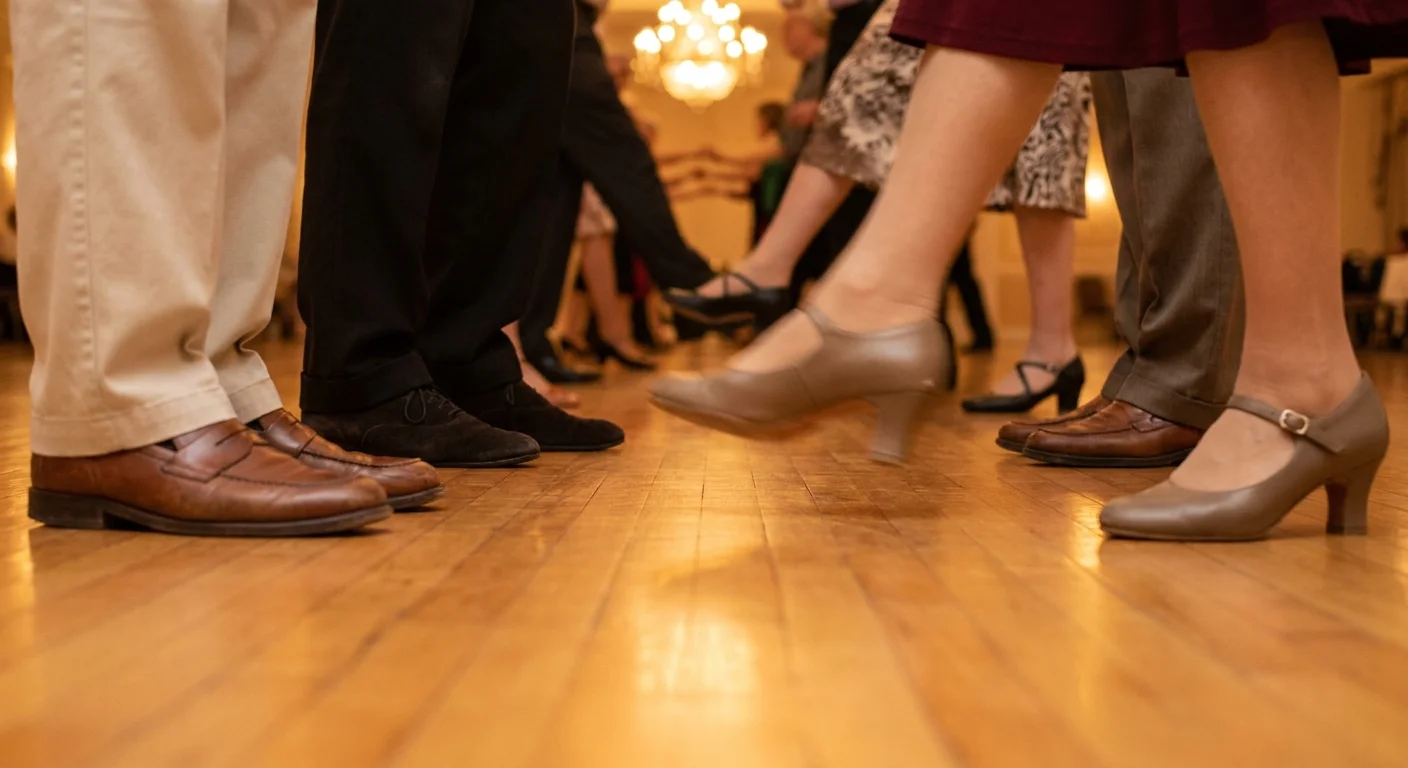
Whether it is ballroom, line dancing, or salsa, moving to music is a powerful cognitive and physical exercise. Dancing requires you to memorize step patterns, translating rhythmic auditory cues into physical movement. This dual-tasking strengthens the neural pathways between your brain and your limbs, making your everyday movements more fluid and coordinated.
Senior centers, community halls, and local recreational facilities frequently host dance nights for minimal entry fees. Beyond the physical benefits, the social engagement combats isolation, which medical professionals link to faster physical and cognitive decline.
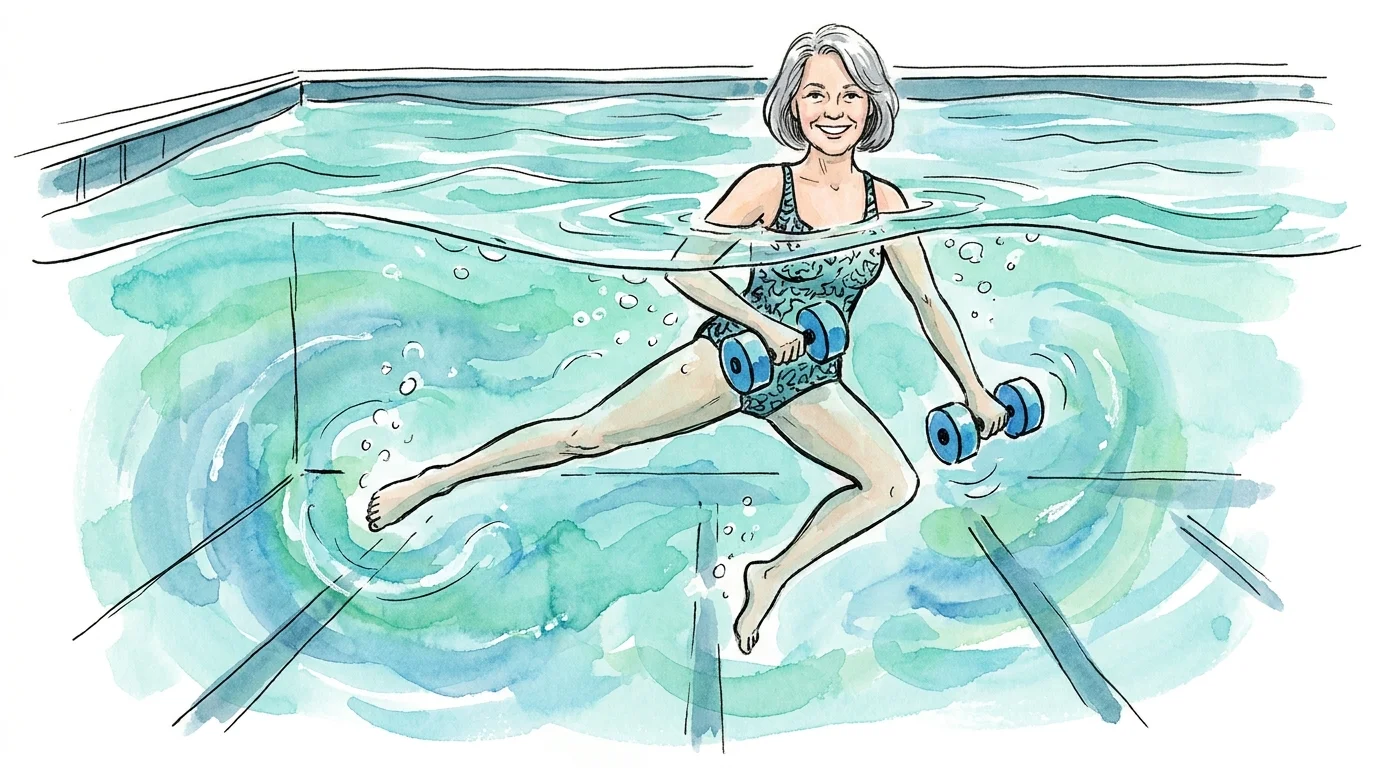
5. Swimming and Water Aerobics: The Joint-Friendly Stabilizer
Water provides a unique environment for coordination training. Because water is denser than air, every movement encounters multidirectional resistance. This builds the stabilizer muscles around your core, hips, and knees without exposing your joints to high-impact stress. Maintaining your balance against the shifting currents of a pool forces your vestibular system—your inner ear balance mechanism—to adapt continuously.
Access to a swimming pool is one of the most popular perks utilized by seniors enrolled in Medicare Advantage fitness programs. Taking advantage of this benefit can save you hundreds of dollars annually in private health club dues.
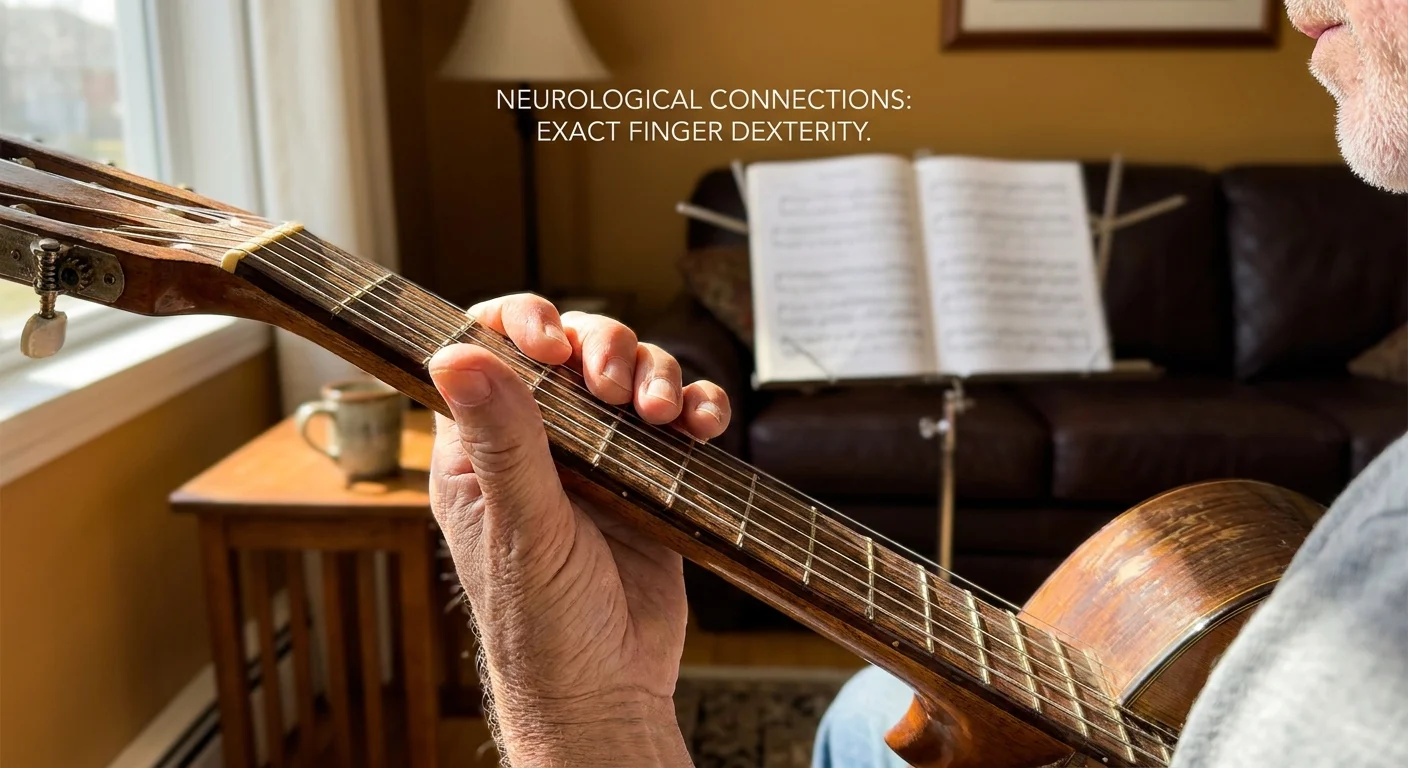
6. Playing a Musical Instrument: The Fine Motor Skill Preserver
Coordination involves much more than just staying on your feet; it also includes preserving your fine motor skills. Playing a musical instrument—such as a piano, an acoustic guitar, or a ukulele—demands intricate finger independence and precise hand-eye coordination. Reading sheet music while simultaneously moving your fingers requires rapid cognitive processing, which keeps your brain sharp.
You can find high-quality used instruments at local thrift stores or online marketplaces, making the initial investment highly manageable. The internet is filled with free instructional videos, eliminating the need for expensive private lessons.
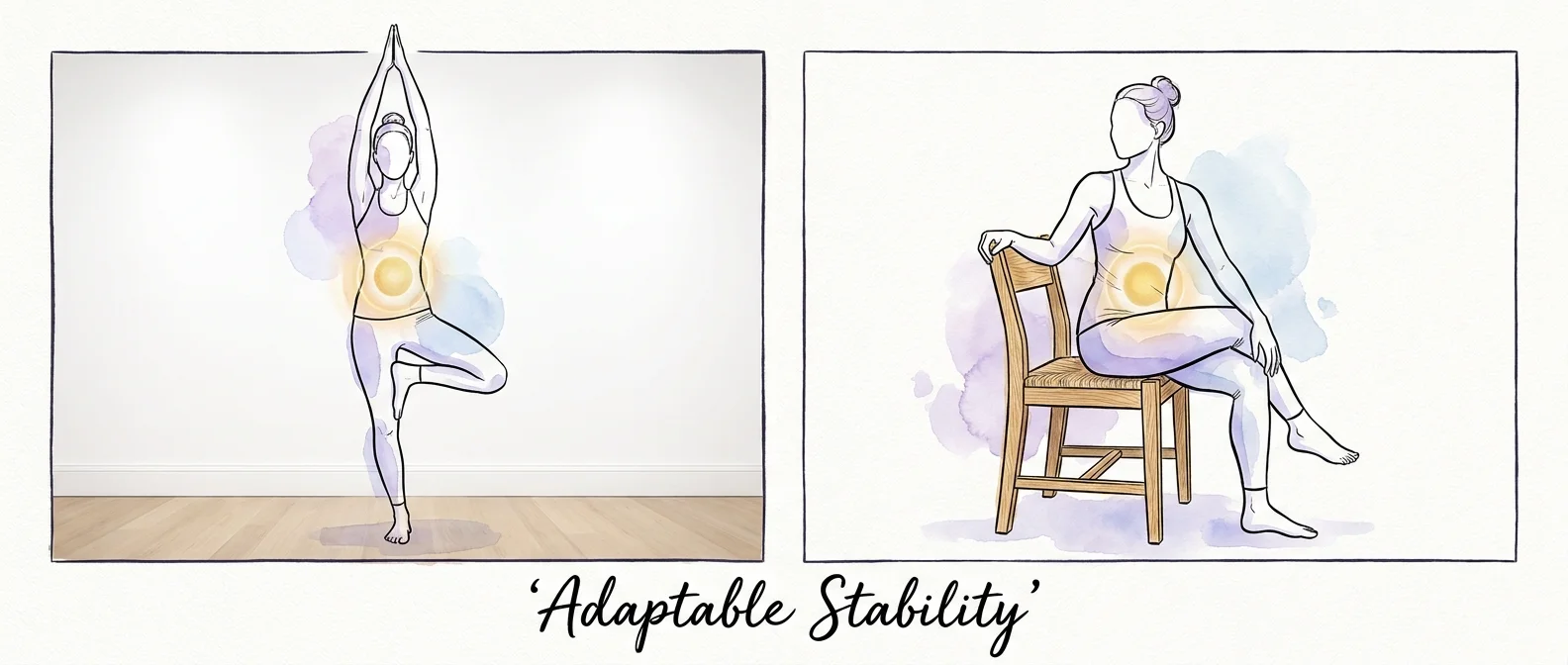
7. Yoga and Chair Yoga: The Core Strengthener
Yoga, particularly chair yoga and standing balance routines, directly targets the core muscles responsible for keeping you upright. Postures like Tree Pose or Warrior challenge your center of gravity, forcing your feet and ankles to make micro-adjustments to maintain stability. Over time, these micro-adjustments become automatic, drastically improving your reflex time if you happen to trip.
Like Tai Chi, yoga classes are widely available at subsidized rates through senior centers, or they are covered entirely by participating Medicare fitness plans.
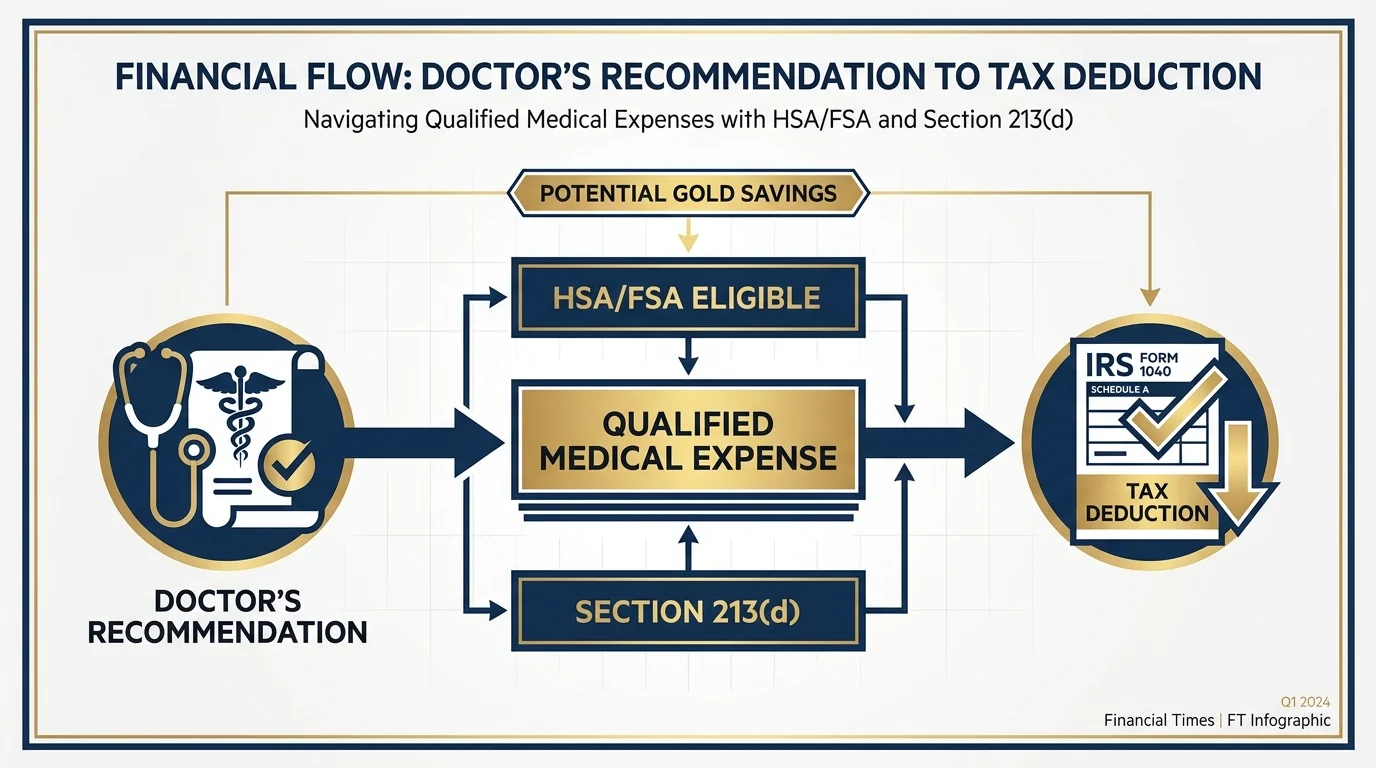
Leveraging Tax Benefits to Fund Your Hobbies
In 2026, freeing up cash flow to fund your active lifestyle is easier thanks to favorable tax codes. The IRS has implemented significant adjustments that directly benefit older adults. For tax year 2026, the standard deduction has increased to $32,200 for married couples filing jointly.
More importantly, taxpayers aged 65 and older can now claim an enhanced deduction of $6,000 per eligible individual under the One, Big, Beautiful Bill Act.
| Tax Benefit | 2025 Amount | 2026 Amount |
|---|---|---|
| Standard Deduction (Married Filing Jointly) | $31,500 | $32,200 |
| Enhanced Senior Deduction (Per Qualifying Individual 65+) | $6,000 | $6,000 |
This means a qualifying married couple could reduce their taxable income by an additional $12,000, assuming their modified adjusted gross income falls below the phase-out thresholds of $75,000 for single filers or $150,000 for joint filers. You can confidently redirect those tax savings into your health by purchasing better walking shoes, upgrading your gardening equipment, or taking a premium dance class.
For seniors who are still working, protecting your health allows you to maximize your workplace retirement accounts. In 2026, the basic contribution limit for a 401(k) is $24,500. Workers aged 50 and older are eligible for an additional $8,000 catch-up contribution, allowing you to aggressively fund your future while keeping your body in motion.
Costly Errors to Sidestep
Even with the best intentions, seniors often make minor missteps when adopting new hobbies that can lead to unnecessary expenses. Keep an eye out for these common pitfalls:
- Paying Out-of-Pocket for Covered Services: Do not sign a commercial gym contract before verifying your Medicare benefits. If you are enrolled in a Medicare Advantage plan, you likely have access to SilverSneakers or a similar program, granting you free entry to thousands of gyms nationwide.
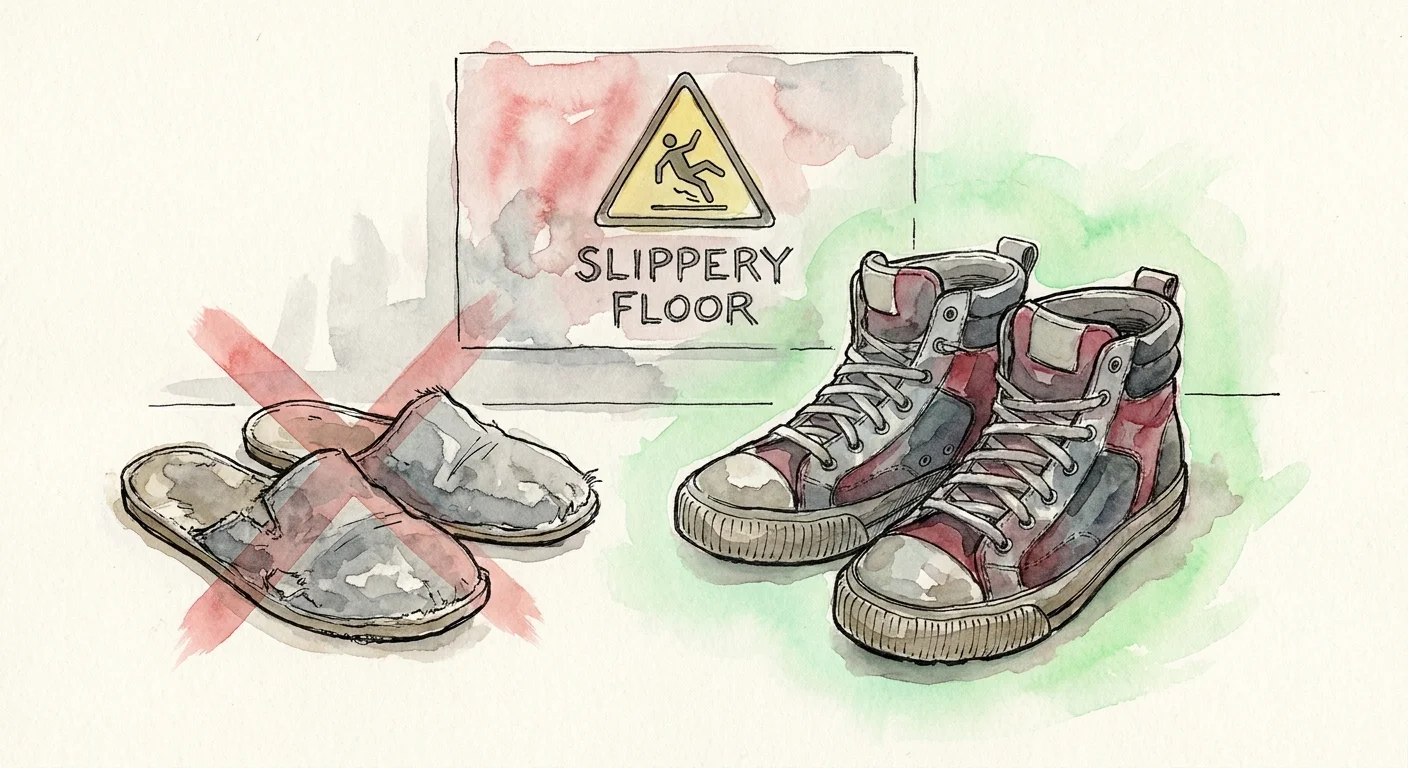
- Ignoring Proper Footwear: Buying cheap, unsupportive shoes for high-impact activities like pickleball is a false economy. The money you save upfront is often lost to podiatrist copays and physical therapy for plantar fasciitis or Achilles injuries.
- Missing the 2026 Enhanced Senior Deduction: Failing to claim the new $6,000 additional deduction when filing your taxes leaves money on the table that could easily fund your healthy habits.
- Neglecting High-Earner Catch-Up Rules: If you are still working and earned over $150,000 in 2025, remember that your 2026 catch-up contributions must be made as after-tax Roth deferrals. Failing to update your payroll settings can cause frustrating administrative headaches.
When DIY Isn’t Enough
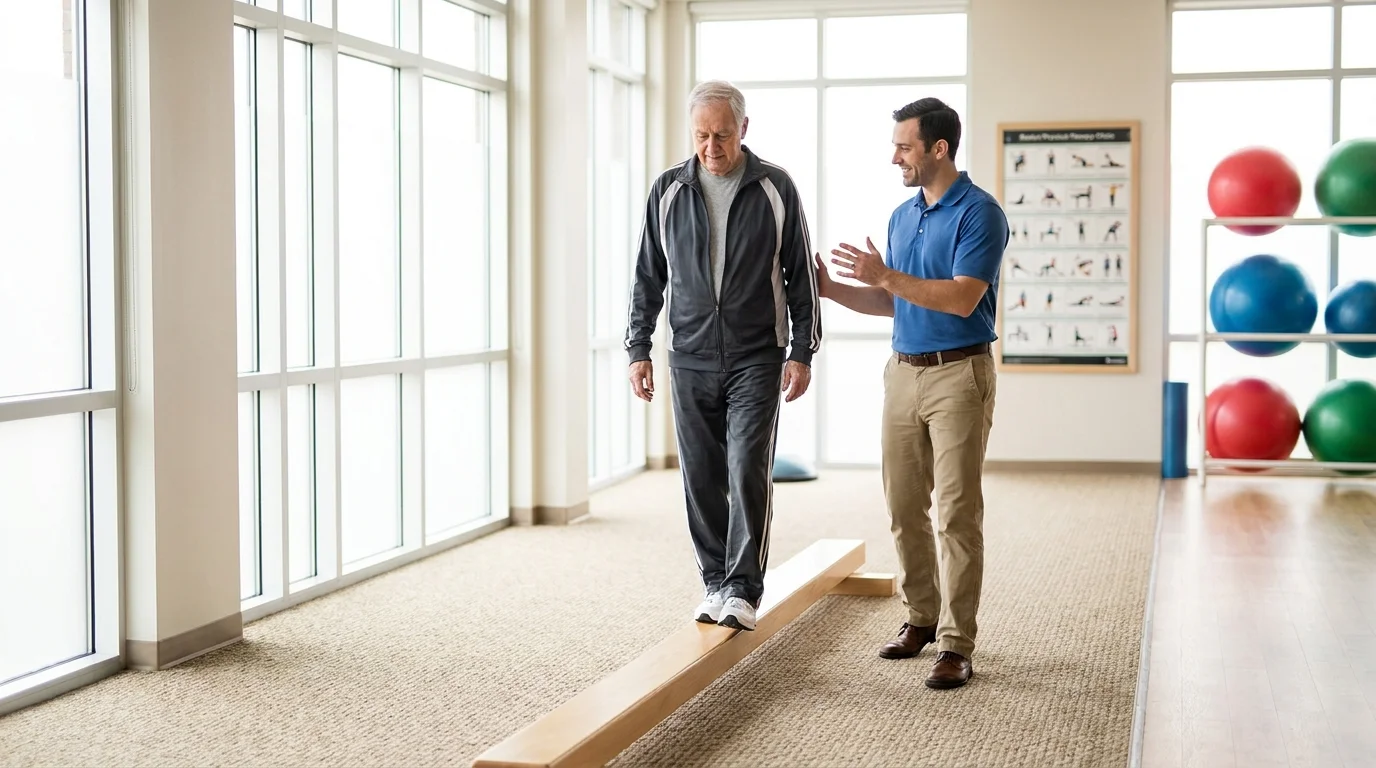
While recreational hobbies are excellent for maintaining coordination, they are not a substitute for clinical intervention. You should bypass the pickleball court and consult a medical professional or physical therapist if you experience any of the following:
- You have fallen more than once in the past six months.
- You experience frequent dizziness or vertigo, which may indicate a vestibular or inner ear issue.
- You are recovering from a recent joint replacement surgery and need targeted, supervised rehabilitation.
- You suffer from severe neuropathy in your feet, making it difficult to feel the ground securely.
Frequently Asked Questions
Does Medicare cover gym memberships for seniors?
Original Medicare (Parts A and B) does not cover gym memberships or fitness programs. However, many Medicare Advantage (Part C) plans include fitness benefits like SilverSneakers or Renew Active at no additional cost, which covers access to participating gyms and classes.
What is the new 2026 senior tax deduction?
Under the One, Big, Beautiful Bill Act, taxpayers aged 65 and older can claim a new enhanced deduction of $6,000 per eligible individual for tax years 2025 through 2028. This applies in addition to the standard deduction, though it phases out for higher-income earners.
How often should seniors practice coordination hobbies?
The National Council on Aging recommends that older adults engage in balance and coordination training at least three days per week. Consistency is far more important than intensity when it comes to retraining your neuromuscular system.
Moving Forward with Confidence
Improving your coordination is an ongoing process that pays lifelong dividends. By finding an activity you genuinely look forward to, you naturally build consistency into your routine. Every lateral step on the pickleball court, every weight shift in a Tai Chi class, and every chord played on a guitar acts as an insurance policy against preventable falls and the massive medical bills that accompany them.
Take a few moments this week to review your health insurance plan for hidden fitness benefits and discuss the new tax deductions with your preparer. Your path to better balance might already be fully funded. This article provides general financial education and information only. Everyone’s financial situation is unique—what works for others may not work for you. For personalized advice tailored to your retirement needs, consider consulting a qualified financial professional such as a CFP or CPA.
Last updated: May 2026. Benefit amounts, tax rules, and program details change annually—verify current figures with official government sources such as CDC.gov, Medicare.gov, and IRS.gov.