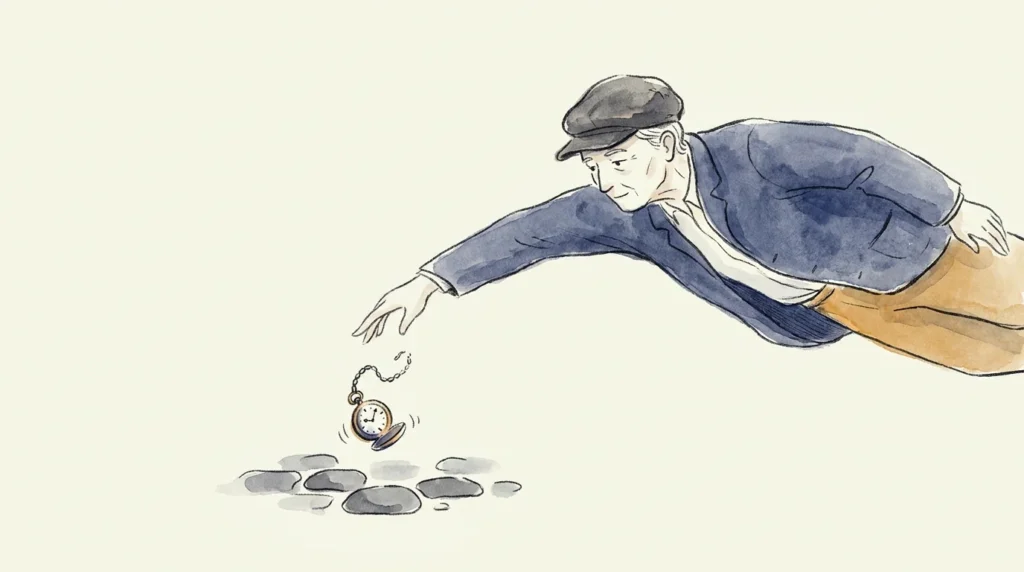
Staying active in retirement does more than protect your physical health—it directly shields your wallet from devastating medical expenses. According to the Centers for Disease Control and Prevention, falls among older adults cost the U.S. healthcare system over $80 billion annually. Fortunately, you do not need an expensive gym membership to build the strength and balance required to prevent these costly injuries. The routine chores you already do around your home are secretly doubling as highly effective, budget-friendly workouts. By treating daily household maintenance as a functional fitness plan, you can preserve your independent mobility, significantly reduce your out-of-pocket medical costs, and eliminate the need to hire expensive outside help for basic tasks.
The Hidden Financial Link Between Mobility and Healthcare Costs
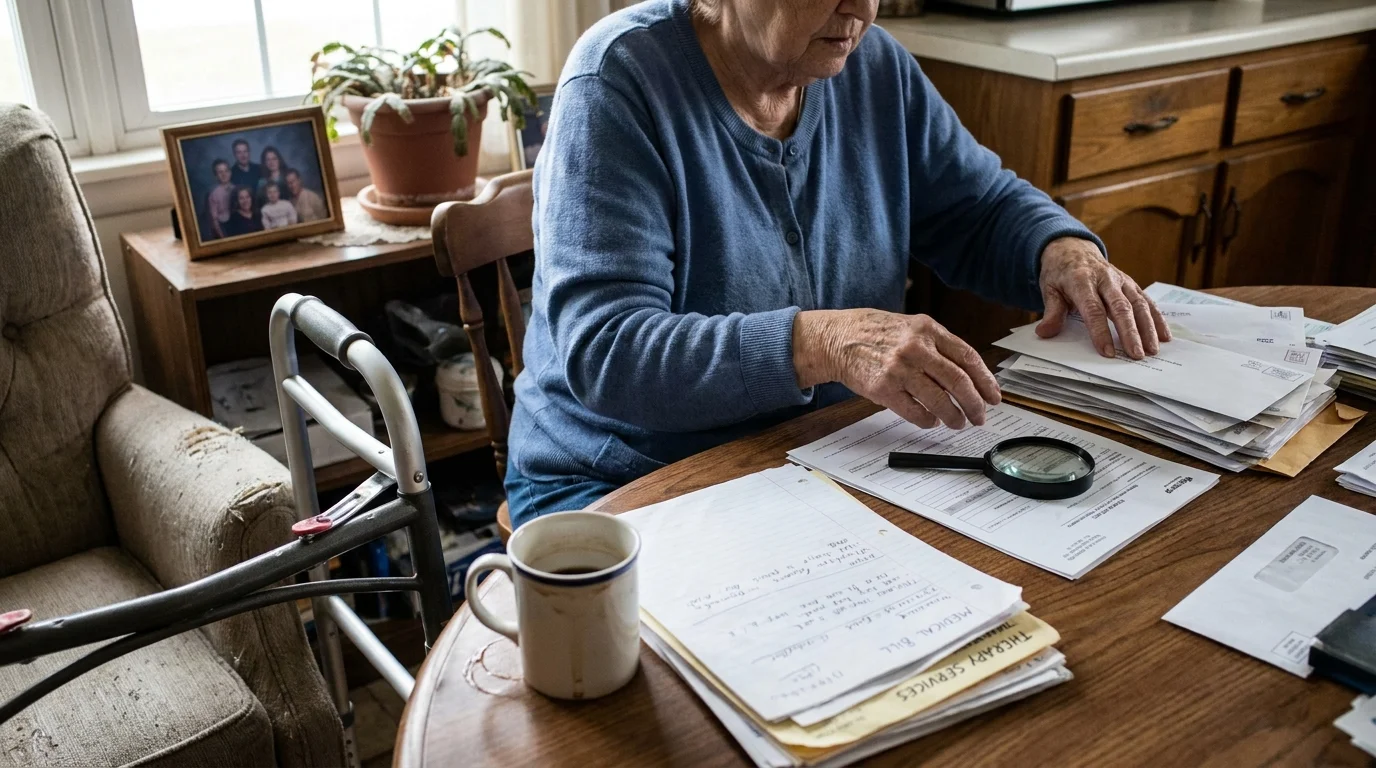
Health and wealth are deeply intertwined during retirement. When you stop moving, your muscles atrophy, your balance wanes, and your risk of a catastrophic fall skyrockets. A significant portion of the financial burden for these injuries falls directly on seniors through Medicare deductibles, copayments, and services that traditional health insurance simply does not cover.
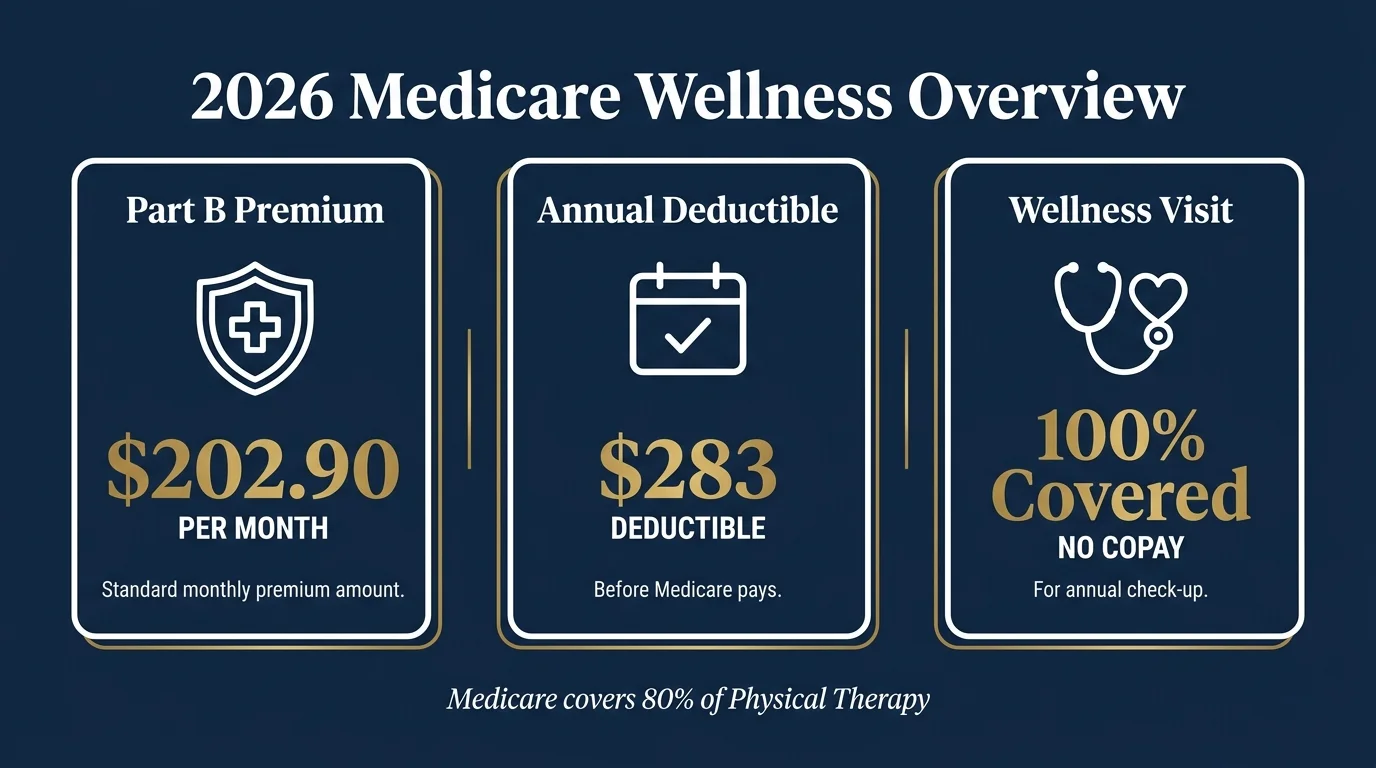
In 2026, the standard Medicare Part B premium is $202.90 per month, with an annual deductible of $283. If you require outpatient physical therapy to recover from a mobility-related injury, Medicare covers 80% of the approved amount, but you are responsible for the remaining 20% coinsurance. If a preventable fall results in a hospital admission, Medicare Part A requires a massive $1,736 deductible for your stay in 2026. Every household task that keeps your joints flexible and your muscles strong serves as a direct defense against these exorbitant medical bills.
According to a study published in BMJ Open Sport & Exercise Medicine analyzing NIH-AARP data, moderately active seniors spend roughly $1,200 less per year on healthcare than their consistently inactive peers. You do not need to spend money to unlock these savings. While the average gym membership costs roughly $828 annually, your own home provides a free, highly functional gymnasium.
“The best investment you can make is an investment in yourself. The more you learn, the more you’ll earn.” — Warren Buffett, Chairman and CEO of Berkshire Hathaway
1. Gardening and Yard Work: Nature’s Strength Training
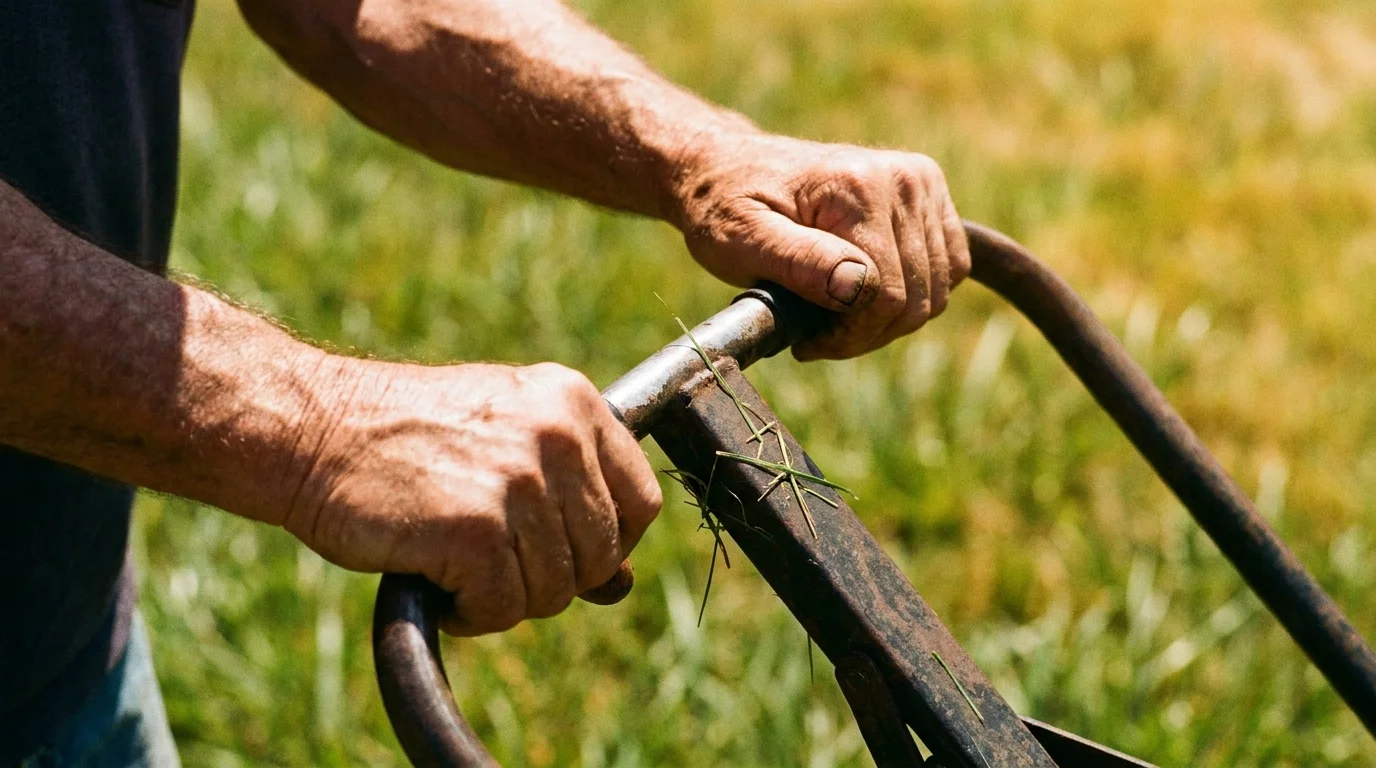
Tending to a garden or maintaining your front lawn requires a diverse range of physical movements. When you kneel to pull weeds, push a lawnmower, or lift bags of potting soil, you engage your core, back, and leg muscles. Gardening requires sustained physical effort, providing a low-impact form of cardiovascular exercise that gets you outside in the fresh air and provides natural vitamin D, which is essential for bone health.
From a financial perspective, taking ownership of your landscaping delivers immediate returns. Hiring a professional lawn service can cost between $100 and $200 per month, depending on the size of your property. By handling the mowing and weeding yourself, you keep over $1,200 a year in your pocket.
Additionally, growing your own vegetables provides a fantastic hedge against grocery store inflation. Cultivating tomatoes, peppers, leafy greens, and herbs directly reduces your weekly food expenditures, allowing your Social Security check to stretch further each month.
2. Sweeping, Mopping, and Vacuuming: Cardiovascular Endurance
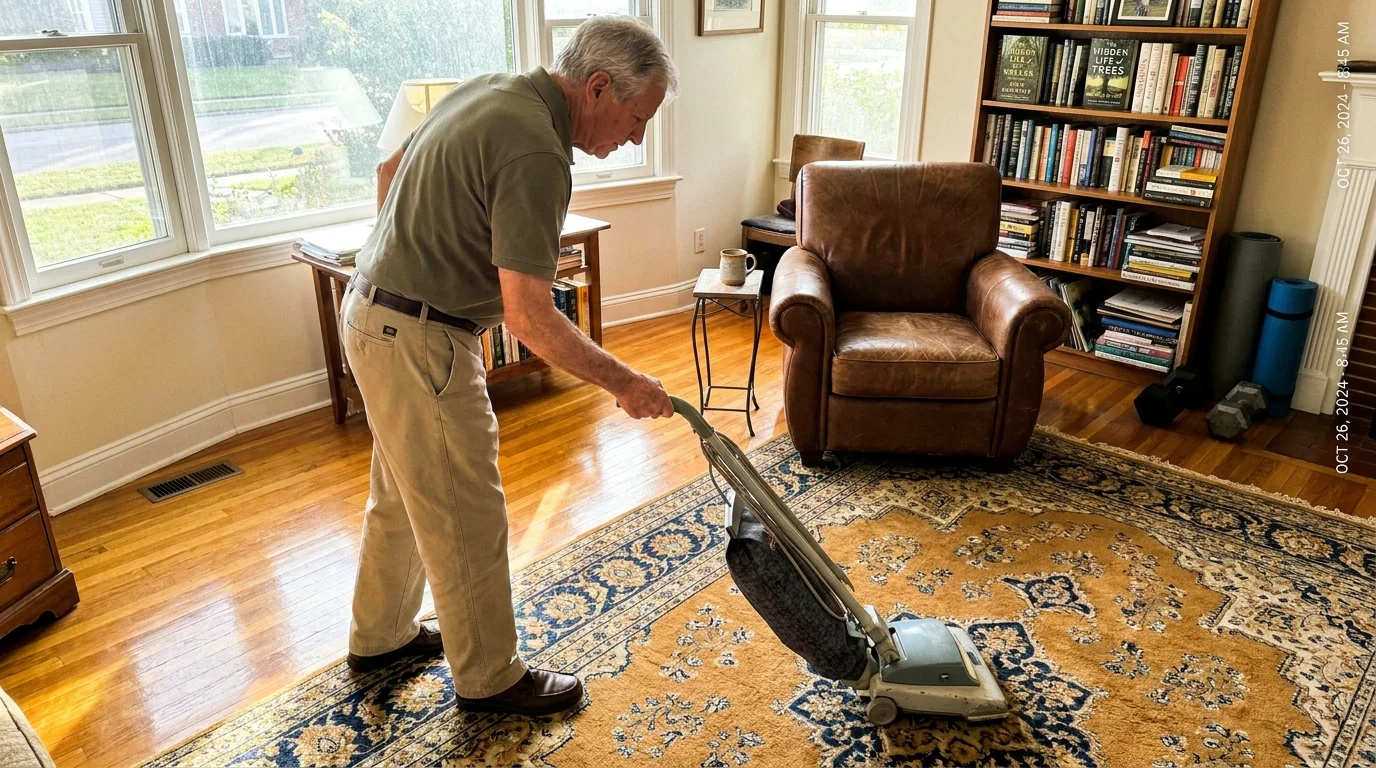
Household cleaning is often viewed as a tedious chore, but it is actually one of the most effective ways to build cardiovascular endurance without ever leaving your living room. Pushing a heavy vacuum across carpeted floors requires you to use your legs and upper body simultaneously. Mopping and sweeping involve continuous rotational movements of the torso, which strengthens your core and promotes a healthy, flexible spine.
Many seniors eventually hire professional cleaning services as their mobility declines. With the average house cleaning service charging $150 or more per visit, relying on outside help just twice a month costs a staggering $3,600 annually. By breaking up your cleaning tasks—vacuuming one room on Monday, dusting on Tuesday, and mopping on Wednesday—you maintain your home and your physical endurance for free.
Regular cleaning also removes physical hazards from your environment. Keeping your floors free of clutter and debris drastically reduces your risk of tripping, thereby safeguarding you from expensive medical bills.

3. Washing Your Vehicle by Hand: Upper Body Mobility
Driving to an automated car wash is undeniably convenient, but washing your vehicle by hand offers a spectacular upper-body workout. Reaching across the hood or roof of a car stretches your shoulders and back, which helps prevent stiffness and rotator cuff injuries. Scrubbing the doors and tires builds muscular endurance in your arms, wrists, and hands. Squatting down to wash the wheels and standing back up engages your quadriceps and glutes.
Financially, full-service car washes easily cost $20 to $40 per visit. If you wash your car every two weeks, doing it yourself saves you between $500 and $1,000 annually. You are essentially paying yourself to exercise.
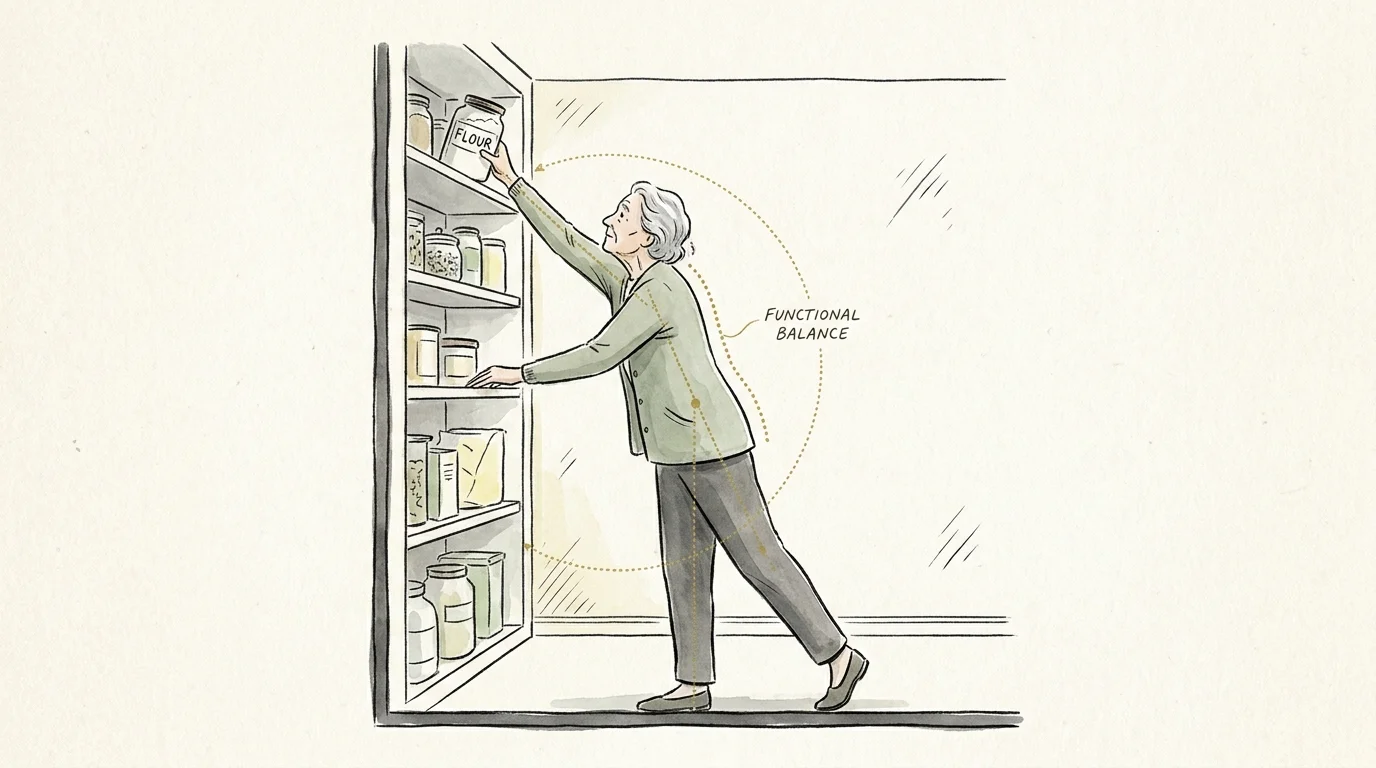
4. Reorganizing High and Low Shelves: Functional Balance
Organizing your kitchen cabinets, bedroom closets, or garage shelving forces your body to perform highly functional movements. When you place a stack of plates on a low shelf, you are performing a modified squat. When you reach overhead to store lightweight seasonal items, you are engaging your shoulder mobility and testing your balance.
Physical therapists frequently prescribe these exact movements to help seniors maintain their center of gravity. Preserving your balance is the single most effective way to prevent costly falls. The National Council on Aging (NCOA) highlights that simple strength and balance exercises are vital for healthy aging.
This task also presents a unique financial opportunity. As you sort through closets and cabinets, you will likely discover clothing, tools, or appliances you no longer need. You can sell these items online or at a garage sale to generate extra cash for your retirement fund. Alternatively, donating these goods to a registered charity may provide a valuable tax deduction if you itemize your taxes with the Internal Revenue Service (IRS).

5. Cooking Meals from Scratch: Standing Stamina
Preparing a meal from scratch requires you to stand for 30 to 45 minutes, constantly shifting your weight, walking between the refrigerator and the stove, and using your hands to chop ingredients. This sustained standing builds stamina in your lower back and legs. Chopping and stirring maintain fine motor skills and hand-eye coordination.
The financial benefits of cooking at home cannot be overstated. Dining out or using food delivery apps involves massive markups, delivery fees, and tips. A meal that costs $30 to have delivered can often be prepared at home for less than $8. Over the course of a year, relying on your own cooking skills rather than restaurants can easily save a retired couple upwards of $4,000.
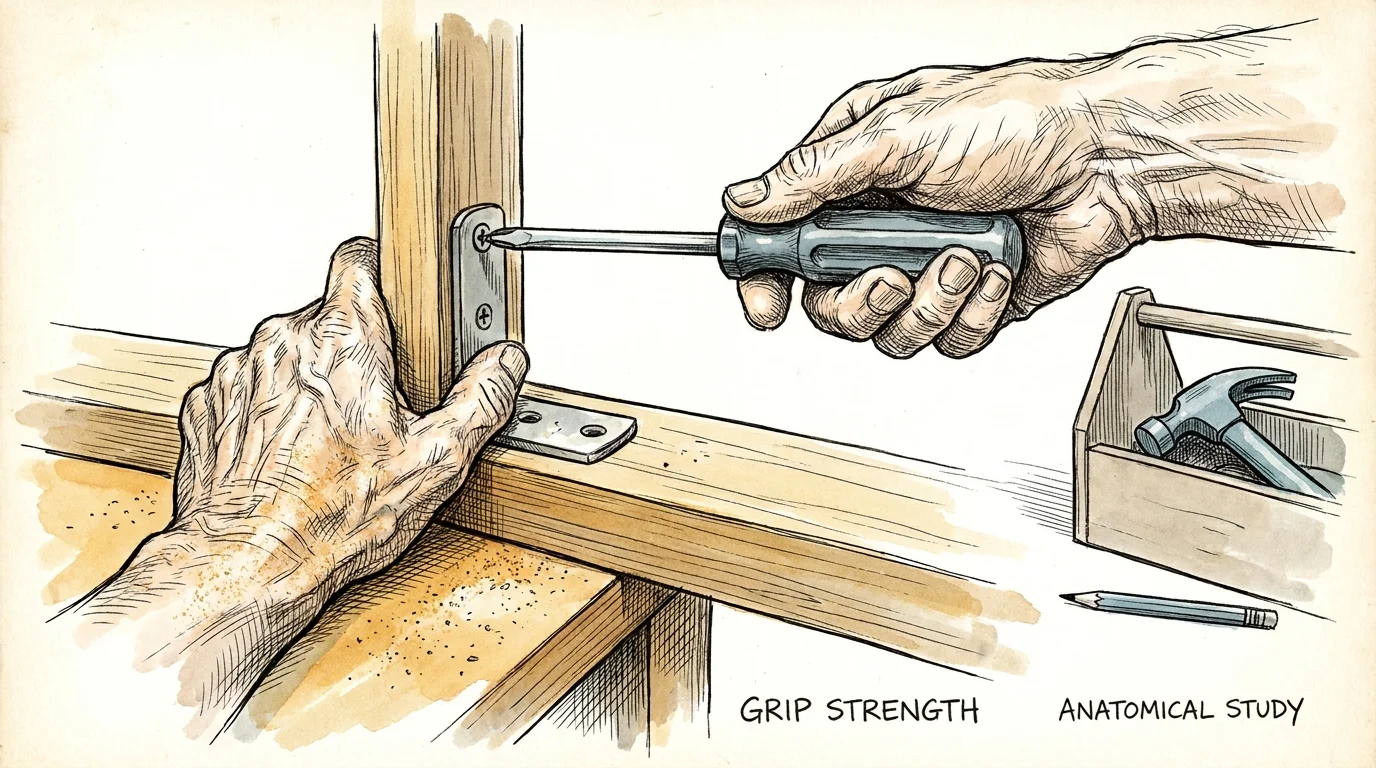
6. Routine DIY Home Maintenance: Grip Strength and Dexterity
Performing minor home repairs keeps your hands and fingers nimble. Tightening loose cabinet hinges, replacing weather stripping around doors, or touching up trim paint requires fine motor skills. Medical professionals widely consider grip strength to be a key biomarker for overall longevity and vitality in older adults. Using screwdrivers, wrenches, and paintbrushes directly trains the muscles in your hands and forearms.
Financially, hiring a professional handyman often comes with a minimum call-out fee just to assess the problem, with hourly rates easily exceeding $75 to $150. By handling simple maintenance tasks yourself, you protect your retirement savings. Furthermore, tasks like replacing weather stripping directly lower your monthly utility bills by improving your home’s energy efficiency.

7. Taking Out the Trash and Hauling Recycling: The Farmer’s Carry
Carrying bags of trash or dragging a heavy recycling bin down the driveway mimics a classic strength-training exercise known as the “farmer’s carry.” This movement forces you to stabilize your core, engage your back muscles, and grip a heavy load. Weight-bearing exercises like this are critical for stimulating bone growth and preventing osteoporosis, a condition that makes fractures far more likely if you do experience a fall.
Managing your own waste removal prevents municipal fines for overflowing bins and deters pests that could lead to expensive extermination bills. It is a simple, weekly routine that guarantees you are lifting weights and walking—two foundational pillars of senior fitness.
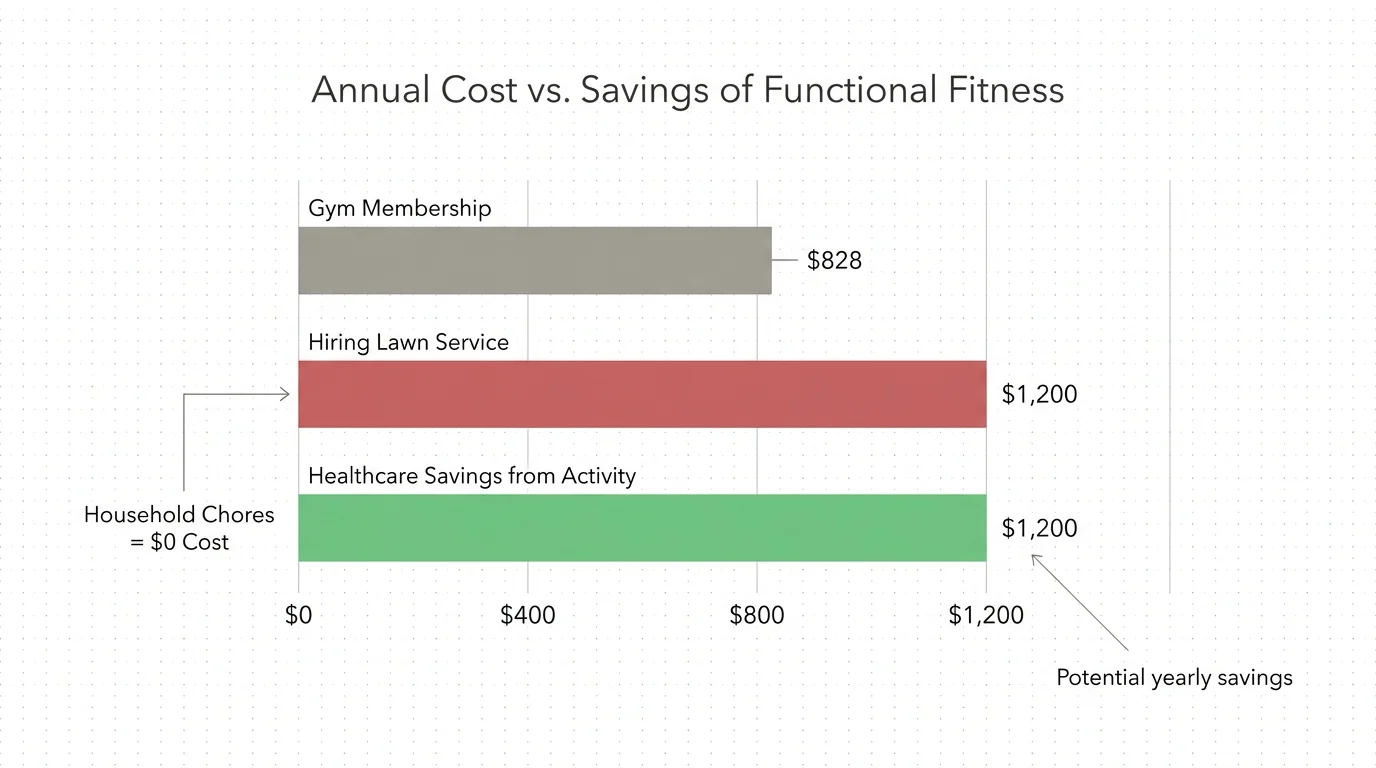
Comparing the Financial Value of Household Fitness
Replacing professional services with your own physical effort yields massive annual savings. Here is a breakdown of how much you could save by treating chores as a workout:
| Household Task | Physical Benefit | Estimated Financial Replacement Cost |
|---|---|---|
| Gardening & Lawn Care | Flexibility & core strength | $100 – $200 monthly for landscaping |
| Deep Cleaning | Cardiovascular endurance | $150+ per cleaning service visit |
| Washing the Car | Upper body strength & stretching | $20 – $40 per full-service car wash |
| DIY Home Repairs | Grip strength & dexterity | $75 – $150 hourly for a handyman |
| Cooking from Scratch | Standing stamina & hand-eye coordination | $20 – $50 markup per delivery order |
Pitfalls to Watch For
While household chores offer fantastic physical and financial benefits, safety must always come first. An injury negates all the money you saved by avoiding professional services. Watch out for these common mistakes:
- Risking Injury on Ladders: Falls from ladders are notoriously dangerous. Never attempt to clean your own gutters, trim high tree branches, or patch a roof if it requires climbing. The cost of a handyman is microscopic compared to the $1,736 Medicare Part A hospital deductible and the devastating physical toll of a broken hip.
- Ignoring Medicare Advantage Fitness Benefits: If you truly want to join a gym but are deterred by the cost, check your Medicare coverage. Many Medicare Advantage (Part C) plans include fitness programs like SilverSneakers or Renew Active at no additional premium. Do not pay out-of-pocket for a gym if your insurance already covers it.
- Overexertion: Treat your chores like a workout, which means you need to pace yourself. Do not attempt to deep clean your entire house in one afternoon. Overexertion can lead to strained muscles, forcing you to pay for doctor visits and prescription pain relief.
- Wearing Improper Footwear: Vacuuming in socks on hardwood floors is a recipe for disaster. Always wear supportive, non-slip indoor shoes when performing active household tasks to maintain your grip and protect your arches.

Getting Expert Help
Knowing when to step back and hire a professional is just as important as staying active. You should always consult experts in the following scenarios:
- Hazardous Home Repairs: Electrical work, major plumbing issues, and structural repairs should always be handled by licensed professionals. The risk of electrocution, water damage, or structural failure far outweighs any potential cost savings.
- Heavy Lifting: If you are reorganizing furniture or moving heavy appliances, hire local movers or ask able-bodied family members for help. Lifting a couch incorrectly can cause severe spinal injuries.
- Financial and Care Planning: If you find that household tasks are becoming too difficult to manage safely, it may be time to reassess your living situation. Consider speaking with a Certified Financial Planner (CFP) about leveraging your long-term care insurance or exploring community living options before a medical emergency forces the decision.
Maximizing Your Medicare Wellness Benefits
Beyond household chores, make sure you are utilizing the preventative care benefits you have already paid for through your payroll taxes. Under Original Medicare, you are entitled to a free Annual Wellness Visit. During this visit, your doctor will assess your current physical condition, check your cognitive function, and create a personalized prevention plan.
Your doctor can provide specific guidance on which household movements are safe for your particular joints and which you should avoid. You can find more details about covered preventative services by visiting Medicare.gov or reviewing guidelines from MedlinePlus.
Frequently Asked Questions
Does Medicare pay for a gym membership?
Original Medicare (Part A and Part B) does not cover gym memberships or fitness programs. However, if you are enrolled in a Medicare Advantage (Part C) plan, your policy may include fitness benefits like SilverSneakers or Renew Active at no additional premium. Check your specific plan documents to see what wellness benefits are available to you.
Are home modifications for mobility tax-deductible?
They can be. If you make home modifications for medical reasons—such as installing grab bars, building a wheelchair ramp, or widening doorways—the IRS may allow you to deduct these costs as medical expenses. For the 2025 and 2026 tax years, you can deduct qualified medical expenses that exceed 7.5% of your Adjusted Gross Income (AGI), provided you itemize your deductions on Schedule A.
Does Medicare cover physical therapy if I injure myself at home?
Yes, Medicare Part B covers medically necessary outpatient physical therapy. Once you meet your annual Part B deductible ($283 in 2026), Medicare pays 80% of the Medicare-approved amount, and you are responsible for the remaining 20% coinsurance.
Treating your daily chores as a functional fitness routine is a brilliant way to protect both your physical health and your retirement savings. You do not need to lift heavy barbells or run marathons to stay in shape; the simple acts of sweeping, gardening, and cooking provide immense cardiovascular and muscular benefits. By staying consistently active around the house, you reduce your reliance on expensive hired help, lower your risk of costly medical emergencies, and maintain your independence for years to come.
Disclaimer: This article provides general financial education and information only. Everyone’s financial situation is unique—what works for others may not work for you. For personalized advice tailored to your retirement needs, consider consulting a qualified financial professional such as a CFP or CPA.
Last updated: May 2026. Benefit amounts, tax rules, and program details change annually—verify current figures with official government sources.