
If your weekly receipt feels heavier than it did a few years ago, it is not your imagination. Despite Target’s recent price cuts on select store-brand items, the cost of name-brand household essentials remains stubbornly high. With inflation reaching 3.3% in early 2026, relying on a single big-box retailer for convenience quickly drains a fixed retirement income. You do not have to accept paying premium prices for everyday necessities. By shifting where you buy groceries, medications, and household supplies, you can protect your budget without sacrificing quality. Here are five specific items that quietly increased in price at Target, along with the smartest alternative retailers to stretch your hard-earned money further.

1. Name-Brand Groceries and Pantry Staples
Target features beautifully designed, brightly lit grocery sections that make shopping a pleasant experience, but you pay a premium for that ambiance. While the retailer announced price reductions across thousands of items in late 2025 and early 2026, those price cuts heavily favored their in-house Good & Gather brand. If you prefer national brands for your morning coffee, breakfast cereal, canned soups, or favorite snacks, you are likely paying more at Target than necessary.
Food inflation remains a persistent challenge for seniors living on fixed incomes. When you buy your weekly groceries at a massive general merchandise store known primarily for clothing and home goods, you miss out on the razor-thin competitive pricing models that dedicated grocery stores use to attract neighborhood shoppers.
Where to buy instead:
- Aldi: This discount grocery chain keeps overhead remarkably low and passes the savings directly to you. They achieve lower prices through efficient practices like requiring shoppers to bag their own groceries and depositing a quarter to use a cart. You can often cut your grocery bill by a significant margin simply by switching your staple purchases here.
- Walmart: For genuine name-brand loyalty, Walmart consistently beats Target on pricing for boxed goods, canned foods, and dairy products. Their massive supply chain allows them to negotiate lower prices from manufacturers.
- Local Supermarket Sales: Traditional neighborhood supermarkets run weekly loss-leader promotions. These are heavily discounted items sold below cost simply to get you in the door. Buying meat and produce when it goes on sale rather than paying Target’s everyday price makes a noticeable difference in your monthly spending.
If rising food costs continue to strain your household budget, explore the resources provided by the National Council on Aging (NCOA). The organization offers an excellent benefits screening tool to help you determine if you qualify for programs like the Supplemental Nutrition Assistance Program (SNAP), which regularly updates its benefit limits to account for inflation.
2. Over-the-Counter Medications and Vitamins
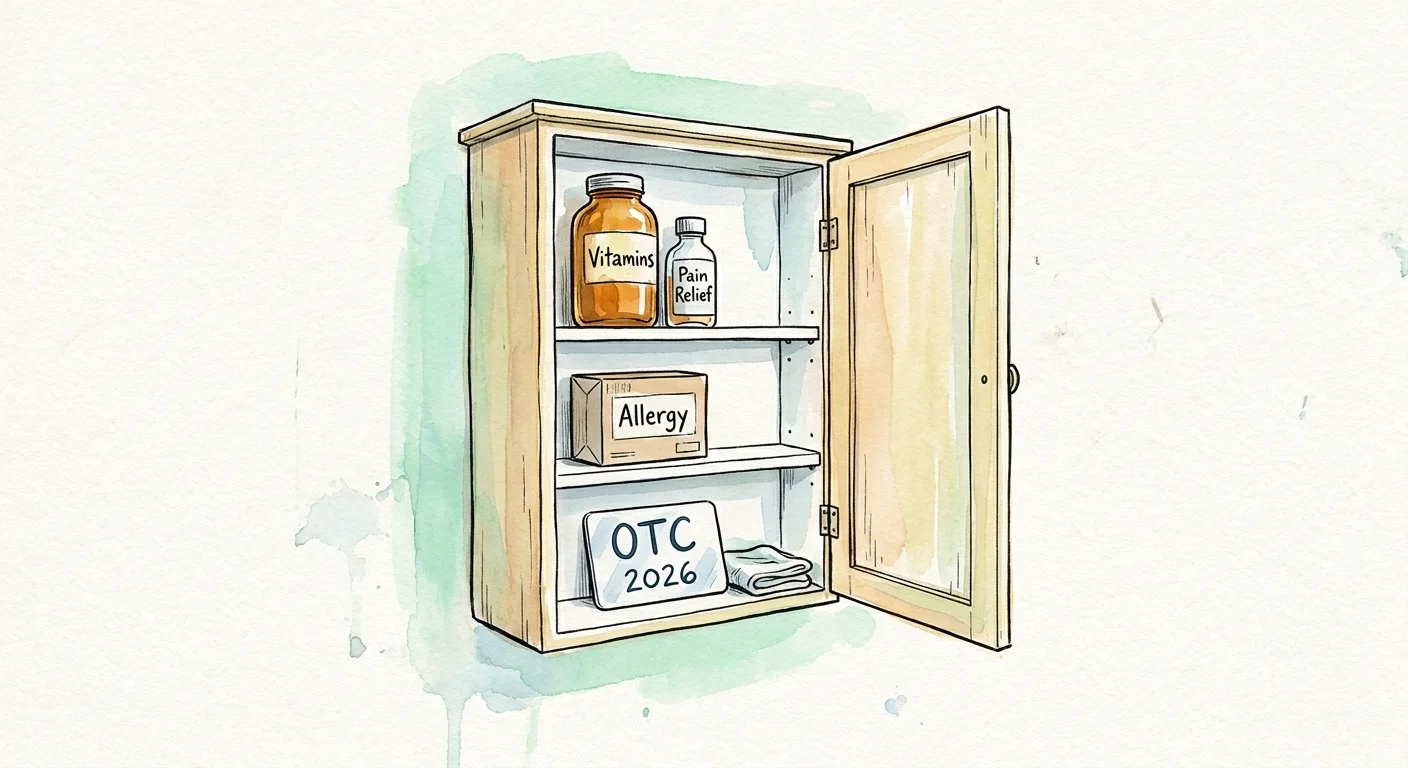
Walking through the pristine pharmacy aisles at Target makes it incredibly easy to toss a bottle of ibuprofen, allergy relief pills, or a daily multivitamin into your cart. However, retail pharmacies located inside big-box stores typically carry the highest markups on health and wellness essentials.
A standard bottle of name-brand joint supplement or acid reducer can cost several dollars more at Target compared to online alternatives or specialized health retailers. Over the course of a year, paying full retail markup for first-aid supplies, cold medicine, and daily vitamins quietly chips away at your hard-earned savings.
Where to buy instead:
- Your Medicare Advantage OTC Allowance: In 2026, nearly 80 percent of Medicare Advantage enrollees have access to an Over-the-Counter benefits card. This pre-loaded card provides a set dollar amount every quarter to spend on approved health items like bandages, pain relievers, and toothpaste. Never pay out of pocket for vitamins if you have an unused OTC balance. You can review your specific plan details and coverage rules at Medicare.gov.
- Cost Plus Drugs: For both prescription medications and standard over-the-counter items, online platforms offer completely transparent pricing. They charge the manufacturing cost plus a flat 15 percent markup and a small pharmacy fee, completely eliminating the steep retail markups you find at big-box stores.
- Generic Store Brands: If you prefer to shop in person, alternative store brands like Walmart’s Equate line or CVS Health generics consistently undercut Target’s Up & Up brand pricing on essential medical supplies.
3. Household Paper Products
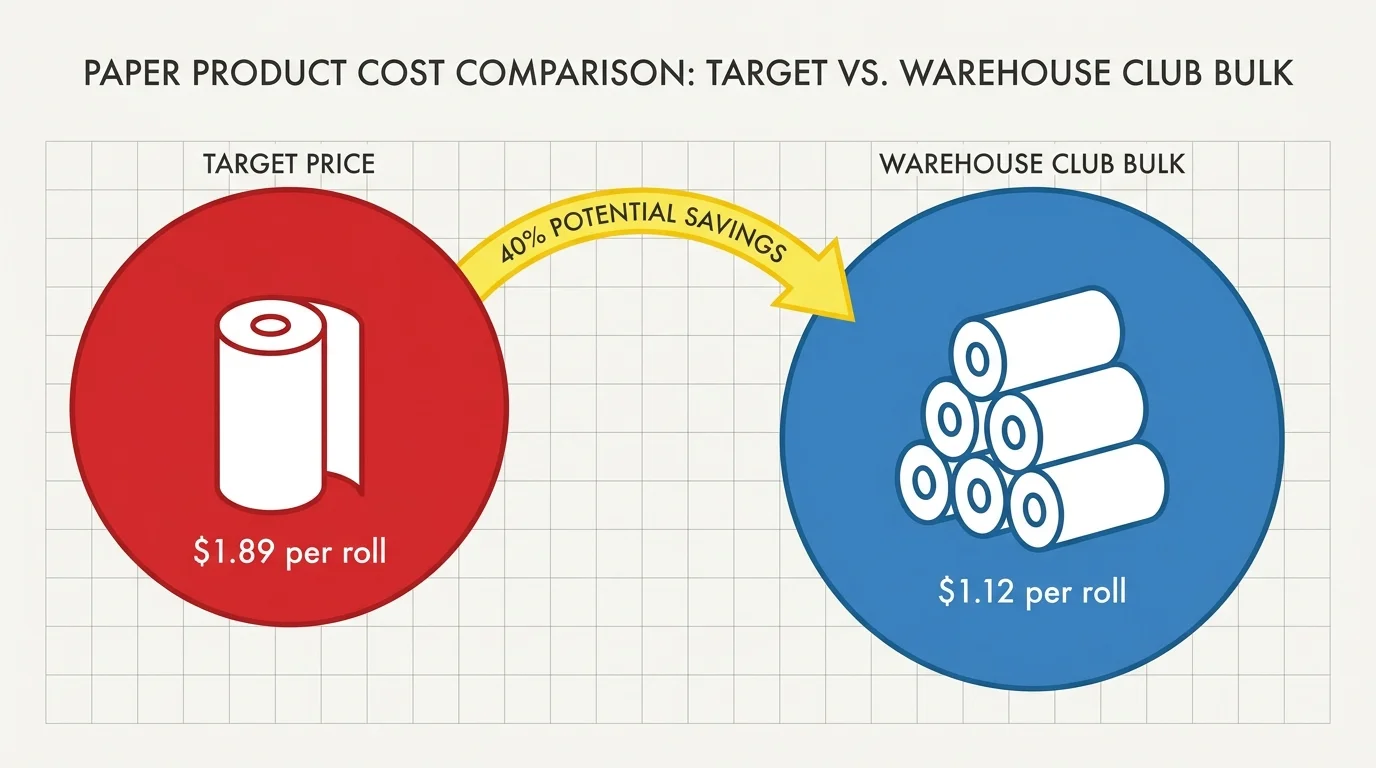
Toilet paper, paper towels, and facial tissues take up massive amounts of physical shelf space, which costs retailers significant money in real estate and storage. Target passes those storage costs directly onto shoppers. Buying small, four-pack or six-pack rolls of paper products is one of the fastest ways to drain your household budget.
You might assume that buying a smaller package is better for a fixed budget, but the price per sheet or price per roll is drastically inflated compared to bulk alternatives.
Where to buy instead:
- Warehouse Clubs: Costco and Sam’s Club absolutely dominate the paper goods category. Buying in bulk requires an upfront financial investment, but the per-sheet cost is drastically lower. If a warehouse club membership feels too expensive, consider splitting the annual fee and the bulk items with a trusted neighbor or family member.
- Amazon Subscribe & Save: If carrying massive packages of paper towels to your car and into your home is physically difficult, consider subscription delivery services. Amazon delivers bulk paper products directly to your door. Their Subscribe & Save program offers up to a 15 percent discount off standard prices, easily beating Target’s shelf prices. You maintain full control and can easily skip a delivery if your shelves are already fully stocked.
“Do not save what is left after spending, but spend what is left after saving.” — Warren Buffett, Investor and Philanthropist

4. Personal Care and Beauty Essentials
Items like shampoo, body wash, toothpaste, and moisturizing lotions have seen some of the stealthiest price increases over the last three years. Retailers know that consumers develop very strong loyalties to specific personal care brands, particularly for sensitive skin or specific hair care needs. This brand loyalty makes it easier for stores to slowly raise prices without triggering customer alarm.
Target heavily markets its trendy beauty aisles, but that shopping convenience comes at a steep cost. You will rarely find aggressive manufacturer coupons or deep discount stacking opportunities on their shelves.
Where to buy instead:
- Drugstores with Reward Programs: Dedicated pharmacies like CVS and Walgreens generally display higher initial sticker prices, but they offer highly aggressive rewards programs. By strategically using CVS ExtraBucks or Walgreens Cash in combination with digital manufacturer coupons, you can frequently acquire toothpaste and shampoo for mere pennies on the dollar.
- Discount Retailers: Stores like Dollar General or Family Dollar have aggressively expanded their name-brand personal care offerings. You can frequently find the exact same brand of body wash or lotion for significantly less than the big-box price. Just be sure to verify the fluid ounces to ensure you are getting a true bargain.
For more strategies on managing daily expenses, the Consumer Financial Protection Bureau (CFPB) offers excellent free educational resources on navigating household budgeting on a fixed income.

5. Pet Food and Supplies
Your pets are beloved members of your family, but feeding them has become remarkably expensive. Pet food prices soared during recent inflationary periods, often outpacing human food price increases. Big-box retailers like Target maintained very high margins on both wet and dry foods, particularly for specialized or grain-free diets.
Target’s pet aisle offers undeniable convenience when you are already buying household goods, but you pay heavily for that privilege. Furthermore, carrying heavy bags of kibble or giant boxes of cat litter from the shelf to your cart, then loading them into your car, and finally lugging them into your home puts unnecessary physical strain on your body.
Where to buy instead:
- Online Pet Retailers: Dedicated online stores like Chewy offer auto-ship discounts that generally knock 30 percent off your first order and maintain a steady 5 percent discount on all recurring deliveries. Best of all, delivery drivers bring the heavy bags right to your front door, saving your back and your wallet.
- Farm and Feed Stores: If you prefer shopping in person, farm supply stores like Tractor Supply Co. typically price pet supplies and bulk foods much lower than general merchandise retailers. They cater to working animals and large breed owners, meaning their bulk pricing structures are highly competitive.
Pitfalls to Watch For
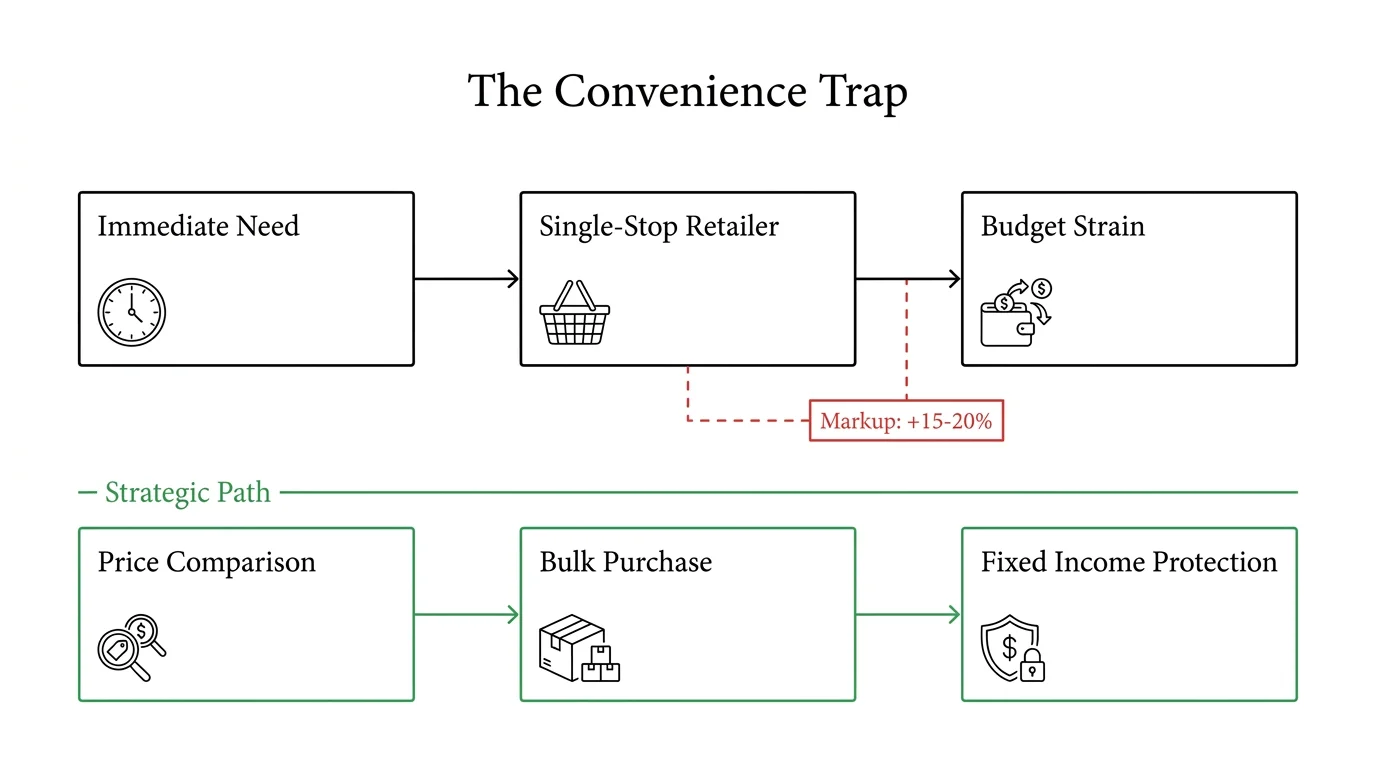
As you adjust your shopping habits to protect your retirement income, watch out for these common consumer traps that can undermine your savings strategy:
- Falling for the Big-Box Trance: Stores like Target employ brilliant retail psychology designed to make you buy things you did not plan to purchase. A simple trip for a carton of eggs and a greeting card often turns into a cart full of seasonal decor, clearance clothing, and specialty snacks. Shopping at specialized or strict discount stores severely limits this temptation.
- Focusing on Price Instead of Unit Cost: Retailers frequently engage in shrinkflation, a practice where they reduce the product size while keeping the price exactly the same. Always look closely at the price tag on the shelf to find the precise price per ounce or price per count. This unit pricing is the only mathematically accurate way to compare values across different retail chains.
- Letting Health Allowances Expire: In 2026, the national median maximum out-of-pocket limit for Medicare Advantage plans increased to $5,900. With medical costs rising, taking full advantage of your included benefits is vital. Medicare Advantage quarterly OTC allowances generally follow a strict use-it-or-lose-it rule. If you do not spend your allocated funds by the end of the quarter, they simply disappear. Set a recurring calendar reminder to stock up on covered essentials before your balance resets.
- Ignoring Membership Discounts: Countless organizations provide extensive shopping discounts that go entirely unused by their members. Review the shopping and retail benefits available through your AARP membership or other senior advocacy groups. Even small discounts of 5 to 10 percent at participating retailers compound into massive savings over a calendar year.
Making intentional adjustments to where you shop yields substantial savings over the course of a year. You worked hard to build your retirement savings. Keeping those dollars secure requires stepping away from the simple convenience of a single big-box store and adopting a strategic approach to your everyday purchases. Try switching your loyalty on just one of these five categories this month, and watch how quickly the savings accumulate in your bank account.
This is educational content based on general financial principles for seniors. Individual results vary based on your situation. Always verify current benefit amounts, tax rules, and program eligibility with official government sources.
Last updated: May 2026. Benefit amounts, tax rules, and program details change annually—verify current figures with official government sources.