
Outdated bank information on file can quietly disrupt your retirement finances, causing missed Social Security payments, unexpected paper checks, and frustrating administrative delays. When federal agencies or service providers try to deposit funds into a closed or updated account, payments bounce back to the U.S. Treasury, often freezing your benefits for up to thirty days. Beyond simple inconvenience, outdated banking details expose you to financial fraud and potential account escheatment under state unclaimed property laws. Auditing your financial records today ensures your monthly income arrives reliably and securely. Here are ten critical warning signs that your bank information requires an immediate update across your providers.
Why Keeping Your Banking Info Current Is Essential for Seniors
Managing your money during retirement requires clean, accurate connections between your financial institutions and income sources. Outdated bank information risks create unnecessary friction, leading to delayed pension payouts, returned tax refunds, and accidental overdraft fees. Over time, you might switch financial institutions, close secondary checking accounts, or experience bank mergers that alter your routing details. When you leave old bank details on file with payors or billing companies, automated transactions break down.
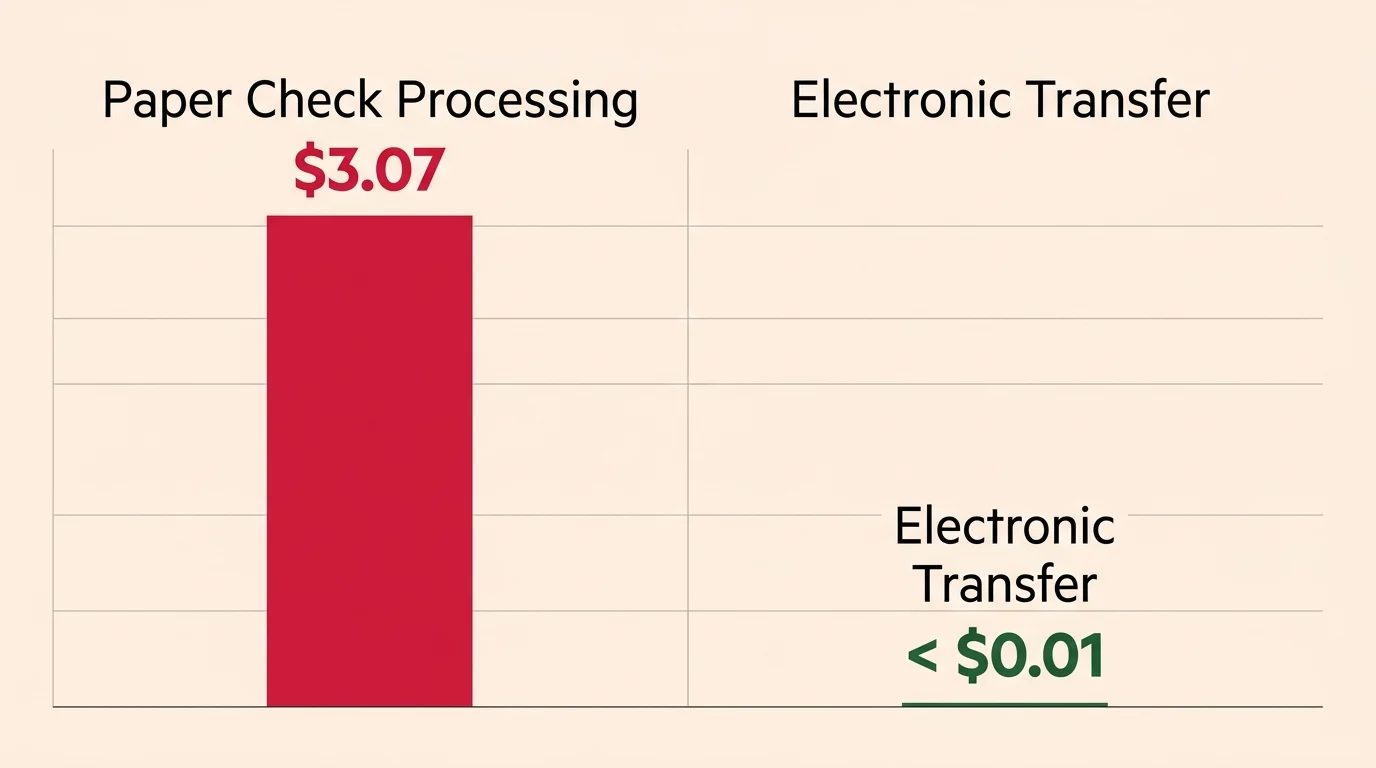
Federal agencies have aggressively shifted toward all-electronic payments to reduce costs and heighten efficiency. Under Treasury Department guidelines and executive directives, paper check production is being phased out wherever possible. According to the U.S. Department of the Treasury, printing and mailing a physical check costs $3.07, whereas processing an electronic transfer costs fractions of a cent—making paper processing roughly twenty times more expensive. When an electronic deposit fails because of incorrect bank details on file, agencies default to manual check processing, which slows down your payment delivery significantly.
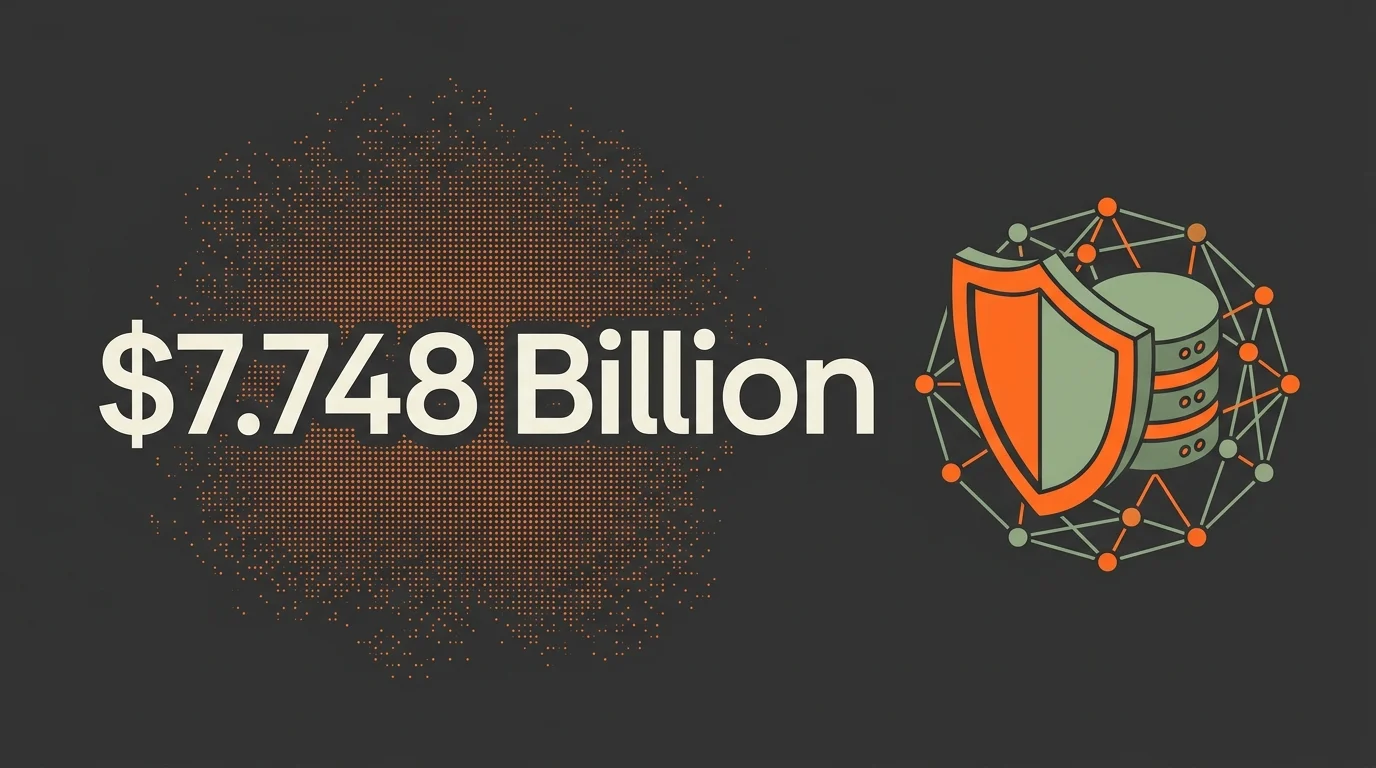
Security is another urgent reason for keeping banking info current. According to the FBI Internet Crime Complaint Center (IC3) 2025 report published in 2026, Americans aged 60 and older reported $7.748 billion in financial losses across 201,266 complaints—a staggering 59% increase in total losses compared to 2024. Old, unmonitored bank accounts and unverified routing details create blind spots that fraudsters exploit through identity theft and unauthorized debits. Ensuring every organization has your current, secure bank details on file protects your hard-earned savings.

10 Signs Your Bank Information on File Is Outdated
1. You Received an Unexpected Paper Check in the Mail
If you usually receive monthly benefit payments or investment distributions via direct deposit, receiving a physical check in your mailbox serves as an immediate warning sign. Government agencies, pension managers, and insurance providers automatically issue paper checks when an electronic automated clearing house (ACH) transfer fails. A paper check indicates that the account number or routing code on file was rejected during payment processing.
2. Your Social Security or SSI Deposit Was Delayed
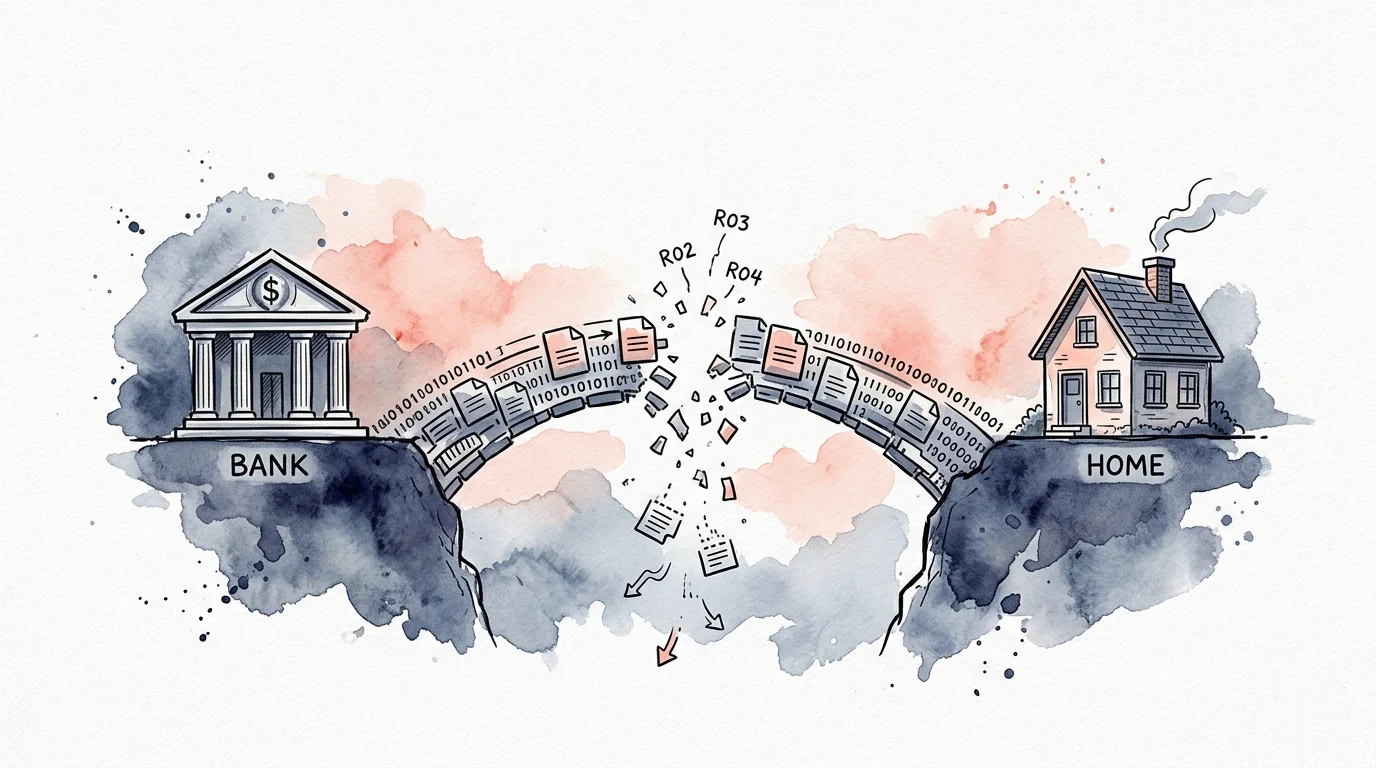
When the Social Security Administration (SSA) attempts a direct deposit into an invalid or closed account, the payment returns to the U.S. Treasury. In the banking industry, these failed payments trigger specific NACHA administrative return codes, such as R02 (Account Closed), R03 (No Account/Unable to Locate), or R04 (Invalid Account Number). Once a Social Security deposit bounces, federal safety protocols trigger an automatic payment hold lasting up to 30 days while administrative staff verify your identity and update your file.
3. You Switched Primary Banks Without Updating Direct Debits
Opening a new checking account at a local credit union or community bank is common during retirement, especially when seeking lower fees or better customer service. However, opening a new account does not automatically transfer your payment instructions. If you forget about updating bank account information with utility providers, supplemental health insurance policies, or local tax authorities, recurring charges will fail, resulting in service interruptions and late penalties.
4. Your Bank Merged or Changed Its Routing Structure
Financial institution consolidations occur frequently across the financial landscape. When your bank merges with another entity, the acquiring institution usually issues a new routing number and may reformat your checking account number. While banks usually provide a temporary grace period—typically six to twelve months—during which legacy routing numbers redirect automatically, that window eventually closes. Once the transition period ends, transfers directed to the old routing number bounce back immediately.
5. Automatic Bill Payments Trigger Overdraft or Non-Sufficient Funds Fees
Surprise bank charges are clear indicators of outdated banking details. If a billing company tries to withdraw money from a closed or underfunded account, your bank will assess overdraft or non-sufficient funds (NSF) fees. According to consumer guidelines from the Consumer Financial Protection Bureau (CFPB), you hold the legal right to revoke automatic payment authorizations with creditors and update payment preferences at any time to prevent unlawful administrative fees.
6. You Haven’t Transacted on an Account in 3 to 5 Years
Maintaining secondary bank accounts without active transactions creates substantial legal and financial risks. Under state unclaimed property laws, deposit accounts left inactive without owner-initiated transactions or verified contact for 3 to 5 years (depending on your state of residence) are legally classified as abandoned. Financial institutions must surrender these funds to state treasuries through a legal process known as escheatment, forcing you to file complex claims to recover your money.
7. Your Tax Refund Arrived via Check Instead of Direct Deposit
When you submit your annual tax return to the Internal Revenue Service (IRS), you request direct deposit by entering your account and routing numbers. If those details do not match current banking records, the IRS algorithm automatically converts your refund into a paper check. This paper-check fallback extends your refund delivery timeline by several weeks and subjects your money to potential mail theft.
8. Mail from Your Financial Institutions Is Returned as Undeliverable
Address changes and banking updates go hand-in-hand. If you moved recently or established a seasonal address without updating your profile, post office returns alert your bank to a potential security breach. To protect against identity theft, banks frequently restrict account access and freeze electronic transfers when official correspondence returns marked as undeliverable.
9. Your Payor Received a High NACHA Return Notice
Organizations originating ACH direct deposits must maintain precise payment records under strict federal standards. Under NACHA operating rules, originators face formal compliance reviews if their administrative return rate for codes R02, R03, and R04 exceeds 3.0% over a rolling 60-day period. To stay compliant, payors immediately halt future payments to any recipient whose bank information generates an administrative return notice.
10. You Notice Active Direct Debits on a Legacy Account
Reviewing your monthly statements may reveal recurring debits still draining an old account you intended to close months ago. Leaving tiny recurring charges—such as streaming subscriptions or annual organizational dues—on a legacy account forces you to maintain minimum balances unnecessarily, multiplying your risk of forgotten maintenance fees.
What Can Go Wrong: Common Banking Update Mistakes Seniors Make
Updating your payment records seems simple, but administrative errors can cause significant financial disruptions. Avoiding these four common mistakes protects your household cash flow:
- Closing an Old Account Too Soon: Many seniors close their old bank account immediately after opening a new one. Always leave your old account open with a small cash buffer until you verify that at least one complete billing cycle of direct deposits and automated payments has successfully processed through the new account.
- Assuming Bank Mergers Handle Updates Automatically: While merged banks redirect incoming deposits temporarily, they do not update third-party senders like private pension funds, annuity companies, or the Department of Veterans Affairs. You must notify each payor manually.
- Forgetting Annual or Semi-Annual Direct Debits: Monthly utility bills are easy to remember, but annual automated withdrawals—such as property taxes, auto insurance, or umbrella policies—are easily overlooked until a payment defaults.
- Relying Exclusively on Postal Service Mail Forwarding: USPS mail forwarding is temporary and generally expires after twelve months. Critical financial notices sent after that window will not reach you unless you update your address directly with your bank.

Bank Account Information Checklist
Use this bank account information checklist to audit your existing connections and ensure all payors and service providers hold your correct details.
| Organization / Payor | Update Method | Required Details | Verification Step |
|---|---|---|---|
| Social Security Administration | Online portal (my Social Security) or call SSA | New Routing Number, Account Number, Account Type | Check online dashboard confirmation notice |
| Internal Revenue Service | IRS Online Account or next Form 1040 filing | Routing Number, Account Number | Confirm transcript listing upon tax filing |
| Pension & Annuity Providers | Direct member portal or customer care team | Voided check, Routing Number, Account Number | Review monthly distribution statement |
| U.S. Department of Veterans Affairs | VA.gov online portal or phone helpline | New Account details, direct deposit authorization | Verify deposit confirmation on next pay cycle |
| Utilities & Insurance Creditors | Online billing profiles or auto-pay settings | New Bank Account credentials or debit card info | Check upcoming monthly billing statement |
Direct Deposit vs. Paper Checks: Key Differences
Understanding how payment delivery methods stack up highlights why keeping banking info current is vital for financial security.
| Feature | Direct Deposit (ACH) | Paper Checks |
|---|---|---|
| Payment Delivery Speed | Instantaneous (Available on scheduled date) | 5–10 business days via postal transit |
| Processing Cost to Treasury | Fractions of a cent per transaction | $3.07 per check printed and mailed |
| Vulnerability to Theft / Loss | Extremely Low (Encrypted electronic network) | High (Risk of mail intercept or physical loss) |
| Impact of Invalid Credentials | 30-day Treasury hold if rejected | Re-issuance requires 4–6 weeks processing |
| State Escheatment Risk | Low (If primary account is active) | High (Uncashed checks escheat after 1–3 years) |

Expert Insights on Keeping Banking Info Current
“Simplicity in your financial life is the best defense against fraud and missed payments. Streamline your accounts and audit your direct deposits annually.” — Suze Orman, Personal Finance Expert
“When retirement distribution channels break down due to simple administrative errors, the ripple effect on tax planning and cash flow can take months to resolve.” — Ed Slott, CPA and IRA Specialist

When to Consult a Professional
While updating basic direct deposit forms is straightforward, certain financial transitions benefit from professional guidance. Consider consulting a qualified Certified Financial Planner (CFP) or Certified Public Accountant (CPA) in the following scenarios:
- Consolidating Multiple Retirement Accounts: If you are rolling over multiple 401(k) balances, traditional IRAs, or pension distributions into a single master account, a financial advisor ensures direct transfers avoid triggering unintended tax events.
- Recovering Escheated Assets: If an old, inactive account was turned over to state treasuries under unclaimed property laws, an estate planning attorney or financial professional can help you navigate state claims procedures.
- Managing Complex Trust Accounts: When updating banking details for accounts held within a revocable or irrevocable trust, professional legal and financial guidance guarantees compliance with trustee fiduciary rules.
- Recovering from Identity Theft: If unauthorized parties altered your banking records or compromised your personal identity, a financial advisor can assist in securing your accounts, placing credit freezes, and restoring clean record credentials across government portals.
Frequently Asked Questions
How do I update my bank details on file for Social Security benefits?
You can safely update your bank details online by logging into your official personal account on SSA.gov. Alternatively, you can make updates by calling the Social Security Administration directly at 1-800-772-1213 or visiting your local Social Security field office with a photo ID and a voided check from your new account.
What should I do if a bank merger changes my account routing number?
Contact your new bank to confirm the transition schedule and obtain your new routing and account numbers. Next, inform all organizations that send you direct deposits—such as pension administrators, the VA, or the IRS—as well as any creditors who debit your account automatically.
How long does it take to fix a bounced direct deposit from the government?
If a government direct deposit bounces back due to an incorrect account number, the funds return to the U.S. Treasury. Fixing the issue typically takes between two and four weeks. Updating your banking information promptly online helps speed up the re-issuance process.
How can I find out if I have abandoned bank accounts in unclaimed property?
You can search for abandoned accounts free of charge using official state unclaimed property databases or multi-state search tools accessible via USA.gov. Search under your full legal name, maiden name, and previous addresses to locate escheated funds.
Taking Control of Your Financial Records
Keeping banking info current is one of the simplest yet most effective ways to protect your retirement cash flow and secure your hard-earned benefits. Take fifteen minutes today to review your recent bank statements, list your active direct deposits and automated payments, and verify that every organization holds your correct, updated routing credentials.
This article provides general financial education and information only. Everyone’s financial situation is unique—what works for others may not work for you. For personalized advice tailored to your retirement needs, consider consulting a qualified financial professional such as a CFP or CPA.
Last updated: February 2026. Benefit amounts, tax rules, and program details change annually—verify current figures with official government sources.









Leave a Reply