
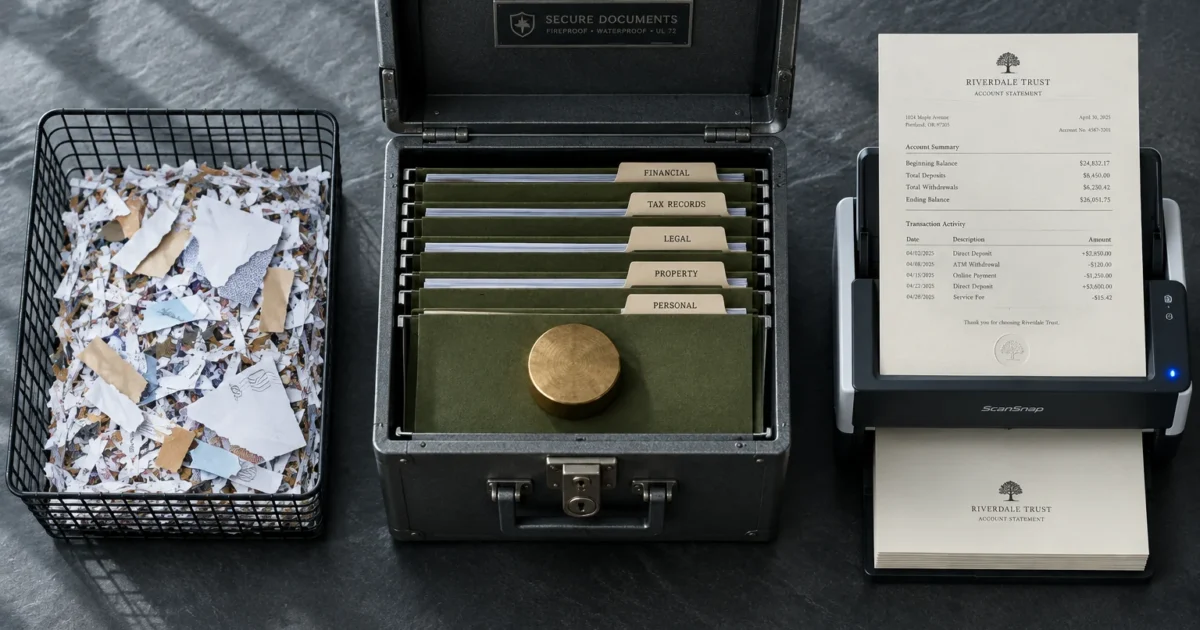
You can slash household clutter and aggressively defend your identity by sorting your financial paperwork into three clear piles today. Clutter invites confusion, while lost records create expensive headaches.
Keeping decades of expired utility receipts exposes you to needless disorganization, yet pitching the wrong retirement tax record can cause unexpected double taxation.
With older Americans losing billions annually to fraud, knowing what documents to shred and how long to keep documents is vital. Here is your actionable roadmap to shred, keep, or scan this year.
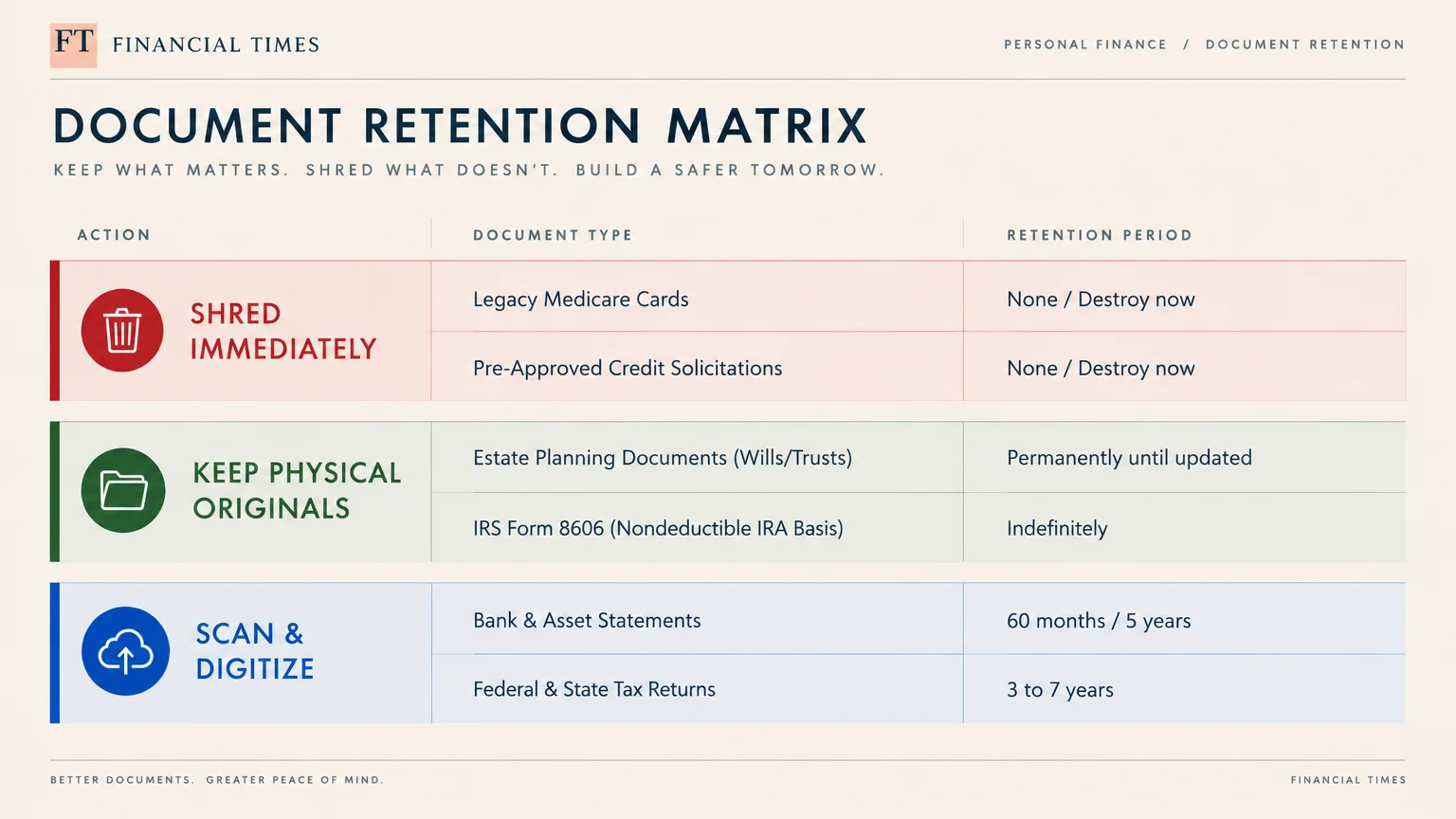
At a Glance: Document Retention for Retirees
Use this summary table to quickly identify how to handle your most common financial and legal papers.
| Document Category | Recommended Action | Required Retention Window | Primary Reason |
|---|---|---|---|
| Legacy Medicare Cards | Shred Immediately | None (Destroy now) | Exposes your Social Security number |
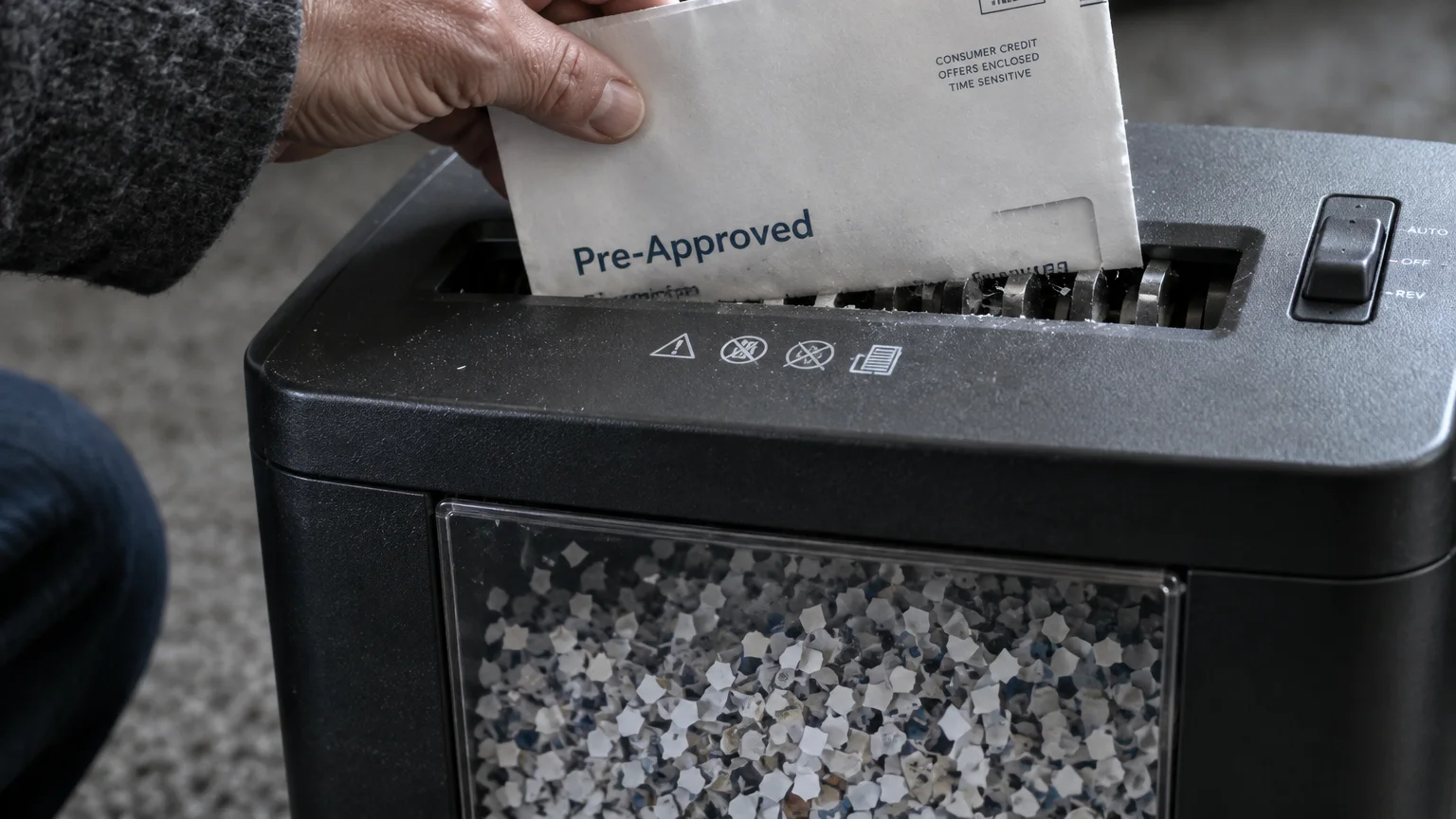
| Pre-Approved Credit Solicitations | Shred Immediately | None (Destroy now) | Prevents identity theft and account takeover |
| Paid Utility & Household Bills | Shred Regularly | 1 month (Post-clearing) | Obsolete once reconciled with bank statements |
| IRS Form 8606 (Nondeductible IRA Basis) | Keep Physical & Scan | Indefinitely | Prevents double taxation on distributions |
| Estate Planning Documents (Wills/Trusts) | Keep Physical Originals | Permanently until updated | Probate courts require wet-ink originals |
| Home Capital Improvement Receipts | Keep & Scan | Ownership duration + 3 years | Offsets capital gains on home sales |
| Bank & Asset Statements (Medicaid Prep) | Scan & Digitize | 60 months (5 years) | Complies with Medicaid look-back rules |
| Federal & State Income Tax Returns | Scan & Digitize | 3 to 7 years | Satisfies IRS audit statutes |
| Medical Invoices & Settled EOBs | Scan (if deductible) / Shred | 1 year (or 3 years for tax) | Verifies out-of-pocket medical deductions |
| Social Security & Pension Summaries | Scan & Digitize | 3 years | Substantiates 1099 income reporting |
What Retirees Should Shred Immediately
Identity thieves frequently target older Americans through unsecured paper trails. Shredding outdated paperwork eliminates vulnerability at the source.
1. Legacy Medicare Cards Showing Social Security Numbers
If you still own an old paper Medicare card showing your Social Security number, destroy it right away.
The Centers for Medicare & Medicaid Services finished replacing these cards with randomized, 11-character Medicare Beneficiary Identifiers (MBIs).
Carrying or storing your old card exposes your Social Security number to anyone who glances inside your wallet or filing cabinet. Check your current card at Medicare.gov to ensure you carry only the randomized identifier.
Feed old cards directly into a secure home shredder to block identity theft.
2. Pre-Approved Credit Card Solicitations and Junk Financial Mail
Criminals routinely snatch pre-approved credit offers straight out of suburban mailboxes and recycling bins.
According to Federal Trade Commission data, adults aged 60 and older reported over $3 billion in fraud losses in 2025. Imposter fraud and unauthorized account openings remain top threats.
These mailings contain sufficient personal information for bad actors to activate credit lines under your name. Shred every pre-screened offer as soon as you bring it inside your home.
You can also stop these mailings permanently by opting out through consumer reporting registries monitored by the Consumer Financial Protection Bureau (CFPB).
3. Routine Utility Bills and Expired Monthly Receipts
You do not need paper electric, cable, or water bills from five years ago.
Unless you claim a dedicated home office deduction on your federal tax return, monthly utility statements serve no purpose once paid. Compare the invoice against your bank ledger, verify the cleared charge, and shred the paper bill.
Discard grocery store receipts and retail slips after you reconcile your credit card balances. The single exception involves items with active product warranties or return windows.
What Retirees Must Keep as Physical Originals
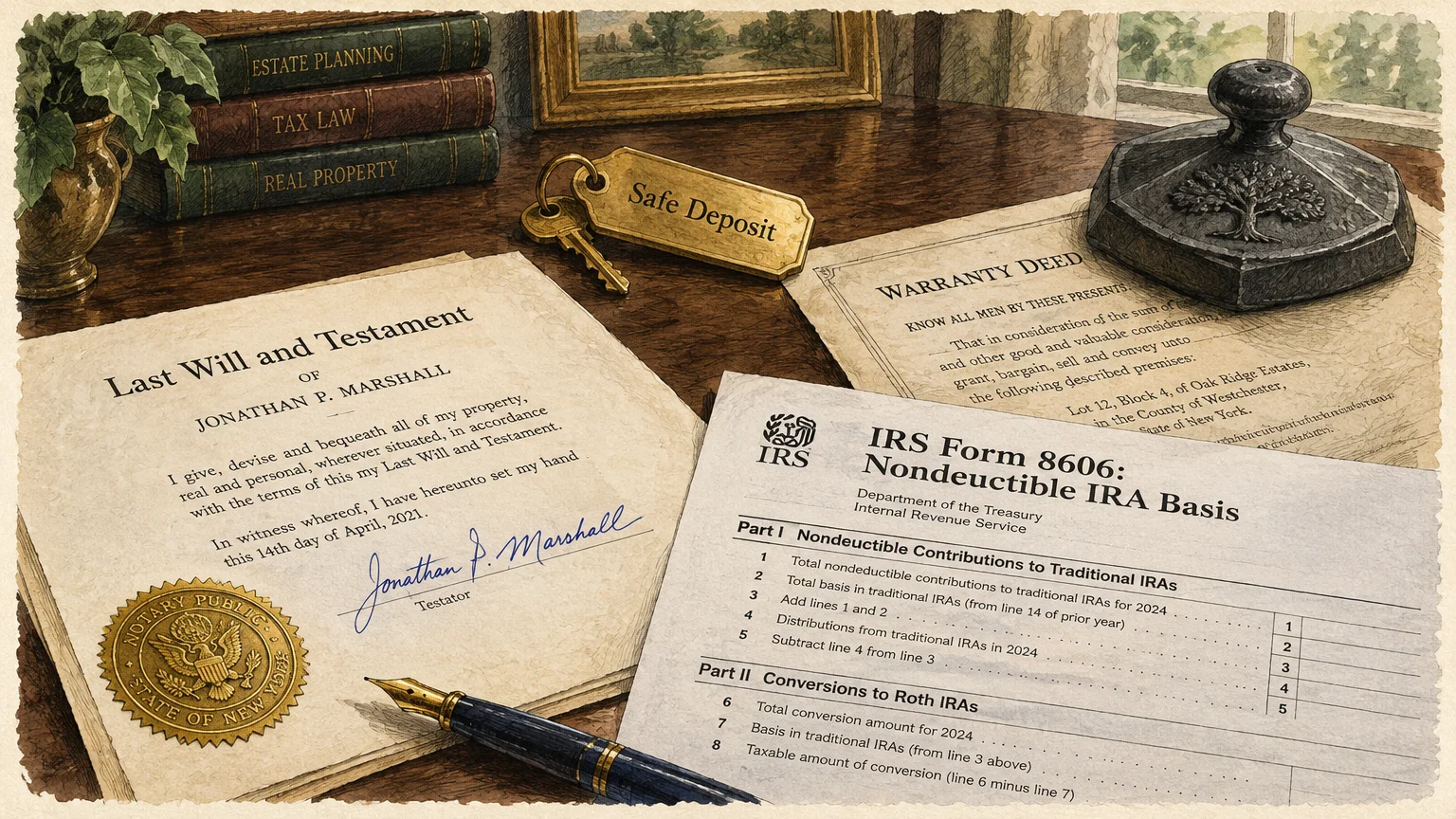
Some records hold legal authority only when you present original paper bearing genuine signatures and seals. Never discard these critical files.
“Never assume the IRS has your historic records on file. You are solely responsible for proving every dollar of your IRA basis, and losing those records can cost you dearly.”
— Ed Slott, CPA and Retirement Distribution Specialist
4. Vital Legal Instruments: Wills, Powers of Attorney, and Trusts
Probate judges rarely accept scanned copies of a last will and testament when settling an estate.
Keep wet-ink original copies of your will, healthcare proxy, durable power of attorney, and revocable living trusts. Store them in a fireproof home safe rated for at least one hour of intense heat, or leave them with your attorney.
Tell your designated executor and healthcare agent exactly where to find these physical documents. An inaccessible power of attorney provides zero protection during a sudden medical emergency.
5. IRS Form 8606 for Nondeductible IRA Contributions
If you made nondeductible contributions to a traditional Individual Retirement Account, you filed IRS Form 8606.
You must keep every copy of Form 8606 indefinitely until you withdraw the very last dollar from your retirement accounts. This form tracks your cost basis—the money you already paid taxes on before contributing.
Without this physical paper trail, the Internal Revenue Service (IRS) assumes your entire distribution constitutes taxable income. Retaining this form prevents you from paying income taxes twice on your own retirement money.
6. Property Deeds, Titles, and Home Capital Improvement Proof
Under Section 121 of the Internal Revenue Code, you can exclude up to $250,000 of capital gains from a primary home sale, or $500,000 for married couples filing jointly.
However, long-term home appreciation can push your net gains beyond those exclusion limits. Every dollar spent on qualifying capital improvements—such as a new roof, upgraded plumbing, or a room addition—adds directly to your home’s cost basis.
Keep contracts, permits, and receipts for all major structural improvements for as long as you own the home, plus an additional three years after filing the return that reports the sale.

What Retirees Should Scan and Digitize
Transitioning routine financial history into paperless records saves physical space while creating searchable, instant digital backups.
7. Five Years of Financial Records for Medicaid Long-Term Care Look-Back
Under federal statute (42 U.S.C. § 1396p(c)), state Medicaid agencies conduct a strict 60-month financial look-back when you apply for nursing home benefits.
Case workers will examine every check, withdrawal, and asset transfer made during that five-year window to confirm you did not gift assets to qualify for coverage. California uses a shorter 30-month look-back for Medi-Cal institutional care, but the standard national rule remains five years.
Scan complete monthly statements for all bank, credit union, and brokerage accounts across the prior 60 months. Storing high-resolution PDF scans ensures you can promptly resolve asset transfer inquiries without hunting through old banker boxes.
8. Federal and State Tax Returns (The 3-Year to 7-Year Rule)
The IRS maintains distinct audit assessment windows that dictate your record retention schedule.
Under standard rules, the IRS can audit your return within three years of the filing date. That audit window expands to six years if an omission exceeds 25% of the gross income reported on the return.
Retain supporting records for seven years if you claim a deduction for worthless securities or bad debt losses. Scan your Form 1040, accompanying W-2s, 1099 forms, and charitable deduction receipts into password-protected digital folders, then shred the paper.
9. Explanation of Benefits (EOB) and Deductible Healthcare Receipts
Medical paper forms accumulate quickly across your retirement years, creating frustrating filing cabinet clutter.
Hold onto paper Explanation of Benefits forms only until your medical provider bill arrives. Once you confirm the insurance adjustment matches your provider statement, shred the EOB statement.
If you plan to itemize out-of-pocket medical deductions on Schedule A, scan receipts for prescription drugs, dental care, and medical travel. Save those digital scans with your annual tax file for three years, and shred the physical receipts.
10. Social Security Statements and Annual Benefit Letters
Each January, the Social Security Administration (SSA) issues Form SSA-1099 showing the total benefits received and taxes withheld during the prior tax year.
The SSA also delivers your annual cost-of-living adjustment (COLA) notice every December outlining your updated gross monthly entitlement. Scan these notices to your computer or cloud storage so you have fast proof of income when applying for loans or senior housing.
After filing your annual tax return and confirming your income records match your transcript, shred the physical notices to conserve office space.
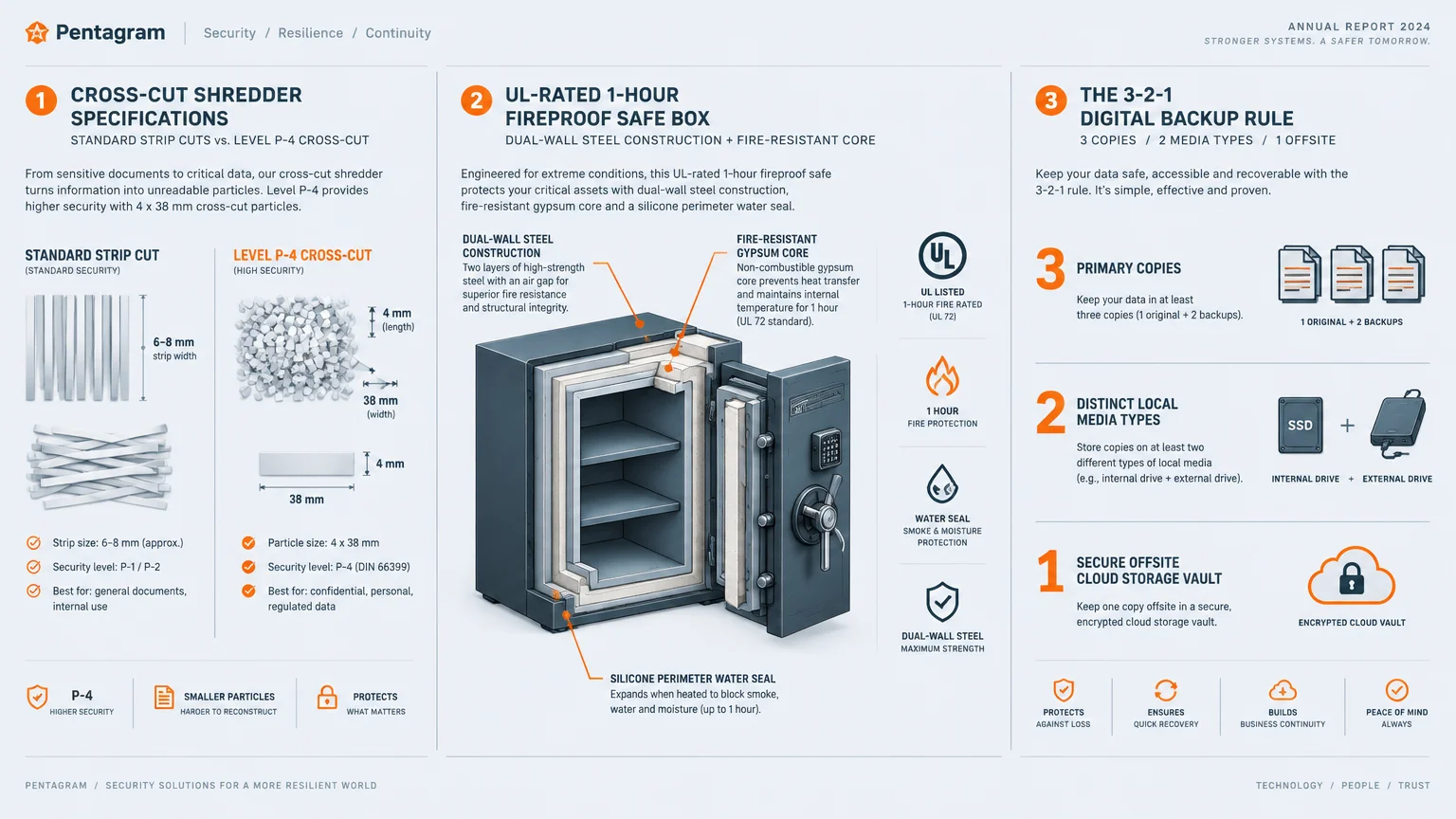
Selecting the Right Shredder and Storage Tools
Using the wrong shredder provides a false sense of security. Standard strip-cut shredders leave narrow ribbons of paper that identity thieves can easily reassemble using modern scanning software.
Invest in a cross-cut or micro-cut shredder that meets the DIN P-4 security standard or higher. A P-4 unit slices an ordinary sheet of paper into roughly 400 tiny confetti pieces measuring no larger than 160 square millimeters.
For your scanned files, follow the standard 3-2-1 backup protocol. Maintain three total copies of your data: two on different physical devices—such as your computer drive and an encrypted external hard drive—and one secured in an encrypted cloud service.
Costly Errors to Sidestep
Avoiding administrative document mistakes prevents severe financial loss and unnecessary legal disputes.
- Shredding paperwork before transactions settle: Never shred purchase receipts or utility statements until you verify the exact charge against your online bank ledger. Discarding documentation too early leaves you powerless to challenge erroneous billing charges or merchant mistakes.
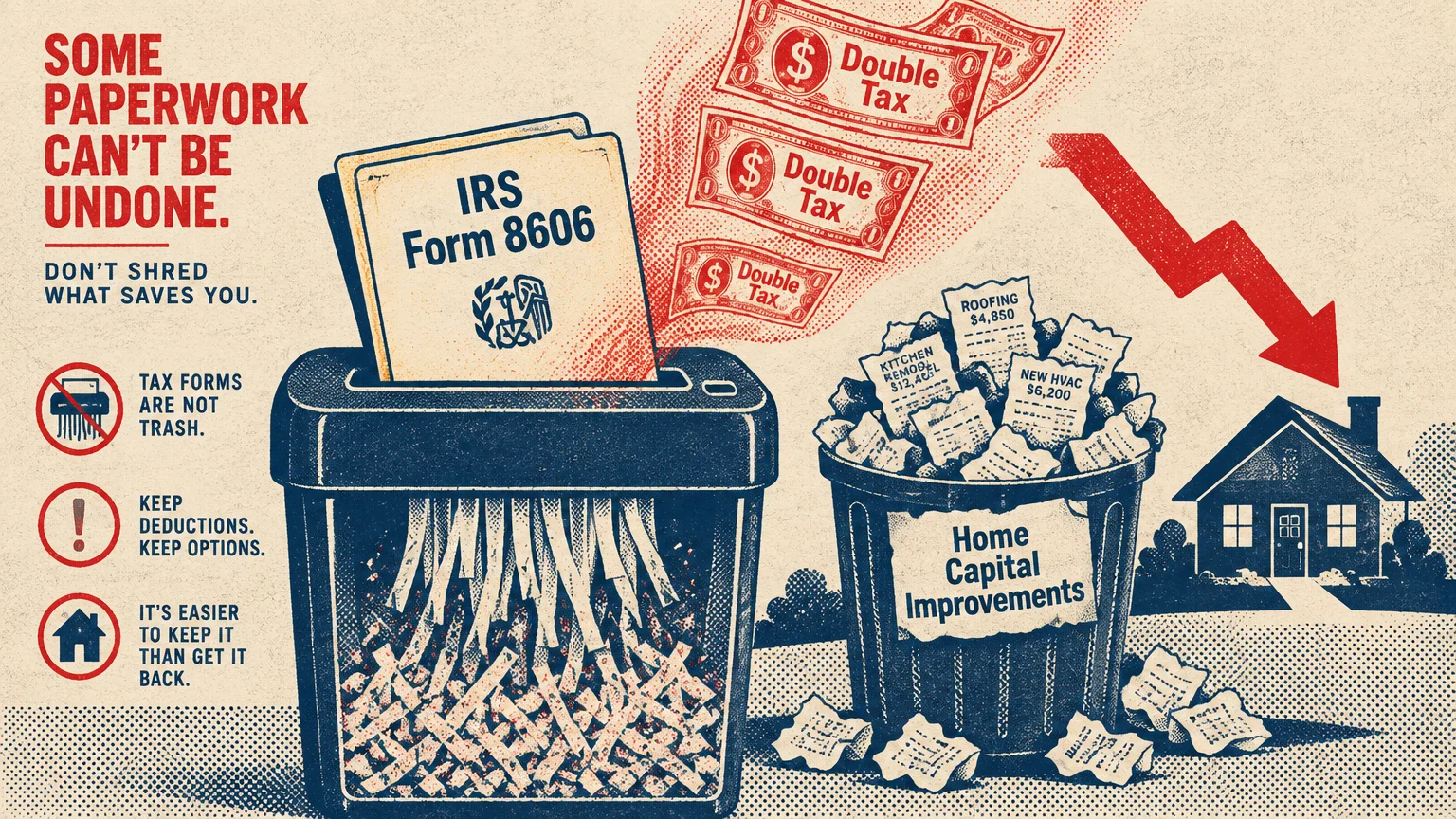
- Losing Form 8606 basis paperwork: Tossing nondeductible IRA records is one of the most common retirement bookkeeping traps. Without these forms, you cannot prove after-tax investment contributions, forcing the IRS to tax your distributions a second time.
- Discarding bank statements before the Medicaid window closes: Tossing bank statements within the 60-month Medicaid look-back window causes catastrophic eligibility delays. State caseworkers can suspend your nursing home benefit payments until you produce missing financial paper trails.
- Using basic strip-cut shredders for sensitive records: Running bank statements through an old strip-cut shredder leaves readable horizontal text. Identity thieves routinely target these shredded strips in curbside trash to reconstruct account numbers and personal identifiers.

When DIY Isn’t Enough
While clearing day-to-day paper clutter is a manageable household project, several complex situations call for specialized outside guidance.
Seek assistance from an experienced elder law attorney if you plan to apply for institutional Medicaid coverage within the next two years. An attorney ensures your historical bank records comply with state look-back rules while protecting your spouse’s assets.
Consult a certified public accountant (CPA) or enrolled agent if you discovered past unfiled copies of IRS Form 8606. A tax expert can help you reconstruct missing cost-basis records from prior tax years, preserving your retirement tax savings.
Partner with an estate planning attorney whenever your family dynamic changes or when you acquire out-of-state property. They will make certain your original physical wills and powers of attorney remain legally enforceable under current state laws.
Frequently Asked Questions
How long should retirees keep their federal tax returns?
Retain standard tax returns and their supporting documentation for three years from the date you filed.
Keep tax records for six years if your gross income varied significantly, or seven years if you claimed bad debt deductions.
Can I throw away my old Medicare card that has my Social Security number?
Yes, you should shred your legacy Medicare card immediately using a cross-cut or micro-cut shredder.
Your current card displays a secure, randomized 11-digit Medicare Beneficiary Identifier that protects your personal identity.
What type of shredder is best for senior document disposal?
Choose a shredder certified at DIN P-4 security level or higher, which creates tiny micro-cut confetti.
Avoid strip-cut models, as thieves can easily reconstruct vertical ribbons of paper to steal your personal account data.
Why do I need to keep home remodeling receipts in retirement?
Capital improvements increase the adjusted cost basis of your home, reducing taxable gains when you sell.
If your home appreciates beyond the federal capital gains exclusion limits, these receipts save you thousands of dollars in taxes.
Taking Action on Your Paperwork
Set a timer for 30 minutes this week, pick one cluttered drawer, and separate papers into shred, keep, and scan piles. Systematically tackling your records removes stress, clears your living space, and safeguards your hard-earned wealth.
This article provides general financial education and information only. Everyone’s financial situation is unique—what works for others may not work for you. For personalized advice tailored to your retirement needs, consider consulting a qualified financial professional such as a CFP or CPA.
Last updated: February 2026. Benefit amounts, tax rules, and program details change annually—verify current figures with official government sources.









Leave a Reply