
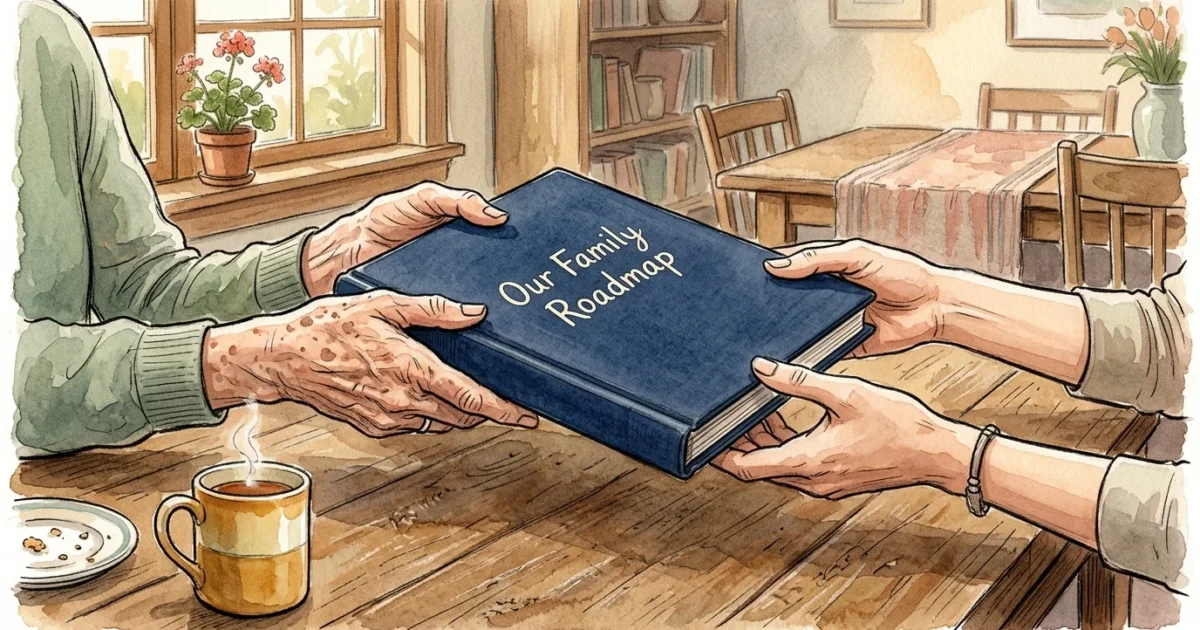
Leaving a clear financial and emotional roadmap is one of the greatest gifts you can offer your loved ones, yet millions of families remain dangerously unprepared for a loved one’s death. According to a December 2024 national survey by Afterall and Talker Research, while 90% of Americans know they should discuss end-of-life plans, 56% have never initiated the conversation. When crucial details remain unspoken, grieving adult children often face overwhelming legal hurdles, costly probate delays, and painful misunderstandings. Recognizing where your family stands today allows you to close these dangerous gaps, protect your assets, and grant your family priceless peace of mind.

At a Glance: Is Your Family Ready?
Preparing your family for your eventual passing involves much more than drafting a simple will. True readiness requires active communication, organized financial records, and legally binding documents that empower your loved ones to act during stressful times. Review this list to identify where your family’s estate plan shines and where critical vulnerabilities remain:
- Document Accessibility: Your heirs know exactly where to find original wills, deeds, insurance policies, and account credentials.
- Legal Authority: You have designated durable powers of attorney for both financial and healthcare decisions before a crisis occurs.
- Direct Beneficiaries: You have assigned updated Transfer on Death (TOD) or Payable on Death (POD) designations across all financial accounts.
- Clear Final Wishes: You have documented specific preferences for funeral arrangements and final disposition to prevent family conflict.
- Digital Continuity: Your loved ones possess secure access to your digital footprint, including password managers and online utility portals.
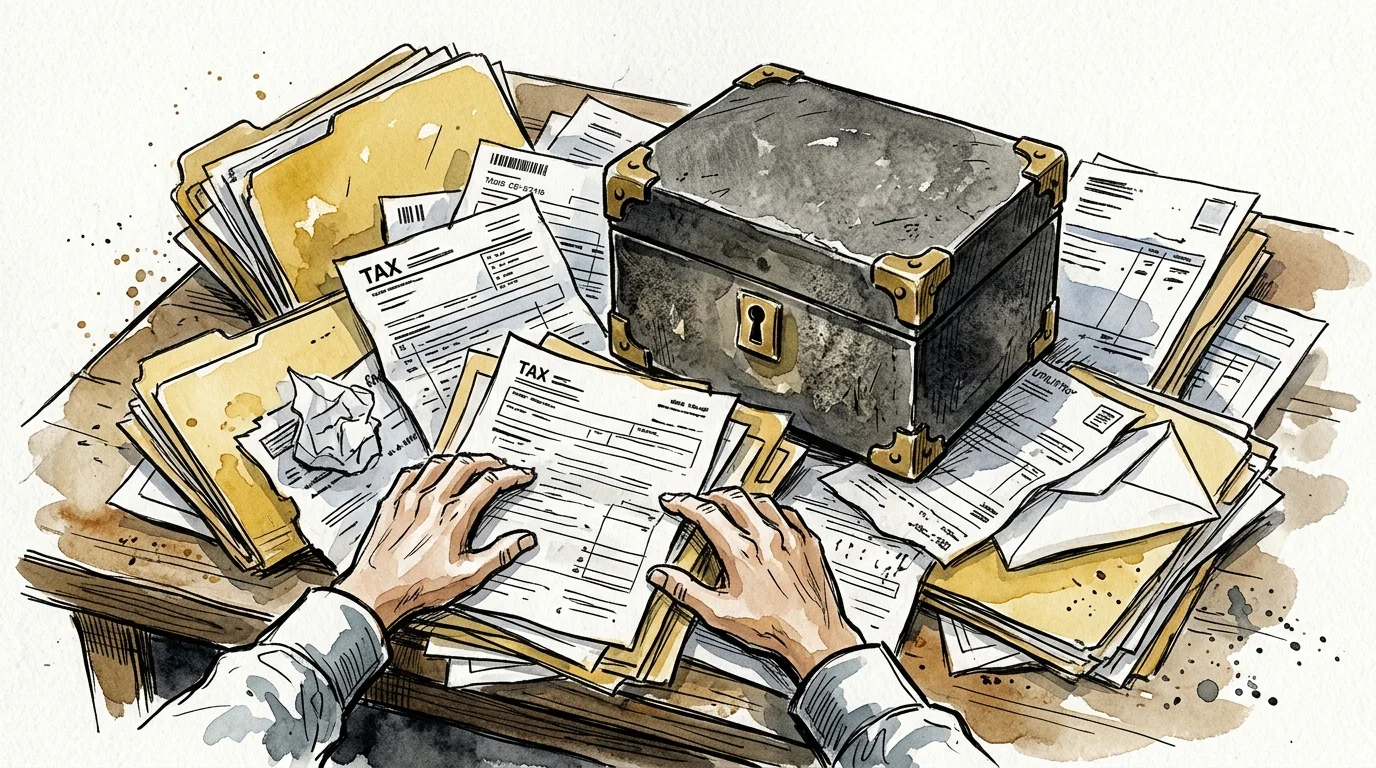
1. They Have No Idea Where Your Essential Documents Are Located
You may have spent thousands of dollars working with an attorney to draft a perfect estate plan, but if your family cannot find those legal documents when disaster strikes, your efforts go to waste. In a sudden emergency, adult children often scramble through stacks of unorganized paperwork, safe deposit boxes, and cluttered file cabinets trying to locate life insurance policies, property deeds, or military discharge papers (DD-214).
If your heirs do not know where you store your primary documents—or if you keep them locked in a bank safe deposit box that requires a court order to open after death—your family will experience painful delays. You can eliminate this confusion by creating a centralized “In Case of Emergency” binder or secure digital file. Inform your designated executor of its precise location and provide necessary keys or combination codes immediately.

2. You Haven’t Explicitly Named or Updated Beneficiary Designations
Many seniors mistakenly believe that a standard will governs all of their financial assets upon death. In reality, contractual beneficiary designations on retirement accounts, life insurance policies, and bank accounts take precedence over instructions written in a will. If you named an ex-spouse on your 401(k) thirty years ago and never updated the form, that ex-spouse legally receives those funds—regardless of what your updated will states.
“Beneficiary designations override whatever you write in your will. If you don’t keep them updated, your assets will end up in the wrong hands regardless of your intent.” — Ed Slott, CPA and IRA Expert
You can streamline the transfer of assets by contacting your financial institutions and requesting Payable on Death (POD) or Transfer on Death (TOD) forms for your checking, savings, and brokerage accounts. These designations allow money to pass directly to your designated beneficiaries outside of probate court, providing immediate financial relief to your family.
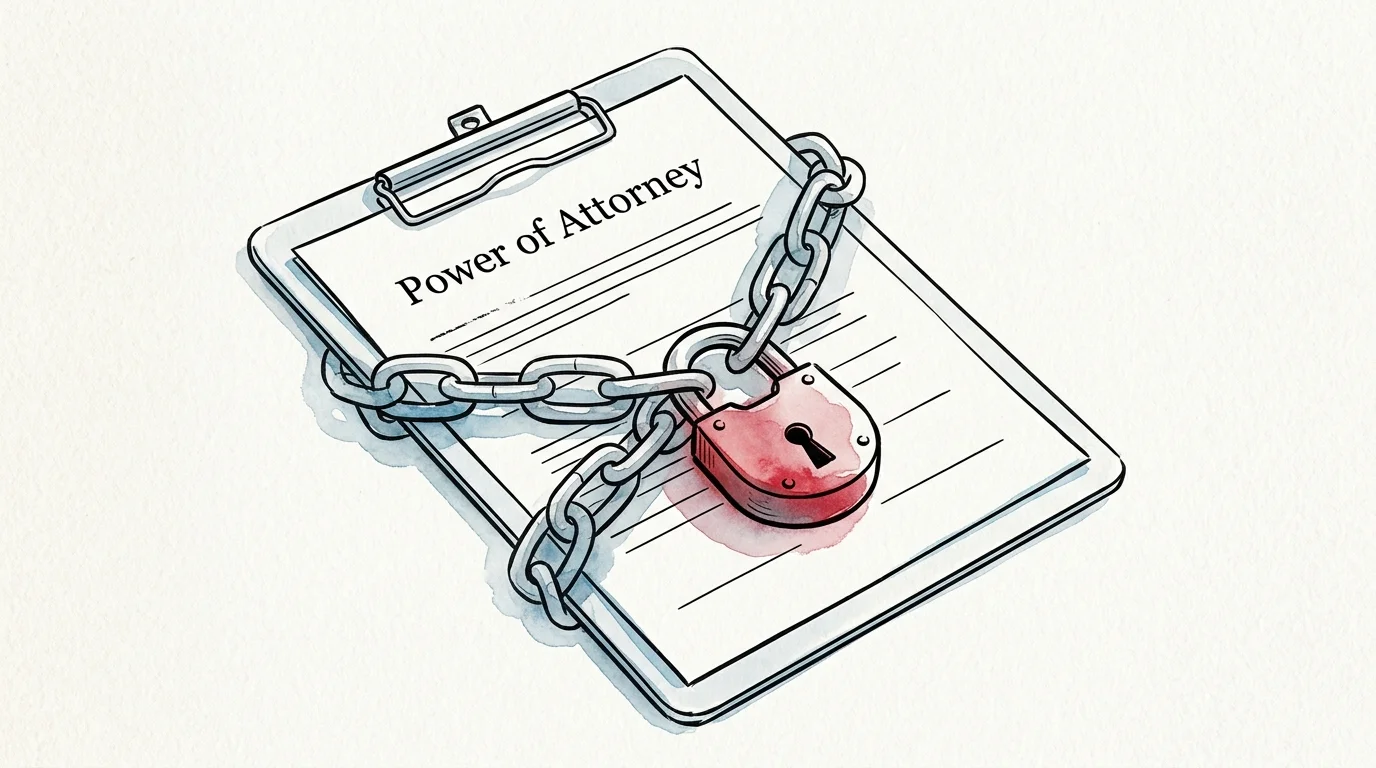
3. No One Has Legal Authority to Act During a Medical Emergency
End-of-life planning is not solely about what happens after you pass away; it also addresses critical care decisions while you are still alive. If severe illness or cognitive decline renders you unable to communicate, your family cannot legally manage your bank accounts, pay your mortgage, or make medical choices without prior authorization.
Without a Durable Financial Power of Attorney and a Healthcare Power of Attorney (or Healthcare Proxy), your loved ones must petition a court for legal guardianship. This process costs thousands of dollars and creates immense emotional strain. Establishing these legal authorizations now ensures that a trusted individual can step in seamlessly to manage your medical care and financial obligations without court interference.
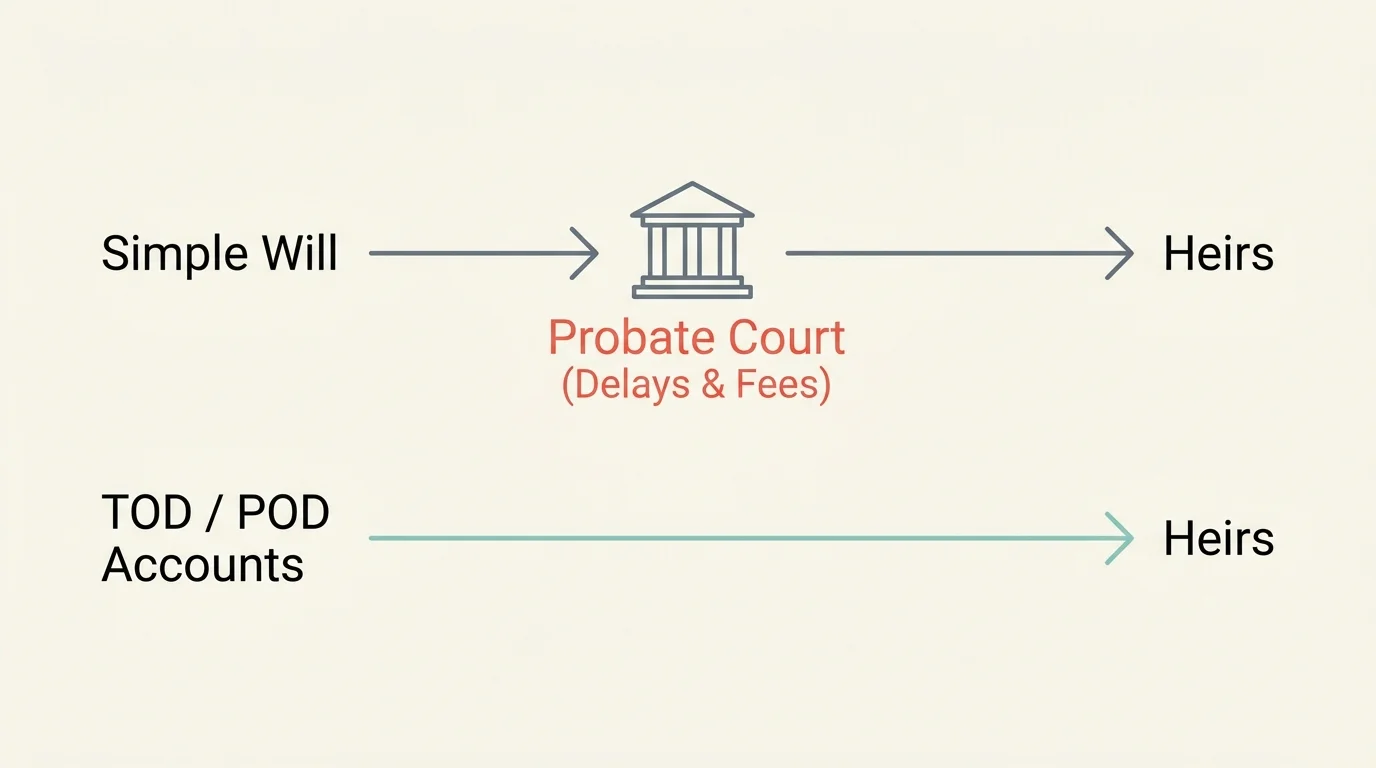
4. Your Relatives Assume a Simple Will Avoids Probate
A common misconception leads people to believe that having a will keeps their estate out of probate court. According to Caring.com’s 2025 Wills and Estate Planning Study, 76% of American adults do not have a valid will, and over 50% lack any estate planning documents whatsoever. Furthermore, 34.5% of Americans admit they have no idea what happens to their property if they pass away intestate (without a plan).
Even if you possess a valid will, it serves as an instruction manual for the probate judge—it does not skip the court process. Probate can freeze estate assets for six months to two years while legal fees eat away at your family’s inheritance. To help your family skip probate entirely, consider establishing a Revocable Living Trust or making full use of TOD/POD designations on your property and accounts. You can research state-specific legal requirements through resources provided by the Consumer Financial Protection Bureau (CFPB).
5. They Don’t Know Your Specific Funeral and Final Wishes
When a family experiences the sudden loss of a parent, emotional shock often impairs clear financial thinking. If you have not clearly documented your final wishes, your grieving children may feel compelled to purchase elaborate services out of guilt or uncertainty.
According to the National Funeral Directors Association (NFDA) General Price List Study, the national median cost of an adult funeral with a viewing and burial sits at $8,300. This figure excludes cemetery plot fees, headstones, and vaults, which typically add $2,000 or more to the final bill. Alternatively, the median cost for a funeral with a viewing and cremation stands at $6,280. You save your family from unnecessary emotional distress and debt by documenting your preferences for burial, cremation, or memorial services, and outlining how those costs will be paid.
6. Your Digital Estate and Passwords Are Completely Locked Out
Modern estate planning demands digital organization. Today, seniors manage utility bills, bank accounts, investments, tax documents, and social media accounts online. If you pass away without sharing your digital credentials, your family may face major hurdles trying to settle basic household expenses or close active recurring subscriptions.
You can protect your estate from ongoing, automated charges by taking concrete digital steps:
- Use a secure password manager and record the master access code in your physical emergency binder.
- Assign a “Legacy Contact” on your smartphone, Google account, and social media profiles.
- List all recurring digital subscriptions (streaming services, cloud storage, auto-ship deliveries) so your executor can cancel them immediately.
- Ensure your executor knows how to access two-factor authentication (2FA) devices, such as your cell phone or primary email address.

7. Your Family Avoids Money and End-of-Life Conversations
Financial secrecy remains a major barrier to successful estate planning. Many parents feel uncomfortable discussing their net worth, debt obligations, or distribution plans with their adult children. However, complete silence creates room for conflict, suspicion, and severe administrative headaches once you are gone.
A December 2024 national survey by Afterall and Talker Research revealed that while 90% of Americans recognize the importance of discussing end-of-life plans with family, 56% have not yet initiated these conversations. You do not need to reveal every dollar amount in your bank accounts to have a productive discussion. Focus instead on broad expectations: who holds power of attorney, where important documents live, who serves as executor, and how you want your personal sentimental possessions divided.

10. on
11. a
12. table
13. highlights
14. the
15. need
16. for
17. liquid
18. funds.
Wait, let’s recount:
8. There Is No Liquid Cash Immediately Available for Final Expenses
Even wealthy families can suffer cash-flow shortages immediately following a death. If your bank accounts exist solely under your name without payable-on-death instructions, those accounts freeze upon your passing. Mortgage companies, property tax collectors, utility providers, and funeral homes still expect prompt payment while your estate moves through legal channels.
Do not rely on government safety nets to cover these initial costs. According to the Social Security Administration (SSA), the federal one-time lump-sum death payment provides just $255, and only to an eligible surviving spouse or child. To ensure your family has immediate liquidity, maintain a shared joint bank account with a trusted heir or assign POD status to a dedicated cash fund designed to handle immediate administrative expenses.
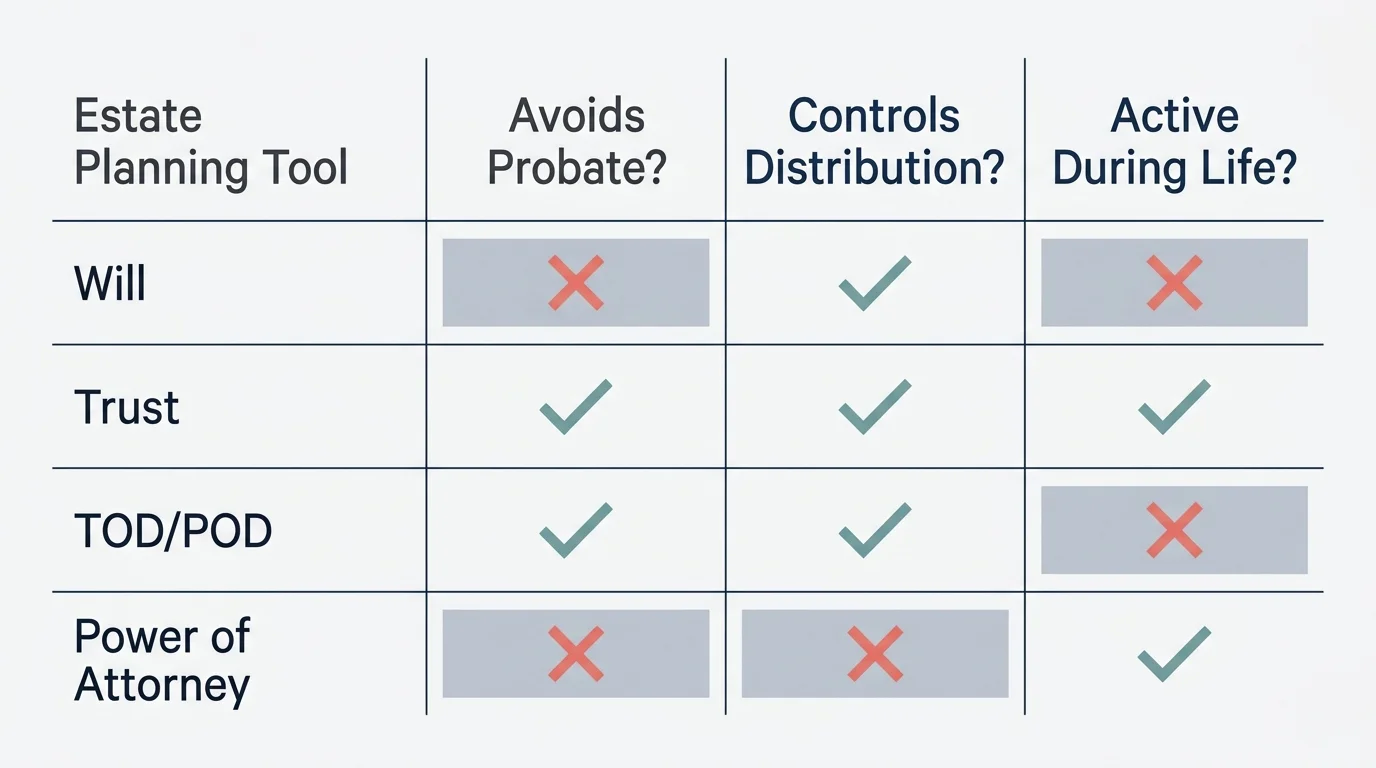
Comparing Key Estate Planning Tools
Understanding which financial mechanisms achieve your goals allows you to select the right tools for your family’s needs. The table below outlines how common estate planning vehicles operate under federal and state guidelines:
| Planning Tool | Bypasses Probate? | Primary Function | Best Suited For |
|---|---|---|---|
| Last Will and Testament | No | Outlines asset distribution and names legal guardians | Basic estate instructions for all adults |
| Revocable Living Trust | Yes | Holds and manages assets during life and transfers them at death | Homeowners, complex estates, and privacy protection |
| Beneficiary Designation (POD/TOD) | Yes | Transfers financial accounts directly to named individuals | Bank accounts, IRAs, 401(k)s, and life insurance |
| Durable Power of Attorney | N/A (Ends at death) | Grants legal authority to manage finances during incapacity | Managing bills and legal tasks while living |
“A willpower to prepare is an act of love. Estate planning isn’t for you; it’s for the people you leave behind.” — Suze Orman, Personal Finance Expert
Essential End-of-Life Planning Checklist for Your Family
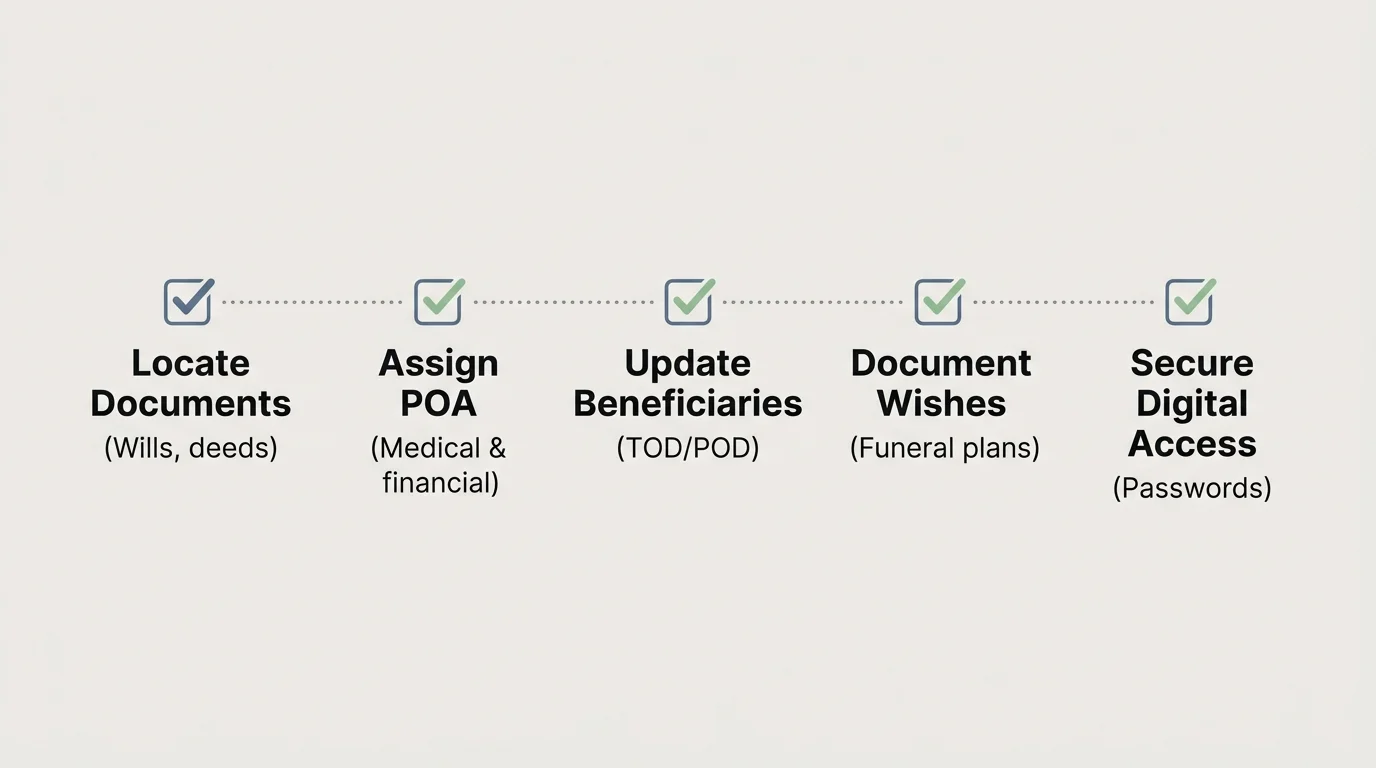
Taking action step-by-step turns an overwhelming process into a manageable set of tasks. Follow this checklist to ensure your family remains fully protected:
- Locate and Organize Documents: Gather your birth certificate, social security card, property deeds, auto titles, marriage certificates, and tax filings in one fireproof location.
- Review Account Beneficiaries: Contact your bank, broker, and pension provider to confirm your POD/TOD selections match your current intentions.
- Establish Legal Health Mandates: Execute a Living Will and Healthcare Power of Attorney to outline your medical preferences clearly.
- Clarify Estate Tax Rules: For high-net-worth individuals, review federal exemptions. According to the Internal Revenue Service (IRS), the federal estate tax exemption threshold stands at $13.99 million per individual for 2025, and increases to $15 million in 2026 under Public Law 119-21. State-level exemptions may be significantly lower.
- Document Funeral Preferences: Write down your final arrangements, purchase funeral insurance, or prepay services through a reputable provider.
- Distribute Digital Keys: Securely record all master log-ins, digital wallet keys, and password manager credentials.
- Hold a Family Family Meeting: Sit down with your executor and heirs to explain where documents are kept and outline your general wishes.

What Can Go Wrong: 4 Common Estate Planning Mistakes
Even well-intentioned seniors make mistakes that inadvertently create financial hardships for their children. Be mindful of these four major pitfalls when structuring your estate plan:
1. Relying On Verbal Instructions: Promising personal property or real estate verbally creates severe disputes among surviving relatives. Unless an instruction appears in a legally executed contract, trust, or written personal property memorandum, your executor cannot legally enforce it.
2. Adding an Adult Child Directly to Your Real Estate Title: Adding your child as a co-owner on your home deed can trigger unintended gift tax issues and subject your primary residence to your child’s creditors, divorce settlements, or personal lawsuits. Utilizing a Transfer on Death deed or a Revocable Living Trust offers far superior protection.
3. Forgetting to Update Documents After Major Life Events: Major changes—such as a marriage, divorce, birth of a grandchild, or death of a named executor—require an immediate update of your estate documents. Outdated documents regularly cause assets to pass to unintended beneficiaries.
4. Co-mingling Funds in Joint Accounts: Adding a child as a joint owner on your personal checking account to help pay bills grants them full ownership of those funds upon your death. This can inadvertently disinherit your other children who were meant to receive an equal share of your estate.

When to Consult a Financial Professional or Estate Attorney
While basic estate forms exist online, specific life circumstances demand professional legal and financial advice. Consider consulting an experienced estate planning attorney or certified financial planner in these situations:
- Blended Families: If you have children from previous marriages, an attorney can help structure trusts that care for your current spouse while guaranteeing your biological children receive their intended inheritance.
- Dependents with Special Needs: Direct inheritances can disqualify a child or adult dependent from government benefits like Medicaid or Supplemental Security Income. A professional can establish a Special Needs Trust to protect those public benefits.
- Long-Term Care Asset Protection: If you anticipate needing nursing home care, consulting an elder law attorney can help you navigate Medicaid asset rules while legally preserving assets for your heirs. Additional guidance is available through the Eldercare Locator or local advocacy programs monitored by the National Council on Aging (NCOA).
- Out-of-State Property Ownership: Owning real estate across multiple states subjects your estate to separate probate proceedings in each state. A living trust consolidated by an attorney avoids this costly multi-state headache.
Frequently Asked Questions
Does a living will control how my financial assets are distributed?
No. A living will (also known as an advance healthcare directive) strictly outlines your wishes regarding end-of-life medical treatments, such as mechanical ventilation, tube feeding, or resuscitation. It has zero legal authority over your financial accounts, personal property, or real estate.
What happens if I die without a will or estate plan in place?
If you pass away without a valid estate plan, you die “intestate.” Your state’s laws will dictate exactly how your assets are distributed through probate court based on strict legal formulas—regardless of what your personal wishes might have been. Court-appointed administrators manage the process, often resulting in legal fees and lengthy delays for your surviving family.
How often should I review my beneficiary designations and estate documents?
You should review your estate documents and beneficiary forms every three to five years. Additionally, perform an immediate review whenever major life events occur, such as a marriage, divorce, birth of a child or grandchild, significant change in wealth, or the death of a named beneficiary or executor.
Can I avoid probate court without creating an expensive trust?
Yes. You can bypass probate court on many assets by utilizing Payable on Death (POD) forms for bank accounts, Transfer on Death (TOD) designations for brokerage accounts, beneficiary forms for retirement plans and life insurance policies, and Transfer on Death deeds for real estate where permitted by state law.
Taking the Next Step for Peace of Mind
Organizing your estate and preparing your family for your eventual passing is an ongoing process of care and clarity. By identifying your family’s readiness gaps, updating financial beneficiaries, and documenting your intentions clearly, you eliminate confusion and reduce emotional burdens during an already challenging period. Pick one single action item from this guide—such as locating your primary financial documents or requesting POD forms from your bank—and complete it this week to kickstart your estate planning journey.
This is educational content based on general financial principles for seniors. Individual results vary based on your situation. Always verify current benefit amounts, tax rules, and program eligibility with official government sources.
Last updated: February 2026. Benefit amounts, tax rules, and program details change annually—verify current figures with official government sources.









Leave a Reply