
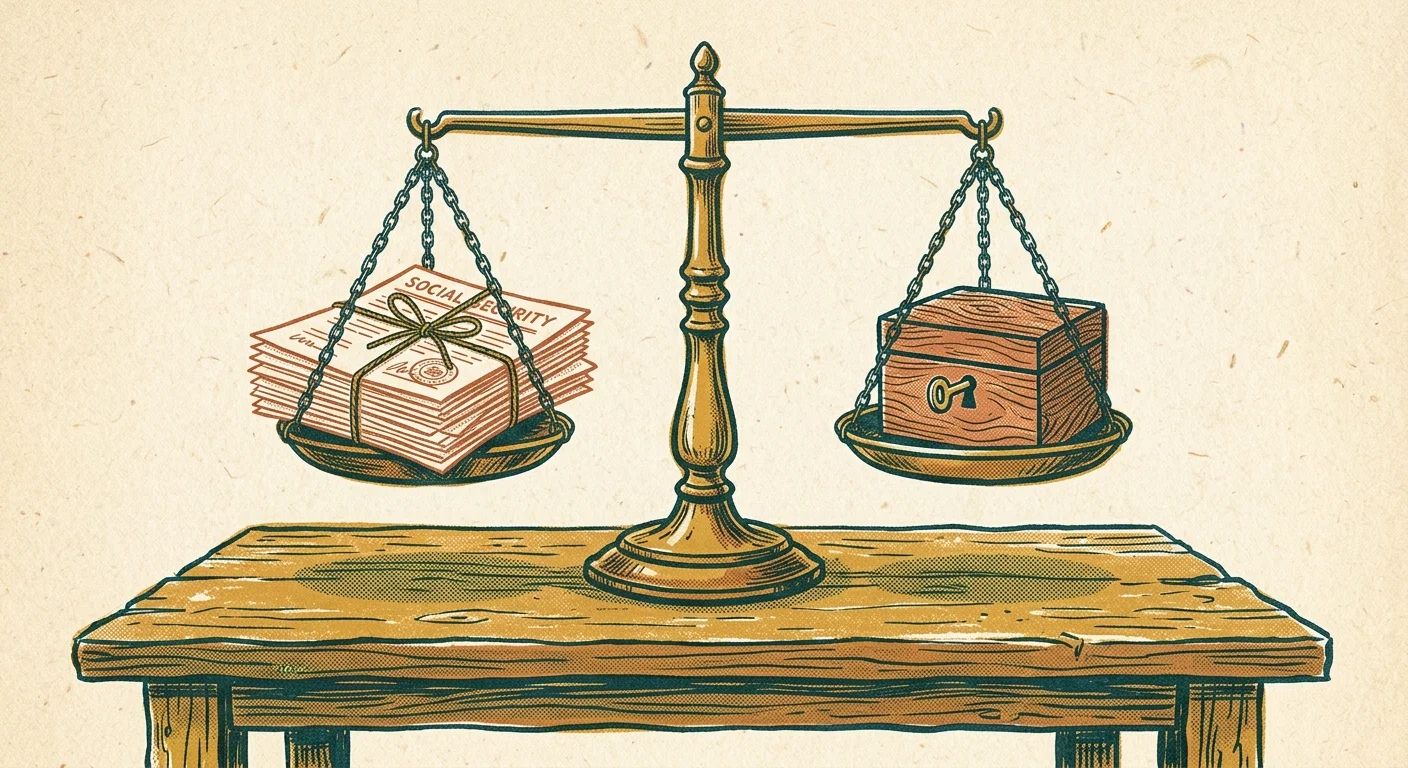
Financial and Social Security Considerations for Working Retirees
Earning extra money during retirement can improve your financial comfort, but you must manage your earnings carefully to avoid unintended tax or benefit consequences. According to data from the Social Security Administration (2026), working while receiving retirement benefits requires attention to specific earning thresholds.
If you claim Social Security retirement benefits before reaching your Full Retirement Age (FRA)—which is age 67 for anyone born in 1960 or later—your benefits are subject to the annual retirement earnings test limit:
- Under Full Retirement Age: In 2026, you can earn up to $24,480 per year without impacting your benefit amount. If you earn more than $24,480, the Social Security Administration temporarily withhold $1 in benefits for every $2 you earn over the limit.
- The Year You Reach FRA: During the calendar year you reach your full retirement age, the earnings limit rises substantially to $65,160. For earnings above this threshold prior to your birthday month, $1 is withheld for every $3 you earn over the limit.
- At Full Retirement Age and Older: Once you reach your exact Full Retirement Age, there is no earnings limit whatsoever. You can earn any amount from your winery or brewery job, and your Social Security checks will arrive in full.
“Working part-time in retirement isn’t just about paying bills—it keeps your brain sharp, expands your social circle, and preserves your savings portfolio.” — Jean Chatzky, Financial Journalist and Author
Keep in mind that income earned from tips, hourly wages, and sales bonuses counts toward your gross income. The Internal Revenue Service considers all gratuities fully taxable earned income, which means you must track and report them accurately. To evaluate how employment earnings may interact with community resources or senior income programs, review guidance available on National Council on Aging resources.









Leave a Reply