

Millions of older Americans leave valuable relief unclaimed simply because government agencies rarely advertise them clearly. Over nine million eligible seniors sacrifice fifty-eight billion dollars every year in essential financial support.
These state and federal programs lower your medical bills, reduce utility expenses, and protect your property taxes.
The Multi-Billion Dollar Gap in Senior Benefits
According to the National Council on Aging, over nine million older adults miss out on fifty-eight billion dollars annually across three core programs alone. Only thirty-eight percent of eligible seniors enroll in food assistance, while just forty percent collect Supplemental Security Income.
1. Medicare Savings Programs: Cut Your Part B Costs
The Centers for Medicare & Medicaid Services announced that standard Part B monthly premiums rise to $209.40 in 2027, up from $202.90 in 2026. In 2026, individual monthly income caps range from $1,350 for QMB to $1,816 for QI.
Federal resource limits in 2026 sit at $9,950 for individuals and $14,910 for married couples. Check your eligibility through Medicare.gov to see if your state waives asset tests.
2. Medicare Part D Extra Help: Slash Prescription Expenses
The Social Security Administration estimates that the Part D Extra Help program is worth roughly $5,700 per year for qualifying seniors. In 2026, your copayments cannot exceed $5.10 for generic drugs or $12.65 for brand-name prescriptions.
To qualify in 2026, your annual income must stay below $23,940 for an individual or $32,460 for a married couple. You can apply directly through the Social Security Administration.
3. Supplemental Nutrition Assistance Program: Grocery Relief
The National Council on Aging estimates that eligible seniors who skip SNAP miss an average of $188 each month. For federal fiscal year 2027, the maximum monthly SNAP allotment is $306 for an individual and $562 for a two-person household.
Boomers aged sixty to sixty-four must now verify eighty monthly work hours or document a medical exemption. Adults aged sixty-five and older remain completely exempt from all work requirements.
4. Supplemental Security Income: A Reliable Monthly Cash Floor
Supplemental Security Income provides critical monthly financial payments to low-income adults aged sixty-five and older. In reality, you can receive SSI to supplement a low monthly retirement payout.
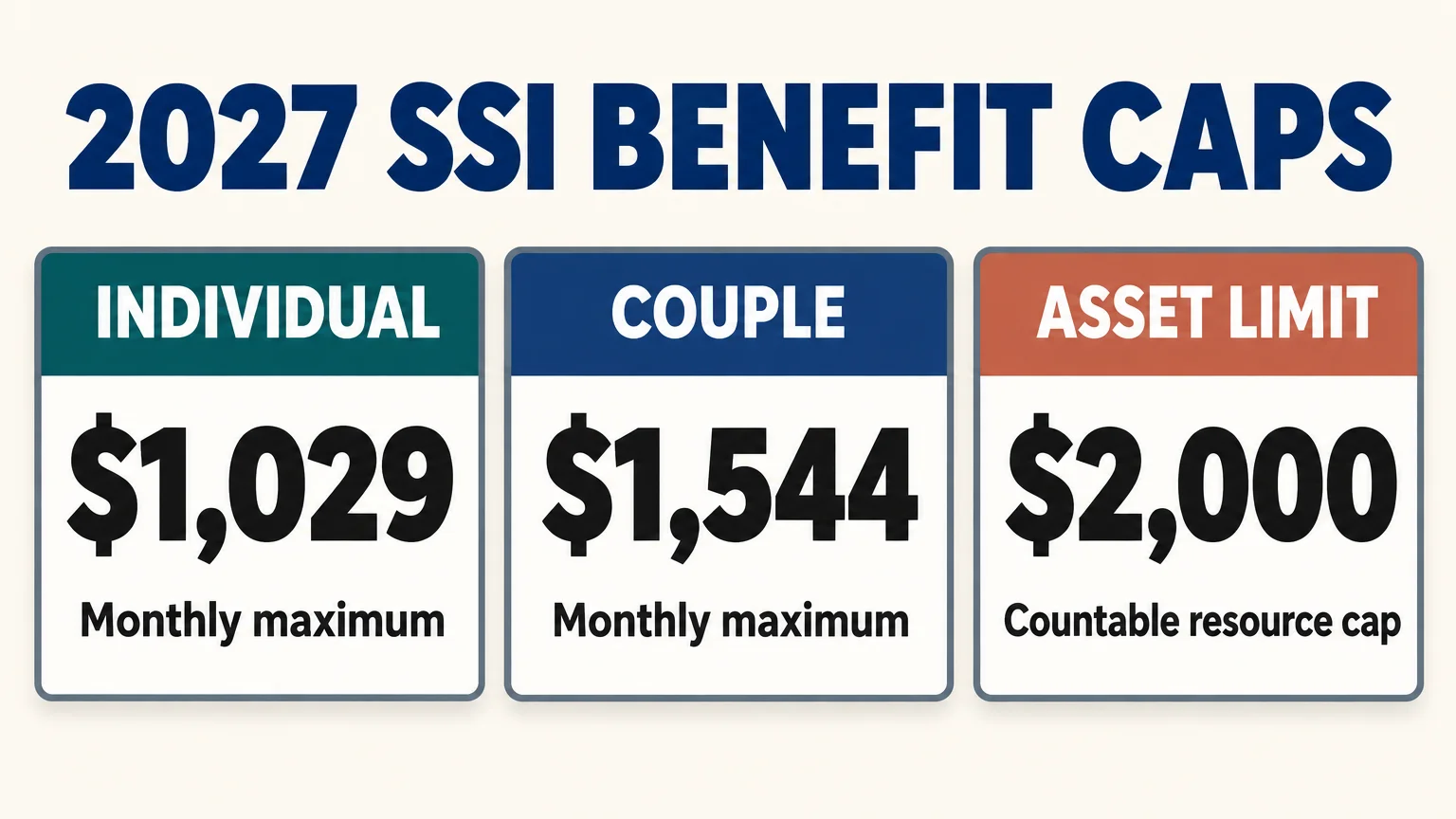
Following a 3.6% cost-of-living adjustment announced for 2027, the maximum federal SSI payment rises on December 31, 2026, reaching $1,029 for an individual and $1,544 for a couple.
Countable resources cannot exceed $2,000 for an individual or $3,000 for a married couple.
5. Low Income Home Energy Assistance Program: Utility Relief
The Low Income Home Energy Assistance Program provides direct grants to manage these soaring energy costs. States prioritize vulnerable households containing adults aged sixty and older.
Federal rules permit states to set income limits up to 150% of the federal poverty guidelines or 60% of state median income. Explore intake centers through USA.gov to submit your application early.
6. VA Veterans Pension and Aid and Attendance: Elder Care Support
If you need daily care assistance, you may qualify for the Aid and Attendance allowance. Through November 30, 2026, the Maximum Annual Pension Rate for a single veteran with Aid and Attendance is $29,093, providing a tax-free payment of up to $2,424 each month.
The VA enforces a net worth cap of $163,699 through November 30, 2026, and examines your financial transactions across a thirty-six month look-back window.
7. State Property Tax Relief: Freezes and Circuit Breakers
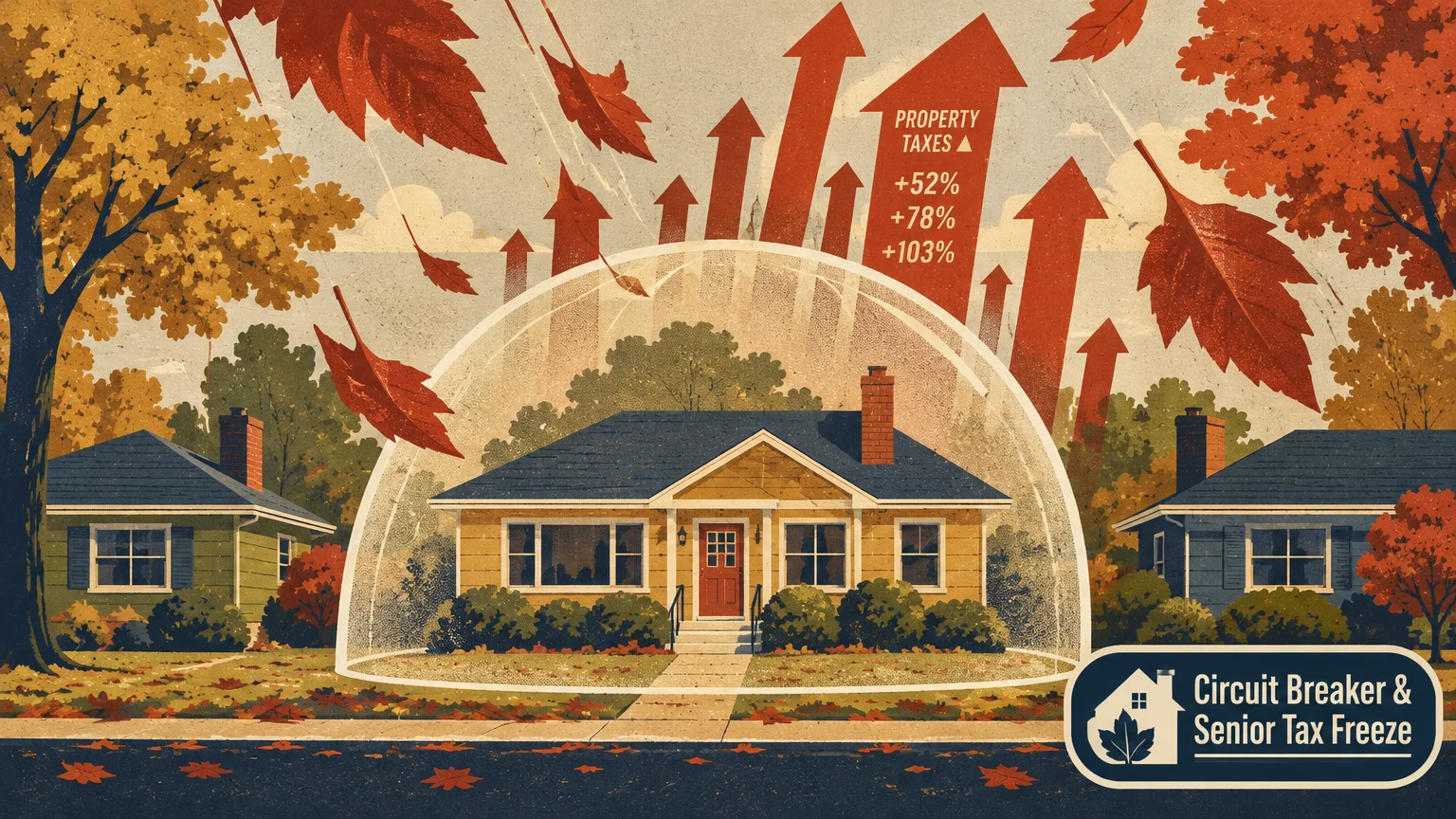
As of 2026, twenty-nine states and Washington, D.C. operate property tax circuit breakers that provide credits or rebates when taxes exceed a set percentage of income.
Most property tax freezes and senior exemptions require you to be at least sixty-five years old. You must submit an application and prove your age, primary residency, and income with your county tax assessor annually.
8. FCC Lifeline: Staying Connected on a Fixed Budget
The Federal Communications Commission’s Lifeline program remains the primary federal subsidy for phone and broadband services. Lifeline provides up to $9.25 monthly toward broadband or bundled packages.
The FCC officially paused the planned phase-out of voice-only support through November 30, 2027. You qualify for Lifeline if your household income is at or below 135% of the Federal Poverty Guidelines.
The Truth About Senior Dental and Medical Grants
In reality, Original Medicare excludes routine dental coverage, and no federal direct cash grants exist for individual dental care. Low-income seniors can access comprehensive dental benefits through Medicaid or Program of All-Inclusive Care for the Elderly (PACE) plans.
“A huge part of financial security in retirement is claiming every single resource you have earned through your lifetime of work.” — Jean Chatzky, Financial Journalist and Author
Comparing Key Senior Benefit Programs
Understanding which agency administers each program helps streamline your application process. Review the overview below to compare values, rules, and administering bodies.
| Benefit Program | Administering Agency | Key Financial Relief | Primary Eligibility Factor |
|---|---|---|---|
| Medicare Savings Programs | State Medicaid / CMS | Pays $202.90–$209.40/mo Part B premium plus deductibles | Income under 100%–135% FPL; asset limits apply in some states |
| Part D Extra Help | Social Security Administration | Worth ~$5,700/year; caps drug copays at $5.10–$14.40 | Income under $23,940 (single); assets under $18,090 |
| SNAP Food Assistance | USDA / State Agencies | Up to $306/mo (single) or $562/mo (couple) | Net income under 100% FPL; medical deduction over $35/mo |
| Supplemental Security Income | Social Security Administration | Up to $994–$1,029/mo cash assistance (single) | Age 65+; assets strictly capped at $2,000 (single) |
| LIHEAP Energy Aid | HHS / Local Community Agencies | Direct heating and cooling bill payment assistance | Income under 150% FPL or 60% state median income |
| VA Aid and Attendance | Department of Veterans Affairs | Up to $2,424/mo tax-free eldercare pension (single vet) | Wartime service; medical need; net worth under $163,699 |
| Property Tax Relief | County Tax Assessors / State | Tax freezes, homestead deductions, and circuit breaker rebates | Age 65+; primary home ownership; state-specific income caps |
| FCC Lifeline | Universal Service Administrative Co. | $9.25/mo off internet or $5.25/mo off phone service | Income under 135% FPL or categorical program enrollment |
What Can Go Wrong: 4 Traps to Avoid
1. Ignoring the Expanded SNAP Work Requirement: Boomers aged sixty to sixty-four must now verify eighty monthly work hours or document a medical exemption.
2. Violating the VA 36-Month Look-Back Period: Giving away money or property to qualify for VA Aid and Attendance triggers severe penalty periods.
3. Failing to Renew Property Tax Freezes Annually: In most counties, you must file annual renewal paperwork or risk losing your locked assessment baseline.
4. Expecting Automatic Enrollment: The government does not automatically add you to relief programs when you claim Social Security; you must actively apply.
When to Consult a Professional
Reach out to an elder law attorney if you need long-term nursing care to structure assets properly for Medicaid and VA pension look-back rules. Consult a licensed tax professional or CPA when applying for property tax circuit breakers.
Work with an accredited Veterans Service Officer when filing VA pension claims. You can also connect with the National Council on Aging BenefitsCheckUp screening tool.
Frequently Asked Questions
Will applying for state or federal benefits reduce my Social Security payments?
No, applying for programs like SNAP, LIHEAP, Medicare Savings Programs, or property tax relief will not reduce your monthly Social Security retirement checks.
Does owning a home disqualify me from receiving government benefits?
In almost all cases, your primary residence does not count against program asset limits.
How did recent tax law changes affect SNAP rules for older adults?
Under the 2025 Working Families Tax Cut Act, the work requirement for Able-Bodied Adults Without Dependents expanded through age sixty-four. Adults aged sixty-five and older remain completely exempt.
Can I qualify for both Medicare Savings Programs and Part D Extra Help?
Yes, and enrolling in a Medicare Savings Program automatically qualifies you for Extra Help.
Take Control of Your Retirement Finances
Claiming the relief you qualify for protects your independence and strengthens your long-term financial foundation.
The information in this guide is meant for educational purposes. When in doubt, consult a licensed financial advisor or tax professional.
Last updated: November 2026. Benefit amounts, tax rules, and program details change annually—verify current figures with official government sources.





Leave a Reply