

Colorado offers stunning alpine vistas and world-class recreation, but its statewide median home price of $538,900 stretches fixed incomes thin. You do not have to abandon your mountain retirement dreams just to protect your nest egg.
Dozens of scenic mountain towns mirror the Centennial State’s crisp air and active lifestyle at a fraction of the cost. Shifting your search can save you hundreds of thousands of dollars on housing and state taxes.
Here are 10 affordable Colorado-like retirement towns that deliver majestic peaks and budget-friendly living.
The True Cost of Retiring in Colorado
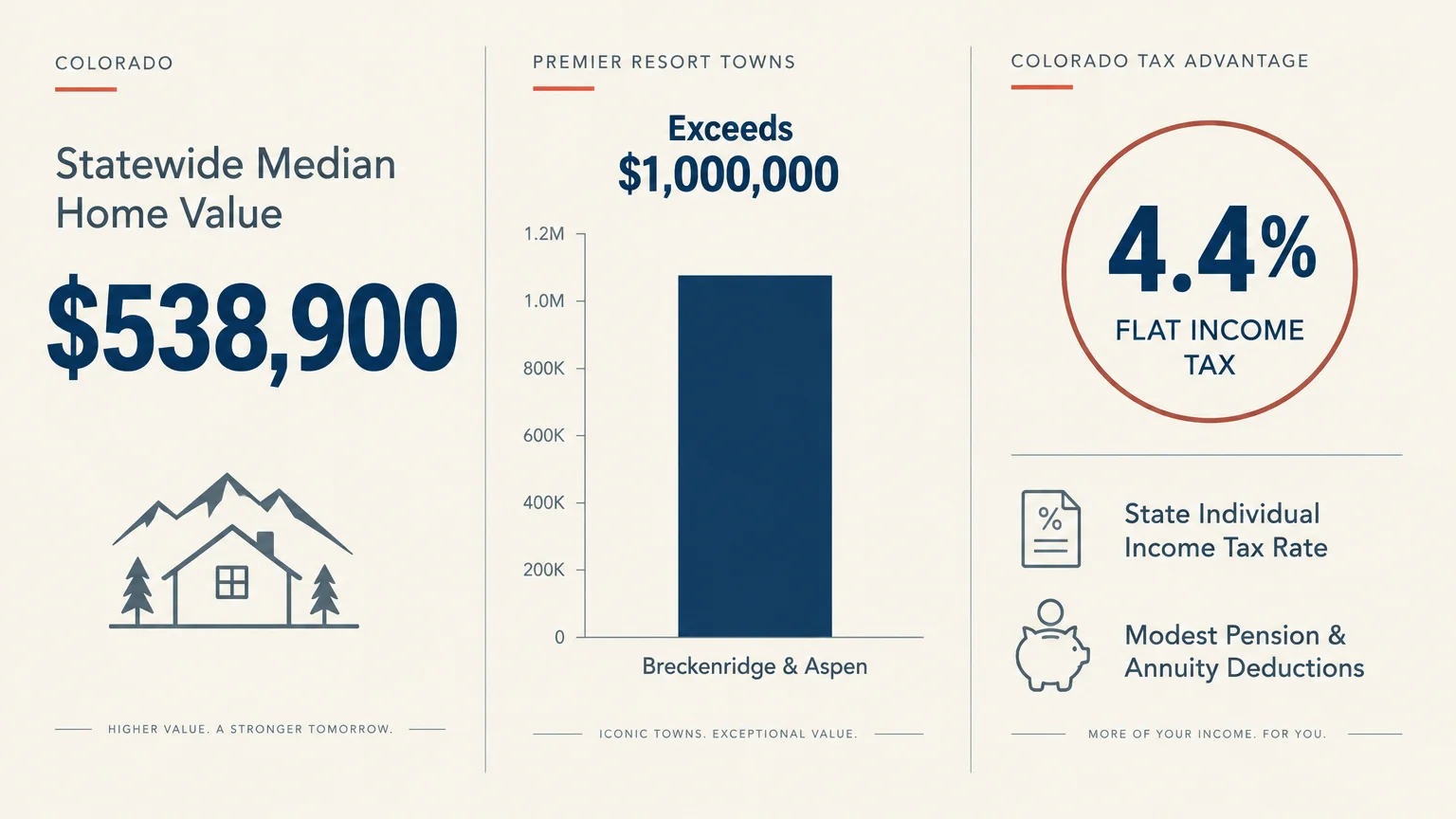
Colorado’s popularity has created a tough financial barrier for many retirees. The statewide median home value hovers near $538,900, while premier resort communities like Breckenridge and Aspen routinely exceed $1,000,000.
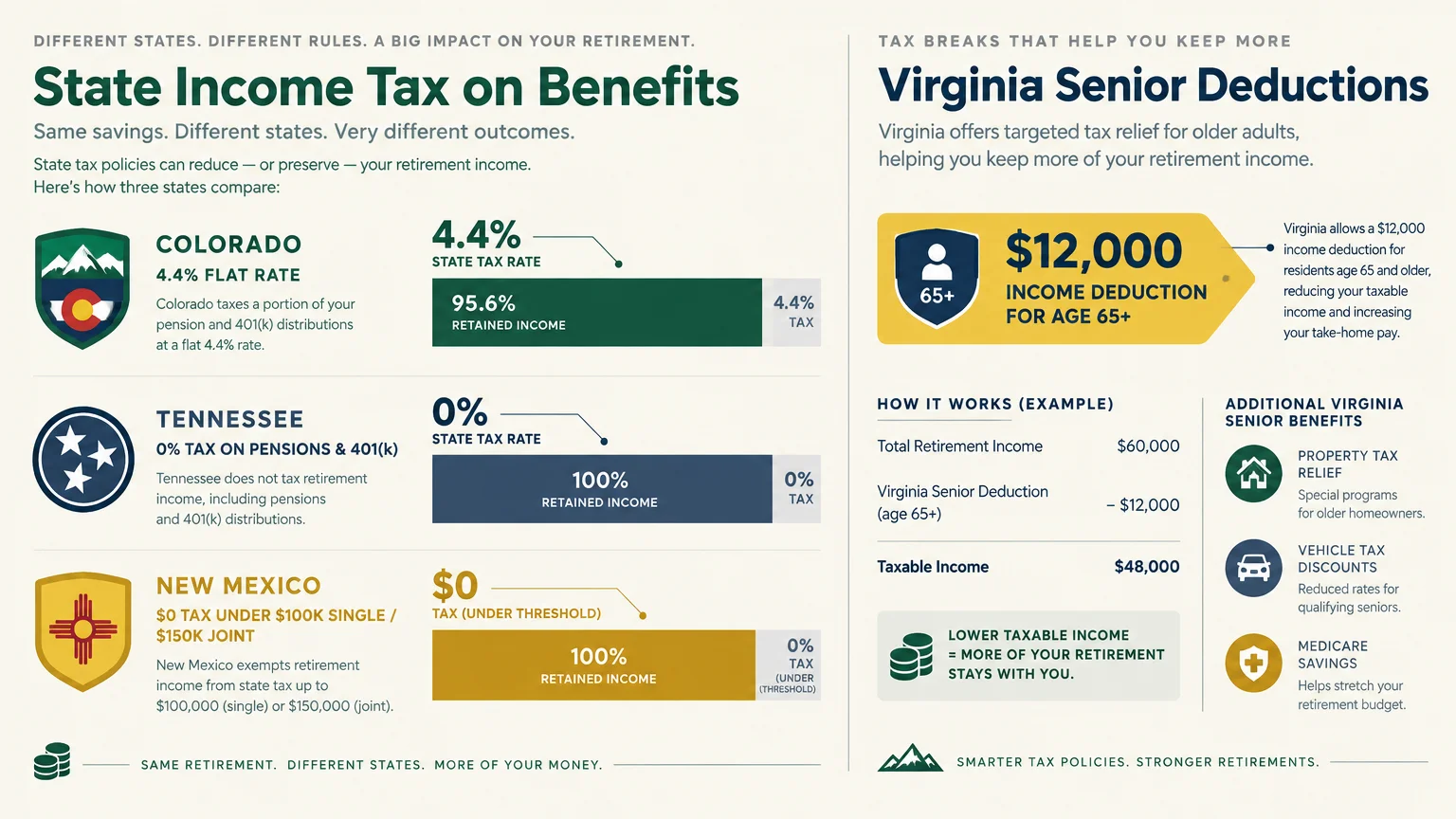
The Centennial State also levies a flat individual income tax rate of 4.4%. While Colorado allows modest pension and annuity deductions for older residents, routine living costs remain elevated in high-demand counties.
Fortunately, you can discover similar pine-scented forests, golden aspen groves, and rugged peaks across the country. These alternatives offer dramatic scenery without jeopardizing your long-term retirement security.
10 Budget Mountain Towns That Feel Just Like Colorado
Finding cheaper alternatives to Colorado requires balancing scenic beauty, healthcare infrastructure, and favorable state tax laws. The following ten communities give you authentic mountain living at sensible price points.
1. Silver City, New Mexico
Nestled in the foothills of the Pinos Altos Mountains, Silver City sits adjacent to the 3.3-million-acre Gila National Forest. You will enjoy crisp alpine air, historic Victorian architecture, and immediate access to the Continental Divide Trail.
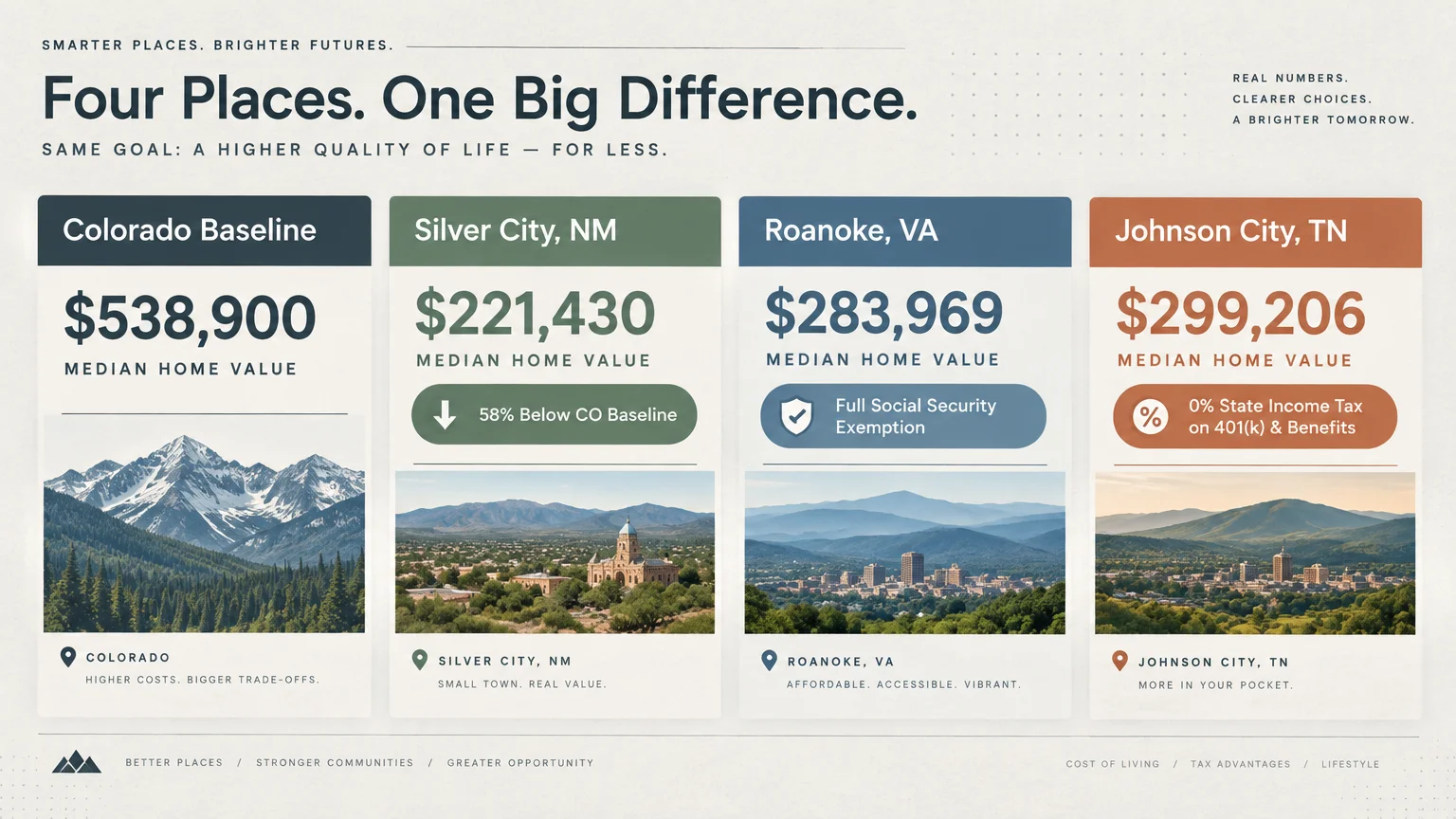
Housing here represents an extraordinary bargain. According to regional housing data, the median home value sits at just $221,430, which is roughly 58% below Colorado’s statewide baseline.
New Mexico also offers substantial tax relief for seniors. Single filers with adjusted gross incomes under $100,000 and joint filers under $150,000 pay zero state income tax on Social Security benefits.
2. Roanoke, Virginia
Roanoke rests squarely in the Blue Ridge Mountains and gives outdoor enthusiasts quick access to the Appalachian Trail and Carvins Cove. The city features a vibrant downtown alongside panoramic mountain overlooks that rival Front Range views.
The local median home value is approximately $283,969, providing an attainable entry point for downsizing seniors. You gain access to major regional medical centers like Carilion Roanoke Memorial Hospital without paying resort-town premiums.
Virginia shields your hard-earned benefits by fully exempting Social Security from state taxation. Retirees aged 65 and older can also deduct up to $12,000 of other income, subject to state thresholds.
3. Johnson City, Tennessee
Located in northeastern Tennessee against the backdrop of the Southern Appalachians, Johnson City blends mild mountain seasons with stunning ridgelines. Nearby Roan Mountain delivers purple rhododendron blooms and high-altitude hiking reminiscent of Colorado passes.
The median home value stands at $299,206, keeping housing well under the national average. Exceptional healthcare through the Ballad Health network makes it especially appealing for active retirees.
Tennessee levies zero state individual income tax on pensions, 401(k) distributions, and Social Security. You keep more of your monthly income to fund your outdoor adventures.
4. Cañon City, Colorado
If you have your heart set on the Centennial State, look beyond overpriced metro corridors. Cañon City sits in the Arkansas River Valley along the dramatic Royal Gorge, offering mild “banana belt” winter weather.
The median home sale price in Cañon City sits around $305,000, roughly 43% below the statewide median. You remain close to Colorado Springs healthcare while avoiding Front Range housing inflation.
While subject to Colorado’s 4.4% flat income tax, Fremont County provides relatively low property tax assessments. Seniors aged 65 and older can still claim the state pension subtraction of up to $24,000.
5. Butte, Montana
Butte offers an authentic Rocky Mountain experience surrounded by the Continental Divide and millions of acres of public land. You can enjoy trout fishing, pristine hiking trails, and uncrowded wilderness right outside your door.
While Montana boomtowns like Bozeman now boast medians exceeding $700,000, Butte remains accessible with a median sale price of $308,357. Historic uptown architecture adds distinct character to this rugged mountain enclave.
Montana charges zero percent statewide sales tax, lowering your daily expenses on groceries, goods, and recreation gear. The state taxes individual income under a streamlined system with a top marginal rate capped at 5.9%.
6. Casper, Wyoming
Casper sits beneath the dramatic silhouette of Casper Mountain along the North Platte River. It offers world-class fly fishing, Nordic skiing trails, and wide-open western landscapes that evoke Colorado’s historic frontier spirit.
With a median home price near $320,000, Casper delivers dependable mountain access at a realistic price tag. The city also hosts Banner Health Wyoming Medical Center, providing high-level specialty care.
Wyoming is one of the most tax-friendly states in the nation for retirees. The state levies no personal income tax on retirement withdrawals and maintains some of the lowest property tax rates nationwide.
7. Pocatello, Idaho
Tucked into the Portneuf River Valley among the Northern Rockies, Pocatello delivers immediate trail access and unpretentious mountain living. Idaho State University brings cultural events, lifelong learning programs, and athletic games to the community.
The median home value sits at $346,110, offering significant savings compared to crowded hubs in northern Idaho or Colorado. Mountain biking, cross-country skiing, and quiet reservoirs are only minutes away.
Idaho does not tax Social Security retirement benefits, protecting a core foundation of your income. The state taxes other retirement withdrawals at a flat 5.695% above standard deduction thresholds.
8. Ogden, Utah
Ogden sits right against the towering cliffs of the Wasatch Range, offering dramatic mountain vistas behind its historic downtown. Three major ski resorts sit within 30 minutes, giving you ski-town energy without resort pricing.
While nearby Park City medians exceed $1.5 million, Ogden features a median listing price of $375,958 and sale prices around $401,600. McKay-Dee Hospital provides top-tier regional healthcare services.
Utah levies a flat income tax rate of 4.55%. However, state retirement tax credits and targeted Social Security credits help eliminate state tax liabilities for most middle-income seniors.
9. Payson, Arizona
Known as the “Heart of Arizona,” Payson rests at 5,000 feet beneath the soaring Mogollon Rim. Dense ponderosa pine forests and four distinct seasons create an atmosphere that feels remarkably like central Colorado.
The median home value in Payson sits at $448,908, well below Colorado resort towns and higher-elevation Flagstaff. You escape the desert heat while staying within a 90-minute drive of Phoenix medical specialists.
Arizona exempts 100% of Social Security retirement benefits from state income taxation. Any taxable retirement account distributions face a flat, modest income tax rate of only 2.5%.
10. Spearfish, South Dakota
Spearfish anchors the northern rim of the Black Hills along the dramatic limestone canyon walls of Spearfish Canyon. You will find trout streams, ponderosa pine ridges, and mountain biking trails right outside your neighborhood.
The median home value is $461,084, while nearby Rapid City offers additional budget choices in the $320,000 range. You enjoy four mild seasons, vibrant arts through Black Hills State University, and uncrowded state parks.
South Dakota charges zero individual income tax, meaning your pensions, IRAs, and Social Security distributions remain entirely tax-free. Low overall tax burdens help your retirement dollars stretch much further.
Comparing the Best Budget Mountain Retirement Towns
Comparing financial markers side-by-side helps you identify the best fit for your retirement income. Review the median home prices and state income tax policies across these scenic destinations.
| Destination | Colorado Vibe Match | Median Home Price | State Senior Income Tax |
|---|---|---|---|
| Silver City, NM | San Juan Mountains / Foothills | $221,430 | Social Security exempt under income limits |
| Roanoke, VA | Front Range Greenery | $283,969 | Social Security exempt; up to $12k deduction (65+) |
| Johnson City, TN | Alpine Valley / Forests | $299,206 | 0% state income tax |
| Cañon City, CO | Royal Gorge / High Desert | $305,000 | 4.4% flat tax; up to $24k deduction (65+) |
| Butte, MT | Rocky Mountain Mining Town | $308,357 | 0% sales tax; top income tax capped at 5.9% |
| Casper, WY | Frontier High Plains / River | $320,000 | 0% state income tax |
| Pocatello, ID | Northern Rockies Valley | $346,110 | Social Security exempt; 5.695% flat tax |
| Ogden, UT | Wasatch Ski Hub | $375,958 | 4.55% flat tax with retirement credits |
| Payson, AZ | Ponderosa Pine Country | $448,908 | Social Security exempt; 2.5% flat tax |
| Spearfish, SD | Pine Canyon / Black Hills | $461,084 | 0% state income tax |
Notice how several states eliminate income taxes completely, boosting your monthly disposable cash flow. Even a small difference in state tax rates can preserve tens of thousands of dollars over a 20-year retirement.

Expert Perspective on Retirement Relocation
Moving to a lower-cost mountain town can eliminate housing debt and preserve your investment portfolio. Downsizing your mortgage frees up capital for healthcare and travel.
“The goal isn’t more money. The goal is living life on your terms.” — Jean Chatzky, Financial Journalist and Author
Choosing a budget mountain town lets you prioritize your physical and emotional well-being without stressing over high monthly bills. Lower overhead means less portfolio pressure during volatile market cycles.
Costly Errors to Sidestep When Relocating in Retirement
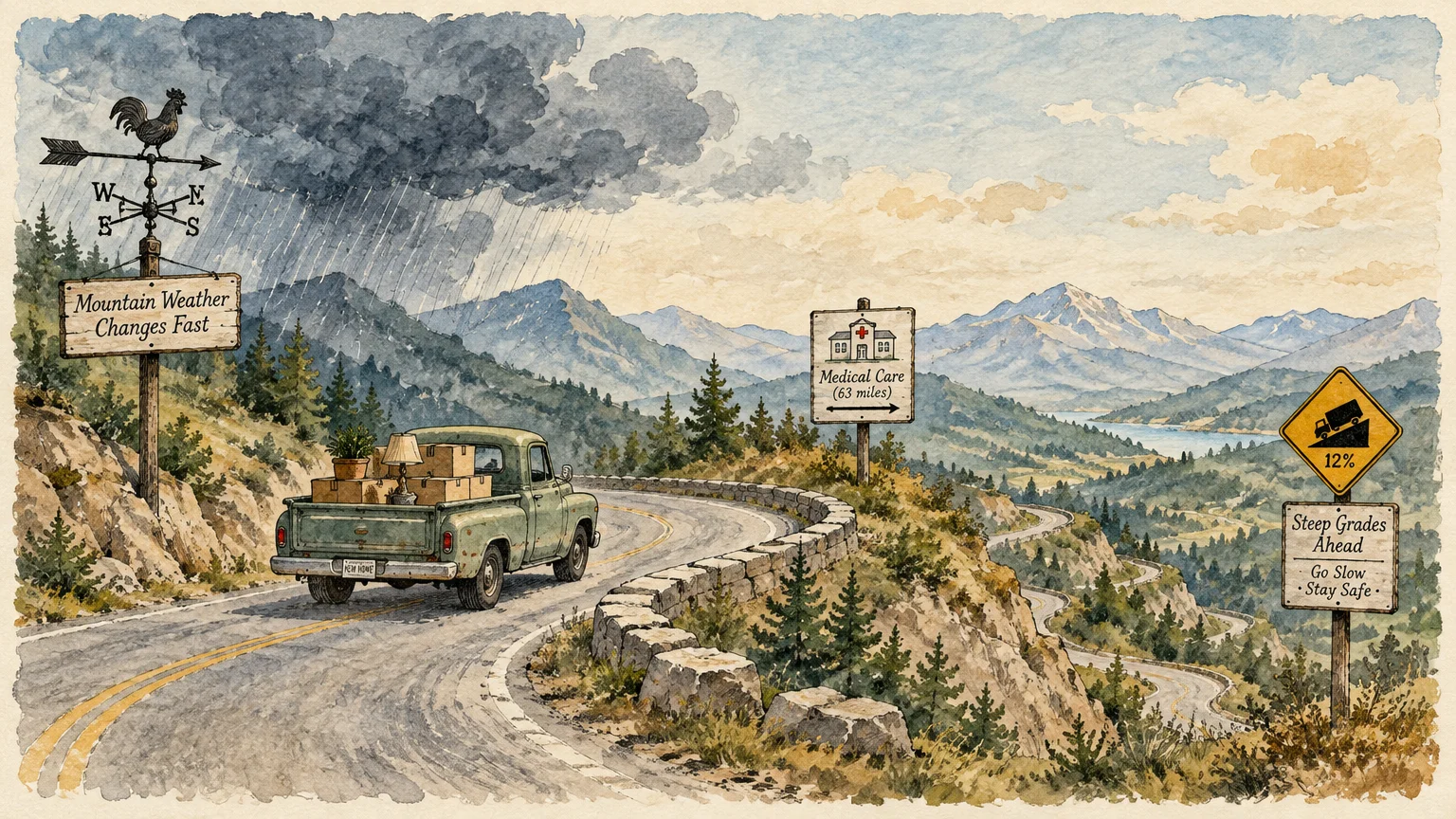
Relocating in retirement involves more than just admiring mountain views and comparing real estate listings. Keep these critical pitfalls in mind before packing your moving boxes.
- Ignoring High-Altitude Healthcare Needs: Mountain living can exacerbate cardiac or respiratory issues. Confirm that your target town has accessible specialized care and that local doctors accept Medicare.
- Underestimating Property Tax Trade-Offs: States with zero income tax often compensate through higher property or sales taxes. Check county mill levies before assuming an area is cheaper overall.
- Overlooking Severe Winter Maintenance Costs: High-altitude snowfall requires snow removal equipment, seasonal vehicle maintenance, and higher winter heating budgets. Factor these recurring expenses into your retirement cash flow plan.
- Rushing Into a Home Purchase: Purchasing immediately in an unfamiliar mountain community can lead to buyer’s remorse. Rent for a full winter season first to experience the climate and lifestyle firsthand.
Consulting resources like the Consumer Financial Protection Bureau can help you evaluate mortgage products and relocation costs before committing.
How Taxes Impact Your Mountain Retirement Budget
State taxes can quietly erode your monthly pension checks and investment withdrawals. Reviewing state tax treatments before moving ensures you keep more of your hard-earned wealth.
Verify your baseline federal tax obligations with the Internal Revenue Service to determine how standard deductions change after age 65. Combining federal exemptions with states that protect Social Security maximizes your spending power.
You can track your projected monthly retirement payments directly on the official Social Security Administration website. Knowing your guaranteed monthly baseline simplifies your search for the right mountain community.
Advocacy organizations like AARP provide valuable state-by-state tax calculators to compare your net disposable income across various locations. Take advantage of these free tools before finalizing any purchase.
Frequently Asked Questions About Mountain Retirement Towns
Moving to a mountain community raises practical questions about cost, healthcare, and daily living. Here are answers to common questions retirees ask.
What is the cheapest mountain town to retire in?
Silver City, New Mexico, ranks among the most affordable options, with a median home value near $221,430. Cañon City, Colorado, and Roanoke, Virginia, also offer exceptional value under $310,000.
Are zero-income-tax states always the cheapest for retirees?
Not always, because states without income tax often rely on higher sales or property taxes to fund public services. Always calculate your complete tax burden, including county property taxes and local sales levies.
How does high elevation affect seniors retiring in mountain towns?
Higher elevations feature lower oxygen levels and lower humidity, which can affect respiratory and cardiovascular conditions. Spend several weeks at higher elevations before purchasing a home to ensure your body adjusts comfortably.
Can I find Colorado-like mountain views without heavy winter snow?
Yes, towns like Payson, Arizona, and Cañon City, Colorado, offer mild winter climates with lighter snowfall. These towns give you mountain vistas and crisp air without demanding heavy snow shoveling.
Next Steps for Planning Your Mountain Move
Start by creating a realistic retirement spending plan that weighs housing, local healthcare networks, and state taxes. Renting an extended-stay property during mid-winter provides valuable insight into everyday mountain living.
This article provides general financial education and information only. Everyone’s financial situation is unique—what works for others may not work for you. For personalized advice tailored to your retirement needs, consider consulting a qualified financial professional such as a CFP or CPA.
Last updated: February 2026. Benefit amounts, tax rules, and program details change annually—verify current figures with official government sources.







Leave a Reply