

Buying a home during retirement offers freedom and stability, but unexpected property expenses can quickly derail a fixed retirement budget. When you transition from renting or enter homeownership later in life, the true cost of ownership extends far beyond your monthly mortgage principal and interest. Overlooking recurring property reassessments, sudden community assessments, and physical maintenance fees can force unplanned withdrawals from your retirement accounts. Understanding these hidden obligations before making an offer protects your nest egg and preserves your long-term cash flow. Here are nine critical expenses every retiree must account for before signing on the dotted line.

1. Post-Purchase Property Tax Reassessments
Many first-time homebuyers in retirement make the dangerous assumption that their future property taxes will match the seller’s current tax bill. In reality, long-term homeowners often benefit from statutory assessment caps, historical valuation freezes, or grandfathered senior exemptions. When a home transfers ownership, the local county tax assessor reassesses the property based on the newly established purchase price. If the seller bought the house twenty years ago for $150,000 and you purchase it for $425,000, your annual property taxes will reset to reflect the current market value.
Furthermore, senior homestead exemptions and property tax freezes (typically available at age 65) rarely apply automatically on day one. You must establish legal residency and file documentation directly with your county appraisal office during designated annual application windows. While you wait for approval, you must pay the full reassessed rate. Before placing an offer, visit your target county’s assessor portal or contact their office to calculate your projected tax liability using the estimated purchase price rather than historical figures.
2. Surging Homeowners Insurance Premiums and Special Deductibles
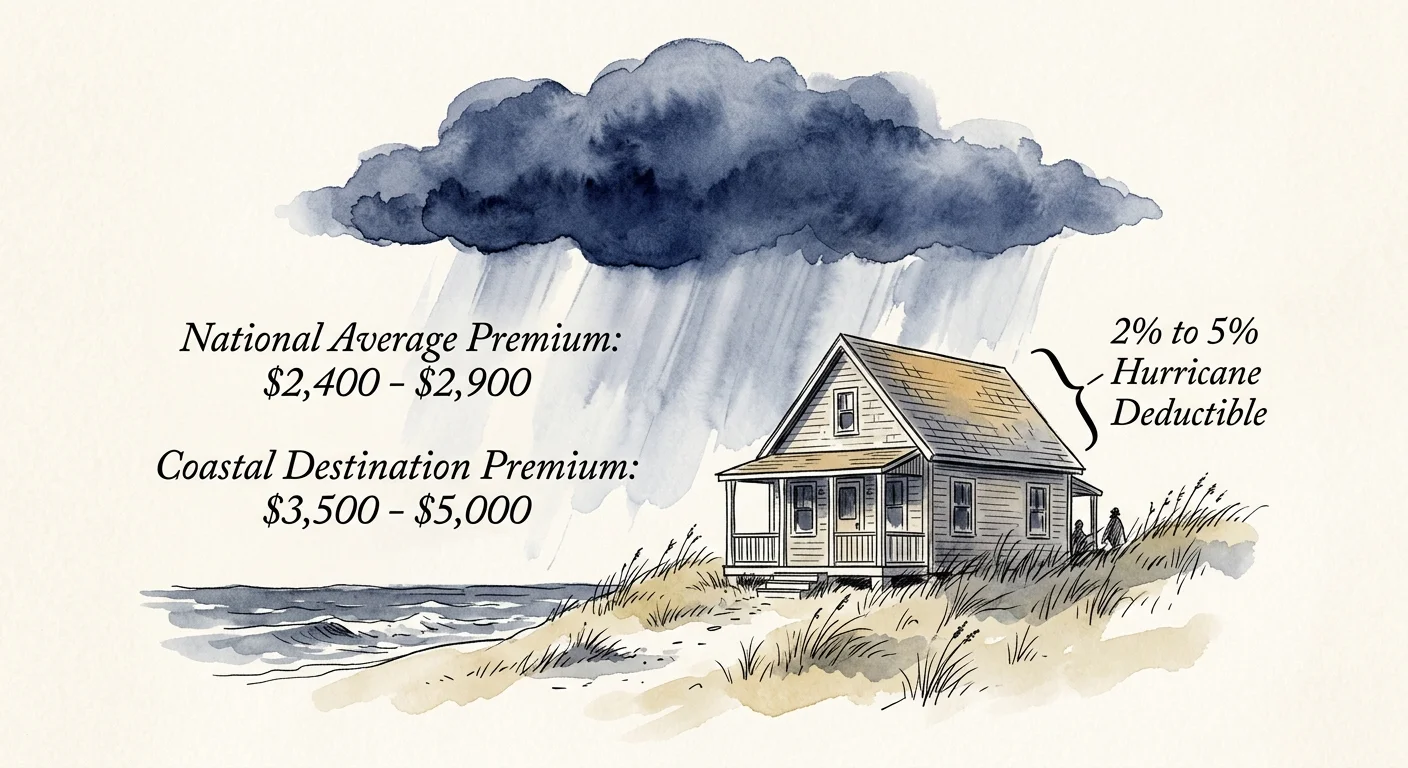
Homeowners insurance costs have surged nationwide due to severe weather events and escalating building material prices. According to recent insurance industry data, the national average premium ranges between $2,400 and $2,900 per year for a standard policy with $350,000 in dwelling coverage. If you retire to popular coastal or sunbelt destinations such as Florida, Texas, or Louisiana, annual premiums frequently surpass $3,500 to $5,000 for standard single-family homes.
Beyond standard premiums, retirement buyers often overlook separate, percentage-based deductibles for specific perils. Policies in storm-prone regions frequently enforce a 2% to 5% hurricane or named-storm deductible instead of a flat $1,000 out-of-pocket fee. On a $400,000 dwelling, a 3% storm deductible means you must pay $12,000 out of pocket before your insurance policy covers any roof or structural damage. Always request multiple insurance quotes and examine the Consumer Financial Protection Bureau (CFPB) home loan toolkit before finalizing your budget.
3. HOA Special Assessments and Structural Reserve Deficits
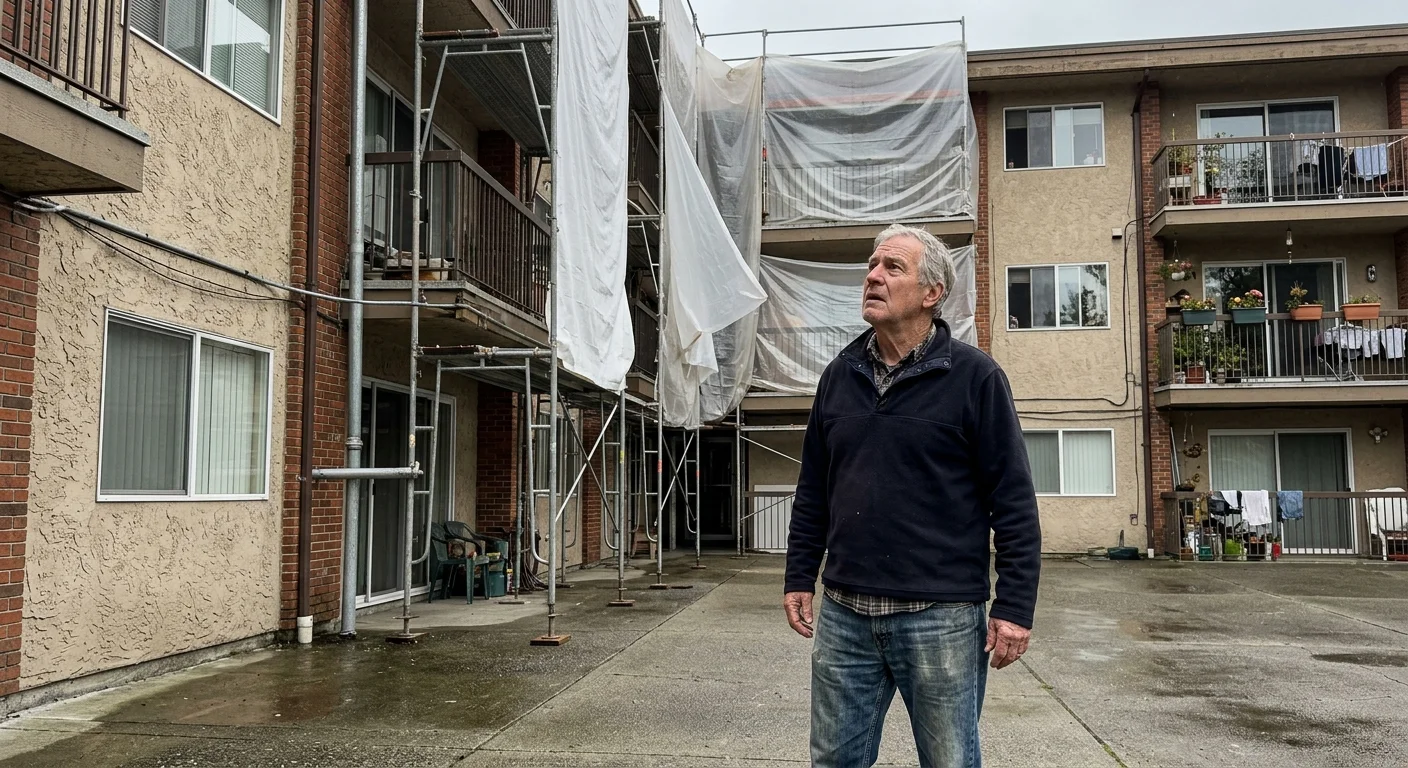
Condominiums, townhomes, and 55+ planned communities appeal to retirees seeking low-maintenance living. Standard Homeowners Association (HOA) dues nationwide average between $200 and $400 monthly, with U.S. Census data revealing that over 3 million households pay more than $500 every month. However, standard monthly dues represent only a portion of the financial equation; the greater risk lies in underfunded reserve accounts.
When an association fails to maintain adequate cash reserves for major capital projects, it levies mandatory “special assessments” across all unit owners. In the wake of structural safety mandates—such as Florida’s Senate Bills 4-D and 154, which require regular milestone inspections and fully funded Structural Integrity Reserve Studies (SIRS) for aging buildings—condo owners across several states have faced unexpected special assessments ranging from $5,000 to more than $100,000 per unit. Before buying into any managed community, demand copies of the association’s most recent reserve study, balance sheet, and meeting minutes to ensure sufficient funds exist for upcoming roof, elevator, or structural repairs.
“A home is not an ATM, and it is certainly not an asset that pays for itself. In retirement, unexpected housing costs are the quickest route to financial stress.” — Suze Orman, Personal Finance Expert

4. Infrastructure Development Fees (CDD and Mello-Roos)
If you purchase a newly built home in an active-adult or master-planned community, you may encounter special municipal infrastructure assessments. In states like Florida and California, local governments allow developers to finance initial infrastructure—such as roads, utilities, water treatment facilities, and luxury clubhouses—by issuing long-term municipal bonds. These debts transfer to individual property buyers through Community Development District (CDD) assessments or Mello-Roos taxes.
These infrastructure fees appear directly on your annual property tax statement and typically add $1,000 to $3,000 or more per year to your housing costs for 20 to 30 years. Unlike standard HOA fees that cover daily landscaping and pool maintenance, CDD fees pay down capital debt alongside separate operations and maintenance fees. Failing to pay these assessments can result in a tax lien against your home, making it essential to verify whether a property sits within an assessment district before submitting an offer.

5. The Outsourced “Chore Tax” for Routine Maintenance
Financial planners recommend budgeting between 1% and 4% of a home’s total market value each year for routine upkeep and major replacement reserves. On a $375,000 home, that equals an annual maintenance reserve of $3,750 to $15,000. However, retirees face an additional layer of expense: the outsourced labor cost for everyday physical maintenance.
While younger buyers might spend weekends cleaning gutters, trimming large trees, painting exterior siding, or shoveling heavy snow, retirees frequently hire contractors to avoid fall hazards and injury. Outsourcing basic exterior property upkeep creates a recurring “chore tax” that adds up quickly:
- Lawn Care and Landscaping: $100 to $250 per month during growing seasons.
- Gutter Cleaning and Pressure Washing: $300 to $600 annually.
- Snow Removal: $50 to $100 per storm or $400 to $800 per winter season in northern climates.
- HVAC Servicing and Filter Changes: $150 to $300 annually for seasonal tune-ups.
These recurring service fees add $1,200 to $6,000 annually to your baseline living expenses, independent of major structural repairs.
6. Aging-in-Place and Accessibility Retrofits
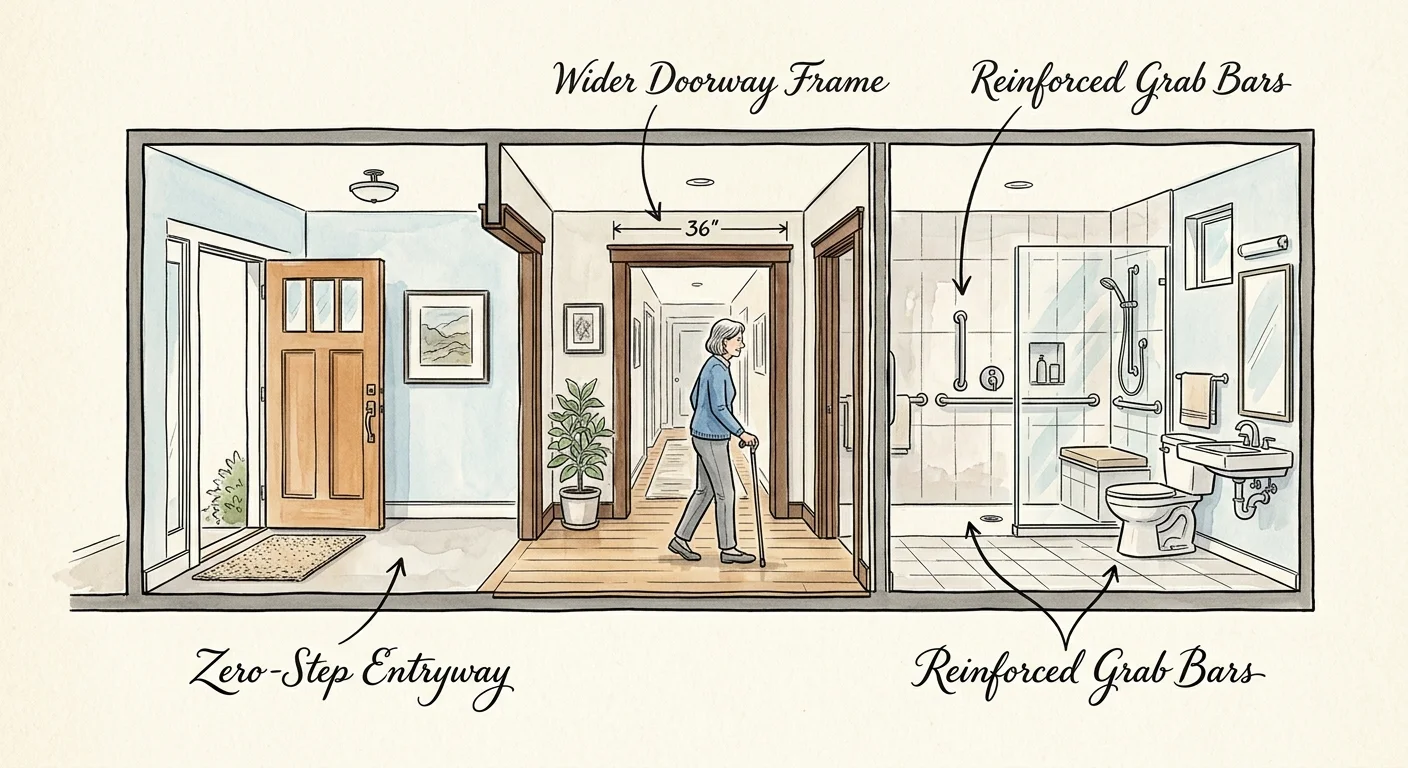
Most standard single-family homes feature architectural designs that present mobility obstacles later in life. Narrow doorways, multi-level layouts, sunken living rooms, and traditional bathtubs can compromise safety if your physical needs change. Upgrading a home to universal accessibility standards requires significant capital investment.
According to construction cost data, basic aging-in-place modifications typically cost between $3,000 and $15,000. Common retrofit expenses include:
- Wheelchair Ramp Construction: $1,500 to $3,000 depending on length and materials.
- Doorway Widening: $300 to $2,500 per interior doorway to accommodate walkers and wheelchairs.
- Curbless Shower and Grab Bar Installation: $7,000 to $25,000 for a fully accessible bathroom conversion.
- Stair Lift Installation: $3,000 to $10,000 for straight or curved multi-story staircases.
Many seniors mistakenly believe government health programs cover these modifications. However, Medicare Parts A and B do not pay for structural home renovations or accessibility retrofits. To explore potential state assistance, local grants, or veteran benefits, check resources published by the National Council on Aging (NCOA) and the U.S. Department of Housing and Urban Development (HUD) before purchasing a home that requires immediate physical alterations.
7. Upfront Closing Costs and Escrow Cushion Requirements
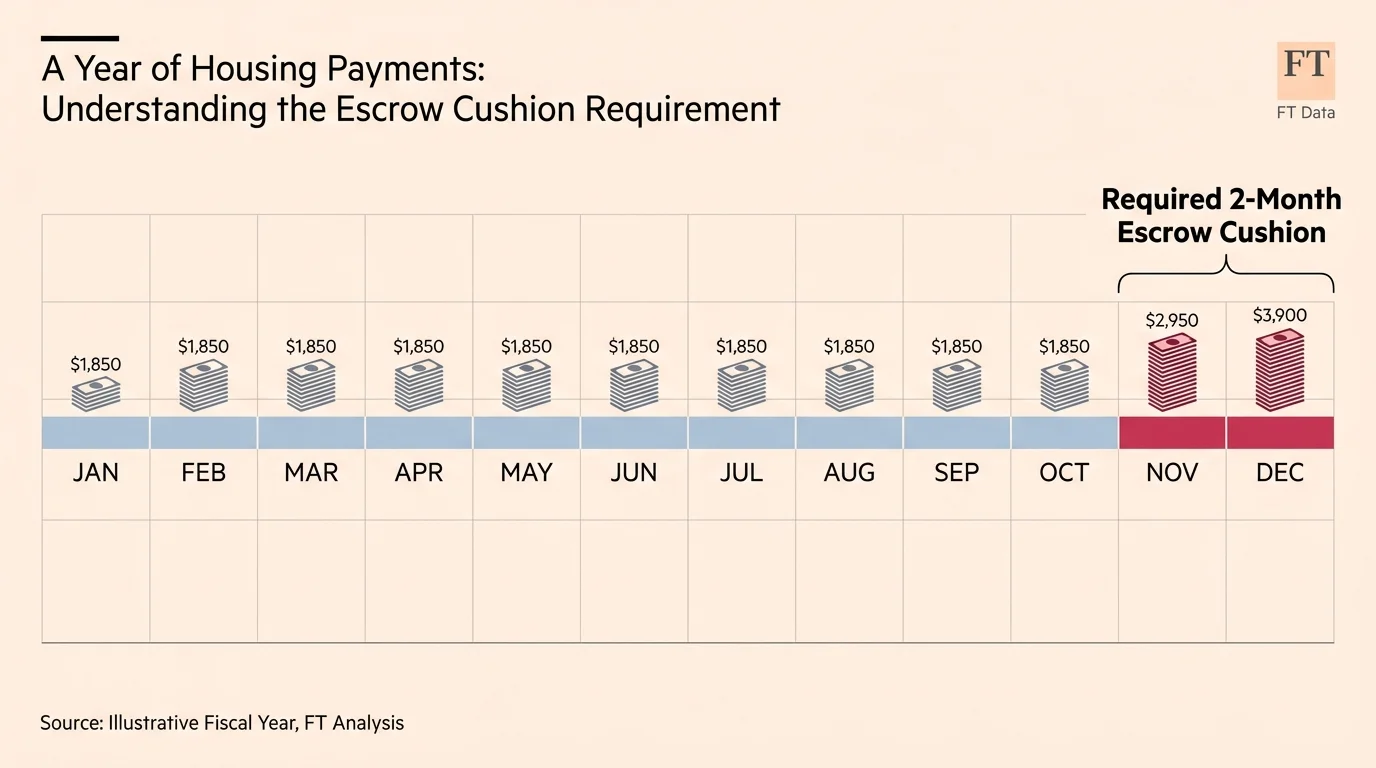
First-time homebuyers often exhaust their cash reserves to assemble a competitive down payment, leaving little cushion for buyer-side settlement charges. Closing costs typically run between 2% and 5% of the total loan balance, or roughly 1% to 3% of the total purchase price for all-cash buyers. On a $350,000 purchase, you can expect settlement charges of $7,000 to $17,500.
These upfront settlement fees include lender origination fees, appraisal charges, title search and insurance policies, recording fees, and transfer taxes. Additionally, mortgage lenders require you to fund an initial escrow account with several months of prepaid property taxes and homeowners insurance premiums upfront. Depleting your liquid savings to cover closing costs leaves your retirement portfolio vulnerable if an unexpected expense arises during your first year in the home.

8. Downsizing Logistics and Relocation Expenses
Transitioning into a new home during retirement rarely involves loading a rental truck yourself. Professional long-distance moving services for a standard 2-to-3 bedroom home cost between $3,500 and $7,500, with full-service packing and cross-country transit easily exceeding $10,000.
Retirees frequently require specialized transition support to navigate decades of accumulated belongings. Hiring a certified Senior Move Manager to organize sorting, estate sales, and donation drop-offs typically adds $1,500 to $3,500. Furthermore, if you downsize into a smaller floor plan before deciding what to keep, renting a climate-controlled storage unit adds $100 to $250 in recurring monthly fees. Factoring these transition logistics into your moving budget prevents cash flow surprises during your first months of homeownership.
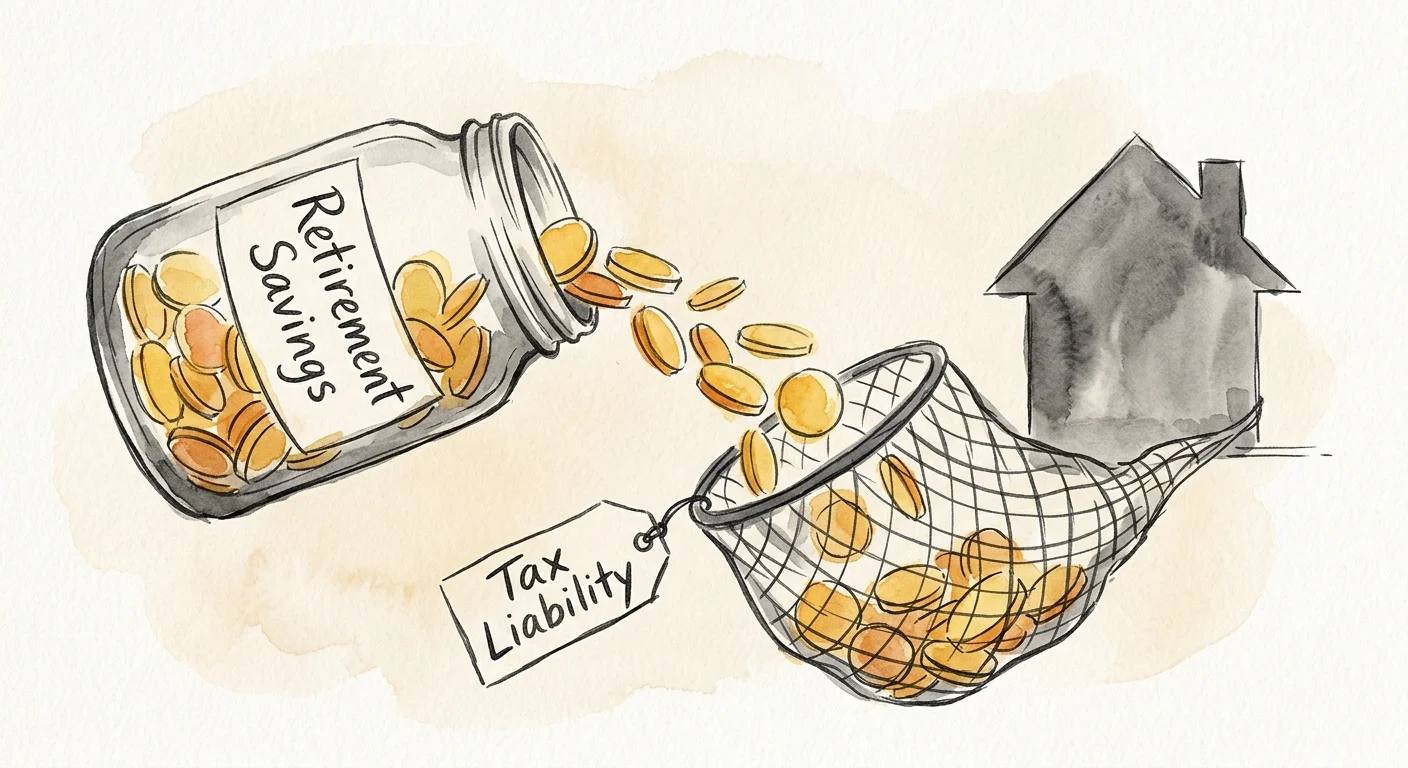
9. Tax Surprises from Down Payment Liquidations
Funding a home purchase during retirement often requires liquidating assets from investment portfolios. If you withdraw funds from a traditional IRA, 401(k), or other tax-deferred retirement accounts to cover your down payment or closing costs, the Internal Revenue Service (IRS) classifies every withdrawn dollar as taxable ordinary income for that tax year.
A large, lump-sum distribution can trigger severe secondary tax consequences:
- Higher Marginal Tax Brackets: A $100,000 distribution can push your income into a higher federal and state tax tier.
- Social Security Benefit Taxation: Increased income can cause up to 85% of your Social Security benefits to become subject to federal income tax.
- Medicare IRMAA Surcharges: Exceeding income thresholds triggers the Income-Related Monthly Adjustment Amount (IRMAA), increasing your Medicare Part B and Part D monthly premiums two years later.
Consult a certified financial planner or tax professional to design a tax-efficient withdrawal strategy—such as staggering distributions across multiple calendar years or utilizing Roth assets—before pulling large sums from tax-deferred accounts.
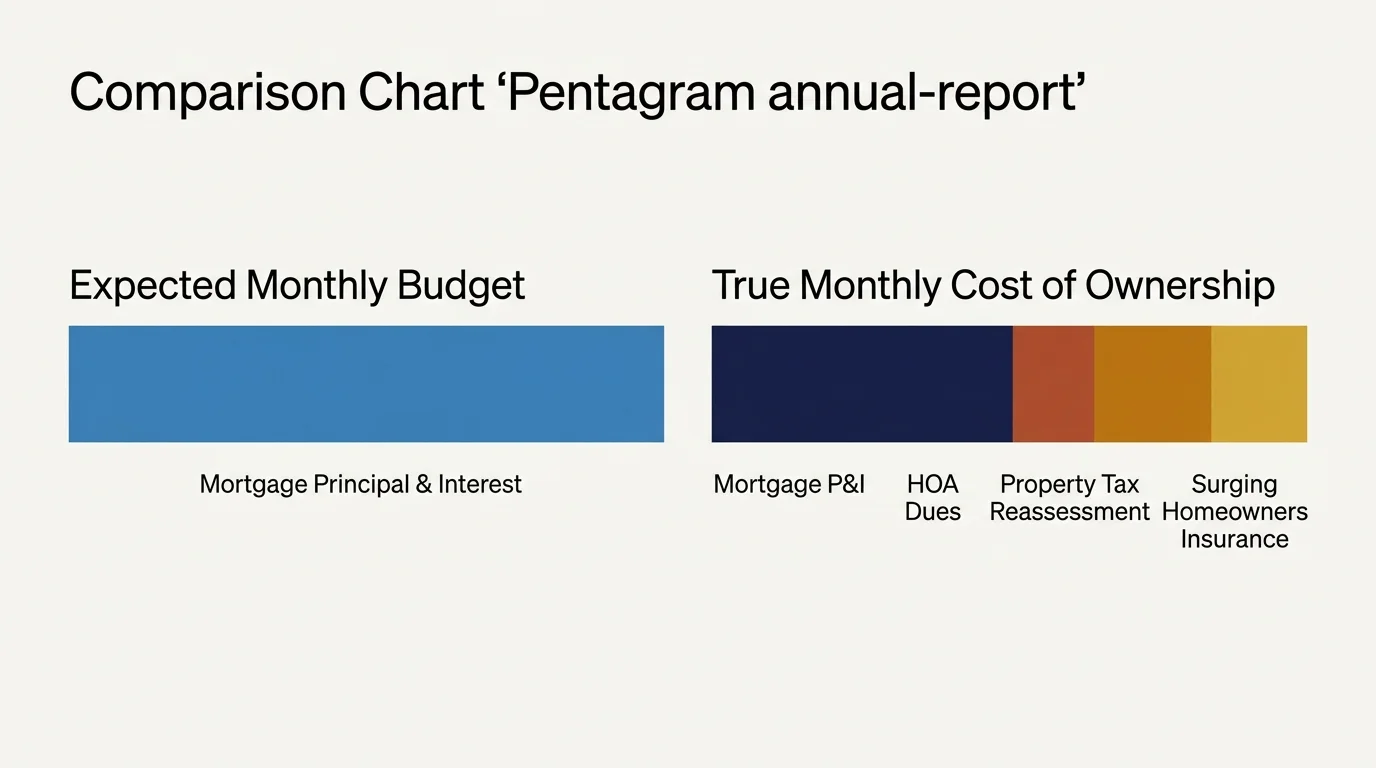
Retirement Homeownership Cost Comparison
Evaluating the visible purchase price against overlooked recurring costs provides a realistic view of ongoing ownership expenses:
| Expense Category | Estimated Cost Range | Billing Frequency | Key Risk or Budget Tip |
|---|---|---|---|
| Property Tax Reset | $2,500 – $8,000+ | Annually / Escrow | Taxes reset to current purchase price; senior freezes require manual application. |
| Homeowners Insurance | $2,400 – $5,000+ | Annually | Review hurricane/storm deductibles, which can reach 2% to 5% of dwelling value. |
| HOA Special Assessments | $5,000 – $50,000+ | One-time or installment | Review reserve study to verify structural repair funds before closing. |
| CDD / Mello-Roos Fees | $1,000 – $3,000+ | Annually (Tax bill) | Infrastructure bond debt in master-planned communities lasting 20–30 years. |
| Outsourced Chore Tax | $1,200 – $6,000 | Monthly / Seasonal | Covers lawn mowing, snow removal, gutter cleaning, and ladder-based chores. |
| Accessibility Retrofits | $3,000 – $25,000 | One-time project | Medicare Parts A and B do not pay for structural home renovations. |
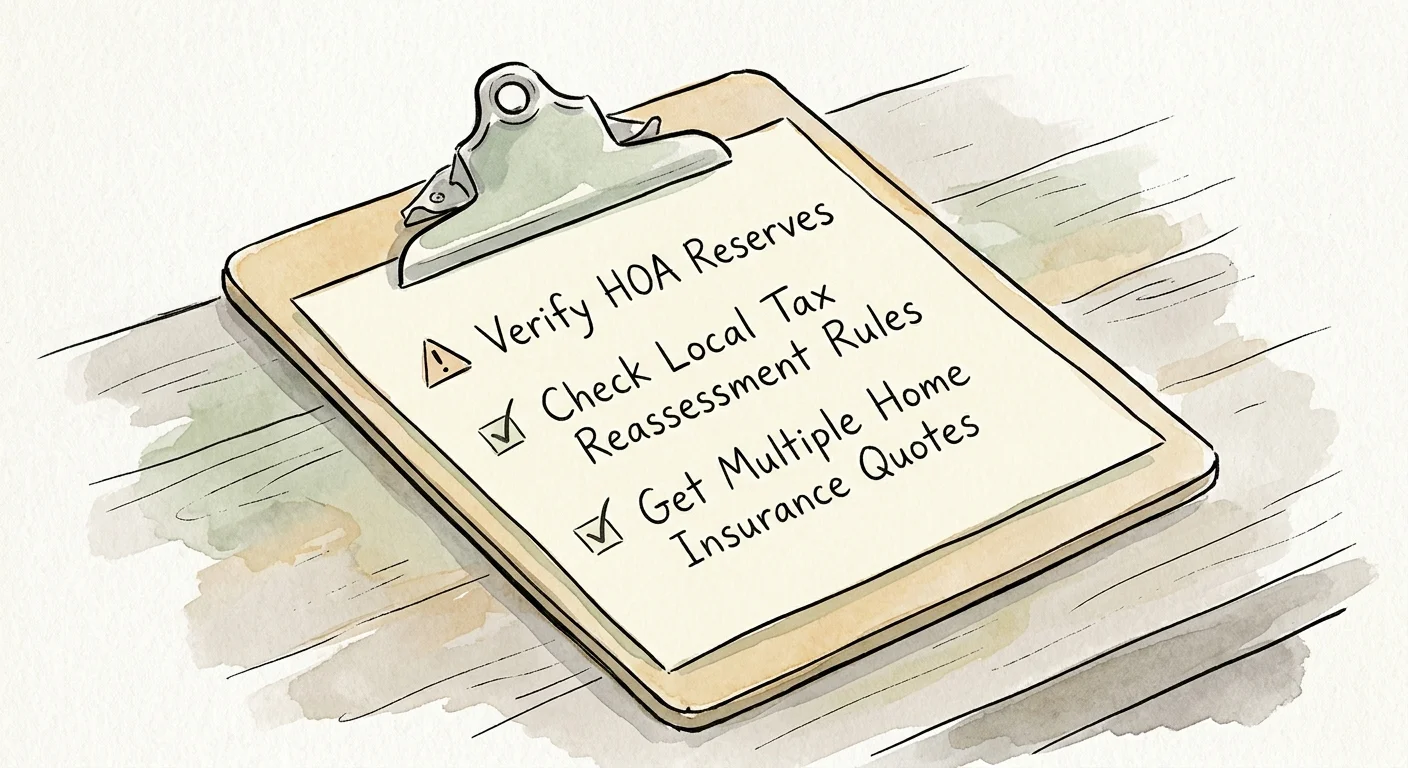
Common Mistakes to Avoid When Buying in Retirement
Steering clear of standard homebuying missteps safeguards your retirement savings and preserves your independence:
- Relying on the Seller’s Historical Property Tax Bill: Always calculate projected taxes based on your agreed purchase price and local municipal assessment ratios rather than relying on past listings.
- Skipping the Structural Reserve Audit: Never purchase a condo or townhome without confirming that the HOA maintains fully funded reserves for major infrastructure repairs.
- Liquidating Pre-Tax Accounts in a Single Calendar Year: Avoid taking a massive, single-year traditional IRA distribution for a down payment, which spikes your taxable income, impacts Social Security taxation, and triggers Medicare IRMAA surcharges.
- Overlooking Long-Term Single-Story Accessibility: Purchasing a multi-story home without a main-floor master bedroom or full bathroom can force expensive accessibility remodels or another move if mobility changes.

Finding the Right Advisor for Your Retirement Home Purchase
Because homeownership during retirement intersects with retirement income, tax planning, and physical longevity, assembling the right professional team ensures a secure transaction:
- Certified Financial Planner (CFP) or CPA: Consult a fiduciary advisor to evaluate whether an all-cash purchase, traditional mortgage, or strategic multi-year withdrawal plan best protects your cash flow and minimizes taxes.
- Real Estate Attorney: Hire an independent attorney to review HOA covenants, structural reserve studies, and special taxing district disclosures before you waive inspection contingencies.
- Certified Aging-in-Place Specialist (CAPS): Engage a home inspector or contractor certified by the National Association of Home Builders to evaluate the property for future universal design modifications and zero-step entries.
Frequently Asked Questions
Does Medicare pay for home accessibility modifications like walk-in tubs or wheelchair ramps?
No. Original Medicare (Part A and Part B) does not cover structural home modifications, bathroom remodels, or wheelchair ramps. While Medicare Part B may cover medically necessary durable medical equipment (DME)—such as patient lifts or mobility devices prescribed by a doctor—the physical renovation work required to modify a home remains the owner’s out-of-pocket responsibility.
How can I find out if an HOA has an underfunded reserve account?
During the contract contingency period, request the association’s formal reserve study, current balance sheet, operating budget, and past two years of board meeting minutes. Look at the “percent funded” ratio in the reserve study; financial experts generally consider a reserve fund below 70% funded to carry an elevated risk of future special assessments.
What is the best way to estimate property taxes before buying a home?
Contact the local county property appraiser or tax assessor’s office directly. Most municipal assessor websites offer an online property tax estimator tool that calculates your future annual tax bill based on the prospective purchase price and local millage rates, rather than relying on the seller’s current assessed rate.
What are CDD fees, and how do they differ from HOA dues?
Community Development District (CDD) fees are municipal assessments levied on your property tax bill to repay public bonds that financed community infrastructure like roads, water management systems, and utility lines. Standard HOA dues are paid directly to a private management company to cover daily operating expenses, such as community landscaping, security, and clubhouse maintenance.
Evaluating the full financial landscape of homeownership ensures that your new property enhances your retirement rather than straining your resources. By budgeting for post-purchase reassessments, regular maintenance services, and long-term accessibility needs, you can secure a comfortable home that aligns perfectly with your financial independence.
This article provides general financial education and information only. Everyone’s financial situation is unique—what works for others may not work for you. For personalized advice tailored to your retirement needs, consider consulting a qualified financial professional such as a CFP or CPA.
Last updated: February 2026. Benefit amounts, tax rules, and program details change annually—verify current figures with official government sources.









Leave a Reply