

Co-owning a home with siblings in retirement can dramatically cut living expenses, eliminate isolation, and keep family assets intact, but sharing real estate requires careful legal and financial planning. According to data from the National Association of Realtors, older adults account for 42% of all home purchases, with many pooling resources to combat rising property costs. Before you tour properties or draft architectural plans together, you must address title structures, tax rules, long-term healthcare exposure, and daily expense agreements. Overlooking these practical realities can jeopardize your nest egg and strain family bonds. Understanding the key legal, tax, and personal ramifications ensures your shared retirement property provides security rather than unexpected conflict.
1. Property Titling: Tenancy in Common vs. Joint Tenancy
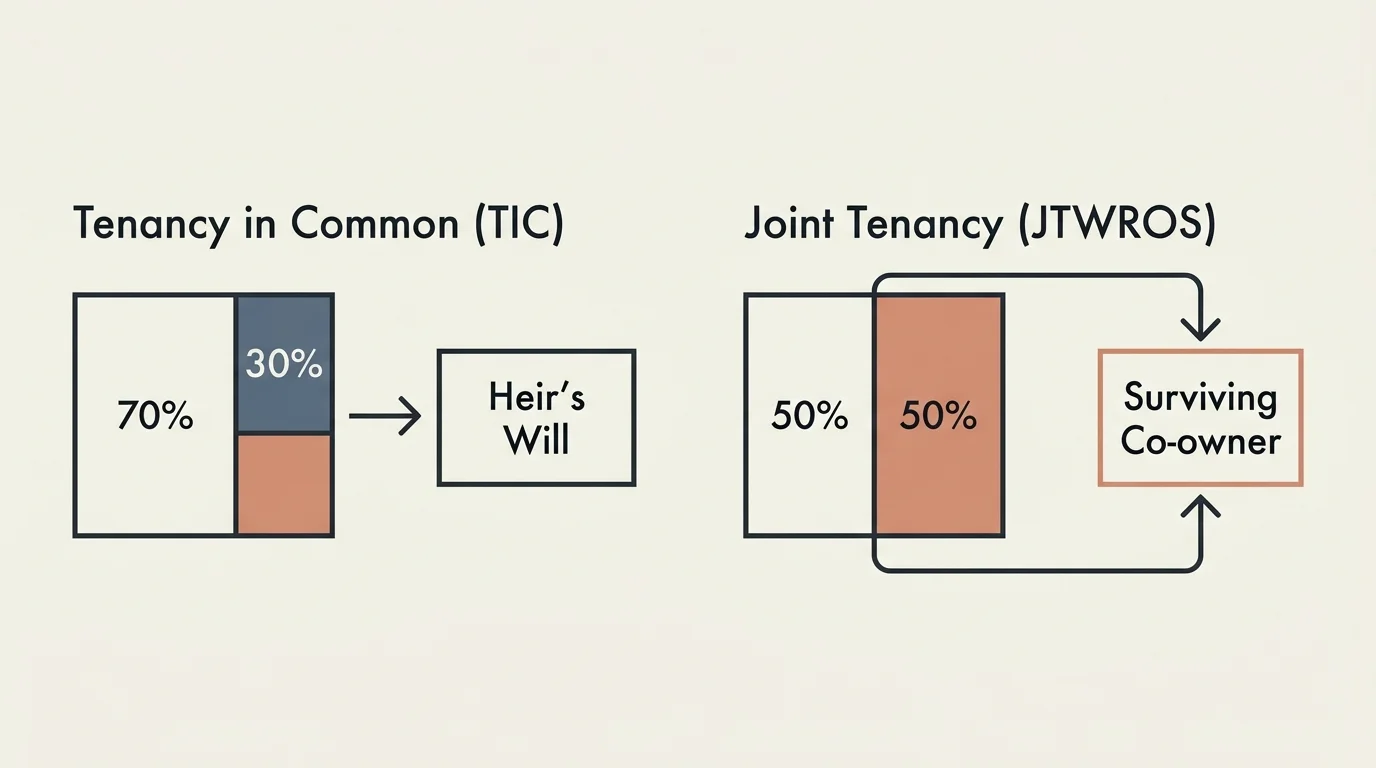
When you purchase real estate with a sibling, the wording on your property deed establishes your legal rights, tax obligations, and inheritance paths. Most sibling co-owners choose between two primary ownership structures: Tenancy in Common (TIC) and Joint Tenancy with Right of Survivorship (JTWROS). Selecting the wrong title structure can inadvertently disinherit your children or create probate nightmares for surviving relatives.
Tenancy in Common allows co-owners to hold unequal ownership percentages, such as a 60/40 split reflecting unequal down payment contributions. Crucially, when a tenant in common passes away, their share does not automatically go to the surviving sibling. Instead, their ownership portion transfers according to their last will and testament or state intestacy laws. This structure works best if you want your share of the home’s equity to pass down to your children or other heirs.
Conversely, Joint Tenancy with Right of Survivorship requires all owners to hold equal shares (a 50/50 split for two siblings). If one sibling dies, their ownership interest automatically transfers to the surviving sibling immediately, bypassing probate entirely. This right of survivorship overrides any conflicting instructions written in a personal will. If your goal is to ensure your sibling retains complete, uninterrupted ownership of the house without outside interference from extended family, JTWROS offers a seamless mechanism.
| Ownership Feature | Tenancy in Common (TIC) | Joint Tenancy with Right of Survivorship (JTWROS) |
|---|---|---|
| Ownership Shares | Can be unequal (e.g., 70/30, 50/50) | Must be strictly equal (50/50 for two owners) |
| Transfer Upon Death | Passes to heirs named in the owner’s will | Automatically transfers to the surviving co-owner |
| Probate Requirement | Yes; deceased owner’s share goes through probate | No; bypasses probate entirely |
| Creditor Protection | Creditors can attach liens to individual shares | Creditor claims may impact joint title |
| Best Suited For | Siblings wanting to pass equity to their own children | Siblings wanting the survivor to keep full ownership |
2. Tax Implications: Gift Taxes and Capital Gains Exclusions
Shared real estate introduces specific tax rules that differ significantly from single-owner or married-couple properties. You must track financial contributions carefully to avoid unintended tax penalties with the Internal Revenue Service (IRS).
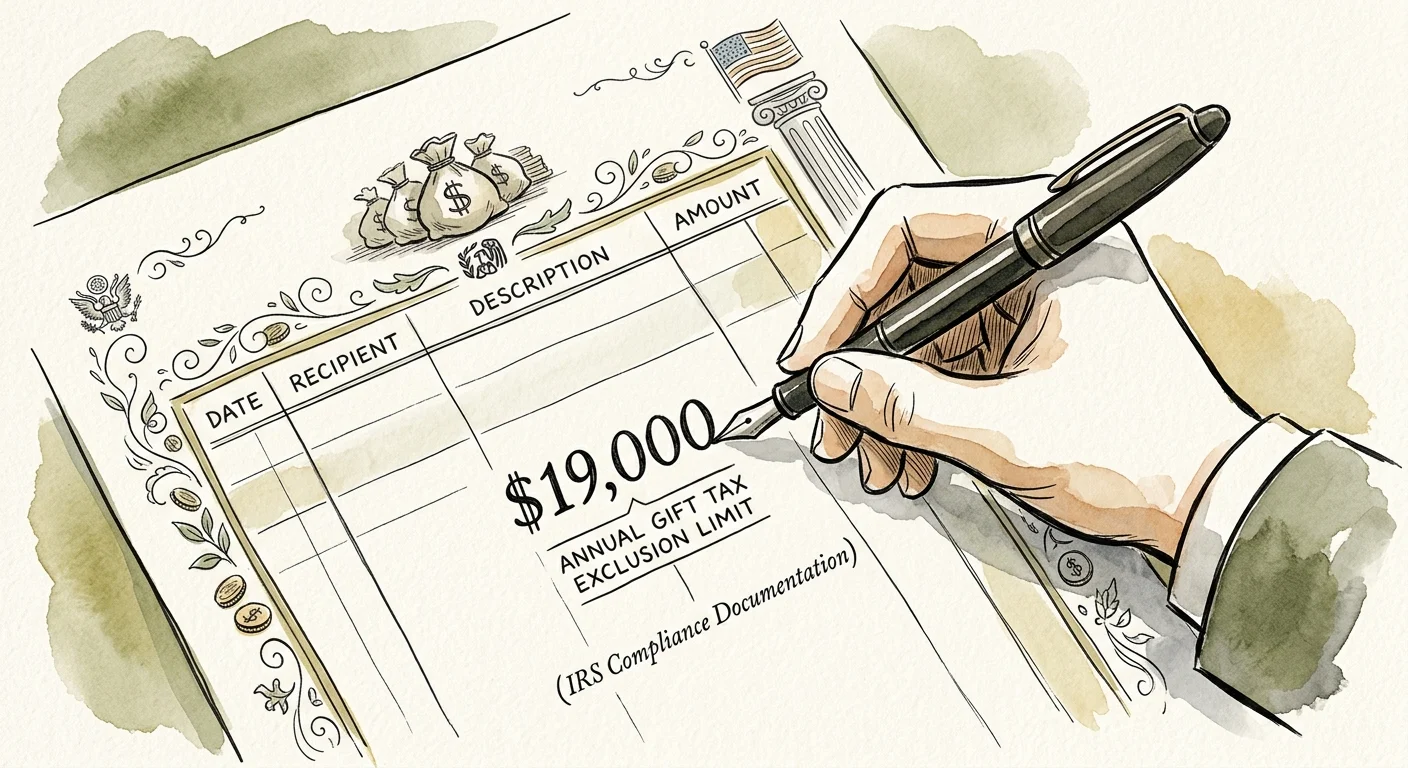
For the 2025 and 2026 tax years, the IRS sets the annual gift tax exclusion at $19,000 per recipient. If one sibling covers more than their proportionate share of the down payment, mortgage payments, or major home improvements without a formal, interest-bearing loan agreement, the excess amount counts as a taxable gift. For example, if you pay $50,000 to replace the roof and upgrade the HVAC system on a 50/50 co-owned property, you have effectively gifted your sibling $25,000 of value (their half of the improvement). Because this exceeds the $19,000 annual exclusion threshold by $6,000, you must file IRS Form 709 (United States Gift Tax Return).
When you eventually sell the home, capital gains tax rules under IRS Section 121 apply individually. While a married couple filing jointly can exclude up to $500,000 of capital gains on a primary residence, co-owning siblings cannot pool a single joint exclusion. Instead, each sibling can exclude up to $250,000 of gain on their respective share of the property, provided each person owned and occupied the residence as their primary home for at least two of the five years preceding the sale.

3. Medicaid Long-Term Care Exposure and the Sibling Exception
Health changes in retirement can happen quickly. If one sibling requires nursing home care funded through Medicaid Long-Term Services and Supports (LTSS), your shared home could face strict eligibility caps and state recovery claims.
Medicaid enforces a strict 60-month (5-year) look-back period on asset transfers in 49 states. If a sibling signs over their share of the home to you or sells it below fair market value within five years of applying for nursing home benefits, Medicaid imposes an eligibility penalty period. Furthermore, federal rules set home equity limits for single applicants—ranging between $752,000 and $1,130,000 in 2026 depending on your state (with a nationwide $1,000,000 cap scheduled for 2028). Only your sibling’s proportionate share of the equity counts toward this limit.
Federal law provides a vital safeguard known as the Medicaid Sibling Exception Rule. Under this statute, an individual can transfer their home equity to a sibling without triggering a transfer penalty, provided the sibling meets two strict criteria:
- The sibling must hold an existing equity interest in the property; and
- The sibling must have resided in the home continuously for at least one full year immediately before the applicant entered a long-term care facility.
To verify program requirements in your state, consult Benefits.gov or an accredited elder law attorney before altering any deeds.

4. Drafting a Comprehensive Co-Ownership Agreement
A deed proves legal ownership, but it does not govern daily responsibilities. You need a standalone, legally binding co-ownership agreement drafted by a real estate attorney. This contract establishes clear rules for operational management, financial transparency, and personal conduct.
Your co-ownership agreement should explicitly detail the following areas:
- Expense Division: Define how you will divide fixed carrying costs (property taxes, homeowner insurance, HOA assessments) versus variable utilities (electricity, water, internet).
- Maintenance Thresholds: Establish spending authority. For instance, either sibling can authorize emergency repairs up to $500, but any non-emergency capital expense over $2,000 requires written mutual consent.
- House Rules and Modifications: Agree on policies regarding extended guest stays, romantic partners moving in, pets, and structural modifications (such as installing wheelchair ramps or stairlifts).
- Dispute Resolution: Require mandatory professional mediation before either sibling can initiate formal legal action or file a partition lawsuit.
“When you enter a financial arrangement with family, clarity is kindness. Put every agreement in writing before you commit a single dollar.” — Suze Orman, Personal Finance Author
5. Designing an Exit Strategy Before Buying In
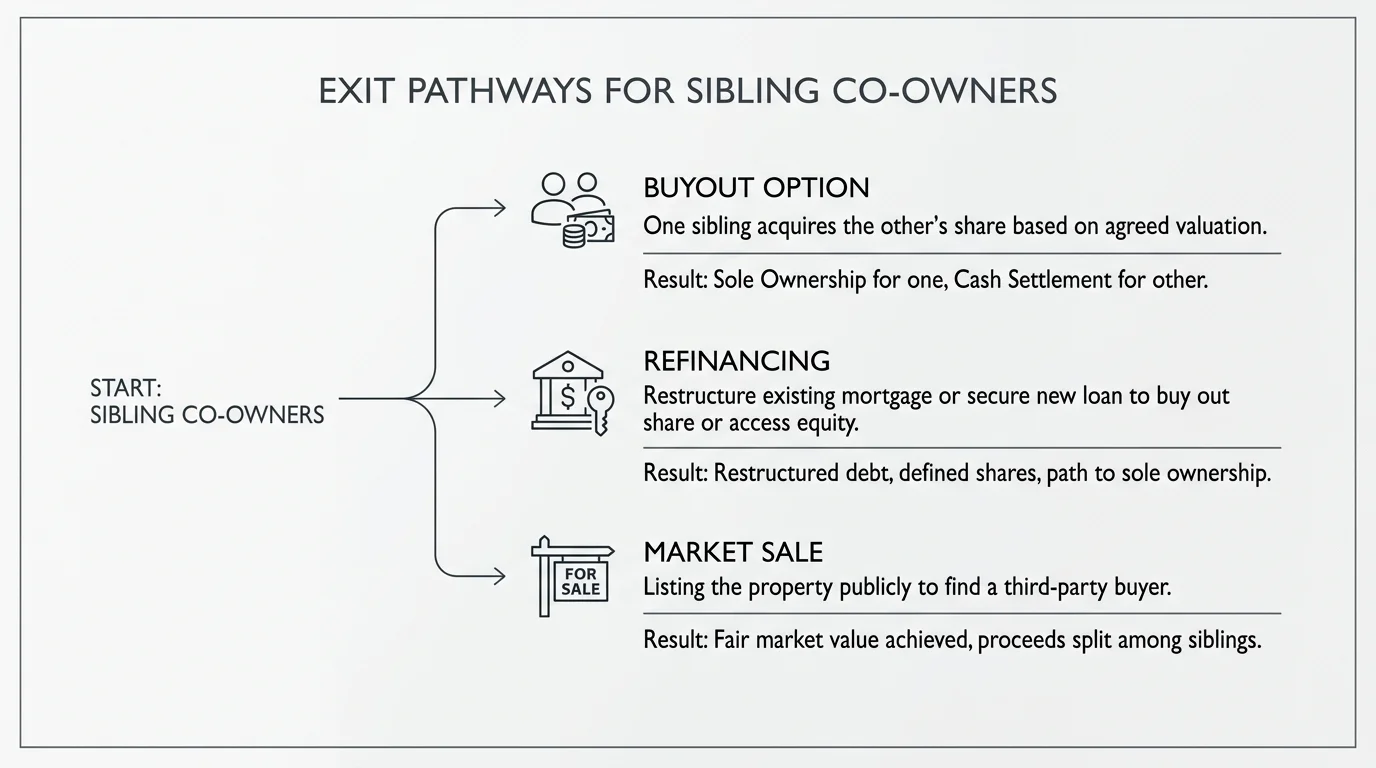
Circumstances change: one sibling may experience cognitive decline, remarry, wish to relocate near grandchildren, or exhaust their liquid savings. Without a predetermined exit strategy, selling a shared home can lead to bitter family disputes or a costly partition action in civil court.
Your exit plan must establish a Right of First Refusal. If Sibling A wants to move out, Sibling B must receive the contractual right to purchase Sibling A’s equity before the property is listed on the open market. Your agreement should define the valuation process—such as averaging two independent appraisals from licensed local appraisers rather than relying on automated internet estimates.
Additionally, define structured buyout timelines. If the remaining sibling cannot afford an immediate lump-sum cash buyout, your contract can outline a formal promissory note with fixed monthly payments at the IRS Applicable Federal Rate (AFR), secured by a recorded deed of trust on the property.

6. Protecting Personal Privacy and Daily Autonomy
Sharing a retirement home requires balancing shared living with personal space. Living together as adults in your 60s or 70s is vastly different from growing up under the same roof decades earlier. Physical property design directly impacts your mental well-being and daily relationship harmony.
When selecting or renovating a home, prioritize layouts that offer distinct personal zones. Ideal architectural features include:
- Dual Primary Suites: Ensure both siblings have equal-sized bedrooms with private en-suite bathrooms and separate climate control zones.
- Dedicated Living Spaces: Create separate sitting rooms, dens, or reading nooks so neither person feels confined to their bedroom when hosting visitors or seeking solitude.
- Universal Design Principles: Incorporate curbless showers, wider doorways, zero-step entryways, and non-slip flooring to accommodate aging in place without costly retrofits later.
Federal housing resources from the U.S. Department of Housing and Urban Development (HUD) offer valuable guidance on accessible home modifications and aging-in-place standards.
7. Structuring Shared Carrying Costs and Dedicated Reserves
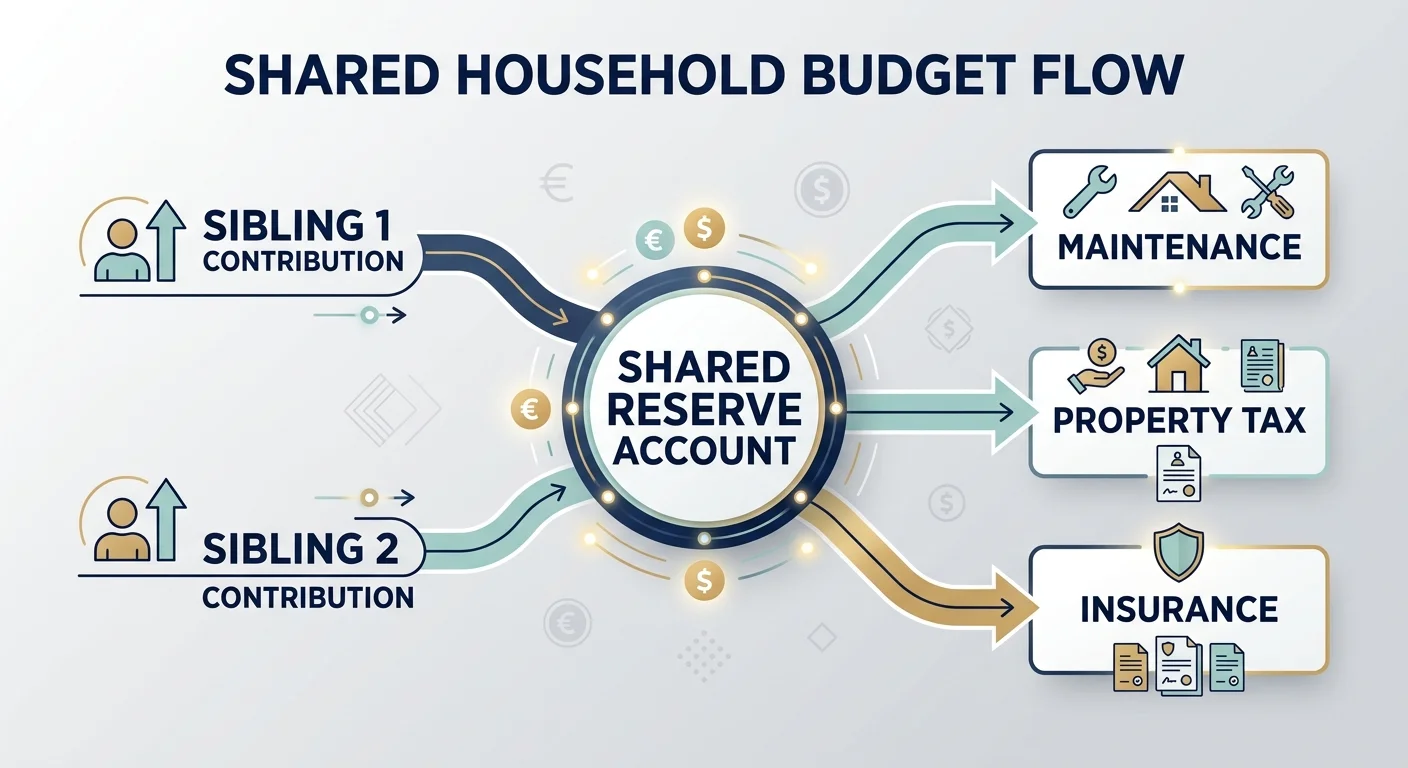
Financial opacity causes friction. Commingling household expenses with personal checking accounts makes tracking individual contributions difficult. Instead, establish a dedicated joint household bank account used exclusively for shared home expenses.
Calculate your annual fixed costs—including property taxes, structural insurance, flood policies, HOA dues, and lawn care—and divide that figure by 12. Each sibling deposits their agreed percentage into the joint account on the first of every month via automated transfer. Keep a liquid reserve fund holding at least six months of carrying costs inside this account to absorb unexpected property tax increases or sudden appliance failures.
The Consumer Financial Protection Bureau (CFPB) provides helpful resources on managing joint bank accounts safely and avoiding unauthorized account liability.
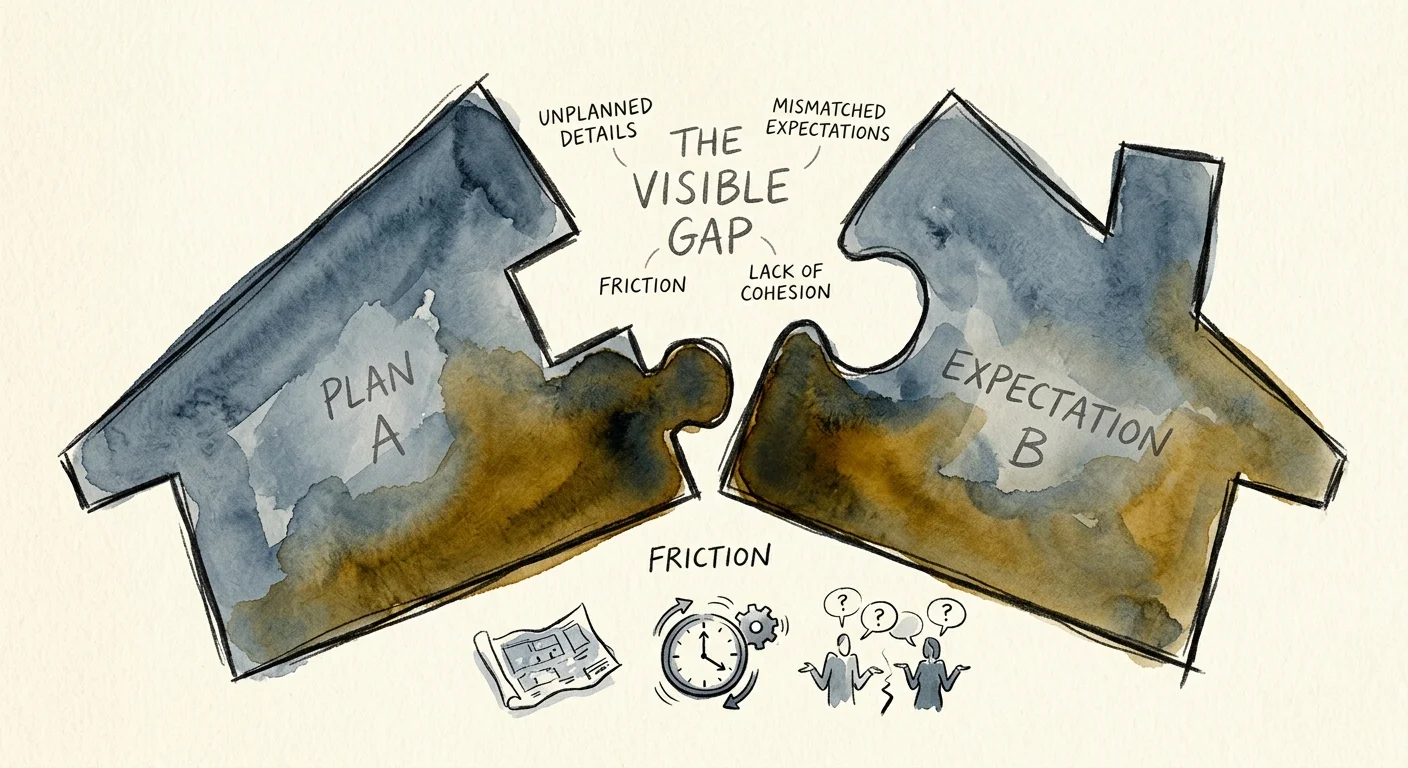
Costly Errors to Sidestep
Co-buying a retirement property involves complex financial intersections. Avoid these four widespread mistakes to safeguard your family harmony and retirement savings:
- Relying on Handshake Agreements: Assuming family goodwill replaces legal contracts leaves you vulnerable if relationships sour or cognitive health declines.
- Ignoring Disproportionate Financial Injections: If one sibling funds a $60,000 addition from their IRA, failing to document that contribution as equity or a formal loan can trigger unintended gift tax liabilities and family resentment.
- Procrastinating on Healthcare Planning: Failing to plan for assisted living or memory care costs can expose the home to Medicaid estate recovery liens after a sibling passes away.
- Overlooking Local Zoning and Tax Rules: Some municipalities revoke senior property tax exemptions or homestead discounts if one co-owner does not meet age or residency requirements.

When DIY Isn’t Enough
While online templates and family discussions are good starting points, certain situations demand specialized professional guidance. Seek professional help in these specific scenarios:
- Unequal Financial Contributions: When one sibling provides the cash down payment and the other covers monthly mortgage payments, an attorney must structure equity tiers and promissory notes.
- Blended Families and Children from Prior Marriages: When either sibling has adult children who expect an inheritance, an estate planning attorney should draft complementary trusts to avoid contested wills.
- Cognitive or Chronic Health Diagnoses: If a sibling shows early signs of memory loss or mobility decline, an elder law specialist can structure ownership to protect Medicaid eligibility without endangering the other sibling’s housing stability. Need local caregiver and legal resources? Connect with the Eldercare Locator for community-based support.
Frequently Asked Questions
Can my sibling force me to sell our co-owned home if we disagree?
Yes. If you cannot reach a mutual agreement or execute an internal buyout, any co-owner can file a “partition action” in court. The court will typically order the property sold at fair market value and divide the net proceeds according to each owner’s equity share. A well-crafted co-ownership agreement prevents this by requiring mandatory mediation and buyout procedures.
How do we split property tax deductions on our federal tax returns?
You can only deduct the portion of property taxes and mortgage interest that you actually paid from your personal funds, up to federal statutory limits. If you pay from a joint account funded equally, you split the deductions 50/50. If you claim itemized deductions, ensure your records substantiate exactly who paid what.
What happens if my sibling stops paying their share of the expenses?
If your sibling defaults on their financial obligations, you may need to cover the shortfall to prevent foreclosure or tax liens. Your co-ownership agreement should include a default clause stating that any funds you advance on their behalf convert into a secured lien against their share of the property’s equity, accruing interest until repaid.
Co-owning a retirement residence offers significant financial and emotional rewards when built on a solid legal framework. Take the time to align your estate plans, draft formal operating agreements, and consult qualified legal professionals before signing a purchase contract. The information in this guide is meant for educational purposes. Your specific circumstances—including income, benefits, tax situation, and health needs—may require different approaches. When in doubt, consult a licensed financial advisor or tax professional.
Last updated: February 2026. Benefit amounts, tax rules, and program details change annually—verify current figures with official government sources.









Leave a Reply