

Moving in retirement should protect your nest egg, but picking the wrong state can rapidly drain your savings. Fresh retirement state rankings 2026 reveal that unexpected tax traps, insurance spikes, and fragile healthcare systems make several destinations surprisingly hazardous.
Postcard-perfect scenery often masks severe financial pressure for older adults on fixed incomes. Evaluating current cost-of-living data and state-specific tax laws helps you prevent costly relocation mistakes.
Here are ten states retirees should avoid this year based on updated affordability, healthcare access, and quality-of-life metrics.
Why Retirement Location Math Changed in 2026
Retirement math has shifted dramatically over the past two years. Property insurance premiums have climbed rapidly across storm-prone and wildfire-heavy regions.
Simultaneously, healthcare infrastructure in several rural states faces mounting shortages of primary care doctors and geriatric specialists. Access to care now dictates longevity just as much as your investment returns.
Taxes also remain a confusing patchwork across state borders. The Internal Revenue Service taxes Social Security when combined income exceeds modest limits, and state laws vary wildly.
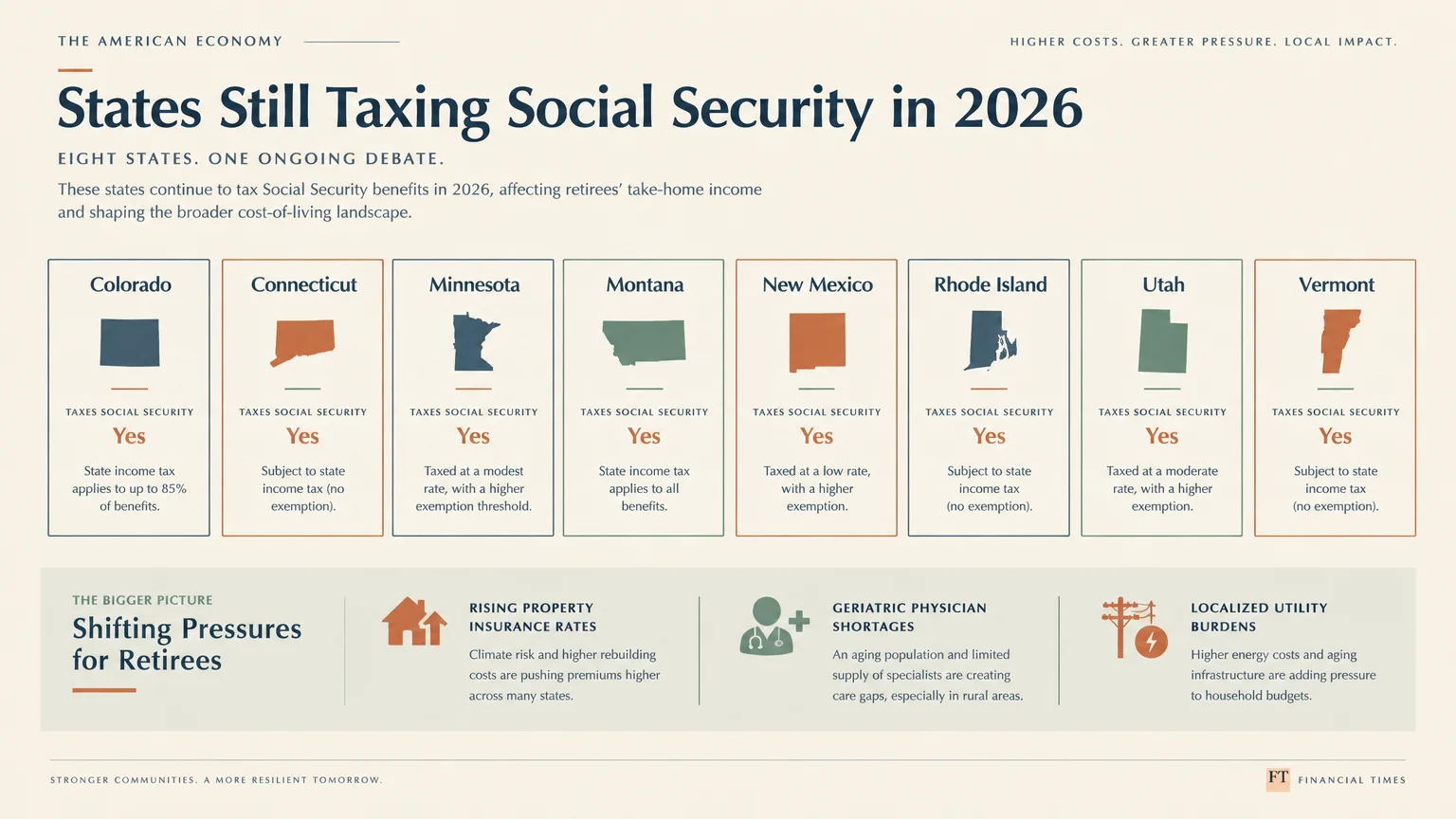
While most jurisdictions have stopped taxing benefits, eight states still tax Social Security income under varying formulas in 2026. Those states include Colorado, Connecticut, Minnesota, Montana, New Mexico, Rhode Island, Utah, and Vermont.
Before packing a moving truck, look beyond advertised state income tax rates. Uncapped property assessments, localized sales taxes, and utility costs can easily shatter your monthly budget.
1. Kentucky: Strained Healthcare and Low Life Expectancy
Kentucky landed at 50th place in WalletHub’s 2026 retirement analysis. Chronic weaknesses in public health infrastructure heavily penalize older residents living across the state.
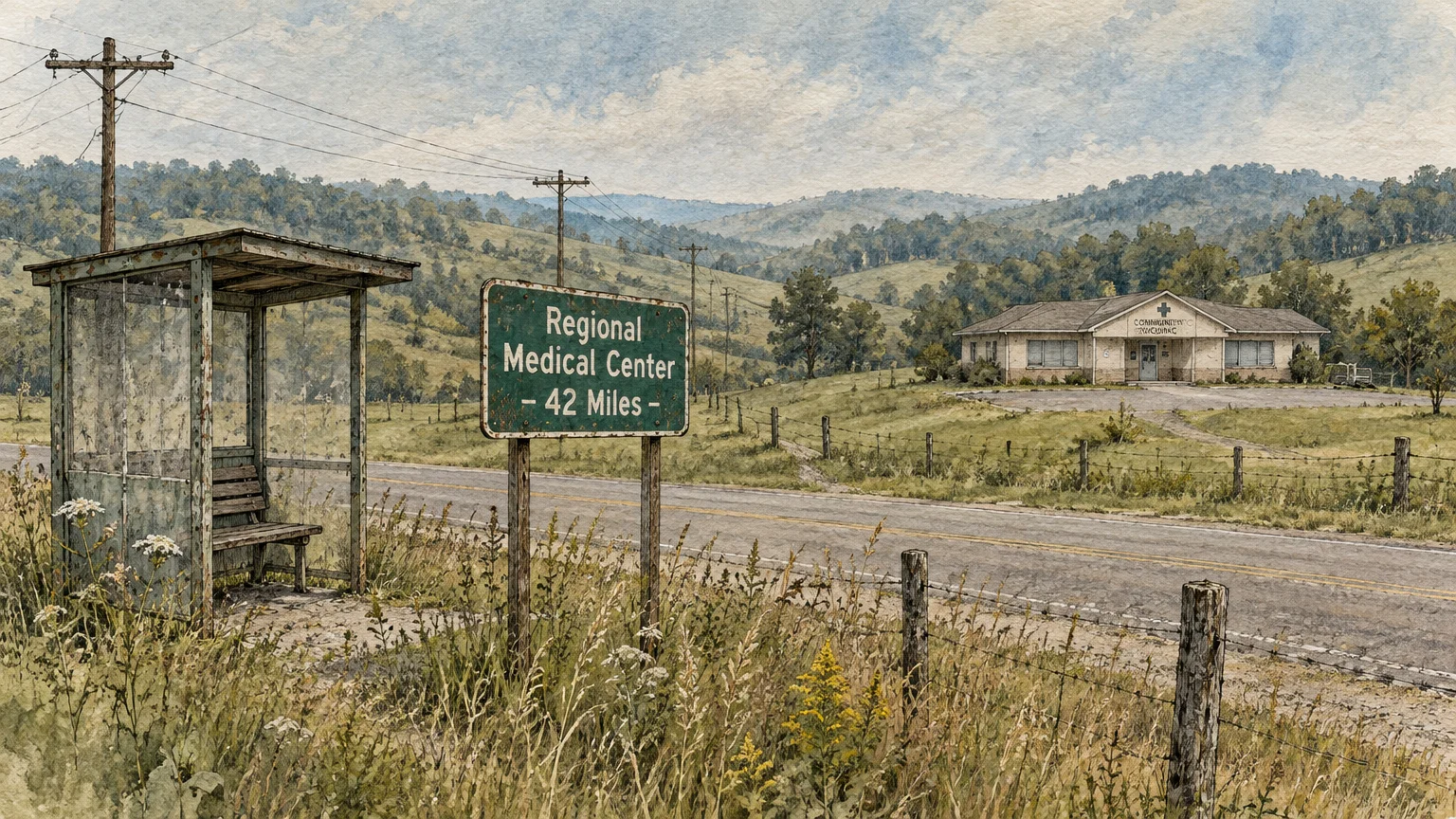
The Commonwealth placed 47th nationally in healthcare access and clinical quality. Finding specialized geriatric care outside major metropolitan areas like Louisville or Lexington remains remarkably difficult.
Kentucky also reports some of the lowest average life expectancies in the country. Poor clinical outcomes combine with high disease burdens to create elevated health risks for older adults.
While housing prices look attractive on paper, local hospital limitations can compromise emergency care. If you manage chronic cardiovascular or pulmonary conditions, Kentucky’s medical network poses severe challenges.
2. Oklahoma: Skyrocketing Property Insurance and Storm Risk
Oklahoma consistently ranks among the worst states to retire 2026 due to extreme climate volatility. WalletHub ranked the state 49th overall, while Bankrate positioned it at 48th.
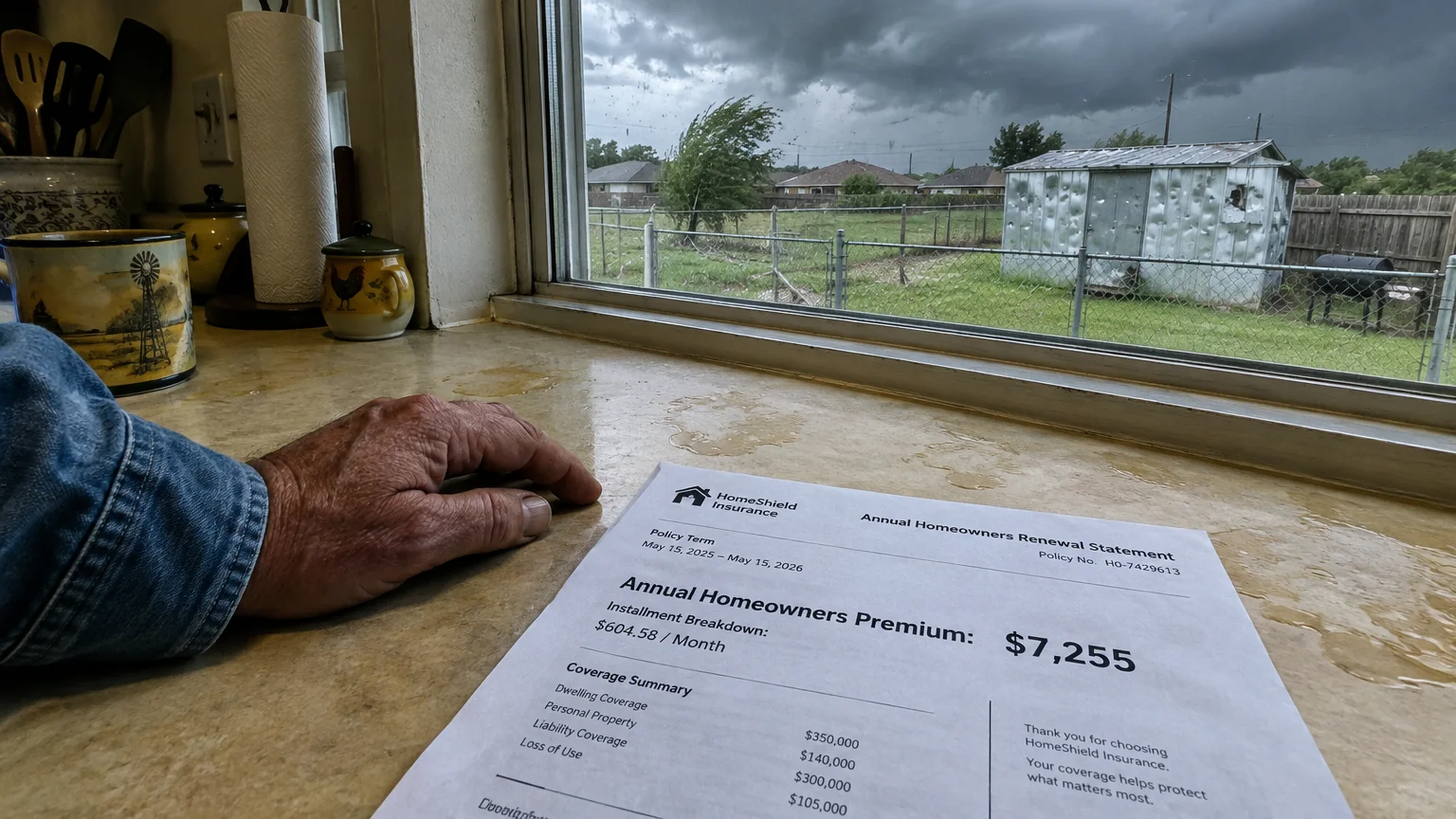
Severe hail, tornadoes, and windstorms have thrown the state’s property insurance sector into turmoil. According to recent insurance data, Oklahoma leads the nation with an average annual homeowners insurance premium of $7,255.
That staggering insurance bill wipes out much of the savings gained from lower home prices. A retiree paying over $600 monthly just for hazard coverage faces a crushing carrying cost.
Oklahoma also struggles with lower rankings for senior community support and physical safety. High property crime rates in metropolitan centers further erode overall retirement quality.
3. Mississippi: Critical Gaps in Senior Healthcare Infrastructure
Mississippi ranks 48th overall in WalletHub’s latest metrics, driven primarily by persistent healthcare challenges. The state finished 49th specifically in senior healthcare access and physical wellness metrics.
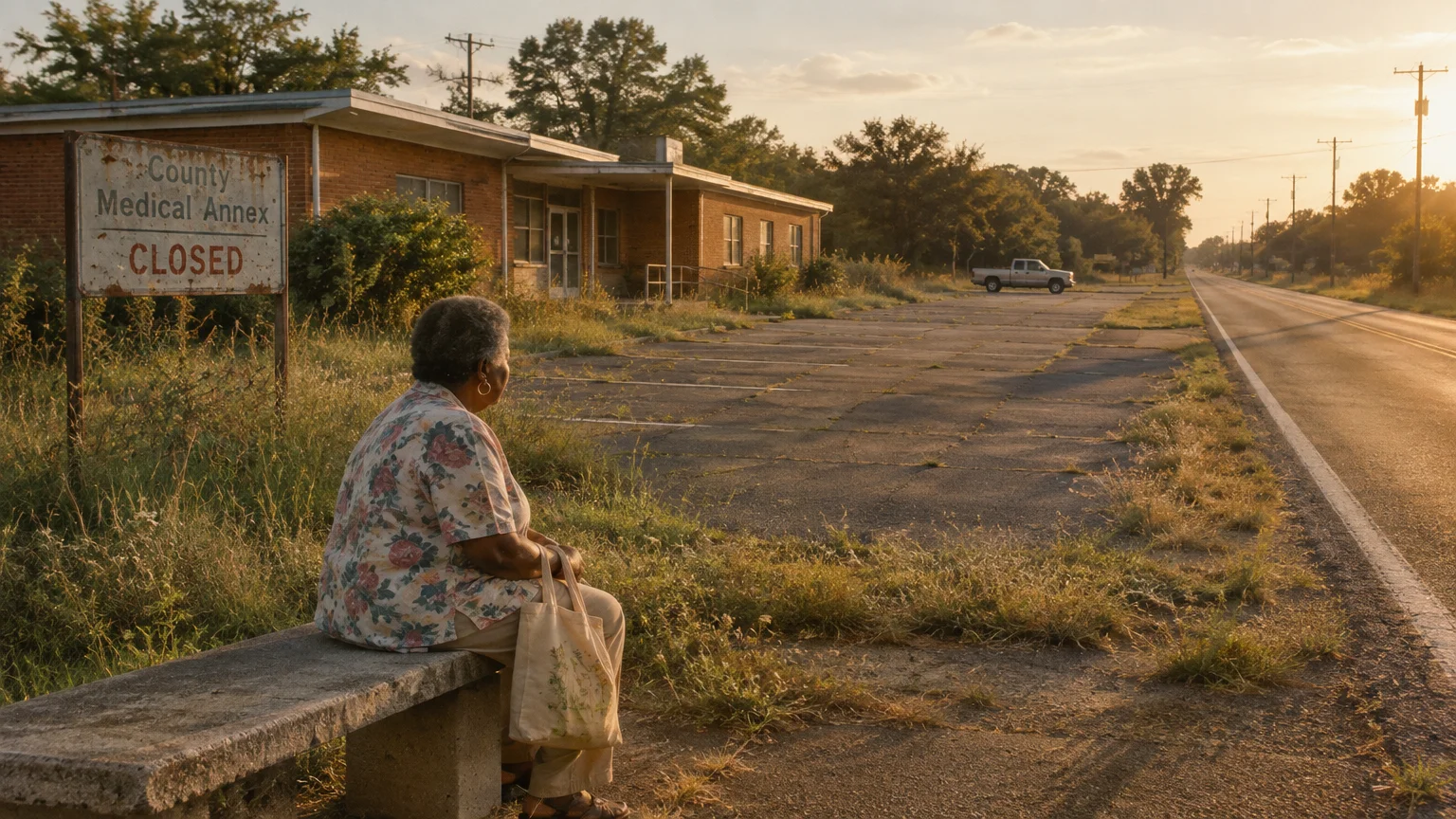
Rural hospital closures have created vast medical deserts across the state over the past decade. Emergency transit times in non-urban counties can severely delay life-saving cardiac or stroke care.
While Mississippi offers low median real estate prices, its high 7% state grocery tax punishes everyday living. Retirees spend a disproportionate share of their fixed monthly income on basic nutrition.
You can locate local medical support and elder services through the national Eldercare Locator before considering any relocation. For most retirees, Mississippi’s low home prices do not compensate for its medical gaps.

4. Louisiana: Insurance Market Turmoil and Climate Vulnerability
Bankrate ranked Louisiana dead last at 50th in its comprehensive retirement study. Repeated hurricane seasons have sparked a severe crisis for residential property owners across the state.
Major private insurance carriers have scaled back operations or pulled out of coastal parishes entirely. Many retirees must purchase expensive coverage through the state-run Louisiana Citizens Property Insurance Corporation as an insurer of last resort.
Louisiana also placed 45th in senior healthcare performance and struggles with elevated local sales tax rates. Combined state and parish sales taxes frequently push total checkout rates above 9%.
Frequent flood risks and high insurance deductibles make homeownership unpredictable for anyone living on a predictable monthly pension.
5. New Jersey: Nation-Leading Property Tax Burdens
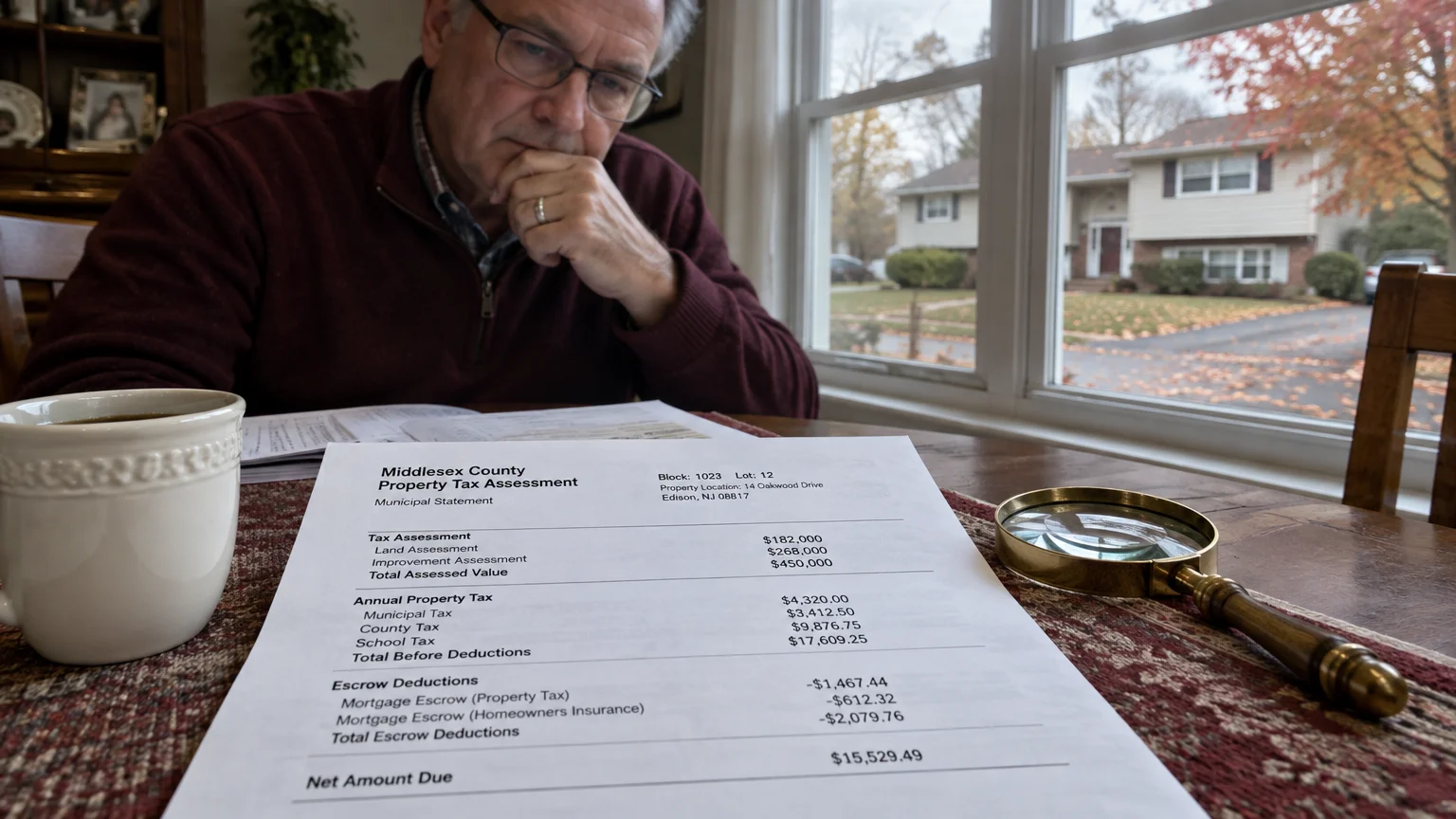
New Jersey offers exceptional healthcare networks, but its punishing tax structure makes it one of the primary states with declining retirement quality. The Garden State imposes the highest effective property tax rates in America.
Effective residential property tax rates range between 2.11% and 2.47%, according to data from the Tax Foundation. Median annual property tax bills surpass $9,500, creating an unavoidable annual overhead expense.
Even if you own your home free and clear, your property taxes can easily exceed $800 each month. That fixed expense increases relentlessly regardless of economic conditions or stock market performance.
High overall living expenses make New Jersey an exceptionally difficult place to preserve liquid retirement savings.

6. California: Crippling Everyday Expenses on Fixed Incomes
California remains a cultural icon, but its cost structure makes it perilous for typical retirement budgets. The Missouri Economic Research and Information Center (MERIC) calculates California’s 2026 cost-of-living index at 140.5.
Housing costs sit more than 90% above national averages, making downsizing or buying a patio home financially impossible for many seniors. High state fuel taxes and utility rates further inflate monthly maintenance budgets.
While California exempts Social Security benefits from state income taxes, other retirement income faces steep marginal rates. Withdrawals from traditional 401(k) plans and IRAs are taxed heavily as ordinary income.
Seniors without seven-figure investment portfolios often find that living comfortably in California requires severe financial sacrifices.
7. New York: Layered Taxation and Steep Elder Care Costs
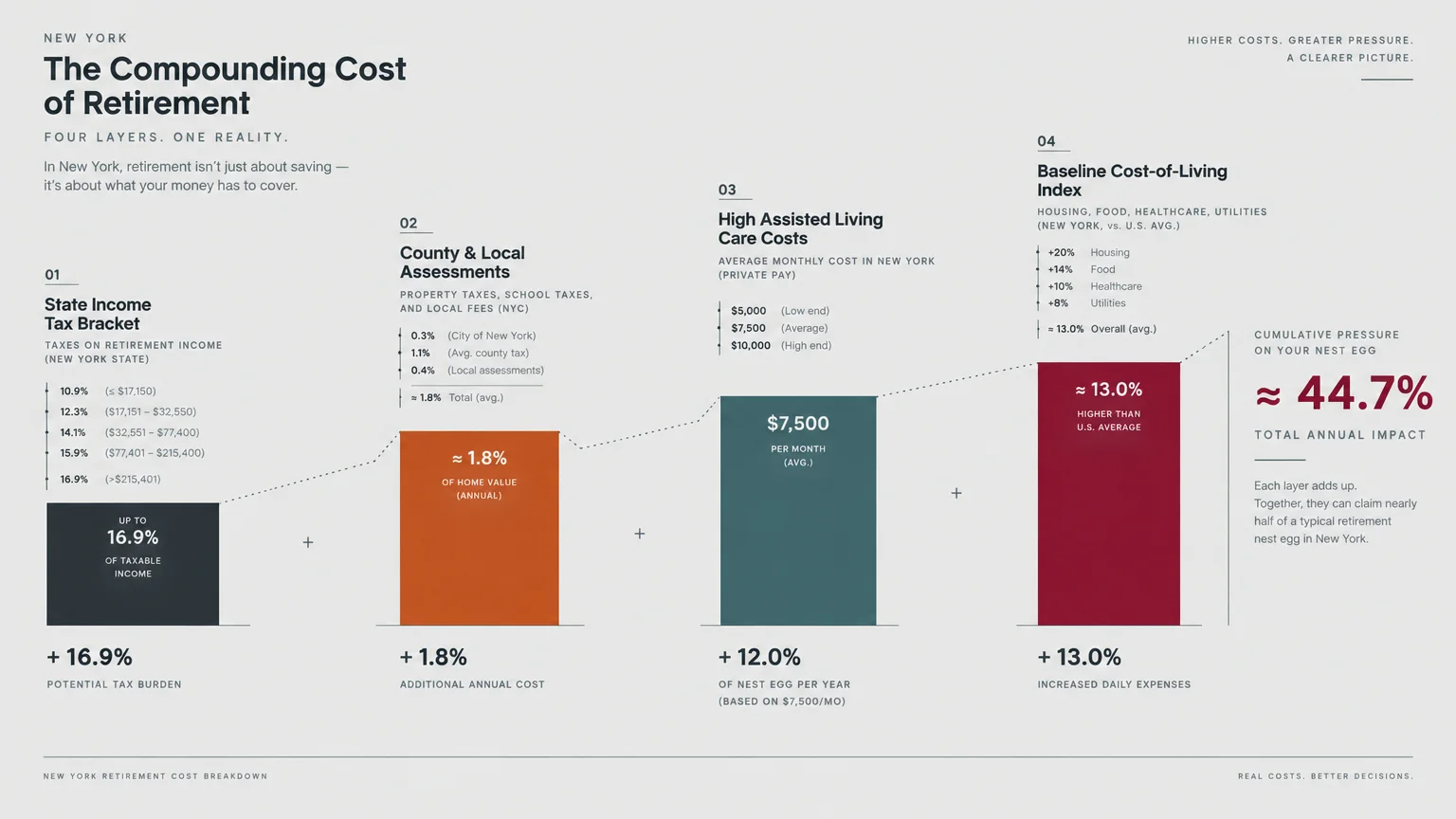
New York presents an intense combination of high state income taxes, local levies, and hefty property taxes. Median annual property taxes exceed $6,400 statewide, with suburban counties demanding far more.
MERIC data places New York’s cost-of-living index at 124.7, roughly 25% above the national baseline. Everyday essentials, groceries, heating fuel, and home repairs run noticeably higher than national benchmarks.
Long-term care costs in New York are among the steepest nationwide. Home health aides and assisted living communities command premium prices that can quickly consume liquid retirement assets.
Harsh winter weather across upstate regions also increases seasonal utility bills and home maintenance headaches for aging homeowners.

8. Hawaii: Astronomical Island Expenses and Medical Logistics
Hawaii is a dream vacation spot, but its economic realities make it a severe retirement hazard. MERIC data identifies Hawaii as America’s most expensive state with a cost-of-living index of 184.8.
The state’s housing index reaches a staggering 302, pricing out all but the wealthiest buyers. Because island communities import most consumer goods, grocery and electricity costs remain roughly double mainland figures.
Healthcare logistics present another critical challenge for retirees settling outside Oahu. Neighboring islands suffer chronic shortages of specialized physicians and clinical diagnostic facilities.
Traveling between islands for specialized treatment adds substantial friction and out-of-pocket expense to routine healthcare management.
9. Rhode Island: Utility Strain and Lingering Social Security Taxes
Rhode Island placed 42nd in WalletHub’s 2026 retirement standings. The Ocean State imposes a heavy financial footprint despite its compact geographic size.
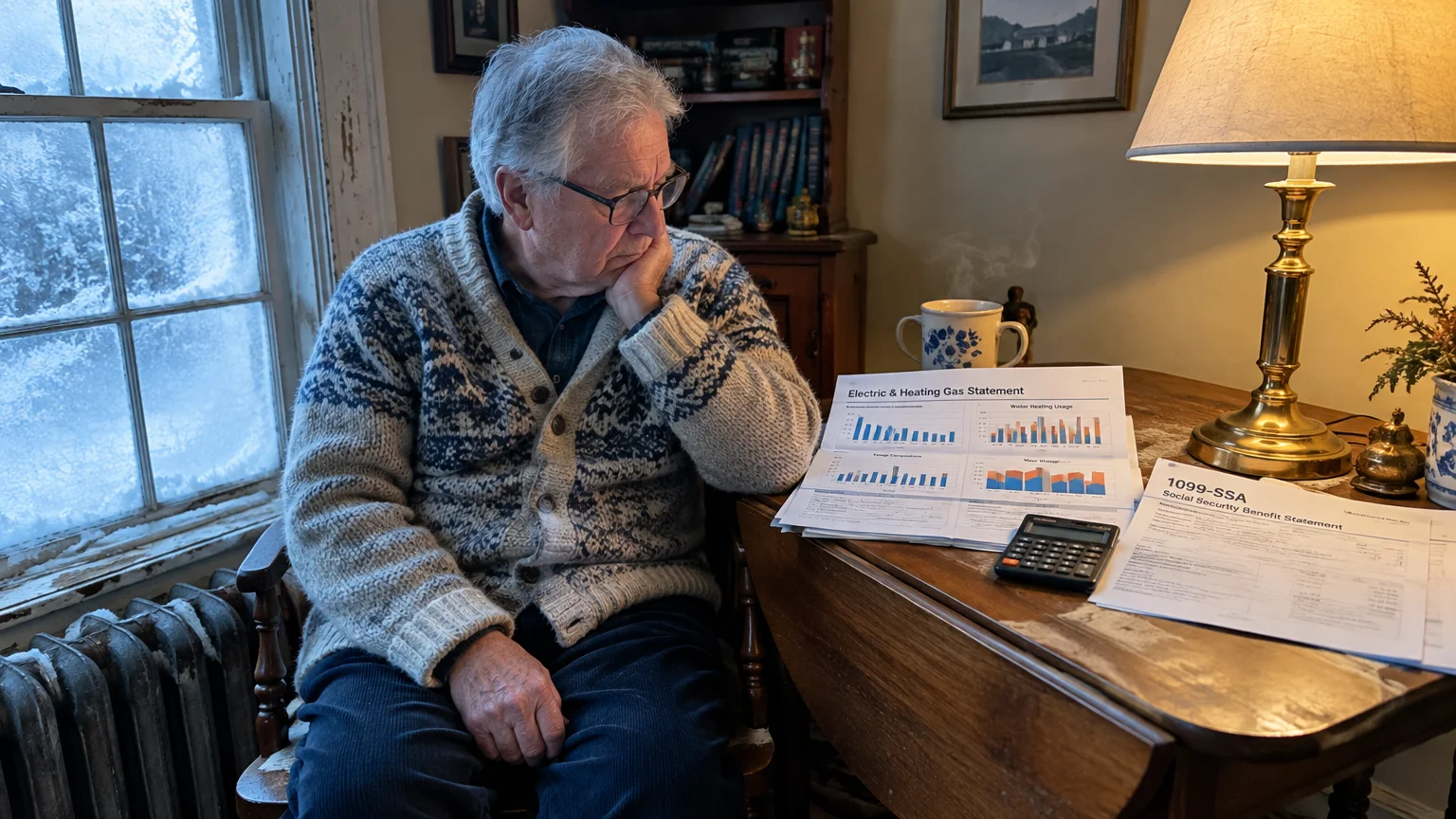
Significantly, Rhode Island remains one of just eight states that continue to tax Social Security benefits for middle-income retirees. You can verify your benefit amounts directly through the Social Security Administration before moving.
Electricity and home heating oil costs across southern New England are among the highest in the country. Older housing stock often lacks modern energy efficiency, driving winter heating bills to extreme levels.
When paired with high road congestion and elevated healthcare charges, Rhode Island offers few advantages over neighboring alternatives.

10. New Mexico: Tax Pitfalls and Physician Scarcity
New Mexico offers scenic desert landscapes, but it ranks 41st in WalletHub’s 2026 retirement evaluation. The Land of Enchantment struggles with notable healthcare delivery problems.
The state continues to levy state income taxes on Social Security benefits above modest income thresholds. This policy catches many unwary seniors who move in expecting an entirely tax-friendly Southwest lifestyle.
New Mexico also experiences severe physician shortages, leading to long wait times for primary care and specialized senior treatments. High property crime rates in urban areas create additional safety concerns.
Retirees seeking sunny southwestern climates often find better medical access and tax structures in neighboring states.
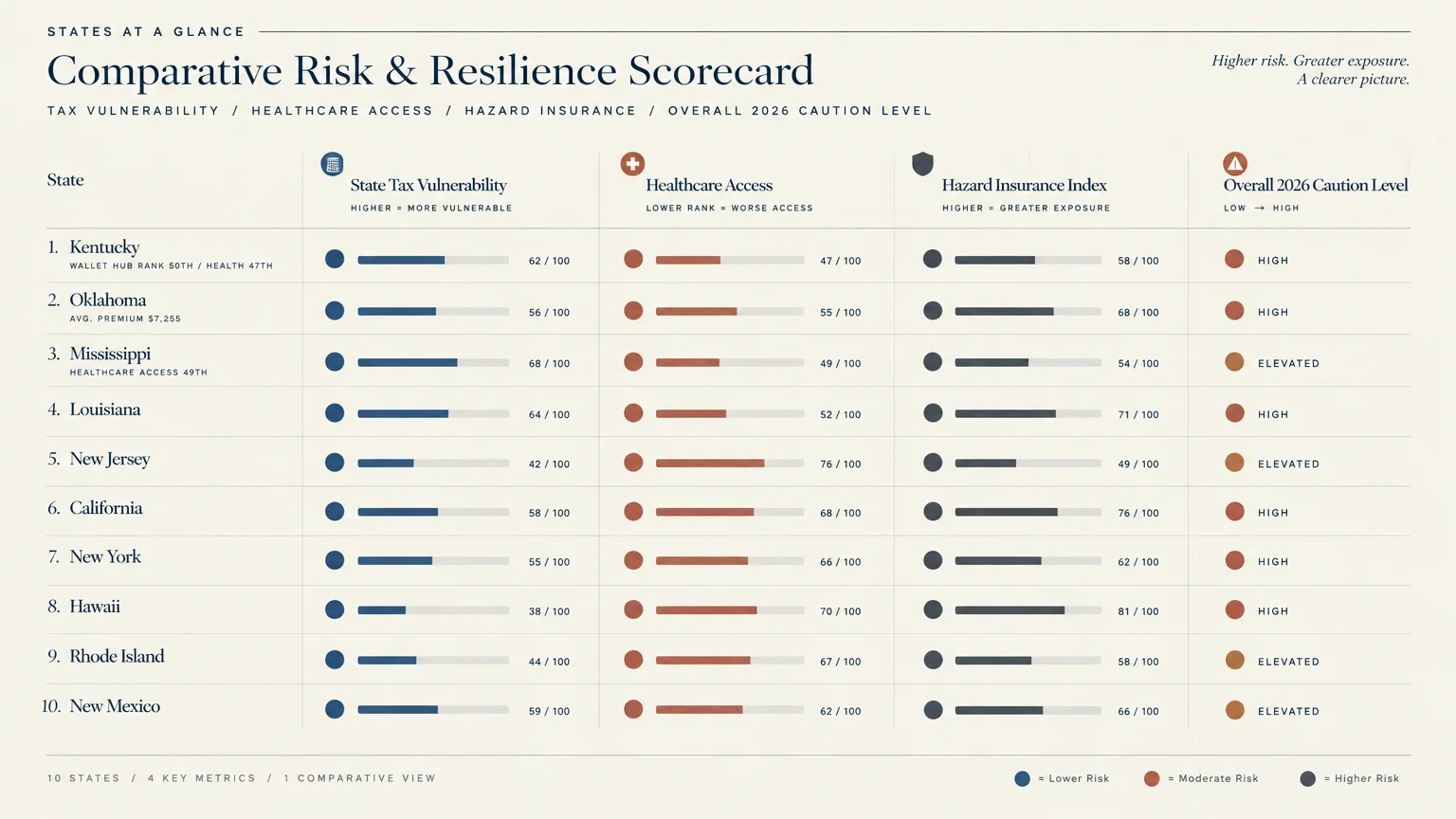
Comparison of the 10 States to Skip for Retirement
The table below summarizes why these ten states pose serious challenges for retirees in 2026, comparing cost indices and core risk factors.
| State | Primary Retirement Risk | Cost Index (MERIC 2026) | Key Financial Concern |
|---|---|---|---|
| Kentucky | Healthcare access and clinical outcomes | 94.2 | Ranked 50th overall in WalletHub 2026 |
| Oklahoma | Extreme storm risk and property insurance | 88.6 | Average $7,255 annual home insurance |
| Mississippi | Severe healthcare deserts and grocery taxes | 87.4 | 7% grocery tax; 49th in healthcare quality |
| Louisiana | Property insurance crisis and hurricane exposure | 91.2 | Ranked 50th in Bankrate retirement study |
| New Jersey | Excessive residential property tax bills | 113.8 | Effective property tax rates up to 2.47% |
| California | Prohibitive housing and living expenses | 140.5 | Housing index exceeding 190 |
| New York | High cumulative tax burden and expensive care | 124.7 | Median property taxes exceed $6,400/year |
| Hawaii | Extreme cost of living and island isolation | 184.8 | Housing index of 302; high medical travel costs |
| Rhode Island | Social Security taxation and winter utility bills | 112.5 | Taxes Social Security; high energy costs |
| New Mexico | Taxes on benefits and severe doctor shortages | 93.8 | Taxes Social Security; low physician ratios |

Expert Perspective on Retirement Relocation
Financial planners emphasize that looking solely at state income tax rates often leads to costly mistakes. Real-world expenses like home insurance and property taxes can easily offset lower income tax brackets.
“A retirement move should reduce your financial stress, not amplify it through unexpected carrying costs and high local taxes.” — Suze Orman, Personal Finance Author and Host
Understanding the interplay between fixed benefits and variable local levies is essential. Relocating across state lines permanently alters your monthly cash flow.
“Never relocate solely based on one tax provision. You must evaluate how the state treats IRAs, pensions, and local property taxes together.” — Ed Slott, CPA and Retirement Distribution Specialist
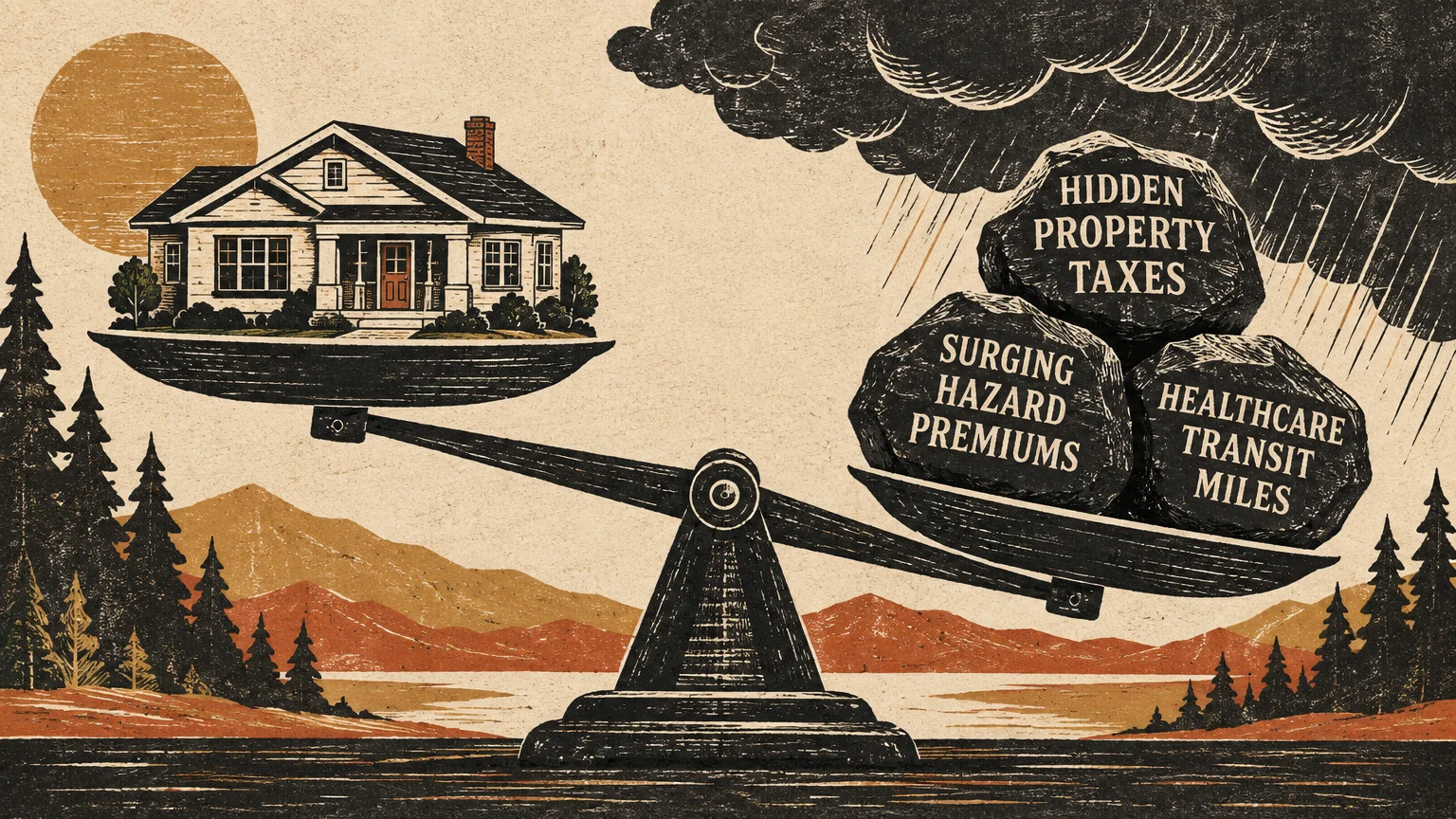
Pitfalls to Watch For When Planning Your Move
Relocating during retirement involves complex financial variables that go beyond real estate listings. Avoid these common missteps before finalizing any relocation decisions:
- Chasing zero income taxes blindly: States without personal income taxes frequently make up revenue through high sales taxes or elevated property taxes.
- Ignoring hazard insurance inflation: Catastrophic weather events have pushed homeowners insurance to unaffordable levels in Florida, Louisiana, and Oklahoma.
- Overlooking Medicare network portability: Original Medicare travels nationwide, but Medicare Advantage plans rely on restricted local provider networks. Review plan rules at Medicare.gov before moving.
- Underestimating distance from support systems: Moving away from adult children or longtime friends increases future paid caregiver costs if your health declines.
Review consumer protection guidelines from the Consumer Financial Protection Bureau to understand mortgage and reverse mortgage options before purchasing new property.

Getting Expert Help Before You Relocate
Consulting with qualified financial and legal professionals helps you identify blind spots in your relocation plan. Consider professional advice in these situations:
- You own significant tax-deferred accounts: A certified financial planner can model how different state tax rates affect mandatory IRA distributions over time.
- You plan to sell an appreciated primary home: A tax professional can determine capital gains liability and verify if you qualify for federal home sale exemptions.
- You need to update your estate documents: State laws governing wills, healthcare directives, and trusts vary widely, requiring localized legal updates.
- You manage ongoing medical conditions: A licensed health insurance broker can ensure your prescription drugs and specialists remain covered under local plans.
Frequently Asked Questions
Which states still tax Social Security benefits in 2026?
As of 2026, only eight states tax Social Security benefits to varying degrees. These states are Colorado, Connecticut, Minnesota, Montana, New Mexico, Rhode Island, Utah, and Vermont.
West Virginia completed its full phase-out of Social Security taxes in 2026, following recent tax eliminations in Missouri, Kansas, and Nebraska.
Why are property insurance rates driving retirees out of certain states?
Repeated storms, hail, and wildfires have driven private insurance carriers out of high-risk states like Oklahoma, Louisiana, and Florida. Rates in Oklahoma now average $7,255 annually.
When insurance costs surge by hundreds of dollars each month, seniors on fixed incomes often find their home carrying costs unsustainable.
How does healthcare quality impact retirement state rankings 2026?
Healthcare access directly impacts life expectancy and ongoing medical expenses for older adults. States like Kentucky and Mississippi struggle with severe rural doctor shortages and frequent hospital closures.
Living far from emergency care or geriatric specialists significantly raises the risks of aging in place.
Is moving to a state with no income tax always cheaper for seniors?
No, because states without income taxes often rely on heavy property and sales taxes to fund public services. High property taxes can cost you thousands more every year than a modest state income tax would.
Next Steps for Your Retirement Relocation Plan
Start by creating a comprehensive budget that includes realistic estimates for property taxes, homeowners insurance, utility bills, and routine healthcare. Test-drive your prospective community by renting a home for several months during off-peak seasons.
The information in this guide is meant for educational purposes. Your specific circumstances—including income, benefits, tax situation, and health needs—may require different approaches. When in doubt, consult a licensed financial advisor or tax professional.
Last updated: February 2026. Benefit amounts, tax rules, and program details change annually—verify current figures with official government sources.









Leave a Reply