
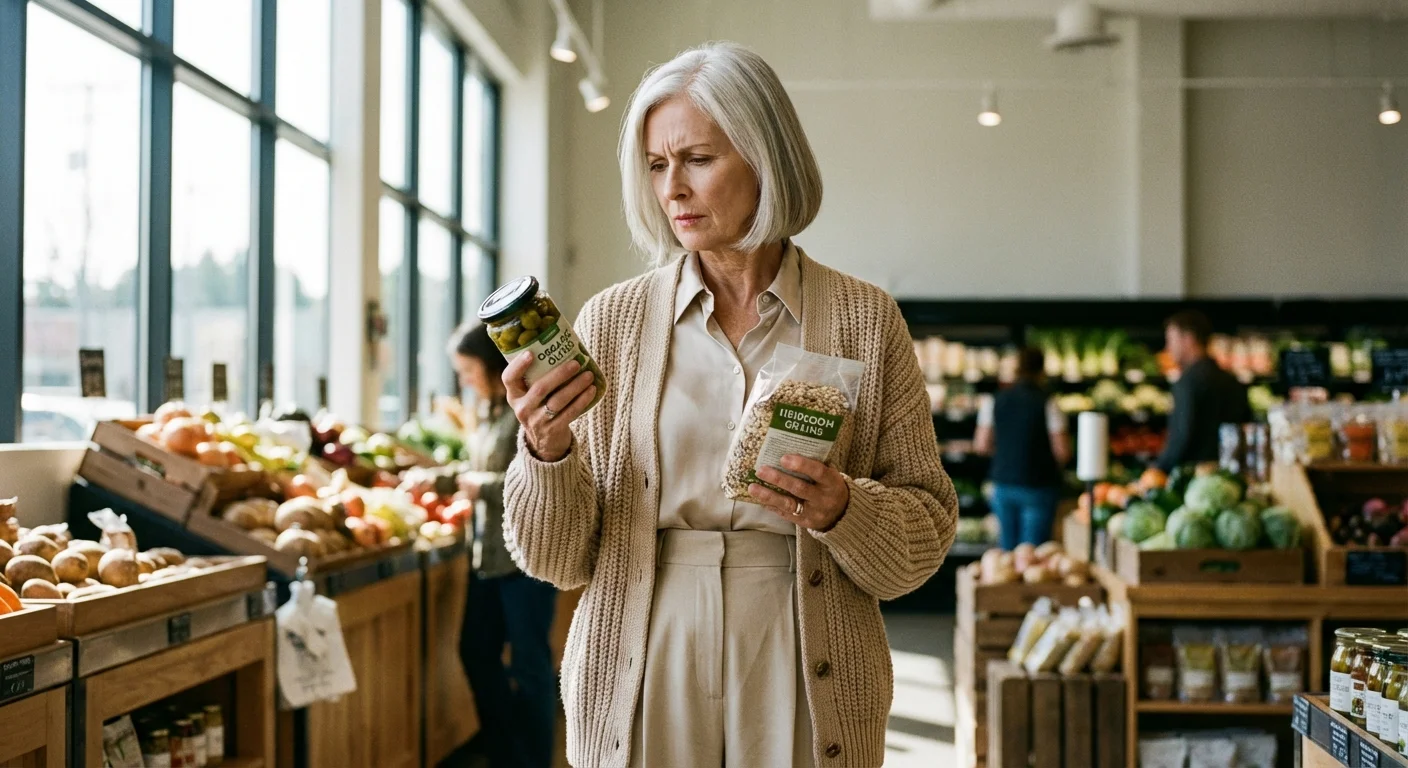
If it feels like your grocery bill is climbing higher every month, it’s not just your imagination. According to the Bureau of Labor Statistics, food-at-home prices rose approximately 2.4% by the end of 2025, continuing a trend that has squeezed fixed-income budgets across the country.
But inflation isn’t the only culprit. Supermarkets are scientifically designed to make you spend more than you planned. Every aisle, shelf, and display is engineered to trigger impulse buys and psychological shortcuts that favor the store’s profit margins over your wallet.
For seniors living on Social Security or fixed pensions, these extra costs add up fast. The good news is that once you spot these tactics, you can bypass them. Here are eight common grocery store tricks costing you money and how to beat them.
1. The “Essentials” Maze
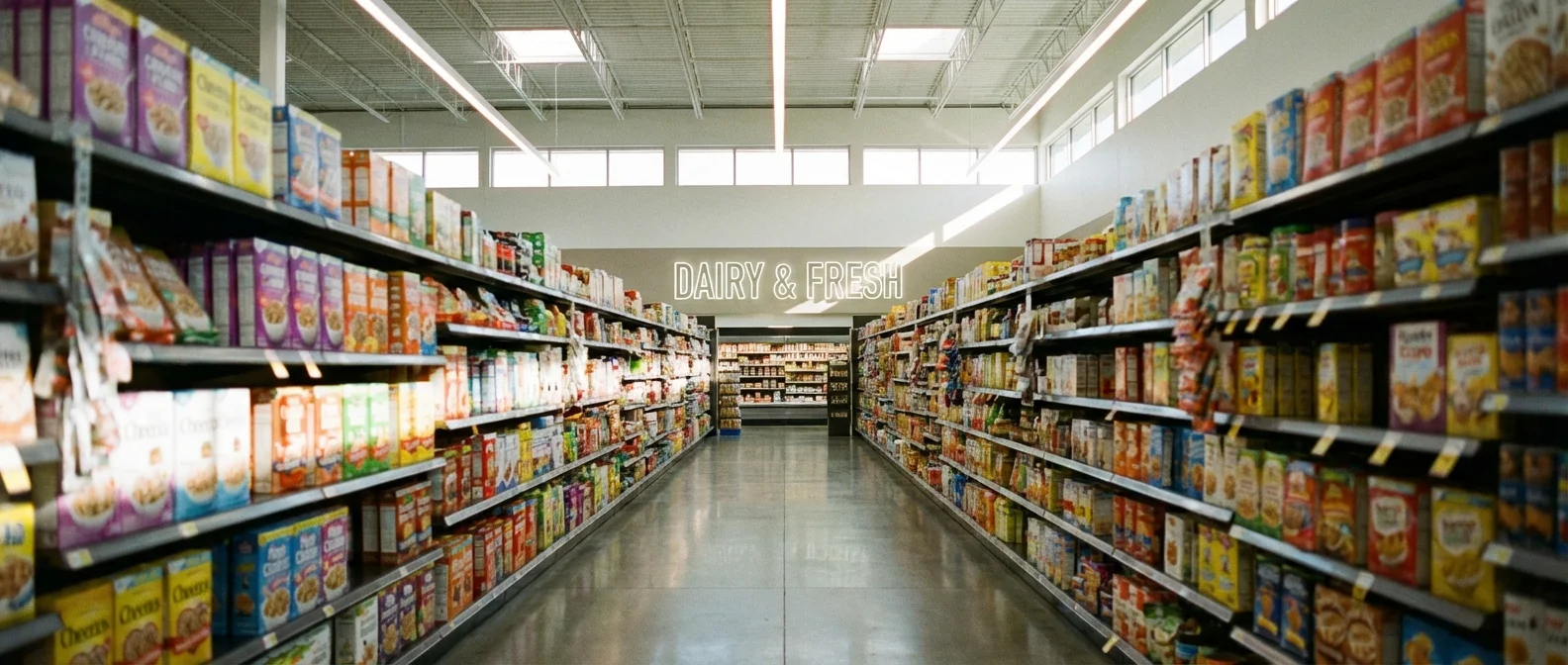
Have you ever noticed that the items you need most—milk, eggs, and bread—are almost always located at the very back of the store? This is known in the industry as a “planned detour.”
Stores place these high-demand staples as far from the entrance as possible to force you to walk past thousands of other products to get them. The logic is simple: the more items you see, the more you are likely to buy. It’s a layout designed to turn a quick milk run into a $50 shopping trip.
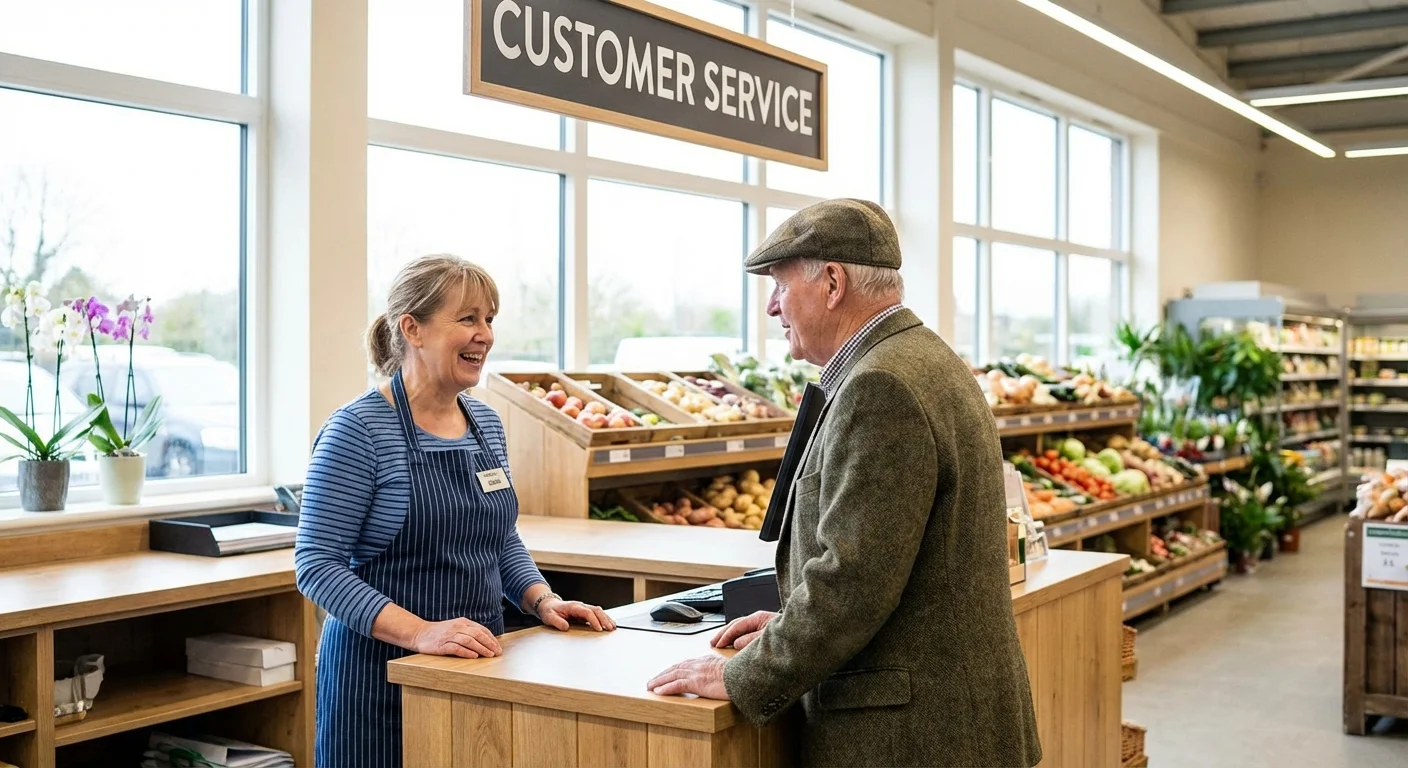
The Fix: Stick to the perimeter of the store where fresh foods are usually kept, and dive into the aisles only for specific items on your list. If you find the walk to the back difficult due to mobility issues, ask customer service if they can bring staples to the front register for you—many stores will happily assist seniors.
2. The Eye-Level Trap
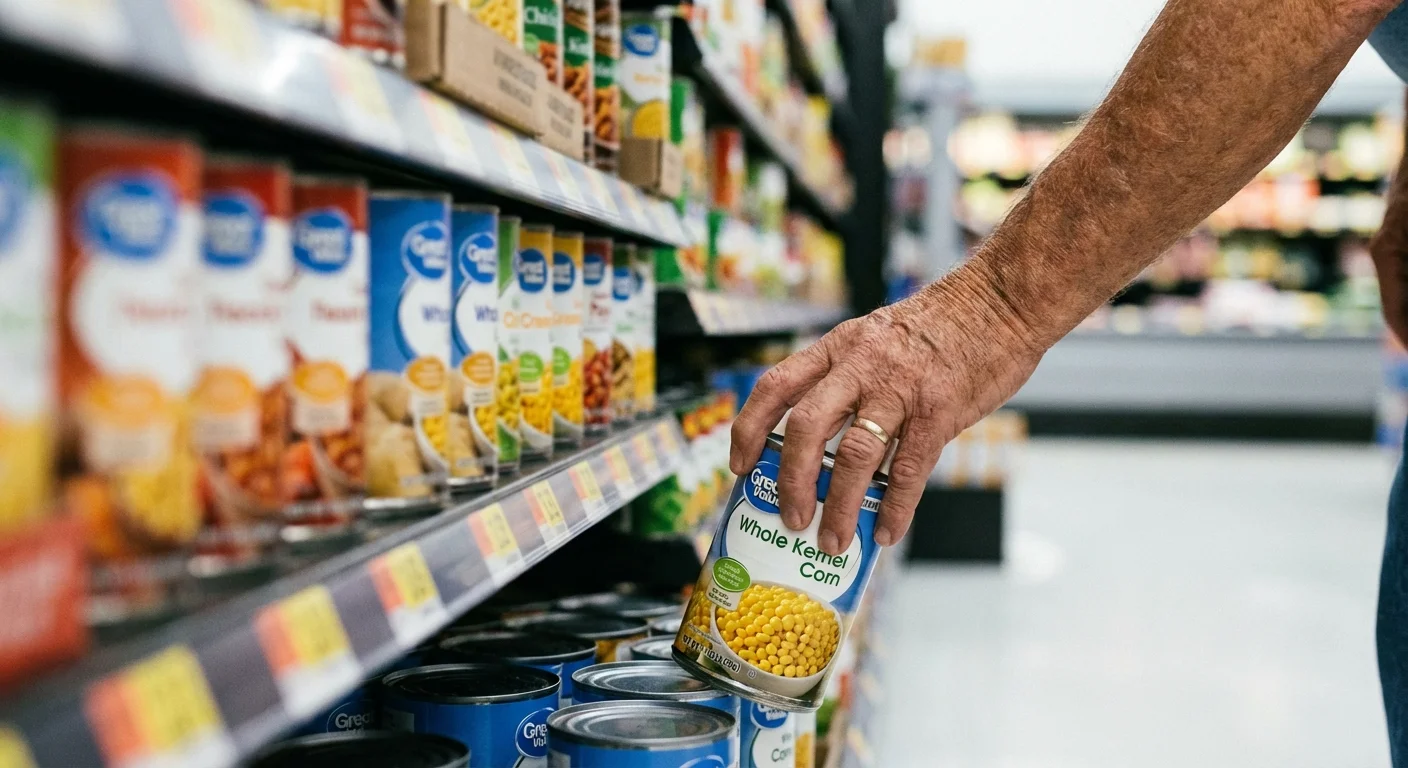
Grocery stores sell shelf space to manufacturers, and the most expensive real estate is at “eye level.” This is where you’ll find the priciest name-brand cereals, sauces, and snacks. Brands pay a premium to be right in your line of sight because they know you’re more likely to grab what you see first.
Conversely, the cheaper store brands and bulk items are often placed on the very bottom or very top shelves. For seniors, this can be physically challenging, as bending down or reaching high might be difficult.
The Fix: Look down. The generic or store-brand version of an item is often 20% to 30% cheaper and sits just a few feet below the premium brand. If you can’t reach it, don’t hesitate to ask a store employee or a fellow shopper for help.
3. The “Digital-Only” Deal
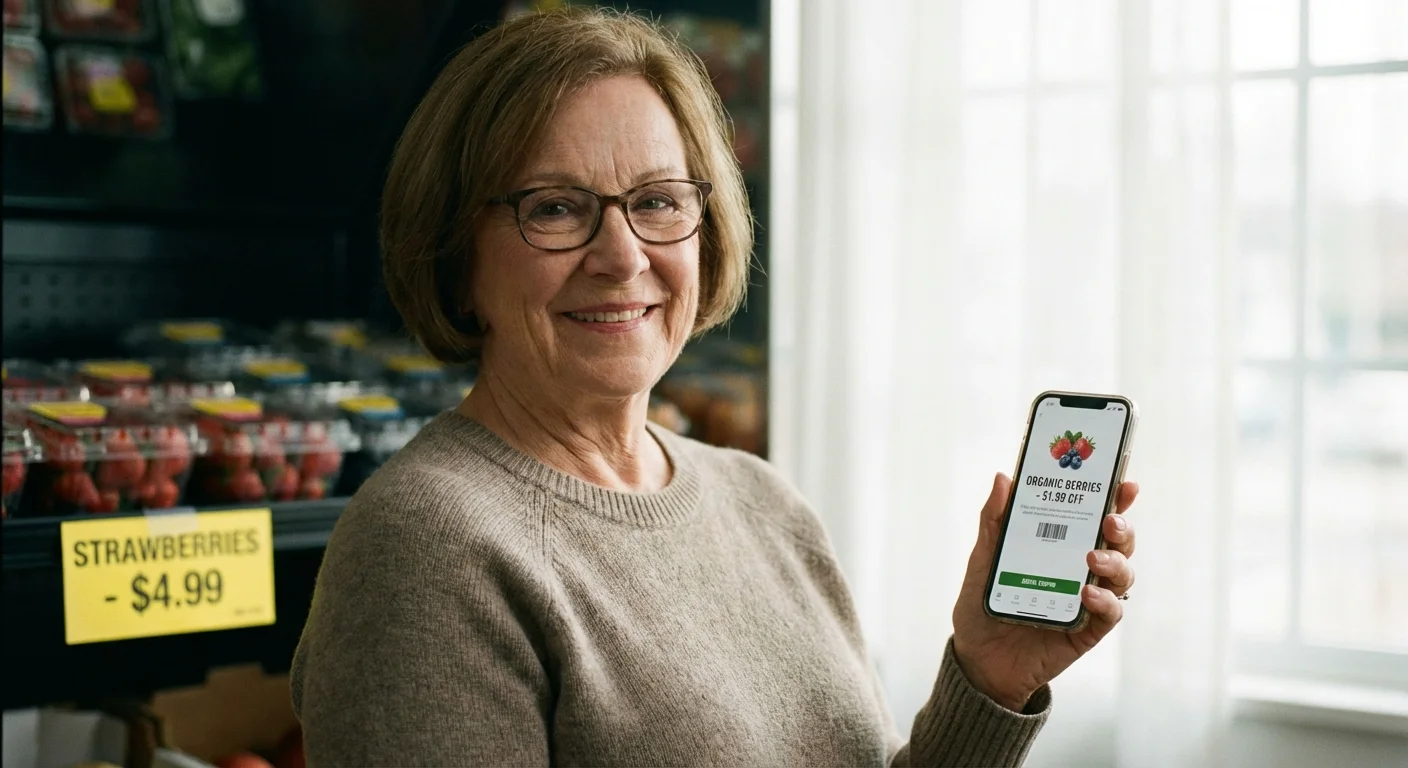
This is one of the most frustrating trends for many seniors. You see a sale sign for a great price on coffee or detergent, but in small print, it says, “with digital coupon.” If you don’t have a smartphone or the store’s app, you pay the full price at the register.
Consumer advocacy groups have called this “digital discrimination,” noting that it unfairly penalizes older shoppers who may be less tech-savvy. In 2025, cities like San Diego even pushed for ordinances to require stores to honor these prices for everyone, but in many parts of the country, the digital gap remains a costly problem.
The Fix: If you don’t use a smartphone, visit the customer service desk before you shop. Ask for a physical loyalty card and inquire if they can load the week’s digital coupons onto your card for you. Many store managers will manually override the price at the register if you simply point out the disparity politely.

4. The Pre-Cut Convenience Tax
As we age, arthritis or dexterity issues can make chopping vegetables and slicing fruit a painful chore. Supermarkets know this and fill the produce section with containers of pre-cut melon, diced onions, and spiralized zucchini.
While convenient, the markup is astronomical. A whole pineapple might cost $3.00, while a container of pre-cut pineapple—containing half the fruit—often sells for $6.00 or more. You are effectively paying a 300% to 400% premium for five minutes of labor.
The Fix: If chopping is physically difficult, look for frozen vegetables instead. They are washed, chopped, and frozen at peak ripeness, often retaining more nutrients than the pre-cut fresh versions that have been sitting on a shelf. They are also significantly cheaper and won’t spoil in your fridge.
5. The “10 for $10” Illusion
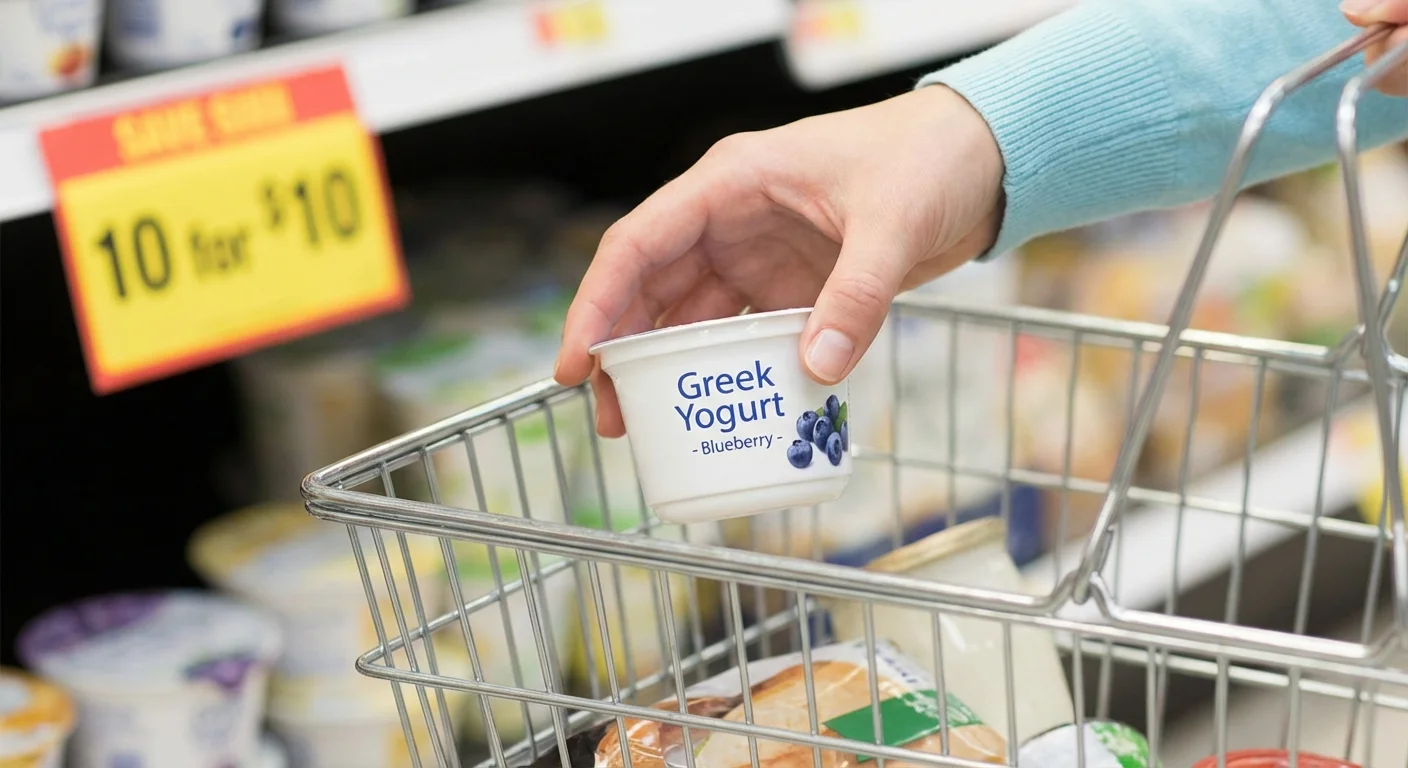
You see a bright yellow tag screaming “10 for $10!” It looks like a bulk bargain, and your brain instinctively thinks you need to buy ten items to get the deal. In most cases, you don’t.
Unless the sign specifically says “must buy 10,” the price is usually $1.00 per item regardless of how many you buy. Stores use this phrasing to anchor a high number in your head, subconsciously encouraging you to fill your cart with far more Greek yogurt or soup cans than you actually need.
The Fix: Buy only what you will eat in a reasonable time. Check the fine print on the tag. If it doesn’t explicitly demand a quantity, just buy one or two.
6. Sensory Seduction
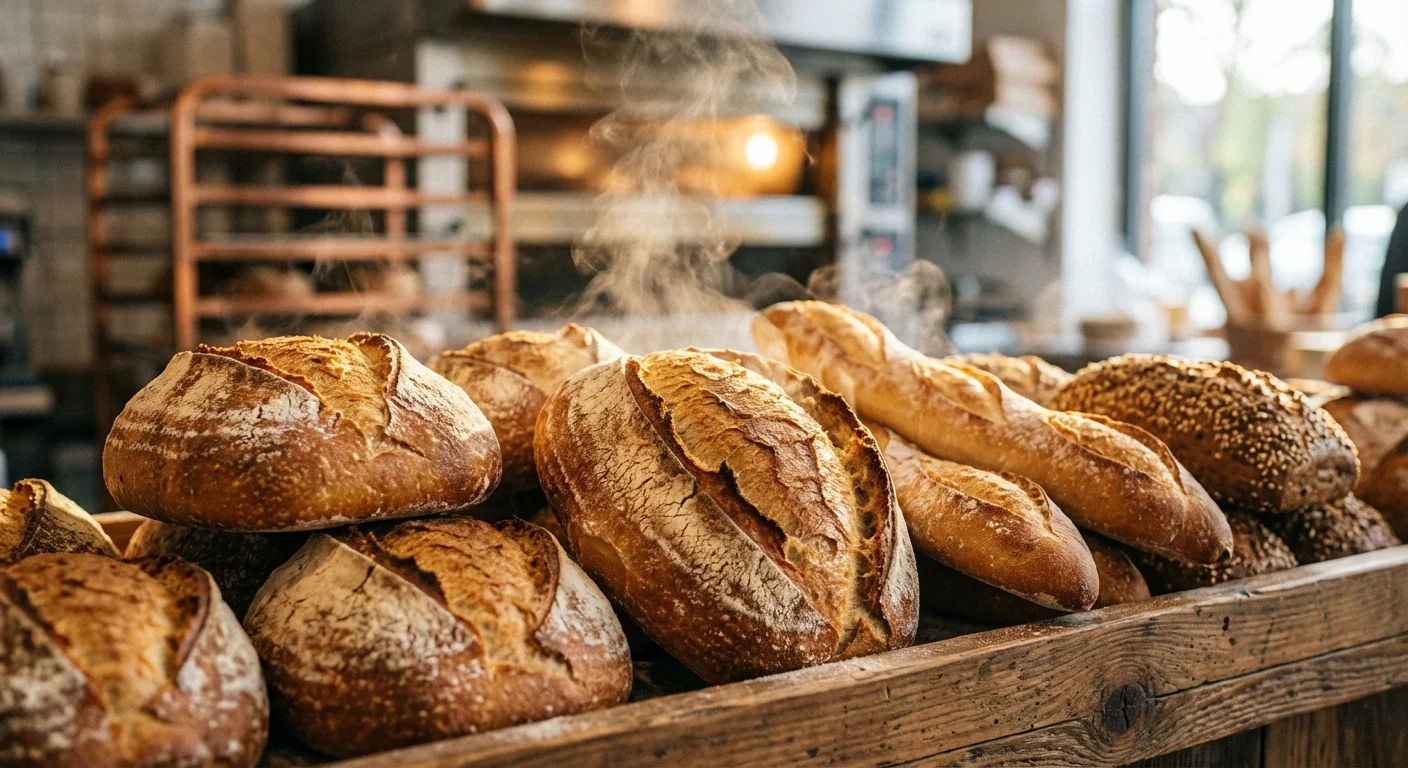
Supermarkets employ subtle sensory tricks to slow you down. Music with a slower tempo has been shown to make shoppers move slower and spend more. Bakeries are often located near the entrance so the smell of fresh bread and sugar hits you immediately, triggering hunger and impulse buys.
Even the produce section is lit with specific lighting to make fruits and vegetables look brighter and fresher than they might actually be.
The Fix: Never shop on an empty stomach. Eat a meal or a snack before you go. The “bakery effect” is powerful, but it’s much easier to resist if you aren’t hungry. Additionally, try to shop with a purpose—enter the store, get what you need, and leave. Don’t “browse” the aisles as a pastime.
7. The Checkout Gauntlet
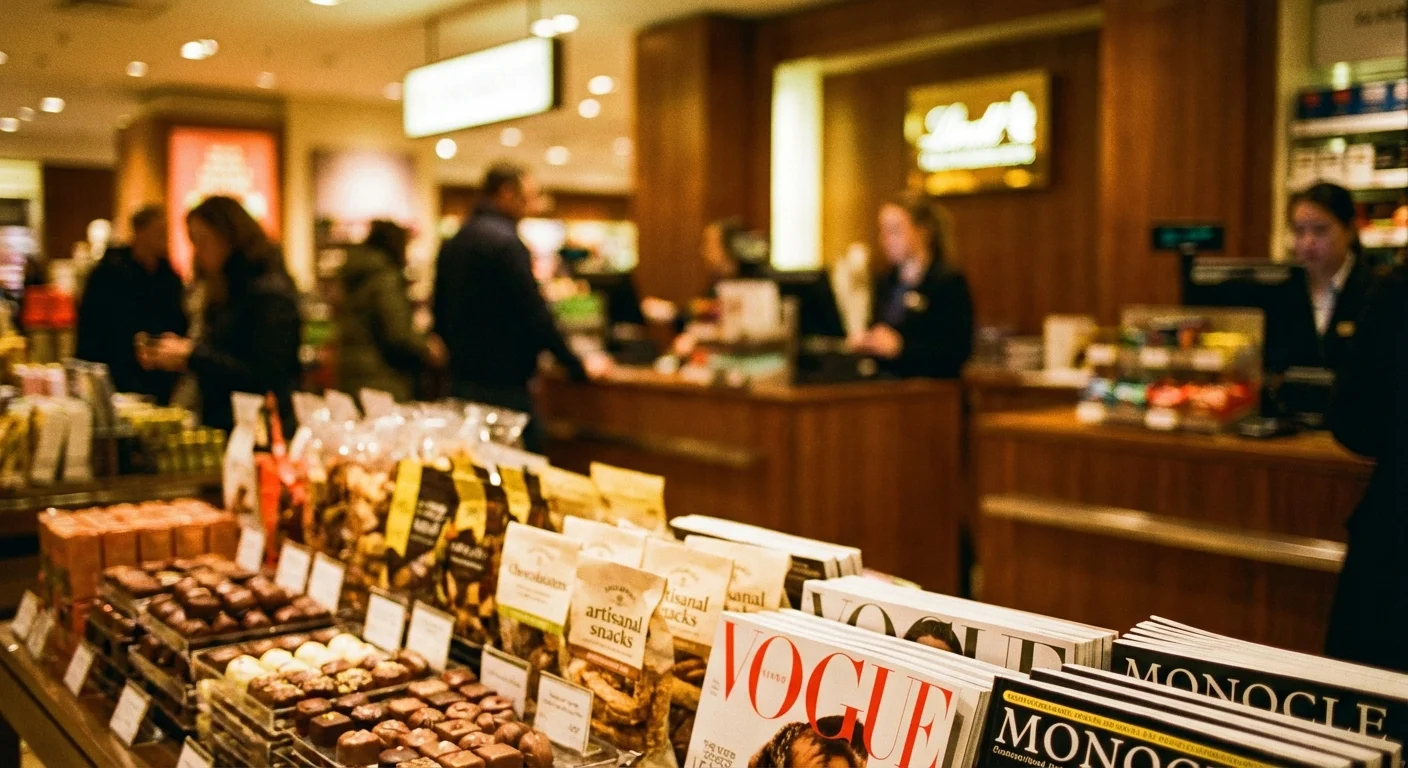
You’ve finished your shopping and you’re waiting in line. On both sides of you are magazines, candy bars, travel-sized toiletries, and sodas. This area is arguably the most profitable square footage in the entire store.
Decision fatigue sets in at the end of a shopping trip. After making dozens of decisions about prices and brands, your willpower is lower, making you more susceptible to grabbing a $2 chocolate bar or a $5 magazine you didn’t plan to buy.
The Fix: utilize “self-checkout” lanes if you are comfortable with them, as they often have fewer impulse items on display. Alternatively, distract yourself while waiting—review your receipt or your list to make sure you didn’t forget anything, rather than browsing the racks.
8. The Unit Price Shell Game
Manufacturers frequently change package sizes, a practice known as “shrinkflation.” A box of cereal that used to be 16 ounces is now 14.5 ounces, but the price remains the same. The packaging looks identical, so you assume you are getting the same value.
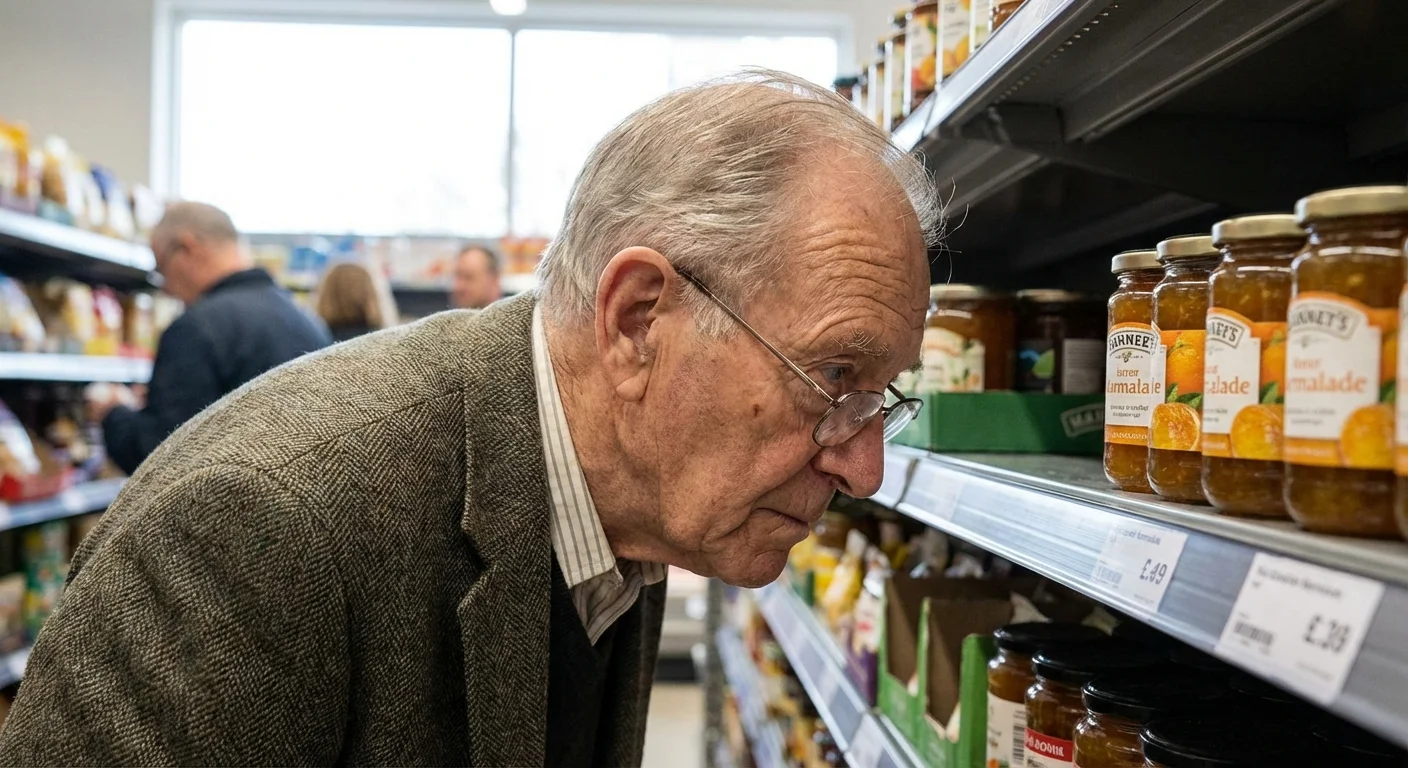
Furthermore, sale tags often highlight the total price, not the price per unit, making it hard to tell if the “Family Size” is actually cheaper per ounce than the regular box.
The Fix: Ignore the big price number and look for the tiny print in the corner of the shelf tag: the Unit Price (e.g., “price per oz” or “price per lb”). This is the great equalizer. It tells you the true cost of the product regardless of the box size. Often, the medium-sized package is cheaper per ounce than the bulk version.

Pitfalls to Watch For
Even savvy shoppers can fall for subtle mistakes. Keep these pitfalls in mind:
- Loyalty Card Data: Remember that loyalty programs are tracking your purchases. This isn’t necessarily bad, but the “custom coupons” they mail you are designed to keep you loyal to specific brands, preventing you from switching to cheaper generics.
- Senior Discount Days: Many stores offer a “Senior Day” (often Tuesdays or Wednesdays) with 5% or 10% off. While helpful, be careful—sometimes these days exclude sale items, or the base prices are higher than at a discount grocer like Aldi or Walmart. Don’t assume the senior discount is always the lowest price in town.
- End-Cap Displays: The displays at the end of the aisle (end-caps) aren’t always sales. Brands pay to be there. Always check the home aisle to see if there is a cheaper alternative hidden away.
“Price is what you pay. Value is what you get.” — Warren Buffett
Getting Expert Help with Food Costs
If you are finding it increasingly difficult to afford nutritious food, there are programs specifically designed to help seniors.
- SNAP for Seniors: The Supplemental Nutrition Assistance Program (SNAP) has specific rules for seniors (60+) that can make it easier to qualify, such as higher asset limits and deductions for medical expenses.
- Senior Farmers’ Market Nutrition Program (SFMNP): This program provides coupons to low-income seniors to buy fresh produce at farmers’ markets and roadside stands.
- Meals on Wheels: For those who have trouble leaving the house or cooking, this program delivers low-cost or free nutritious meals directly to your door.
Frequently Asked Questions
Do all grocery stores have digital coupons?
Most major chains like Kroger, Safeway, and Publix rely heavily on digital coupons now. Discount retailers like Aldi typically do not use them, offering low flat prices instead. If you struggle with apps, discount grocers might be a simpler, cheaper option.
Is the “Senior Discount” day worth it?
It depends. If you are doing a large shop, 10% off can be significant. However, verify the exclusions—often milk, alcohol, and prescriptions are excluded. Compare the final receipt against what you would pay at a competitor to see if the savings are real.
Why are store brands cheaper? Are they lower quality?
Store brands (private labels) are cheaper because they don’t have the massive advertising and marketing budgets of national brands. In many cases, the product is manufactured in the exact same facility as the name brand, just with a different label. Blind taste tests frequently show little to no difference in quality for staples like flour, sugar, canned beans, and spices.
By changing how you navigate the aisles and ignoring the psychological traps set for you, you can keep more money in your pocket without sacrificing the quality of your food. Start with one or two changes this week—like checking unit prices or looking at the bottom shelf—and watch your savings grow.
Last updated: February 2026. Benefit amounts, tax rules, and program details change annually—verify current figures with official government sources.







Leave a Reply