
Your persistent exhaustion and sudden weight loss might not be normal signs of aging, but rather symptoms of a rare, treatable adrenal disorder called Addison’s disease. Recognizing this condition early can prevent life-threatening complications and help you regain your energy. Doctors often attribute declining stamina, dizziness upon standing, and unexplained digestive issues in older adults to natural aging or the side effects of common medications. Addison’s disease occurs when your adrenal glands fail to produce enough cortisol and aldosterone; these hormones are essential for managing stress and regulating blood pressure. Catching these hidden signs requires knowing exactly what to look for and advocating for the right diagnostic tests so you can start effective therapy.
What Happens to Adrenal Glands as You Age?
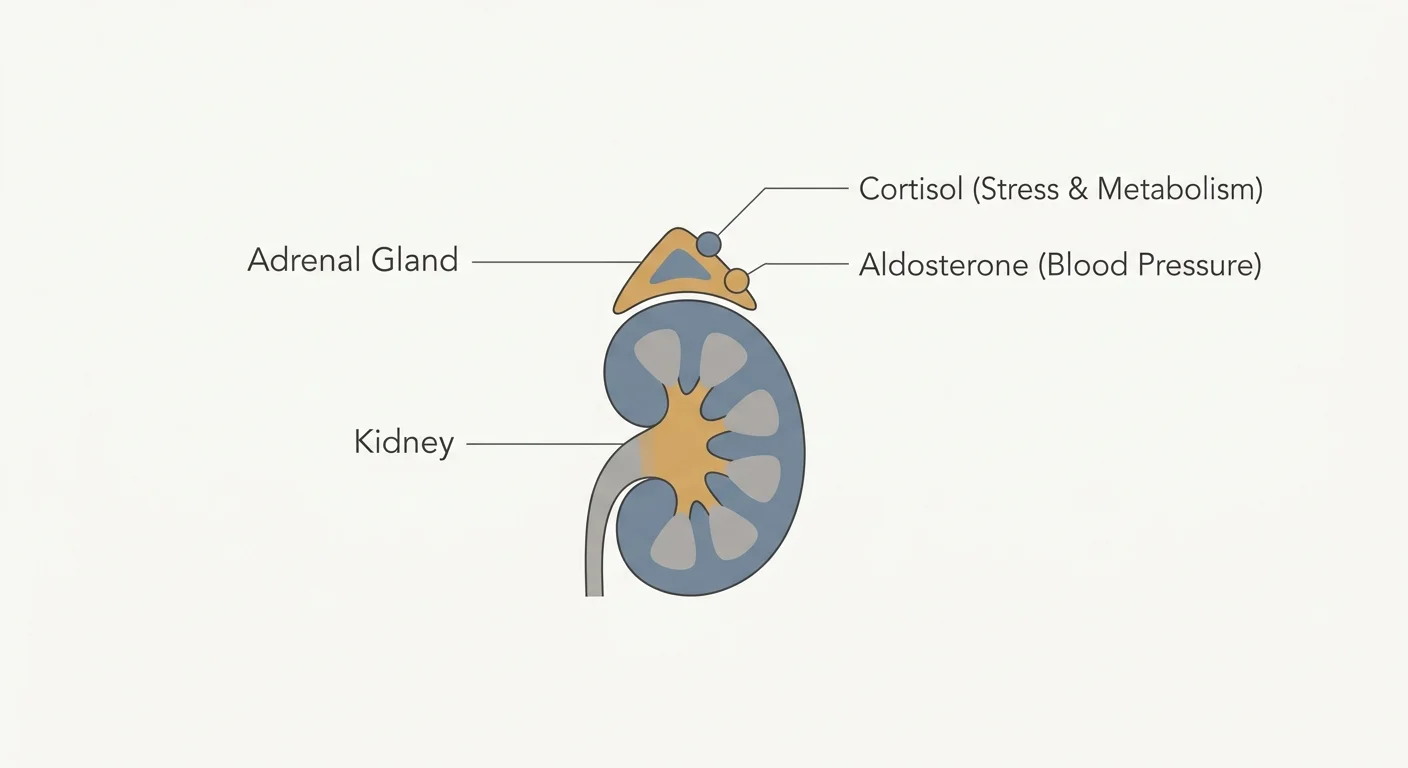
When you reach your 60s and 70s, your body naturally undergoes changes that slow down your metabolism and energy levels. However, your adrenal glands—two small, triangle-shaped organs sitting on top of your kidneys—should continue producing the vital hormones cortisol and aldosterone. Cortisol helps you respond to physical and emotional stress, reduces inflammation, and regulates your metabolism. Aldosterone controls your sodium and potassium levels, which in turn manages your blood pressure.
Primary adrenal insufficiency, commonly known as Addison’s disease, occurs when the outer layer of your adrenal glands is damaged. This is usually caused by an autoimmune response where your immune system mistakenly attacks healthy tissue. While this condition most frequently presents in adults between the ages of 30 and 50, it can strike later in life. Unfortunately, because older adults already deal with the natural effects of aging and often take multiple prescription medications, physicians sometimes overlook the gradual onset of adrenal failure. You can read more about how endocrine disorders affect older adults on MedlinePlus.

Sign 1: Profound and Unrelenting Exhaustion
Fatigue is the most common complaint among older adults, and it is often dismissed as a byproduct of poor sleep or a busy day with the grandchildren. The exhaustion associated with Addison’s disease is entirely different. It is profound, unrelenting, and fails to improve with rest.
You might find yourself physically unable to climb a flight of stairs or too weak to carry a bag of groceries. This severe muscle weakness happens because your body lacks the cortisol needed to convert food into usable energy. If you wake up feeling utterly depleted every single day—and this exhaustion interferes with your daily independence—you need to request a deeper medical evaluation rather than accepting it as an inevitable part of getting older.

Sign 2: Sudden Weight Loss and Loss of Appetite
It is not unusual for seniors to experience a slight dip in appetite as their taste buds change or their activity levels decrease. However, Addison’s disease causes a dramatic loss of appetite accompanied by rapid, unintentional weight loss.
Without adequate cortisol, your digestive system struggles to function correctly, and your metabolism becomes highly erratic. You might look at your favorite meals and feel entirely repulsed, or find that your clothes are suddenly hanging off your frame. Dropping significant weight without changing your diet or exercise routine is a major red flag that your endocrine system is failing to maintain your body’s equilibrium.
Sign 3: Dizziness and Low Blood Pressure (Orthostatic Hypotension)
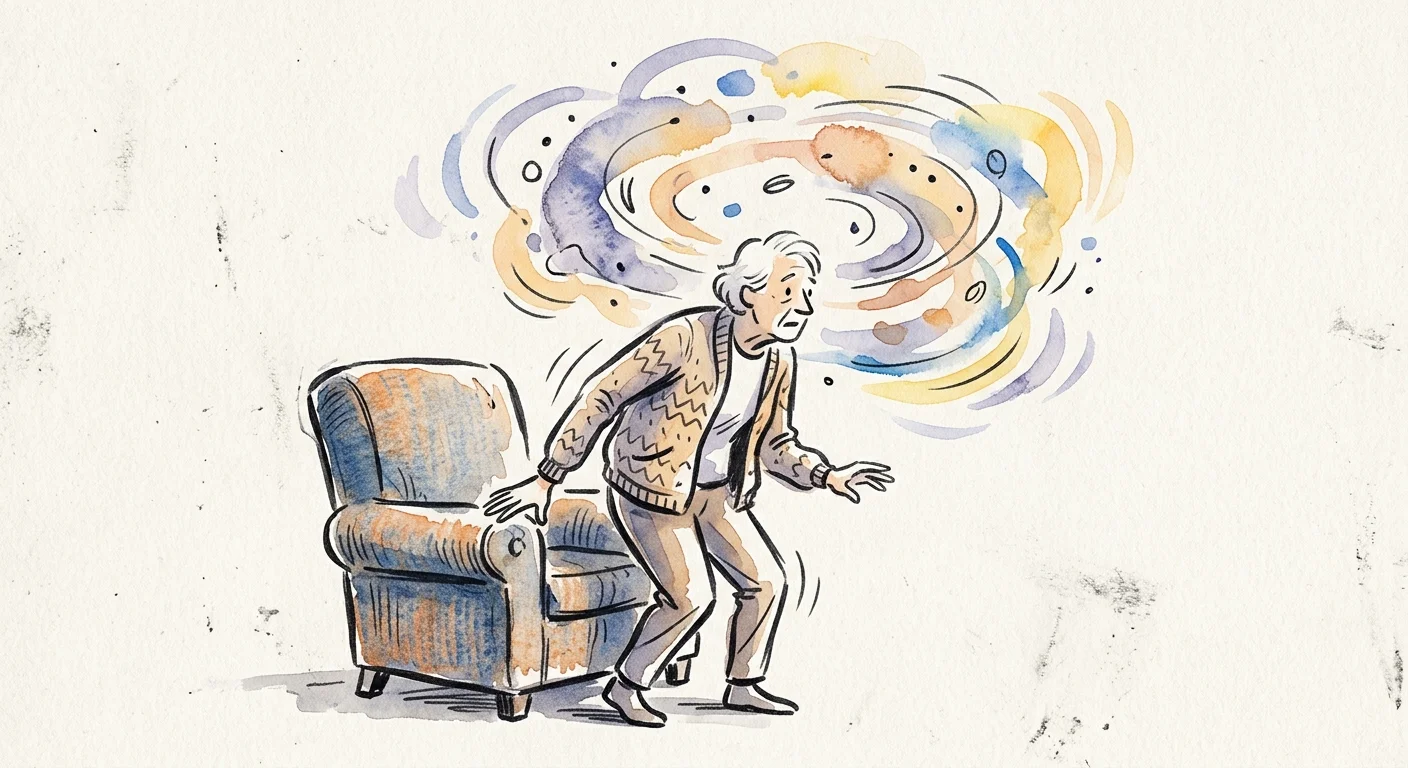
If you stand up from your favorite chair and the room immediately starts spinning, you are experiencing orthostatic hypotension—a sudden drop in blood pressure. In older adults, doctors frequently blame this symptom on dehydration, inner ear issues, or the side effects of common blood pressure medications like beta-blockers or diuretics.
With Addison’s disease, this dizziness stems from a severe lack of aldosterone. When your adrenal glands stop producing this hormone, your kidneys cannot hold onto sodium. As you lose sodium through your urine, your blood volume drops, making it incredibly difficult for your body to maintain adequate blood pressure when you change positions.

Sign 4: Noticeable Darkening of the Skin
One of the most unique and visible indicators of Addison’s disease is hyperpigmentation, or darkening of the skin. When your adrenal glands fail to produce enough cortisol, your pituitary gland goes into overdrive, pumping out excess adrenocorticotropic hormone (ACTH) to try and stimulate them. High levels of ACTH trigger your body’s melanin production, leading to a bronze or darkened appearance.
In seniors, this is frequently misdiagnosed as heavy sun damage or age spots. To spot the difference, look for darkening in areas that rarely see the sun. You will often notice this abnormal pigmentation on your gums, the lining of your cheeks, inside skin folds, on your knuckles, or over old surgical scars.
Sign 5: Digestive Troubles and Intense Salt Cravings
As you age, a sensitive stomach might feel like par for the course. But Addison’s disease brings severe gastrointestinal distress, including chronic nausea, vomiting, unexplained diarrhea, and sharp abdominal pain.
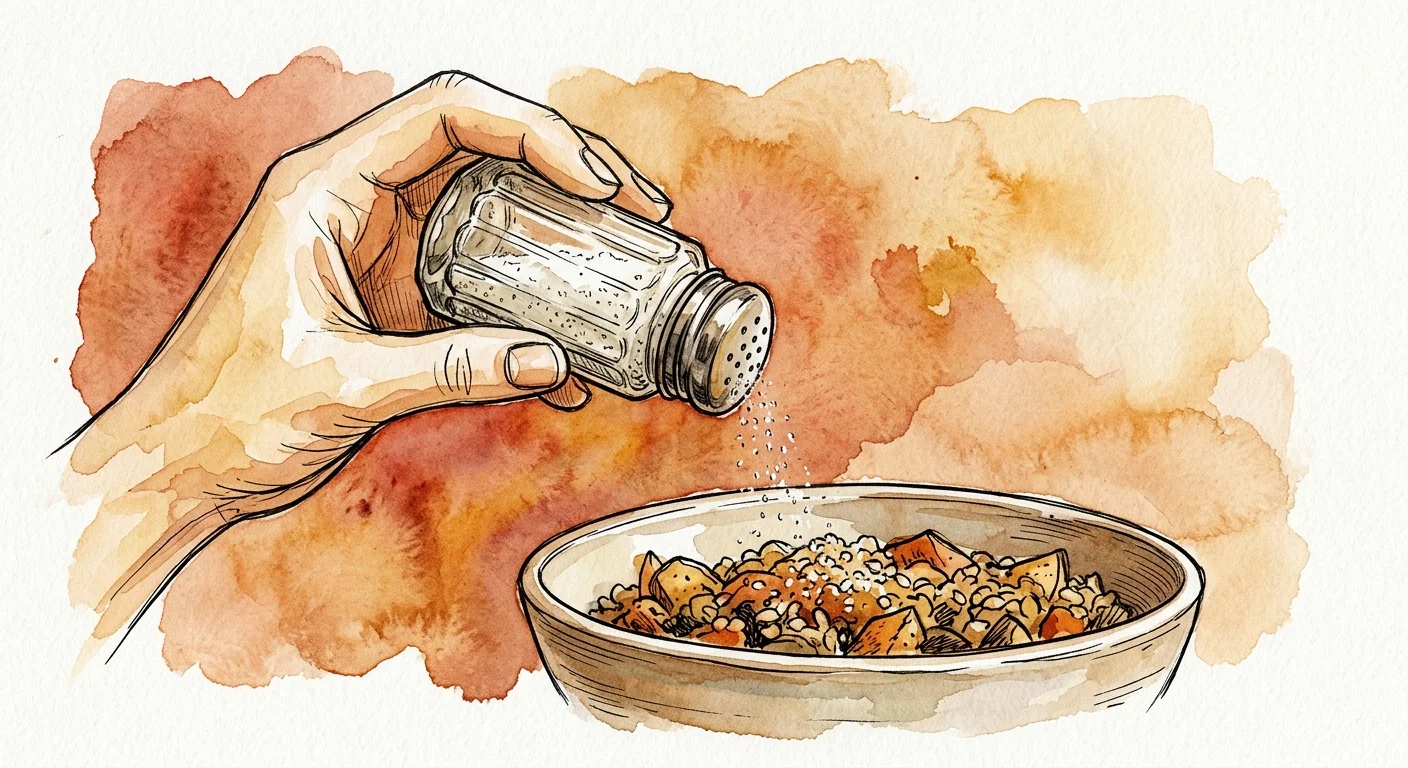
What makes this symptom uniquely point toward adrenal insufficiency is the accompanying intense craving for salty foods. Because your body is rapidly excreting sodium due to the lack of aldosterone, your brain sends urgent signals to replace it. You might find yourself drinking pickle juice, eating handfuls of salty chips, or even pouring salt directly onto your hand to eat in a desperate attempt to restore balance.
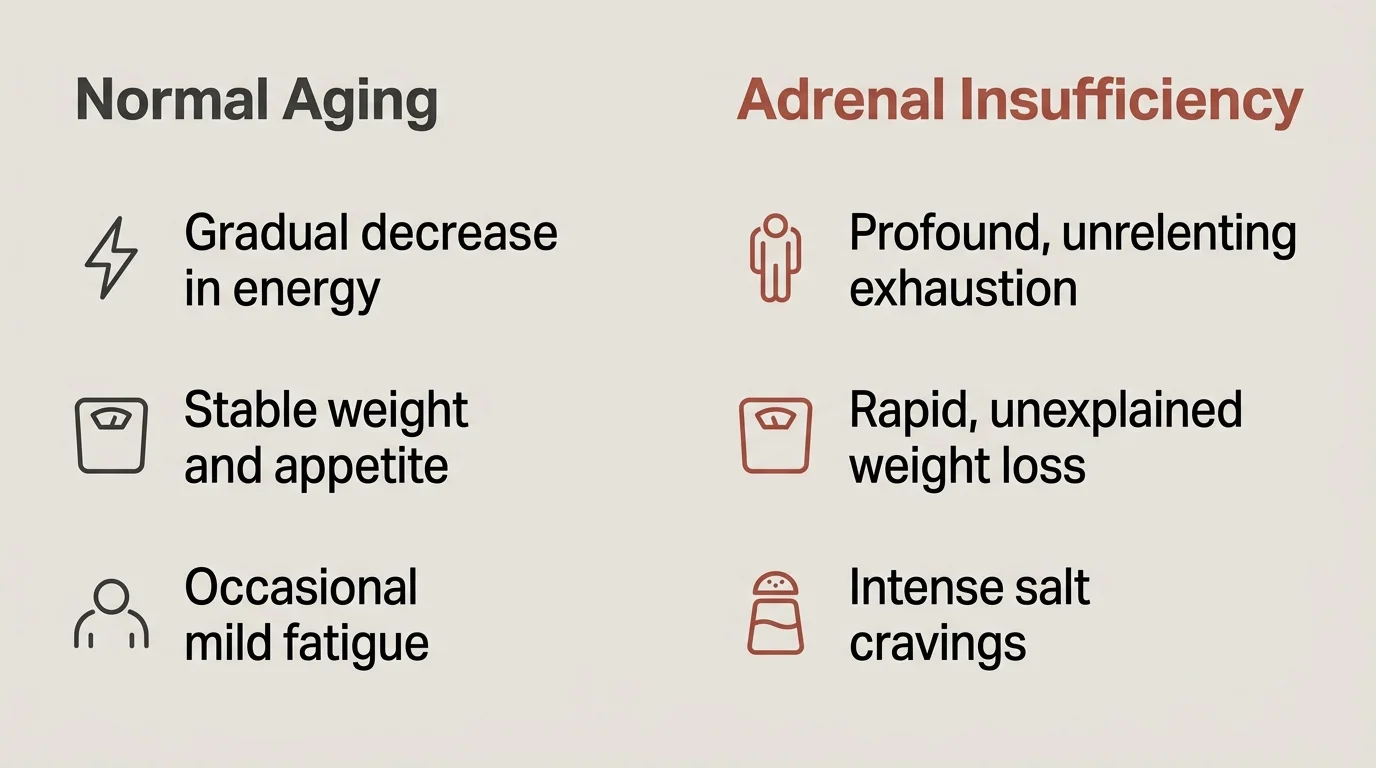
Comparing Normal Aging vs. Adrenal Insufficiency
| Symptom Category | Typical Aging or Medication Side Effect | Possible Sign of Addison’s Disease |
|---|---|---|
| Fatigue & Energy | Feeling tired after a busy day; relieved by a good night’s rest. | Debilitating exhaustion and muscle weakness that never improves. |
| Weight & Appetite | Gradual, minor changes in appetite due to altered taste buds. | Sudden aversion to food and rapid, unintentional weight loss. |
| Blood Pressure | Occasional dizziness, often linked to dehydration or adjusting to new prescriptions. | Chronic low blood pressure; fainting or severe dizziness upon standing. |
| Skin Changes | Standard age spots or sun damage on the face, arms, and hands. | Hyperpigmentation on gums, inner cheeks, scars, and skin folds. |
| Digestive System | Mild indigestion or occasional constipation. | Severe nausea, abdominal pain, and intense cravings for pure salt. |
How Doctors Diagnose Addison’s Disease in Older Adults
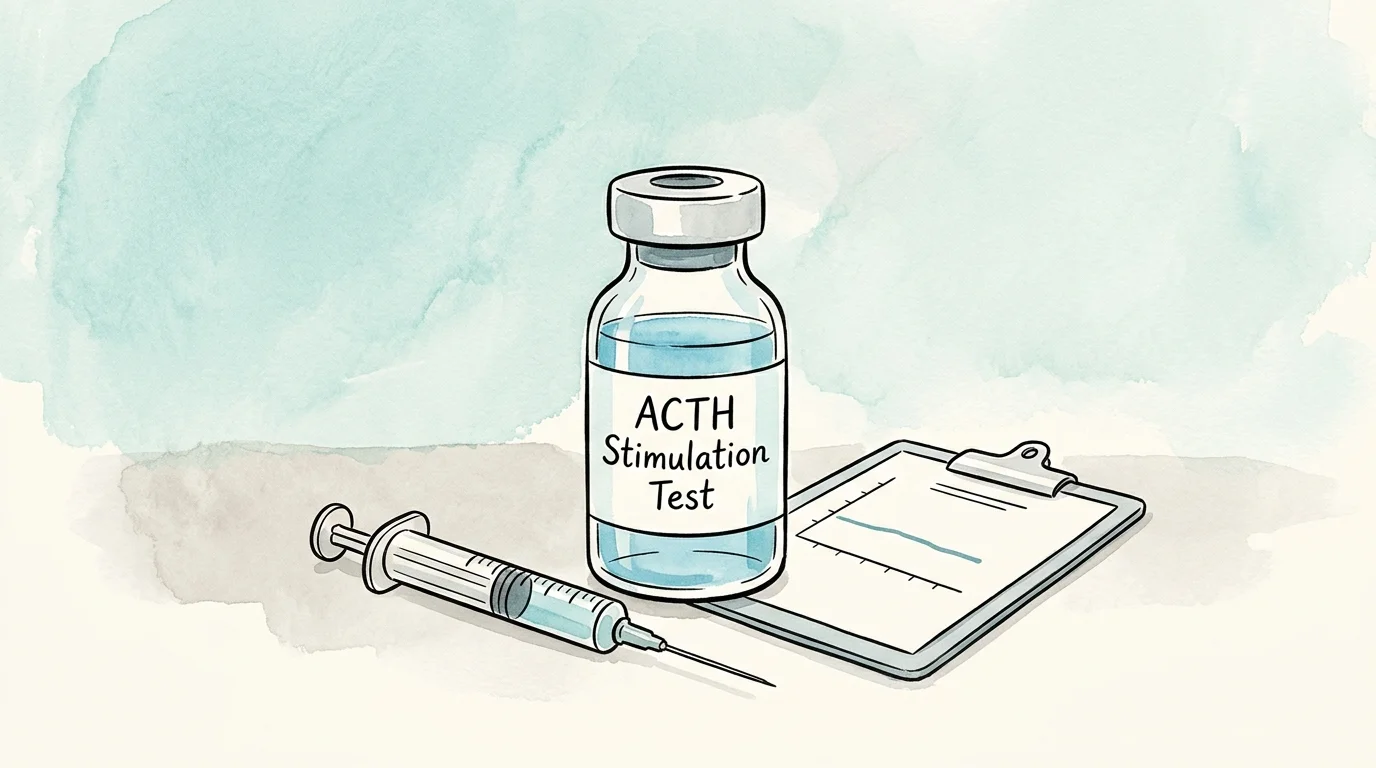
Getting a proper diagnosis requires advocating for specific blood work. The gold standard for diagnosing Addison’s disease is the ACTH stimulation test. During this procedure, a healthcare professional draws your blood to measure baseline cortisol levels, injects you with a synthetic version of ACTH, and then draws your blood again 30 to 60 minutes later. If your adrenal glands are healthy, your cortisol levels will rise significantly. If you have Addison’s disease, your cortisol levels will barely move.
For seniors navigating these medical tests, knowing your coverage is crucial. Medicare Part B covers diagnostic tests like the ACTH stimulation test when ordered by a participating doctor. In 2025, the standard Medicare Part B monthly premium is $185.00, and the annual deductible is $257. Once you meet this deductible, Medicare typically covers 80 percent of the approved cost, leaving you responsible for a 20 percent coinsurance. You can confirm provider participation directly at Medicare.gov.
Treating Adrenal Insufficiency: Managing the Condition and Costs
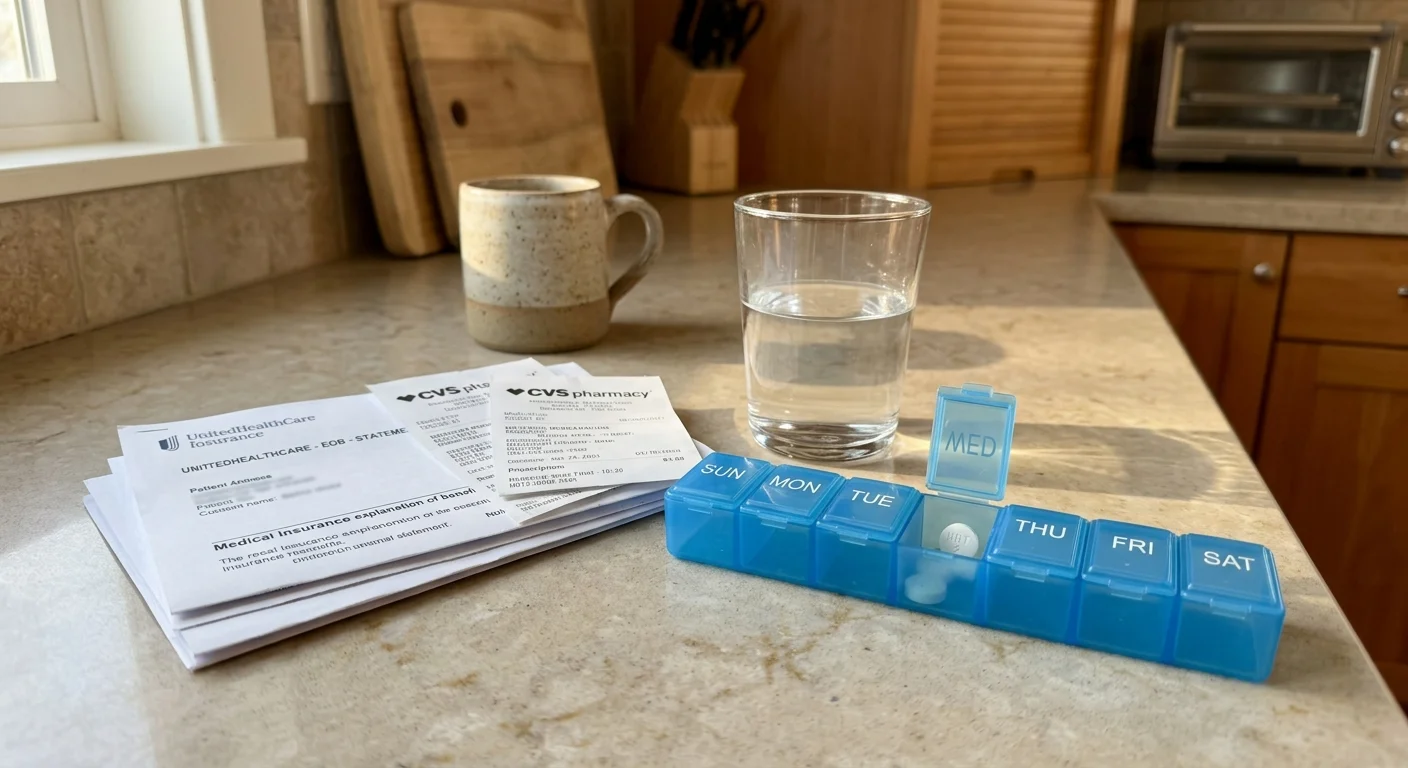
Addison’s disease is fully treatable, but it requires lifelong hormone replacement therapy. Your endocrinologist will likely prescribe an oral corticosteroid like hydrocortisone to replace your missing cortisol, and fludrocortisone to replace aldosterone. These medications are taken daily to mimic the natural rhythm of your adrenal glands.
These prescription medications fall under your Medicare Part D coverage. Because plan formularies change annually, you must review your specific Part D plan to see which tier these life-saving steroids fall into, as this will determine your copay at the pharmacy counter.
Navigating new health conditions can bring unexpected out-of-pocket costs, but the tax code provides significant relief for older adults. For the 2025 tax year, a single senior age 65 or older can claim the $15,750 base standard deduction, an extra $2,000 age-related deduction, and a new temporary $6,000 enhanced senior deduction—bringing your total standard deduction to a robust $23,750. This broader standard deduction simplifies your tax filing and keeps more of your retirement income accessible to manage your ongoing healthcare needs. You can learn more about senior tax advantages directly from the Internal Revenue Service (IRS).
Pitfalls to Watch For
Managing a rare condition in your senior years requires vigilance. Avoid these common mistakes that older adults frequently make when dealing with adrenal health:
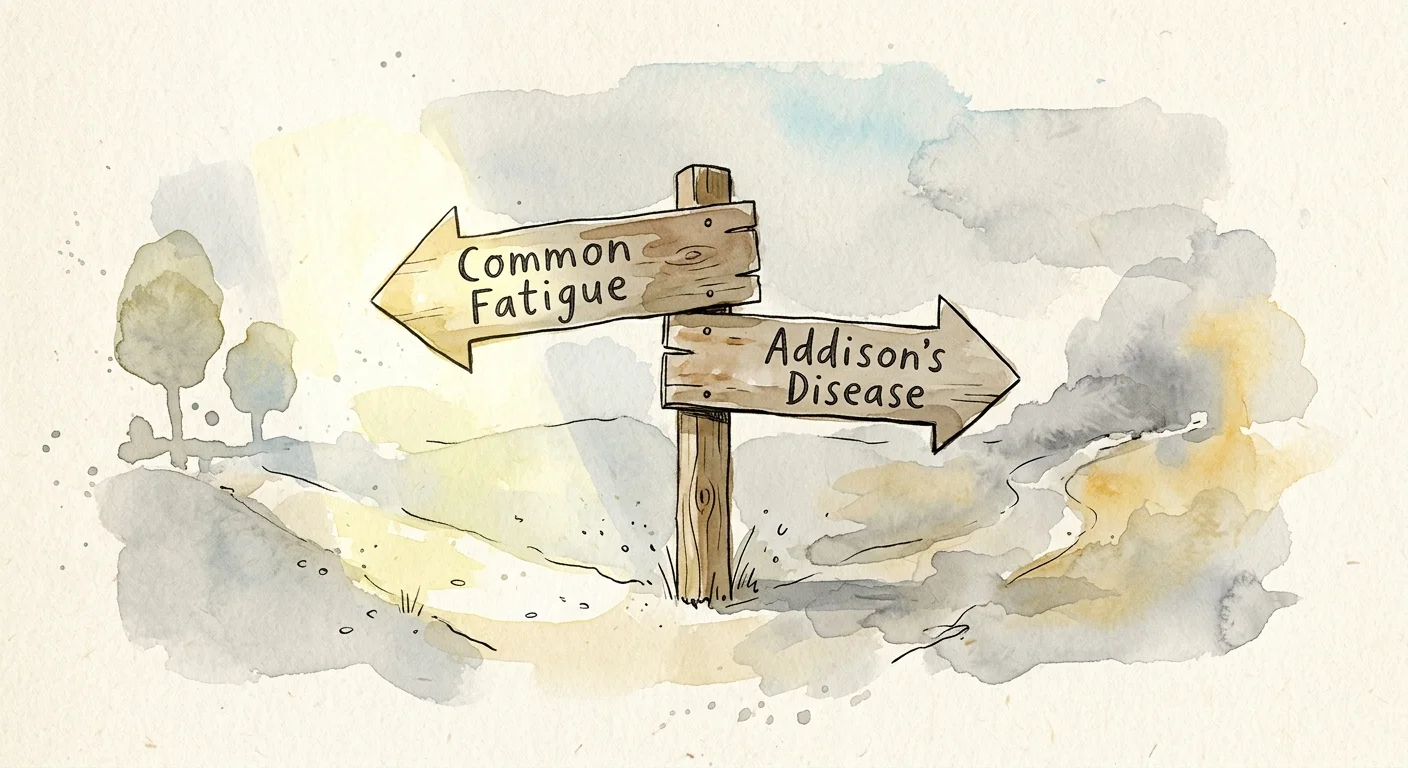
- Dismissing symptoms as simple fatigue: Writing off profound weakness as a normal part of your golden years delays critical treatment and allows the disease to progress dangerously.
- Stopping medications without guidance: If you feel dizzy, do not abruptly stop taking your prescribed blood pressure medications assuming they are the culprit. Always consult your physician for proper testing first.
- Ignoring the threat of an adrenal crisis: An adrenal crisis is a sudden, life-threatening drop in cortisol levels triggered by physical stress, such as a respiratory infection, severe injury, or surgery. Never skip your daily steroid doses, and work proactively with your doctor to adjust your dosage when you are ill.

Getting Expert Help
Do not try to manage complex hormonal imbalances alone. Reach out for professional guidance in these specific scenarios:
- Your symptoms are dismissed: If your primary care physician brushes off your extreme fatigue and weight loss, request a referral to an endocrinologist—a specialized doctor trained to treat hormone disorders.
- You experience an adrenal crisis: If you suddenly suffer from severe lower back pain, uncontrollable vomiting, confusion, or a loss of consciousness, call 911 immediately. This is a medical emergency that requires intravenous hydrocortisone and saline fluids.
- You need help paying for prescriptions: If your Medicare Part D copays for hydrocortisone or fludrocortisone are stretching your budget, contact the Social Security Administration (SSA) to see if you qualify for the Extra Help program, which significantly lowers prescription drug costs for eligible seniors.
“Risk comes from not knowing what you’re doing.” — Warren Buffett, Investor and Philanthropist
When it comes to your health and financial wellbeing, guessing is the biggest risk of all. Demand thorough diagnostic testing so you understand exactly what your body is experiencing, and utilize the government benefits designed to support your care.
Frequently Asked Questions About Addison’s Disease in Seniors
Can you develop Addison’s disease after age 65?
Yes. While the most common age of onset is between 30 and 50, Addison’s disease can develop at any age. Older adults are often misdiagnosed because the symptoms mimic other age-related conditions.
Does Medicare cover tests for adrenal insufficiency?
Yes. Medicare Part B covers diagnostic bloodwork, including the ACTH stimulation test, when your doctor orders it to diagnose adrenal insufficiency or other endocrine disorders.
What is an adrenal crisis?
An adrenal crisis is a life-threatening medical emergency caused by severely low cortisol levels in the body. Symptoms include severe abdominal pain, extreme weakness, vomiting, and confusion. It requires immediate emergency medical intervention.
Taking charge of your health in your senior years means trusting your instincts when something feels fundamentally wrong. By recognizing the hidden signs of Addison’s disease and advocating for the right medical tests, you can protect your vitality and secure the treatment you need to thrive.
The information in this guide is meant for educational purposes. Your specific circumstances—including income, benefits, tax situation, and health needs—may require different approaches. When in doubt, consult a licensed financial advisor or tax professional.
Last updated: July 2026. Benefit amounts, tax rules, and program details change annually—verify current figures with official government sources.