

Building a nest egg for travel, hobbies, and everyday living expenses gives you a solid financial foundation, but ignoring extended healthcare can derail decades of disciplined saving in months. Nearly seven in ten seniors will require long-term services and support at some point in their lives, yet standard financial portfolios rarely earmark dedicated funds for non-medical assistance. When assistance with everyday activities like bathing, dressing, or preparing meals becomes necessary, out-of-pocket costs can rapidly consume your investment gains and principal. Recognizing the critical warning signs in your current retirement plan allows you to protect your hard-earned assets before an unexpected health crisis forces painful financial trade-offs.
The Hidden Threat to Your Retirement Security
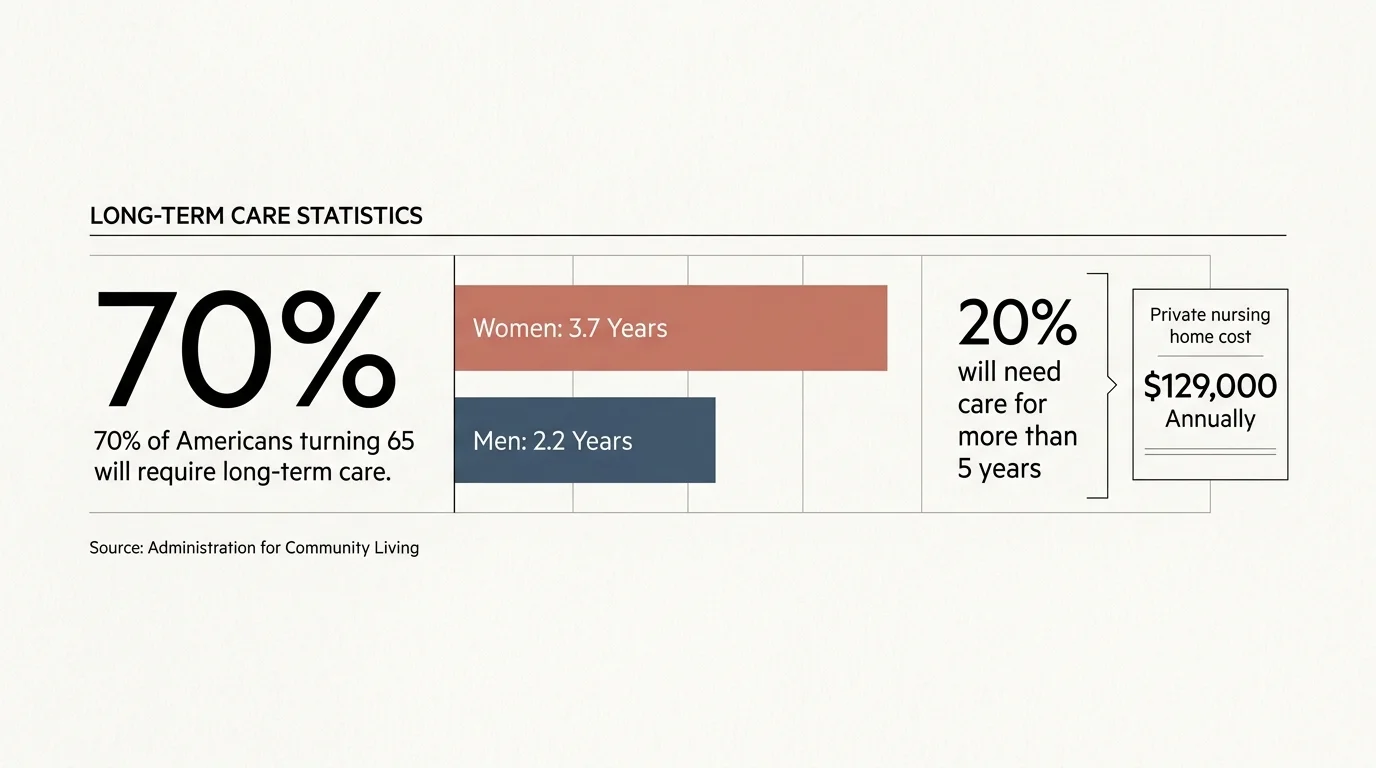
Most traditional retirement calculators focus on a predictable annual budget: housing, groceries, utilities, travel, and standard medical expenses. Unfortunately, this straightforward math overlooks a major financial disruption: custodial long-term care. According to data from the Administration for Community Living (ACL), roughly 70% of Americans turning age 65 will require long-term care services and supports during their lifetimes.
The duration of care varies significantly by gender and individual health. On average, women need long-term care for 3.7 years, whereas men require care for 2.2 years. Furthermore, approximately 20% of adults aged 65 and older will need care for more than five years. When private nursing home care exceeds $129,000 annually, even a well-funded portfolio can suffer catastrophic losses without a targeted strategy.
“A long-term care plan is not just about preserving money; it is about protecting your family from the emotional and financial strain of caregiving.” — Suze Orman, Personal Finance Expert & Author
Sign 1: You Assume Medicare Will Foot the Bill
One of the most widespread retirement misconceptions is believing that Medicare pays for ongoing assisted living or nursing home stays. It does not. The primary mandate of Medicare is covering acute, skilled medical care—such as doctor visits, hospitalizations, prescription drugs, and short-term rehabilitative therapies.
Medicare explicitly excludes non-skilled custodial care, which comprises the vast majority of long-term care needs. Custodial care involves hands-on assistance with Activities of Daily Living (ADLs):
- Bathing and personal hygiene
- Dressing and grooming
- Transferring (moving between a bed and a chair)
- Eating and meal assistance
- Toileting and continence management
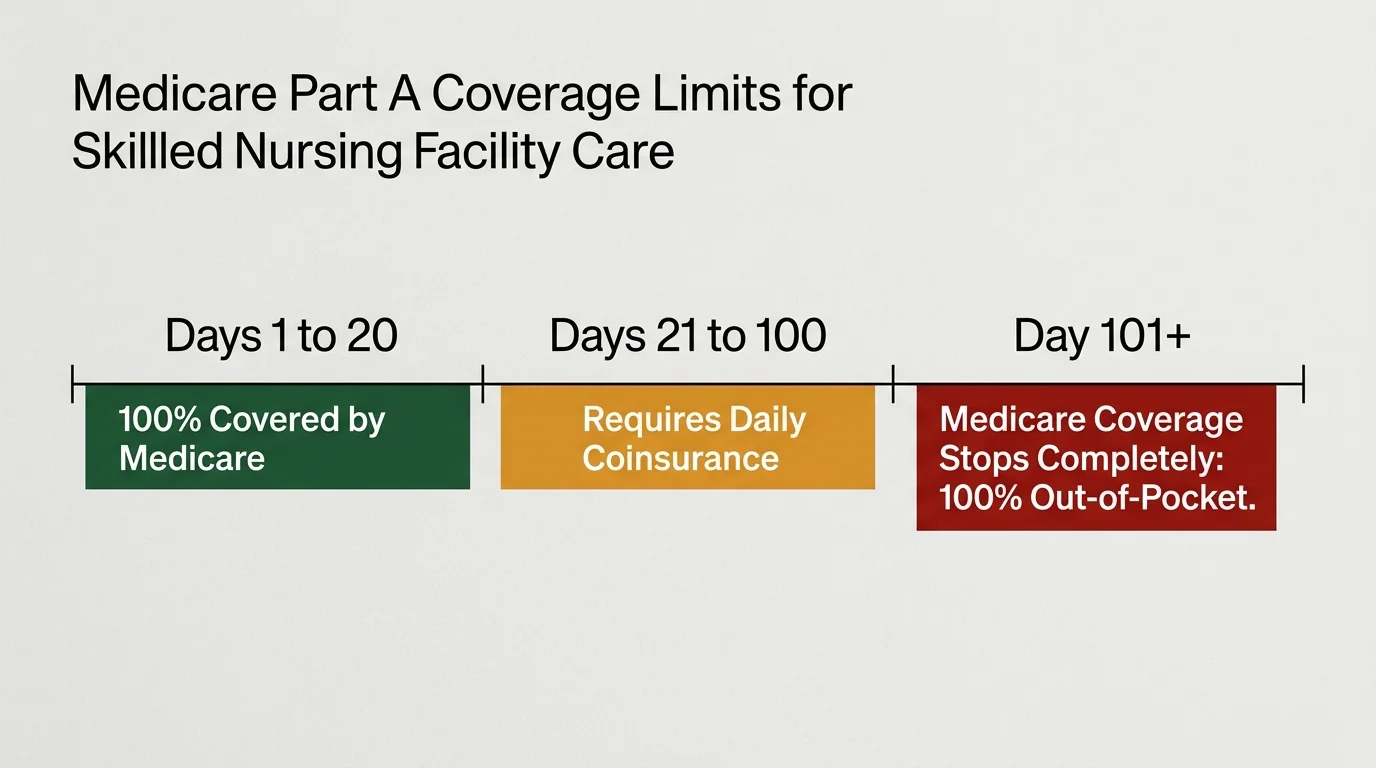
Under Medicare Part A, skilled nursing facility care is strictly limited to a maximum of 100 days per benefit period following a qualifying three-day inpatient hospital stay. Medicare covers 100% of the cost for days 1 through 20; days 21 through 100 require a substantial daily coinsurance payment. Once day 101 arrives, Medicare coverage stops completely, leaving you responsible for all subsequent charges.
Sign 2: Your Backup Plan Relies on Medicaid Without Understanding the Rules
Medicaid does cover custodial nursing care, but relying on it as an unmanaged safety net creates severe financial risks. Because Medicaid is a needs-based joint federal and state program, you must deplete nearly all of your liquid wealth before receiving a single dollar of assistance.
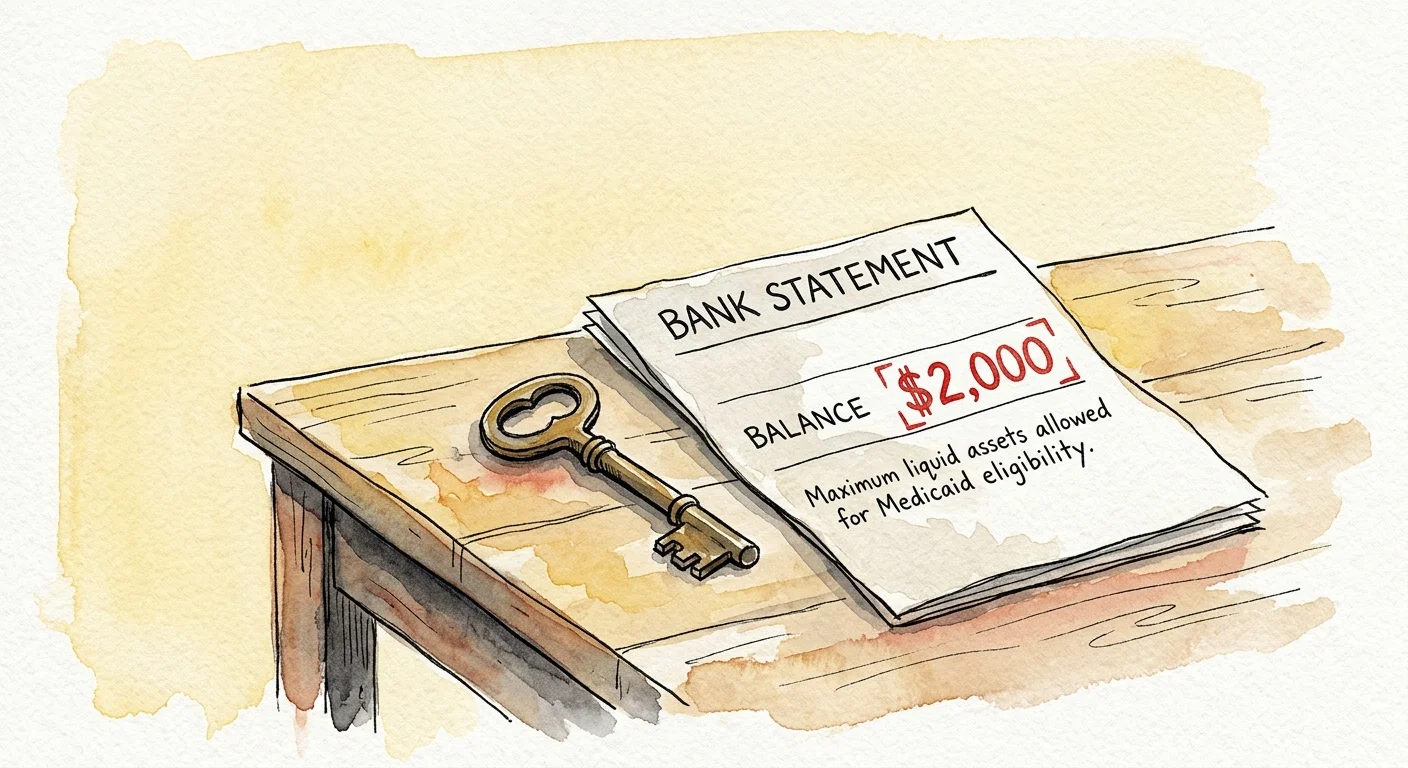
In most states, an individual applicant must spend down countable liquid assets to $2,000 or less to qualify. While a non-applicant spouse (the community spouse) can retain an allowance of marital assets and the primary residence under specific state limits, the applicant’s retirement accounts, savings, and investments must be exhausted first.
Furthermore, Medicaid enforces a strict 60-month (five-year) look-back rule on asset transfers. If you gift money, transfer real estate to children, or sell assets below fair market value within five years of applying, state agencies impose a penalty period during which you are ineligible for benefits. Expecting Medicaid to cover your care without advance legal and financial structuring leaves your estate vulnerable and restricts your choices regarding where and how you receive care.

Sign 3: You Expect Family Members to Provide Full-Time Care Free of Charge
Many retirees quietly assume their adult children or spouse will step in to provide daily assistance if physical or cognitive decline occurs. While family caregiving stems from love and devotion, treating family members as an unpaid long-term care plan carries steep hidden costs.
Caregiving takes a measurable toll on family members:
- Lost Career Earnings and Retirement Contributions: Family caregivers frequently reduce work hours, decline promotions, or leave the workforce entirely, severely shrinking their own Social Security benefits and retirement savings.
- Physical and Emotional Strain: Assisting an adult with mobility limitations or managing the behavioral changes of dementia leads to chronic stress, physical injury, and caregiver burnout.
- Out-of-Pocket Family Expenses: Caregivers routinely pay for household modifications, medical supplies, and transportation out of their own pockets, transferring financial strain down to the next generation.
Without formal support systems, relying exclusively on family often leads to a crisis that forces emergency placement into an expensive facility.
Sign 4: Your Withdrawal Strategy Treats Healthcare as a Fixed, Level Cost
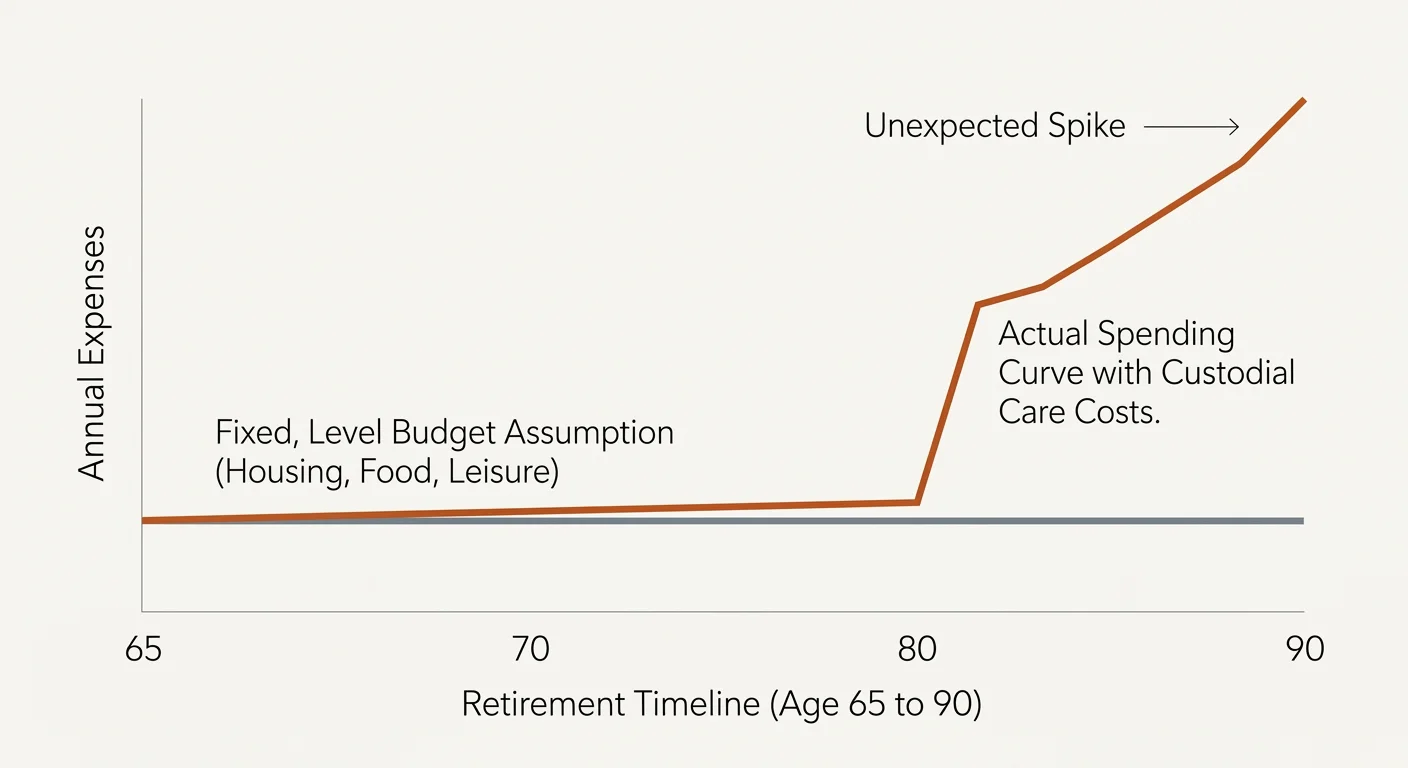
Standard retirement planning frequently uses linear inflation models for living expenses—such as withdrawing 4% in year one and adjusting for standard consumer inflation each subsequent year. This method works well for predictable expenses, but long-term care costs arrive as concentrated, exponential spikes.
If your portfolio generates $60,000 annually to support your baseline lifestyle, an unexpected assisted living fee of $6,200 per month ($74,400 per year) more than doubles your annual distribution requirement. Liquidating extra assets during a market downturn to pay for care can trigger permanent portfolio depletion, drastically reducing future compound growth.

Sign 5: You Have Not Accounted for the Difference in Spousal Longevity
If you are married, long-term care rarely affects both partners simultaneously. Typically, one spouse develops significant health or cognitive needs first, requiring substantial care for several years before passing away.
If covering the first spouse’s care drains joint savings, the surviving spouse faces two major challenges:
- Reduced Household Income: The household loses the smaller of the two Social Security checks upon the first spouse’s death, along with potential reductions in pension payouts.
- A Depleted Nest Egg: With liquid assets consumed by previous medical bills, the surviving spouse must navigate their own aging years with minimal reserves and no remaining caregiving partner.
A resilient plan protects a ring-fenced bucket of capital specifically designed to keep the healthy spouse financially secure in their home.

Sign 6: You View Home Equity as an Automatic Emergency Fund
Many homeowners believe they can simply tap their home equity via a reverse mortgage or quick sale if care needs arise. While real estate remains a valuable asset, it is inherently illiquid and difficult to access on short notice.
If an aging homeowner requires immediate in-home support or assisted living placement, preparing a home for sale, finding a buyer, and closing the transaction takes months. Additionally, home equity lines of credit (HELOCs) often require proof of steady income to qualify, which can be difficult during retirement. Reverse mortgages also carry strict occupancy requirements; moving permanently into a skilled nursing facility can trigger the loan repayment clause, forcing an unplanned sale.

Sign 7: You Missed the Tax-Advantaged Windows to Fund Protection
Waiting until health changes occur to explore long-term care coverage is a common misstep. Traditional and asset-based long-term care insurance policies require medical underwriting. Once you receive a diagnosis of a progressive illness, chronic joint deterioration, or cognitive impairment, purchasing private coverage is no longer an option.
Furthermore, delaying planning causes you to miss valuable tax incentives. Under Internal Revenue Code (IRC) Section 213(d)(10), the Internal Revenue Service (IRS) permits eligible long-term care insurance premiums to be counted as deductible medical expenses (subject to the 7.5% of Adjusted Gross Income threshold for itemizers) or paid tax-free directly from a Health Savings Account (HSA).
The deductible limits for eligible long-term care insurance premiums increase with age:
- Age 40 or under: Up to $500 per individual
- Age 41 to 50: Up to $930 per individual
- Age 51 to 60: Up to $1,860 per individual
- Age 61 to 70: Up to $4,960 per individual
- Age 71 and older: Up to $6,200 per individual
Comparing the True Costs of Long-Term Care Settings
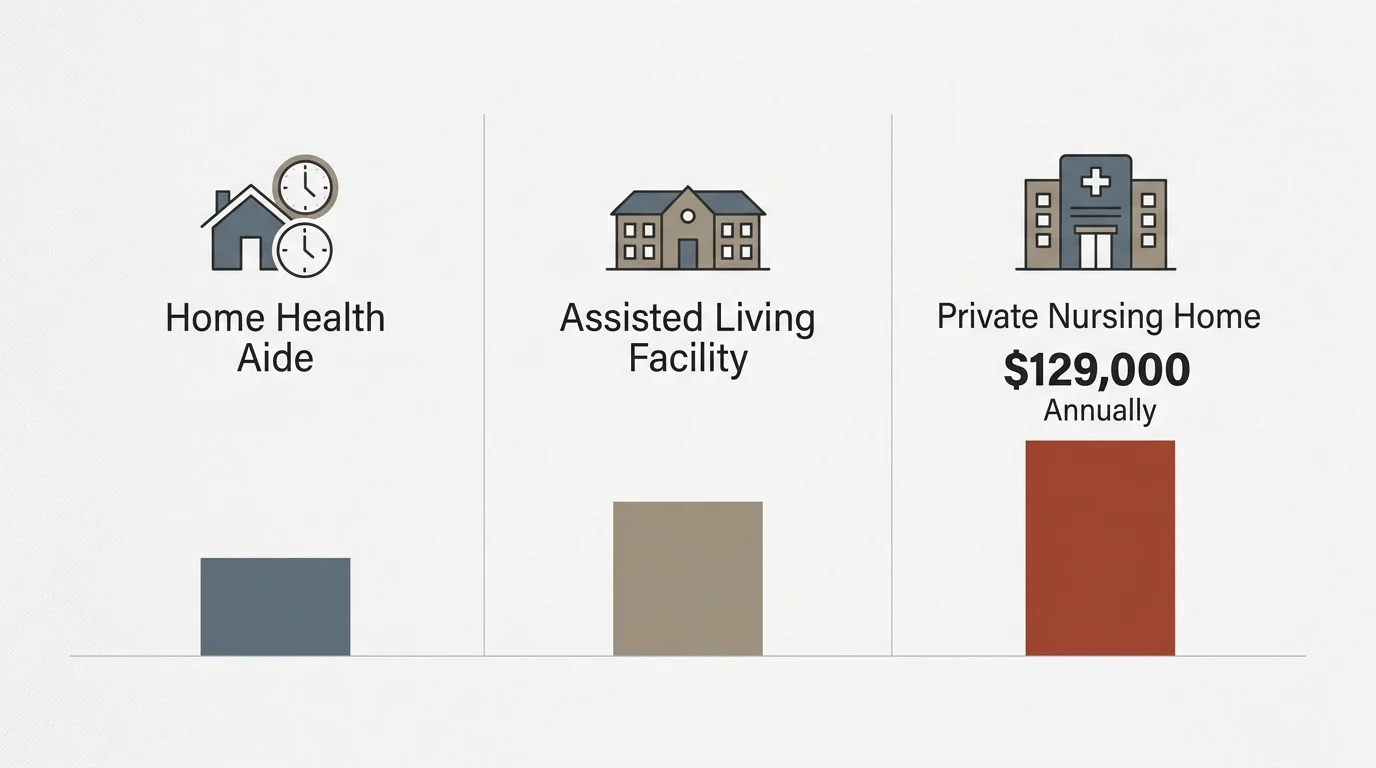
Understanding current median care rates helps you set realistic funding targets. National cost surveys from CareScout and Genworth illustrate what seniors pay out of pocket across different care settings.
| Care Setting | Median Monthly Cost | Median Annual Cost | Primary Services Provided |
|---|---|---|---|
| In-Home Health Aide (44 hours/week at $35/hour) | $6,673 | $80,080 | Personal care assistance, meal prep, light housekeeping, mobility support. |
| Assisted Living Facility (Private one-bedroom unit) | $6,200 | $74,400 | Residential housing, meals, medication management, social activities, basic ADL aid. |
| Nursing Home (Semi-Private Room) | $9,581 | $114,975 | 24-hour supervised care, skilled nursing, room and board, intensive custodial care. |
| Nursing Home (Private Room) | $10,798 | $129,575 | All semi-private features with private accommodations and dedicated personal support. |

What Can Go Wrong: Common Missteps Seniors Make
Proactive planning helps you navigate several common pitfalls:
- Waiting Too Long to Apply for Coverage: Underwriting requirements become significantly stricter after age 60. Waiting until your late 60s or 70s dramatically increases premiums and raises the likelihood of rejection due to pre-existing conditions.
- Gifting Money to Children Within the Five-Year Window: Transferring assets directly to heirs to qualify for Medicaid without consulting an elder law attorney triggers costly disqualification penalties, leaving you personally responsible for care bills.
- Spending Down HSAs Early: Using Health Savings Account funds on routine dental or minor copays during working years eliminates your most tax-efficient growth vehicle for high late-life care costs.
- Assuming a Family Caregiver Can Handle Dementia Alone: Cognitive decline requires specialized, around-the-clock monitoring. Failing to budget for respite care or memory care units places an unsustainable burden on a spouse or adult child.

Actionable Strategies to Close the Care Gap
If you identify one or more of these gaps in your current roadmap, several practical paths can help reinforce your financial plan:
- Explore Hybrid Asset-Based Policies: Modern hybrid policies combine permanent life insurance or an annuity with a long-term care rider. If you need care, the policy pays out tax-free long-term care benefits; if you never need care, a tax-free death benefit passes directly to your designated beneficiaries.
- Establish a Dedicated Self-Funded Health Reserve: If you choose to self-insure, segregate a specific portion of your portfolio into low-volatility, conservative growth vehicles. Do not count these funds toward your standard annual retirement withdrawal rate.
- Leverage Health Savings Accounts (HSAs): Treat your HSA as a long-term investment tool. Maximize contributions during your working years, invest the balances for tax-free growth, and preserve those funds to cover qualifying medical and long-term care premiums in retirement.
- Consult Community Resources: Use the Eldercare Locator to explore state, local, and non-profit resources that offer caregiver support, respite services, and adult day programs before entering private care.

When to Consult a Professional
Navigating long-term healthcare funding involves balancing tax codes, investment management, and complex legal structures. Consider working with specialized advisors in the following situations:
- You Are Between Ages 50 and 65: This represents the optimal window to evaluate hybrid long-term care products, compare premium pricing, and complete medical underwriting while in good health.
- You Have a Substantial Estate to Protect: If your net worth sits between $500,000 and $3,000,000, you are often at the highest risk: you have too many assets to qualify for state aid, but a multi-year nursing stay could severely compromise your family’s inheritance.
- You Have a Family History of Alzheimer’s or Chronic Conditions: An elder law attorney can establish irrevocable trusts, medical powers of attorney, and healthcare directives well ahead of the Medicaid 60-month look-back timeframe.
- You Need to Structure Support for a Dependent or Surviving Spouse: A fee-only financial planner can build cash-flow simulations ensuring that one spouse’s medical care does not exhaust the income stream required by the other.
Frequently Asked Questions
Does Medicare Advantage cover long-term nursing home care?
No. While some Medicare Advantage (Part C) plans offer minor supplemental benefits such as adult day-care allowances, limited transportation, or meal delivery services, they do not cover ongoing custodial care or long-term nursing home residency.
At what age should I buy long-term care insurance?
Financial planners generally recommend exploring long-term care insurance between ages 50 and 62. Applying during this window allows you to secure lower annual premiums while qualifying through standard medical underwriting before health conditions develop.
Can I use my IRA or 401(k) to pay for assisted living without penalties?
Yes. Withdrawals from traditional IRAs or 401(k)s after age 59½ are exempt from early withdrawal penalties, though standard income taxes apply. However, if your medical and care expenses exceed 7.5% of your Adjusted Gross Income (AGI), you can deduct those qualifying expenses on Schedule A to offset the taxable income from your retirement distributions.
What is the difference between skilled care and custodial care?
Skilled care consists of medically necessary treatments delivered by licensed medical personnel, such as registered nurses, physical therapists, and occupational therapists. Custodial care provides assistance with routine daily living tasks—such as bathing, eating, and dressing—which non-medical caregivers can perform.
Protecting Your Nest Egg for the Long Haul
A sound retirement strategy protects both your everyday lifestyle and your long-term independence. By addressing the potential costs of custodial care today, you prevent medical emergencies from depleting your nest egg or overburdening your loved ones tomorrow. Take the time to audit your current portfolio, evaluate available risk-management tools, and establish a clear plan for your future care needs.
The information in this guide is meant for educational purposes. Your specific circumstances—including income, benefits, tax situation, and health needs—may require different approaches. When in doubt, consult a licensed financial advisor or tax professional.
Last updated: February 2026. Benefit amounts, tax rules, and program details change annually—verify current figures with official government sources.









Leave a Reply