

Ignoring the early, subtle signals of insulin resistance can quietly drain both your health and your retirement budget long before a formal diabetes diagnosis. Over 52% of American seniors over age 65 have prediabetes, yet eight out of ten adults live with elevated blood sugar without knowing it. Recognizing unusual physical changes—like sudden skin tags or lingering leg swelling—gives you a vital opportunity to reverse metabolic imbalance early. By taking control today, you safeguard your energy, protect your independence, and avoid thousands of dollars in preventable out-of-pocket medical costs that often strain a fixed income.
At a Glance: Metabolic Health and Your Retirement Security
When your cells stop responding efficiently to insulin, your pancreas pumps out higher amounts of this hormone to clear glucose from your bloodstream. This condition—known as insulin resistance—often develops quietly over years. Left unchecked, it frequently progresses to prediabetes and full-blown type 2 diabetes, bringing severe health complications and significant medical expenses.
According to the Centers for Disease Control and Prevention (CDC), 52.1% of U.S. adults aged 65 and older—approximately 31.3 million seniors—have prediabetes. Sadly, roughly 80% of those affected remain completely unaware because early metabolic changes rarely produce obvious symptoms like extreme thirst or frequent urination. Instead, the body broadcasts quieter, stranger warning signs across your skin, hair, and lower limbs.
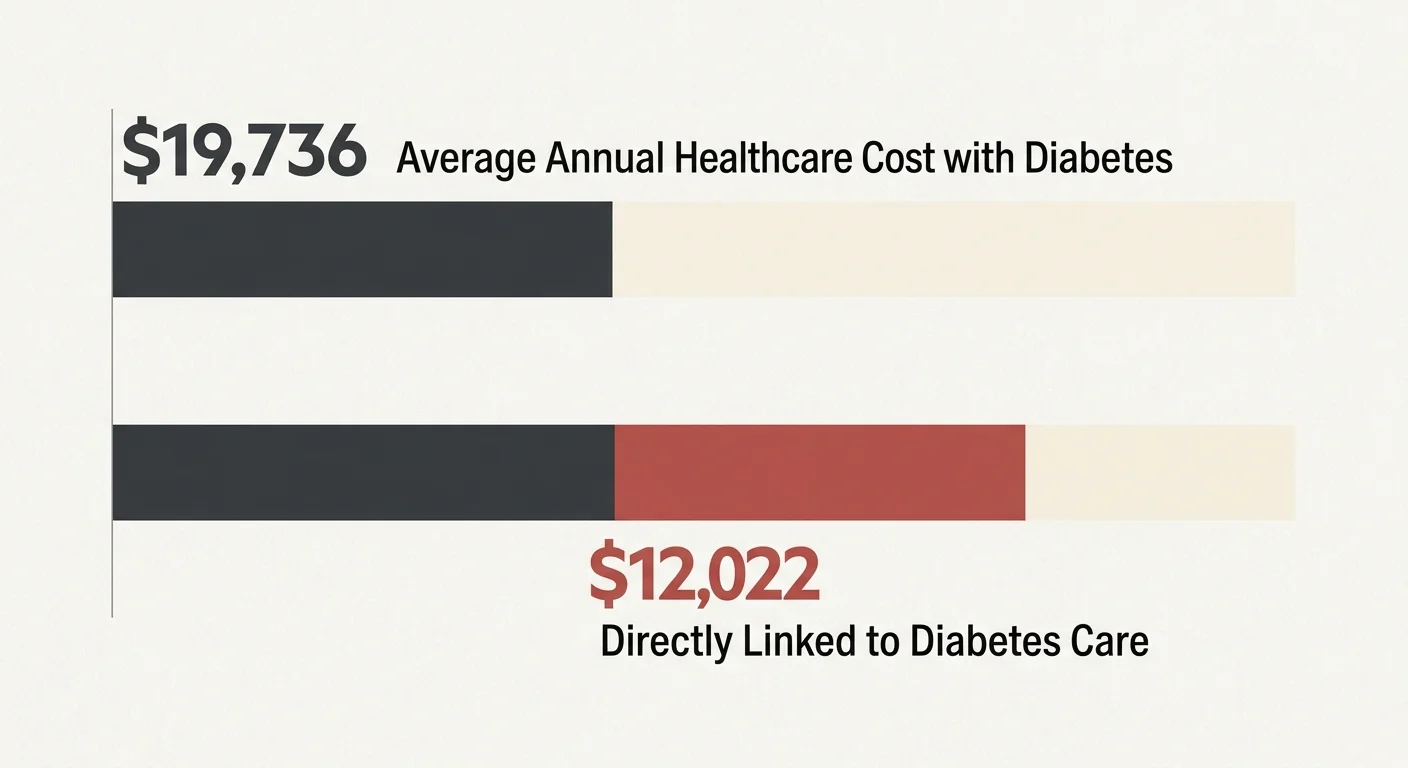
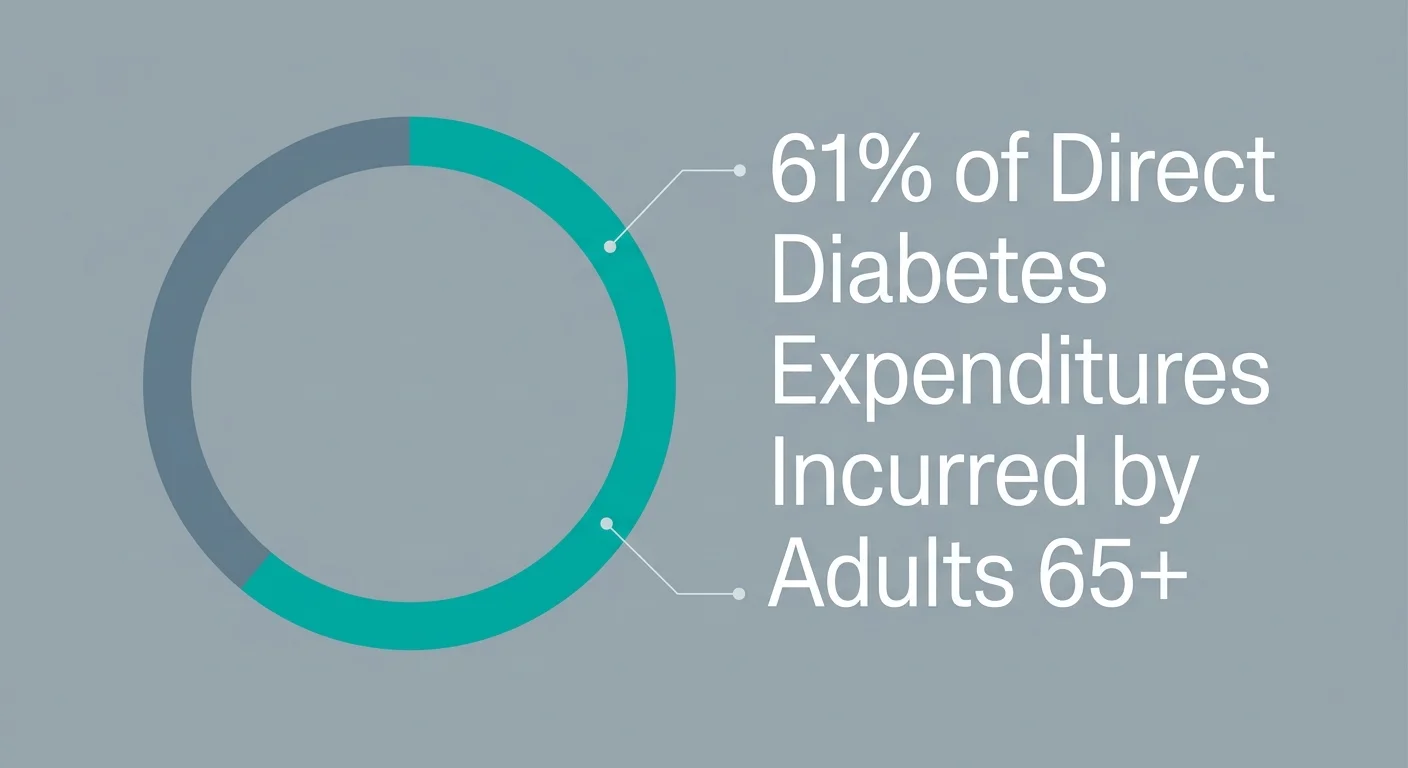
Catching these early signs makes financial sense as well as medical sense. The American Diabetes Association (ADA) reports that an individual diagnosed with diabetes faces average annual healthcare costs of $19,736, with $12,022 directly linked to diabetes care. That is 2.6 times higher than healthcare spending for someone without diabetes. Furthermore, adults aged 65 and older incur 61% of all direct diabetes medical expenditures in the United States. Taking swift action when you notice physical changes keeps both your body healthy and your retirement nest egg intact.
1. Dark, Velvety Skin Patches (Acanthosis Nigricans)
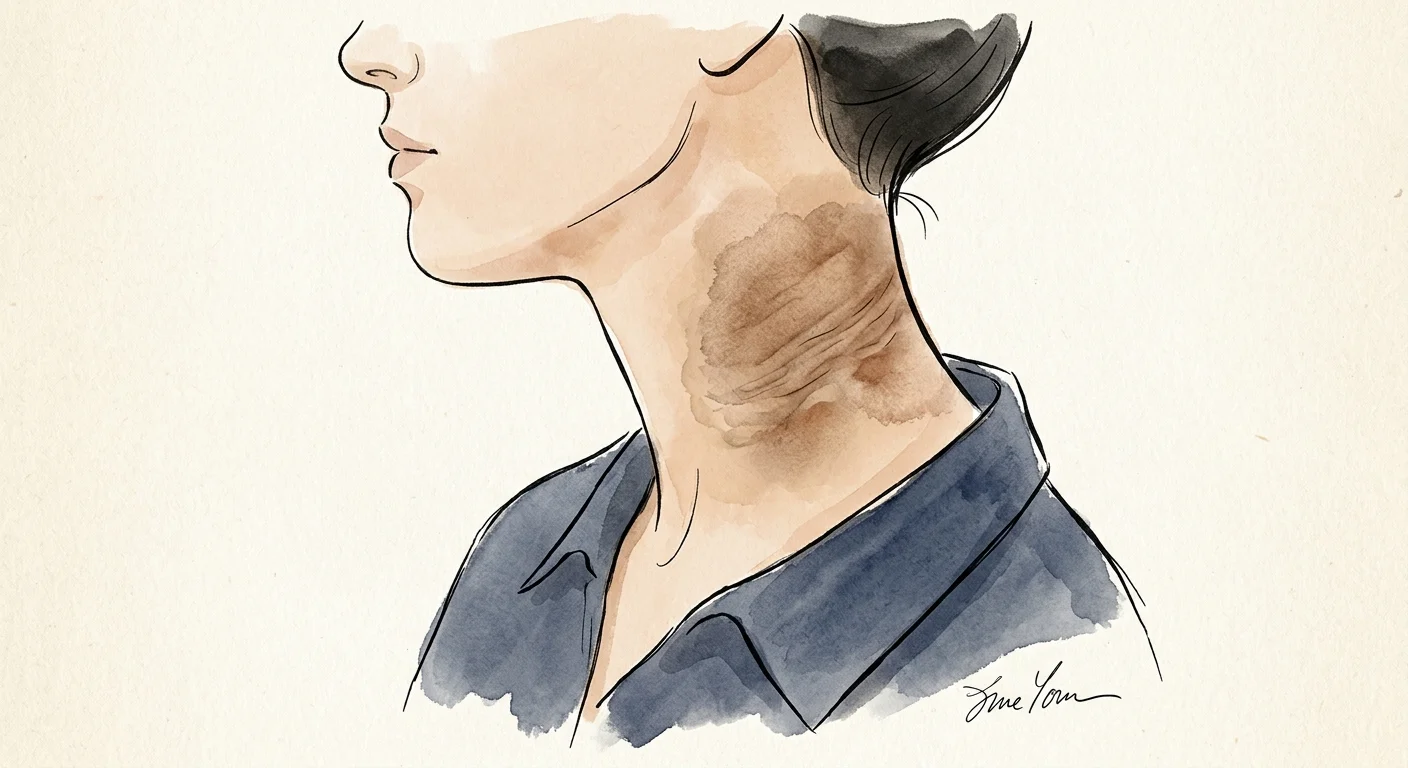
One of the most distinct early physical markers of insulin resistance is a skin condition called acanthosis nigricans. You might notice areas of your skin becoming noticeably darker, thicker, and velvety to the touch. These patches commonly appear in body folds and creases, including:
- The back and sides of your neck
- Your armpits (axillae)
- The creases of your groin
- Inside your elbows or behind your knees
- Across your knuckles
This visible change occurs because excess insulin in your bloodstream binds to insulin-like growth factor receptors on skin cells. This binding forces epidermal keratinocytes and skin fibroblasts to multiply rapidly, creating a thickened, hyperpigmented layer of skin. Many seniors mistake these velvety dark patches for dirt or age spots and attempt to scrub them away. However, vigorous scrubbing only irritates the tissue; addressing underlying blood sugar levels is the only way to fade these patches.

2. A Sudden Flurry of Skin Tags (Acrochordons)
While an occasional skin tag is common as we age, experiencing a sudden outbreak or cluster of skin tags is a major red flag for high circulating insulin levels. These tiny, flesh-colored or soft brown growths hang off the skin by a thin stalk. They frequently pop up around your neck, eyelids, armpits, and beneath the breasts.
High levels of insulin act as a growth-promoting hormone throughout your tissue. Just as excess insulin causes skin folds to thicken, it stimulates skin growth in delicate friction zones, leading to multiple acrochordons. Clinical research shows a direct correlation between the number of skin tags on a person’s body and their degree of insulin resistance.
If you notice several new skin tags appearing over a few months, schedule a visit with your physician to request a thorough metabolic evaluation rather than simply clipping or burning them off at a dermatologist’s office.

3. Unexplained Hair Thinning or Loss (Androgenic Alopecia)
Hair loss often gets blamed on genetics or routine aging, but elevated insulin plays a powerful, underappreciated role in thinning locks—especially for senior women. Insulin resistance alters your endocrine balance by suppressing sex hormone-binding globulin (SHBG), a key protein produced by your liver that regulates circulating hormones.
When SHBG levels drop, levels of free testosterone and dihydrotestosterone (DHT) rise in your bloodstream. In hair follicles, excess androgen activity causes follicles to shrink and produce thinner, weaker strands until hair growth halts entirely. In women, this often manifests as a widening part line or general thinning along the crown of the head. In men, it accelerates receding baselines and top hair loss.
Restoring tissue sensitivity to insulin helps restore balance to your hormonal profile, preserving hair density and saving you hundreds of dollars on ineffective cosmetic treatments.

4. Persistent Lower Extremity Swelling (Fluid Retention)
Do your socks leave deep, painful indentations around your calves by late afternoon? Do your shoes feel uncomfortably tight even when you haven’t been standing for long periods? Mild, unexplained fluid retention (edema) in your feet, ankles, and lower legs can signal elevated insulin levels.
Insulin is a potent salt-retaining hormone. When circulating insulin levels remain high, the hormone signals your kidneys to reabsorb sodium rather than excrete it through urine. Water naturally follows sodium, leading your body to hold extra fluid in your lower extremities due to gravity.
While lower leg swelling requires evaluation to rule out heart, liver, or kidney disease, hyperinsulinemia remains a frequent underlying trigger. Adjusting your nutrition to lower blood sugar levels often prompts your body to release excess stored sodium and fluid within days, relieving pressure on your circulatory system.
5. Small Brown Spots on Your Shins (Diabetic Dermopathy)
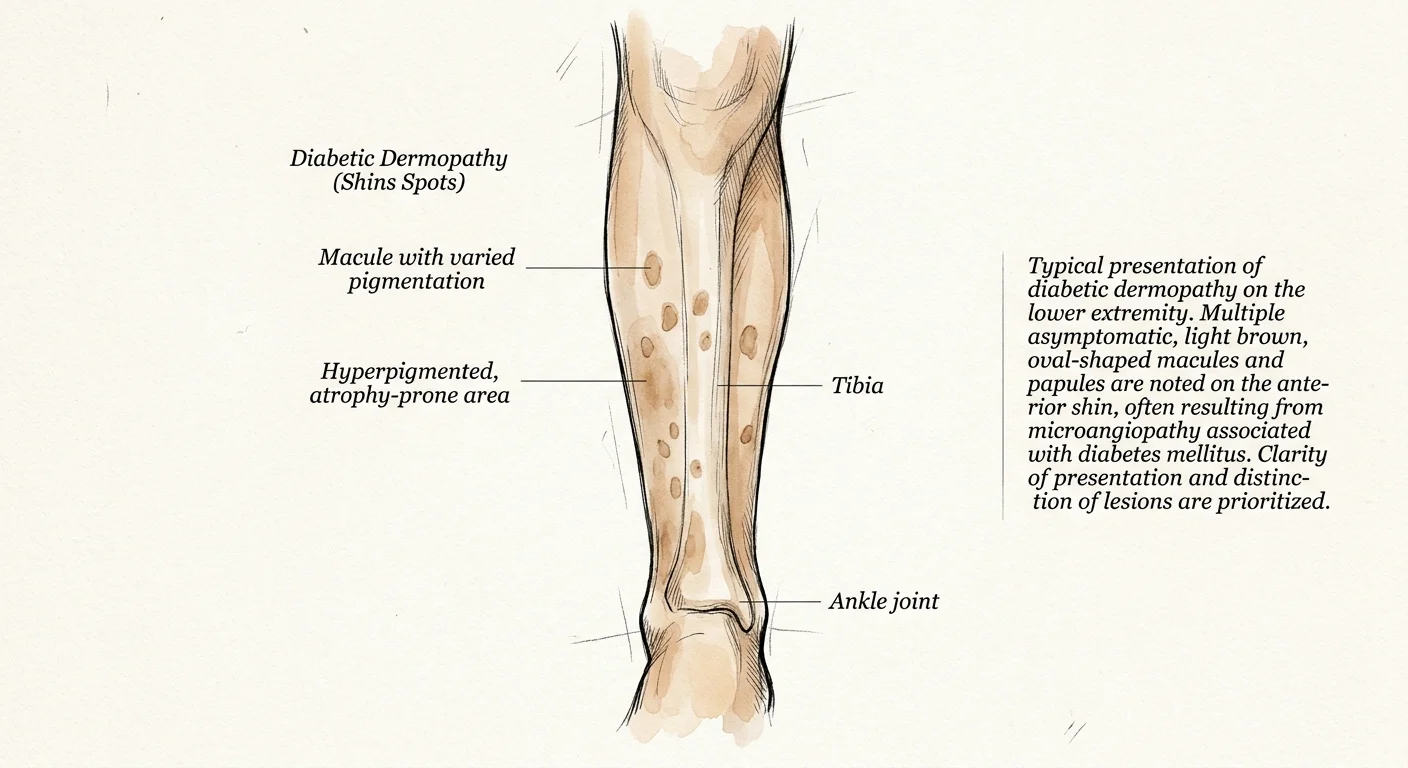
Diabetic dermopathy—frequently called “shin spots”—presents as light brown, reddish, or grayish oval patches on the fronts of your lower legs. These patches are typically indented, painless, and slightly scaly, often resembling age spots or minor bruises that never quite fade away.
These spots occur when fluctuating blood sugar levels and excess insulin injure the tiny microvascular blood vessels supplying your skin. Minute hemorrhages under the skin breakdown into iron deposits (hemosiderin), leaving light brown discolorations behind. While shin spots themselves are harmless and require no direct treatment, they serve as a clear warning sign that elevated blood sugar is beginning to damage your microvascular health.
The Financial Impact: Early Prevention vs. Advanced Care
Catching metabolic changes during the insulin resistance phase preserves your health and protects your retirement finances. Managing prediabetes through simple lifestyle modifications costs very little, whereas managing full-blown diabetes leads to significant recurring expenses for medications, supplies, and specialist visits.
| Category | Early Action Phase (Prediabetes) | Advanced Phase (Type 2 Diabetes) |
|---|---|---|
| Average Annual Out-of-Pocket Cost | Minimal (Routine wellness visits, basic blood tests) | $19,736 total healthcare spending ($12,022 specific to diabetes care) |
| Medication Requirements | Usually none; reversible with dietary changes | Insulin injections, GLP-1 agonists, or daily oral medications |
| Medicare Coverage Benefits | 100% covered preventative screenings & Diabetes Prevention Program | Deductibles, prescription co-pays (Part D), copayments for specialist care |
| Complication Risks | Low risk of organ damage if reversed early | High risk of neuropathy, vision loss, kidney disease, and cardiovascular events |
“The single best way to protect your financial security in retirement is to aggressively protect your health. Preventing chronic disease saves far more money over a twenty-year retirement than chasing speculative investment returns.” — Jean Chatzky, Personal Finance Expert
Under Medicare Part B, eligible beneficiaries receive 100% coverage for annual blood glucose screenings if they exhibit risk factors like high blood pressure, abnormal cholesterol, or physical signs of insulin resistance. Taking advantage of these covered benefits keeps your healthcare spending predictable.

Costly Errors to Sidestep
Many seniors delay addressing early metabolic warning signs due to common misconceptions. Avoiding these frequent mistakes helps safeguard your long-term independence:
- Dismissing physical changes as normal aging: Assuming skin tags, dark skin folds, or ankle swelling are just inevitable parts of growing older prevents early medical intervention.
- Relying solely on Fasting Plasma Glucose: A standard fasting glucose test can remain normal for years while your body pumps out massive amounts of insulin to maintain balance. Ask your doctor for a Hemoglobin A1c (HbA1c) test or a Fasting Insulin test for a clearer picture.
- Skipping free Medicare preventive screenings: Failing to schedule your zero-cost Medicare Annual Wellness Visit misses vital opportunities to review changes in your skin, weight, and blood markers.
- Waiting for severe symptoms before taking action: Waiting until you experience extreme thirst, blurred vision, or numbness in your feet means metabolic damage has already progressed.

When DIY Isn’t Enough: Getting Proper Support
While dietary updates and regular walking go a long way toward improving insulin sensitivity, self-care should work alongside professional medical guidance. You should consult your primary care doctor if you experience any of the following scenarios:
- Your routine blood work shows a Fasting Plasma Glucose between 100–125 mg/dL or an HbA1c level between 5.7%–6.4% (the diagnostic range for prediabetes according to ADA guidelines).
- You notice a sudden growth of skin tags or rapidly darkening skin folds around your neck or underarms.
- You experience ongoing lower leg swelling alongside changes in your blood pressure.
- You want to join a structured, evidence-based lifestyle program.
According to research from the Diabetes Prevention Program Research Group, structured lifestyle modification programs reduce the risk of developing type 2 diabetes by 58% overall—and by an impressive 71% for adults aged 60 and older. Medicare covers eligible beneficiaries in approved National Diabetes Prevention Programs at no out-of-pocket cost.
Frequently Asked Questions
Can physical signs of insulin resistance like skin tags and dark patches be reversed?
Yes. As you improve your tissue sensitivity to insulin through reduced refined carbohydrate intake, daily physical activity, and weight management, your circulating insulin levels drop. Over time, dark velvety skin patches frequently fade, and new skin tags stop forming.
What lab tests diagnose insulin resistance before diabetes develops?
While standard fasting blood glucose catches high sugar, testing your Hemoglobin A1c (which measures your average blood sugar over 90 days) provides better insight. Doctors can also order a Fasting Serum Insulin test or calculate your HOMA-IR (Homeostatic Model Assessment of Insulin Resistance) score to detect insulin resistance early.
Does Medicare pay for diabetes prevention programs?
Yes. Medicare Part B covers the Medicare Diabetes Prevention Program (MDPP) for eligible beneficiaries diagnosed with prediabetes. This program offers health coaching, dietary guidance, and peer support sessions to help you adopt lasting healthy habits without out-of-pocket costs.
How quickly can insulin sensitivity improve once I make lifestyle changes?
Cellular sensitivity to insulin begins improving within 24 to 48 hours after engaging in moderate aerobic exercise or reducing intake of processed sugars. Visible skin and fluid retention improvements typically appear within several weeks to a few months of consistent effort.
Taking Control of Your Health and Finances
Your body offers clear visual cues long before metabolic changes trigger full-blown health challenges. By recognizing subtle warning signs like skin changes, hair thinning, or leg swelling, you gain the upper hand. Taking early action preserves your vitality, safeguards your physical independence, and keeps thousands of dollars in medical costs in your wallet where they belong.
Schedule your annual preventive checkup today, discuss these physical signs with your physician, and ask for comprehensive blood sugar screenings. Proactive care is the single most reliable investment you can make for a comfortable, stress-free retirement.
This article provides general financial and health education information only. Everyone’s medical and financial situation is unique—what works for others may not work for you. For personalized guidance tailored to your specific health needs and retirement budget, consult a qualified healthcare professional and a certified financial planner.
Last updated: February 2026. Health guidelines, Medicare rules, and diagnostic standards change periodically—verify current details with medical providers and official government sources.









Leave a Reply