

You can access dozens of vital medical screenings and healthcare services through Medicare without paying a single dollar out of pocket. Many retirees miss out on these valuable protections simply because Medicare rules feel overwhelming.
Routine preventive care protects your physical health and shields your retirement nest egg from preventable medical bills. Taking full advantage of these zero-cost services keeps your healthcare costs low and predictable.
Understanding what you can claim for free ensures you never leave valuable healthcare dollars on the table. Here are 18 essential services covered at 100% under Medicare guidelines.
How Zero-Cost Preventive Medicare Services Work
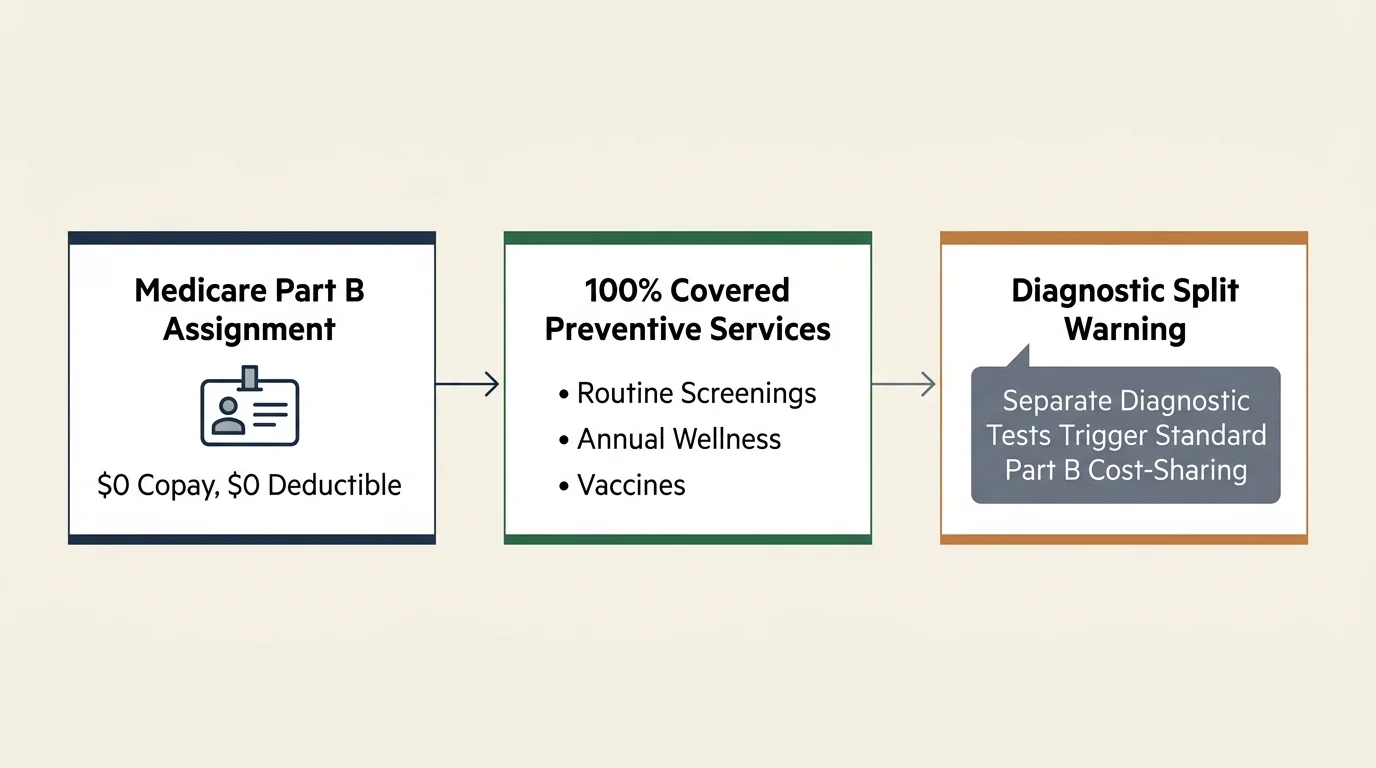
Under the Affordable Care Act, Original Medicare covers designated preventive services at zero cost to you. That means you pay no copayment, no coinsurance, and no deductible.
To qualify for 100% coverage, your healthcare provider must accept Medicare assignment. Providers who accept assignment agree to take the Medicare-approved amount as full payment.
If your doctor performs diagnostic tests or treats a new condition during a preventive visit, standard Part B cost-sharing may apply to those specific extra services.
1. The “Welcome to Medicare” Preventive Physical
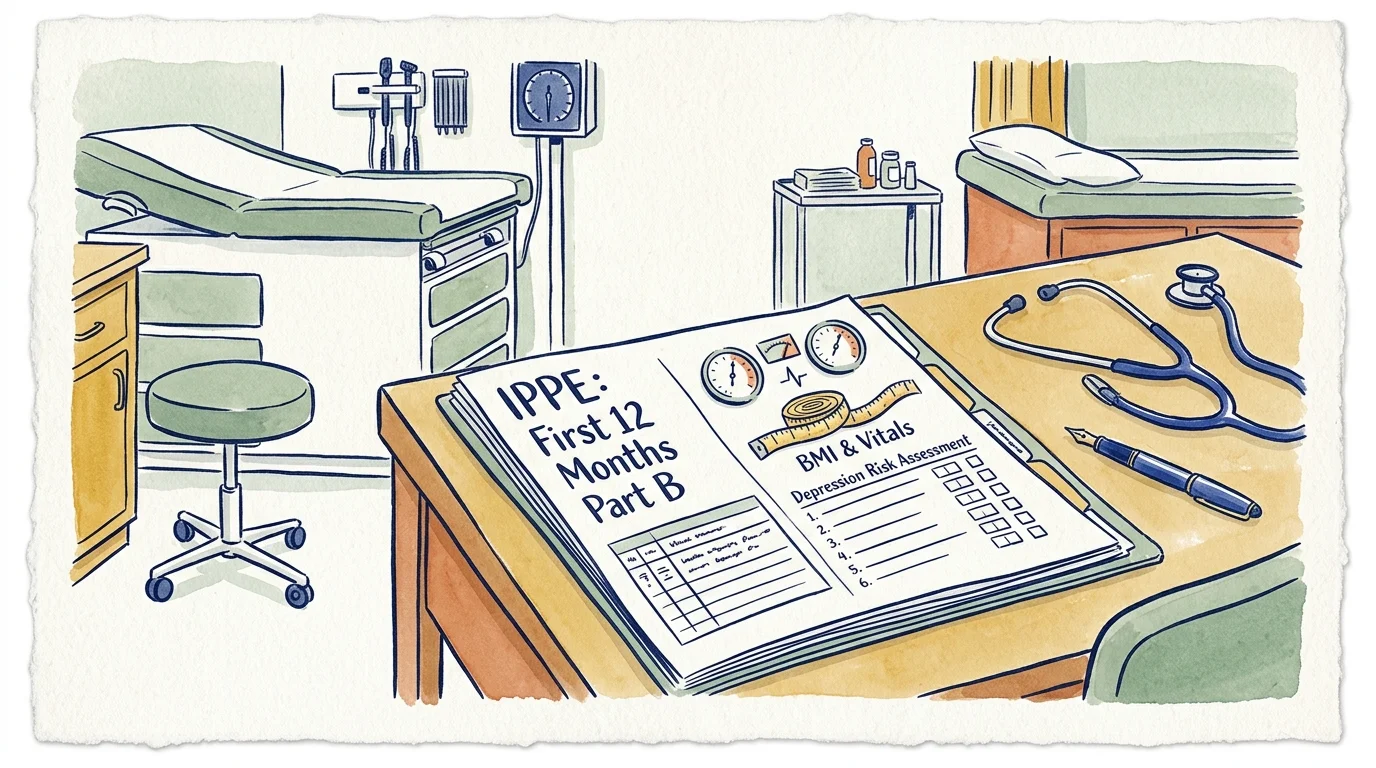
Medicare offers the Initial Preventive Physical Examination (IPPE) during your first 12 months enrolled in Part B. This one-time comprehensive review establishes your baseline health profile.
Your doctor records your medical history, checks your vital signs, and calculates your body mass index. They also review your risk for depression and provide referrals for upcoming screenings.

2. Annual Wellness Visits
Once you complete your first year on Part B, you qualify for an Annual Wellness Visit every 12 months. This appointment focuses on long-term prevention rather than a hands-on physical exam.
Your provider updates your personal health plan, reviews current prescriptions, and screens for cognitive impairment. This service helps you detect early warning signs before major health issues develop.
3. Part D Adult Vaccines (Shingles, RSV, and Tdap)
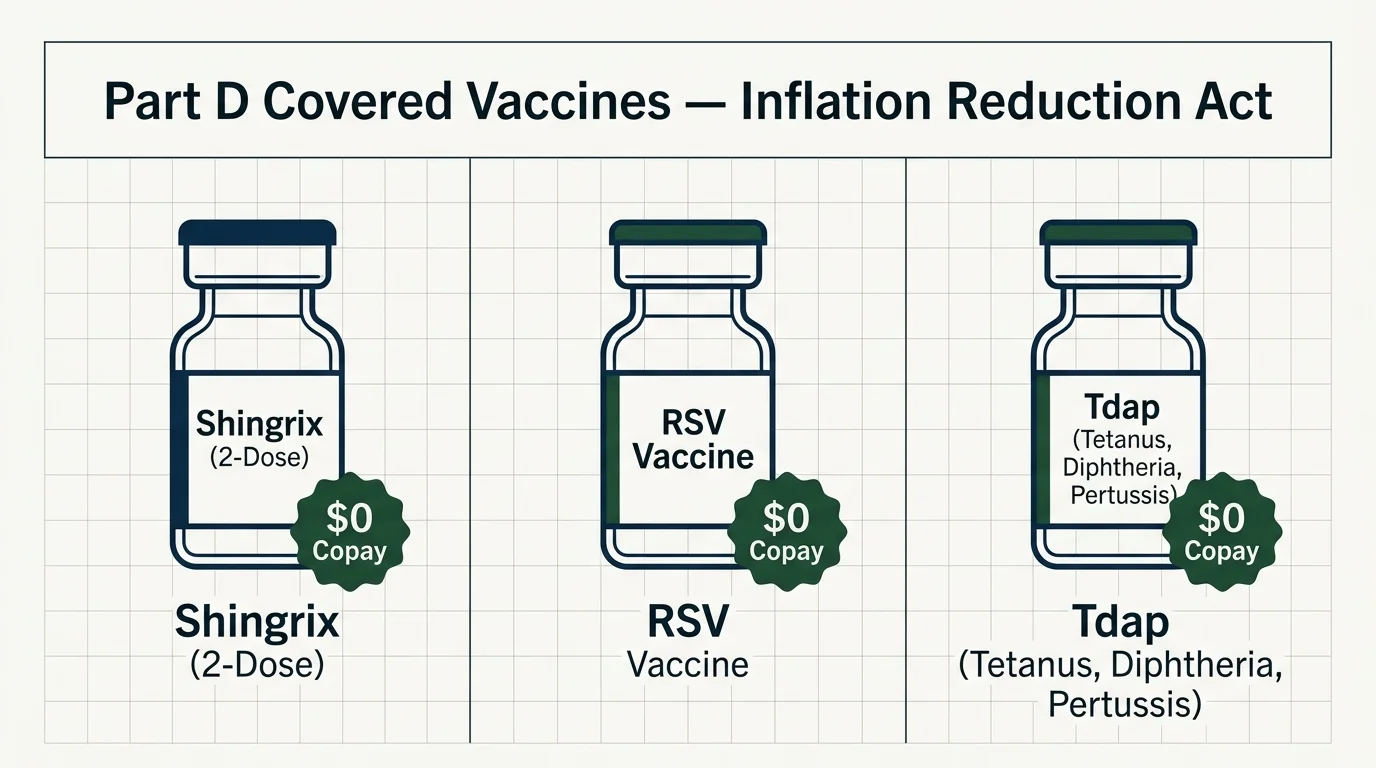
Thanks to the Inflation Reduction Act, all Advisory Committee on Immunization Practices (ACIP) recommended adult vaccines are completely free. You pay a $0 copay and no deductible through your Medicare Part D prescription drug plan.
This protection includes the two-dose Shingrix vaccine, which previously cost seniors hundreds of dollars out of pocket. It also covers the RSV vaccine and routine Tdap booster shots for tetanus, diphtheria, and pertussis.

4. Part B Core Vaccines (Flu, Pneumonia, COVID-19, and Hepatitis B)
Medicare Part B covers annual flu shots and updated COVID-19 vaccines with zero out-of-pocket costs. You can receive these shots at your doctor’s office or local pharmacy.
Part B also covers pneumococcal conjugate vaccines to protect against pneumonia and serious bloodstream infections. If you have medium or high risk factors, Medicare covers your Hepatitis B vaccinations at 100% as well.

5. Mammograms and Breast Cancer Screenings
Medicare covers one baseline screening mammogram for women between the ages of 35 and 39. After age 40, you receive one free screening mammogram every 12 months.
Medicare also fully covers clinical breast exams once every 24 months for average-risk women. High-risk beneficiaries can receive these clinical exams every 12 months at no charge.

6. Colorectal Cancer Screenings
Medicare provides several zero-cost options to screen for colorectal cancer starting at age 45. You can choose non-invasive home screening tests or routine clinical procedures.
Routine screening colonoscopies are covered once every 10 years for average-risk individuals, or every 24 months for high-risk patients. Multi-target stool DNA tests, such as Cologuard, are fully covered once every three years.
7. Bone Density Scans (DEXA)
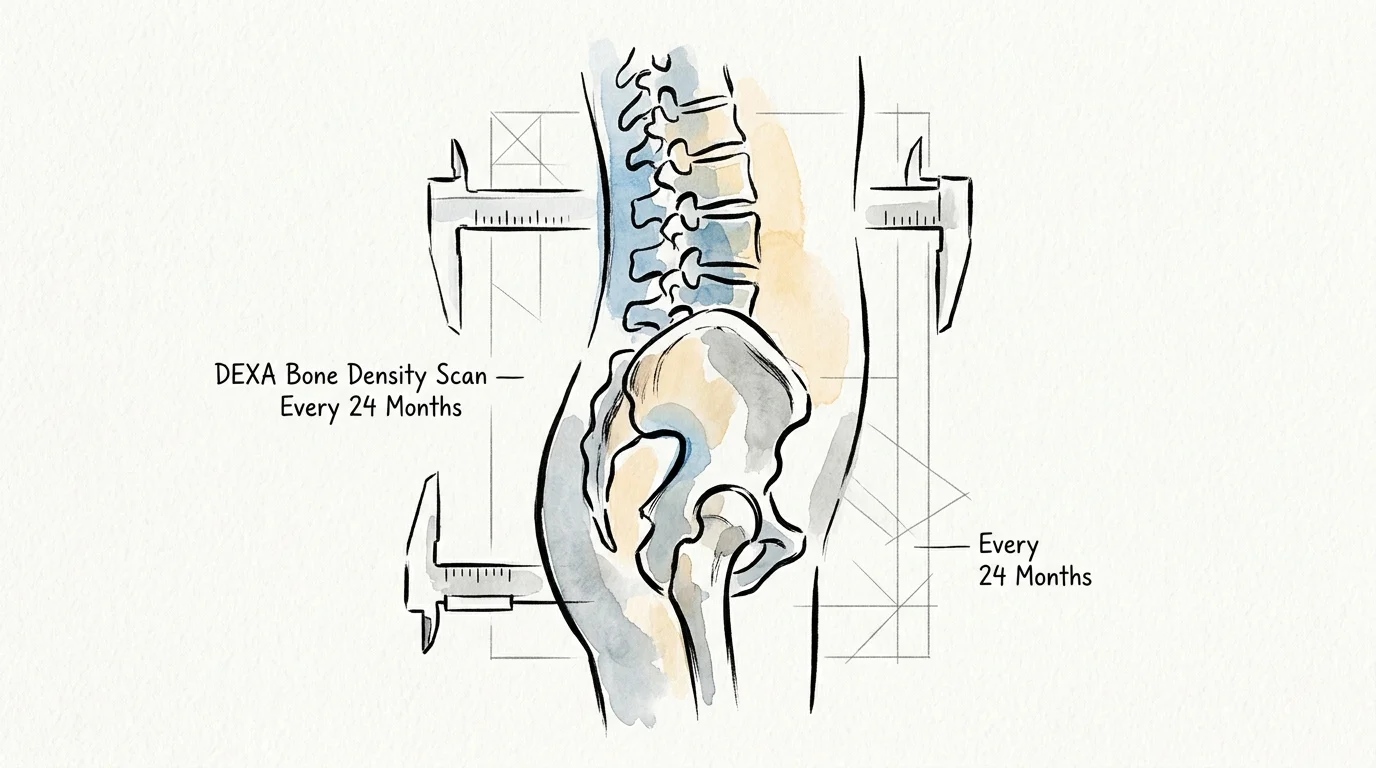
Osteoporosis causes weak, brittle bones that increase your risk of dangerous fractures. Medicare covers a dual-energy X-ray absorptiometry (DEXA) bone density scan once every 24 months.
This test measures bone mineral density to determine your fracture risk. Qualified beneficiaries include estrogen-deficient women at clinical risk, individuals taking long-term steroid medications, and patients being monitored for osteoporosis treatments.
8. Cardiovascular Disease Blood Tests
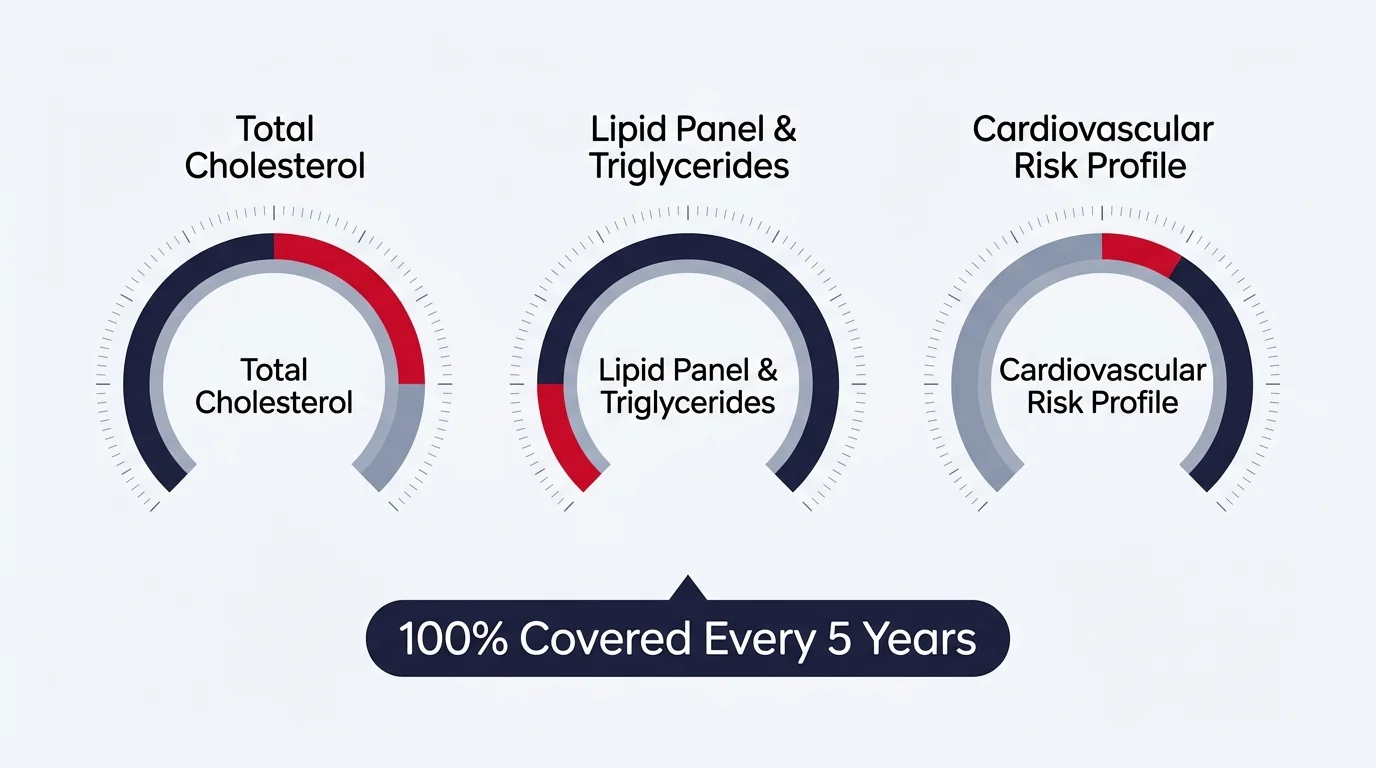
Heart disease remains the leading cause of health complications among older adults. Medicare covers a comprehensive cardiovascular lipid panel once every five years at zero cost.
This screening measures your total cholesterol, high-density lipoprotein (HDL), and triglyceride levels. These laboratory blood tests help your physician detect cardiovascular disease risks early.

9. Cardiovascular Behavioral Counseling
If you want help improving your heart health, Medicare covers an annual cardiovascular behavioral therapy visit. This 15-minute individual counseling session takes place in a primary care setting.
Your doctor provides actionable lifestyle guidance focused on healthy nutrition and blood pressure control. You learn practical dietary habits that lower your cardiovascular risk.

10. Diabetes Blood Screenings
Medicare covers up to two free fasting blood glucose screenings per year if you have specific risk factors. Common qualifying indicators include hypertension, high cholesterol, obesity, or a family history of diabetes.
Catching elevated blood sugar levels early allows you to intervene before type 2 diabetes causes lasting organ damage. Regular monitoring helps protect your kidneys, eyesight, and circulation.

11. Medicare Diabetes Prevention Program (MDPP)
If blood tests show you have prediabetes, you can enroll in the Medicare Diabetes Prevention Program at no cost. This structured behavioral change program helps prevent full-blown type 2 diabetes.
You participate in interactive sessions focused on dietary changes, physical activity strategies, and weight control. Research shows this evidence-based program significantly reduces diabetes progression among seniors.
12. Prostate Cancer Screenings (PSA Blood Tests)
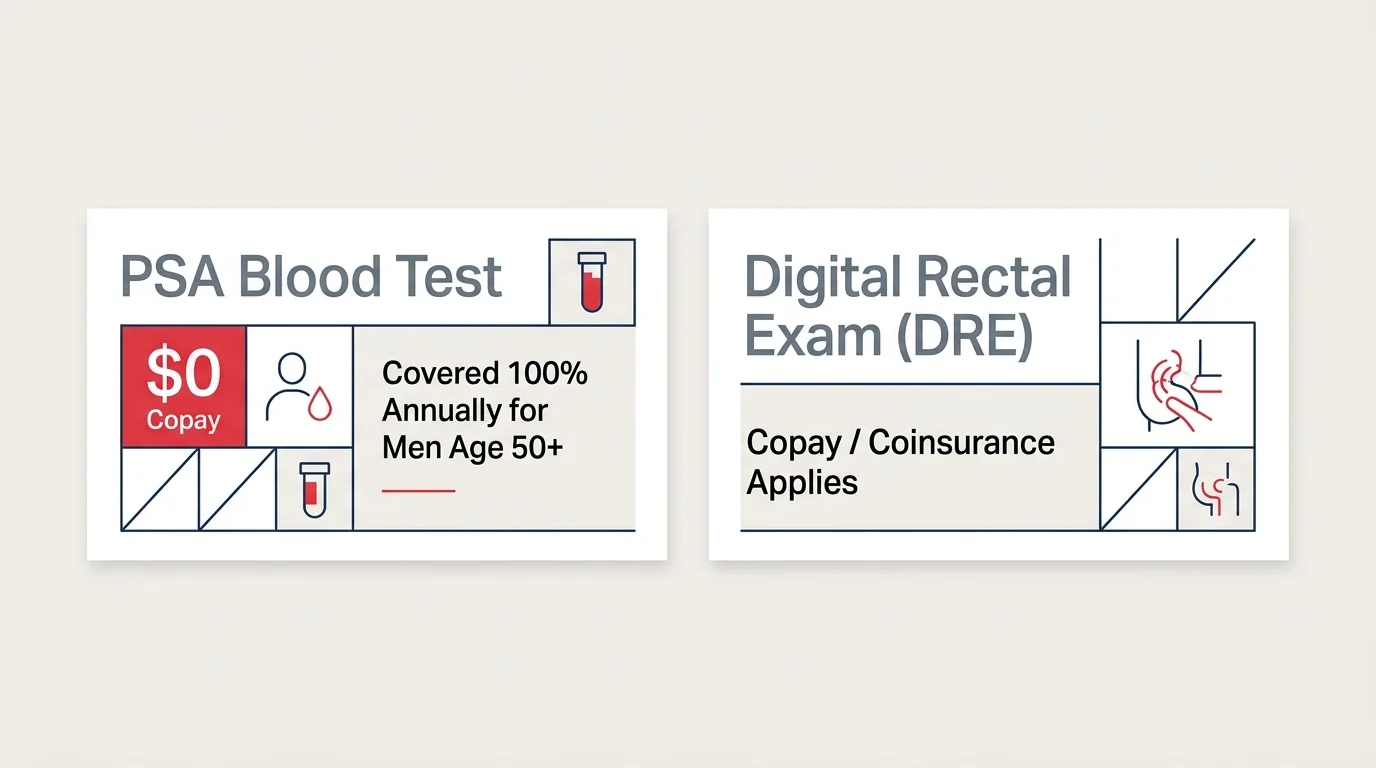
Medicare covers an annual Prostate-Specific Antigen (PSA) blood screening test for men aged 50 and older. You pay nothing for this annual lab test when ordered by your physician.
Keep in mind that while the PSA blood test is 100% free, an accompanying digital rectal exam carries standard Part B coinsurance. Always verify billing codes with your doctor beforehand.

13. Cervical and Vaginal Cancer Screenings
Medicare covers routine Pap tests and pelvic examinations once every 24 months for all women. These screenings detect cellular changes before they advance into cervical or vaginal cancer.
If you are at high risk or had an abnormal Pap smear in the past 36 months, Medicare covers these exams every 12 months. Your clinical breast exam is typically performed during this same visit.
14. Low-Dose CT Lung Cancer Screenings
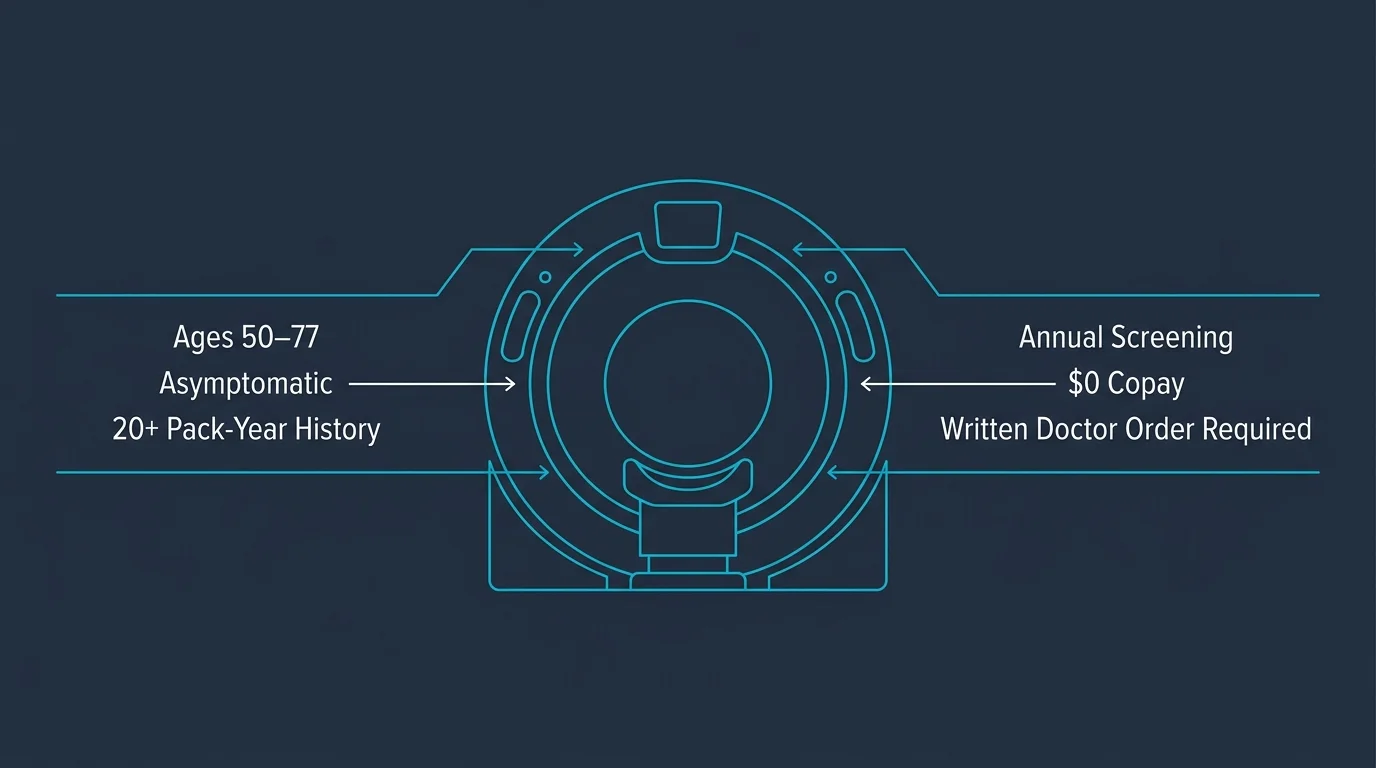
Medicare provides annual Low-Dose Computed Tomography (LDCT) lung cancer screenings for qualified adults aged 50 to 77. You must have a 20 pack-year smoking history to qualify.
This benefit covers both current smokers and former smokers who quit within the past 15 years. You must receive an official order from your physician following a shared decision-making visit.
15. Annual Depression Screenings
Mental wellness is just as critical as physical health during retirement. Medicare covers one 15-minute depression screening per year at 100% coverage.
This screening must take place in a primary care setting that provides appropriate follow-up treatment options. Your doctor uses standardized questionnaires to assess your mood and emotional well-being.

16. Alcohol Misuse Screenings and Counseling
Medicare pays for one alcohol misuse screening per year through your primary care clinic. This quick evaluation reviews your drinking patterns to identify potential health risks.
If your results indicate alcohol misuse, Medicare covers up to four face-to-face behavioral counseling sessions per year. You pay zero coinsurance or deductible for these individual counseling appointments.

17. Tobacco Cessation Counseling
Quitting tobacco improves circulation, reduces heart attack risk, and extends your life expectancy. Medicare covers up to eight face-to-face smoking and tobacco cessation counseling sessions every 12 months.
Medicare divides these visits into two counseling attempts per year, with up to four sessions per attempt. You pay nothing for these counseling appointments when using an approved Medicare provider.

18. Medical Nutrition Therapy (MNT)
Medicare covers comprehensive Medical Nutrition Therapy if you have diabetes, renal disease, or a recent kidney transplant. Registered dietitians provide these personalized nutrition assessments and intervention plans.
Your dietitian reviews your daily eating patterns, creates customized meal plans, and helps you manage chronic illness through nutrition. Eligible beneficiaries receive initial assessments and follow-up maintenance visits completely free.
“Preventive healthcare is one of the most reliable investments you can make for your retirement budget.” — Jean Chatzky, Financial Educator

Comparing Key Zero-Cost Medicare Screenings
Use this reference table to review common zero-cost preventive services, required frequencies, and qualifying rules under Original Medicare.
| Preventive Service | Coverage Frequency | Key Eligibility Rule | Your Cost |
|---|---|---|---|
| Annual Wellness Visit | Once every 12 months | Must be enrolled in Part B for over 12 months | $0 |
| Part D Vaccines (Shingrix, RSV) | Per clinical schedule | Enrolled in any Medicare Part D drug plan | $0 |
| Screening Mammogram | Once every 12 months | Women aged 40 and older | $0 |
| Screening Colonoscopy | Once every 10 years | Average risk (Every 24 months for high risk) | $0 |
| Bone Density DEXA Scan | Once every 24 months | Estrogen-deficient or high fracture risk | $0 |
| Lipid Panel (Cholesterol) | Once every 5 years | All Medicare Part B beneficiaries | $0 |
| Depression Screening | Once every 12 months | Must be conducted in primary care setting | $0 |
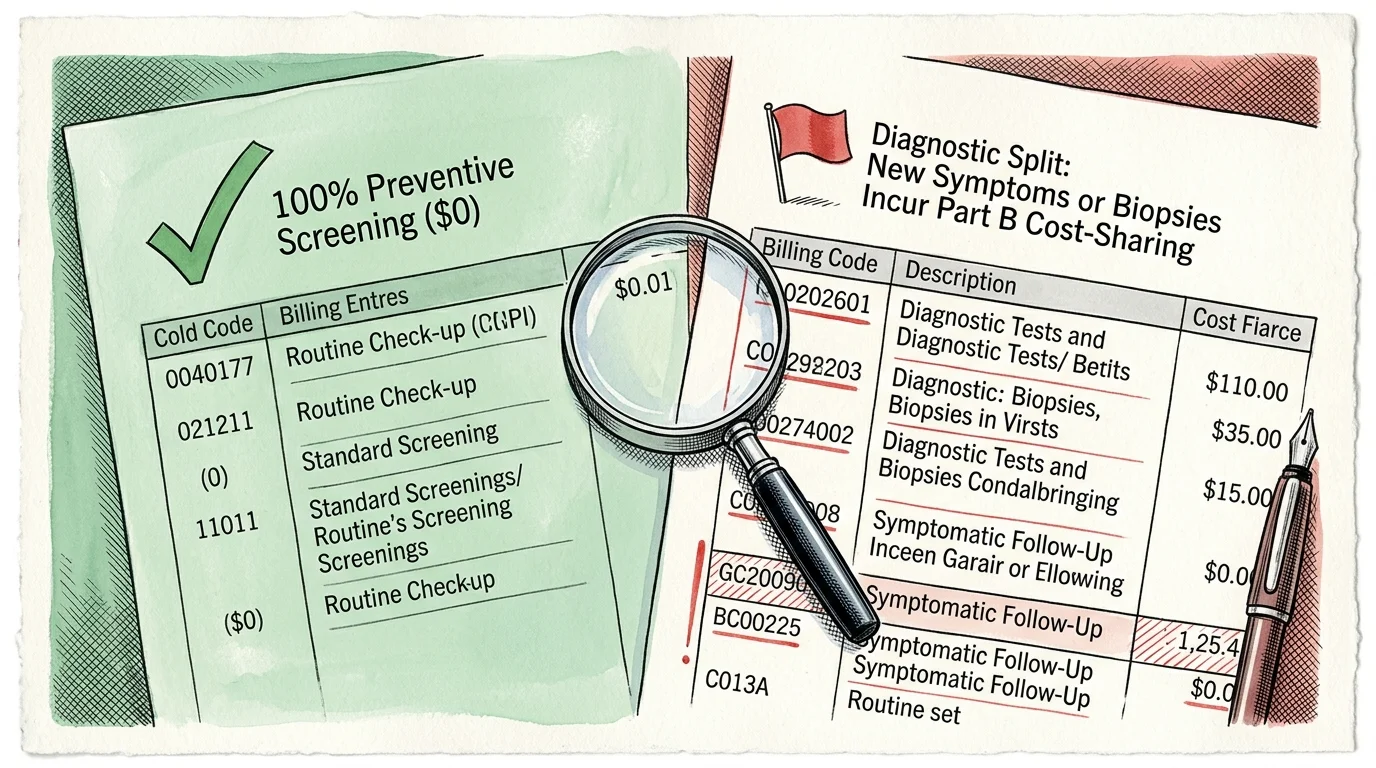
What Can Go Wrong: Avoiding Unexpected Medical Bills
While Medicare covers these 18 services at 100%, simple administrative oversights can trigger unexpected medical bills. Protecting your wallet requires active communication with your healthcare providers.
- Mixing Diagnostic and Preventive Care: Asking your doctor to evaluate a new ache or chronic symptom during your Annual Wellness Visit turns part of the exam into a diagnostic visit. You will owe standard 20% coinsurance for that diagnostic portion.
- Using Non-Participating Providers: If your doctor does not accept Medicare assignment, they can charge excess fees. Always confirm that your provider and laboratory accept assignment before scheduling appointments.
- Scheduling Screenings Too Soon: Medicare enforces strict calendar spacing on annual screenings. Scheduling your Annual Wellness Visit 360 days after your last one instead of waiting a full 365 days results in an automatic denial.
- Confusing Office Visits with Screenings: The Annual Wellness Visit is not a head-to-toe physical exam. Requesting routine blood draws or specialized physical testing outside approved preventive guidelines generates separate charges.
You can cross-reference your specific benefits directly on Medicare.gov or explore educational assistance through the National Council on Aging (NCOA). Independent resources from AARP and MedlinePlus also offer clear guides on preventive care schedules.
Frequently Asked Questions
Are these preventive services also free under Medicare Advantage plans?
Yes. Medicare Advantage (Part C) plans must cover all Original Medicare preventive services with zero copayments and zero deductibles, provided you see an in-network doctor.
What is the difference between a physical exam and an Annual Wellness Visit?
An Annual Wellness Visit is a cognitive and preventive planning session, not a physical exam. Hands-on physical examinations are not covered as zero-cost preventive benefits under Original Medicare.
Do I need a referral to schedule my free cancer screenings?
Screening mammograms do not require a physician referral. Other services, such as lung cancer CT scans and bone density tests, require a formal written order from your doctor.
Taking Action on Your Medicare Benefits
Review your medical calendar today and make a list of any preventive screenings you have delayed. Staying proactive with preventive care protects your physical independence and keeps medical expenses under control.
Call your primary care physician to schedule your Annual Wellness Visit or required routine screenings. Confirm that the clinic books the appointment strictly as a Medicare preventive service.
The information in this guide is meant for educational purposes. Your specific circumstances—including income, benefits, tax situation, and health needs—may require different approaches. When in doubt, consult a licensed financial advisor or tax professional.
Last updated: February 2026. Benefit amounts, tax rules, and program details change annually—verify current figures with official government sources.









Leave a Reply