
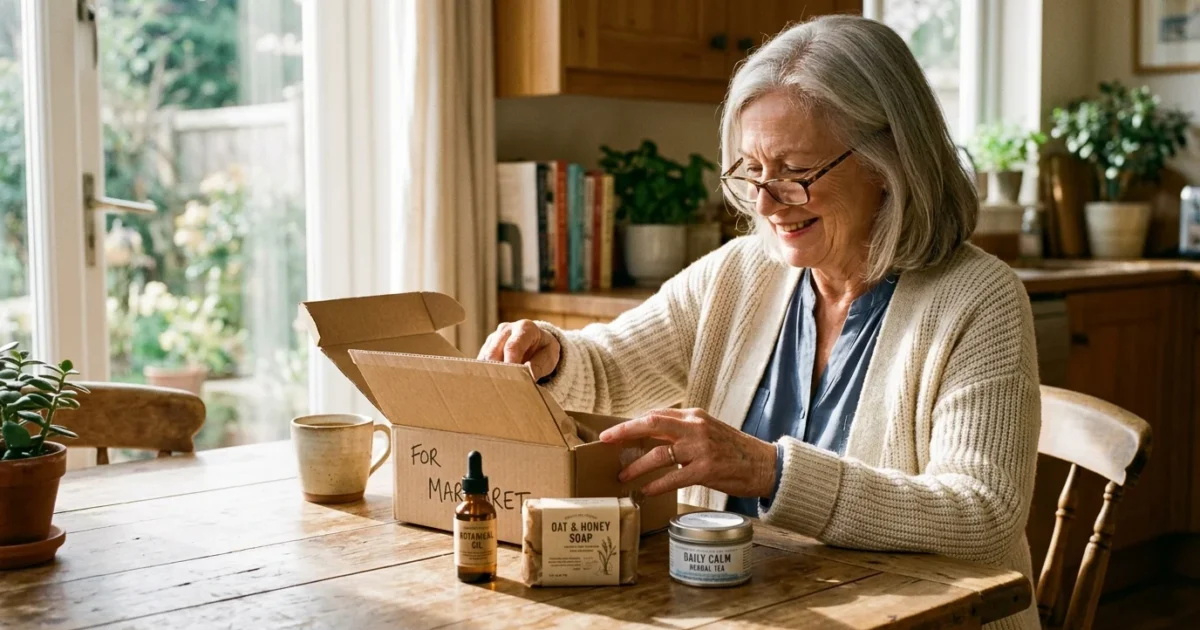
Scoring free samples and trial products allows you to test everyday essentials, groceries, and premium goods without straining your budget. Many reputable companies offer complimentary items to market new products, but navigating these offers requires knowing where to look and how to protect your personal information. From online product testing panels to pharmacy rewards and manufacturer programs, genuine freebies exist without hidden fees or risky catch clauses. Learning the safest ways to claim legitimate trial goods gives you full access to name-brand household items, personal care supplies, and nutritious snacks. This guide breaks down seven actionable methods to collect legal free samples while safeguarding your wallet and privacy.
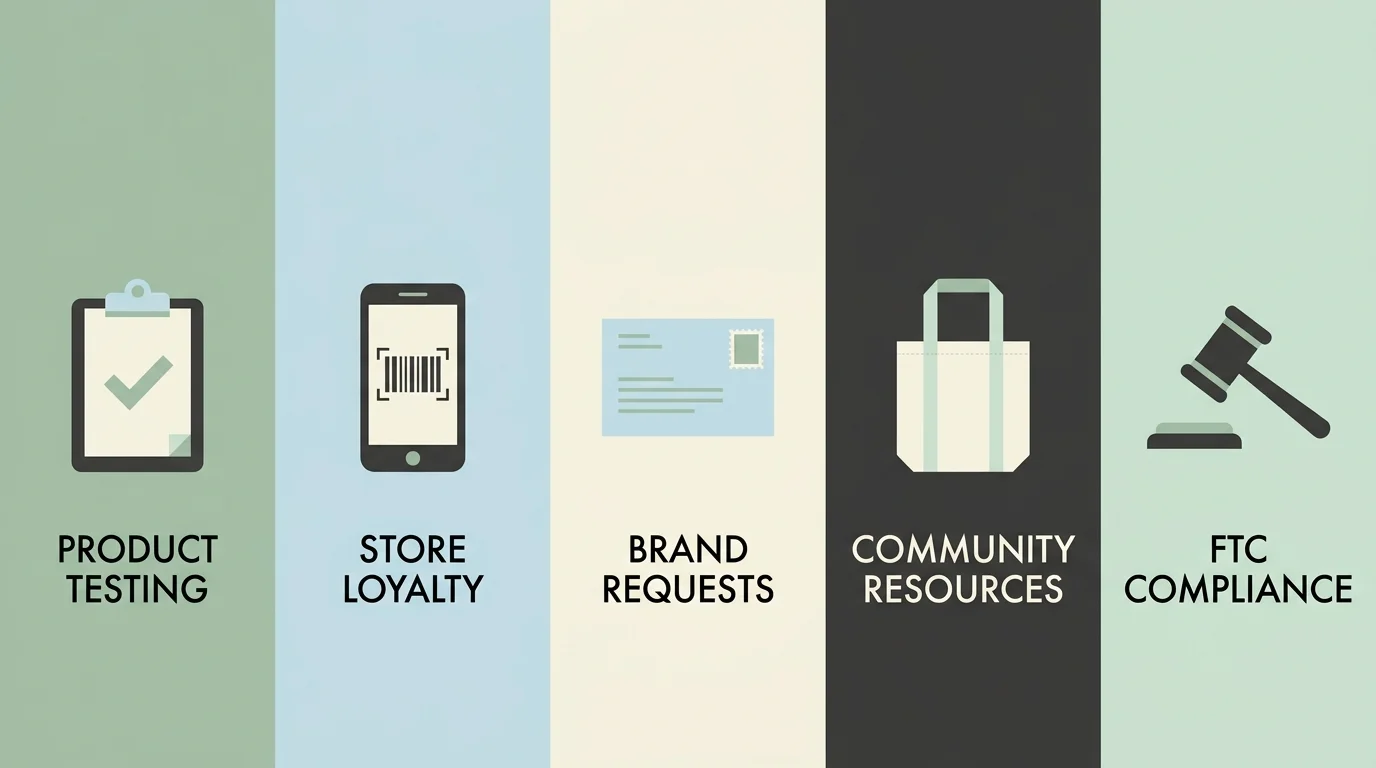
At a Glance
- Product Testing Panels: Legitimate platforms send full-sized items in exchange for simple online feedback.
- Store Loyalty Programs: Major grocery and drug store apps distribute monthly freebies directly to digital reward accounts.
- Direct Brand Requests: Reaching out to manufacturers often yields high-value physical coupons or sample mailers.
- Community Resources: Local senior centers and health events offer free wellness kits, vitamins, and care items.
- FTC Compliance: Federal law requires clear disclosure when reviewing products you receive for free.

1. Join Legitimate Free Product Testing Programs
Product testing programs represent one of the most reliable ways to receive free items delivered straight to your door. Major consumer brands allocate substantial marketing budgets to gather honest feedback from real households before launching new goods nationwide. These platforms seek diverse demographics, making seniors and older adults highly valued participants for testing groceries, personal care products, cleaning supplies, and over-the-counter health items.
Top-rated testing communities include platforms like Influenster, Home Tester Club, Daily Goodie Box, and BzzAgent. When you join these services, you complete an initial profile detailing your shopping habits, household preferences, and product interests. The companies then match you with targeted sampling campaigns—often called “voxboxes” or “test kits”—containing full-sized or generous trial-sized goods.
Legitimate product testing platforms operate under strict consumer protection standards. They will never ask for your credit card number, banking details, or Social Security number. In exchange for receiving free items, you simply agree to fill out a short review survey or share your honest opinions on the platform’s website.
2. Leverage Store Loyalty Apps and Digital Coupons
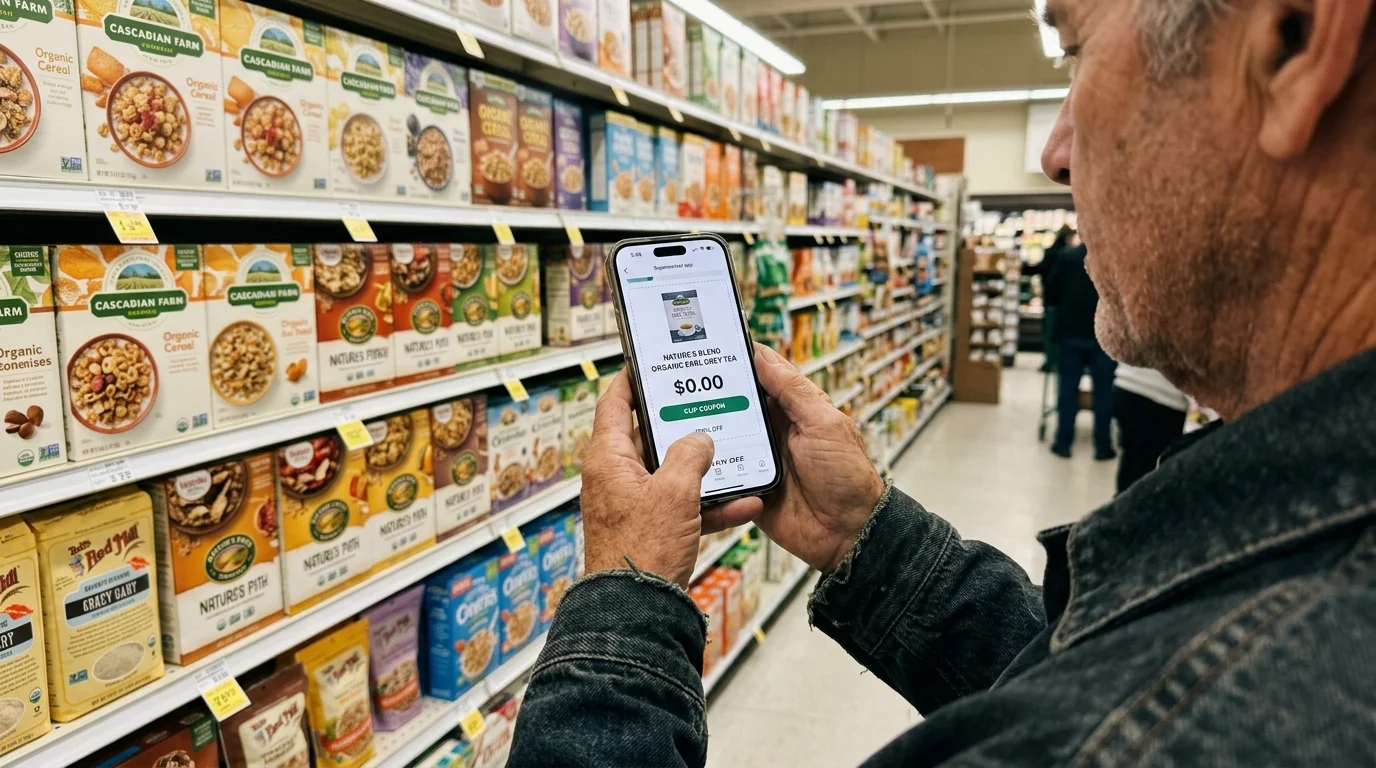
Your local supermarket and neighborhood pharmacy are treasure troves for free product trials if you know how to navigate their digital loyalty programs. Retailers frequently partner with brand manufacturers to offer free full-sized promotional items exclusively to active loyalty card members.
Retail giants like Kroger, CVS, Walgreens, and Target routinely drop free digital coupons into their mobile applications. For example, CVS ExtraCare members frequently receive store credit drops or digital coupons redeemable for free travel-sized toiletries, hand creams, or snack items. Kroger frequently runs digital coupon promotions where clipping a specific offer drops the final cost of a featured new item to $0 at checkout.
To maximize these offers, download the official mobile apps for the stores you frequent most. Check the digital coupon section weekly, particularly on Friday mornings, when many grocery chains upload new weekend promotions. Combining these free item offers with existing store reward points allows you to walk away with genuine household necessities without opening your wallet.
3. Contact Brands Directly via Polite Inquiries
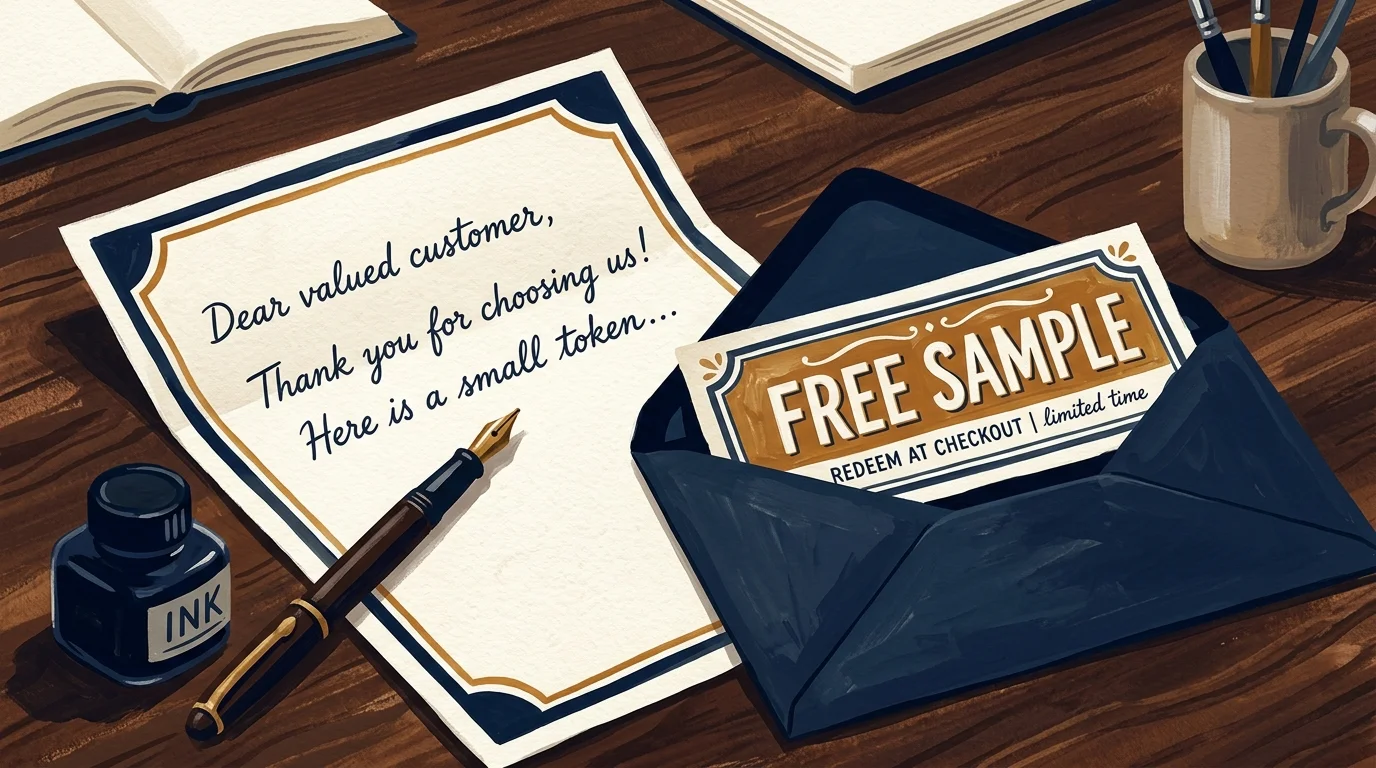
Direct manufacturer outreach remains one of the most underutilized strategies for acquiring free samples. Companies value direct communication from consumers and often reserve generous sampling budgets for proactive customers who express interest in their product lines.
Visit the official websites of your favorite brand manufacturers—such as Procter & Gamble, Unilever, Colgate-Palmolive, or specialty food makers—and navigate to their “Contact Us” or customer service form. Send a brief, polite message highlighting your interest in their products. If you have specific dietary preferences, skin sensitivities, or health considerations, mention them naturally in your note.
For instance, writing a note such as: “I have used your skin cream for years and would love to try your new sensitive-skin formula, but I want to ensure it agrees with my skin before buying a full container. Do you offer sample packets?” frequently yields a positive response. Companies routinely respond by mailing generous sample packets or high-value physical coupons redeemable for free full-sized items at your local grocery store.
4. Claim Sample Subscription Boxes and Welcome Kits
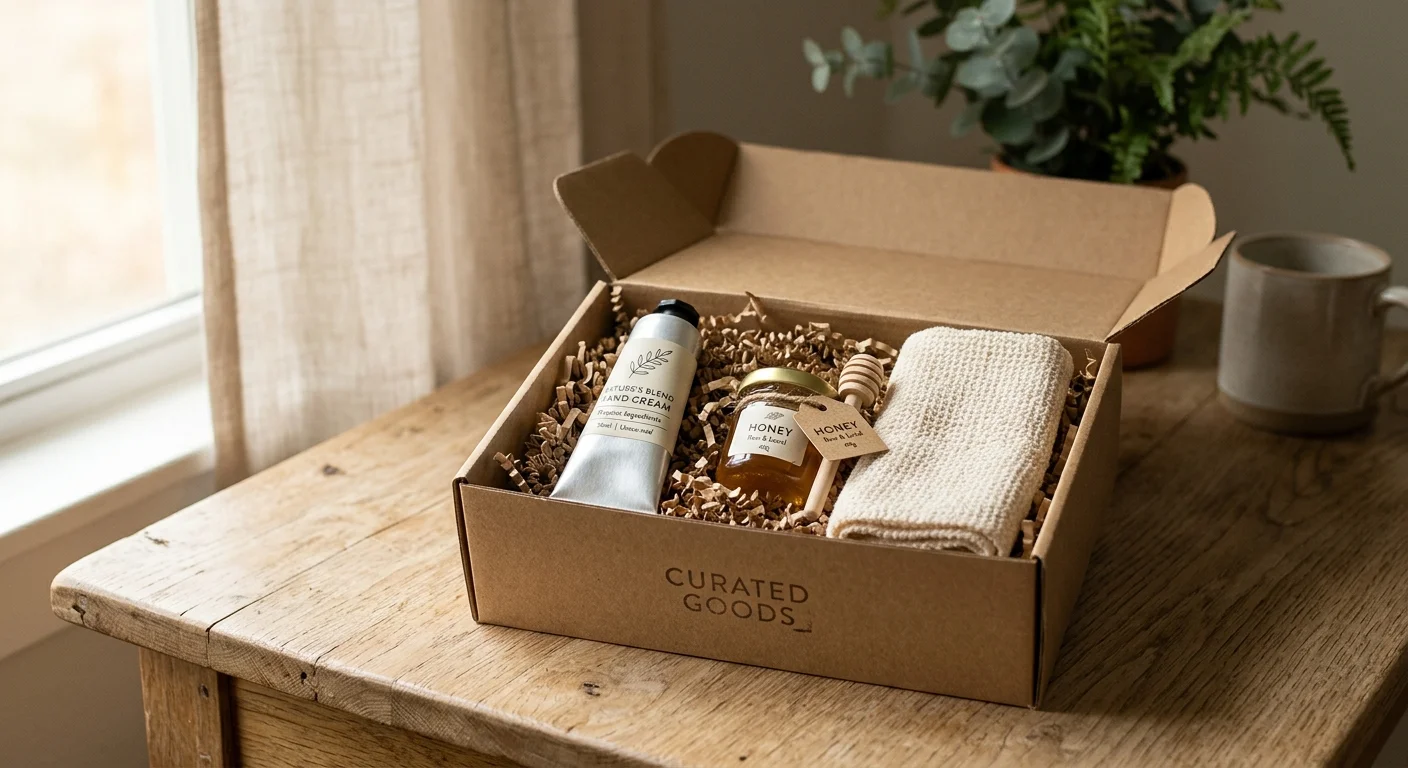
Retail subscription programs and welcome packages offer another legal pathway to testing high-quality merchandise. Major retailers design these sample boxes to introduce customers to premium beauty, wellness, household, and baby products.
While some subscription boxes require a recurring monthly payment, many major retailers offer complimentary welcome boxes when you create a free registry or account. Grandparents can easily take advantage of baby welcome boxes offered by Target, Amazon, and Walmart when preparing for visiting grandchildren. These welcome kits typically contain premium baby lotions, gentle wipes, bottles, and soothing creams valued between $30 and $35 for free.
Additionally, specialty health and beauty boxes often offer initial trial boxes for $0 where you pay only a modest shipping fee. However, you must carefully evaluate these trial offers to ensure the retail value of the items significantly exceeds the shipping charge, and always monitor renewal settings to avoid unexpected charges.
5. Tap into Senior-Specific Benefits and Community Resources
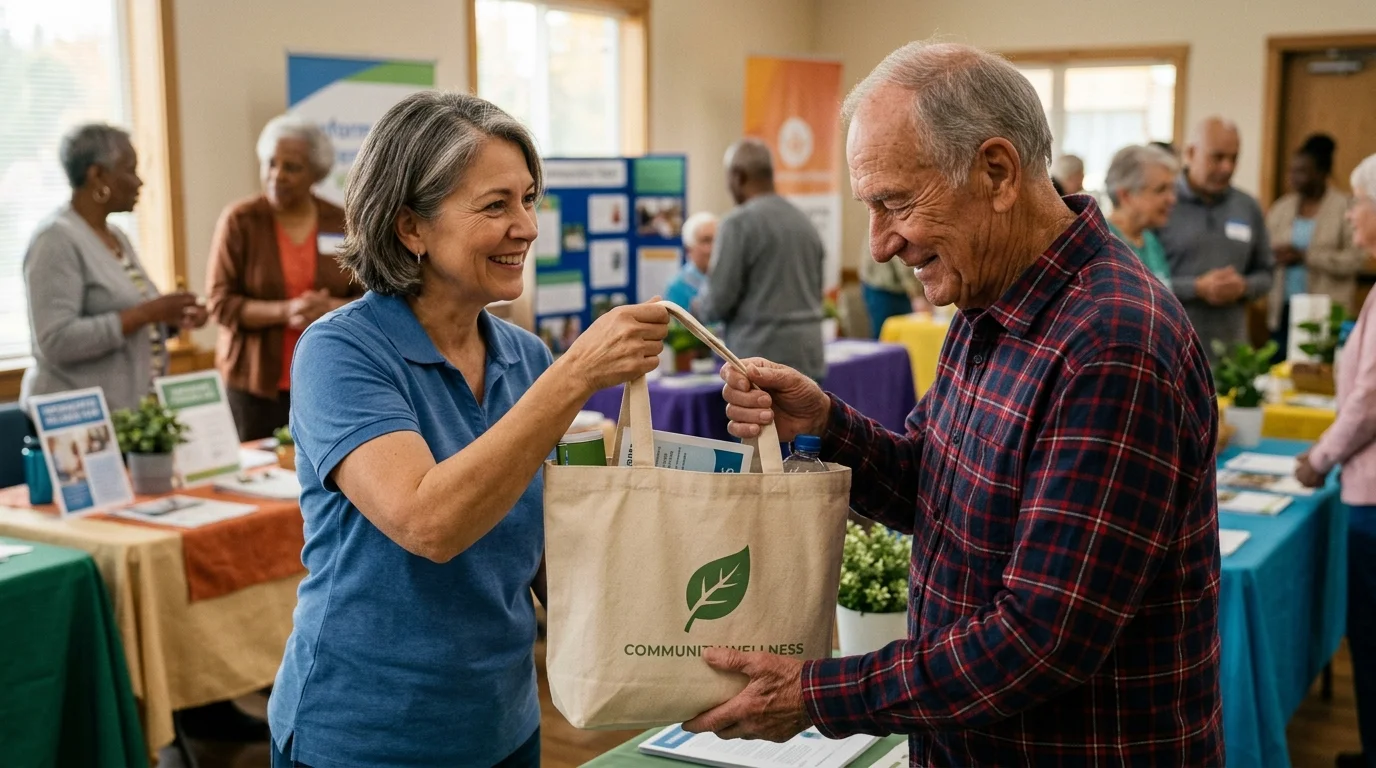
Local community organizations, health fairs, and senior assistance initiatives frequently provide free product samples, health monitoring tools, and wellness kits designed specifically for older adults. Government-backed programs and nonprofit organizations distribute these trial products to support healthy aging and community wellness.
Local Area Agencies on Aging (AAA) and community senior centers host regular health fairs and educational workshops where participants receive complimentary gift bags. These packages often contain adult care products, nutritional supplements, oral hygiene kits, joint care creams, and mobility aid accessories. You can locate your regional support agencies easily by visiting the official Eldercare Locator service or searching through the National Council on Aging (NCOA) resources.
Additionally, local independent pharmacies and regional health clinics periodically host wellness screening days. Attending these events grants you access to free medical sample kits, diabetic supply trials, and doctor-recommended skin care samples provided directly by pharmaceutical representatives.
6. Utilize Free Trial Period Strategies (Without Getting Charged)
Beyond physical goods, digital services, audiobook memberships, fitness apps, and meal kit delivery services offer generous 7-day, 14-day, or 30-day free trials. Utilizing these trial periods gives you full access to premium digital content and home delivery options without spending a dime—provided you manage the cancellation process effectively.
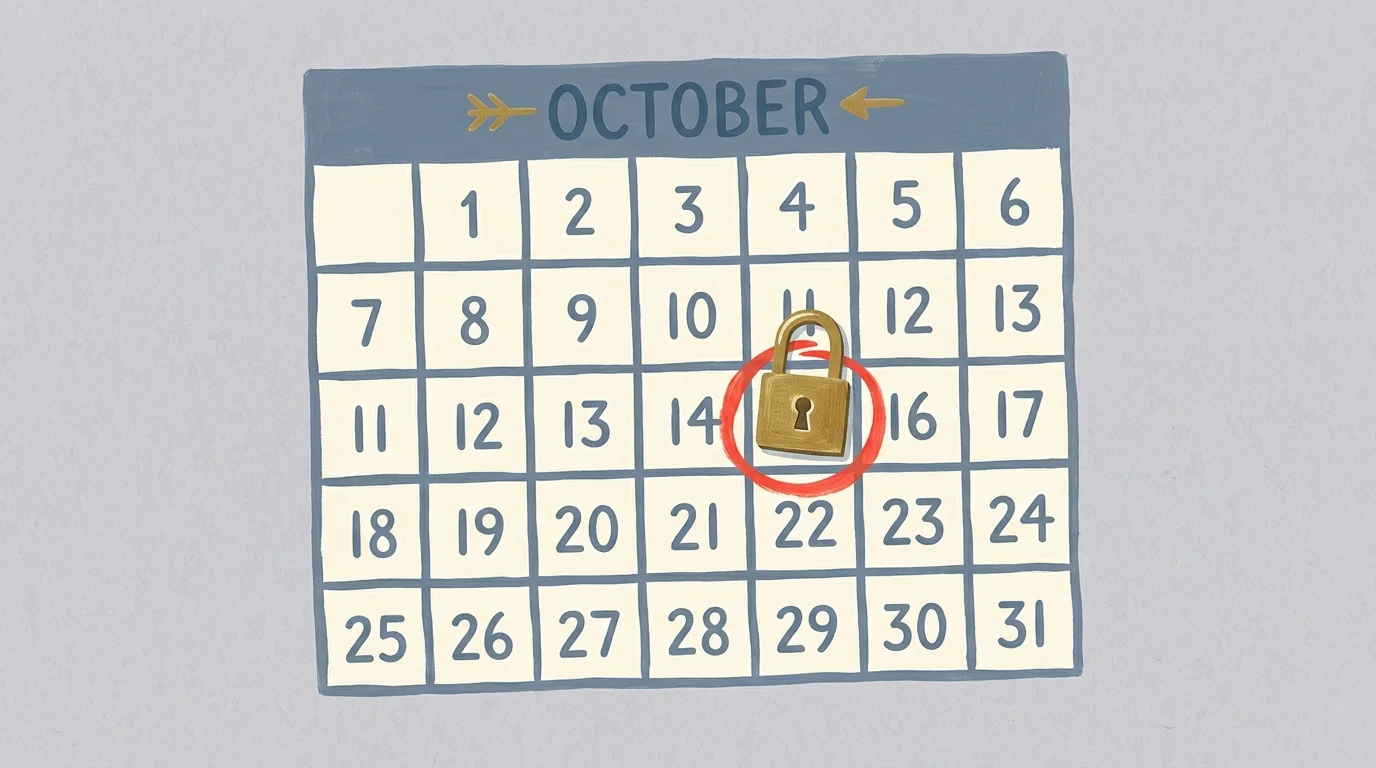
To safely enjoy trial services without accidental billing, implement a disciplined tracking system. As soon as you sign up for a free trial, immediately place a calendar reminder on your smartphone or wall calendar for 48 hours before the trial period ends. This buffer ensures you have ample time to evaluate the service and cancel the account prior to any automatic billing cycle.
Another powerful strategy involves using virtual credit card numbers offered by many major credit card issuers. A virtual credit card allows you to set a strict spending limit (such as $1) or create a single-use card number. If a merchant attempts to charge an auto-renewal fee after you cancel, the transaction automatically fails. For comprehensive guidance on managing subscriptions and protecting your accounts from unauthorized recurring charges, consult the educational resources provided by the Consumer Financial Protection Bureau (CFPB).

7. Participate in In-Store Sampling Days and Pharmacy Events
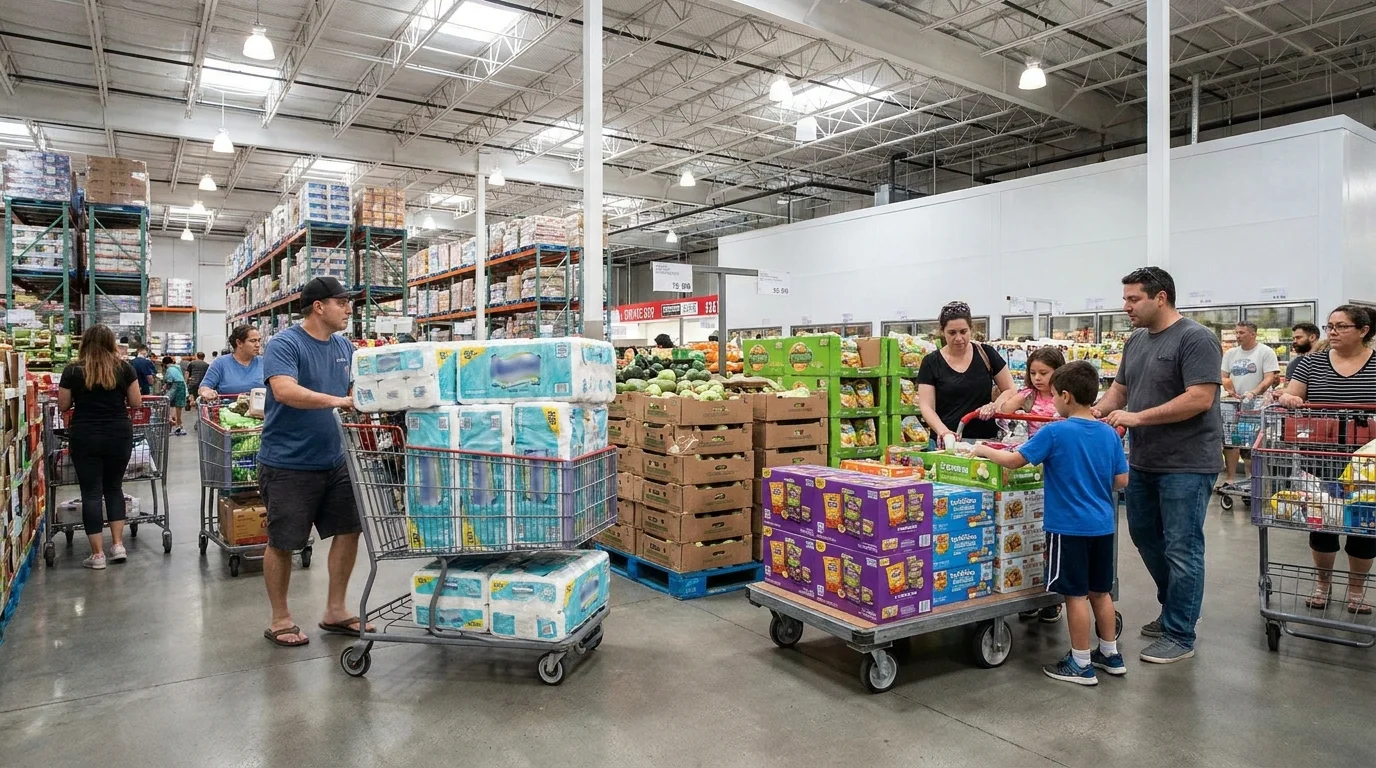
Traditional in-store sampling remains one of the simplest, most enjoyable ways to try new food products, beverages, and household goods. Warehouse clubs such as Costco and Sam’s Club are famous for their weekend food demonstration stations, but traditional supermarkets and organic grocers like Whole Foods and Trader Joe’s also maintain generous sampling policies.
At conventional grocery stores, store policy often allows team members to open packaged food items or produce for you to sample if you ask a department associate politely. Specialized pharmacy chains also host quarterly “Beauty Events” or “Wellness Days” where shoppers receive free sample gift bags containing dermatological skin care samples, vitamins, and sun protection products at the customer service counter.
FTC Rules: How to Stay Legal and Honest When Reviewing Products
Receiving free products carries explicit legal responsibilities, particularly if you post reviews or comments about those products on social media, personal blogs, or retail websites. The Federal Trade Commission (FTC) enforces strict regulatory guidelines to prevent deceptive advertising and keep online product reviews truthful and unbiased.
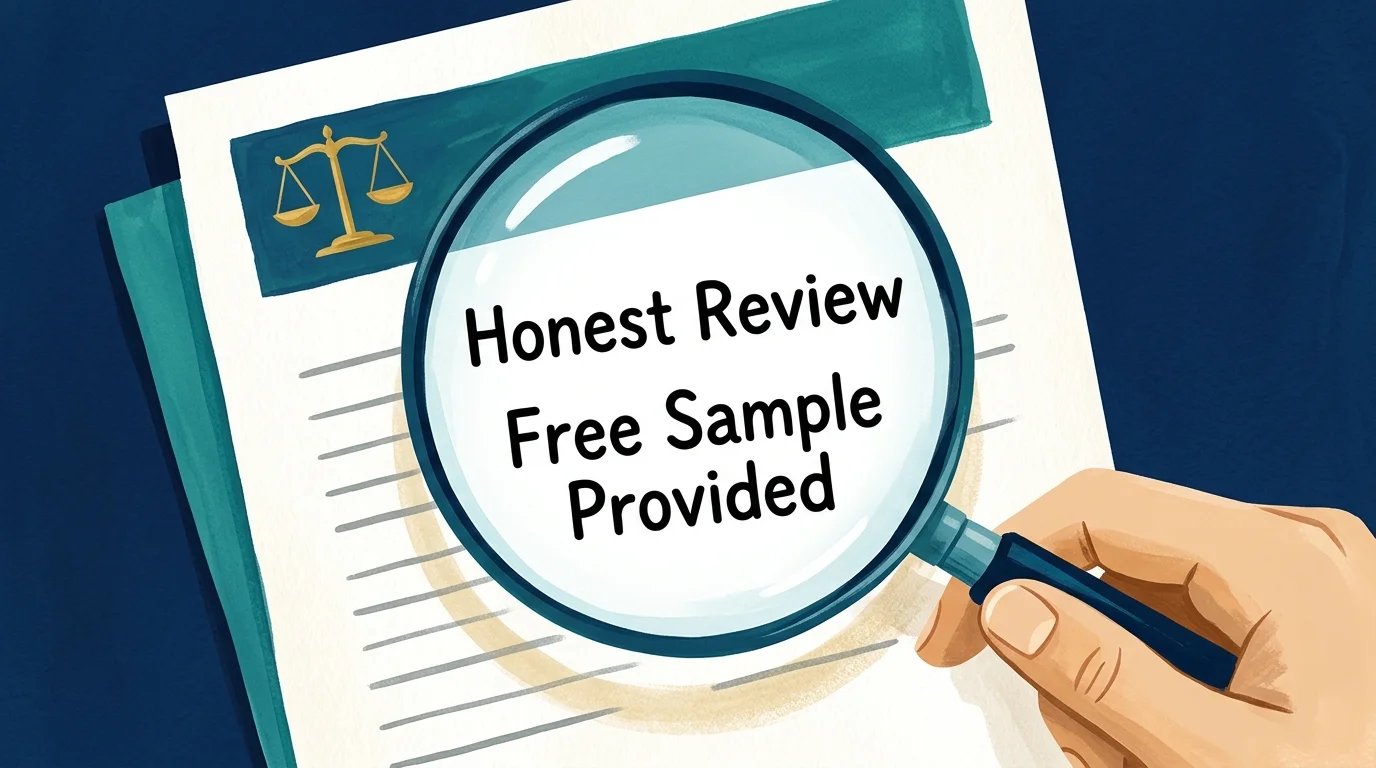
Under the FTC Endorsement Guides (16 CFR Part 255) and the updated FTC Consumer Reviews and Testimonials Rule (16 CFR Part 465, effective October 21, 2024), consumers must clearly and conspicuously disclose any “material connection” to a brand. If a company gives you a free product, a sample box, or a trial item in exchange for your feedback, you are legally required to disclose that fact in your review.
Violating FTC regulations on deceptive incentivized reviews carries severe consequences. Under federal law, knowing violations regarding fake or undisclosed incentivized reviews can trigger civil monetary penalties up to $53,088 per violation. Staying legal requires following simple, clear guidelines every time you post online feedback for a sample.
- Use Clear Disclosures: Place a simple, unambiguous statement at the very beginning of your written review or social media post, such as: “I received this product for free in exchange for my honest review.”
- Include Visible Hashtags: If reviewing on social platforms like Facebook or Instagram, include prominent hashtags like #FreeSample, #Ad, or #Sponsored near the top of your caption.
- Be Truthful: Receiving a product for free does not mean you must write a glowing five-star review. The FTC mandates that your feedback reflect your genuine, honest opinion and real experience with the product.
- Avoid Misleading Claims: Never review a product you have not actually used or tested personally.
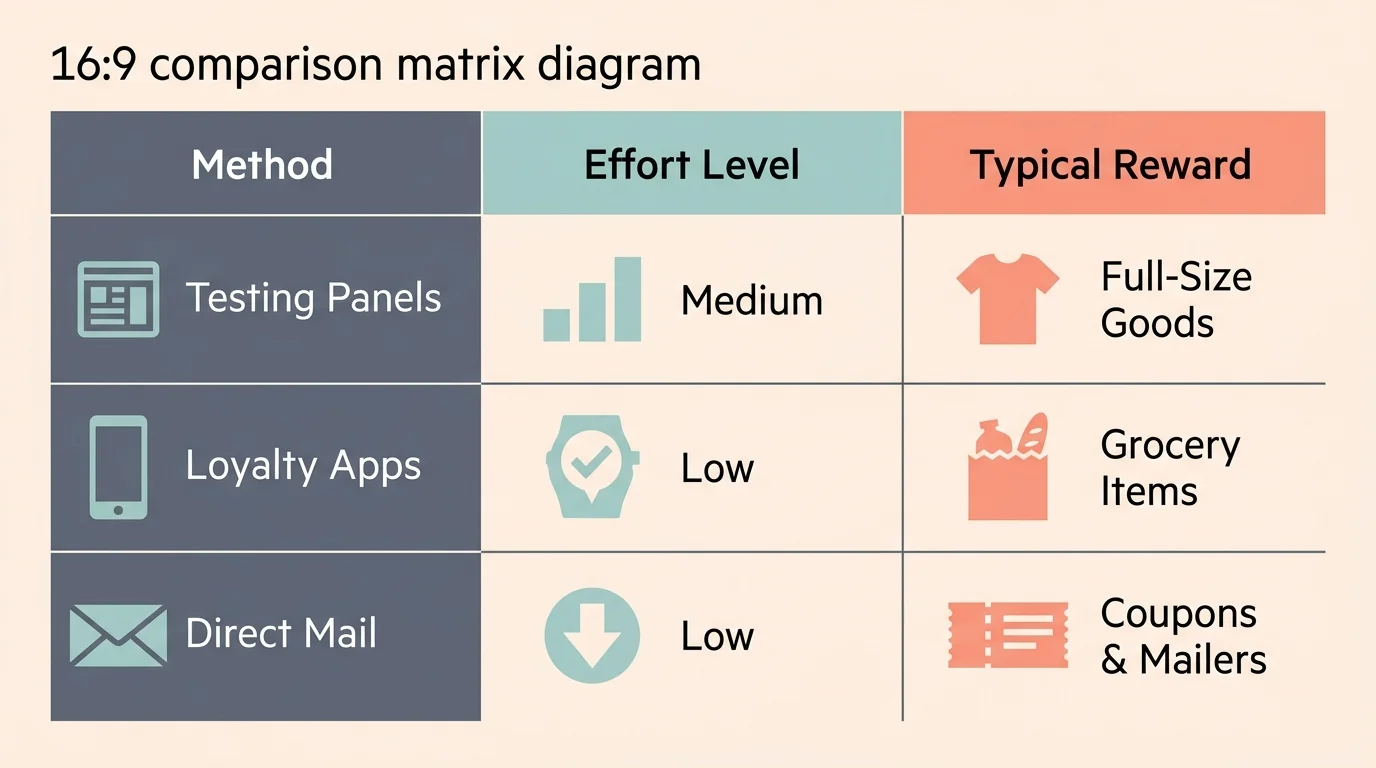
Comparing Sample Methods: What to Expect
Different sampling methods require varying levels of effort and offer distinct reward structures. Review the comparison table below to determine which options align best with your routine and privacy preferences.
| Sampling Method | Typical Effort Required | Types of Products Received | Privacy Risk Level |
|---|---|---|---|
| Product Testing Panels | Moderate (Profile setup & review surveys) | Full-sized household items, cosmetics, groceries | Low (Requires address & general demography) |
| Store Loyalty Apps | Low (Digital coupon clipping) | Groceries, snacks, health & beauty care items | Low (Uses standard store loyalty account) |
| Direct Brand Outreach | Low (Brief website contact form) | High-value coupons, targeted sample packets | Low (Direct communication with manufacturer) |
| Digital Service Trials | Moderate (Signup & timely cancellation) | Streaming, audiobooks, fitness applications | Medium (Requires payment method on file) |
| In-Store Demonstrations | Very Low (In-person browsing) | Fresh foods, beverages, pharmacy samples | None (No personal data required) |
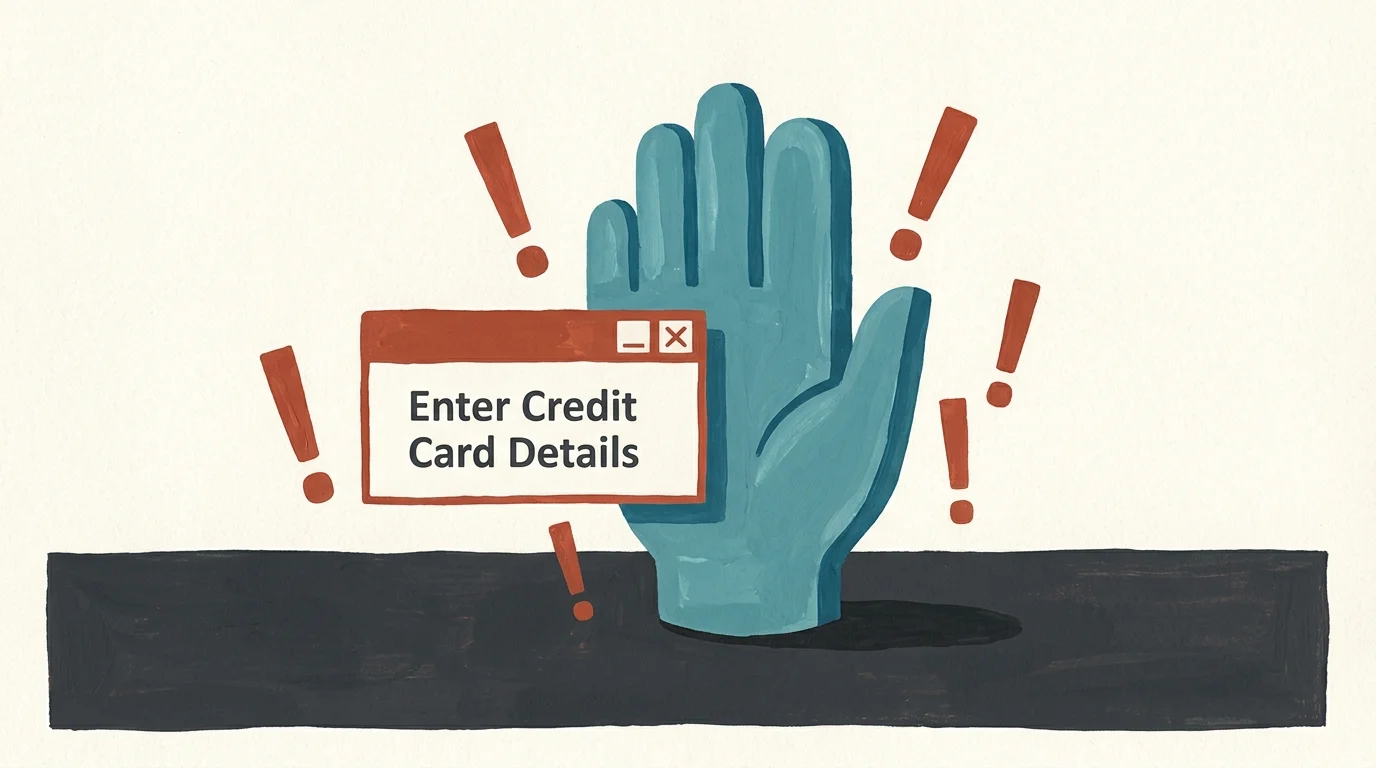
Costly Errors to Sidestep
While scoring free samples provides financial benefits, falling into common traps can lead to unexpected costs or compromised personal information. Protect yourself by avoiding these four common errors.
1. Paying “Small Shipping Fees” for “Free” Trial Goods
Beware of online advertisements promising high-value items—such as expensive anti-aging creams or miracle dietary supplements—for “just a $4.95 shipping fee.” These offers frequently hide predatory subscription fine print. By entering your credit card to pay the small shipping charge, you may unknowingly agree to an auto-ship enrollment that bills your card $80 to $100 every month. Genuine free samples rarely require payment details.
2. Sharing Sensitive Personal Identifiers
Legitimate product testing sites and manufacturer promotions only need basic contact information: your name, mailing address, email, and age range. Never provide sensitive identifiers like your Social Security number, Medicare number, or bank account credentials in exchange for a sample kit. Fraudulent websites often disguise identity theft traps as fake sample giveaways.
3. Ignoring Subscription Auto-Renewal Terms
Signing up for digital trial services without a clear cancellation strategy frequently leads to unwanted charges. Companies rely on consumer forgetfulness to convert free trials into paid subscriptions. Always set calendar alarms immediately upon signing up and locate the cancellation button inside account settings on day one.
4. Failing to Disclose Free Products in Reviews
Posting incentivized online reviews without declaring that you received the product for free violates FTC regulations under 16 CFR Part 465. Failing to disclose material connections damages online consumer trust and opens reviewers and brands to significant regulatory scrutiny.
Expert Guidance on Smart Consumer Choices
“Taking advantage of legitimate promotional offers and samples is a brilliant way to cut discretionary spending, provided you keep a strict eye on subscription auto-renewals.”
— Jean Chatzky, Financial Journalist and Author
Frequently Asked Questions
Do legitimate free sample sites require my credit card number?
No. Reputable product testing panels like Influenster, BzzAgent, and Home Tester Club will never ask for a credit card number. If a website claims an item is free but requests your credit card details for verification or shipping, read the fine print carefully—it is usually a subscription trap.
How can I tell if a free sample offer is a scam?
Scam offers often use high-pressure tactics, demand sensitive personal data (like your Social Security number or banking info), or hide recurring monthly charges in obscure terms and conditions. Legitimate sampling programs maintain clear privacy policies, operate transparent websites, and never charge monthly fees.
Are free samples completely free, or is there a catch?
Legitimate free samples are completely free in financial terms. The only “catch” is your time: companies offer these samples in exchange for your feedback, survey responses, or consumer data to help them improve products and marketing campaigns.
Do I have to pay taxes on free sample boxes or trial items?
For standard consumer samples of low dollar value (like a travel-size shampoo or snack bar), there are generally no tax reporting requirements. However, if you receive high-value testing products, equipment, or compensation exceeding $600 in a calendar year from a single market research company, that income may be reportable on IRS Form 1099-NEC. Check official guidelines on IRS.gov for detailed tax reporting standards.
Next Steps for Your Free Sample Strategy
Scoring legal free samples offers an enjoyable, practical way to stretch your household budget and discover outstanding new products before spending your hard-earned money. Start by picking one or two methods outlined in this guide—such as downloading your primary grocery store’s mobile app or registering with an established testing community like Home Tester Club. By staying organized, safeguarding your private financial data, and following FTC disclosure guidelines, you can comfortably enjoy a steady stream of complimentary trial goods delivered right to your door.
This article provides general financial education and information only. Everyone’s financial situation is unique—what works for others may not work for you. For personalized advice tailored to your retirement needs, consider consulting a qualified financial professional such as a CFP or CPA.
Last updated: February 2026. Benefit amounts, tax rules, and program details change annually—verify current figures with official government sources.







Leave a Reply