

Most traditional retirement planning guides overlook the stark spending divide between typical everyday households and affluent seniors. Understanding how middle-class retirees budget compared to upper-class peers clarifies what your future lifestyle will actually require.
While an average American senior household spends approximately $61,432 per year, upper-class retirees routinely spend upwards of $150,342 annually to maintain expansive properties and regular leisure.
By examining verified benchmarks across essential housing, out-of-pocket medical care, travel, and investment taxes, you can construct a resilient strategy that safeguards your lifelong financial independence.
Defining the Economic Boundaries in Retirement
Defining your financial class in retirement requires looking beyond a traditional weekly paycheck. You must evaluate how your guaranteed pension streams, Social Security benefits, and investment portfolios work together.
The Pew Research Center defines middle-class households as those earning between two-thirds and double the national median income. In retirement, this framework shifts because liquid net worth dictates your ongoing purchasing power.
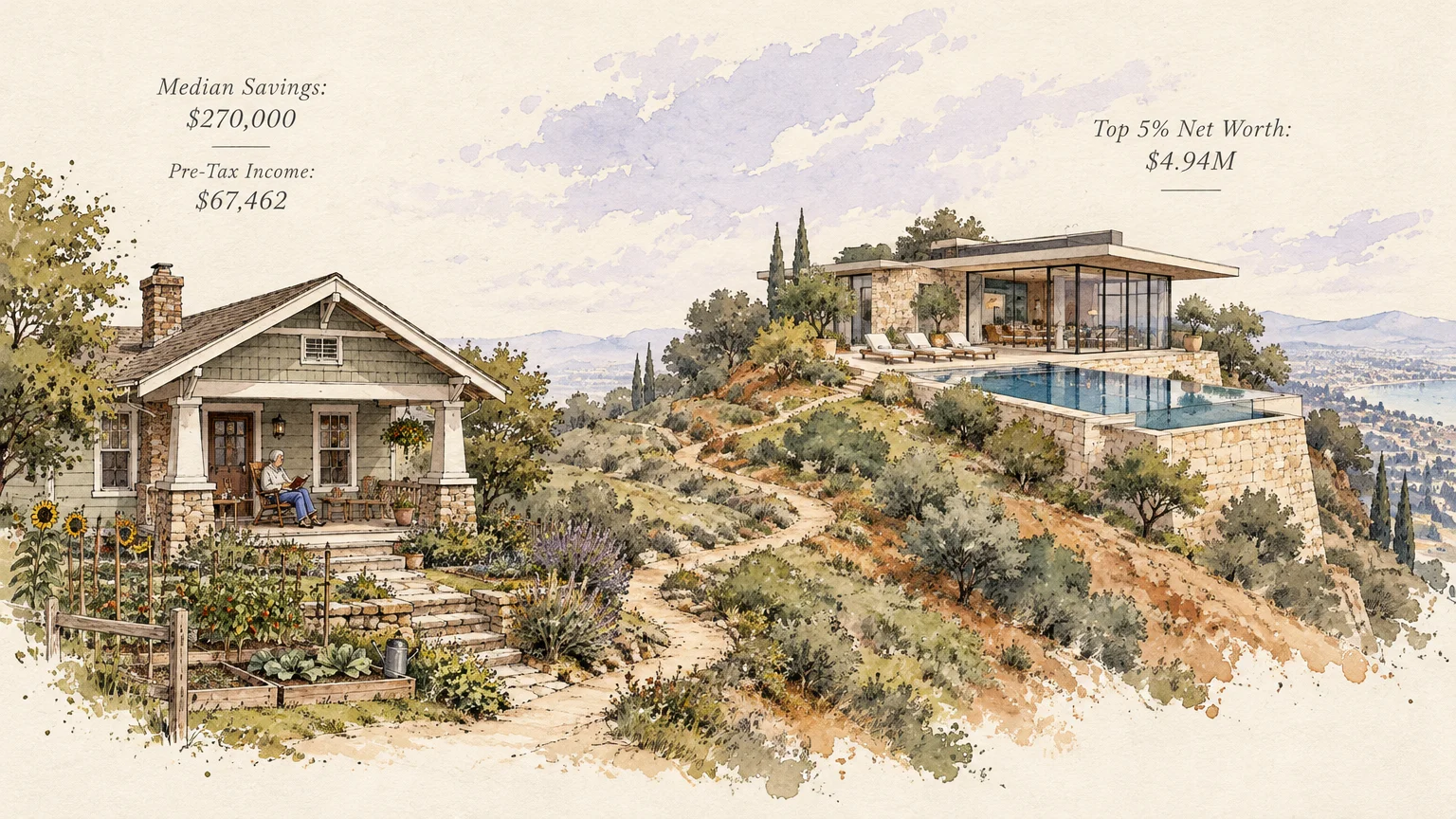
Data from the Bureau of Labor Statistics (BLS) shows that households headed by someone age 65 or older earn an average pre-tax income of $67,462 per year. This income supports baseline comfort but leaves little margin for extravagance.
However, averages can distort reality when high earners skew the results upward. The estimated median household income for retirees sits between $56,680 and $58,680, whereas the mean income reaches $89,120.
Net worth benchmarks highlight an even deeper divide between economic tiers. According to Transamerica, the median retirement savings for Baby Boomer households is approximately $270,000.
By comparison, reaching the upper-class tier requires substantial capital. Data from the Federal Reserve Survey of Consumer Finances reveals that entering the top 5% of household wealth demands a net worth of roughly $4.94 million.
These contrasting wealth baselines dictate how freely retirees can spend each year without depleting their assets. Your net worth ultimately determines your budget resilience.
Annual Spending Benchmarks: Middle Class vs. Upper Class
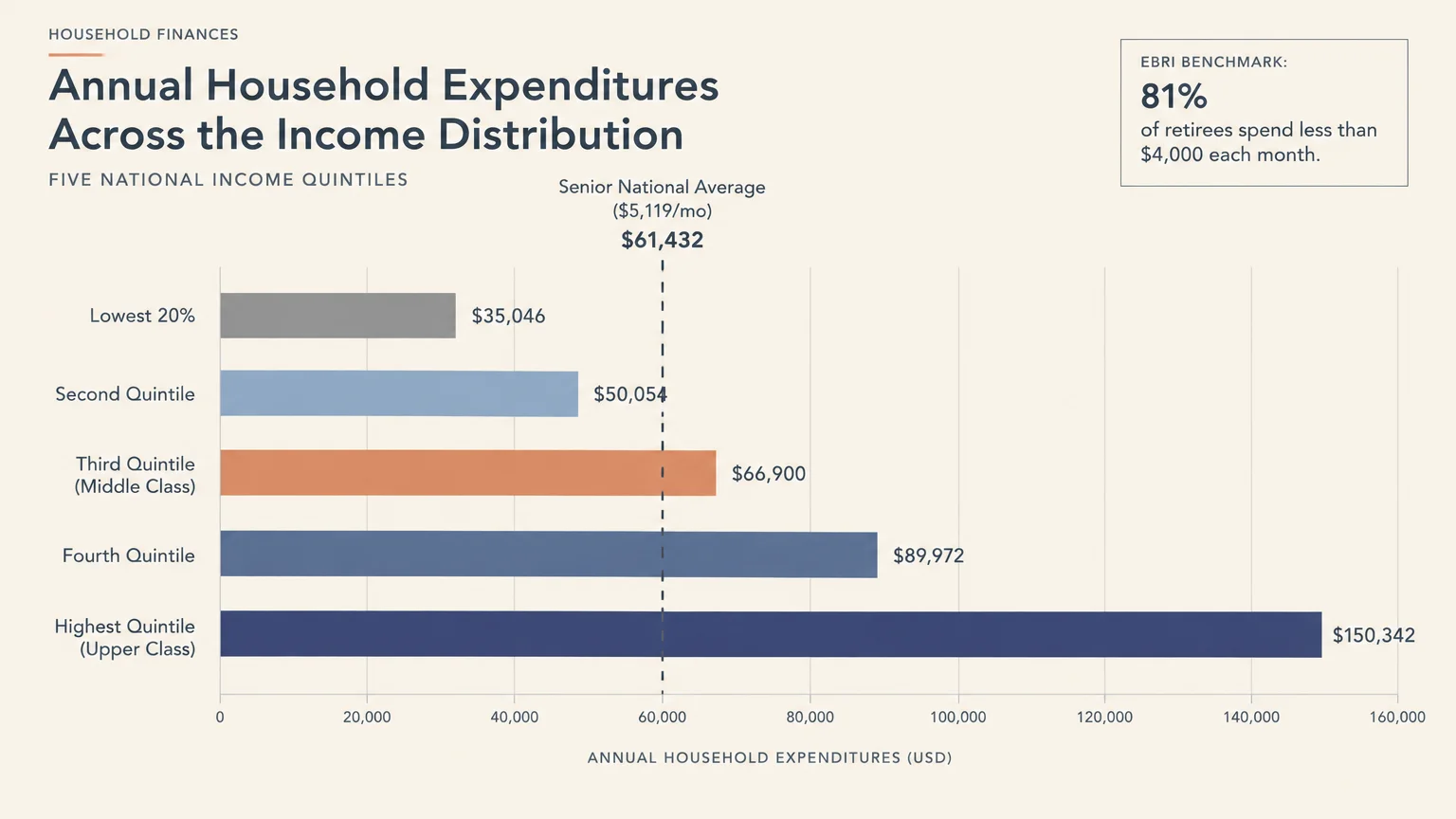
How much do retirees actually spend once the working years conclude? The BLS Consumer Expenditure Survey confirms that senior households spend an average of $61,432 annually, or roughly $5,119 per month.
Spending patterns fluctuate significantly depending on your age and health. Younger retirees between ages 65 and 74 spend an average of $65,354 annually as they pursue active travel and home renovations.
When you break national spending into income quintiles, the financial disparity between classes becomes unmistakable. Each tier reveals how discretionary choices expand as resources multiply.
Households in the lowest 20% quintile spend an average of $35,046 per year. Meanwhile, second-quintile households spend $50,054 annually to cover their basic living expenses.
The third quintile represents middle-class retirees, who spend an average of $66,900 each year. This spending level allows for comfortable living, reliable healthcare, and occasional leisure activities.
Upper-middle-class retirees in the fourth quintile average $89,972 in annual expenditures. They enjoy frequent travel, upgraded vehicles, and greater dining flexibility.
At the top of the spectrum, upper-class households in the highest quintile spend an average of $150,342 per year. Their budgets accommodate multiple properties, luxury services, and significant family gifting.
Despite these upper-tier figures, high spending remains rare across the broader population. Research from the Employee Benefit Research Institute (EBRI) reveals that 81% of retirees spend less than $4,000 each month.
That equals less than $48,000 in total annual spending. Only 3% of retirees spend $7,000 or more per month, crossing the $84,000 annual threshold.

Annual Spending Comparison: Where the Money Goes
Understanding spending differences requires examining specific budget categories. Middle-class retirees spend most of their resources on essential needs, while upper-class households allocate large sums toward lifestyle enhancements.
The following table contrasts annual expenditures for middle-class retirees against their upper-class peers based on national consumer data.
| Expense Category | Middle-Class Baseline (3rd Quintile / Average) | Upper-Class Average (Top 20%) | Primary Spending Drivers |
|---|---|---|---|
| Housing & Utilities | $22,193 / year ($1,849 / month) | $45,000 – $60,000+ / year | Primary home upkeep vs. secondary vacation homes and luxury HOAs |
| Transportation | $9,538 / year (~15.5% of budget) | $20,000 – $25,000+ / year | Paid-off domestic vehicles vs. luxury leases and private transit |
| Food & Dining | $7,940 / year ($662 / month) | $18,000 – $24,000+ / year | Home cooking and grocery discounters vs. fine dining and personal chefs |
| Healthcare & Insurance | $7,799 / year (~12.7% of budget) | $16,500 – $25,000+ / year | Standard Medicare and Medigap vs. IRMAA surcharges and concierge medicine |
| Leisure, Travel & Gifts | $4,000 – $6,500 / year | $30,000 – $45,000+ / year | Budget road trips and family visits vs. international tours and private clubs |
| Taxes & Miscellaneous | $7,462 / year | $25,000 – $40,000+ / year | Standard deductions vs. capital gains taxes, advisory fees, and trusts |
| Total Annual Spending | $61,432 – $66,900 | $150,342+ | Essential baseline needs vs. comprehensive lifestyle freedom |
1. Housing and Property Maintenance
Housing remains the single largest expense for American seniors regardless of wealth. For the average retiree household, housing costs total $22,193 annually, representing about 36% of all expenditures.
Middle-class retirees frequently live in paid-off homes to eliminate mortgage payments. However, they still spend approximately $1,849 monthly on property taxes, homeowner insurance, utility bills, and routine maintenance.
Upper-class retirees often maintain high-value primary residences or own secondary vacation properties. Their annual housing expenses routinely exceed $45,000 due to higher property taxes, HOA fees, private landscaping, and security services.
Wealthier seniors also spend significantly more on major renovations and age-in-place remodeling. They invest in smart-home upgrades, ground-floor master suites, and elevator installations to maintain independence in comfort.
2. Transportation and Vehicle Costs
Transportation costs absorb an average of $9,538 per year, or 15.5% of the typical senior budget. Middle-class retirees manage this by driving reliable, older vehicles and minimizing financing charges.
A middle-class couple typically maintains one or two paid-off domestic cars. Their primary expenses include auto insurance, standard maintenance, fuel, and registration renewals.
Upper-class retirees spend between $20,000 and $25,000 annually on transportation. They often lease new luxury sedans or premium SUVs every three years to access modern safety features.
In addition, affluent retirees spend heavily on private ground transit, rideshares, and seasonal car shipping between multiple residences. They prioritize convenience and safety over vehicle longevity.
3. Food, Groceries, and Dining
Food represents 12.9% of the average retiree budget, totaling $7,940 per year. Middle-class seniors spend roughly $662 per month balancing home-cooked meals with occasional restaurant visits.
Middle-class households frequently shop at conventional grocery chains and warehouse clubs. They take advantage of senior discounts and prepare most meals in their own kitchens.
Upper-class retirees spend $18,000 or more each year on food. They regularly purchase organic groceries from specialty markets and dine at upscale restaurants several times each week.
Furthermore, wealthy retirees often outsource food preparation altogether. They hire personal chefs for private dinner parties or utilize gourmet meal-delivery services to save time.
4. Discretionary Leisure, Travel, and Entertainment
Discretionary spending highlights the clearest gap between economic classes. Average senior households spend about $13,962 across all miscellaneous categories, including entertainment, apparel, hobbies, and personal gifts.
Middle-class retirees approach travel with budget consciousness. They favor domestic road trips, off-peak travel packages, and visits to family members to keep vacation spending under $4,000 annually.
Upper-class retirees view leisure travel as a central pillar of retirement life. Their annual travel and entertainment budgets frequently surpass $30,000, funding first-class flights, private excursions, and boutique hotels.
Affluent seniors also invest in premium country club memberships, arts philanthropy, and seasonal resort rentals. They use discretionary spending to create shared experiences for children and grandchildren.
Healthcare and Medicare: The Hidden Cost Divide
Healthcare is an inescapable expense that grows with age. According to BLS figures, the average retiree household spends $7,799 annually on medical care, accounting for roughly 12.7% of total spending.
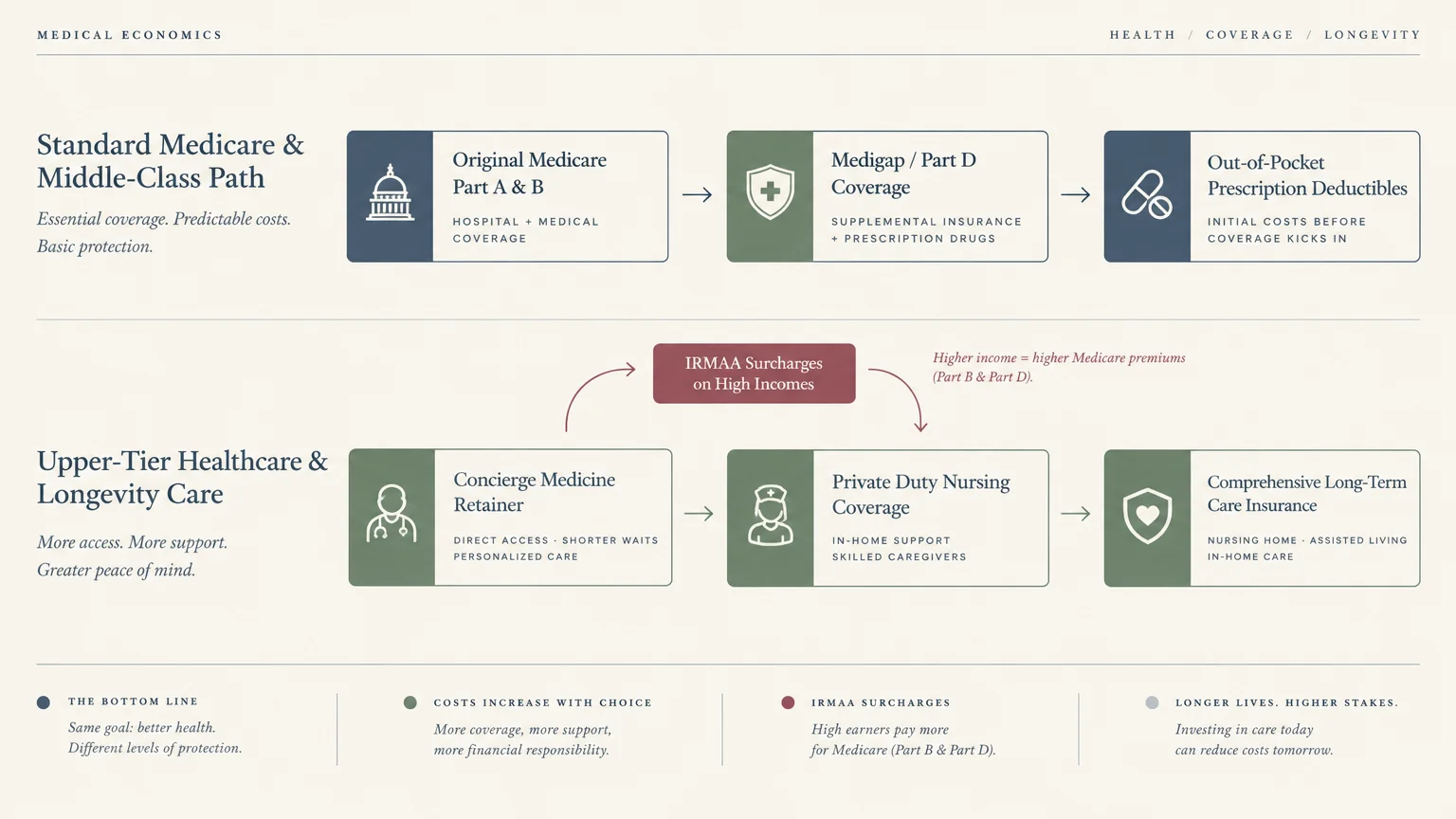
Middle-class seniors must manage predictable monthly premiums alongside unexpected out-of-pocket medical bills. Navigating federal coverage rules helps keep these expenses from overwhelming a fixed retirement income.
For 2026, the standard Medicare Part B monthly premium is $202.90, or $2,434.80 per year per person. The annual Part B deductible sits at $283.
If you require hospitalization, the 2026 Medicare Part A inpatient hospital deductible is $1,736 per benefit period. Middle-class retirees typically purchase Medigap policies or Medicare Advantage plans to shield themselves from these charges.
You can review detailed plan options and enrollment deadlines directly through Medicare.gov. Choosing the right coverage structure prevents costly coverage gaps.
Upper-class retirees face a very different healthcare financial structure due to federal surcharge rules. High earners pay substantially more for the exact same Medicare coverage through Income-Related Monthly Adjustment Amounts (IRMAA).
In 2026, IRMAA surcharges apply to single tax filers with Modified Adjusted Gross Income (MAGI) over $109,000. For married couples filing jointly, the threshold begins at $218,000.
At the highest income tier, wealthy couples pay a Part B premium of $689.90 per month per person. That amounts to over $16,550 annually for a married couple before counting Part D prescription surcharges.
Upper-class retirees also spend heavily outside traditional insurance. They routinely pay for concierge physician retainers, specialized longevity therapies, comprehensive dental implants, and private-duty home care.

Funding the Lifestyle: How Middle and Upper Classes Generate Cash Flow
Retirees fund their spending through completely different income architectures. Middle-class households rely heavily on guaranteed income, while upper-class retirees depend on dynamic portfolio distributions and private investments.
Social Security forms the bedrock of middle-class retirement security. In 2026, the average retired worker receives approximately $2,071 to $2,095 per month, providing roughly $25,000 per year.
For an average senior household spending $61,432 annually, a single average Social Security benefit covers approximately 41% of total living costs. A married couple with two benefits can cover the vast majority of essential expenses.
You can check your personal earnings history and estimated benefits through the official Social Security Administration portal. Claiming at the right age optimizes your lifetime payout.
Upper-class retirees often qualify for the maximum Social Security benefit by earning at or above the taxable wage base for 35 years. In 2026, the maximum monthly benefit at full retirement age is $4,152.
However, Social Security represents only a small fraction of an upper-class budget. Affluent retirees draw income from taxable brokerage accounts, dividend-yielding equities, municipal bonds, and commercial real estate holdings.
Managing this income stream requires vigilance, as overspending can derail even well-funded plans. EBRI reports that 31% of retirees feel their current spending is higher than what they can comfortably afford.
Debt also creates significant pressure across the middle class. EBRI research indicates that 68% of retirees with outstanding debt carry credit card balances from month to month.
Additionally, only 59% of seniors maintain at least three months of emergency savings. This lack of cash reserves leaves many households vulnerable to unexpected car or home repairs.
Tax Strategies That Distinguish the Two Tiers
Taxes do not disappear when you stop working; they simply change form. How you manage your tax bracket can mean the difference between preserving wealth and depleting your accounts prematurely.
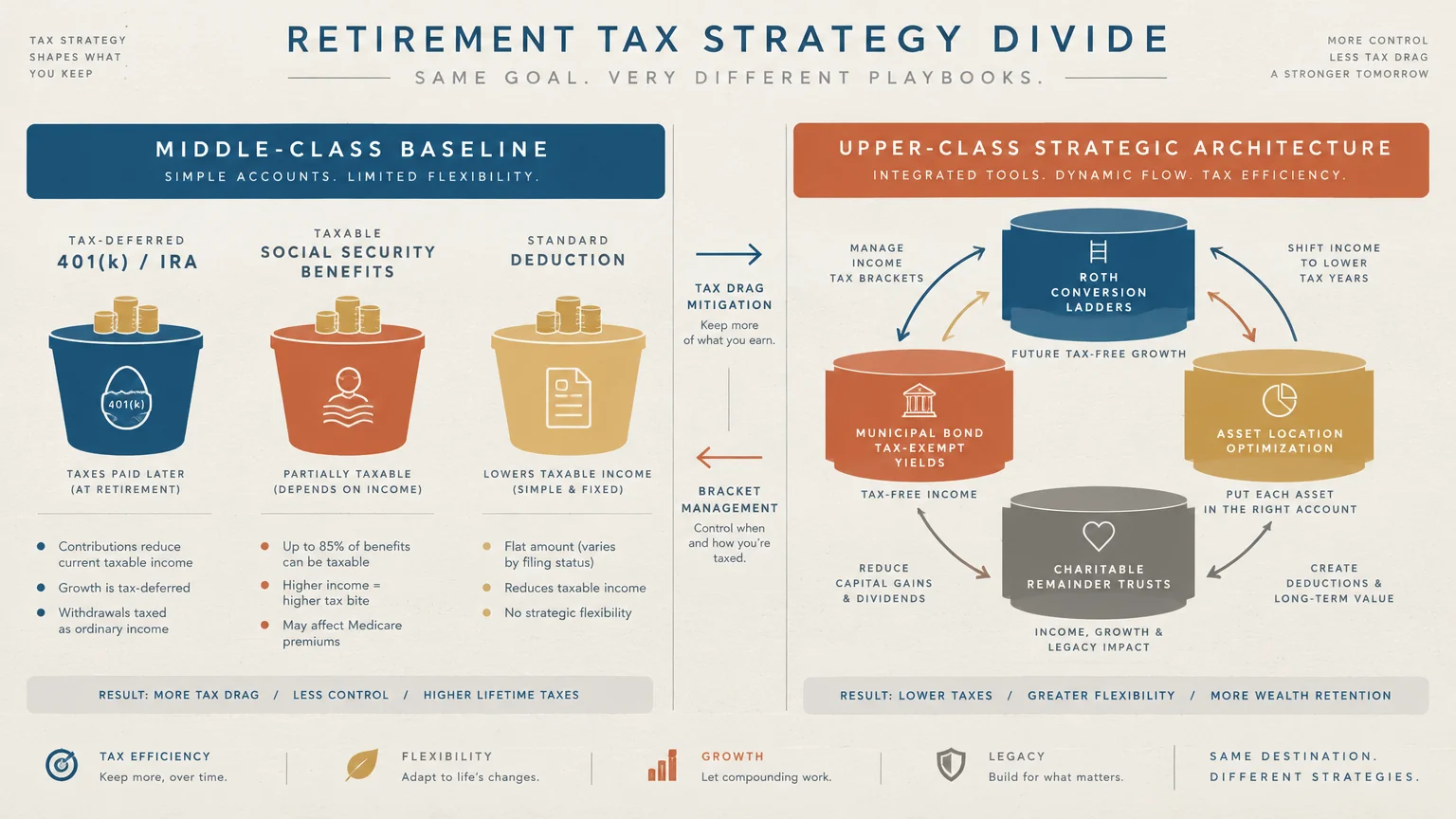
Middle-class retirees must monitor taxable distributions from traditional IRAs and 401(k) accounts. Excess withdrawals can inadvertently push your income into higher brackets and make up to 85% of your Social Security benefits taxable.
You can verify current federal tax brackets and senior standard deduction rules directly with the Internal Revenue Service. Strategic tax planning prevents costly surprises on April 15.
Upper-class retirees execute proactive tax management years before required minimum distributions (RMDs) begin. They leverage multi-year Roth conversion ladders during lower-income gap years between retirement and age 73 or 75.
Affluent households also utilize donor-advised funds (DAFs) to bunch charitable donations for substantial itemized deductions. They harvest capital losses systematically to offset large portfolio gains.
“The biggest risk to your retirement savings isn’t market volatility; it’s the taxes you fail to plan for.” — Ed Slott, CPA and Retirement Specialist
Proper tax diversification ensures that you control your taxable income rather than letting mandatory withdrawal rules dictate your tax bracket. This discipline protects both middle-class nest eggs and multimillion-dollar estates.
Costly Errors to Sidestep
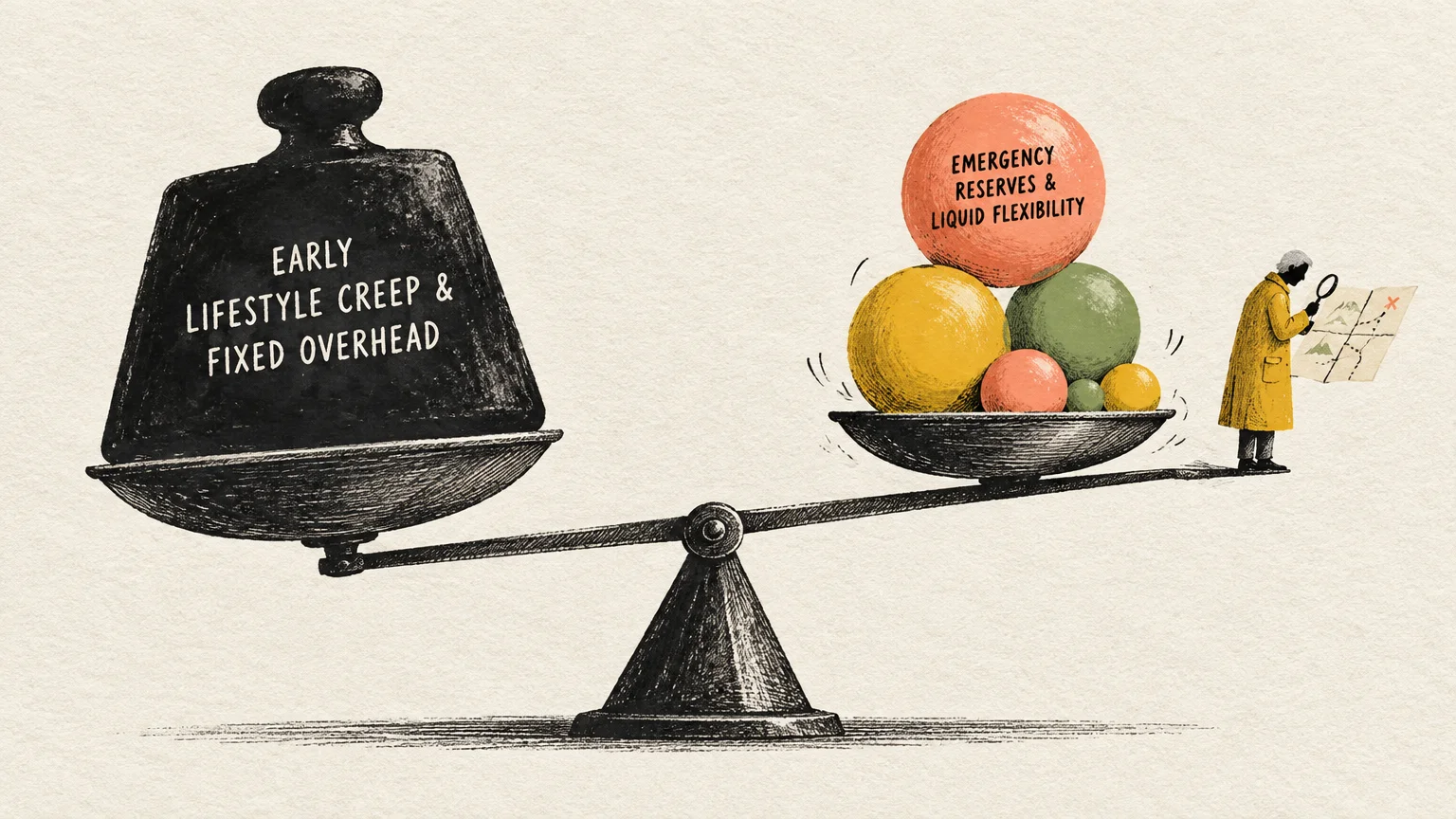
Avoiding financial missteps is just as critical as maximizing investment returns. Both middle-class and upper-class retirees make avoidable mistakes that erode their long-term purchasing power.
1. Underestimating Out-of-Pocket Healthcare and Dental Costs
Many seniors assume Medicare covers every health expense in full. In reality, traditional Medicare excludes routine dental care, dentures, hearing aids, and routine vision exams.
A major dental emergency or extensive crown work can quickly cost several thousand dollars. Middle-class retirees should establish a dedicated healthcare savings fund to handle these routine uncovered expenses.
2. Triggering Accidental IRMAA Premium Surges
Upper-middle-class retirees often cause their own Medicare premium spikes by poorly timing asset sales. Selling an investment property or taking a large lump-sum IRA distribution can push you across IRMAA thresholds.
Because IRMAA uses a two-year lookback period, a spike in your 2024 income increases your 2026 Medicare premiums. Coordinate large capital transactions across multiple calendar years to stay beneath surcharge triggers.
3. Carrying High-Interest Revolving Debt
Carrying credit card balances into retirement severely damages your monthly cash flow. Paying 20% interest on consumer debt while investments earn 6% or 7% creates an unsustainable wealth drain.
Retirees struggling with debt should contact credit counseling services or use consumer protection resources from the Consumer Financial Protection Bureau. Eliminating high-interest balances should remain your top financial priority.
4. Ignoring the Spending Smile Curve
Retirement spending rarely stays flat over a thirty-year timeframe. Spending typically starts high during active early years, dips during the middle period, and surges later due to long-term care needs.
Assuming your expenses will remain identical throughout retirement leads to poor cash management. Adjust your portfolio withdrawal plan to reflect these changing phases of life.

When DIY Isn’t Enough
Managing your finances independently works well during your accumulation years, but retirement distribution introduces layered complexities. Certain critical milestones demand professional financial and legal oversight.
- Complex Required Minimum Distribution (RMD) Strategy: If you hold multiple pre-tax accounts, taking distributions without a coordinated tax plan can trigger massive tax penalties and elevated IRMAA surcharges.
- Long-Term Care and Asset Protection Planning: Shielding your primary home and life savings from catastrophic nursing home costs requires specialized Medicaid trusts and long-term care insurance guidance.
- Downsizing and Real Estate Transition: Liquidating a family home to fund assisted living involves complex capital gains exemptions, state property tax portability, and bridge financing needs.
- Intergenerational Estate and Trust Structuring: Transferring substantial assets to heirs while minimizing estate taxes requires customized revocable living trusts, beneficiary designations, and gifting strategies.
If you encounter any of these scenarios, partner with a fee-only Certified Financial Planner (CFP) or an elder law attorney. Professional guidance ensures your plan remains legally compliant and financially sound.
Practical Steps to Balance Your Annual Spending
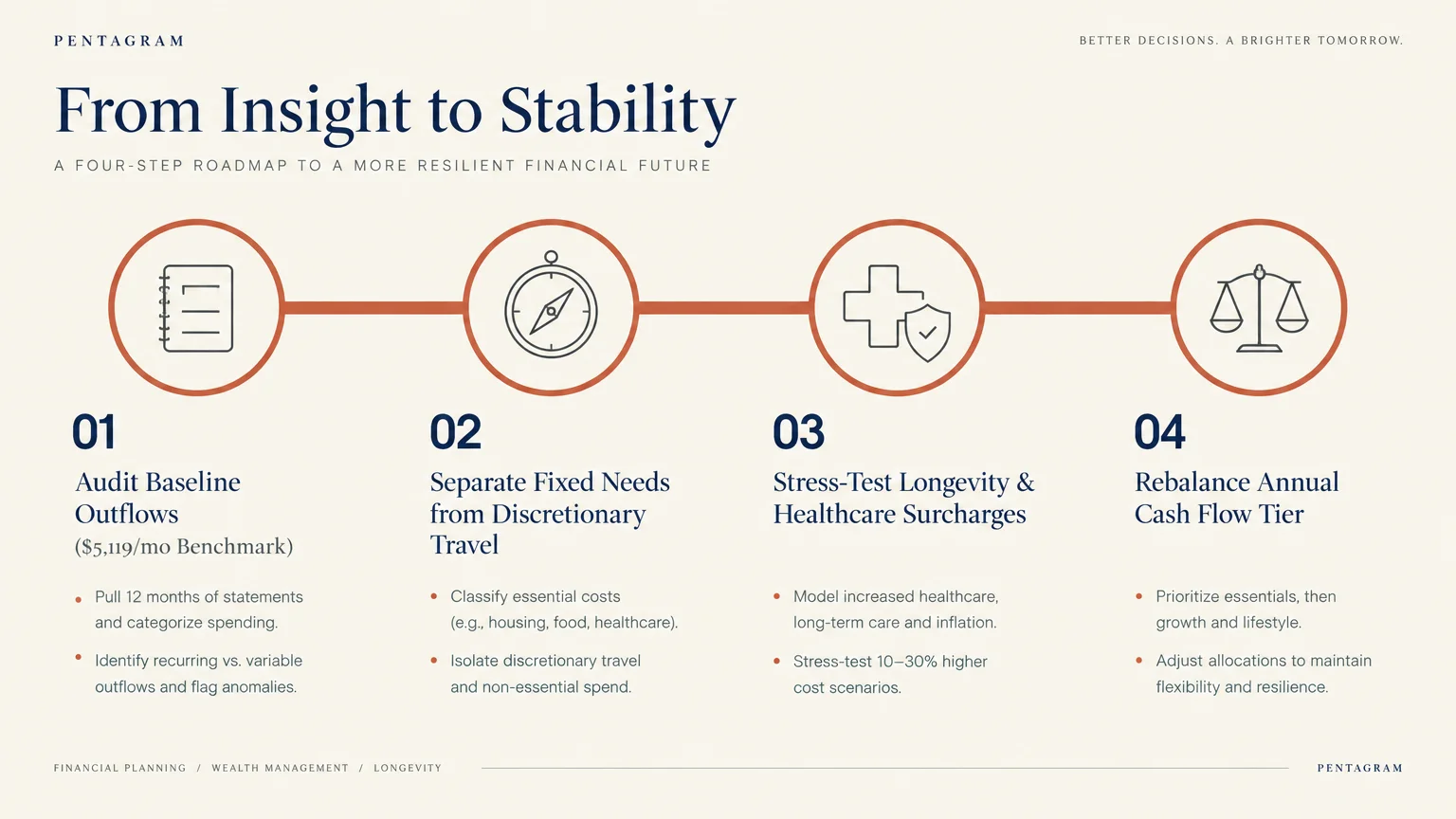
Regardless of your wealth tier, maintaining financial equilibrium requires conscious cash flow management. Taking small, deliberate actions today protects your quality of life for decades to come.
- Conduct an Annual Cash Flow Audit: Track every dollar spent over the past twelve months. Compare your housing, food, and transportation totals against national senior averages to spot spending leaks.
- Build a Dynamic Cash Cushion: Maintain six to twelve months of living expenses in high-yield savings accounts. This cash buffer prevents you from selling depressed investments during market downturns.
- Review Medicare Coverage Annually: Compare Part D prescription drug plans and Advantage options during Open Enrollment. Premium and formulary adjustments can save you hundreds of dollars each year.
- Explore Community and Federal Benefits: If your income is tight, leverage support programs through the National Council on Aging. Programs like SNAP and Medicare Savings Programs provide vital budget relief.
- Establish a Sustainable Withdrawal Rate: Align your annual investment withdrawals with proven guardrails. Aim for an initial withdrawal rate near 4%, adjusting downward during bear market cycles.
“True financial freedom is not about how much you spend; it is about having control over your choices and peace of mind.” — Suze Orman, Personal Finance Author
Focusing on disciplined cash flow gives you lasting confidence. Retirement success is not measured by matching upper-class spending, but by living comfortably within your means without financial anxiety.
Frequently Asked Questions
How much does the typical middle-class retiree spend each month?
The average middle-class retiree spends approximately $5,119 per month, which equals $61,432 annually according to the Bureau of Labor Statistics. However, over 80% of seniors maintain monthly budgets under $4,000.
What annual income qualifies as upper class in retirement?
While definitions vary, senior households spending more than $150,000 annually generally fall into the top 20% of earners. In terms of assets, the Federal Reserve benchmarks top-5% wealth at roughly $4.94 million.
Why do wealthy seniors pay higher Medicare premiums?
Federal law imposes Income-Related Monthly Adjustment Amounts (IRMAA) on higher-income beneficiaries. In 2026, individuals earning over $109,000 and couples earning over $218,000 pay tiered surcharges that can exceed $689 monthly per person.
Can middle-class retirees live comfortably on Social Security alone?
Social Security replaces about 40% of pre-retirement earnings, averaging roughly $25,000 annually per worker in 2026. A married couple receiving two benefits can cover essential needs, but single seniors usually require supplemental savings.
Achieving retirement security does not depend on accumulating an upper-class fortune. By understanding true spending benchmarks and managing your housing, healthcare, and tax liabilities proactively, you can maintain lifelong dignity and peace of mind.
The information in this guide is meant for educational purposes. Your specific circumstances—including income, benefits, tax situation, and health needs—may require different approaches. When in doubt, consult a licensed financial advisor or tax professional.
Last updated: October 2026. Benefit amounts, tax rules, and program details change annually—verify current figures with official government sources.









Leave a Reply