
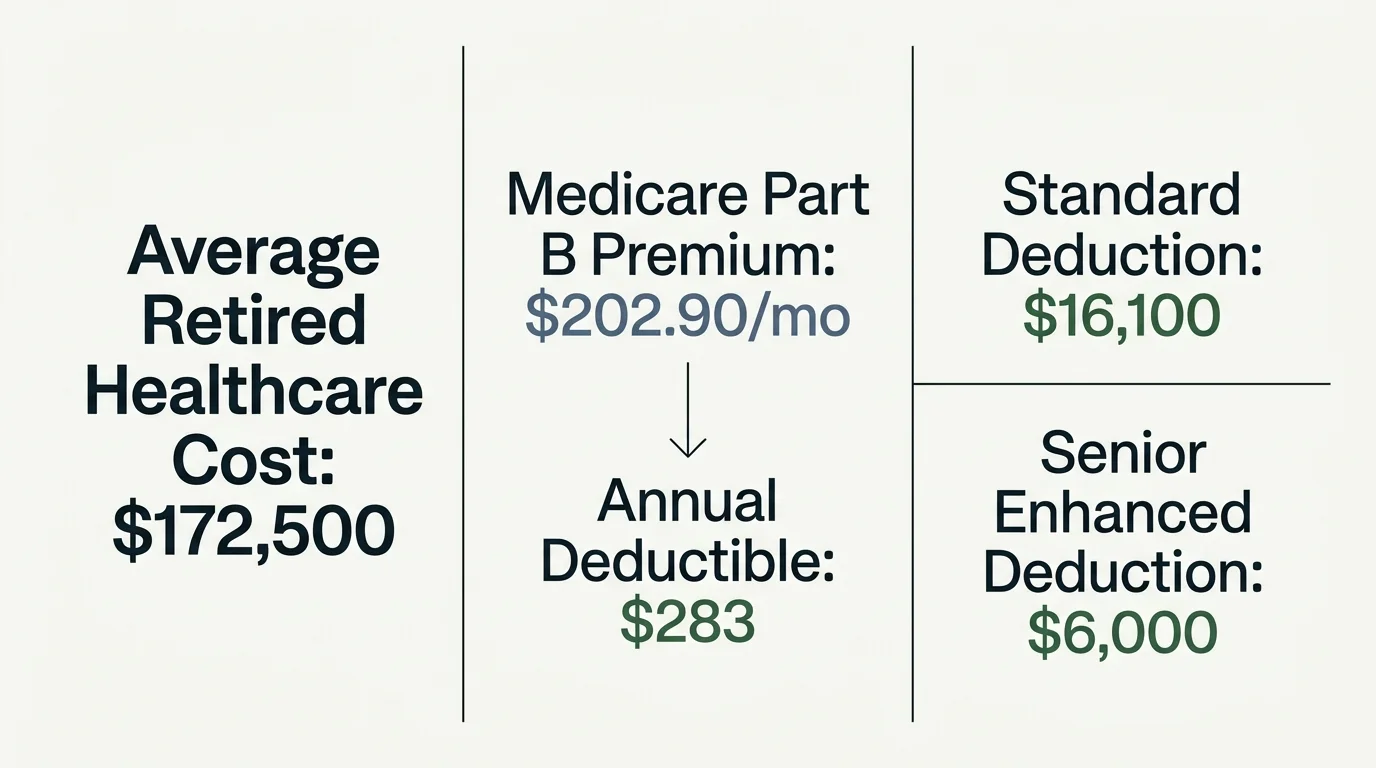
Your choice of retirement destination directly impacts both your physical health and your financial longevity. With a 65-year-old retiring today needing an average of $172,500 just to cover healthcare expenses, finding a town that naturally promotes a healthy, active lifestyle can be one of your smartest financial moves. Staying active, breathing clean air, and living near top-tier medical facilities can help lower long-term out-of-pocket medical costs. The best retirement towns offer a combination of walkable neighborhoods, abundant outdoor recreation, and a robust community of peers. Whether you prefer the coastal breezes of Florida or the mountain trails of Colorado, choosing the right community makes it easier to stay fit, socially engaged, and financially secure throughout your golden years.
Why Your Zip Code Matters for a Healthy Retirement
Retiring to a healthy community is not just about having nice walking trails; it has a profound ripple effect on your long-term wealth. When you live in a city that makes staying active effortless, you naturally reduce your reliance on expensive medical interventions. According to the 2025 Retiree Health Care Cost Estimate by Fidelity Investments, an average 65-year-old couple retiring today can expect to spend hundreds of thousands of dollars on out-of-pocket medical costs throughout their retirement. Living in a town that prioritizes wellness can keep you out of the doctor’s office and keep more money in your retirement accounts.
Your location also directly ties into how far your fixed income stretches when dealing with federal benefits and taxes. In 2026, the standard Medicare Part B premium is $202.90 per month, alongside an annual deductible of $283. By maintaining your health and potentially avoiding heavy prescription drug reliance (which falls under Medicare Part D), you protect your monthly Social Security income from being entirely eaten up by medical co-pays. Furthermore, choosing a tax-friendly retirement state allows you to maximize federal benefits, such as the 2026 standard deduction of $16,100 for single filers, plus the new $6,000 enhanced deduction available to seniors 65 and older.

12 Retirement Towns That Promote a Healthy Lifestyle
If you are looking to relocate to a destination that makes healthy living simple, these 12 retirement towns deserve a spot on your shortlist. Each offers a unique blend of active outdoor culture, strong healthcare infrastructure, and engaging community life.
1. Naples, Florida
Consistently ranked near the top of U.S. News & World Report’s best places to retire, Naples is famous for its exceptional weather, white-sand beaches, and top-rated medical facilities. The town promotes a highly active senior lifestyle, with numerous golf courses, tennis clubs, and miles of flat, paved paths perfect for walking and cycling. The lack of a state income tax in Florida also leaves retirees with more disposable income to invest in healthy, organic foods and fitness club memberships.
2. Boulder, Colorado
If you prefer mountain air to ocean breezes, Boulder is an outdoor enthusiast’s paradise. Surrounded by the Rocky Mountains, the city features hundreds of miles of hiking and biking trails. Boulder boasts one of the lowest obesity rates in the country, and the local culture places a massive emphasis on organic farming, farmers markets, and physical fitness. You will also have access to excellent healthcare systems, making it a great place to stay active while having peace of mind.
3. Green Valley, Arizona
Located just south of Tucson, Green Valley is comprised of over a hundred age-restricted developments designed explicitly for active adults. The dry, sunny climate is exceptionally gentle on aging joints. It is a highly affordable area—the median home price is well below the national average—and features dozens of recreation centers offering everything from water aerobics to pickleball. Because the entire infrastructure caters to retirees, finding social support and health resources is effortless.
4. Traverse City, Michigan
For seniors who love the changing seasons, Traverse City offers an active lifestyle on the shores of Lake Michigan. Known for its cherry orchards and stunning freshwater beaches, the town encourages an outdoorsy life of kayaking, paddleboarding, and woodland hiking in the summer, followed by snowshoeing and cross-country skiing in the winter. The local Munson Medical Center provides award-winning regional healthcare.
5. Asheville, North Carolina
Nestled in the Blue Ridge Mountains, Asheville is renowned for its vibrant arts scene and holistic health culture. Retirees flock here for the mild, four-season climate and immediate access to the Appalachian Trail and Blue Ridge Parkway. The city has a strong focus on farm-to-table dining and alternative wellness, but it is also home to the highly rated Mission Hospital. North Carolina offers a moderate tax climate, making it easier to manage your retirement budget.
6. Madison, Wisconsin
Consistently ranked as one of the most bike-friendly cities in the United States, Madison is built around five scenic lakes. The city’s extensive network of paved trails makes it easy to stay moving without relying on a car. Madison is also home to the University of Wisconsin, which brings a youthful energy, lifelong learning opportunities, and world-class medical care through the UW Health system.
7. Portland, Maine
Portland combines historic coastal charm with a very walkable downtown area. The fresh ocean air, access to fresh local seafood, and a strong culture of community engagement make it a fantastic place for a healthy retirement. Seniors can enjoy sailing, coastal hiking, and a vibrant culinary scene. The presence of Maine Medical Center ensures that top-tier healthcare is always within reach.
8. Charlottesville, Virginia
Steeped in history and surrounded by the foothills of the Blue Ridge Mountains, Charlottesville offers an intellectually and physically stimulating environment. Retirees can spend their days hiking in nearby Shenandoah National Park or auditing classes at the University of Virginia. The UVA Health System is nationally recognized, meaning you do not have to compromise on medical care to enjoy a smaller-town feel.
9. Sarasota, Florida
Sarasota offers a unique blend of pristine Gulf Coast beaches and rich cultural amenities, including the local opera, ballet, and theater. The city boasts a highly active senior community focused on water sports, golf, and beach walking. The Sarasota Memorial Health Care System is one of the largest and most highly regarded in the state, offering specialized geriatric care programs.
10. Sedona, Arizona
Famous for its breathtaking red rock formations, Sedona is a hub for spiritual wellness and physical health. The town features an exceptionally mild, high-desert climate and endless opportunities for hiking and mountain biking. Sedona is filled with wellness retreats, yoga studios, and healthy dining options. While it is a slightly higher cost-of-living area, the stunning scenery and focus on longevity make it a top choice for active retirees.
11. Burlington, Vermont
Located on the shores of Lake Champlain, Burlington is perfect for seniors who value environmental sustainability, local food sourcing, and an active community. The town is highly walkable and features a paved bike path that runs along the lakefront. With the University of Vermont Medical Center nearby, retirees have access to excellent healthcare in a community that genuinely values outdoor living.
12. San Luis Obispo, California
Often referred to as one of the happiest cities in America, San Luis Obispo enjoys a nearly perfect Mediterranean climate. The area promotes a highly active lifestyle with accessible hiking trails, numerous golf courses, and a thriving local farmers market that takes over the downtown area every week. While California taxes and living costs require careful financial planning, the sheer quality of life and emphasis on well-being are hard to beat.
What Can Go Wrong: Common Relocation Mistakes
Relocating for retirement is a major life transition, and seniors sometimes make costly errors when chasing the perfect healthy lifestyle.
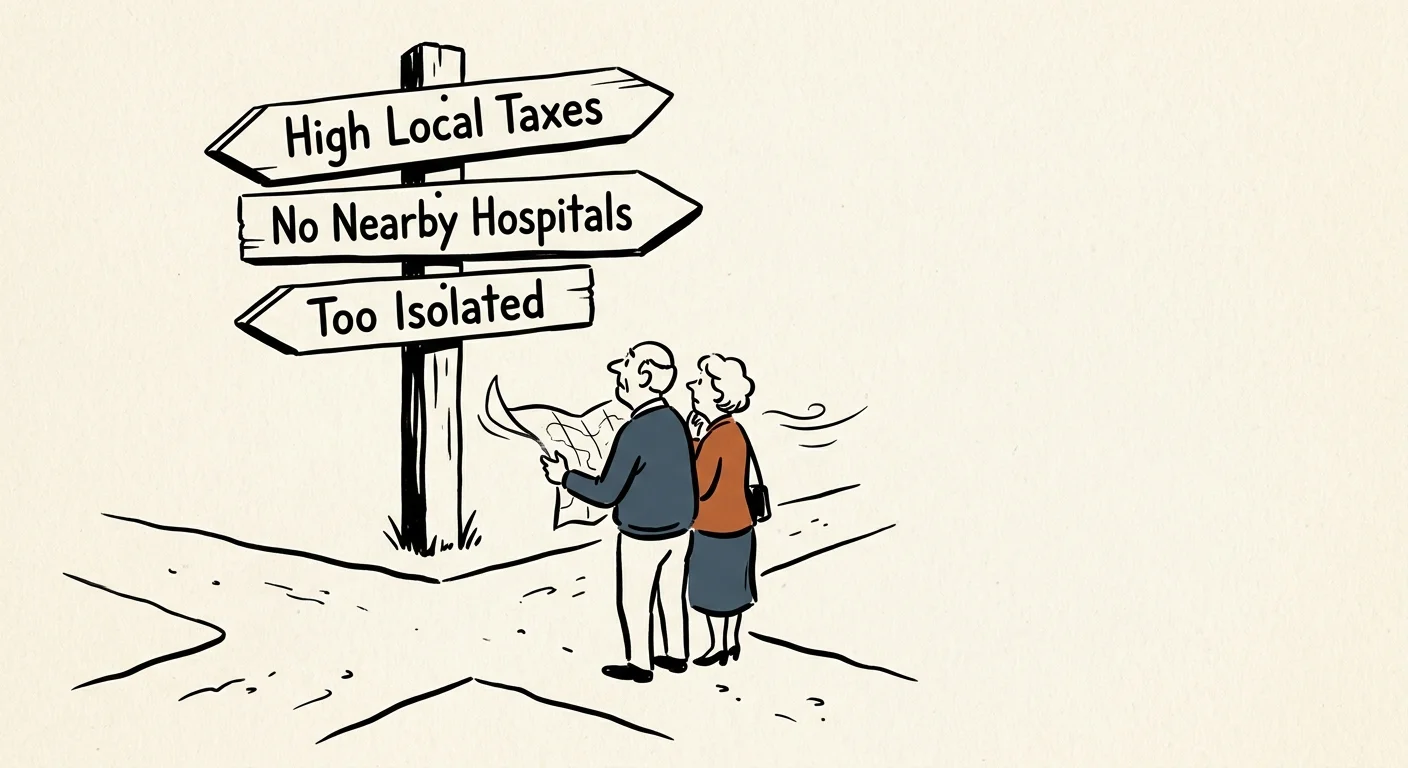
- Underestimating Healthcare Networks: Moving to a remote, scenic mountain town is wonderful for hiking, but it can be dangerous if the nearest major hospital is a two-hour drive away. Always verify that your new town has specialists who accept Medicare and can treat your specific conditions.
- Ignoring the Tax Bite: A state might not tax your Social Security benefits, but they might heavily tax your IRA withdrawals or levy high property taxes. You must look at the total tax burden, not just one favorable tax law, to understand how your budget will hold up.
- Failing to Account for Future Mobility: A multi-level home on a steep hill might be perfect when you are 65 and active, but it could become a hazard at 85. When choosing a healthy retirement town, prioritize single-level living and accessible floor plans to allow for aging in place.
- Overlooking Social Isolation: Leaving behind a network of friends and family to move to a sunny locale can lead to loneliness. Ensure your chosen destination has an active senior center, hobby clubs, or volunteer organizations where you can quickly build a new social circle.

Comparing Top Healthy Regions
To help you narrow down your choices, here is a quick comparison of the dominant geographic regions for healthy retirements:
| Region | Climate & Environment | Health & Lifestyle Perks | Financial Considerations |
|---|---|---|---|
| The Sunbelt (FL, AZ) | Warm, dry, or humid; abundant sunshine year-round. | Excellent for joint health; year-round golf and swimming; large built-in senior communities. | Generally tax-friendly for retirees (e.g., no state income tax in Florida), though insurance costs are rising. |
| The Mountain West (CO, UT) | Four seasons, dry air, high altitude. | Incredible hiking and skiing; strong culture of physical fitness and low obesity rates. | Higher cost of living and housing; state income taxes apply. |
| The Southeast (NC, VA) | Mild four seasons, humid summers. | Great mix of mountain hiking and coastal access; culturally rich college towns. | Moderate tax burden; generally more affordable housing than the Mountain West. |
| The Northeast/Midwest (ME, MI, WI) | Distinct four seasons with cold, snowy winters. | World-class medical networks; strong community ties; excellent summer recreation. | Higher property taxes generally; requires planning for winter mobility. |

When to Consult a Professional
Moving across state lines or adjusting your financial strategy to afford a specific retirement town is a complex process. You should strongly consider speaking with a professional if you find yourself in any of the following scenarios:
First, if you are selling a high-value primary residence in one state to buy a home in another, a tax advisor can help you navigate capital gains exclusions and the timing of your sale. Second, if your income streams include a mix of pensions, 401(k) withdrawals, and Social Security, a Certified Financial Planner (CFP) can show you how your new state will tax those specific buckets. Finally, if you rely heavily on a Medicare Advantage plan, you must consult an insurance broker; Medicare Advantage networks are highly localized, and moving to a new county often requires enrolling in an entirely new plan.
“Personal finance is 80% behavior and 20% head knowledge. Where you live dictates a large part of your daily behavior. Choose an environment that makes health and happiness the path of least resistance.” — Dave Ramsey, Personal Finance Expert
Frequently Asked Questions
- Does Medicare cover me if I move to a new state? Original Medicare (Part A and Part B) is a federal program and covers you anywhere in the United States that accepts Medicare. However, if you have a Medicare Advantage (Part C) plan or a Part D prescription drug plan, you will likely need to switch plans because these are tied to specific regional networks.
- What is the best way to test out a retirement town? Do not buy a home blindly. Rent an apartment or a house in the community for at least three to six months. Try to visit during the region’s worst weather season—whether that is the humid summer in Florida or the snowy winter in Michigan—to see if you can genuinely tolerate the climate year-round.
- How do state taxes impact my retirement budget? Every state has a different approach. Some states do not tax income at all. Others may exempt Social Security but tax pension income. You also need to look at property taxes and local sales taxes, as a state with low income taxes often makes up the revenue elsewhere. Check the Internal Revenue Service (IRS) and state department of revenue websites for current brackets.
Choosing where to spend your retirement is a highly personal decision that balances your financial realities with your lifestyle aspirations. Take your time visiting these towns, speaking to current residents, and running the numbers with your financial advisor. By intentionally selecting a community that makes staying active and healthy a natural part of your daily routine, you set yourself up for a retirement that is not just financially secure, but genuinely joyful.
The information in this guide is meant for educational purposes. Your specific circumstances—including income, benefits, tax situation, and health needs—may require different approaches. When in doubt, consult a licensed financial advisor or tax professional.
Last updated: July 2026. Benefit amounts, tax rules, and program details change annually—verify current figures with official government sources.